
Guides, Gardening Tips
Growing Shampoo Ginger in Pots: Easy Guide to Potting Ginger Lilies
Jan
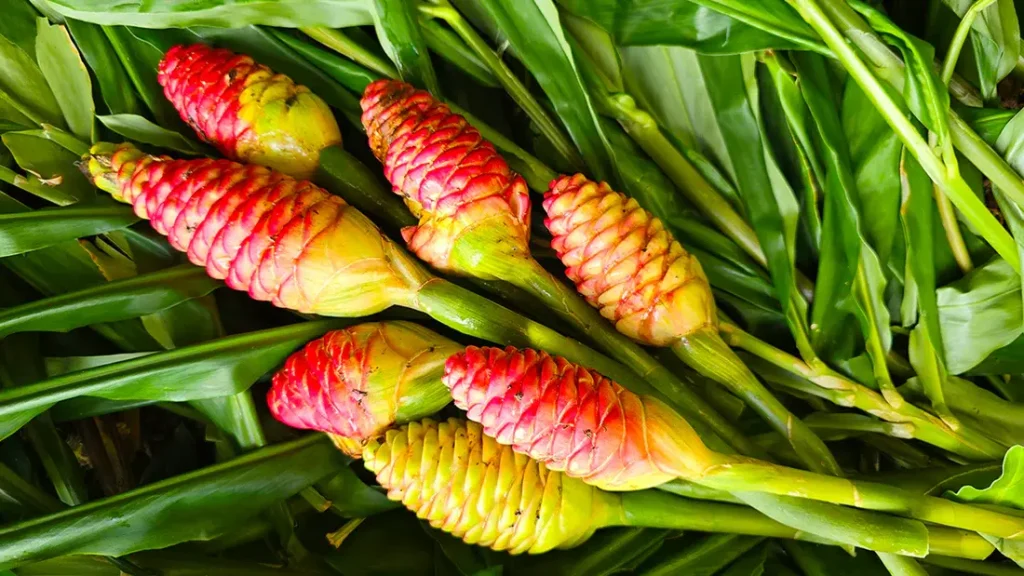
Are you looking to add a touch of exotic beauty to your home while growing your very own natural beauty products? Shampoo Ginger might just be the perfect choice for you! This stunning tropical plant is not only a showstopper with its vibrant, pinecone-shaped blooms and sweet fragrance, but it also produces a refreshing, natural lather for your hair.
If you live in a cooler climate, especially those in cooler climates like New York or Chicago, often feel left out when it comes to tropical plants. You might be worried that you do not have the right soil or the tropical heat of Florida to keep a Zingiber zerumbet alive. The good news is that growing Shampoo Ginger in pots is not only possible, it is also actually one of the best ways to manage this exotic perennial.
Growing Shampoo Ginger in Pots is the ideal way to enjoy this exotic specimen while keeping it safe indoors during the winter. Ready to turn your patio into a tropical spa? Keep reading for step-by-step instructions and expert tips on potting this versatile beauty!
Why Grow Shampoo Ginger in Pots
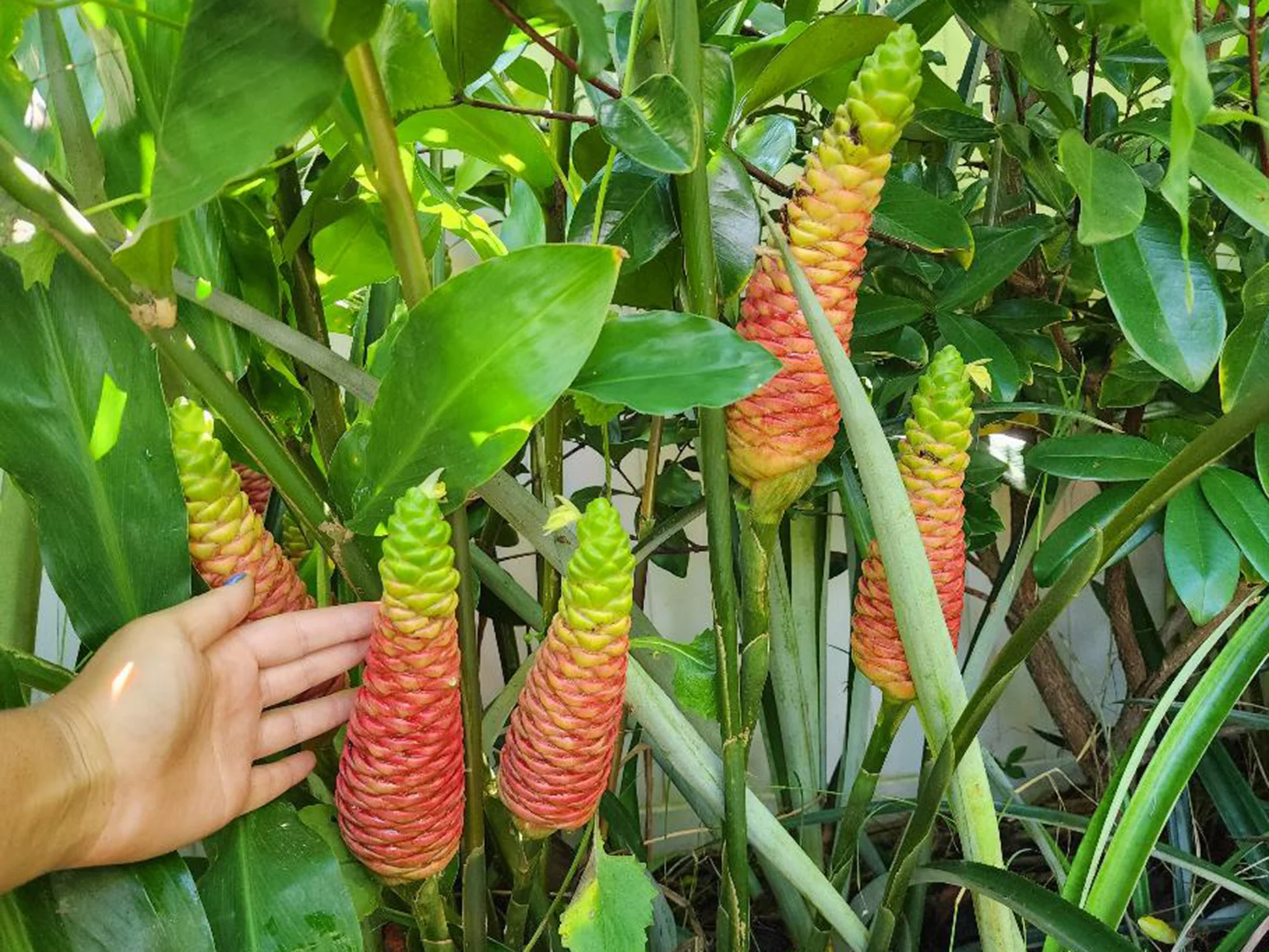
Shampoo Ginger, commonly known as the Pinecone Ginger, Zingiber zerumbet, or Awapuhi, is a showstopper. In the ground, it can spread quickly and take over a garden bed, but growing in pots allows you to control its environment perfectly.
For most Americans living outside of USDA Hardiness Zones 9 to 11, containers are a necessity rather than a choice. When the first frost hits in October or November, you can simply slide your pot indoors to keep the precious rhizomes safe.
Beyond the practicality, there is the “wow” factor. Imagine hosting a backyard barbecue and showing your friends how to squeeze a clear, aromatic liquid straight from a bright red flower to wash their hands or treat their hair. It is a total conversation starter and a favorite for kids who love “nature’s magic.”
What You’ll Need for Growing Shampoo Ginger in Pots
To successfully grow Shampoo Ginger in containers, here’s what you’ll need:
-
A Large Container: Choose a wide pot (at least 5–10 gallons) to accommodate the horizontal growth of rhizomes.
-
Quality Potting Mix: A rich, well-draining mix is crucial. Use a blend of potting soil, perlite, and organic compost.
-
Filtered Sunlight: This plant thrives in partial shade or morning sun.
-
Balanced Fertilizer: A liquid organic fertilizer will provide the energy needed for those iconic blooms.
Growing Shampoo Ginger in Pots
Choosing the Right Pot and Soil Mix
The biggest mistake people make is choosing a pot that is too small. Shampoo Ginger grows from thick, horizontal underground stems called rhizomes. These need room to stretch.
Selecting Your Container
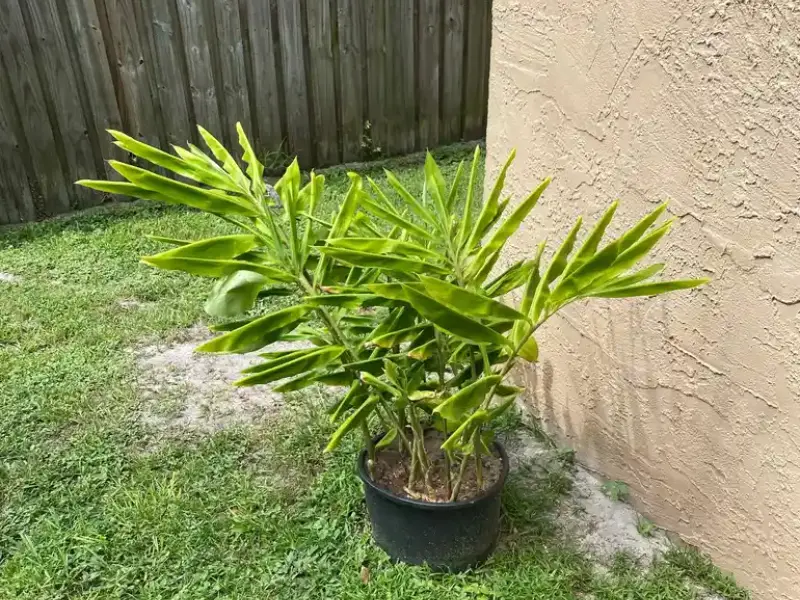
I always recommend a pot that holds at least 5 to 10 gallons. Look for wide containers rather than deep ones. A wide surface area allows the rhizomes to spread and produce more stalks. Most importantly, ensure your pot has ample drainage holes. Ginger hates “wet feet,” which can lead to root rot faster than you can say tropical.
The Perfect Potting Mix
Forget standard garden soil. It is too heavy and will pack down over time. For a thriving Zingiber zerumbet, you want a mix that is rich but well-draining. I like to use a blend of:
-
60 percent high-quality potting moisture mix
-
20 percent perlite or coarse sand for aeration
-
20 percent organic compost or worm castings
This setup mimics the leaf-littered floors of the tropical forests where these plants originate.
Planting Your Rhizomes in Pots
When you receive your shampoo ginger rhizomes in the mail, they might look like ordinary culinary ginger from the grocery store, but look closer. You will see small, pointed bumps known as “eyes” or growth buds. These are the command centers where the new shoots will emerge.
-
Timing: Plant in early spring after the danger of frost has passed. If you live in a cold state, you can start them indoors under a grow light in March.
-
Depth: Place the rhizome about 2 to 3 inches deep.
-
Orientation: Always keep the buds pointing upward or sideways. If you aren’t sure which way is up, laying it flat on its side is a safe bet.
-
Initial Watering: Water lightly just to settle the soil. Don’t drown it yet; wait until you see green shoots before you increase the water.
I remember my first time planting these; I was so nervous about the depth that I kept digging them up to check. Trust the process. If the soil is warm, you will see green spears poking through in a few weeks.
You may like: How to Grow Shampoo Ginger Roots: Step-by-Step Guide
Sun, Water, and Feeding Routine
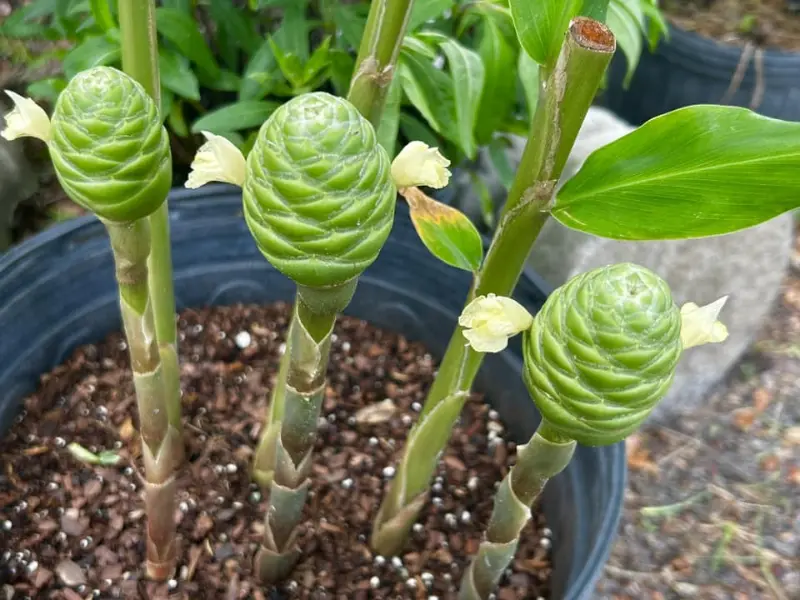
To get those iconic red pinecone flowers, you need to balance light and hydration.
Light Requirements
While it is a tropical plant, Shampoo Ginger actually prefers partial shade. In the intense afternoon heat of places like Texas or Arizona, the leaves can scorch. A spot that gets filtered sunlight or morning sun with afternoon shade is ideal. If you are growing it indoors, a bright south-facing window with a sheer curtain works wonders.
Watering and Humidity
In a pot, moisture evaporates quickly. During the peak of summer, you might need to water every day. The goal is to keep the soil consistently moist but never swampy. Since our homes in the US often have dry air due to air conditioning, misting the leaves occasionally helps mimic a humid jungle environment.
Fertilizing
These are heavy feeders. Use a balanced, liquid organic fertilizer every two weeks during the growing season. This provides the energy the plant needs to produce the flower bracts that hold the shampoo liquid.
Harvesting Shampoo Ginger
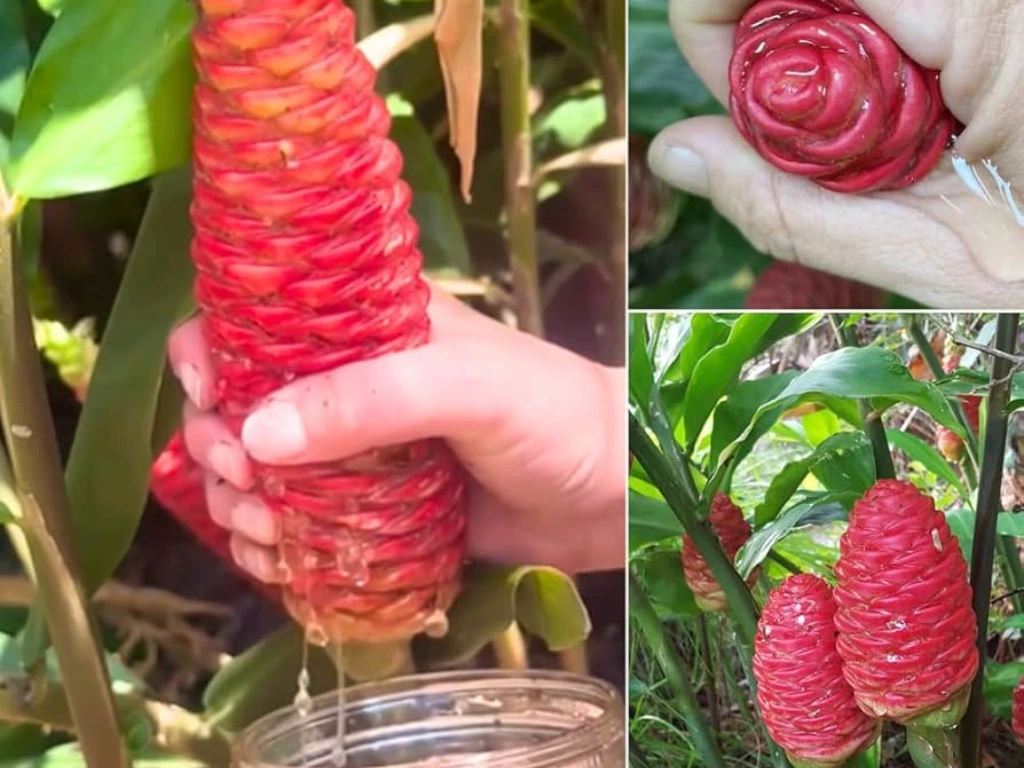
The most rewarding part of growing Shampoo Ginger in pots is the harvest. The plant will produce green, cone-like bracts during late summer. Slowly, these will turn a brilliant, fiery red.
When the cone feels firm and full, you can gently squeeze it. A clear, sudsy liquid with a light ginger scent will ooze out. You can collect this in a small jar to use in the shower. Don’t worry about hurting the plant; as long as you are gentle, the cone will refill itself over several days.
Overwintering Your Potted Shampoo Ginger
If you live in a region where temperatures drop below 55 degrees Fahrenheit, you must bring your pot inside. As winter approaches, the leaves will naturally turn yellow and die back. This is normal.
Cut the dead stalks down to a few inches above the soil. Move the pot to a cool, dark place like a basement or a garage that stays above freezing. Stop watering almost entirely during this dormancy period. In the spring, move it back into the sun, start watering, and the cycle begins again.
Frequently Asked Questions (FAQs)
Does the liquid actually clean your hair?
It acts more like a natural conditioner and scalp tonic. It removes light oils and leaves an incredible scent and shine, but if you have very oily hair, you might still want to use a mild soap occasionally.
Can I eat the rhizomes like regular ginger?
While Zingiber zerumbet is edible and used in some traditional medicines, it is much more bitter than the ginger you find at the grocery store. It is primarily grown for its ornamental beauty and the “shampoo” liquid.
How do I get more plants?
After two or three years, your pot will be crowded. In the spring, you can tip the pot over, gently break the rhizomes into sections (ensuring each has at least two eyes), and replant them in new pots. It is the gift that keeps on giving.
Why isn’t my plant flowering?
Patience is key. Often, the plant needs to reach a certain size and age before it blooms. Ensure it is getting enough fertilizer and that the pot is large enough to support a mature root system.
Read more: