
Seed Tips, Gardening Tips
How to Grow Fireweed From Seeds: A Step-by-Step Guide
Sep
Have you ever wondered how to grow fireweed from seeds or what it takes to nurture this wildflower into a beautiful, healthy plant in your garden? If you’re looking to transform your outdoor space with vibrant colors and a touch of nature, then fireweed is a perfect choice. This hardy, perennial plant is not only easy to grow, but it also attracts pollinators, supports local biodiversity, and has numerous health benefits. In this guide, we’ll walk you through everything you need to know about fireweed—its appearance, growing conditions, and essential care tips.
What is Fireweed?
What Does Fireweed Look Like?
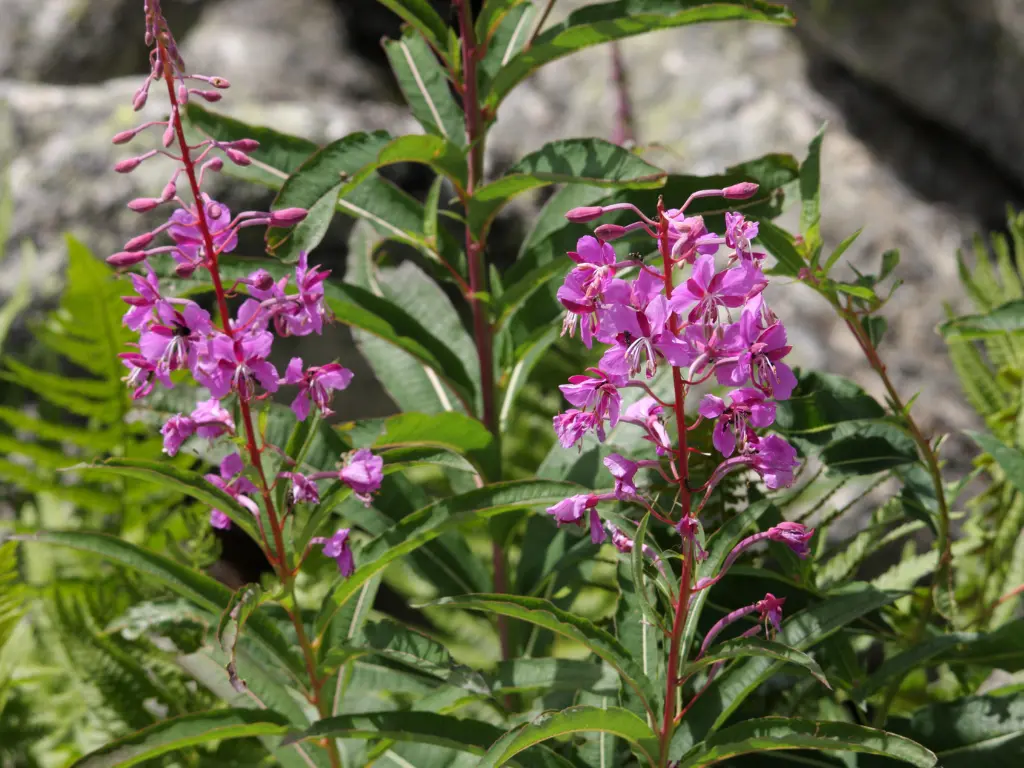
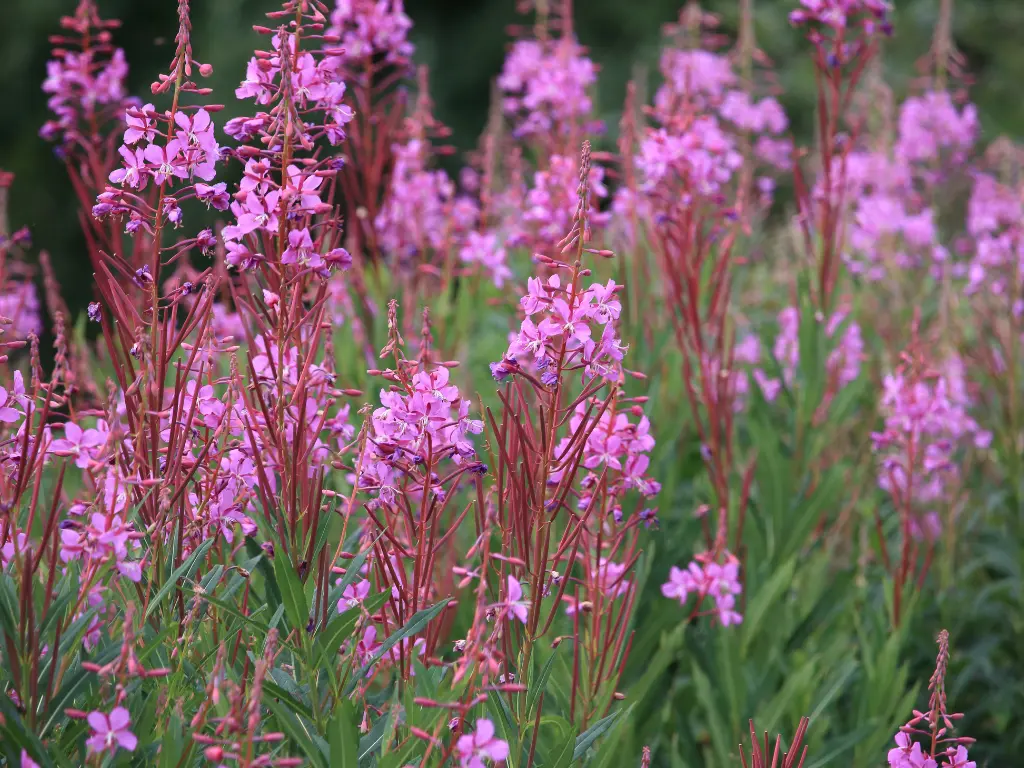
Fireweed (Epilobium angustifolium) is a stunning perennial wildflower that can grow up to 6 feet tall. It’s known for its tall spikes of pinkish-purple flowers, which bloom in late summer and early fall. The leaves are lance-shaped and a vibrant green, and the plant’s long, narrow flowers appear in dense clusters. When you see it in the wild, it often grows in disturbed soils, such as burned areas or clearings. In gardens, fireweed can be a striking addition to any wildflower or perennial bed.
Its distinct look makes fireweed an attractive choice for gardeners looking for something unique. Whether you’re growing it for its beauty or its health benefits, fireweed is sure to stand out. The plant’s easy-to-recognize flowers and tall structure make it a great addition to any garden, especially those looking to attract bees and butterflies.
Fireweed Health Benefits
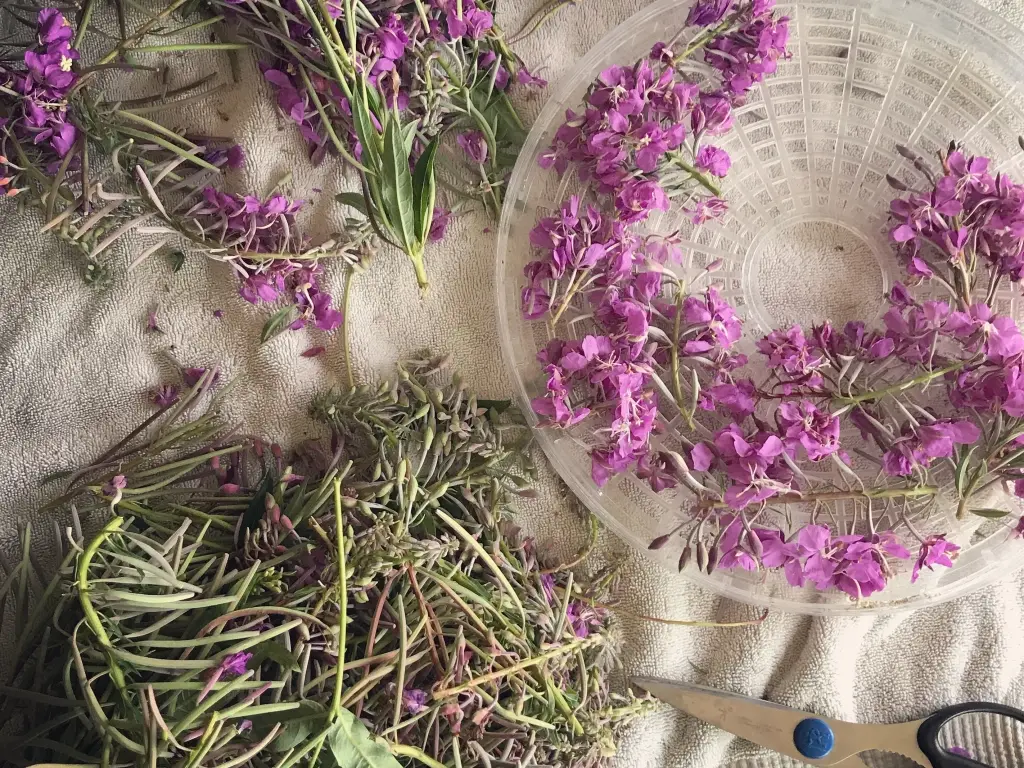
Fireweed isn’t just a beautiful plant; it also offers several health benefits. For centuries, fireweed has been used in traditional herbal medicine for its anti-inflammatory, antioxidant, and wound-healing properties. Here are a few reasons why fireweed is considered beneficial:
-
Anti-inflammatory Properties: Fireweed has been shown to reduce inflammation, making it useful for conditions like arthritis or muscle soreness. It can be consumed as a tea or applied topically to sore areas.
-
Antioxidants: The flowers and leaves of fireweed are rich in antioxidants, which help fight free radicals in the body. This can contribute to overall health and protect against diseases associated with oxidative stress.
-
Wound Healing: Fireweed has been traditionally used to help heal wounds and burns. The plant’s leaves and flowers contain compounds that may accelerate healing and reduce scarring.
-
Digestive Health: Fireweed tea is sometimes used to relieve digestive discomfort, including bloating and indigestion. The plant’s soothing properties can help calm the stomach and promote digestion.
Planting Fireweed
Preparing to Plant Fireweed
Before planting fireweed seeds, it’s crucial to create the ideal environment for the plant to thrive. Here’s how you can prepare for successful growth:
-
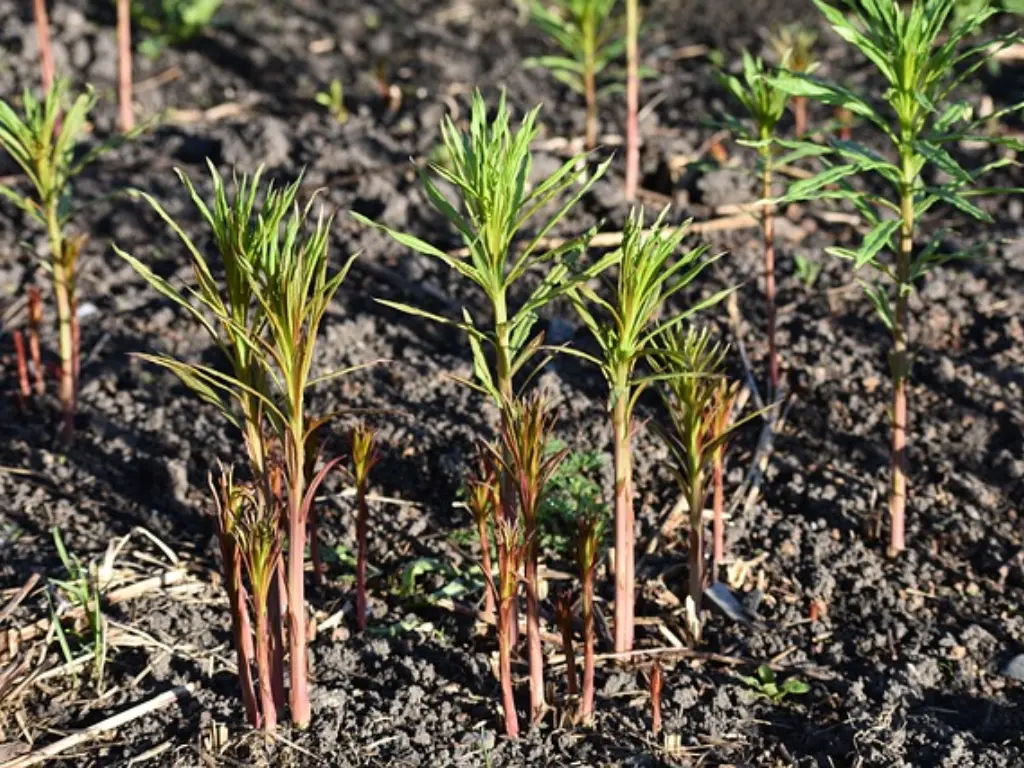
Best Time to Plant Fireweed: Fireweed seeds should be planted in late winter or early spring, ideally after the last frost. This gives them enough time to establish themselves before the growing season kicks in. Fireweed can also be started indoors if you want to get a head start on the growing season.
-
Soil Preparation: Fireweed prefers well-drained soil that’s rich in organic matter. It can tolerate a variety of soil types, from sandy to loamy, but the key is ensuring good drainage. You can amend your soil with compost or organic mulch to improve its fertility and structure.
-
Light and Temperature: Fireweed loves full sun, so choose a location in your garden that gets plenty of direct sunlight. The plant thrives in temperatures between 60°F and 75°F (15°C to 24°C), making it perfect for USDA hardiness zones 3-8.
How to Plant Fireweed Seeds
Planting fireweed seeds is easy, and once you know the right technique, you’ll be able to grow this beautiful flower with minimal effort. Here’s how to plant fireweed seeds:
-
Indoor vs Outdoor Planting: If you’re starting seeds indoors, fill small pots with seed-starting mix and press the seeds lightly into the surface. They need light to germinate, so don’t cover them with soil. Keep the pots in a warm spot with indirect sunlight. If planting outdoors, scatter the seeds evenly on the soil surface and gently press them in.
-
Spacing: Fireweed plants can grow quite tall, so it’s important to space them about 12-18 inches apart. This ensures they have room to grow and prevents overcrowding. Crowded plants may struggle to get the nutrients they need and could become more susceptible to diseases.
-
Watering: Keep the soil consistently moist until the seeds germinate, which typically takes 1-2 weeks. Once they sprout, reduce the watering frequency, but ensure the plants are still getting adequate moisture.
Caring for Fireweed Plants
Once your fireweed seeds have germinated and started growing, it’s essential to give them proper care to ensure they reach their full potential.
-
Watering: Fireweed is drought-tolerant once established, but it does appreciate regular watering, especially during dry spells. Water the plants deeply at the base to avoid wetting the leaves, which can lead to fungal diseases.
-
Fertilizing: Fireweed isn’t a heavy feeder, so it doesn’t require a lot of fertilizer. A light feeding in the early spring using a balanced, slow-release fertilizer will help promote healthy growth. Avoid over-fertilizing, as this can result in weak growth and fewer flowers.
-
Mulching: Mulch around the base of the plant to retain moisture, suppress weeds, and regulate soil temperature. Organic mulch like shredded bark or leaves works well for fireweed.
-
Pest and Disease Control: Fireweed is generally pest-resistant, but it can sometimes be affected by aphids or caterpillars. Keep an eye out for pests and treat them with organic insecticides if needed. Additionally, ensure good air circulation around the plant to prevent fungal diseases like powdery mildew.
Harvesting and Storing Fireweed Seeds
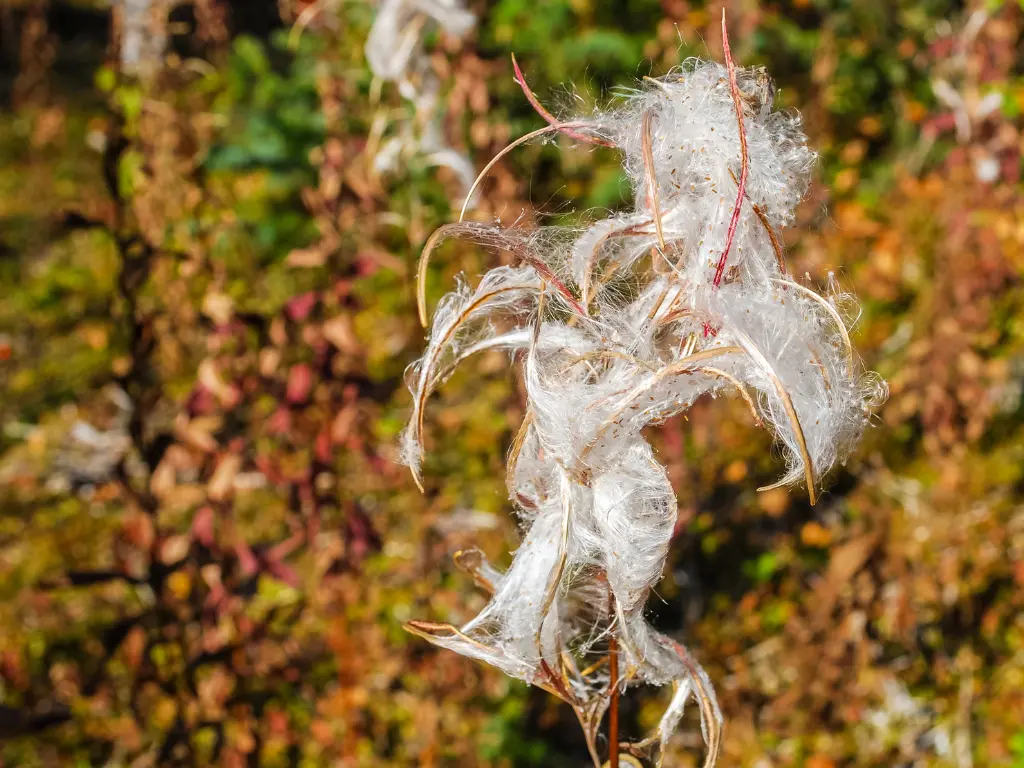
Once your fireweed plants have bloomed, long seed pods will begin to develop. These pods will continue to mature as the plant’s flowers bloom along the inflorescence. Over time, the pods will dry out and eventually split open, releasing the light, fluffy seeds. At this stage, the seeds are ready to be collected.
Collecting the Seeds
To harvest fireweed seeds, simply gather the pods once they have dried and split open. The seeds are attached to small, cotton-like tufts that allow them to be carried by the wind. Carefully collect the seeds, ensuring you don’t damage the delicate fibers. It’s easy to do by hand or using scissors to snip the seed pods from the plant.
Storing Fireweed Seeds
When storing your fireweed seeds, there’s no need to remove the fluffy fibers. These tufts do not affect germination and can actually be difficult to remove, so it’s best to leave them intact. The fluffy seeds can be stored as-is without worrying about their fluff.
Store the seeds in a cool, dry place away from direct sunlight. A simple paper envelope is perfect for this. The envelope helps keep the seeds dry, and it’s an easy way to keep them organized until you’re ready for stratification or planting.
Frequently Asked Questions (FAQs)
Q1: How long does it take for fireweed seeds to germinate?
It typically takes 1-2 weeks for fireweed seeds to germinate when kept in optimal conditions with consistent moisture.
Q2: Can I grow fireweed indoors?
Yes, fireweed can be started indoors in small pots. Just make sure the seeds are exposed to light, as they need it to germinate.
Q3: What are the ideal growing conditions for fireweed?
Fireweed thrives in full sun and well-drained soil, with temperatures ranging from 60°F to 75°F (15°C to 24°C). It prefers organic, fertile soil with good drainage.
Q4: Can fireweed become invasive in some regions?
Fireweed can spread quickly in certain areas, especially in disturbed or burned environments. However, it’s generally not considered invasive and can be managed in gardens with proper care.
Conclusion
Growing fireweed from seeds is an easy and rewarding process that will add a unique touch to your garden. By following the simple steps outlined above, you can enjoy the beauty of fireweed while also benefiting from its ecological and health advantages. Whether you’re an experienced gardener or a beginner, fireweed is a plant that’s sure to enhance your outdoor space. So, get ready to plant your fireweed seeds and watch this beautiful wildflower thrive in your garden!
You may like: