
Gardening Tips
Fuchsia Care Made Easy: How to Grow Stunning Blooms
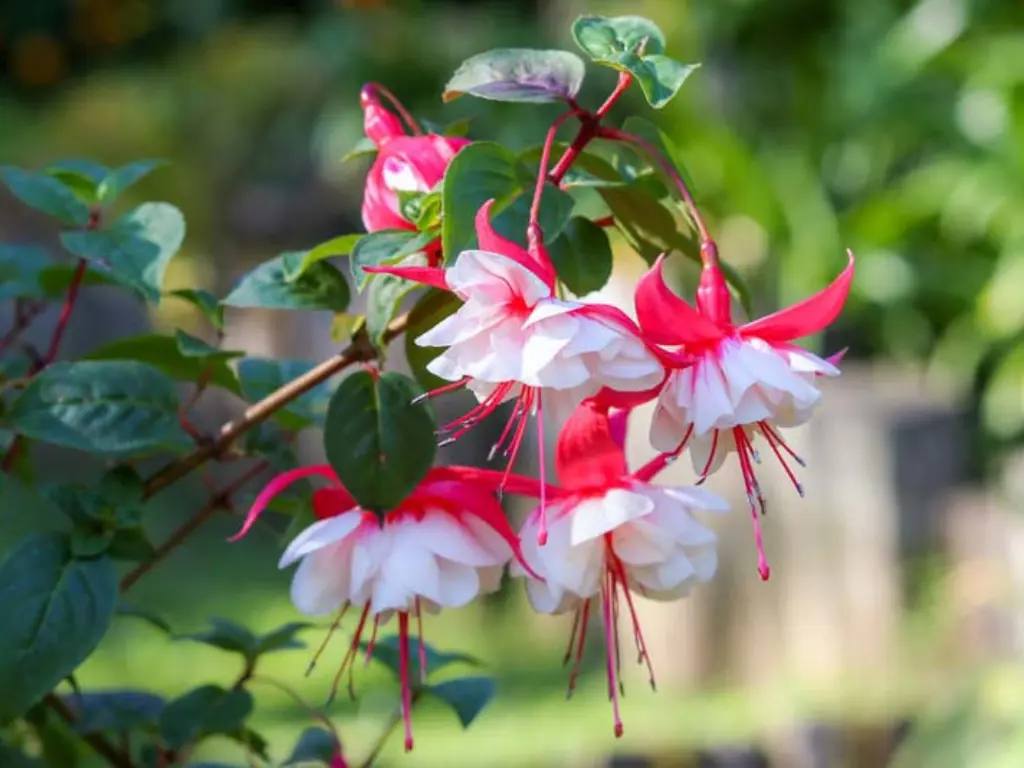
Aug
Ever wondered why your fuchsia plant suddenly stopped blooming, started dropping leaves, or looks sad and tired even though you thought you were doing everything right? You’re not alone. Growing and caring for fuchsias can be a little tricky, especially if you’re new to gardening or unfamiliar with how these beautiful trailing or upright plants behave.
In this guide, I’m going to break down everything you need to know about Fuchsia care, whether you want to grow them in containers, hanging baskets, or even directly in your garden. I’ve been working with plants and advising gardeners for over a decade, and I’m going to give it to you straight, what works, what doesn’t, and how to keep your fuchsias thriving all year. Let’s grow together, one beautiful bloom at a time!
About Fuchsia Plants
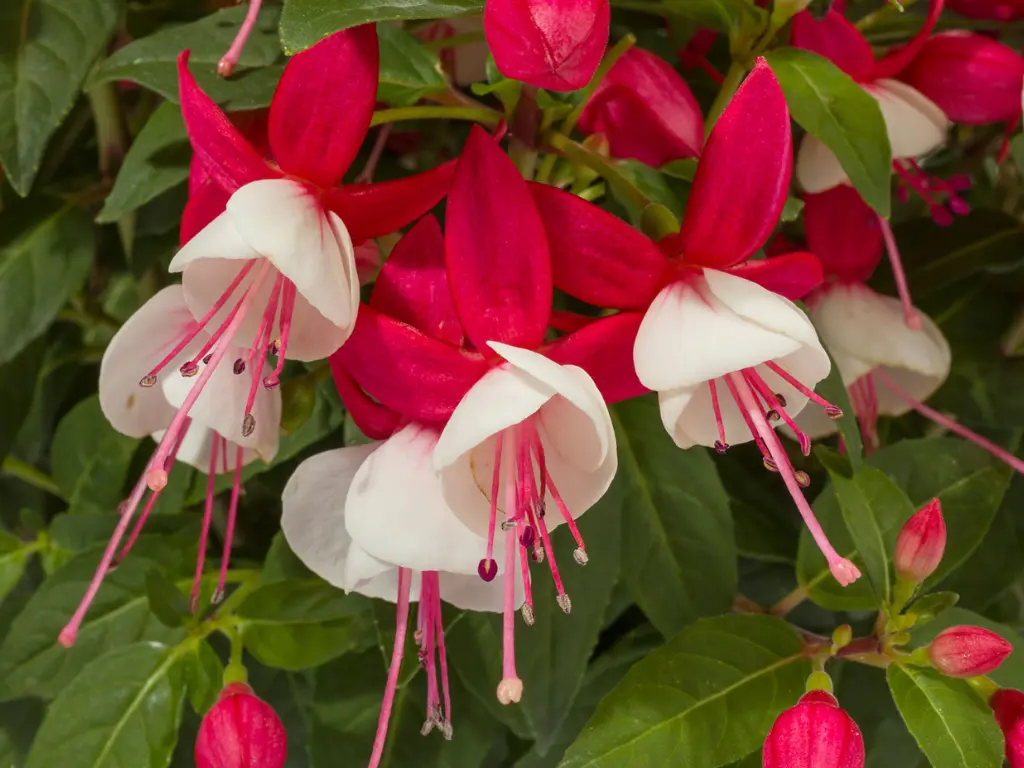
Fuchsias are stunning flowering plants known for their delicate, drooping blooms that look like ballerina skirts. With their vibrant shades of pink, purple, red, and white, these Fuchsia flowers add a magical, fairytale-like charm to any space. There are over 100 species, but most gardeners grow hybrids of trailing and upright fuchsias.
Types of Fuchsias
-
Trailing fuchsias: Perfect for hanging baskets, cascading beautifully over the sides.
-
Upright fuchsias: Great for pots, flower beds, or as part of mixed borders.
-
Hardy vs. tender fuchsias: Hardy types survive mild winters outdoors, while tender ones need protection or indoor overwintering.
Fuchsias love cool temperatures, consistent moisture, and partial shade. They’re a hit in USDA zones 4 to 11, depending on the variety. Even if you’re in a warmer climate, there are tricks you can use to keep your fuchsias looking their best (more on that later).
How to Plant Fuchsias
Choosing the Right Variety
Many folks don’t realize that not every fuchsia is the same. For most of the States, go with Fuchsia magellanica if you want a cold-hardy shrub, or choose heat-tolerant varieties for southern gardens. Always check the plant tag for proper garden zone information so you can avoid frost damage or heat stress right off the bat.
The Best Soil for Fuchsias
A good potting mix is critical for fuchsia care. You want soil that is rich, holds moisture, but most importantly is well-draining. Think slightly acidic (pH 6-6.5) and full of organic matter. A mix of peat, compost, and a touch of perlite works great for potted fuchsias and hanging baskets. Good drainage is essential to avoid dreaded root rot.
Light and Temperature
Fuchsias need bright but indirect sunlight. Think dappled shade beneath a tree, or an east-facing porch with gentle morning rays. Too much direct sun, especially in hotter zones, can cause leaves to scorch or Fuchsia flowers to drop.
They thrive in temperatures between 55°F and 80°F. Once temps soar above 85°F, you might notice some stress—wilting, yellowing leaves, or flower drop. Don’t worry, though. With a little shade and water, they bounce back beautifully.
How to Care for Fuchsias
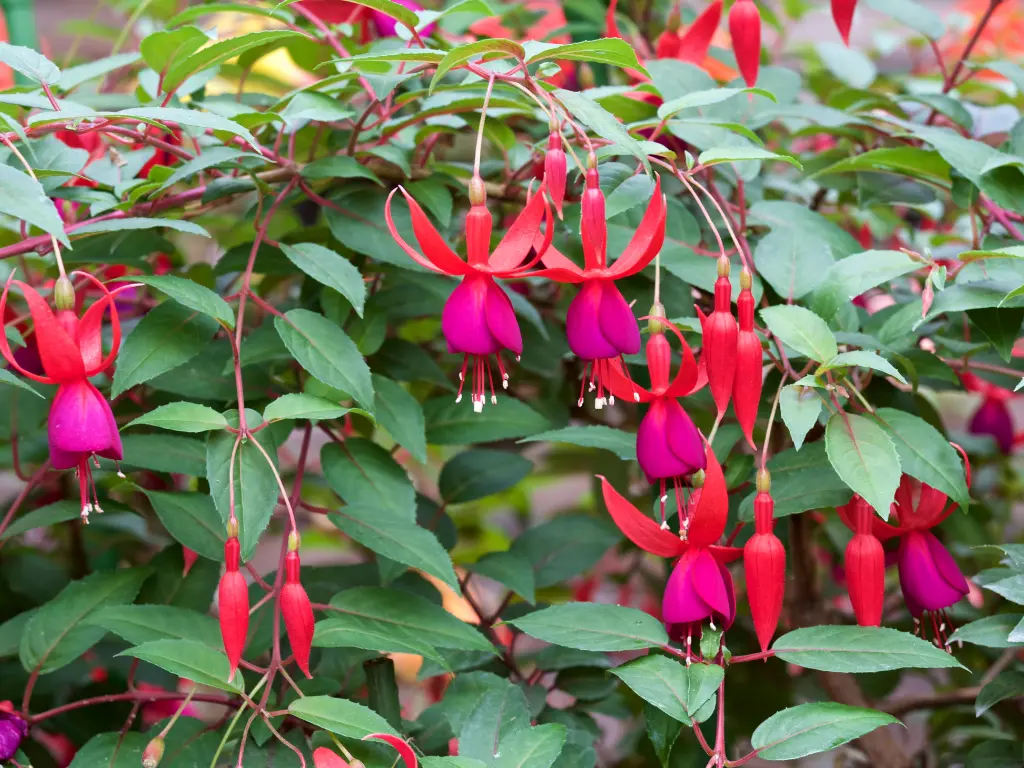
Watering
Watering can be tricky, especially in hanging baskets or terracotta pots where soil dries quickly.
Here’s how to keep your fuchsias happy:
-
Stick your finger into the soil—if the top inch feels dry, it’s time to water.
-
Water deeply until it drains out the bottom. This encourages strong roots.
-
In peak summer, check daily, especially if your plant is in a breezy or sunny spot.
-
In cooler months or during dormancy, reduce watering significantly.
Fertilizing
Fuchsias are moderate feeders. Feed every 2-3 weeks during the growing season (spring through early fall) with a balanced liquid fertilizer such as 10-10-10. For even more flowers, consider switching to a bloom booster (e.g., 10-30-20) once buds start forming.
Organic gardeners can use compost tea or fish emulsion. Just be sure to avoid over-fertilizing—this can lead to lush leaves but few flowers.
Pruning and Pinching
-
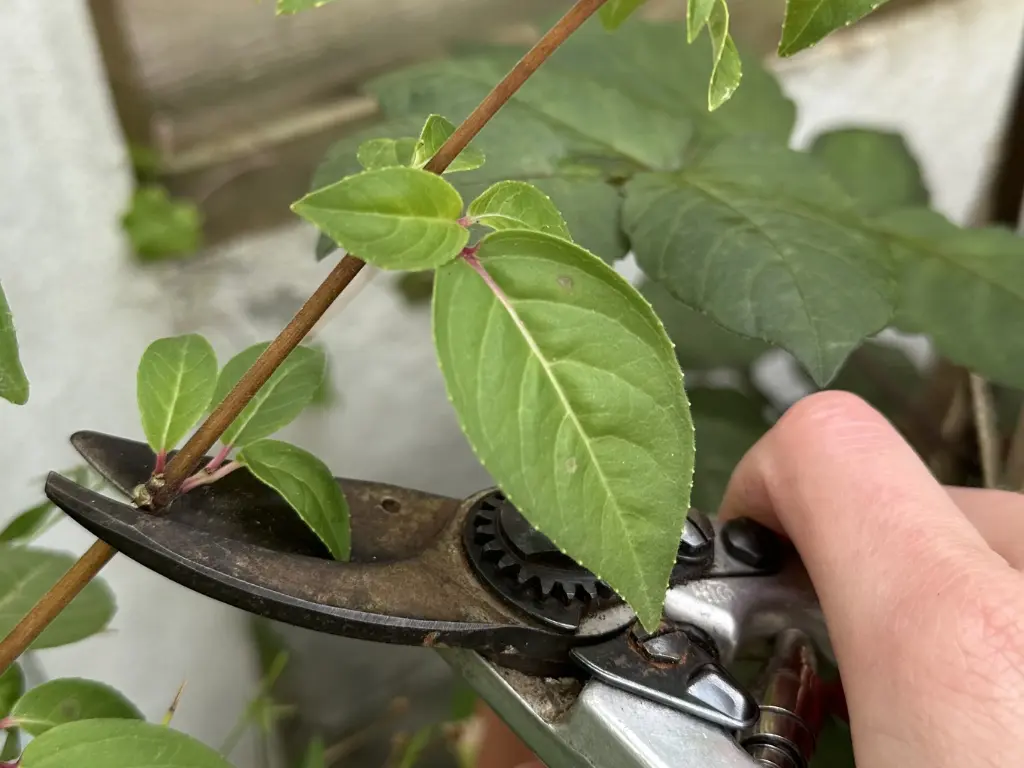
In early spring, before new growth, prune back any dead or woody stems.
-
During the growing season, pinch off the soft tips of new shoots every couple of weeks.
-
Deadhead regularly (remove spent blooms) to encourage more Fuchsia flowers.
Pinching may seem tedious, but it’s one of the easiest ways to keep your plant looking full and vibrant.
Pest and Disease Management
Healthy fuchsias are pretty resilient, but pests and diseases can sneak in. Here’s what to look out for:
-
Aphids and whiteflies: These sap-suckers hide under leaves. Use neem oil, insecticidal soap, or introduce beneficial insects like ladybugs.
-
Spider mites: Cause stippling and webbing. Increase humidity and spray with water or neem.
-
Root rot: Usually from overwatering. Fix drainage and avoid letting pots sit in saucers of water.
-
Fungal diseases (like rust or mildew): Improve airflow, avoid wetting foliage, and prune crowded growth.
Keep an eye out, act quickly, and your fuchsia will bounce back in no time.
Seasonal Care Tips
Overwintering Fuchsias
As autumn sets in and nighttime temperatures dip below 50°F, it’s time to start preparing your fuchsias for winter. For tender varieties, trim back about one-third of the plant’s top growth to reduce stress and make it easier to manage indoors. Move it to a cool, bright spot like an unheated garage, porch, or sunroom.
During dormancy, water just enough to keep the soil slightly moist. You’re not trying to grow the plant—just keep the roots alive until spring. Once warmer weather returns, prune again to shape and encourage new growth.
Hardy fuchsias planted in the ground can usually handle winter outdoors. Simply add a thick layer of mulch (3-5 inches) around the base to insulate the roots from freezing temperatures.
Summer Heat Tips
Fuchsias can struggle when summer temperatures climb. If the thermometer regularly tops 85°F, take these steps to help them thrive:
-
Mulch the soil to keep roots cool and retain moisture.
-
Water early or late in the day to reduce evaporation and give roots time to absorb moisture.
-
Relocate containers to partial shade if plants look droopy or stressed.
-
Mist the foliage occasionally to increase humidity, especially in hot, dry conditions.
These small adjustments go a long way toward keeping your fuchsias healthy during hot spells.
Growing Fuchsias in Containers or Hanging Baskets
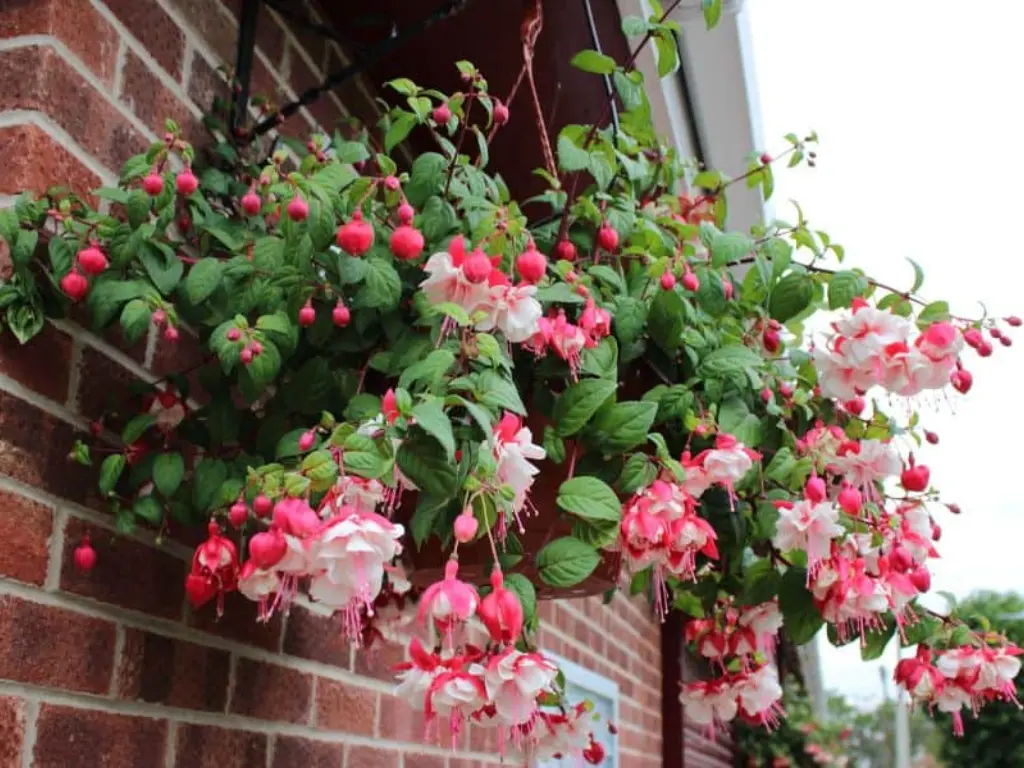
Growing fuchsias in containers or hanging baskets is one of the most effective ways to showcase their trailing blooms and control their growing environment. Choose containers with ample drainage and a size that supports healthy root growth—typically 10 to 12 inches in diameter. Hanging baskets should be deep enough to retain moisture and accommodate soil volume.
Place containers in a location with bright, indirect sunlight and shelter from strong winds. Water regularly, especially during warm weather, and feed every 2–3 weeks with a balanced liquid fertilizer.
Keep an eye out for signs of stress such as drooping leaves or flower drop, which may indicate a need for shade or more frequent watering. Regular deadheading and pinching will keep the plant looking full and blooming continuously.
Common Problems and Fixes
Drooping Leaves: Caused by underwatering, heat stress, or root issues. Water and move to shade.
Yellowing Leaves: Often a sign of overwatering, poor drainage, or low nitrogen. Improve airflow and check your watering habits.
No Blooms? Ensure your plant is getting enough bright light and phosphorus. Also, don’t forget to deadhead!
Flowers Falling Off: Happens in heat or when the plant is stressed. Try to stabilize its environment.
How to Get Fuchsia to Bloom
Fuchsias produce flowers on new growth, so encouraging fresh shoots is essential. As soon as a bloom begins to fade, pinch it off to redirect the plant’s energy into new development. With regular care, fresh blossoms typically appear within a few weeks.
To ensure continuous blooming throughout the season, maintain a routine of pinching back spent flowers. If no new buds emerge within six weeks, trim the stem further—down to the first healthy node—to stimulate renewed growth.
Frequently Asked Questions (FAQs)
Can fuchsias be grown indoors year-round?
Yes, fuchsias can thrive indoors if placed in a bright location with good air circulation and moderate humidity. They’ll need regular pruning, occasional misting, and careful watering to mimic their natural environment. Avoid placing them near heating vents or drafty windows during winter.
Why is my fuchsia not flowering?
Common reasons include insufficient light, lack of nutrients, especially phosphorus, or not deadheading spent blooms. Check for pests as well, since stress can hinder blooming. A little extra attention to feeding and pinching often gets them back on track.
Which fertilizer is best?
Start with a balanced fertilizer (10-10-10) during early growth, then switch to a bloom booster high in phosphorus (like 10-30-20) when buds start forming. Organic options like fish emulsion or compost tea also work well if you prefer a natural approach.
What is the lifespan of a fuchsia plant?
With the right care, fuchsias can live for several years and rebloom each season. Hardy varieties planted in the ground can become long-term features in your garden, while container fuchsias may need repotting and seasonal attention to stay healthy.
Conclusion
Fuchsias are one of the most rewarding plants you can grow once you understand their needs. They’re sensitive, yes, but also incredibly generous with their blooms when happy.
So whether you’re starting with one plant in a pot or planning a whole row of hanging baskets, take the time to give your fuchsias what they love: good soil, consistent care, and the right light. Trust me, your patio or garden will thank you.
Looking for more plant care guides? Check out our articles on container gardening and flowering plants for small spaces to keep the inspiration going.
You may like: