
Gardening Tips
What You Need to Know About Jerusalem Artichokes (Sunchokes): A Gardener’s Guide
Jul
Jerusalem artichokes, or sunchokes (Helianthus tuberosus L.) [1], are one of those underappreciated vegetables that often slip under the radar. But gardeners, here’s why you should add them to your garden patch. Not only are they easy to grow, but they also pack a punch in flavor, versatility, and health benefits. In this guide, we’ll explore everything you need to know about growing, cooking, and enjoying Jerusalem artichokes, and why they’re a must-have in your garden!
What Exactly Are Jerusalem Artichokes (Sunchokes)?
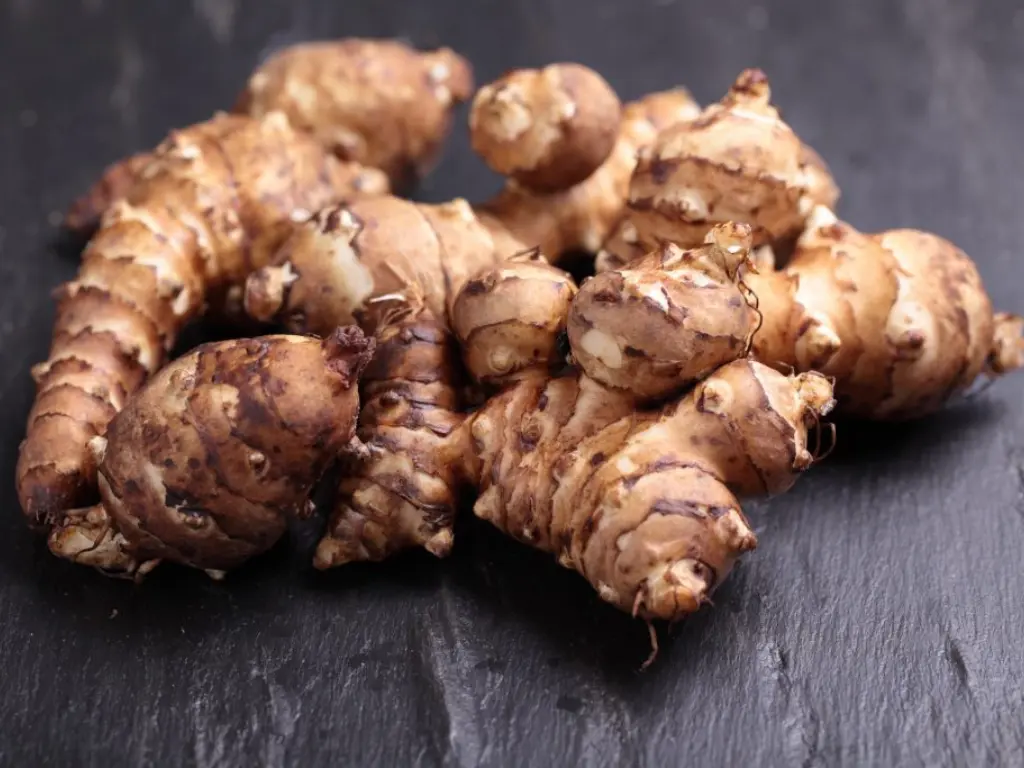
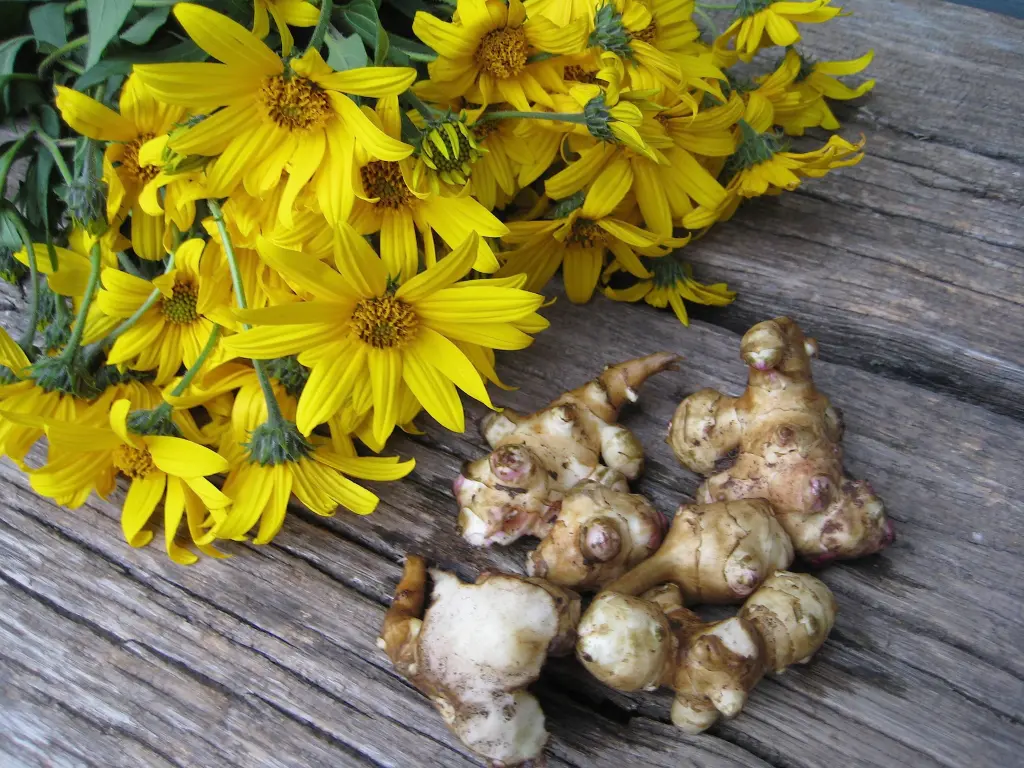
Let’s clear up some confusion first: Jerusalem artichokes aren’t from Jerusalem, and they’re not artichokes either! They’re actually the tuberous roots of a variety of sunflower that grows in North America. Their knobby, rough exterior might make you think they’re something you should leave on the shelf, but inside, they’re a creamy white delight with a nutty, sweet flavor that can be compared to potatoes or jicama, but with more character.
As a gardener, you’ll appreciate how forgiving and easy these plants are to grow. Sunchokes thrive in many climates and don’t require special care or attention, making them a fantastic addition to your vegetable garden.
Why Every Gardener Should Grow Jerusalem Artichokes

A Hardy, Low-Maintenance Plant: Sunchokes are incredibly easy to grow. They’re drought-tolerant and don’t require a ton of attention once they’re planted. Whether you have a large garden or a small backyard plot, Jerusalem artichokes can thrive with minimal effort.
Health Benefits Galore: Sunchokes are packed with inulin, a prebiotic fiber that supports digestive health. While it’s true that eating too many of them might leave you with some “unexpected” digestive results, they are still a healthy addition to any diet, especially when enjoyed in moderation.
Great for Companion Planting: Since sunchokes are sunflowers, they can complement other garden plants. They can help shade other crops that need protection from too much sun, and their tall stems create natural barriers for wind-sensitive plants.
How to Plant Jerusalem Artichokes
Sunchokes are perfect for gardeners, whether you’re just starting out or are a seasoned pro. Here’s how to get started:
-
Choosing the Right Spot: Sunchokes love the sun, so pick a sunny spot in your garden. They thrive in well-draining soil, but they’re not too picky. If your soil is heavy or clay-like, just amend it with some compost to improve drainage.
-
Planting Time: Plant sunchokes in early spring after the danger of frost has passed. They grow well in USDA hardiness zones 3 to 9, making them versatile in many regions.
-
How to Plant: You can plant the tubers directly into the ground. Simply bury them 4-6 inches deep and space them about 12 inches apart. Don’t worry too much about perfect spacing; they’ll grow just fine even if they’re a little close together.
-
Care and Maintenance: Water them regularly, especially during dry spells, but make sure the soil doesn’t stay soggy. Once established, Jerusalem artichokes are drought-resistant and need little attention. In the fall, when the stalks die back, it’s time to harvest your tubers!
For more in-depth guidance on growing Jerusalem artichokes from seeds, check out our How to Grow Jerusalem Artichoke Seeds: A Beginner’s Guide. This comprehensive guide will walk you through every step, from selecting the right seeds to planting and harvesting your own sunchokes.
When to Harvest Jerusalem Artichokes

One of the best things about growing Jerusalem artichokes is the harvest. These tubers can be left in the ground throughout the winter and harvested when needed. In fact, the flavor improves after a light frost, as it helps break down the starches into sweeter sugars.
How to Harvest: Simply dig around the base of the plant and pull out the tubers. Be gentle as sunchokes are fragile and can break easily. After harvesting, store them in a cool, dry place, or keep them in the ground if you want to keep them fresh throughout the season.
Cooking with Jerusalem Artichokes

Jerusalem artichokes aren’t just fun to grow—they’re incredibly versatile in the kitchen. Here are some ideas for how to incorporate them into your meals:
-
Roasted Sunchokes: Cut them into chunks, toss with olive oil and your favorite seasonings, and roast at 400°F (200°C) until crispy on the outside and tender on the inside. You’ll have a savory side dish that will be a hit at any meal!
-
Sunchoke Chips: Slice them thin and fry in hot oil to make crispy, homemade chips. These make for a great snack or a fun addition to a salad.
-
Mashed Sunchokes: Instead of mashed potatoes, try mashing sunchokes with butter, garlic, and cream for a unique twist on a classic favorite. They’re creamy, nutty, and delicious.
-
Sunchoke Soup: Blend cooked sunchokes with leeks, sage, and butter to make a silky smooth soup that’s perfect for cool evenings. It’s a simple, comforting dish that brings out the best in these tubers.
The Truth About Sunchokes and Their Farting Reputation
Ah, yes, we can’t talk about Jerusalem artichokes without addressing the elephant in the room: the digestive effects. Sunchokes contain a type of carbohydrate called inulin, which our bodies can’t digest. Instead, it ferments in the gut, causing gas and sometimes discomfort.
How to Avoid the “Fartichoke” Effect: If you’re new to sunchokes, start by eating small amounts to see how your body reacts. Cooking them can help reduce some of the discomfort, and pairing them with other foods that are easy on the digestive system might help. But ultimately, the more you eat them, the better your gut will adapt.
Final Thoughts
In short, yes! If you’re looking for a hardy, low-maintenance vegetable that offers a unique flavor and a variety of culinary possibilities, Jerusalem artichokes are a great addition to your garden. They’re simple to grow, nutritious, and incredibly versatile in the kitchen. So why not give them a try?
Remember, gardening is about experimenting, and adding sunchokes to your garden could be just the thing to spice up your vegetable patch. Plus, they make for great conversation starters when you serve them at dinner!
Happy gardening, and enjoy your Jerusalem artichokes!
References
- U.S. Department of Agriculture, Natural Resources Conservation Service. “Heterotheca uva-ursi (Bear’s Fat) Plant Profile.”