
Plant Info
Tamarillo vs Tomato: Which One Is Better for You?
Jan
Have you ever walked through the exotic produce section of a Whole Foods or a local farmer’s market in California and spotted something that looked like a smooth, egg-shaped tomato, but felt a bit… different? You might have asked yourself: Is this just a fancy heirloom variety? Does it taste like a regular Roma? And most importantly, is it worth the $4 price tag for just a couple of fruits?
If you are a home gardener or someone trying to eat more “superfoods,” these questions are common. Many of us are looking to break the monotony of the standard American diet. When comparing tamarillo vs tomato, while we all love a good garden-fresh tomato, there is a whole world of nightshade fruits out there. Today, let’s settle the debate between the classic regular Tomato and the exotic Tamarillo, also known as the tomato tree.
What is a Tamarillo Tree?
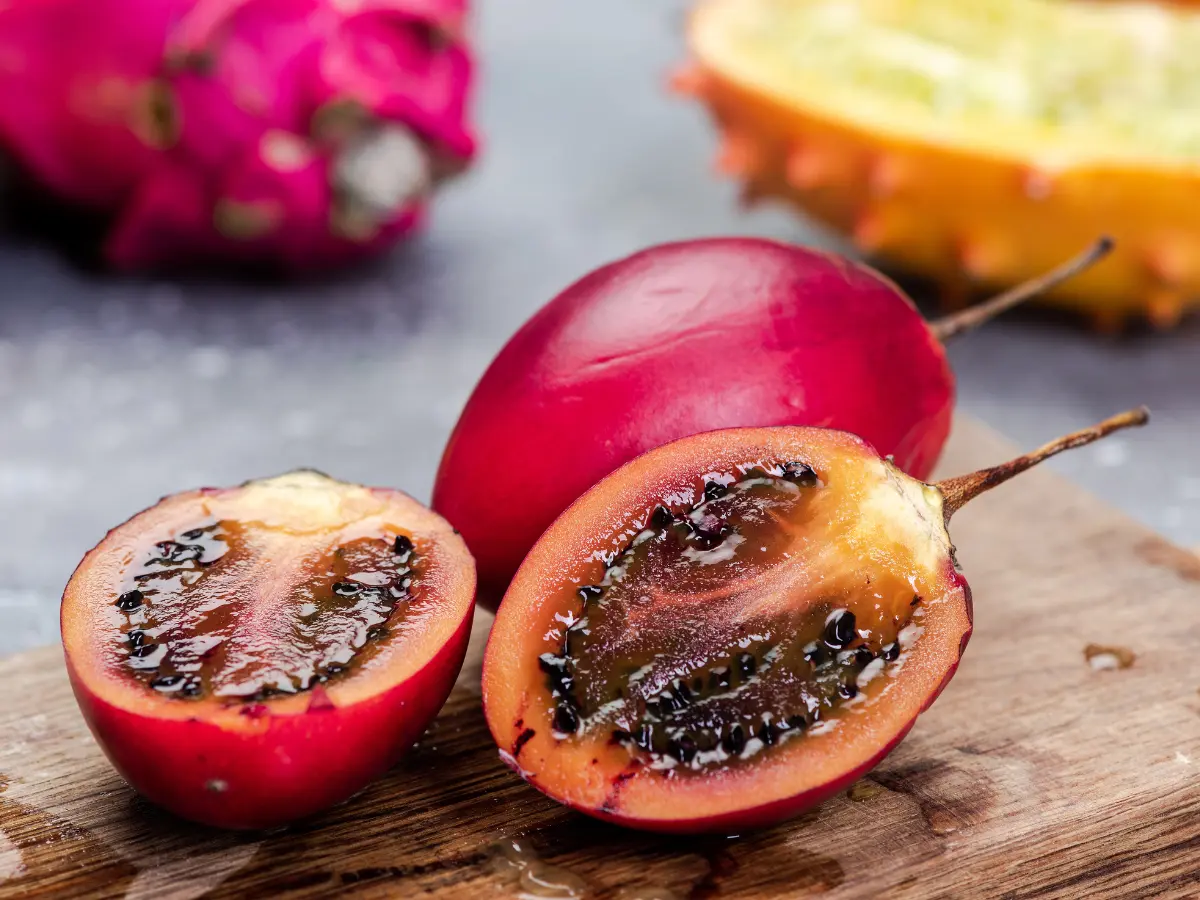
To understand the difference, we have to look at their roots. While both belong to the Solanaceae family (the same family as eggplants and peppers), they are not the same species. Your standard garden tomato is Solanum lycopersicum, while the Tamarillo is Solanum betaceum.
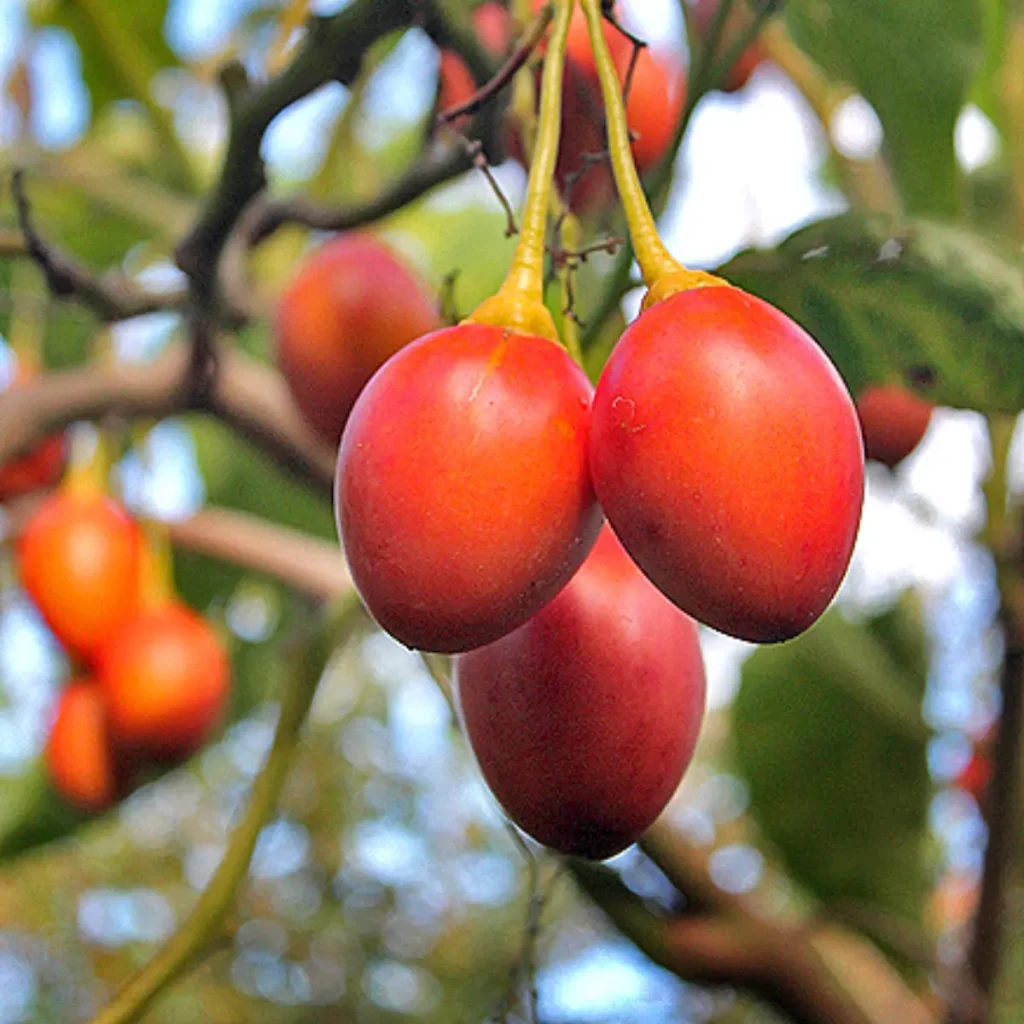
Originating from the Andes in South America, specifically Peru and Chile, the Tamarillo grows on small, woody trees rather than vines. In the US, you might hear them called “Tree Tomatoes,” a name coined to make them sound more familiar to Western consumers. They come in deep red, gold, and even amber colors, looking more like a large plum or an egg than a round tomato. (1)
What Does Tamarillo Taste Like
The biggest shock for most Americans when biting into a Tamarillo for the first time is the flavor.
We know this taste well. A ripe beefsteak or cherry tomato offers a balance of sweetness and acidity with a strong “umami” or savory backbone. It is watery, refreshing, and the skin is so thin you barely notice it.
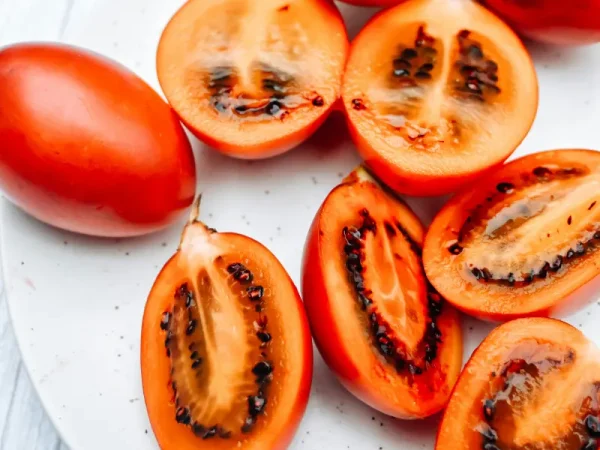
The Tamarillo is much more complex. Think of it as a “tropical tomato.” It is significantly more tart and tangy. Some people describe it as a mix of tomato, passionfruit, and kiwi. The flesh is firm, and the seeds inside are larger and crunchier than those in a standard tomato.
Pro Tip from a Gardener: Never eat the skin of a Tamarillo! Unlike a regular tomato where the skin is the best part, Tamarillo skin is bitter and tough. I learned this the hard way at a brunch party, always peel them or scoop the flesh out with a spoon.
Nutritional Showdown: Which Reigns Supreme?
If you are choosing based on health benefits, both are winners, but they offer different “special powers.”
Antioxidants and Vitamins
Regular tomatoes are famous for Lycopene, a powerful antioxidant linked to heart health and skin protection against UV rays. If you cook your tomatoes into a sauce, the Lycopene becomes even easier for your body to absorb.
Tamarillos, however, are nutrient-dense powerhouses. They are packed with Vitamin A, Vitamin C, and Vitamin E. Because of their deep pigments (especially the red and purple varieties), they contain Anthocyanins. These are the same antioxidants found in blueberries that help fight inflammation and support the immune system.
Dietary Fiber
If you are looking to improve digestion, the Tamarillo wins this round. They have a higher pectin and fiber content compared to the more “watery” regular tomato. This makes them great for keeping you full and maintaining a healthy gut.
Culinary Uses: Can You Swap Them?
A common question I get is: “Can I use Tamarillo in my pasta sauce?“
The short answer is: Yes, but be careful.
Because Tamarillos are much more acidic and tart, using them as a 1:1 replacement for tomatoes in a savory marinara might result in a sauce that is way too sour. However, they are incredible in:
-
Chutneys and Salsas: Their tanginess pairs beautifully with spicy peppers and onions.
-
Smoothies: You would never put a regular tomato in a fruit smoothie, but a gold Tamarillo adds a wonderful tropical zing.
-
Desserts: In New Zealand and parts of South America, Tamarillos are often poached in sugar syrup and served over vanilla ice cream.
Regular tomatoes remain the king of the “savory” world, perfect for sandwiches, salads, and pizzas where you want that classic savory-sweet balance.
Growing Them in Your Backyard
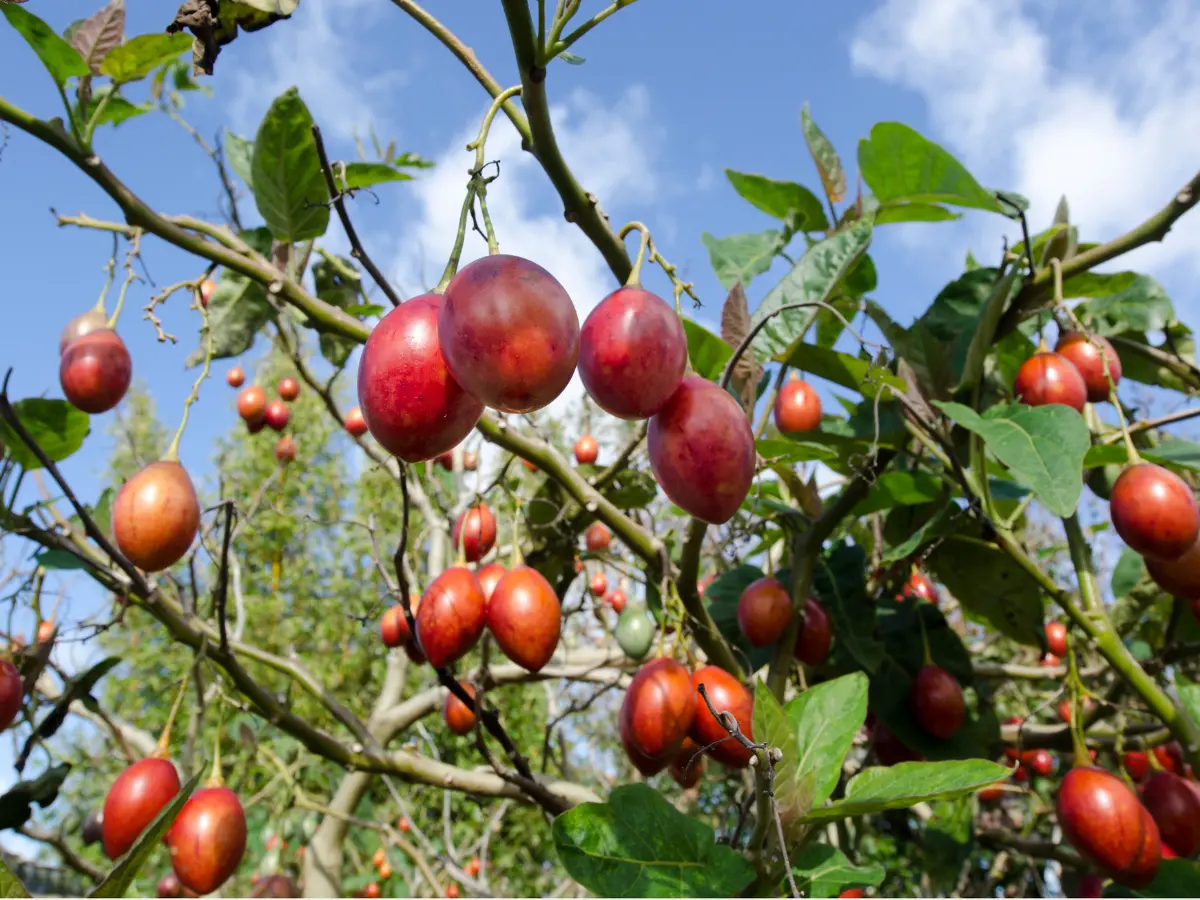
If you live in a warm climate like Florida, Arizona, or Southern California (USDA zones 9-11), you can actually grow both.
Regular tomatoes are annuals in most of the US; you plant them in the spring, harvest in summer, and they die when the frost hits. Tamarillos are perennial trees. They grow fast, sometimes up to 10 feet in a year, and can produce fruit for 5 to 8 years. Just keep in mind that they are very sensitive to frost. If you live in New York or Chicago, you will need a very large greenhouse to keep a “Tree Tomato” happy through the winter.
You may like to read: Grow Your Own Tamarillo Tree: Expert Tips for a Thriving Tree Tomato
Standard tomatoes are everywhere, from the corner bodega to the massive supermarket. But finding Tamarillos in the US takes a bit more effort.
-
Check Specialty Markets: Look in Hispanic or Asian grocery stores.
-
Look for Firmness: When buying a Tamarillo, pick one that is heavy for its size and gives slightly to gentle pressure, similar to a ripe avocado.
-
Storage: Keep them at room temperature until ripe, then move them to the fridge, where they can last for up to two weeks.
Frequently Asked Questions
Is a Tamarillo a fruit or a vegetable?
Botanically, both are fruits because they contain seeds and develop from the ovary of a flower. In the kitchen, we treat tomatoes as vegetables, but Tamarillos sit right on the fence between a fruit and a vegetable.
Are Tamarillo seeds edible?
Yes, the seeds are edible and have a nice crunch. They are much darker than tomato seeds (usually dark purple or black) and are safe to consume.
Why are Tamarillos so much more expensive than regular tomatoes?
Most Tamarillos sold in the US are imported or grown in very limited quantities in Hawaii or California. Their shorter shelf life and specialty status drive the price up.
Can people with nightshade sensitivities eat Tamarillo?
Since Tamarillos are part of the nightshade family, people who are highly sensitive to alkaloids found in potatoes, peppers, and tomatoes should exercise caution and consult their doctor.
Final Thoughts
The choice between a Tamarillo and a regular tomato really depends on what you are trying to achieve in the kitchen. If you want a classic burger topping or a fresh Caprese salad, stick with the Regular Tomato. But if you are feeling adventurous and want an antioxidant boost with a tropical twist, the Tamarillo is a must-try.
Think of the Tamarillo as the “cool, exotic cousin” of your garden tomato. It might take a little extra work to peel and prepare, but the unique flavor and health benefits make it a worthy addition to your diet.
References:
- [1] Suganya, A., & Kalpana, C. A. (2022). Nutrient Retention and Antioxidant Activity of Preserved Foods of Tamarillo (Cyphomandra betacea). International Journal of Food and Nutritional Sciences.
Read more: