


Yellow Pride of Barbados Live Plant 6-10″ – Mexican Bird of Paradise Tree
$29.99
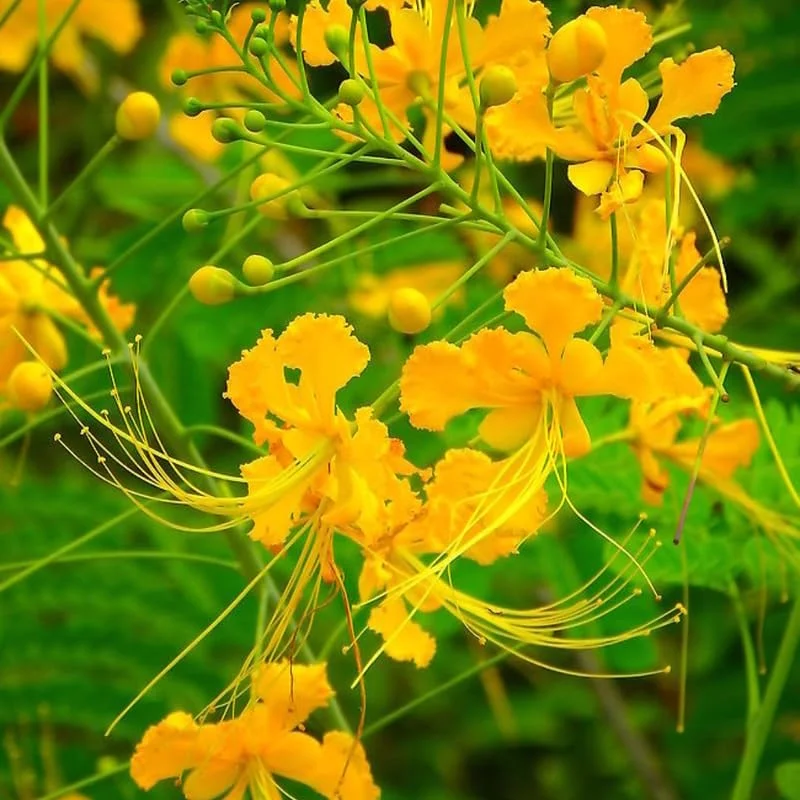
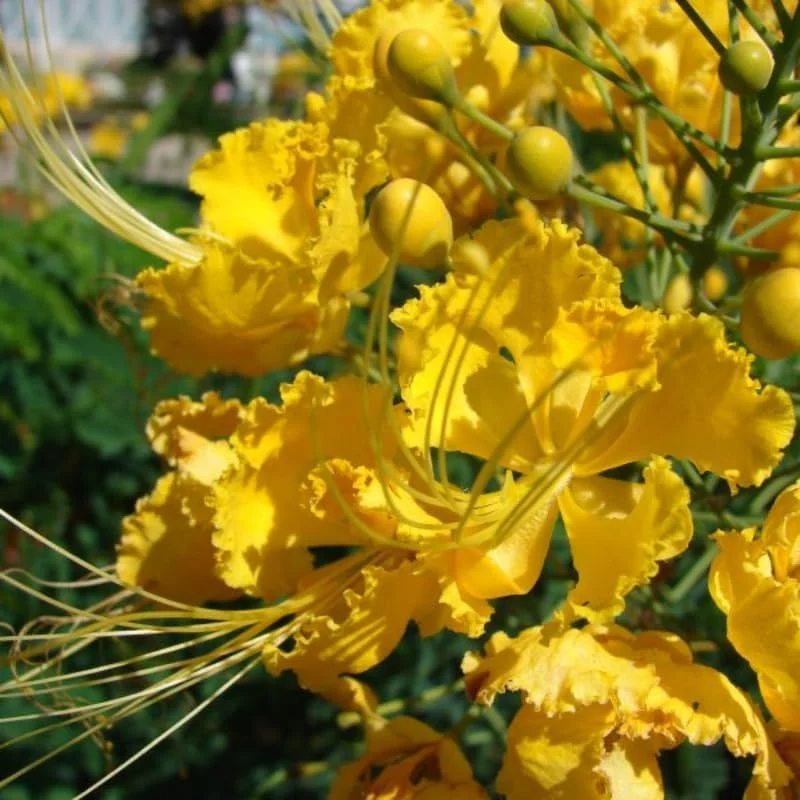
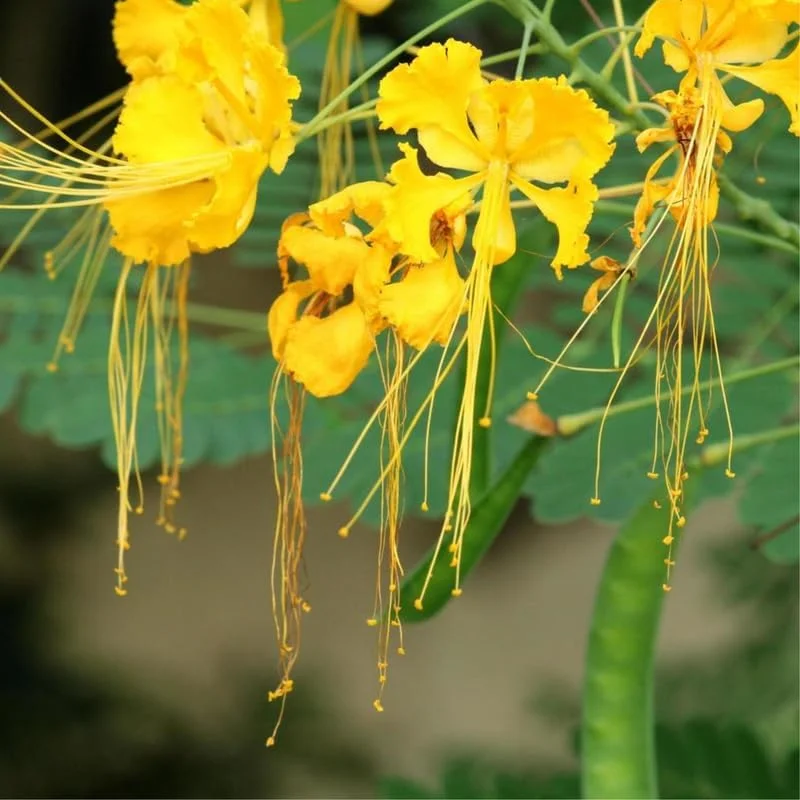
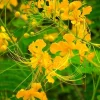
Introduce a vibrant yellow Pride of Barbados live plant to your outdoor space. This stunning 6-10 inch tall Mexican Bird of Paradise plant (Caesalpinia pulcherrima) brings tropical flair with dazzling yellow-orange blooms, attracting hummingbirds and butterflies. Perfect for USDA Zones 9-11, it’s a low maintenance outdoor plant that adds continuous color.
Shipping and Return policies:
We stand behind our plants with our Alive & Thrive Guarantee. If you experience any issues within the first 30 days, please email us, and our team will be happy to help. When needed, we’ll send you a one-time replacement free of charge to make sure your garden keeps growing strong.

Reasonable Price
We offer reasonable price

Support 24/7
Contact us 24 hrs a day
100% Money Back
You’ve 30 days to Return
Payment Secure
100% secure payment
Overview
Introduce a splash of vibrant, exotic color to your outdoor space with the stunning yellow Pride of Barbados live plant. This captivating tropical specimen, scientifically known as Caesalpinia pulcherrima, is also widely recognized as the Mexican Bird of Paradise plant or dwarf Poinciana tree. Originating from the West Indies and tropical Americas, this plant is celebrated for its dazzling yellow-orange flowers that bloom profusely through warm seasons, creating a breathtaking visual display. As a live plant, it arrives ready to be integrated into your landscape, promising to transform any garden, patio, or balcony into a tropical paradise. Its fast-growing nature ensures you won’t wait long to enjoy its magnificent blossoms. This tropical flowering plant is a true showstopper, offering continuous blooms that attract hummingbirds and butterflies, bringing life and movement to your garden.
Whether you’re looking to create a striking focal point, a vibrant hedge, or an impressive container plant, this versatile shrub or small tree delivers. Its unique, fern-like foliage provides an attractive backdrop to the fiery yellow flowers, making it a favorite among gardeners seeking both beauty and resilience. Discover the joy of cultivating this exceptional yellow Pride of Barbados live plant and enjoy its captivating presence year after year.
Key Benefits
The yellow Pride of Barbados live plant offers a wealth of advantages for any gardener, from its visual appeal to its ease of care. Its tropical charm and enduring beauty make it a highly desirable addition to various garden styles.
- Stunning Yellow Blooms: Produces abundant, bright yellow flowers throughout the warmer months, creating a spectacular and long-lasting display that instantly elevates garden aesthetics.
- Attracts Pollinators: The vibrant flowers are a magnet for hummingbirds, butterflies, and other beneficial pollinators, enhancing the biodiversity and health of your garden ecosystem. This makes the yellow Pride of Barbados live plant an excellent choice for a wildlife-friendly garden.
- Fast-Growing & Resilient: Known for its rapid growth rate, allowing you to enjoy a mature, flowering plant relatively quickly. It’s also quite robust and tolerant once established, making it a reliable addition to your landscape.
- Low Maintenance: This low maintenance outdoor plant requires minimal care, making it suitable for both experienced gardeners and beginners alike. It thrives with basic attention to watering and occasional pruning.
- Drought Tolerant: Once established, the Mexican Bird of Paradise plant exhibits good drought tolerance, reducing the need for frequent watering, especially in arid or warmer climates. This feature is particularly beneficial for water-wise gardening.
- Versatile Landscaping: Can be grown as a large shrub, a small tree, or even in large containers, offering flexibility in how it’s integrated into your garden design. Its adaptability allows for various landscape applications.
- Exotic Tropical Appeal: Instantly adds a tropical flair to any landscape, perfect for creating a resort-like ambiance or complementing a themed garden. The unique appearance of the dwarf Poinciana tree makes it a focal point.
Plant Care & Growing Tips
Caring for your yellow Pride of Barbados live plant is relatively straightforward, especially when provided with the right conditions. This tropical beauty thrives in environments that mimic its native habitat. For optimal growth and prolific blooming, plant your dwarf Poinciana tree in a location that receives ample sunlight. It requires at least 6-8 hours of direct sun per day to produce the most vibrant flowers. In extremely hot climates, some afternoon shade can be beneficial to prevent scorching, but generally, more sun equals more blooms. Ensure good air circulation around the plant to deter fungal issues.
When it comes to watering, the Mexican Bird of Paradise plant prefers consistently moist soil when young, but becomes quite drought-tolerant once established. Water deeply and regularly during its first growing season to encourage a strong root system. After establishment, reduce watering frequency, allowing the top few inches of soil to dry out between waterings. Overwatering can lead to root rot, so proper drainage is crucial. Plant in well-draining soil, ideally a sandy loam, and consider incorporating organic matter to improve soil structure and fertility. Fertilize in spring with a balanced slow-release fertilizer or a liquid feed formulated for flowering plants to support its vigorous growth and blooming cycle. Prune in late winter or early spring to maintain shape, remove dead or damaged branches, and encourage bushier growth.
This tropical flowering plant is best suited for USDA Zones 9-11, where it can be grown as an evergreen or semi-evergreen shrub. In areas with light frosts, it may die back to the ground but often regrows from the roots in spring. In colder zones, it can be grown in containers and brought indoors during winter or treated as an annual. Protect from hard freezes. Watch out for common pests like aphids or whiteflies; treat with insecticidal soap if necessary. With proper care, your yellow Pride of Barbados live plant will provide years of stunning beauty.
Size & Details
This yellow Pride of Barbados live plant typically ships as a 1-year-old specimen, standing approximately 6-10 inches tall in its pot. This size makes it ideal for transplanting into your garden or a larger container upon arrival. While it starts compact, the Mexican Bird of Paradise plant is a fast-growing plant that can quickly reach a mature height of 6-10 feet with a similar spread when grown in the ground in suitable climates. In colder regions where it may die back, it often grows 3-5 feet in a single season. It will arrive as a healthy, actively growing plant, though it may be dormant in winter months, which is a natural part of its growth cycle. Expect to see vigorous growth and abundant blooms in its first full growing season after planting, especially under optimal conditions. The plant is shipped in a nursery pot, ready for planting.
Frequently Asked Questions
- Q: How big does this plant get? A: The yellow Pride of Barbados live plant can grow 6-10 feet tall and wide when mature, especially in warm climates. In colder zones, it may only reach 3-5 feet in a season before dying back in winter.
- Q: What size pot does it come in? A: This Mexican Bird of Paradise plant is approximately 6-10 inches tall and comes in a standard nursery pot, suitable for immediate transplanting.
- Q: Is this an indoor or outdoor plant? A: This is primarily an outdoor plant, thriving in full sun in USDA Zones 9-11. In colder climates, it can be grown in a container and overwintered indoors as a tropical flowering plant.
- Q: How much sunlight does it need? A: The dwarf Poinciana tree requires at least 6-8 hours of direct sunlight daily for the best growth and most prolific blooming.
- Q: Is it good for beginners? A: Yes, this is considered a low maintenance outdoor plant, making it an excellent choice for beginners due to its resilience and relatively simple care requirements once established.
- Q: What condition will it arrive in? A: Your plant will arrive as a healthy, actively growing specimen, although it may be dormant if ordered during the winter months. It is carefully packaged to ensure safe transit.
- Q: How long until it blooms? A: Given proper care and ideal conditions, your yellow Pride of Barbados live plant can begin blooming in its first full growing season after planting, typically in late spring through fall.
- Q: Will it survive winter in my zone? A: It is hardy in USDA Zones 9-11. In zone 8 and colder, it may die back to the ground but often regrows from the roots in spring if mulched. For colder zones, container growing is recommended to bring it indoors.
- Q: What’s the minimum temperature it can tolerate? A: The Mexican Bird of Paradise plant can tolerate temperatures down to about 20-25°F (-6 to -3°C) for short periods, especially if established. Prolonged freezing temperatures will cause damage.
- Q: Does this plant attract wildlife? A: Yes, its bright yellow flowers are very attractive to hummingbirds and butterflies, making it a great addition for a wildlife-friendly garden.
| Color | Yellow |
|---|
Be the first to review “Yellow Pride of Barbados Live Plant 6-10″ – Mexican Bird of Paradise Tree”
You must be logged in to post a review.
People also Viewed
Sold 50 products
Original price was: $28.58.$19.99Current price is: $19.99.
Sold 50 products
$32.39
Sold 50 products
$21.59
Sold 50 products
$35.99
Sold 50 products
Price range: $23.15 through $25.19
Sold 50 products
$38.39
Sold 50 products
Price range: $28.79 through $35.99
Sold 50 products
$26.39RELATED posts
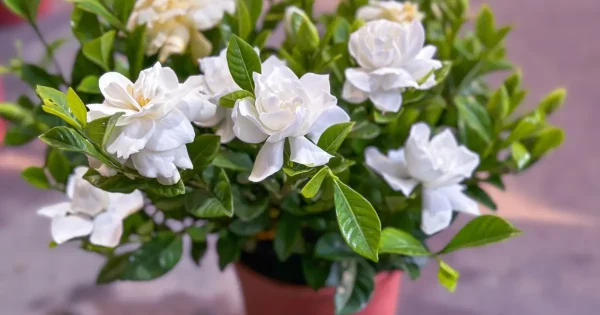
Frostproof Jasmine Care: 7 Tips for Successful Pot Growth
Most gardenias are known for being “divas.” They want perfect humidity, perfect soil, and they [...]
Mar
Top 7 Best Smelling Jasmine Varieties for a Heavenly Garden
Have you ever walked past a house and caught a scent so sweet you just [...]
Mar
Master the Heat: 8 Expert Tips for Growing Jalapeños Like a Pro
Are you staring at your garden space, wondering why your pepper plants look more like [...]
Mar
Top 5 Must-Have Hoya Varieties for Beginners
Hoyas are easily one of my top recommendations if you’re hunting for a low-maintenance houseplant [...]
Mar
7 Moringa Plant Care Mistakes to Avoid for Healthy Growth
Have you ever looked at your Moringa tree and wondered why its once vibrant green [...]
Feb
How to Grow Potato Onions From True Seeds: A Step-by-Step Guide
Have you ever wondered how to grow potato onions from true seeds or why some [...]
Feb
Growing Walking Onions in Containers: The Ultimate Guide
Have you ever looked at your small balcony or cramped patio and wished you could [...]
Feb
9 Best Flower Seeds to Start in February for Early Blooms
If you’re a passionate gardener, you know that itchy feeling in your fingers when February [...]
Jan

Reviews
There are no reviews yet.