
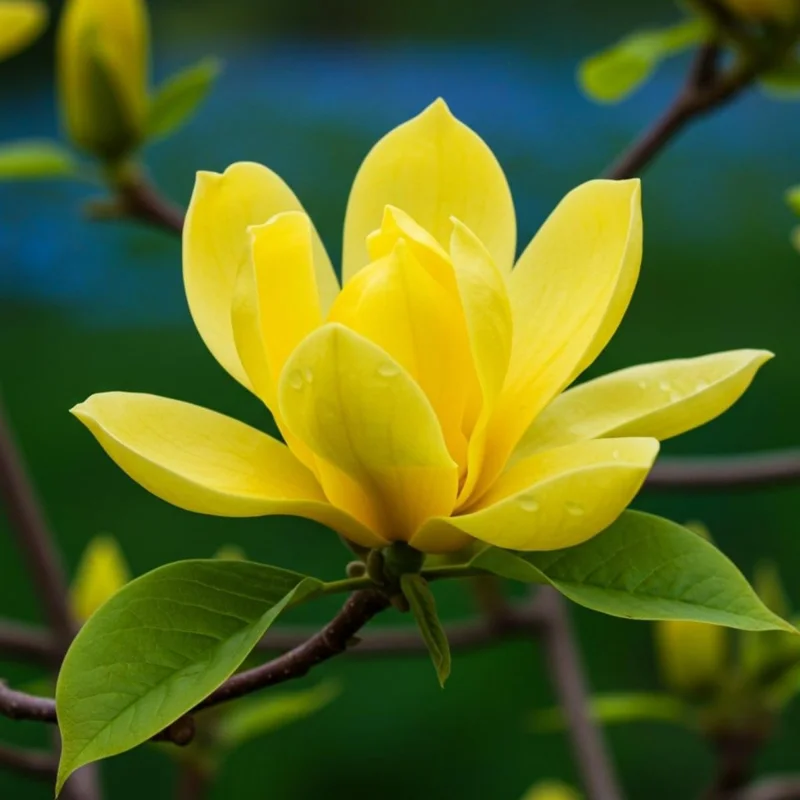
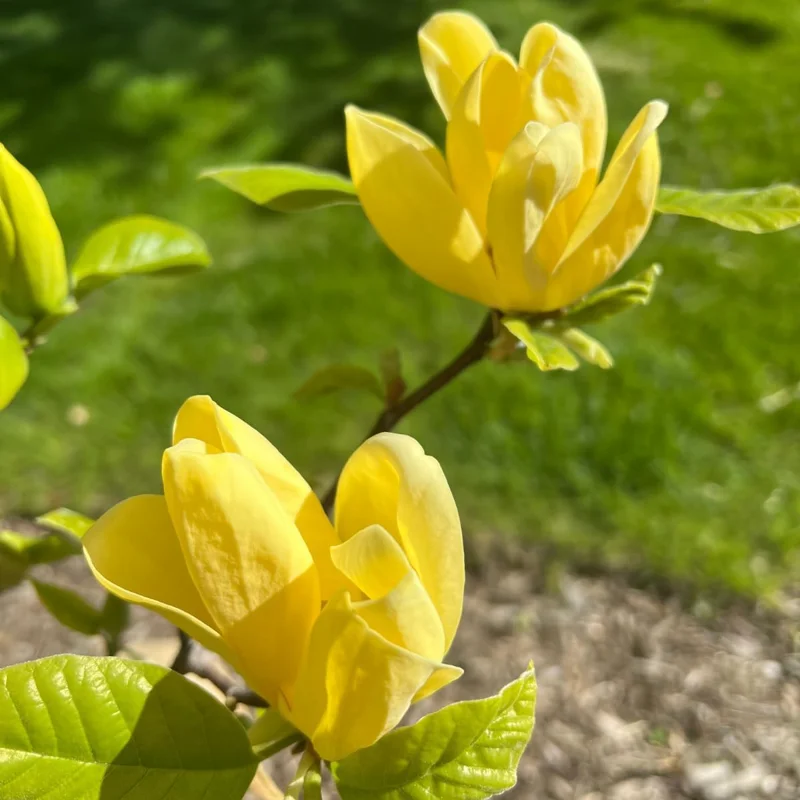
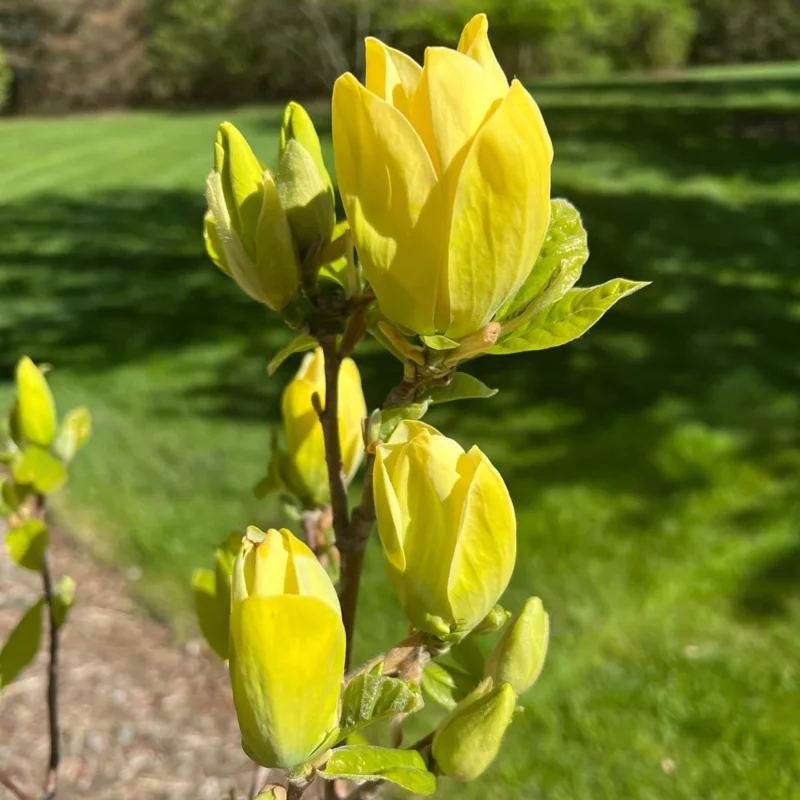
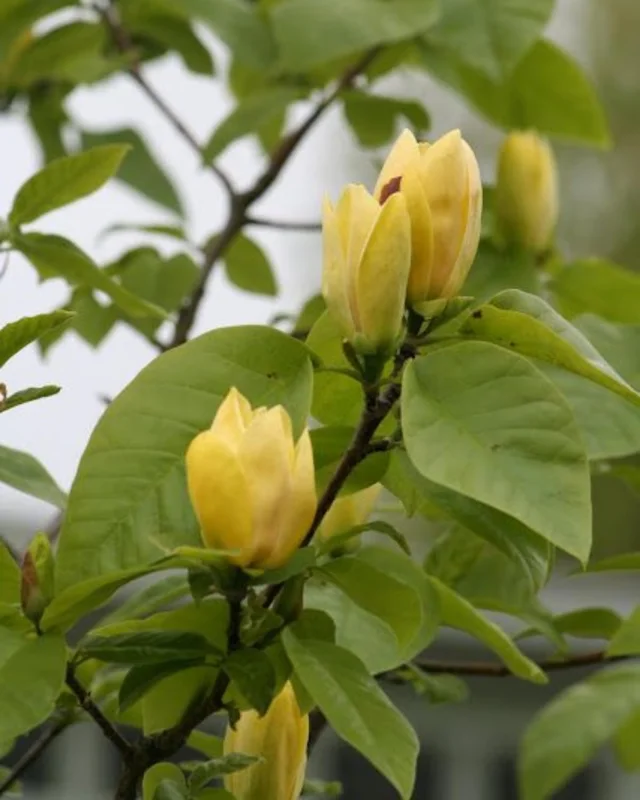
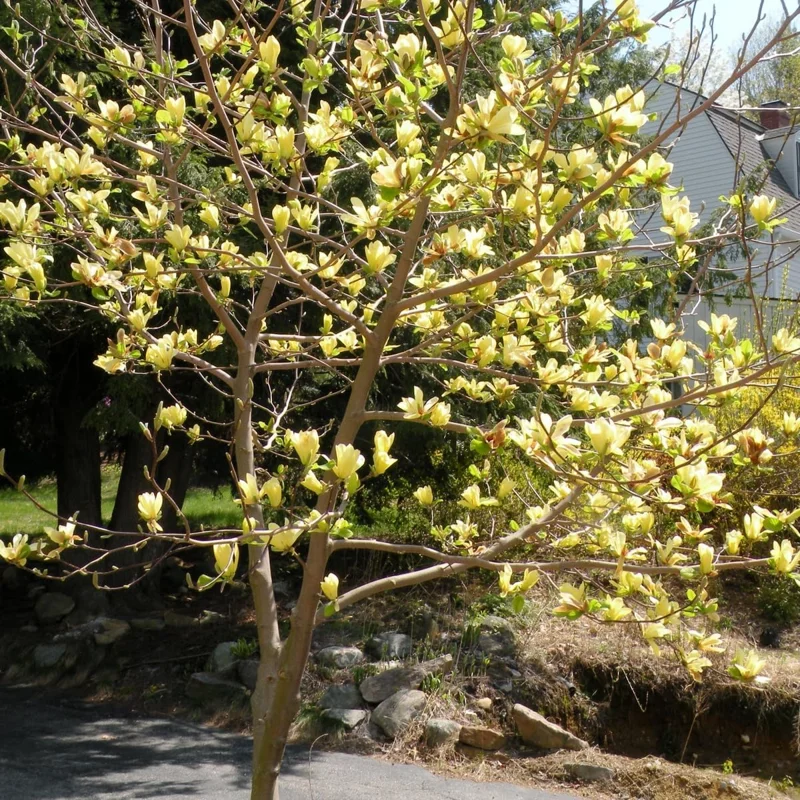
Yellow Magnolia Tree Live Plant, 12-24 Inch, Gallon Pot, Fragrant Yellow Flowers
$66.24
Bring vibrant beauty to your landscape with a yellow magnolia tree live plant. This stunning ornamental tree arrives in a gallon pot, standing 12-24 inches tall, ready to produce fragrant yellow flowers in spring and summer. It’s a low-maintenance, hardy addition perfect for home gardens.
Shipping and Return policies:
We stand behind our plants with our Alive & Thrive Guarantee. If you experience any issues within the first 30 days, please email us, and our team will be happy to help. When needed, we’ll send you a one-time replacement free of charge to make sure your garden keeps growing strong.

Reasonable Price
We offer reasonable price

Support 24/7
Contact us 24 hrs a day
100% Money Back
You’ve 30 days to Return
Payment Secure
100% secure payment
Overview
Introduce a touch of radiant beauty to your outdoor space with a yellow magnolia tree live plant. This captivating tree, known for its stunning and fragrant yellow blossoms, is a delightful addition to any garden or landscape design. Arriving as a healthy specimen in a gallon pot, typically 12-24 inches in height, it’s ready to establish itself and grow into a magnificent mature tree. The yellow magnolia tree live plant provides a spectacular display of color and a sweet fragrance, making it a focal point in spring and summer. During the cooler months, specifically late fall and winter, this deciduous tree enters dormancy, shedding its leaves in preparation for its vibrant re-emergence. Its elegant form and cheerful flowers are sure to enhance curb appeal and create an inviting atmosphere in your yard.
The unique yellow hue of its flowers sets it apart from more common white or pink magnolias, offering a fresh and sophisticated aesthetic. Ideal for those seeking an ornamental tree that combines visual appeal with a pleasant aroma, this magnolia is a testament to nature’s artistry. Its robust nature and adaptability make it a suitable choice for various climates and soil conditions, promising a rewarding gardening experience.
Key Benefits
Opting for a yellow magnolia tree live plant brings numerous advantages to your garden and home. Its striking appearance and easy care make it a favored choice for both novice and experienced gardeners.
- Stunning Floral Display: Enjoy an abundance of beautiful, fragrant yellow flowers that emerge in spring and continue into summer, providing a long-lasting and cheerful display. This vibrant color is less common among magnolias, making your garden stand out.
- Fragrant Blooms: The lovely scent emanating from its blossoms will perfume your garden, creating an inviting and sensory-rich environment, perfect for relaxing outdoors.
- Low Maintenance: This tree is remarkably easy to care for, requiring minimal attention once established. It thrives with basic watering and occasional feeding, making it a hassle-free choice for busy homeowners.
- Adaptable and Hardy: The yellow magnolia tree live plant is highly adaptable to various soil types and hardy in USDA Zones 4-8, ensuring it can flourish in a wide range of climates across the United States, providing a reliable and resilient ornamental tree.
- Impressive Mature Size: Reaching a mature height of 30-40 feet with a spread of 15-20 feet, it offers substantial shade and a majestic presence, perfect for larger landscapes or as a stately specimen tree.
- Year-Round Interest: While dormant and leafless in winter, its elegant branching structure provides architectural interest, and the anticipation of its spring blooms adds to its appeal.
- Enhances Outdoor Spaces: Perfect for home gardens, front yards, or as a feature in a larger landscape, this ornamental tree adds significant aesthetic value and charm to any outdoor setting.
Plant Care & Growing Tips
Caring for your yellow magnolia tree live plant is straightforward, ensuring it grows into a healthy and beautiful specimen. This deciduous magnolia tree prefers a location that receives full sun to partial shade. Full sun encourages the most prolific blooming, while partial shade can be beneficial in hotter climates to protect the foliage from scorching afternoon sun. Aim for at least 6 hours of direct sunlight daily for optimal growth and flower production. When planting, ensure the site has well-draining soil, as magnolias do not tolerate wet feet. While adaptable to various soil types, a slightly acidic to neutral pH (6.0-7.0) is ideal. Amending heavy clay soils with organic matter can improve drainage and aeration, which is crucial for root health.
Watering is important, especially during the first year of establishment. Keep the soil consistently moist but not waterlogged. Once established, the tree becomes more drought-tolerant, but supplemental watering during prolonged dry spells will benefit its overall health and bloom quality. Fertilize in early spring with a balanced, slow-release granular fertilizer formulated for trees and shrubs. Follow the product instructions carefully to avoid over-fertilization. Pruning is generally minimal, focusing on removing dead, damaged, or crossing branches to maintain a healthy structure. The best time to prune is after flowering in late spring or early summer. This helps to shape the tree and encourage new growth for the following season’s blooms. Understanding magnolia tree care ensures a thriving and spectacular display year after year.
This species is quite resilient, making it a good choice for those looking for a relatively low-effort ornamental tree. While generally resistant to most pests and diseases, keeping an eye out for common issues like scale insects or fungal spots and addressing them promptly will help maintain the tree’s vigor. Mulching around the base of the tree with 2-4 inches of organic material helps retain soil moisture, regulate soil temperature, and suppress weeds. Ensure the mulch does not touch the trunk directly to prevent rot. The hardiness of this deciduous magnolia tree in zones 4-8 means it can withstand cold winters, though young trees might benefit from some winter protection in the colder end of its range. Providing these optimal conditions will lead to a robust and beautiful tree, adding significant value and charm to your landscape.
Size & Details
This offering includes one healthy yellow magnolia tree live plant, shipped in a gallon pot. Upon arrival, the plant will measure approximately 12-24 inches in height, providing a substantial start for your garden. As a deciduous variety, the plant will be dormant and leafless during late fall and winter, which is a natural and healthy state for a magnolia tree during this period. This ornamental tree is known for its moderate growth rate, eventually reaching an impressive mature height of 30-40 feet with a spread of 15-20 feet. It develops a sturdy trunk and a broad, rounded canopy, making it an excellent choice for providing shade and visual interest in larger garden spaces. The plant is ready for immediate planting upon receipt, provided the soil is workable and not frozen. It will typically begin to produce its fragrant yellow flowers in the spring and summer following establishment, with blooms becoming more abundant as the tree matures. This robust plant is a perfect choice for those seeking a long-lived and rewarding addition to their outdoor environment, offering many years of beauty and fragrance.
Frequently Asked Questions
- Q: How big does this yellow magnolia tree get? A: This yellow magnolia tree live plant can reach a mature height of 30-40 feet with a spread of 15-20 feet, making it a significant ornamental feature in your landscape. It starts at 12-24 inches tall in a gallon pot.
- Q: Is this an indoor or outdoor plant? A: This is an outdoor ornamental tree, ideally suited for planting in home gardens, front yards, or larger landscapes. It is not intended for indoor cultivation.
- Q: How much sunlight does a yellow magnolia tree need? A: For best results, the fragrant yellow magnolia prefers full sun to partial shade. Aim for at least 6 hours of direct sunlight per day, especially in cooler climates.
- Q: Is this plant easy to care for? A: Yes, this magnolia is considered a low-maintenance plant. Once established, it requires minimal care, primarily focusing on proper watering and occasional feeding, making it a good choice even for beginners in tree care.
- Q: What condition will the tree arrive in? A: Your yellow magnolia tree live plant will arrive in a gallon pot, typically 12-24 inches tall. During late fall and winter, it will be dormant and leafless, which is normal for this deciduous species.
- Q: When is the best time to plant a yellow magnolia tree? A: The best time to plant is typically in spring or early fall, allowing the tree to establish its root system before extreme temperatures. However, potted plants can often be planted outside of these windows if properly cared for.
- Q: Will it survive winter in my zone? A: Yes, this deciduous magnolia tree is hardy in USDA Zones 4-8, meaning it is well-equipped to survive winter in a broad range of temperate climates.
- Q: What type of soil does a yellow magnolia tree prefer? A: It is widely adaptable to various soil types but thrives best in well-draining soil. A slightly acidic to neutral pH is ideal for optimal growth and health of your ornamental garden tree.
- Q: How often should I water my new magnolia tree? A: During the first year after planting, water regularly to keep the soil consistently moist but not waterlogged. Once established, it becomes more drought-tolerant, but deep watering during dry spells is beneficial.
- Q: When can I expect flowers from my yellow magnolia tree? A: This tree typically produces fragrant yellow flowers in spring and summer. You can expect blooms to appear as the tree matures and establishes itself in your garden.
Be the first to review “Yellow Magnolia Tree Live Plant, 12-24 Inch, Gallon Pot, Fragrant Yellow Flowers”
You must be logged in to post a review.
People also Viewed
Sold 50 products
Original price was: $17.58.$11.86Current price is: $11.86.
Sold 50 products
Price range: $32.99 through $35.99
Sold 50 products
$69.99
Sold 50 products
$18.99
Sold 50 products
Price range: $14.98 through $23.89
Sold 50 products
$32.99
Sold 50 products
$24.99
Sold 50 products
Price range: $43.99 through $44.99RELATED posts
Frostproof Jasmine Care: 7 Tips for Successful Pot Growth
Most gardenias are known for being “divas.” They want perfect humidity, perfect soil, and they [...]
Mar
Top 7 Best Smelling Jasmine Varieties for a Heavenly Garden
Have you ever walked past a house and caught a scent so sweet you just [...]
Mar
Master the Heat: 8 Expert Tips for Growing Jalapeños Like a Pro
Are you staring at your garden space, wondering why your pepper plants look more like [...]
Mar
Top 5 Must-Have Hoya Varieties for Beginners
Hoyas are easily one of my top recommendations if you’re hunting for a low-maintenance houseplant [...]
Mar
7 Moringa Plant Care Mistakes to Avoid for Healthy Growth
Have you ever looked at your Moringa tree and wondered why its once vibrant green [...]
Feb
How to Grow Potato Onions From True Seeds: A Step-by-Step Guide
Have you ever wondered how to grow potato onions from true seeds or why some [...]
Feb
Growing Walking Onions in Containers: The Ultimate Guide
Have you ever looked at your small balcony or cramped patio and wished you could [...]
Feb
9 Best Flower Seeds to Start in February for Early Blooms
If you’re a passionate gardener, you know that itchy feeling in your fingers when February [...]
Jan
Reviews
There are no reviews yet.