
Yacon Live Plant Root – Peruvian Ground Apple Smallanthus sonchifolius edible tuber
$21.98
Grow your own yacon live plant root, the unique Peruvian Ground Apple plant (Smallanthus sonchifolius). This easy-to-grow tuber offers a refreshing, sweet, and crisp taste. Perfect for edible gardens and a healthy superfood addition.
Out of stock
Shipping and Return policies:
We stand behind our plants with our Alive & Thrive Guarantee. If you experience any issues within the first 30 days, please email us, and our team will be happy to help. When needed, we’ll send you a one-time replacement free of charge to make sure your garden keeps growing strong.

Reasonable Price
We offer reasonable price

Support 24/7
Contact us 24 hrs a day
100% Money Back
You’ve 30 days to Return
Payment Secure
100% secure payment
Overview
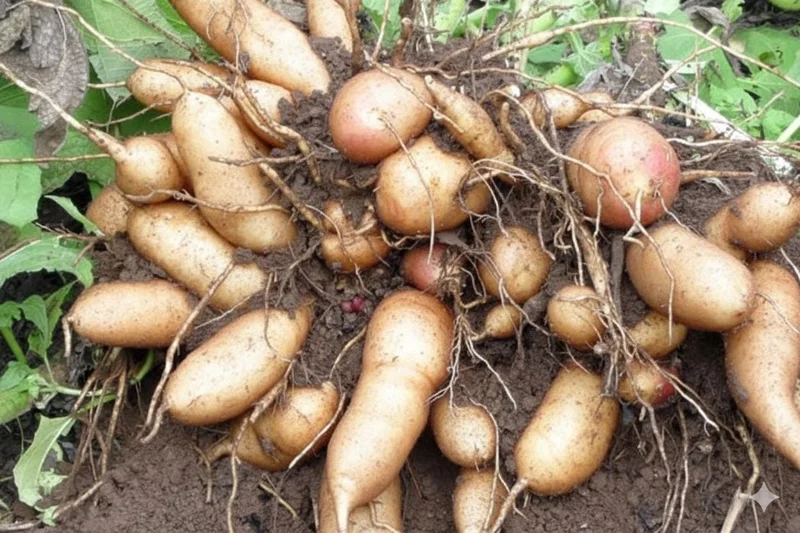
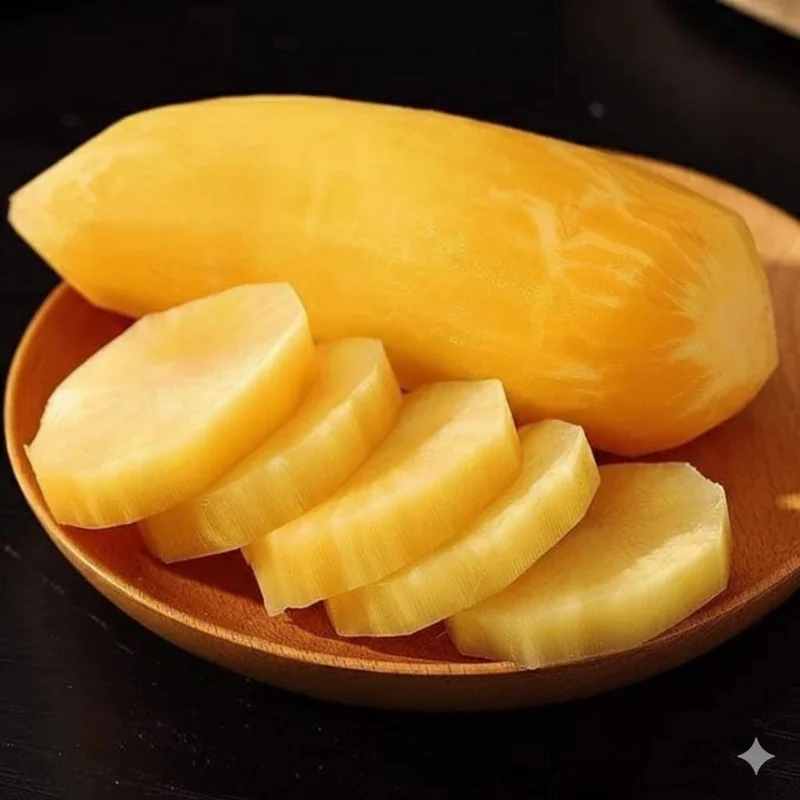
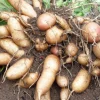
Introduce a truly unique and beneficial addition to your garden with the yacon live plant root. Also known as the Peruvian Ground Apple plant (Smallanthus sonchifolius), this remarkable tuber is native to the majestic Andes mountains. Gaining global recognition as a ‘superfood’, yacon offers a delightful culinary experience unlike any other. While resembling a sweet potato in appearance, its flavor profile is an exciting fusion of apple, pear, and celery – crisp, refreshing, and subtly sweet. This live plant root provides an excellent opportunity to cultivate your own supply of this nutritious and versatile vegetable, bringing a taste of the Andes directly to your home garden. The smallanthus sonchifolius plant is a vigorous grower, producing abundant tubers that can be enjoyed raw or cooked.
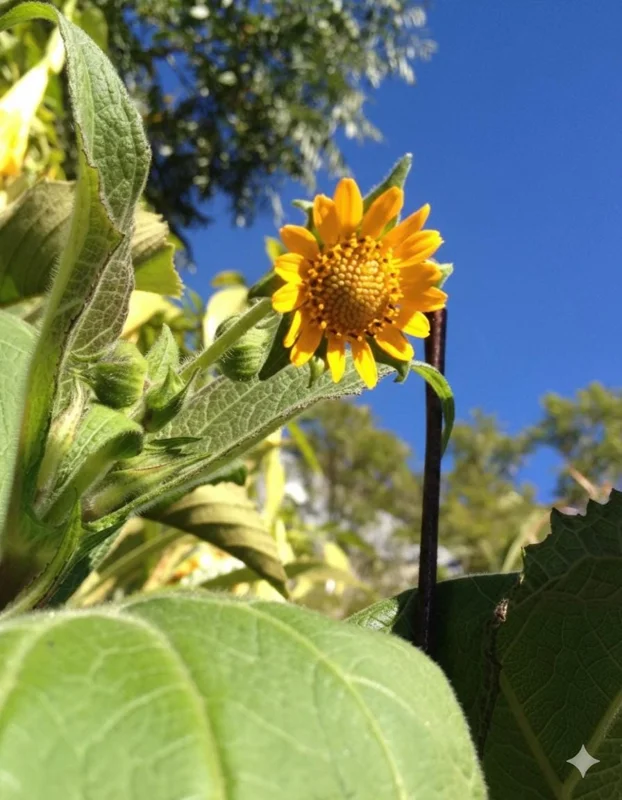
The yacon plant is not just about its delicious tubers; it’s also a beautiful addition to the landscape with its large, attractive leaves. Growing your own yacon live plant root ensures you have access to fresh, organic produce, perfect for those interested in sustainable living and healthy eating. This particular offering is for the live root, ready for planting and establishment in your garden or large container.
Key Benefits
Cultivating the yacon live plant root offers a wealth of advantages, from its unique flavor to its health properties. Enjoy the satisfaction of growing your own superfood with these key benefits:
- Unique Culinary Experience: The yacon tuber boasts a distinctive sweet and crisp flavor, often described as a refreshing blend of apple, pear, and celery. It’s a versatile ingredient that can be eaten raw in salads, juiced, or cooked into various dishes.
- Nutrient-Rich Superfood: Yacon is celebrated for its high content of fructooligosaccharides (FOS), a type of prebiotic fiber that supports gut health. It’s also low in calories and has a low glycemic index, making it an excellent choice for a healthy diet.
- Easy to Grow: Despite its exotic origins, the yacon live plant root is surprisingly straightforward to cultivate in many climates. It’s a robust plant that, once established, requires minimal fuss, making it suitable for both experienced gardeners and beginners looking to grow yacon at home.
- Abundant Harvests: A single yacon plant can produce numerous tubers, providing a generous yield for personal consumption or sharing with friends and family. The more established the plant, the more tubers it tends to produce.
- Ornamental Appeal: Beyond its edible roots, the smallanthus sonchifolius plant features large, attractive leaves and a bushy growth habit, adding a lush, tropical feel to your garden landscape.
- Sustainable Food Source: Growing your own yacon live plant root contributes to a more sustainable lifestyle, reducing your reliance on store-bought produce and offering fresh, organic options right from your backyard.
- Adaptable to Various Climates: While native to the Andes, yacon can thrive in a range of temperate and subtropical climates, as long as it receives adequate warmth and moisture during its growing season.
Plant Care & Growing Tips
Successfully growing your yacon live plant root requires understanding its basic needs. Yacon thrives in full sun to partial shade, ideally receiving at least 6-8 hours of direct sunlight daily for optimal tuber development. In hotter climates, some afternoon shade can prevent leaf scorch. The plant prefers well-draining, fertile soil rich in organic matter. Before planting, amend your soil with compost or well-rotted manure to improve its structure and nutrient content. A slightly acidic to neutral pH (6.0-7.0) is ideal for the peruvian ground apple plant.
Watering is crucial, especially during dry spells and when the tubers are forming. Keep the soil consistently moist but never waterlogged. Overwatering can lead to root rot, while underwatering can stunt growth and reduce tuber yield. Fertilize your smallanthus sonchifolius plant every 4-6 weeks during the growing season with a balanced organic fertilizer, or a fertilizer slightly higher in potassium to encourage tuber development. Yacon is generally hardy in USDA zones 7-10, though tubers must be dug up and stored indoors in colder climates before the first hard frost. Pests are rarely a major issue, but keep an eye out for slugs and snails, especially on young plants. Harvesting typically occurs after the first frost, when the foliage begins to die back, indicating the tubers are ready. This is when you’ll truly appreciate the effort to grow yacon at home.
Size & Details
This offering is for a healthy yacon live plant root, ready for planting. The size of the root will vary but will be viable for successful growth. Once planted, the peruvian ground apple plant can grow quite large, reaching heights of 4-6 feet (1.2-1.8 meters) and spreading up to 3-4 feet (0.9-1.2 meters) wide, forming a substantial bushy plant. The tubers themselves develop underground and can range in size, often resembling large sweet potatoes. Expect a moderate to fast growth rate, with tubers typically ready for harvest in late fall, approximately 6-8 months after planting. The plant ships as a dormant root or small starter plant, depending on the season, ensuring it establishes well in its new environment. The yacon superfood benefits are well worth the wait for harvest.
Frequently Asked Questions
- Q: How big does a yacon plant get? A: A mature yacon live plant root can grow quite large, typically reaching 4-6 feet (1.2-1.8 meters) in height and spreading 3-4 feet (0.9-1.2 meters) wide, making it a substantial addition to your garden.
- Q: Is this an indoor or outdoor plant? A: Yacon is primarily grown outdoors as an annual in most temperate climates, or as a perennial in warmer, frost-free regions. It requires significant space and sunlight for optimal tuber production.
- Q: How much sunlight does the peruvian ground apple plant need? A: For the best results, yacon needs full sun, meaning at least 6-8 hours of direct sunlight per day. In very hot climates, some afternoon shade can be beneficial.
- Q: Is this plant easy to care for? A: Yes, the yacon live plant root is considered relatively easy to care for. Once established, it mainly requires consistent watering and occasional feeding, making it suitable for gardeners of all experience levels.
- Q: What condition will the smallanthus sonchifolius plant arrive in? A: Your yacon plant will arrive as a healthy, viable live root or a small starter plant, carefully packaged to ensure its safe journey and readiness for planting.
- Q: When is the best time to plant yacon? A: The best time to plant yacon is in spring, after the last danger of frost has passed and the soil has warmed up. This allows for a full growing season before fall harvest.
- Q: Can I use yacon in cooking? A: Absolutely! The tubers of the yacon live plant root are incredibly versatile. They can be eaten raw, added to salads, stir-fries, or even made into a syrup, offering a unique crisp and sweet flavor.
- Q: What’s the minimum temperature the plant can tolerate? A: Yacon plants are sensitive to frost. The foliage will die back with the first hard frost, which signals that it’s time to harvest the tubers. The tubers themselves need to be stored in a cool, dark, and frost-free location over winter if you plan to replant them next season.
- Q: What are the yacon superfood benefits? A: Yacon is known for being rich in fructooligosaccharides (FOS), a prebiotic fiber that supports digestive health. It also has a low glycemic index and is a good source of antioxidants.
- Q: How long until the tubers are ready for harvest? A: Yacon tubers typically mature and are ready for harvest in late fall, usually about 6-8 months after planting, or after the first hard frost causes the foliage to die back.
Be the first to review “Yacon Live Plant Root – Peruvian Ground Apple Smallanthus sonchifolius edible tuber”
You must be logged in to post a review.
People also Viewed
Sold 50 products
Original price was: $17.58.$11.86Current price is: $11.86.
Sold 50 products
Price range: $32.99 through $35.99

Sold 50 products
$69.99
Sold 50 products
$18.99
Sold 50 products
Price range: $14.98 through $23.89
Sold 50 products
$32.99
Sold 50 products
$24.99
Sold 50 products
Price range: $43.99 through $44.99RELATED posts
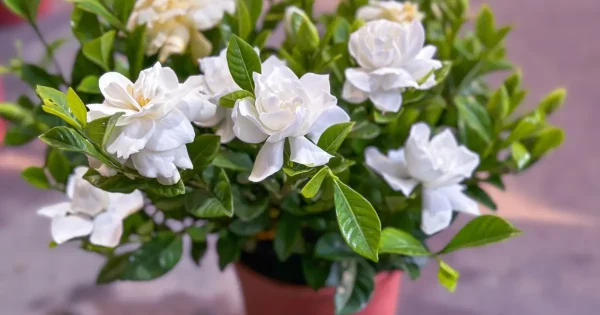
Frostproof Jasmine Care: 7 Tips for Successful Pot Growth
Most gardenias are known for being “divas.” They want perfect humidity, perfect soil, and they [...]
Mar

Top 7 Best Smelling Jasmine Varieties for a Heavenly Garden
Have you ever walked past a house and caught a scent so sweet you just [...]
Mar
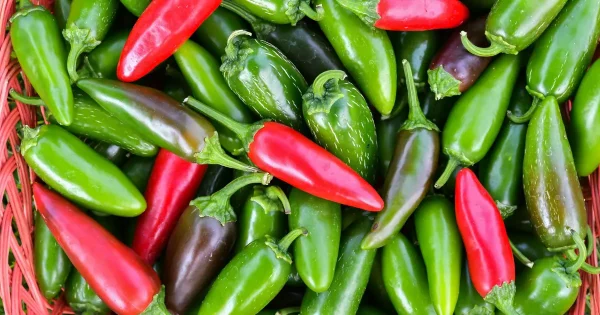
Master the Heat: 8 Expert Tips for Growing Jalapeños Like a Pro
Are you staring at your garden space, wondering why your pepper plants look more like [...]
Mar
Top 5 Must-Have Hoya Varieties for Beginners
Hoyas are easily one of my top recommendations if you’re hunting for a low-maintenance houseplant [...]
Mar
7 Moringa Plant Care Mistakes to Avoid for Healthy Growth
Have you ever looked at your Moringa tree and wondered why its once vibrant green [...]
Feb
How to Grow Potato Onions From True Seeds: A Step-by-Step Guide
Have you ever wondered how to grow potato onions from true seeds or why some [...]
Feb
Growing Walking Onions in Containers: The Ultimate Guide
Have you ever looked at your small balcony or cramped patio and wished you could [...]
Feb

9 Best Flower Seeds to Start in February for Early Blooms
If you’re a passionate gardener, you know that itchy feeling in your fingers when February [...]
Jan


Reviews
There are no reviews yet.