
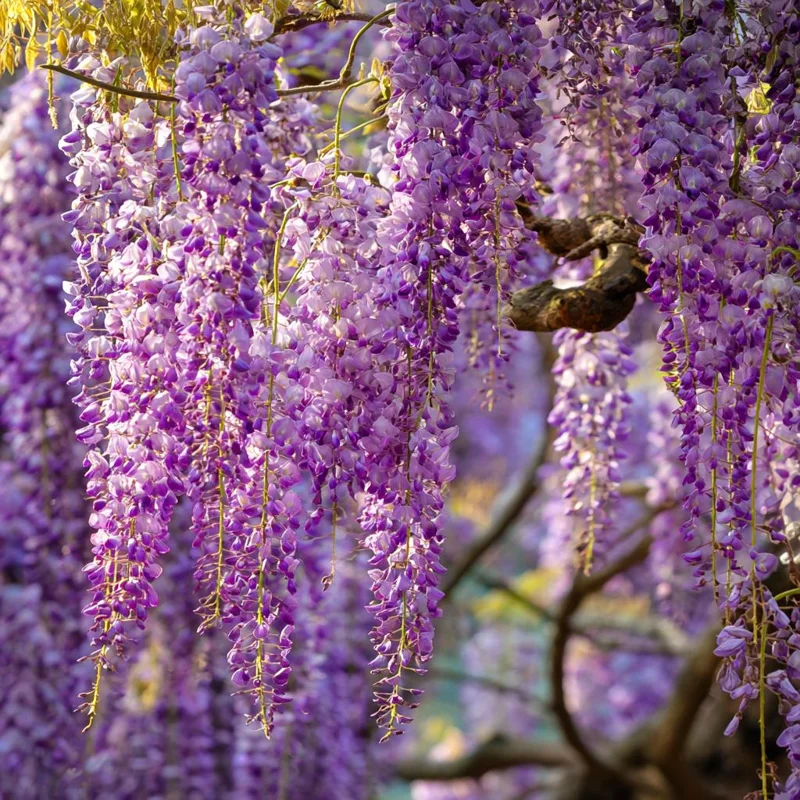





Wisteria Seeds – Elegant Cascading Blooms, Fragrant Climbing Vine, 5 Seeds for Garden & Pergola
Original price was: $31.99.$11.99Current price is: $11.99.
Cultivate stunning, fragrant wisteria seeds for your garden. These fragrant wisteria vine seeds produce elegant cascading purple, lavender, or white blooms, ideal for pergolas, trellises, and creating a breathtaking outdoor display. Attracts pollinators and adds timeless charm.
Shipping and Return policies:
We stand behind our plants with our Alive & Thrive Guarantee. If you experience any issues within the first 30 days, please email us, and our team will be happy to help. When needed, we’ll send you a one-time replacement free of charge to make sure your garden keeps growing strong.

Reasonable Price
We offer reasonable price

Support 24/7
Contact us 24 hrs a day
100% Money Back
You’ve 30 days to Return
Payment Secure
100% secure payment
Overview
Transform your garden into a fragrant paradise with these premium wisteria seeds. Wisteria, scientifically known as Wisteria sinensis or Wisteria floribunda, is a highly sought-after perennial vine celebrated for its dramatic cascading clusters of flowers. These elegant blooms typically appear in shades of lavender, purple, or white, creating a spectacular visual and aromatic display. Growing your own wisteria from seed allows you to cultivate a robust and long-lasting plant that will become a true showstopper in your landscape. This vigorous climber can reach impressive heights of 20–30 feet, making it perfect for adorning pergolas, trellises, fences, and garden arches, adding a romantic and timeless charm to any setting. Its sweet-scented blossoms not only delight the senses but also attract beneficial pollinators like bees, butterflies, and hummingbirds, enhancing your garden’s ecosystem.
Our wisteria seeds offer the opportunity to nurture this magnificent plant from its very beginning. While patience is key as seed-grown wisteria takes a few years to bloom, the reward is an established, resilient vine that will provide beauty for decades. The process of sowing and caring for these seeds is straightforward with proper guidance, allowing even novice gardeners to achieve success. Prepare to create a truly enchanting outdoor space with the lush foliage and intoxicating fragrance of a mature wisteria floribunda seeds plant.
Key Benefits
Growing wisteria from seed offers numerous advantages for the discerning gardener:
- Spectacular Aesthetic Appeal: Wisteria is renowned for its breathtaking cascading flower clusters that create a dramatic and elegant focal point in any garden. The vibrant purple, lavender, or white blooms are truly a sight to behold, transforming ordinary structures into living works of art.
- Intoxicating Fragrance: Beyond their visual beauty, wisteria flowers emit a wonderfully sweet and intoxicating fragrance that can perfume an entire garden. This natural aromatherapy enhances outdoor living spaces and makes for a more enjoyable environment.
- Attracts Pollinators: The fragrant blossoms of wisteria are a magnet for essential garden pollinators, including bees, butterflies, and hummingbirds. By planting wisteria seeds, you contribute to local biodiversity and support a healthy garden ecosystem.
- Versatile Landscaping Element: This vigorous climbing vine is incredibly versatile, perfect for training over pergolas, arbors, trellises, fences, and walls. It provides excellent shade, privacy, and architectural interest, allowing for creative garden design.
- Long-Lived Perennial: Once established, wisteria is a long-lived perennial that will provide beauty and fragrance for many years, often for several decades. It represents a lasting investment in your garden’s aesthetic value.
- Drought Tolerance: After establishment, mature wisteria vines become relatively drought-tolerant, requiring less frequent watering. This makes them a resilient choice for various climates and reduces ongoing maintenance.
- Supports Wildlife: In addition to pollinators, the dense foliage of a mature fragrant wisteria vine can provide shelter and nesting sites for various small birds and other garden wildlife.
Plant Care & Growing Tips
Cultivating wisteria seeds into a majestic vine requires attention to specific growing conditions and consistent care. Wisteria thrives in full sun, meaning it needs at least 6 hours of direct sunlight per day to produce the most abundant blooms. While it can tolerate partial shade, flowering may be reduced. Ensure your planting location is well-drained, as wisteria does not tolerate soggy roots. A fertile, loamy soil enriched with organic matter is ideal. For best results, consider a soil pH between 6.0 and 7.0.
Before sowing, scarify the wisteria seeds lightly or soak them in warm water for 24 hours to improve germination rates. You can sow seeds indoors 8–10 weeks before the last frost date or directly outdoors in spring after all danger of frost has passed. Plant seeds approximately 1 inch deep in well-drained soil and maintain consistent moisture. Germination can be slow, often taking 20–30 days. Once seedlings are strong enough to handle, transplant them carefully, ensuring a spacing of 10–15 feet apart to allow for their mature growth. Provide a sturdy support structure like a pergola, trellis, or arbor from the beginning, as the vine grows vigorously and needs something to climb. Regular pruning is essential for shaping the plant, encouraging flowering, and managing its size. Allow several years for blooms to develop from your seed-grown wisteria plant care efforts, as this is typical for wisteria grown from seed.
Size & Details
This product includes 5 wisteria seeds, providing an excellent opportunity to start your own elegant climbing vine. Each seed has the potential to grow into a vigorous plant, reaching a mature height of 20–30 feet with a spread of 10–15 feet, depending on training and support. Wisteria is a fast-growing vine once established, typically gaining several feet of growth per year. While the initial growth from seed focuses on developing a strong root system and foliage, expect the first blooms to appear within 3-5 years, sometimes longer, for seed-grown plants. These seeds are ideal for planting in USDA zones 5-9, where they can thrive outdoors year-round. These wisteria floribunda seeds are provided in dormant form, ready for you to begin the germination process and cultivate a stunning addition to your landscape.
Frequently Asked Questions
- Q: How big does this wisteria plant get? A: A mature wisteria vine can reach impressive heights of 20–30 feet and spread 10–15 feet, depending on how it’s trained and pruned. It’s a vigorous climber that requires substantial support.
- Q: Is this an indoor or outdoor plant? A: Wisteria is primarily an outdoor plant, best suited for growing on pergolas, trellises, and other garden structures where it can receive full sun and ample space to climb. It is not typically grown as an indoor houseplant.
- Q: How much sunlight does wisteria need? A: For the best flowering, wisteria requires full sun, meaning at least 6 hours of direct sunlight per day. It can tolerate partial shade, but flowering may be less prolific.
- Q: Is this wisteria plant easy to care for? A: While growing wisteria from seed requires patience for germination and the first blooms, established wisteria is relatively low-maintenance. Regular pruning is key to managing its growth and encouraging flowering.
- Q: What condition will the wisteria seeds arrive in? A: Your wisteria seeds will arrive dry and dormant, ready for you to begin the scarification and soaking process to prepare them for planting. They are carefully packaged to ensure viability.
- Q: How long until wisteria blooms from seed? A: Wisteria grown from seed typically takes 3-5 years, and sometimes longer, to produce its first blooms. Patience is a virtue when cultivating this magnificent vine from its initial stages.
- Q: Will this fragrant wisteria vine survive winter in my zone? A: Wisteria is generally hardy in USDA zones 5-9. In colder zones, it may require winter protection, while in warmer zones, it thrives with minimal intervention.
- Q: What type of soil is best for wisteria? A: Wisteria prefers fertile, well-drained soil. Amend heavy clay soils with organic matter to improve drainage, and sandy soils to improve water retention. A slightly acidic to neutral pH is ideal.
- Q: Can I grow wisteria floribunda seeds in a large pot? A: While possible to start in a large container, wisteria’s vigorous root system and growth habit mean it will eventually need to be transplanted into the ground or a very substantial, permanent planter to truly thrive.
- Q: How often should I water my wisteria? A: Water regularly during the establishment phase, ensuring the soil remains consistently moist but not waterlogged. Once mature, wisteria becomes more drought-tolerant and requires less frequent watering, especially in cooler climates.
Be the first to review “Wisteria Seeds – Elegant Cascading Blooms, Fragrant Climbing Vine, 5 Seeds for Garden & Pergola”
You must be logged in to post a review.
People also Viewed
Sold 50 products
Original price was: $36.99.$16.99Current price is: $16.99.
Sold 50 products
Original price was: $31.99.$11.99Current price is: $11.99.
Sold 50 products
Original price was: $35.99.$15.99Current price is: $15.99.

Sold 50 products
Original price was: $31.99.$11.99Current price is: $11.99.
Sold 50 products
Original price was: $35.99.$15.99Current price is: $15.99.
Sold 50 products
Original price was: $31.99.$11.99Current price is: $11.99.
Sold 50 products
Original price was: $34.99.$14.99Current price is: $14.99.
Sold 50 products
Original price was: $31.99.$11.99Current price is: $11.99.RELATED posts
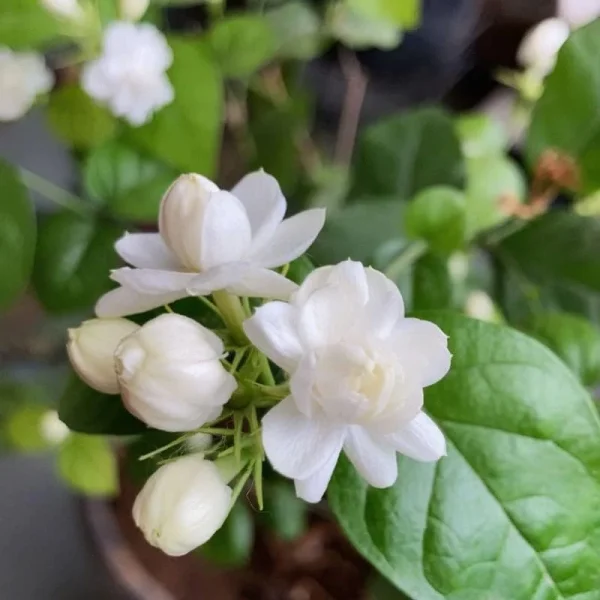
How to Grow Arabian Jasmine: A Complete Care Guide
If you’ve ever dreamed of a garden that smells like a tropical paradise, Jasminum sambac [...]
Apr
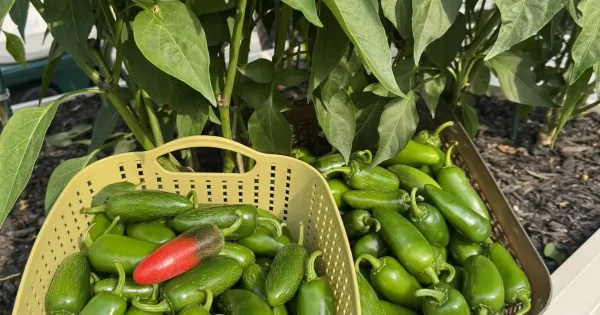
How to Grow Jalapeño Peppers From Seeds: A Step-by-Step Guide
Ready to spice things up in your garden? Jalapeños are the true life of the [...]
Apr
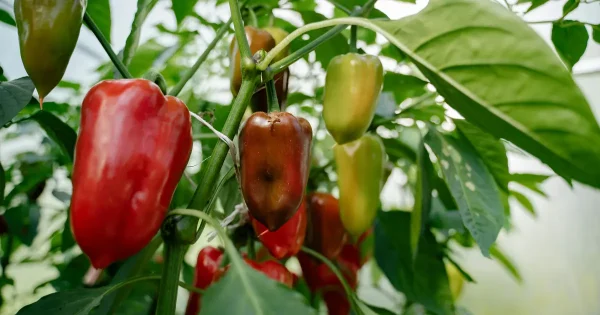
Top 12 Best Types of Peppers to Grow in Your Garden: Easy and High Yield
Growing peppers is, quite honestly, one of the biggest “wins” you can have in a [...]
Apr
Frostproof Jasmine Care: 7 Tips for Successful Pot Growth
Most gardenias are known for being “divas.” They want perfect humidity, perfect soil, and they [...]
Mar
Top 7 Best Smelling Jasmine Varieties for a Heavenly Garden
Have you ever walked past a house and caught a scent so sweet you just [...]
Mar
Master the Heat: 8 Expert Tips for Growing Jalapeños Like a Pro
Are you staring at your garden space, wondering why your pepper plants look more like [...]
Mar
Top 5 Must-Have Hoya Varieties for Beginners
Hoyas are easily one of my top recommendations if you’re hunting for a low-maintenance houseplant [...]
Mar
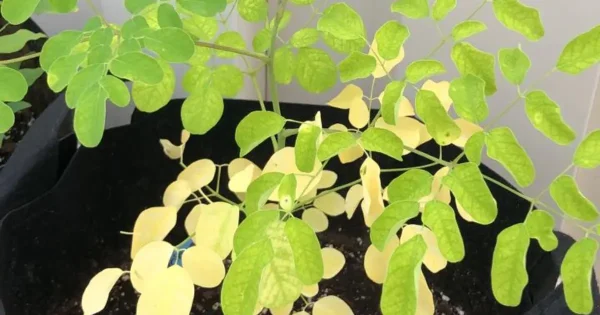
7 Moringa Plant Care Mistakes to Avoid for Healthy Growth
Have you ever looked at your Moringa tree and wondered why its once vibrant green [...]
Feb


Reviews
There are no reviews yet.