
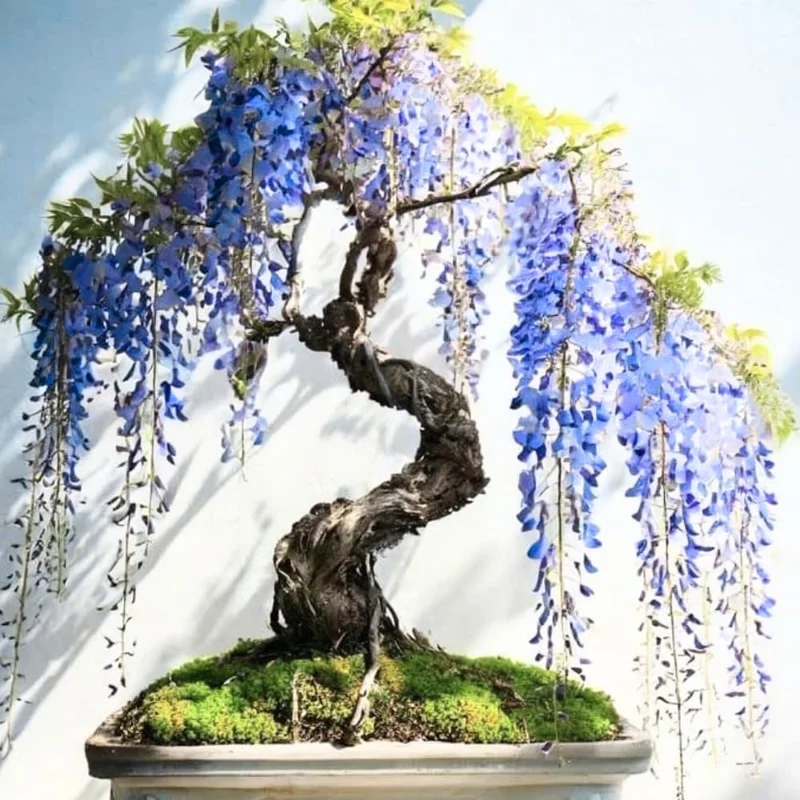
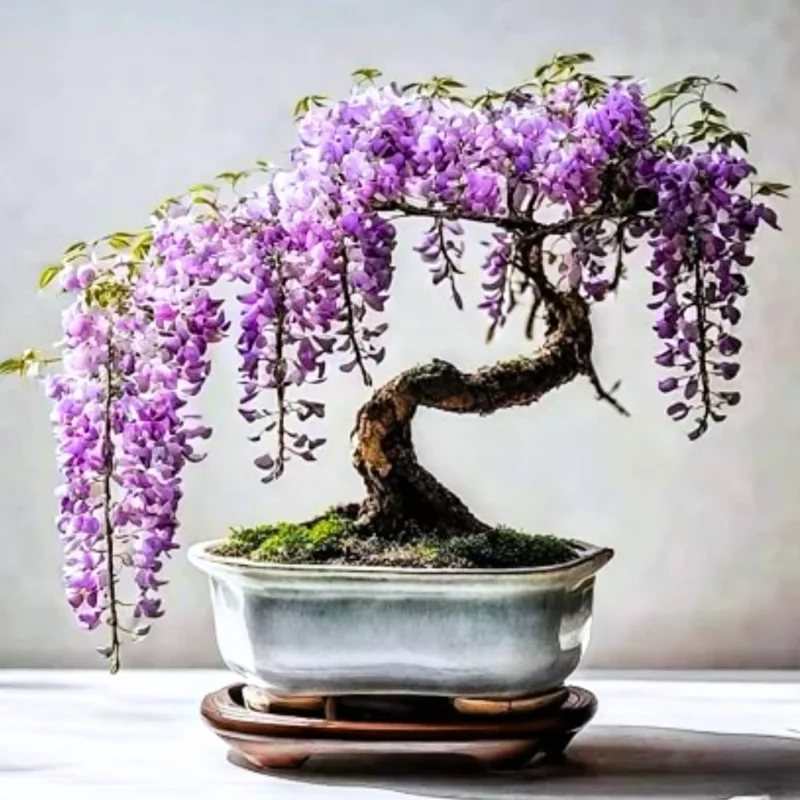
Wisteria Live Plant – 2.5″ Pot, 6-12 Inch Tall Fragrant Purple Vine for Garden Trellis & Containers, Outdoor
$0.00
Bring elegance to your garden with a beautiful wisteria live plant. This 6-12 inch tall vine, delivered in a 2.5″ pot, produces stunning fragrant purple blooms. Ideal for trellises, arbors, or container growing, it’s a fast-growing addition to any outdoor space.
Shipping and Return policies:
We stand behind our plants with our Alive & Thrive Guarantee. If you experience any issues within the first 30 days, please email us, and our team will be happy to help. When needed, we’ll send you a one-time replacement free of charge to make sure your garden keeps growing strong.

Reasonable Price
We offer reasonable price

Support 24/7
Contact us 24 hrs a day
100% Money Back
You’ve 30 days to Return
Payment Secure
100% secure payment
Overview
Introduce breathtaking beauty and enchanting fragrance to your outdoor space with a stunning wisteria live plant. This vibrant climbing vine is renowned for its spectacular cascades of purple-blue flowers that gracefully drape from trellises, arbors, and pergolas each spring. Our young wisteria live plant arrives in a convenient 2.5-inch pot, standing 6-12 inches tall, ready to be nurtured into a magnificent focal point in your garden. Known scientifically as Wisteria sinensis or Wisteria floribunda varieties, wisteria is a vigorous grower that can transform any structure into a lush, flowering masterpiece. Whether you envision it climbing a fence, adorning a patio, or trained as a small specimen tree, this plant offers unparalleled visual and aromatic appeal. Even when dormant in winter, its woody structure adds architectural interest.
Cultivating a wisteria live plant is a rewarding experience, as it brings a touch of old-world charm and dramatic flair to landscapes. Its fast-growing nature means you won’t have to wait long to enjoy its spectacular display. The captivating scent of its blooms fills the air, creating an inviting and serene atmosphere. This versatile plant is also suitable for larger containers, allowing even those with limited garden space to cherish its beauty. Prepare to be mesmerized by the delicate yet powerful presence of this exceptional flowering vine.
Key Benefits
Adding a wisteria live plant to your garden offers numerous advantages, enhancing both the aesthetic and sensory experience of your outdoor environment. Its vigorous growth and stunning floral display provide significant benefits:
- Spectacular Floral Display: Enjoy breathtaking cascades of fragrant blue-purple flowers every spring. These long, pendulous racemes create a dramatic and elegant visual impact, making your garden truly stand out.
- Enchanting Fragrance: The blooms of the wisteria live plant release a sweet, alluring scent that can perfume a large area of your garden. This natural fragrance enhances outdoor living spaces and attracts beneficial pollinators.
- Versatile Growth Habit: This plant can be trained in multiple ways, including as a climbing vine over trellises, arbors, and fences, or pruned into a captivating small tree form. Its adaptability makes it suitable for various garden designs and structures.
- Fast-Growing and Hardy: Known for its rapid growth, wisteria quickly establishes itself and covers structures, providing lush foliage and abundant blooms. It is also hardy in USDA zones 5-9, tolerating a range of climates.
- Architectural Interest: Even outside of its blooming season, the strong, woody stems of the purple wisteria vine provide year-round structure and visual interest to your landscape, especially when trained on a support.
- Erosion Control: As a vigorous vine, wisteria can help stabilize slopes and prevent soil erosion, making it a practical choice for challenging garden areas.
- Attracts Pollinators: The vibrant flowers are a magnet for bees, butterflies, and other beneficial pollinators, contributing to the health and biodiversity of your garden ecosystem.
Plant Care & Growing Tips
Caring for your wisteria live plant is straightforward, and with proper attention, it will reward you with years of magnificent blooms. Wisteria thrives in conditions that mimic its natural habitat. For optimal growth and flowering, ensure your plant receives ample sunlight. It prefers a location with full sun, meaning at least 6-8 hours of direct sunlight per day. While it can tolerate partial shade, too little sun can reduce flowering. When planting, choose a site with well-draining soil. Wisteria is adaptable to various soil types, but it prefers a slightly acidic to neutral pH. Amend heavy clay soils with organic matter to improve drainage, or sandy soils to enhance moisture retention.
Watering should be moderate and consistent, especially during dry spells and when the plant is establishing. Aim for deep watering rather than frequent shallow watering, allowing the topsoil to dry out slightly between waterings. Once established, wisteria is fairly drought-tolerant. Fertilize your wisteria live plant in early spring with a balanced, low-nitrogen fertilizer. Too much nitrogen can promote leafy growth at the expense of flowers. Pruning is crucial for controlling growth and encouraging abundant blooms. Perform major structural pruning in late winter when the plant is dormant, and summer pruning after flowering to manage new growth and encourage spur formation for next year’s blooms. This regular pruning is key to a beautiful fragrant wisteria.
Wisteria is hardy in USDA zones 5-9. In colder zones, ensure adequate winter protection, especially for young plants. While generally robust, keep an eye out for pests like aphids and scale, and diseases such as powdery mildew, especially in humid conditions. Good air circulation and proper watering practices can help prevent most issues. With these care tips, your wisteria for trellis will flourish and provide stunning displays season after season.
Size & Details
This offering includes one robust wisteria live plant, carefully cultivated and ready for planting. Each plant is shipped in a 2.5-inch nursery pot, providing a healthy root system for successful transplanting. The young vine stands approximately 6-12 inches tall upon arrival, representing a vigorous start for your garden project. Wisteria is known for its fast-growing nature, and with ideal conditions, it can quickly reach impressive sizes. When mature, a wisteria vine can extend 10-30 feet or more, depending on the variety and training. It develops strong, woody stems capable of supporting its abundant foliage and spectacular flower clusters.
This plant is supplied as a young potted specimen, ensuring a higher success rate compared to bare-root options. It is typically dormant in winter, meaning it will arrive without leaves during colder months, which is completely normal and healthy. Expect the vibrant green foliage and characteristic tendrils to emerge with the warmth of spring, followed by the highly anticipated fragrant purple blooms. The versatile growth habit allows you to guide this plant to cover large structures or train it into a smaller, more contained form. Its impressive growth rate means you can anticipate significant development in its first few growing seasons, leading to a mature and flowering specimen within a few years.
Frequently Asked Questions
- Q: How big does this wisteria live plant get? A: This young wisteria live plant arrives 6-12 inches tall in a 2.5″ pot. With proper care and support, mature wisteria vines can grow 10-30 feet or more, depending on the variety and how they are trained.
- Q: Is this an indoor or outdoor plant? A: Wisteria is primarily an outdoor plant, thriving in garden settings where it can climb and receive plenty of sunlight. It is hardy in USDA zones 5-9 and requires outdoor conditions to flourish and bloom.
- Q: How much sunlight does a fragrant wisteria need? A: For abundant blooms, a fragrant wisteria requires full sun, meaning at least 6-8 hours of direct sunlight per day. It can tolerate partial shade, but flowering may be reduced.
- Q: Is this wisteria plant easy to care for? A: Wisteria is relatively easy to care for once established. Key aspects include regular pruning to encourage flowering and control growth, consistent watering, and proper sunlight. It’s a rewarding plant for gardeners of all experience levels.
- Q: What condition will the wisteria live plant arrive in? A: Your wisteria live plant will arrive in a 2.5″ nursery pot with a healthy root system. During winter months, it will be dormant and may have no leaves, which is normal and indicates a healthy plant ready to sprout in spring.
- Q: How long until my purple wisteria vine blooms? A: While this is a young plant, with good care and appropriate pruning, you can typically expect your purple wisteria vine to start blooming within 2-5 years after planting. Some varieties may take longer.
- Q: Will this wisteria for trellis survive winter in my zone? A: This wisteria is hardy in USDA zones 5-9. If you are within these zones, it should survive winter outdoors. In colder zones, young plants may benefit from some winter protection.
- Q: What type of soil is best for wisteria? A: Wisteria prefers well-draining soil that is slightly acidic to neutral. Amending heavy clay soils with organic matter can improve drainage, which is crucial for healthy root development.
- Q: Can I grow wisteria in a container? A: Yes, you can grow wisteria for trellis in a large, sturdy container. Consistent watering and feeding will be important for container-grown plants, and they may require more frequent pruning to manage size.
- Q: What is the best time to plant wisteria? A: The best time to plant wisteria is in spring or fall when temperatures are moderate. This allows the plant to establish its root system before the stress of extreme heat or cold.
| Color | Blue Wisteria, Purple Wisteria |
|---|
Be the first to review “Wisteria Live Plant – 2.5″ Pot, 6-12 Inch Tall Fragrant Purple Vine for Garden Trellis & Containers, Outdoor”
You must be logged in to post a review.
People also Viewed
Sold 50 products
Original price was: $17.58.$11.86Current price is: $11.86.
Sold 50 products
Price range: $32.99 through $35.99
Sold 50 products
$69.99
Sold 50 products
$18.99
Sold 50 products
Price range: $14.98 through $23.89
Sold 50 products
$32.99
Sold 50 products
$24.99
Sold 50 products
Price range: $43.99 through $44.99RELATED posts
Frostproof Jasmine Care: 7 Tips for Successful Pot Growth
Most gardenias are known for being “divas.” They want perfect humidity, perfect soil, and they [...]
Mar
Top 7 Best Smelling Jasmine Varieties for a Heavenly Garden
Have you ever walked past a house and caught a scent so sweet you just [...]
Mar
Master the Heat: 8 Expert Tips for Growing Jalapeños Like a Pro
Are you staring at your garden space, wondering why your pepper plants look more like [...]
Mar
Top 5 Must-Have Hoya Varieties for Beginners
Hoyas are easily one of my top recommendations if you’re hunting for a low-maintenance houseplant [...]
Mar
7 Moringa Plant Care Mistakes to Avoid for Healthy Growth
Have you ever looked at your Moringa tree and wondered why its once vibrant green [...]
Feb
How to Grow Potato Onions From True Seeds: A Step-by-Step Guide
Have you ever wondered how to grow potato onions from true seeds or why some [...]
Feb
Growing Walking Onions in Containers: The Ultimate Guide
Have you ever looked at your small balcony or cramped patio and wished you could [...]
Feb

9 Best Flower Seeds to Start in February for Early Blooms
If you’re a passionate gardener, you know that itchy feeling in your fingers when February [...]
Jan



Reviews
There are no reviews yet.