
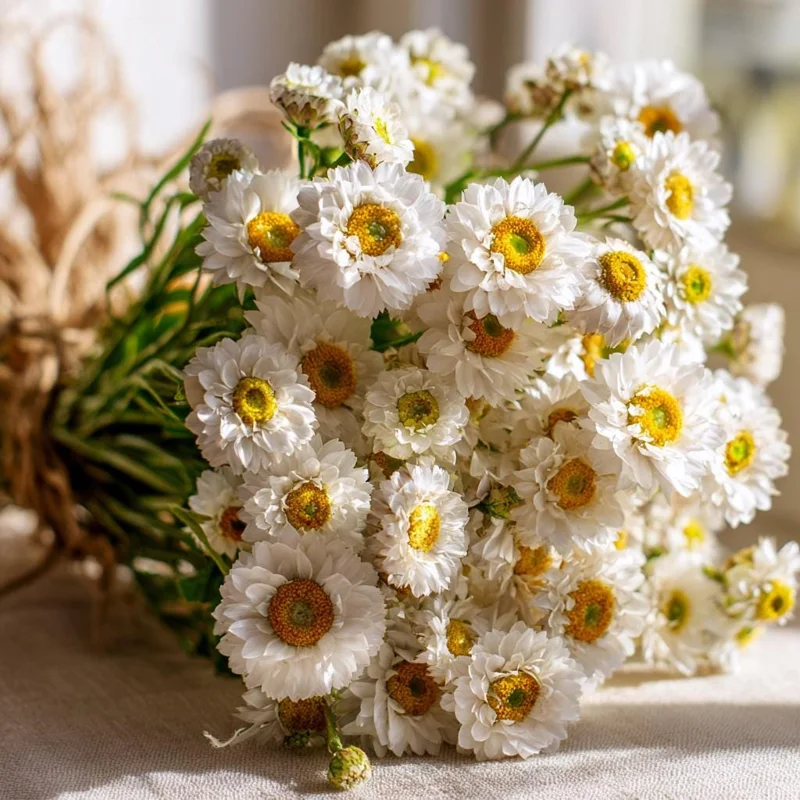
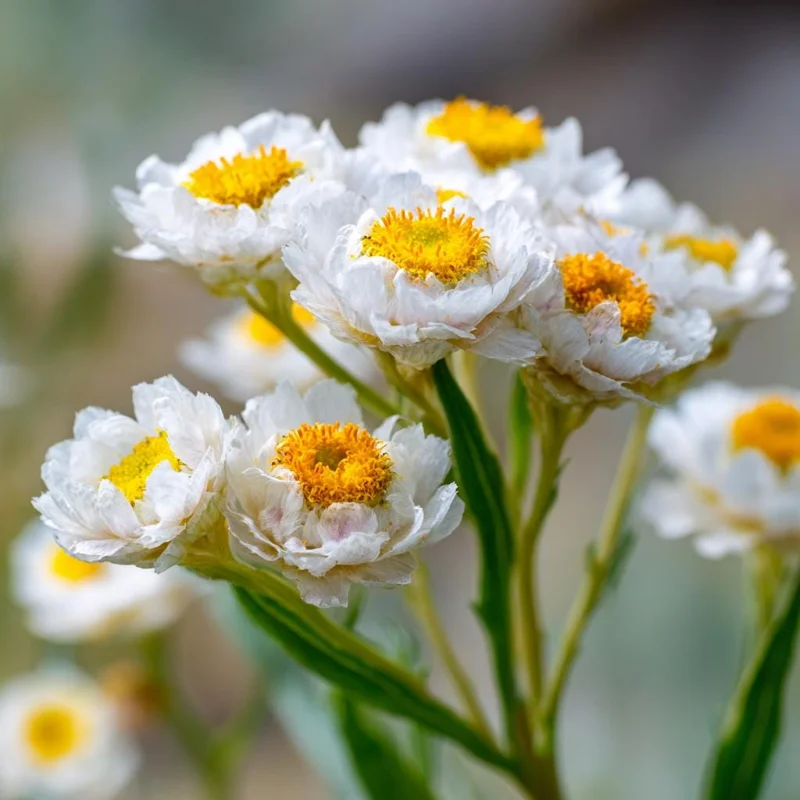
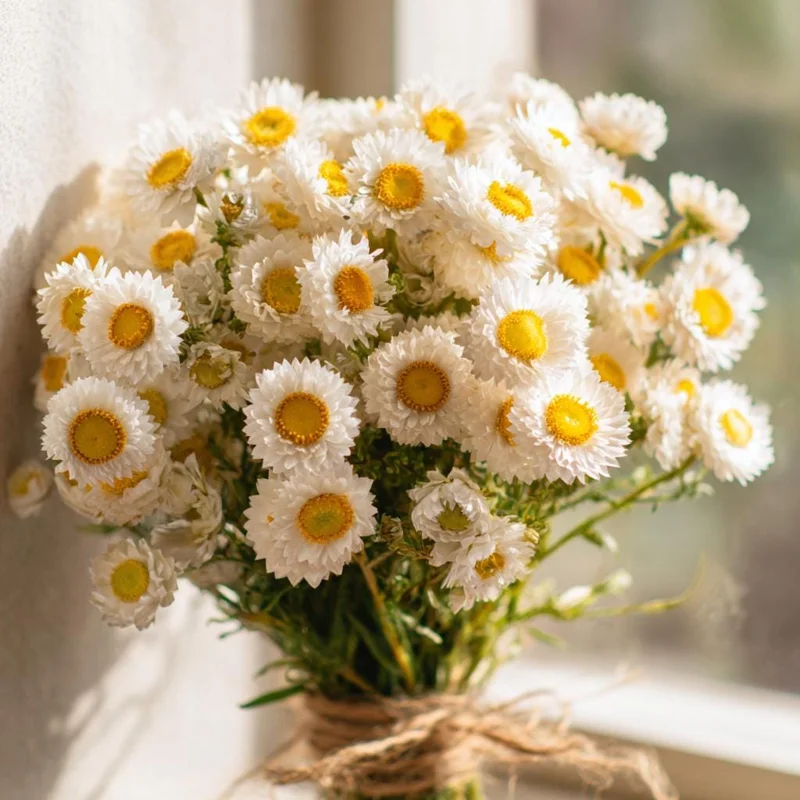
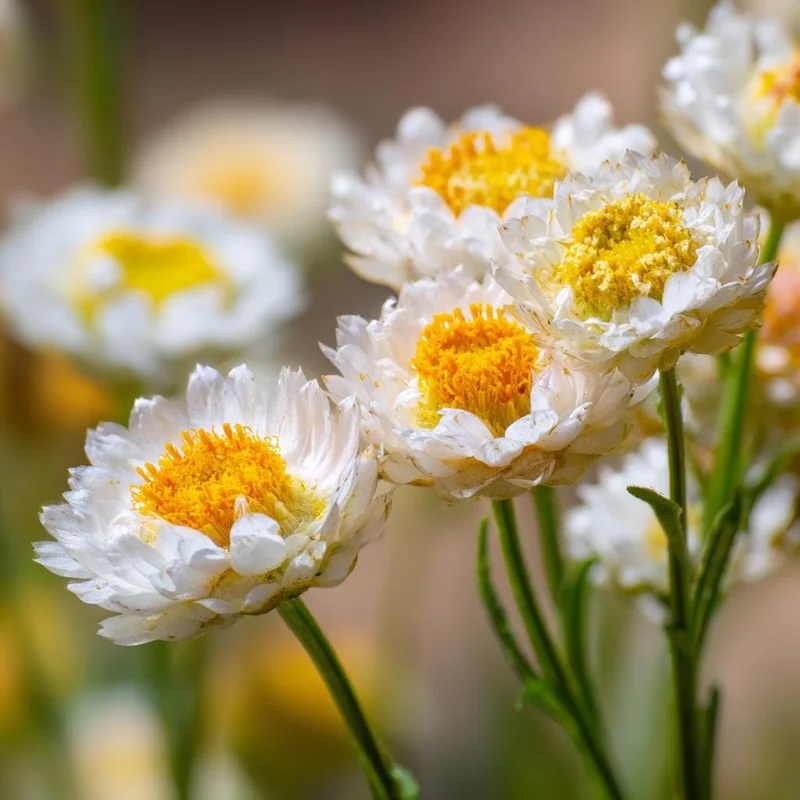
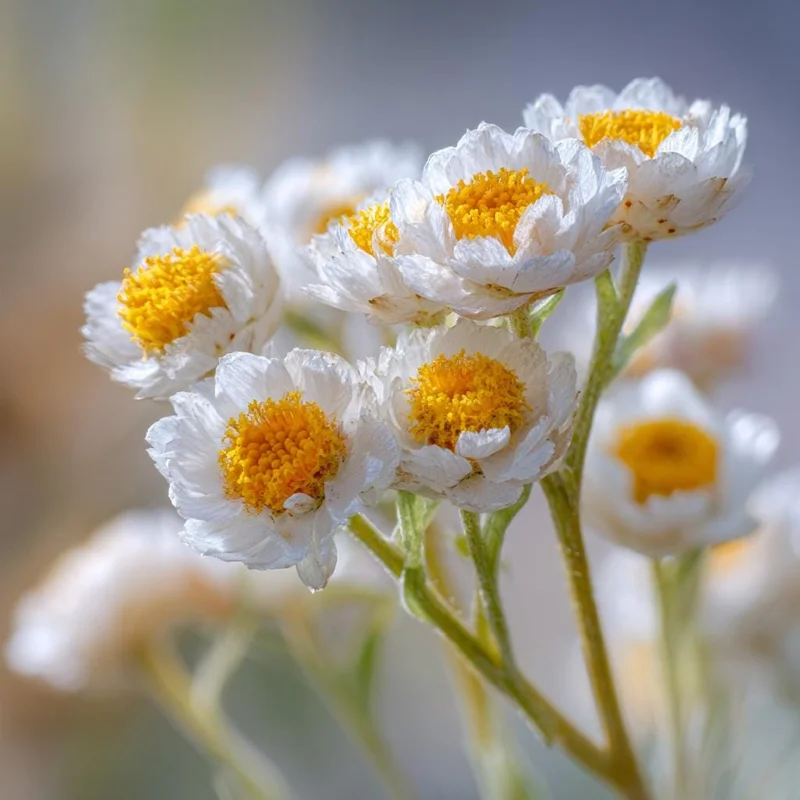
Winged Everlasting Seeds (Ammobium alatum) – 100 Seeds for Dried Flowers
Original price was: $32.99.$12.99Current price is: $12.99.
Cultivate charming winged everlasting seeds (Ammobium alatum) to produce unique, papery white blooms. Ideal for creating stunning dried flower seeds arrangements and adding texture to your garden. These easy-to-grow seeds are perfect for any cut flower garden seeds enthusiast.
Shipping and Return policies:
We stand behind our plants with our Alive & Thrive Guarantee. If you experience any issues within the first 30 days, please email us, and our team will be happy to help. When needed, we’ll send you a one-time replacement free of charge to make sure your garden keeps growing strong.

Reasonable Price
We offer reasonable price

Support 24/7
Contact us 24 hrs a day
100% Money Back
You’ve 30 days to Return
Payment Secure
100% secure payment
Overview
Discover the joy of growing your own beautiful winged everlasting seeds (Ammobium alatum). This delightful flower, also known as Winged Everlasting, is celebrated for its crisp white, papery petals and distinctive “winged” appearance. Originating from Australia, Ammobium alatum has become a favorite among gardeners and crafters alike due to its exceptional ability to retain its shape and color when dried. Whether you’re looking to enhance your cut-flower garden, create unique dried floral arrangements, or simply enjoy an easy-to-grow, low-maintenance plant, these seeds offer a rewarding experience. The airy, light texture of Ammobium alatum seeds adds an elegant touch to both fresh and dried flower displays, making them a versatile addition to any horticultural project.
With 100 seeds included, you’ll have ample opportunity to cultivate a vibrant patch of these charming blooms. These unique dried flower blooms are a testament to nature’s artistry, providing long-lasting beauty that transcends the seasons. Embrace the simplicity and elegance of Winged Everlasting in your garden or craft endeavors.
Key Benefits
Growing Winged Everlasting from winged everlasting seeds offers numerous advantages for both novice and experienced gardeners. These unique plants provide aesthetic beauty and practical uses that make them a standout choice.
- Exceptional Dried Flowers: Winged Everlasting is renowned for its ability to dry perfectly, retaining its pristine white color and delicate shape for long-lasting arrangements. This makes it an invaluable asset for florists and crafters who specialize in dried flower art.
- Easy to Grow: These seeds are ideal for beginners, requiring minimal fuss once established. They are low-maintenance and thrive in full sun with well-drained soil, ensuring a successful harvest even for those new to gardening.
- Versatile Garden Addition: Perfect for cut flower garden seeds, wildflower meadows, or borders, Winged Everlasting adds a unique texture and a touch of crisp white elegance to any outdoor space. Its delicate appearance complements a wide range of garden styles.
- Drought Tolerant: Once established, Ammobium alatum exhibits excellent drought tolerance, making it a sustainable choice for gardens in drier climates or for those looking to conserve water.
- Attracts Pollinators: While primarily grown for cutting and drying, the blooms can also attract beneficial insects to your garden, contributing to a healthier ecosystem.
- Crafting Potential: Beyond traditional floral arrangements, the dried blooms are excellent for various crafting projects, including wreaths, potpourri, and decorative displays, offering endless creative possibilities.
- Long Blooming Season: With proper care and deadheading, Winged Everlasting can provide a continuous display of blooms throughout the growing season, ensuring a steady supply for your arrangements.
Plant Care & Growing Tips
Cultivating winged everlasting seeds into thriving plants is straightforward with proper attention to a few key details. Understanding the specific needs of Ammobium alatum will ensure a bountiful display of these unique dried flowers.
Sunlight & Location: Winged Everlasting thrives in full sun, meaning it requires at least 6-8 hours of direct sunlight daily. Choose a location in your garden that receives abundant light throughout the day for optimal growth and flowering. While it can tolerate some partial shade, too little sun may result in leggy growth and fewer blooms. It is primarily an outdoor plant, though it can be started indoors.
Soil & Watering: This plant prefers well-drained soil. Ammobium alatum is not particular about soil type, but good drainage is crucial to prevent root rot. Amend heavy clay soils with organic matter like compost or sand to improve drainage. Keep the soil consistently moist during germination and while seedlings are establishing. Once mature and established, Winged Everlasting is quite drought-tolerant, but regular watering during prolonged dry spells will encourage more vigorous growth and continuous blooming. Avoid overwatering, as this can lead to issues.
Temperature & Hardiness: Winged Everlasting is typically grown as an annual in most climates. It prefers temperatures around 65–70°F for optimal germination. It is generally hardy in USDA zones 3-10 during its growing season, performing best in warmer, sunny conditions. Start winged everlasting seeds indoors 6-8 weeks before the last frost date, or direct sow outdoors after all danger of frost has passed. Thin seedlings to 10-12 inches apart once they are strong enough to ensure adequate air circulation and growth.
Fertilization & Maintenance: Ammobium alatum is a relatively low-maintenance plant. A balanced, all-purpose fertilizer can be applied once or twice during the growing season, especially if your soil is poor. However, too much nitrogen can lead to excessive foliage at the expense of flowers. Deadhead spent flowers regularly to encourage the plant to produce more blooms throughout the season. This practice not only prolongs the flowering period but also maintains a neat and attractive appearance in your garden. For best results with everlasting flower care, ensure good air circulation around plants to prevent fungal issues.
Size & Details
These winged everlasting seeds will develop into plants that typically reach a height of 18-24 inches (45-60 cm) with a spread of 10-12 inches (25-30 cm). The plants produce numerous crisp, white, papery blooms, each about 1 inch (2.5 cm) in diameter, featuring a distinctive yellow center. The growth rate is moderate, with blooms appearing typically 70-85 days after sowing. The package contains 100 seeds, providing a generous quantity for planting a significant patch or multiple smaller areas in your garden. These seeds are perfect for achieving a continuous supply of material for dried arrangements, making them an excellent choice for a dedicated dried flower seeds project. Each seed is ready for sowing and will germinate reliably under optimal conditions, contributing to a vibrant and productive garden.
Frequently Asked Questions
- Q: How many winged everlasting seeds are included in this pack? A: This pack contains 100 seeds of Winged Everlasting (Ammobium alatum), providing a generous quantity for your gardening needs.
- Q: Is Winged Everlasting an indoor or outdoor plant? A: Winged Everlasting is primarily an outdoor plant, thriving in full sun in garden beds. While seeds can be started indoors, the mature plants are best grown outdoors.
- Q: How much sunlight do winged everlasting seeds need to grow? A: These plants require full sun, meaning at least 6-8 hours of direct sunlight per day, for optimal growth and abundant flowering.
- Q: What is the best time to plant Ammobium alatum seeds? A: You can start ammobium alatum seeds indoors 6-8 weeks before the last frost, or direct sow them outdoors after all danger of frost has passed in spring.
- Q: Is Winged Everlasting difficult to care for? A: No, Winged Everlasting is considered an easy-to-grow and low-maintenance plant, making it suitable for gardeners of all experience levels. Its everlasting flower care requirements are minimal once established.
- Q: How tall do Winged Everlasting plants typically grow? A: Mature Winged Everlasting plants usually reach a height of 18-24 inches (45-60 cm).
- Q: Can these flowers be used in fresh arrangements? A: Yes, while highly prized for drying, the fresh blooms of Winged Everlasting also make beautiful and delicate additions to fresh flower bouquets.
- Q: What kind of soil does Winged Everlasting prefer? A: Winged Everlasting thrives in well-drained soil. It is adaptable to various soil types but good drainage is essential to prevent waterlogged roots.
- Q: How long does it take for the winged everlasting seeds to germinate? A: Germination typically occurs within 10-14 days under optimal conditions, with temperatures around 65–70°F.
- Q: Will Winged Everlasting attract pollinators to my garden? A: Yes, like many flowering plants, Winged Everlasting can attract beneficial pollinators such as bees to your garden, contributing to biodiversity.
Be the first to review “Winged Everlasting Seeds (Ammobium alatum) – 100 Seeds for Dried Flowers”
You must be logged in to post a review.
People also Viewed
Sold 50 products
Original price was: $36.99.$16.99Current price is: $16.99.
Sold 50 products
Original price was: $31.99.$11.99Current price is: $11.99.
Sold 50 products
Original price was: $35.99.$15.99Current price is: $15.99.
Sold 50 products
Original price was: $31.99.$11.99Current price is: $11.99.
Sold 50 products
Original price was: $35.99.$15.99Current price is: $15.99.
Sold 50 products
Original price was: $31.99.$11.99Current price is: $11.99.
Sold 50 products
Original price was: $34.99.$14.99Current price is: $14.99.
Sold 50 products
Original price was: $31.99.$11.99Current price is: $11.99.RELATED posts
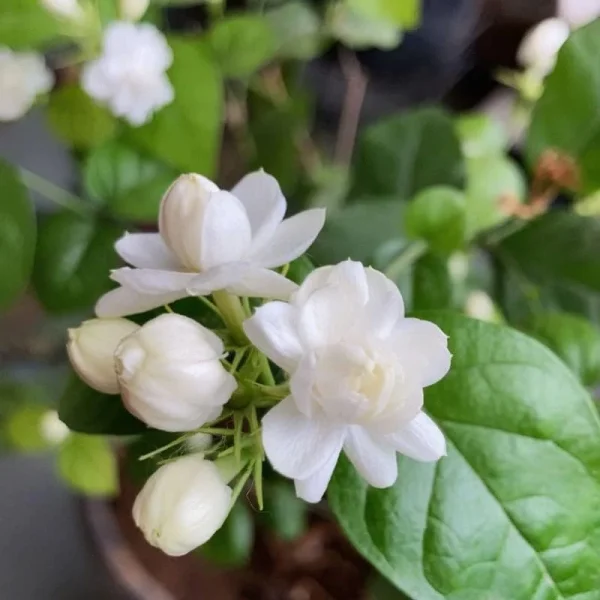
How to Grow Arabian Jasmine: A Complete Care Guide
If you’ve ever dreamed of a garden that smells like a tropical paradise, Jasminum sambac [...]
Apr
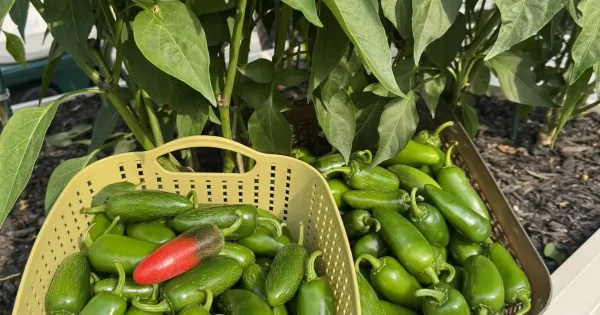
How to Grow Jalapeño Peppers From Seeds: A Step-by-Step Guide
Ready to spice things up in your garden? Jalapeños are the true life of the [...]
Apr
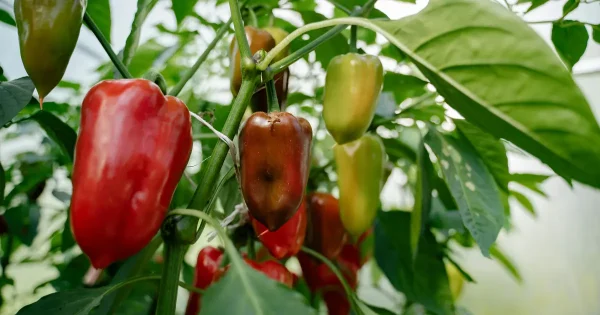
Top 12 Best Types of Peppers to Grow in Your Garden: Easy and High Yield
Growing peppers is, quite honestly, one of the biggest “wins” you can have in a [...]
Apr
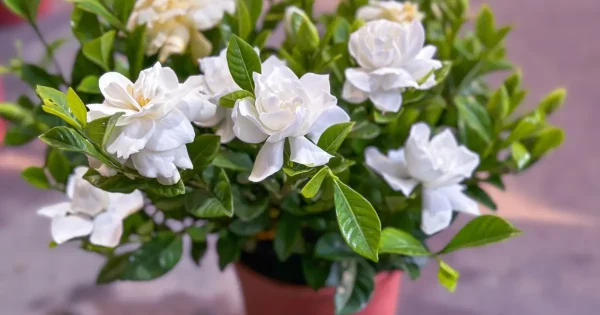
Frostproof Jasmine Care: 7 Tips for Successful Pot Growth
Most gardenias are known for being “divas.” They want perfect humidity, perfect soil, and they [...]
Mar
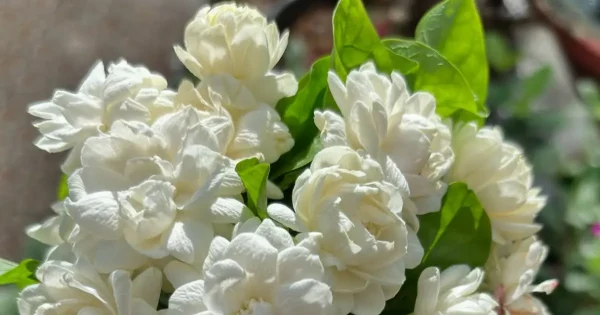
Top 7 Best Smelling Jasmine Varieties for a Heavenly Garden
Have you ever walked past a house and caught a scent so sweet you just [...]
Mar
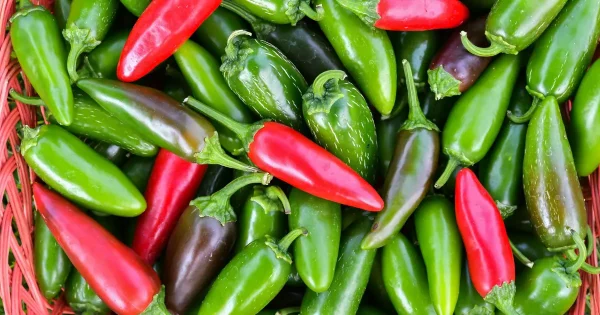
Master the Heat: 8 Expert Tips for Growing Jalapeños Like a Pro
Are you staring at your garden space, wondering why your pepper plants look more like [...]
Mar
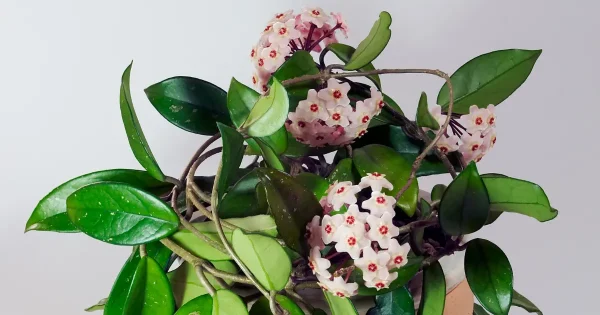
Top 5 Must-Have Hoya Varieties for Beginners
Hoyas are easily one of my top recommendations if you’re hunting for a low-maintenance houseplant [...]
Mar
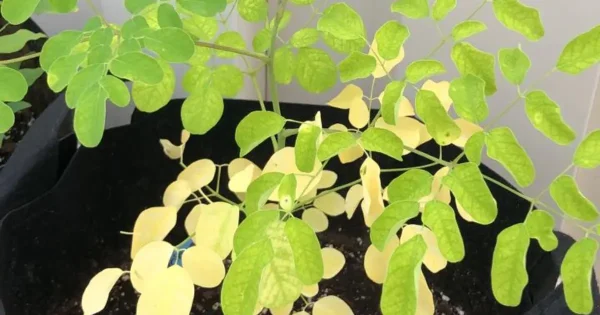
7 Moringa Plant Care Mistakes to Avoid for Healthy Growth
Have you ever looked at your Moringa tree and wondered why its once vibrant green [...]
Feb

Reviews
There are no reviews yet.