
Wild Blue Iris Seeds – 25 Rocky Mountain Iris Flower Seeds for Pollinators, Outdoor
Original price was: $31.99.$11.99Current price is: $11.99.
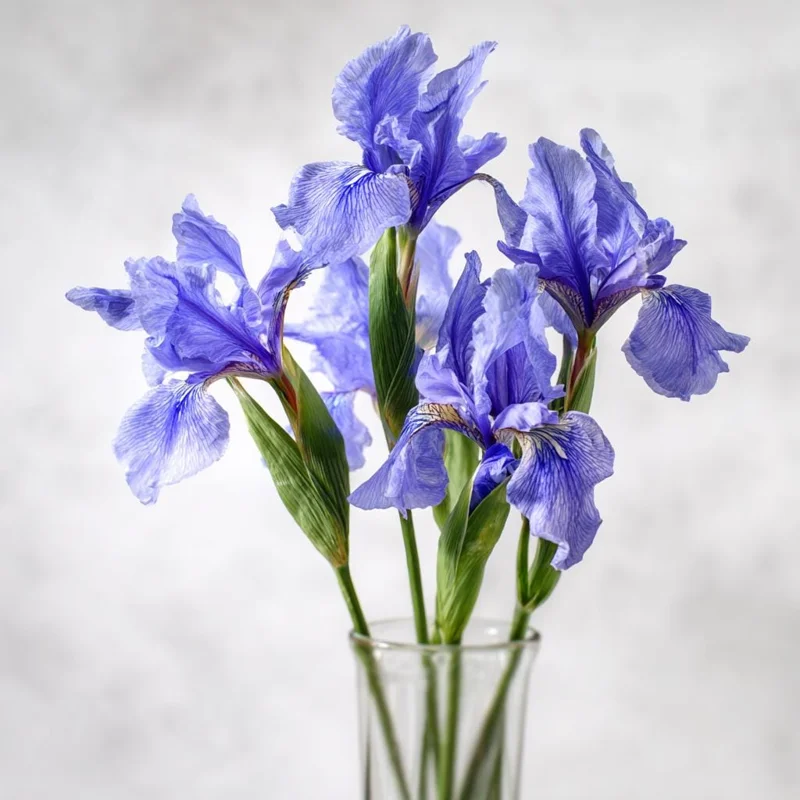
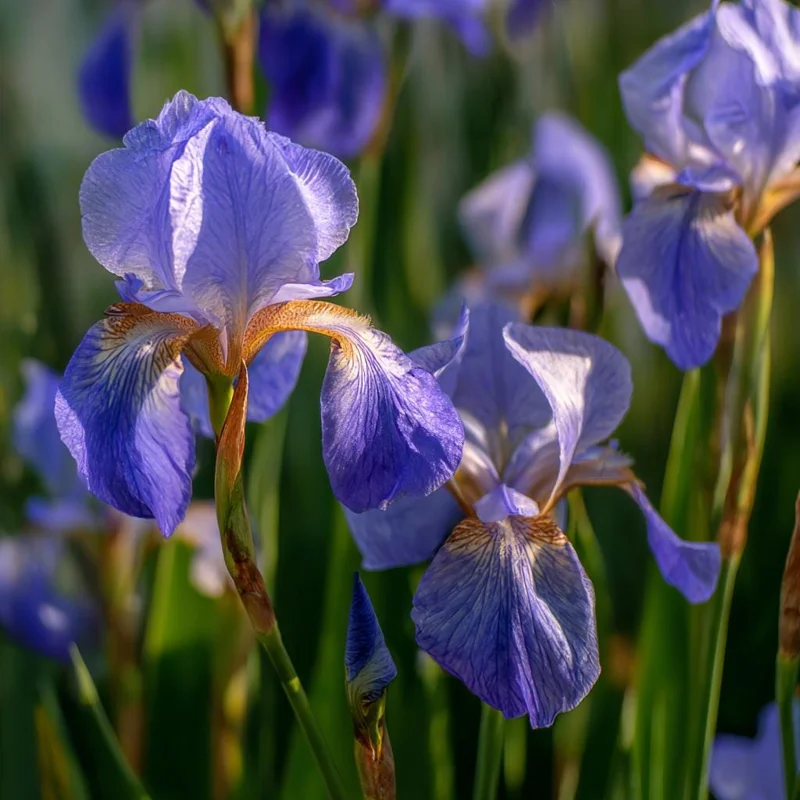
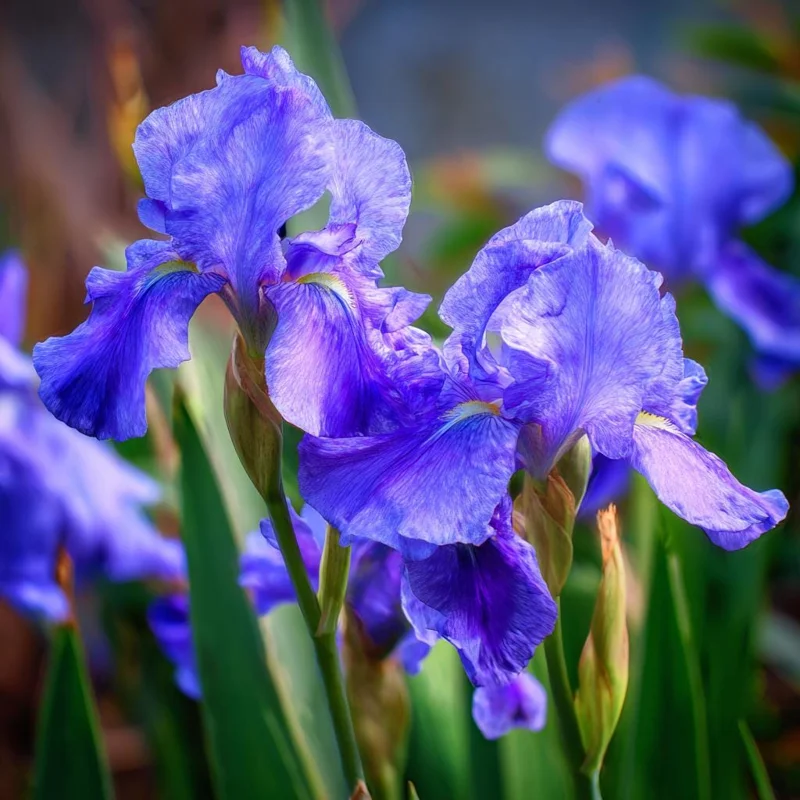
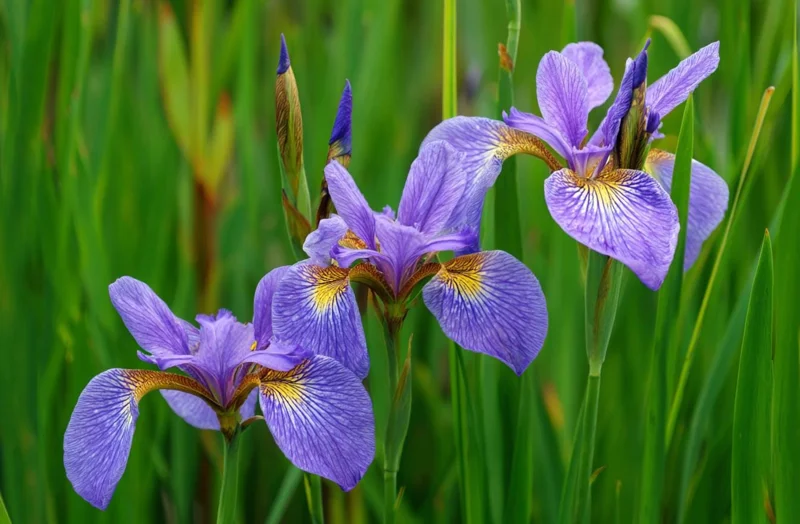
Cultivate stunning wild blue iris seeds with this pack of 25 premium seeds. Also known as Rocky Mountain Iris, these hardy perennial flowers feature elegant blue-violet blooms and attract beneficial pollinators to your garden. Ideal for native landscapes and water-wise planting.
Shipping and Return policies:
We stand behind our plants with our Alive & Thrive Guarantee. If you experience any issues within the first 30 days, please email us, and our team will be happy to help. When needed, we’ll send you a one-time replacement free of charge to make sure your garden keeps growing strong.

Reasonable Price
We offer reasonable price

Support 24/7
Contact us 24 hrs a day
100% Money Back
You’ve 30 days to Return
Payment Secure
100% secure payment
Overview
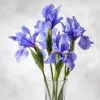
Bring the untamed beauty of Western North America to your garden with these premium wild blue iris seeds. Each pack contains 25 seeds of Iris missouriensis, commonly known as Rocky Mountain Iris or Western Blue Flag. This hardy native perennial is celebrated for its striking blue-violet blooms and graceful, sword-like foliage, making it a perfect addition to native landscapes, pollinator gardens, and restoration projects. These wild blue iris seeds offer an opportunity to cultivate a resilient plant that thrives in various outdoor settings, from mountain meadows to your home garden. Its spring-to-early-summer flowers not only provide visual delight but also serve as a vital nectar source for bees, butterflies, and other beneficial wildlife, enhancing your garden’s biodiversity and ecological value. Growing from seed allows you to establish a robust population of these beautiful and ecologically significant plants.
The wild blue iris seeds promise an enduring display of color and life, contributing to a vibrant ecosystem. Its natural range across western North America speaks to its adaptability and hardiness, ensuring that with proper care, it will flourish in suitable climates. Whether you are an experienced gardener or just starting, these seeds provide a rewarding experience, culminating in a garden rich with the natural charm of the Rocky Mountains. The elegant form and vibrant color of the blooms are sure to become a focal point, drawing admiration and contributing to a serene outdoor environment.
Key Benefits
Cultivating wild blue iris seeds offers a multitude of advantages for your garden and local ecosystem. These native plants are not only beautiful but also highly beneficial.
- Ecological Value: The striking blue-violet flowers of Rocky Mountain Iris are a magnet for native bees, butterflies, and other pollinators, supporting local biodiversity and contributing to a healthy garden ecosystem. Planting these seeds helps in creating vital pollinator habitats.
- Native Plant Appeal: As a native species to western North America, Iris missouriensis is well-adapted to regional climates and conditions, requiring less intervention once established compared to non-native alternatives. This makes it an excellent choice for sustainable and low-maintenance gardening.
- Drought Tolerance: While preferring consistent moisture during establishment, mature wild blue iris seeds plants exhibit good drought tolerance, making them suitable for water-wise gardening strategies in many regions.
- Hardy Perennial: This species is highly winter-hardy and long-lived, providing years of beautiful blooms and foliage without the need for annual replanting. It returns reliably each spring, establishing a strong presence in your garden.
- Versatile Landscaping: Ideal for a variety of garden designs, including native landscapes, rain gardens, pond edges, meadows, and mixed perennial borders. The slender, sword-like foliage adds architectural interest even when not in bloom.
- Stunning Blooms: Enjoy elegant blue-violet flowers from spring to early summer, adding a sophisticated touch of wild beauty to any outdoor space. The vibrant hues create a captivating visual display.
Plant Care & Growing Tips
Growing wild blue iris seeds successfully begins with proper seed stratification. Iris seeds require a period of cold to break dormancy and promote germination. You can achieve this by sowing seeds outdoors in the fall, allowing natural winter conditions to provide the necessary cold stratification. Alternatively, for spring sowing, place the seeds in a moist medium (like sand or peat) and refrigerate for 6–8 weeks before planting. This mimics the natural winter cycle and significantly improves germination rates. Once stratified, plant the iris missouriensis seeds ¼–½ inch deep in well-drained soil. Germination can be slow and may take several weeks to a full season, as this species naturally sprouts at a leisurely pace. Patience is key when cultivating these rewarding plants from seed.
For established plants, provide a location with full sun to partial shade. Wild blue iris seeds plants thrive in areas with consistent moisture, making them ideal for planting near ponds, in meadow gardens, or within irrigated beds. Water regularly during the establishment phase to ensure strong root development. Once mature, these plants are relatively drought-tolerant, though they appreciate occasional watering during prolonged dry spells. To maintain plant vigor and encourage tidiness, remove spent blooms. Dividing clumps every few years will also help rejuvenate the plants and prevent overcrowding, ensuring continued healthy growth and abundant flowering. These highly winter-hardy and long-lived perennials will be a cherished part of your garden for many seasons. Ensuring the right balance of sun and moisture is critical for the success of your blue iris flower seeds.
Size & Details
This product includes 25 premium wild blue iris seeds (Iris missouriensis). Each seed packet is carefully prepared to ensure viability and provides the foundation for cultivating these beautiful native perennials. Once established, plants grown from these rocky mountain iris seeds typically reach a height of 18-30 inches (45-75 cm) with a similar spread, forming attractive clumps of slender, sword-like foliage. The elegant blue-violet flowers emerge in spring to early summer, creating a stunning visual display. These are seeds, not live plants, allowing you to grow them from scratch. While germination can take some time, the resulting mature plants are long-lived and will provide years of enjoyment. Expect plants to begin flowering within 1-2 years after successful germination, depending on growing conditions.
Frequently Asked Questions
- Q: How big do plants from these wild blue iris seeds get? A: Once mature, plants typically grow 18-30 inches (45-75 cm) tall and wide, forming attractive clumps of foliage and flowers. The size can vary slightly based on growing conditions and climate.
- Q: What are the sunlight requirements for Rocky Mountain Iris? A: These plants perform best in full sun to partial shade. Full sun encourages more abundant blooming, while partial shade can be beneficial in hotter climates to protect from intense afternoon sun.
- Q: Is this plant easy to care for? A: While germinating iris missouriensis seeds requires cold stratification and patience, established plants are relatively low-maintenance, hardy, and drought-tolerant once mature. They are an excellent choice for native landscapes.
- Q: What condition will the wild blue iris seeds arrive in? A: The product consists of 25 dry, viable seeds packaged to ensure their quality and readiness for stratification and planting. They are not live plants or seedlings.
- Q: How long until plants from these seeds bloom? A: Plants grown from blue iris flower seeds typically take 1-2 years to reach blooming maturity after germination. The exact timeline can depend on your specific growing conditions and care.
- Q: What’s the best time to plant these native iris seeds? A: For best germination, sow seeds outdoors in the fall for natural cold stratification, or stratify them in your refrigerator for 6-8 weeks before sowing in early spring.
- Q: Will Rocky Mountain Iris survive winter in my zone? A: Yes, Iris missouriensis is highly winter-hardy. It is native to regions with cold winters and is suitable for USDA Hardiness Zones 3-9, making it resilient in many climates.
- Q: What kind of soil does this plant prefer? A: It thrives in moist, well-draining soil. While adaptable, consistent moisture is appreciated, especially during establishment. It can tolerate a range of soil types as long as drainage is adequate.
- Q: Do these wild blue iris seeds attract pollinators? A: Absolutely! The vibrant blue-violet flowers of wild blue iris are known to attract bees, butterflies, and other beneficial insects, making them excellent for pollinator gardens and supporting local ecosystems.
- Q: Can I grow iris missouriensis seeds in containers? A: While possible, Rocky Mountain Iris prefers to spread and establish in garden beds. If growing in containers, ensure they are large enough to accommodate the root system and provide consistent moisture.
Be the first to review “Wild Blue Iris Seeds – 25 Rocky Mountain Iris Flower Seeds for Pollinators, Outdoor”
You must be logged in to post a review.
People also Viewed
Sold 50 products
Original price was: $36.99.$16.99Current price is: $16.99.
Sold 50 products
Original price was: $31.99.$11.99Current price is: $11.99.
Sold 50 products
Original price was: $35.99.$15.99Current price is: $15.99.
Sold 50 products
Original price was: $31.99.$11.99Current price is: $11.99.
Sold 50 products
Original price was: $35.99.$15.99Current price is: $15.99.
Sold 50 products
Original price was: $31.99.$11.99Current price is: $11.99.
Sold 50 products
Original price was: $34.99.$14.99Current price is: $14.99.
Sold 50 products
Original price was: $31.99.$11.99Current price is: $11.99.RELATED posts
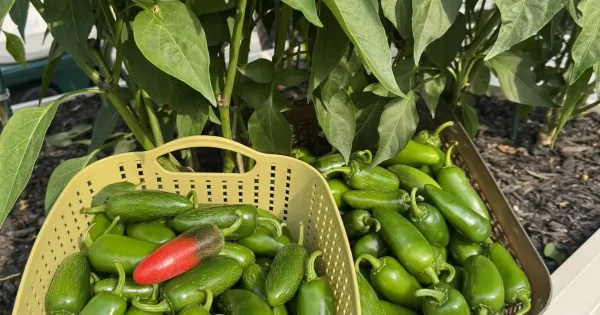
How to Grow Jalapeño Peppers From Seeds: A Step-by-Step Guide
Ready to spice things up in your garden? Jalapeños are the true life of the [...]
Apr
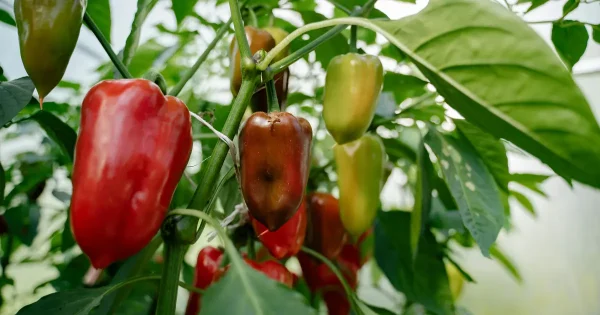
Top 12 Best Types of Peppers to Grow in Your Garden: Easy and High Yield
Growing peppers is, quite honestly, one of the biggest “wins” you can have in a [...]
Apr
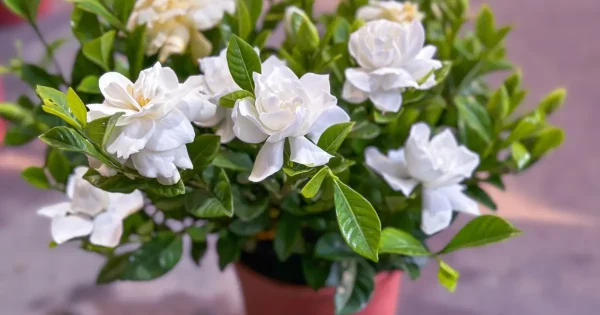
Frostproof Jasmine Care: 7 Tips for Successful Pot Growth
Most gardenias are known for being “divas.” They want perfect humidity, perfect soil, and they [...]
Mar
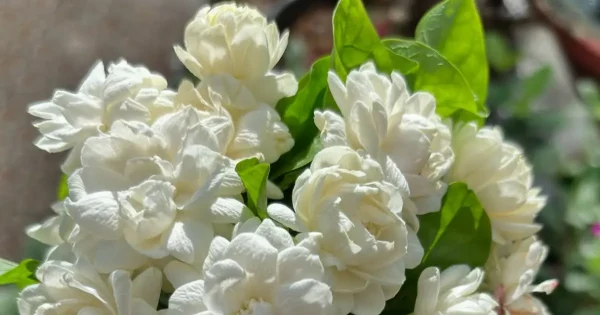
Top 7 Best Smelling Jasmine Varieties for a Heavenly Garden
Have you ever walked past a house and caught a scent so sweet you just [...]
Mar
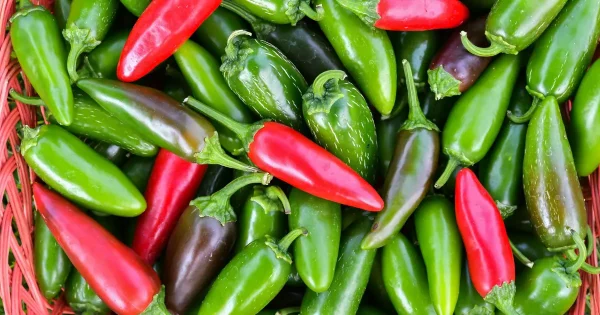
Master the Heat: 8 Expert Tips for Growing Jalapeños Like a Pro
Are you staring at your garden space, wondering why your pepper plants look more like [...]
Mar
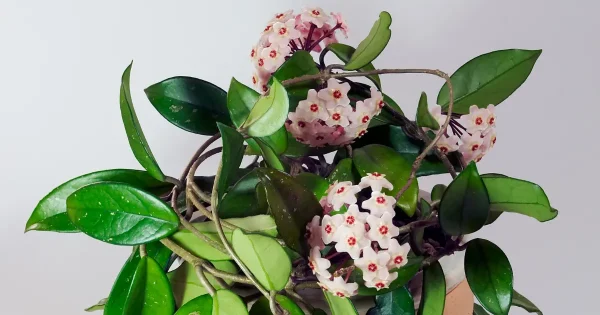
Top 5 Must-Have Hoya Varieties for Beginners
Hoyas are easily one of my top recommendations if you’re hunting for a low-maintenance houseplant [...]
Mar
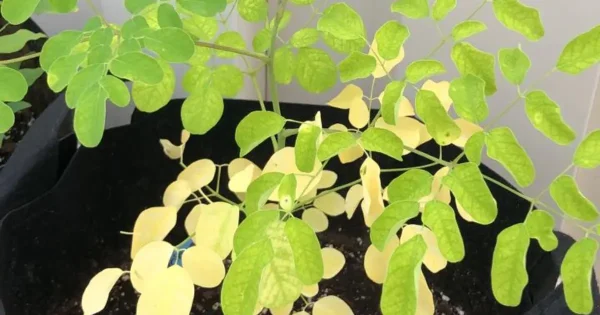
7 Moringa Plant Care Mistakes to Avoid for Healthy Growth
Have you ever looked at your Moringa tree and wondered why its once vibrant green [...]
Feb
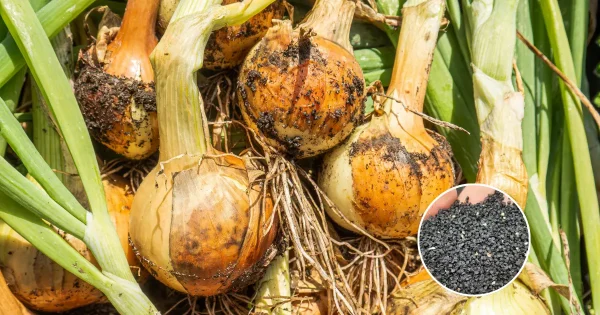
How to Grow Potato Onions From True Seeds: A Step-by-Step Guide
Have you ever wondered how to grow potato onions from true seeds or why some [...]
Feb
Reviews
There are no reviews yet.