
Whorled Milkweed Seeds – 50 Seeds, Native Pollinator Plant for Gardens
Original price was: $31.99.$11.99Current price is: $11.99.
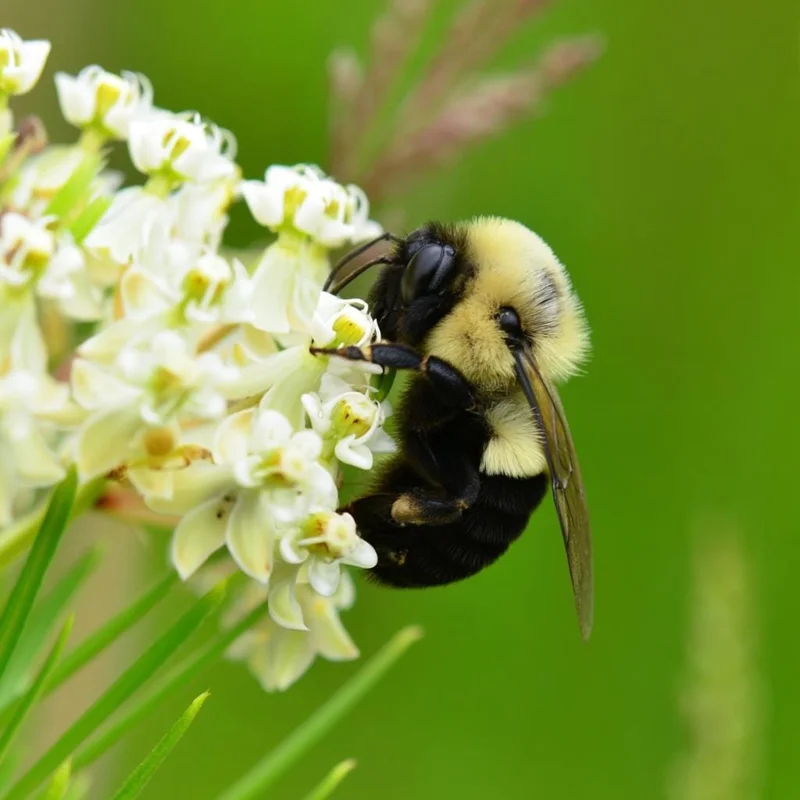
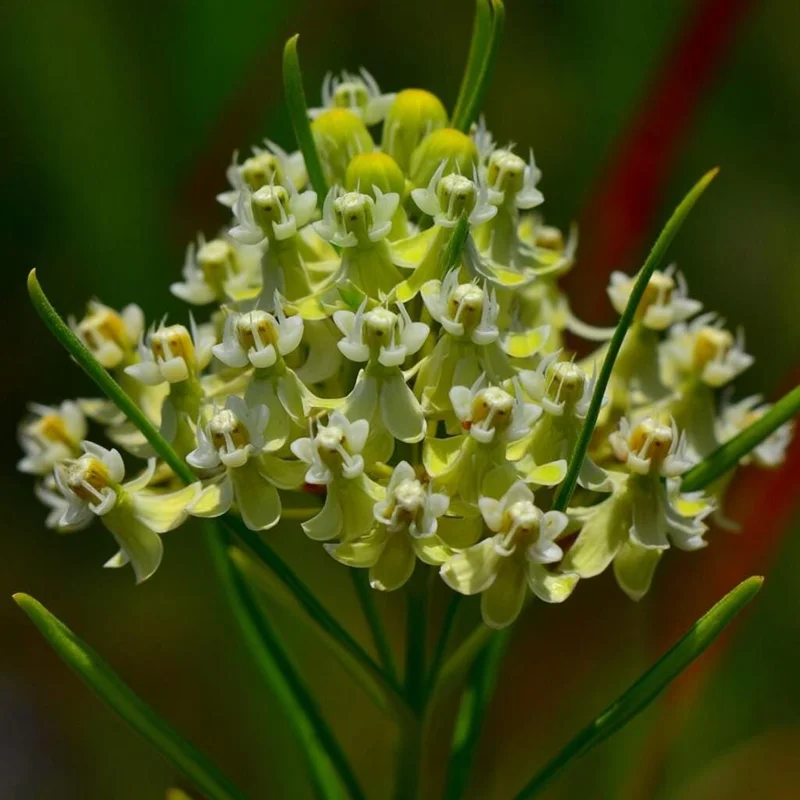
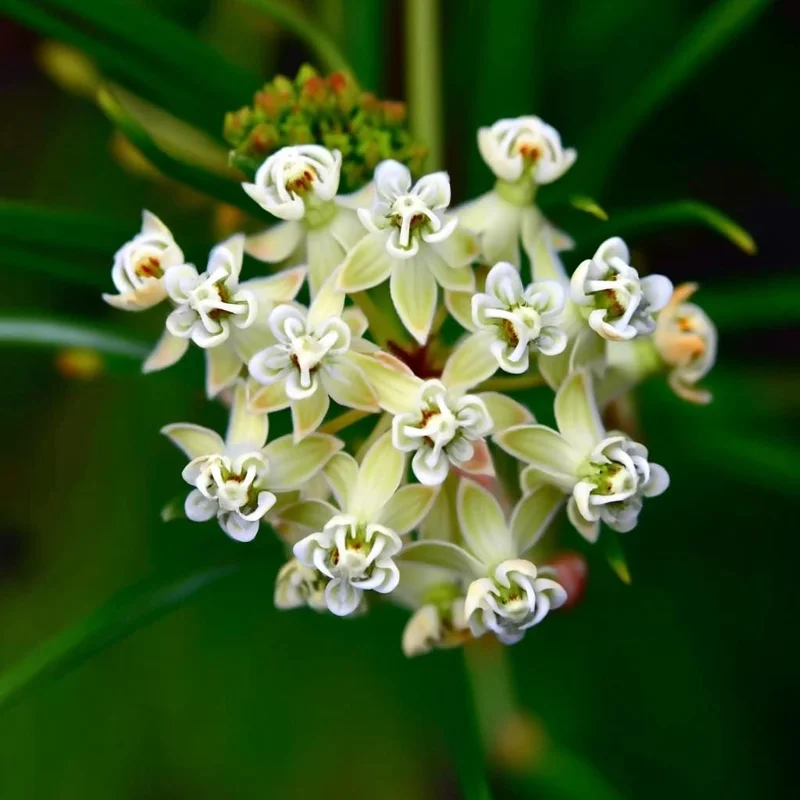
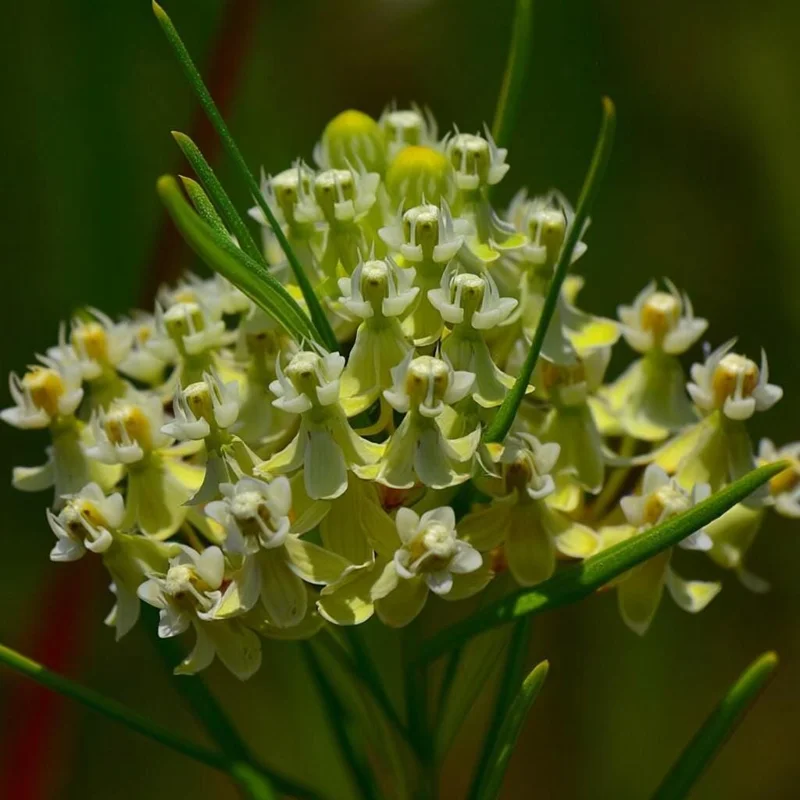
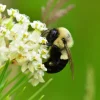
Cultivate a vibrant habitat with whorled milkweed seeds. This native pollinator plant (Asclepias verticillata) provides essential food and shelter for butterflies and bees, enhancing biodiversity in your garden with its delicate white flowers. Each pack contains 50 seeds, perfect for establishing a thriving pollinator patch.
Shipping and Return policies:
We stand behind our plants with our Alive & Thrive Guarantee. If you experience any issues within the first 30 days, please email us, and our team will be happy to help. When needed, we’ll send you a one-time replacement free of charge to make sure your garden keeps growing strong.

Reasonable Price
We offer reasonable price

Support 24/7
Contact us 24 hrs a day
100% Money Back
You’ve 30 days to Return
Payment Secure
100% secure payment
Overview
Introduce the beauty and ecological benefits of whorled milkweed seeds to your garden. This packet contains 50 seeds of Asclepias verticillata, a slender and graceful perennial native to North America. Known for its clusters of small white flowers and distinctive whorled leaves, whorled milkweed seeds are an excellent choice for anyone looking to support local ecosystems. This remarkable native pollinator plant is a magnet for butterflies, bees, and other beneficial insects, making it an indispensable addition to garden beds, wildflower meadows, and naturalized landscapes. Cultivating asclepias verticillata seeds helps create a vital food source and habitat, contributing significantly to biodiversity and the health of pollinator populations. Its delicate appearance belies its robust nature, offering both aesthetic appeal and crucial environmental support.
Key Benefits
Planting whorled milkweed seeds offers a multitude of advantages for your garden and the environment. These seeds grow into resilient plants that provide significant ecological value and aesthetic beauty. Establishing milkweed for butterflies is a rewarding endeavor.
- Attracts Pollinators: The small white flowers of whorled milkweed are highly attractive to a wide array of pollinators, including various butterfly species (especially monarch butterflies), bees, and other beneficial insects. This significantly boosts the health and productivity of your garden.
- Supports Biodiversity: By providing a crucial food source and habitat, particularly for monarch caterpillars, this native pollinator plant helps sustain local wildlife populations and enhances the overall ecological balance of your outdoor space.
- Low Maintenance: Once established, whorled milkweed is a highly resilient and low-maintenance plant. It tolerates various conditions and requires minimal care, making it an ideal choice for busy gardeners or those new to native plants.
- Drought Tolerant: Its natural adaptability means it can withstand periods of drought, reducing the need for constant watering once mature and contributing to water conservation efforts.
- Enhances Garden Aesthetics: With its elegant, slender form and charming white flowers, whorled milkweed adds a delicate beauty to any garden design, complementing other native plants and creating a serene atmosphere.
- Erosion Control: Its fibrous root system can help stabilize soil, making it useful in areas prone to erosion or on slopes, further benefiting the landscape.
- Educational Value: Growing whorled milkweed seeds provides an excellent opportunity to observe the life cycle of monarch butterflies and other insects, offering educational insights for children and adults alike.
Plant Care & Growing Tips
To successfully germinate and grow whorled milkweed seeds, proper care and attention to their specific needs are essential. These asclepias verticillata seeds require cold stratification before sowing to mimic natural winter conditions, which breaks dormancy and promotes germination. Sow seeds outdoors after 30–60 days of cold stratification, or start them indoors 6–8 weeks before the last expected frost. Plant the seeds ¼ inch deep in well-drained soil, ensuring they are adequately covered. Germination typically occurs within 14–28 days. Once seedlings emerge, thin them to 12–18 inches apart to allow for optimal growth and flowering. This spacing ensures each plant receives sufficient nutrients and sunlight, contributing to robust development and abundant blooms, which is key for attracting pollinators.
Whorled milkweed thrives in full sun, requiring at least 6 hours of direct sunlight daily for best performance and flowering. It prefers well-drained, fertile soil, but can tolerate a range of soil types once established. During the establishment phase, water regularly to keep the soil consistently moist but avoid waterlogging, which can lead to root rot. Once mature, this plant is quite drought-tolerant and requires minimal supplemental watering. Fertilization is generally not necessary, as it adapts well to average soil conditions. Deadhead spent flowers to encourage prolonged blooming and prevent excessive self-seeding if desired. This practice helps maintain the plant’s vigor and extends its flowering period, ensuring your native pollinator plant continues to support local wildlife throughout the growing season. Maintaining healthy milkweed for butterflies is straightforward with these guidelines.
Size & Details
This product includes a packet containing 50 whorled milkweed seeds (Asclepias verticillata). These seeds will grow into plants that typically reach a height of 1 to 3 feet (30-90 cm) with a spread of 1 to 2 feet (30-60 cm) at maturity. The plants exhibit a slender, upright growth habit, forming delicate clusters of white flowers. The seeds are suitable for planting in USDA hardiness zones 3-9. Whorled milkweed usually blooms from mid-summer to early fall, providing a continuous source of nectar for pollinators. The seeds are shipped in a protective packet, ready for stratification and planting. Expect germination within 2-4 weeks after proper stratification. Full maturity and flowering typically occur in the second year after planting, though some first-year blooms may be observed under ideal conditions. This quantity of grow milkweed from seed is ideal for creating a substantial pollinator patch.
Frequently Asked Questions
- Q: How big does this plant get? A: Whorled milkweed typically grows to a height of 1 to 3 feet (30-90 cm) and spreads about 1 to 2 feet (30-60 cm) wide. Its slender nature makes it suitable for various garden spaces.
- Q: Is this an indoor or outdoor plant? A: Whorled milkweed is primarily an outdoor plant, best suited for gardens, meadows, and naturalized landscapes where it can receive full sun. It is a vital native pollinator plant.
- Q: How much sunlight does it need? A: This plant thrives in full sun, requiring at least 6 hours of direct sunlight per day to ensure healthy growth and abundant flowering.
- Q: Is this plant easy to care for? A: Yes, once established, whorled milkweed is considered low-maintenance and highly resilient, making it a great choice for beginners and experienced gardeners alike. Growing whorled milkweed seeds is relatively simple.
- Q: What condition will the seeds arrive in? A: The asclepias verticillata seeds will arrive in a protective packet, ready for cold stratification and planting. They are dormant and require specific conditions to germinate.
- Q: How long until it blooms? A: While some first-year blooms may occur, whorled milkweed typically establishes its root system in the first year and blooms prolifically in its second year and beyond, usually from mid-summer to early fall.
- Q: When is the best time to plant? A: After cold stratification, the best time to sow whorled milkweed seeds outdoors is in late fall or early spring. If starting indoors, do so 6-8 weeks before the last frost date.
- Q: Will it survive winter in my zone? A: Whorled milkweed is hardy in USDA zones 3-9, meaning it can survive winter in these regions and return year after year.
- Q: How many seeds are included? A: Each packet contains 50 whorled milkweed seeds, providing ample opportunity to establish a beautiful and beneficial patch of this native plant.
- Q: Is this plant good for monarch butterflies? A: Absolutely! Whorled milkweed is an excellent host plant for monarch butterfly caterpillars and a valuable nectar source for adult monarchs and other pollinators, making it perfect for milkweed for butterflies initiatives.
Be the first to review “Whorled Milkweed Seeds – 50 Seeds, Native Pollinator Plant for Gardens”
You must be logged in to post a review.
People also Viewed
Sold 50 products
Original price was: $36.99.$16.99Current price is: $16.99.
Sold 50 products
Original price was: $31.99.$11.99Current price is: $11.99.
Sold 50 products
Original price was: $35.99.$15.99Current price is: $15.99.

Sold 50 products
Original price was: $31.99.$11.99Current price is: $11.99.
Sold 50 products
Original price was: $35.99.$15.99Current price is: $15.99.
Sold 50 products
Original price was: $31.99.$11.99Current price is: $11.99.
Sold 50 products
Original price was: $34.99.$14.99Current price is: $14.99.
Sold 50 products
Original price was: $31.99.$11.99Current price is: $11.99.RELATED posts
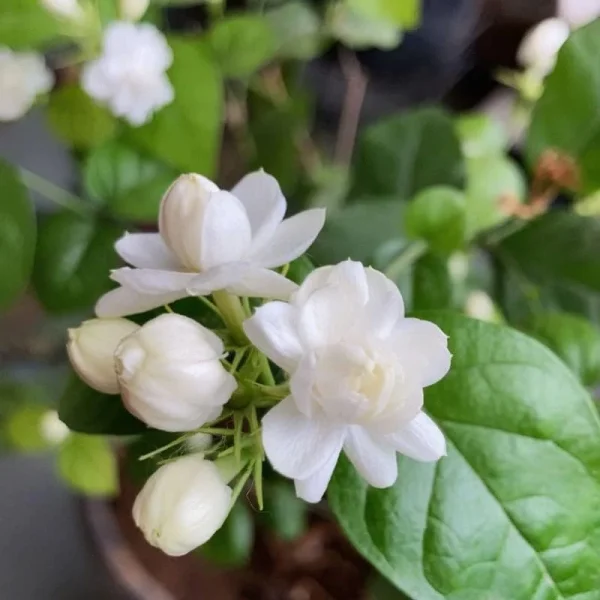
How to Grow Arabian Jasmine: A Complete Care Guide
If you’ve ever dreamed of a garden that smells like a tropical paradise, Jasminum sambac [...]
Apr
How to Grow Jalapeño Peppers From Seeds: A Step-by-Step Guide
Ready to spice things up in your garden? Jalapeños are the true life of the [...]
Apr
Top 12 Best Types of Peppers to Grow in Your Garden: Easy and High Yield
Growing peppers is, quite honestly, one of the biggest “wins” you can have in a [...]
Apr
Frostproof Jasmine Care: 7 Tips for Successful Pot Growth
Most gardenias are known for being “divas.” They want perfect humidity, perfect soil, and they [...]
Mar
Top 7 Best Smelling Jasmine Varieties for a Heavenly Garden
Have you ever walked past a house and caught a scent so sweet you just [...]
Mar
Master the Heat: 8 Expert Tips for Growing Jalapeños Like a Pro
Are you staring at your garden space, wondering why your pepper plants look more like [...]
Mar
Top 5 Must-Have Hoya Varieties for Beginners
Hoyas are easily one of my top recommendations if you’re hunting for a low-maintenance houseplant [...]
Mar
7 Moringa Plant Care Mistakes to Avoid for Healthy Growth
Have you ever looked at your Moringa tree and wondered why its once vibrant green [...]
Feb
Reviews
There are no reviews yet.