
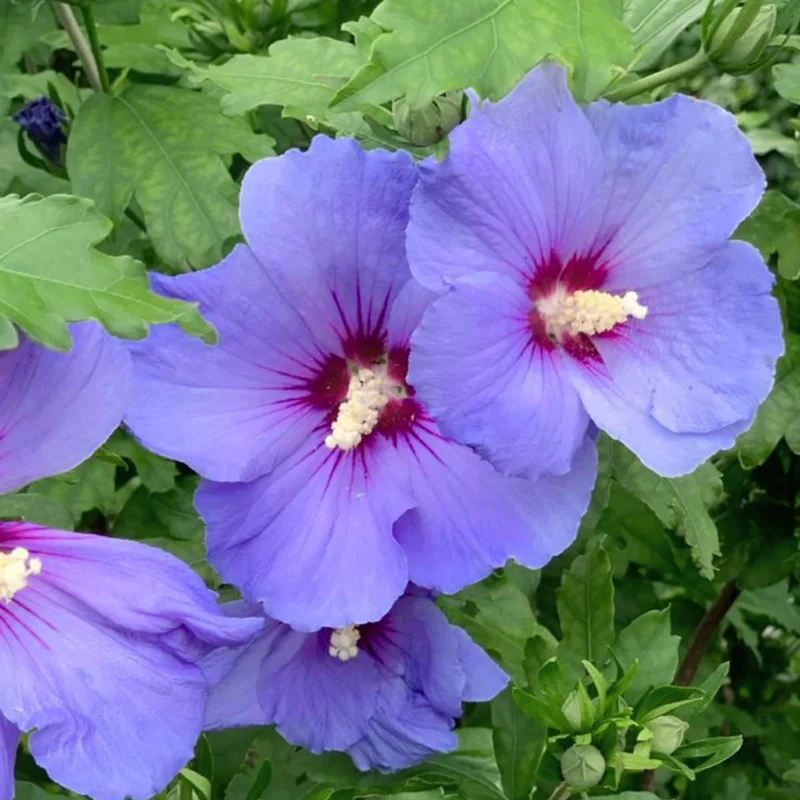
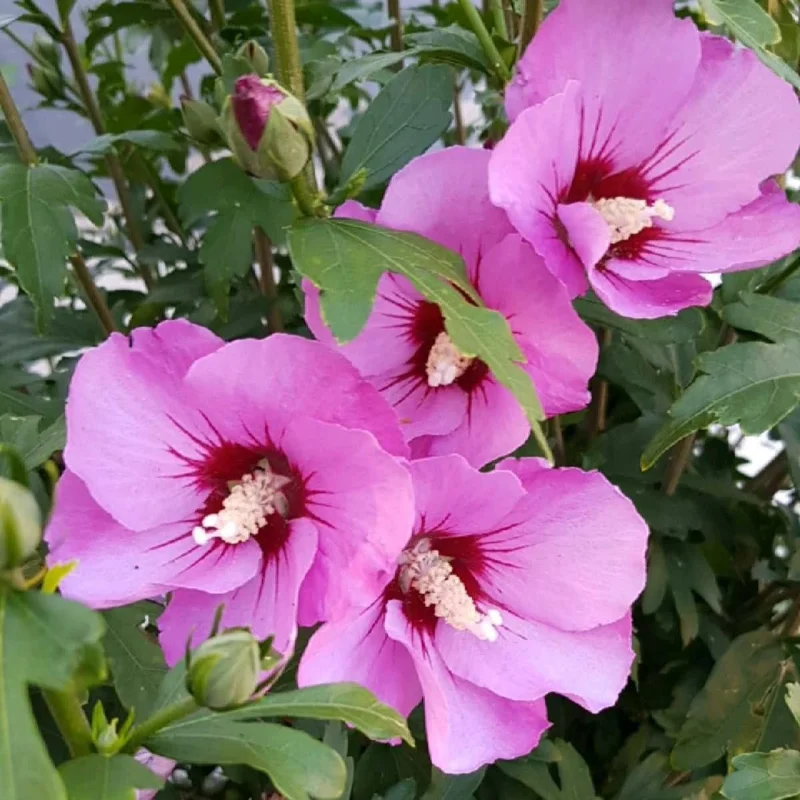
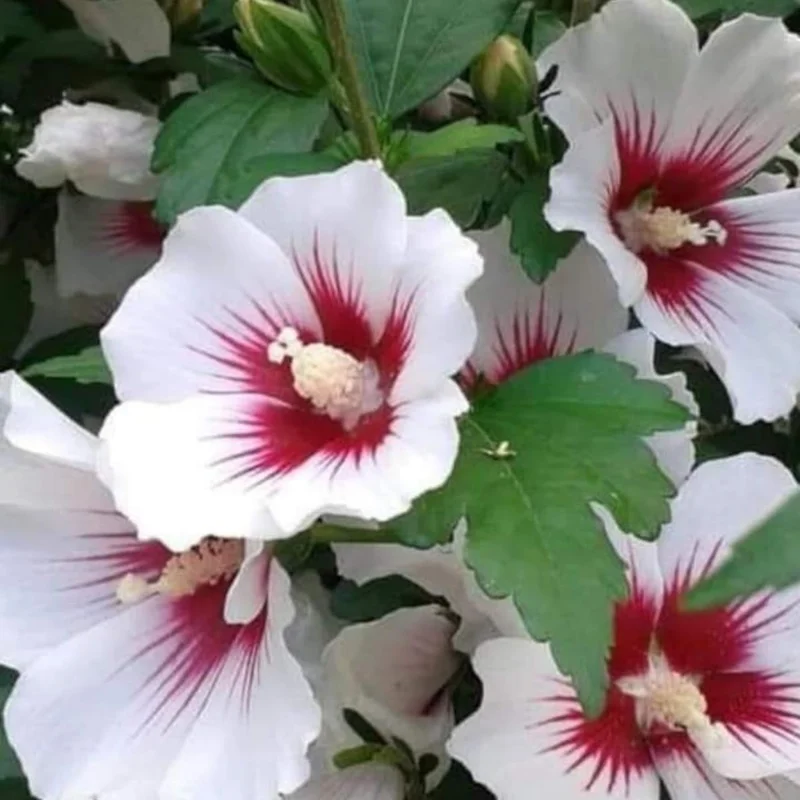
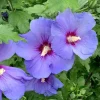
White Rose of Sharon Live Plant, 6-12″ Tall Althea Hibiscus Bush, Quart Pot, Outdoor Perennial
$34.99
Bring timeless beauty to your garden with a white rose of sharon live plant. This 6-12 inch tall althea hibiscus bush, rooted in a quart pot, is a robust outdoor perennial known for its stunning white summer blooms.
Shipping and Return policies:
We stand behind our plants with our Alive & Thrive Guarantee. If you experience any issues within the first 30 days, please email us, and our team will be happy to help. When needed, we’ll send you a one-time replacement free of charge to make sure your garden keeps growing strong.

Reasonable Price
We offer reasonable price

Support 24/7
Contact us 24 hrs a day
100% Money Back
You’ve 30 days to Return
Payment Secure
100% secure payment
Overview
Transform your outdoor space with a stunning white rose of sharon live plant. This beautiful Althea Hibiscus plant, also known as Hardy Hibiscus, is a deciduous shrub celebrated for its profusion of large, showy white flowers that bloom from mid-summer through fall. Arriving well-rooted in a quart pot and standing 6-12 inches tall, this resilient plant is ready to establish itself in your garden. The white rose of sharon live plant is a low-maintenance, long-lived perennial that will provide years of vibrant color and an elegant touch to any landscape design. Its upright growth habit and dense foliage make it an excellent choice for hedges, specimen plants, or mixed borders, attracting pollinators and delighting onlookers with its serene white blossoms. Even when dormant in winter, this plant’s sturdy structure promises a spectacular return with warmer weather.
Key Benefits
The white rose of sharon live plant offers numerous advantages for both seasoned gardeners and beginners alike, making it a highly desirable addition to any landscape.
- Spectacular Summer Blooms: Enjoy a continuous display of large, pristine white flowers from mid-summer until late fall, providing consistent beauty when many other plants are fading.
- Hardy and Resilient: As a hardy hibiscus bush, this plant is incredibly robust, tolerating a range of conditions and thriving in USDA zones 5-9, ensuring it returns year after year with minimal fuss.
- Low Maintenance: Once established, the althea hibiscus plant requires little care, making it perfect for busy gardeners who desire high impact with low effort.
- Attracts Pollinators: The vibrant flowers are a magnet for bees, butterflies, and hummingbirds, contributing to a healthy and active garden ecosystem.
- Versatile Landscape Use: Its mature size and attractive form make it ideal for various garden applications, including hedges, privacy screens, foundation plantings, or as a striking standalone specimen.
- Deer Resistant: Generally, deer tend to leave Rose of Sharon alone, making it a good choice for gardens in areas with deer populations.
- Drought Tolerant: While preferring consistent moisture, established plants exhibit good drought tolerance, adding to their hardiness.
Plant Care & Growing Tips
Caring for your white rose of sharon live plant is straightforward, ensuring a beautiful display for many seasons. This resilient shrub thrives in full sun, meaning it needs at least 6 hours of direct sunlight per day to produce the most abundant blooms. While it can tolerate partial shade, flowering may be reduced. Ensure your plant is situated in a location with good air circulation to minimize disease.
For optimal growth, plant your althea hibiscus plant in well-draining soil. It is adaptable to various soil types, including clay, loam, or sandy soils, as long as drainage is adequate. Water regularly during the first growing season to establish a strong root system. Once established, it is relatively drought-tolerant but will perform best with consistent moisture, especially during dry spells. Fertilize in early spring with a balanced, slow-release granular fertilizer formulated for flowering shrubs. Prune in late winter or early spring before new growth appears. This helps shape the plant, remove any dead or crossing branches, and encourages more prolific flowering on new wood. This white perennial hibiscus is hardy in USDA zones 5-9, meaning it can withstand winter temperatures in these regions. In colder zones, ensure adequate mulching around the base to protect roots.
Size & Details
This offering includes one white rose of sharon live plant, which arrives well-rooted in a quart-sized nursery pot. The plant’s current height ranges from approximately 6 to 12 inches tall, providing a healthy young specimen ready for planting. Upon maturity, this hardy hibiscus bush can reach an impressive height of 8-12 feet and spread 6-10 feet wide, creating a substantial presence in your garden. It is a moderate to fast grower, establishing quickly and beginning to produce its characteristic white blooms from its first season. During late fall and winter, the plant will enter dormancy, losing its leaves and appearing bare. This is a natural part of its life cycle and indicates its hardiness, assuring a vigorous return in spring with new foliage and abundant flowers. This perennial provides long-lasting beauty and structure to your outdoor living spaces.
Frequently Asked Questions
- Q: How big does this plant get? A: The white rose of sharon live plant typically matures to a height of 8-12 feet and a width of 6-10 feet, making it a significant presence in the landscape.
- Q: What size pot does it come in? A: Each plant is shipped well-rooted in a quart-sized nursery pot, providing a healthy start for your garden.
- Q: Is this an indoor or outdoor plant? A: This is an outdoor perennial shrub, perfectly suited for garden beds, borders, and hedges in appropriate USDA zones.
- Q: How much sunlight does it need? A: The althea hibiscus plant thrives in full sun, requiring at least 6 hours of direct sunlight per day for the best flowering performance.
- Q: Is this plant easy to care for? A: Yes, it is considered a low-maintenance and robust plant, making it suitable for gardeners of all experience levels, especially when following basic rose of sharon care guidelines.
- Q: What condition will it arrive in? A: Your plant will arrive well-rooted and healthy. During late fall and winter, it will arrive dormant and leafless, which is normal for this hardy perennial.
- Q: When is the best time to plant? A: Spring or early fall are generally the best times to plant your white perennial hibiscus, allowing it to establish before extreme temperatures.
- Q: Will it survive winter in my zone? A: This plant is hardy in USDA zones 5-9. If you are within these zones, it will typically survive winter and return in spring.
- Q: What type of soil does it prefer? A: It prefers well-draining soil but is adaptable to a variety of soil types. Good drainage is key to its health.
- Q: Does it attract pollinators? A: Yes, the large, vibrant flowers of the white rose of sharon live plant are very attractive to bees, butterflies, and hummingbirds.
| Color | Pink Flowers, Purple Flowers, White Flowers |
|---|
Be the first to review “White Rose of Sharon Live Plant, 6-12″ Tall Althea Hibiscus Bush, Quart Pot, Outdoor Perennial”
You must be logged in to post a review.
People also Viewed
Sold 50 products
Original price was: $17.58.$11.86Current price is: $11.86.
Sold 50 products
Price range: $32.99 through $35.99
Sold 50 products
$69.99
Sold 50 products
$18.99
Sold 50 products
Price range: $14.98 through $23.89
Sold 50 products
$32.99
Sold 50 products
$24.99
Sold 50 products
Price range: $43.99 through $44.99RELATED posts
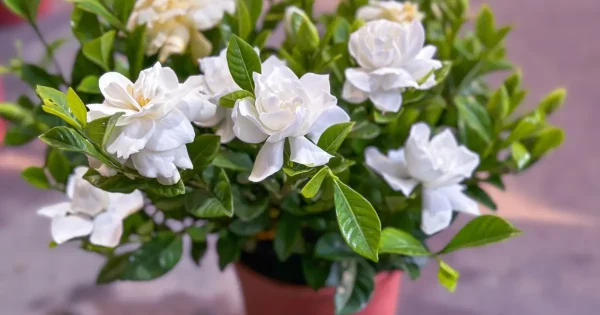
Frostproof Jasmine Care: 7 Tips for Successful Pot Growth
Most gardenias are known for being “divas.” They want perfect humidity, perfect soil, and they [...]
Mar
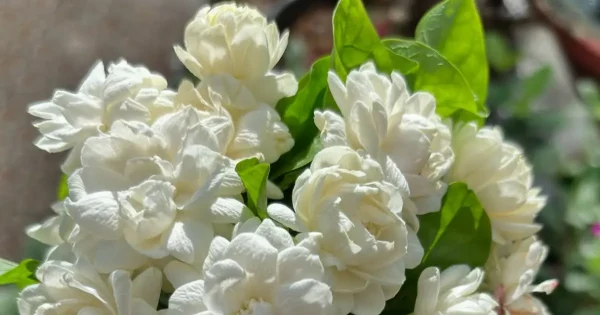
Top 7 Best Smelling Jasmine Varieties for a Heavenly Garden
Have you ever walked past a house and caught a scent so sweet you just [...]
Mar
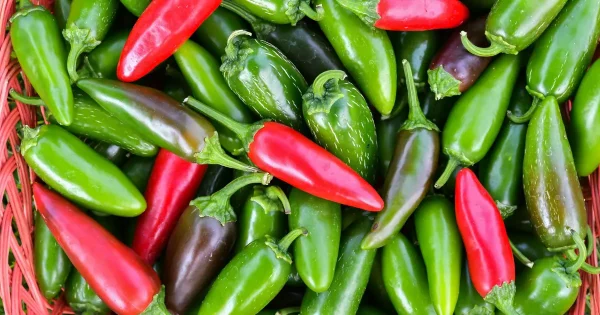
Master the Heat: 8 Expert Tips for Growing Jalapeños Like a Pro
Are you staring at your garden space, wondering why your pepper plants look more like [...]
Mar
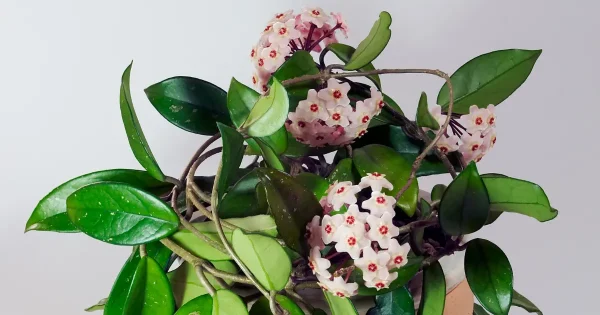
Top 5 Must-Have Hoya Varieties for Beginners
Hoyas are easily one of my top recommendations if you’re hunting for a low-maintenance houseplant [...]
Mar
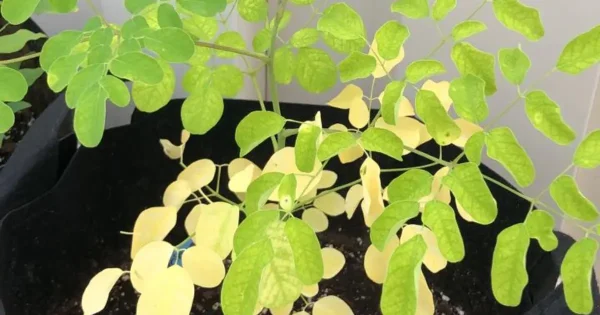
7 Moringa Plant Care Mistakes to Avoid for Healthy Growth
Have you ever looked at your Moringa tree and wondered why its once vibrant green [...]
Feb
How to Grow Potato Onions From True Seeds: A Step-by-Step Guide
Have you ever wondered how to grow potato onions from true seeds or why some [...]
Feb
Growing Walking Onions in Containers: The Ultimate Guide
Have you ever looked at your small balcony or cramped patio and wished you could [...]
Feb

9 Best Flower Seeds to Start in February for Early Blooms
If you’re a passionate gardener, you know that itchy feeling in your fingers when February [...]
Jan
Reviews
There are no reviews yet.