
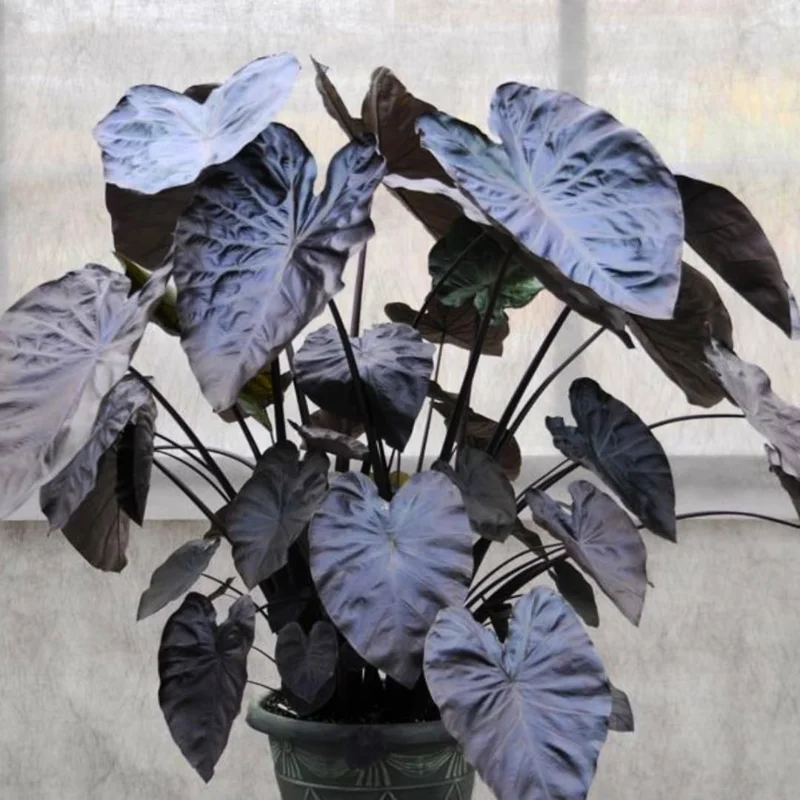
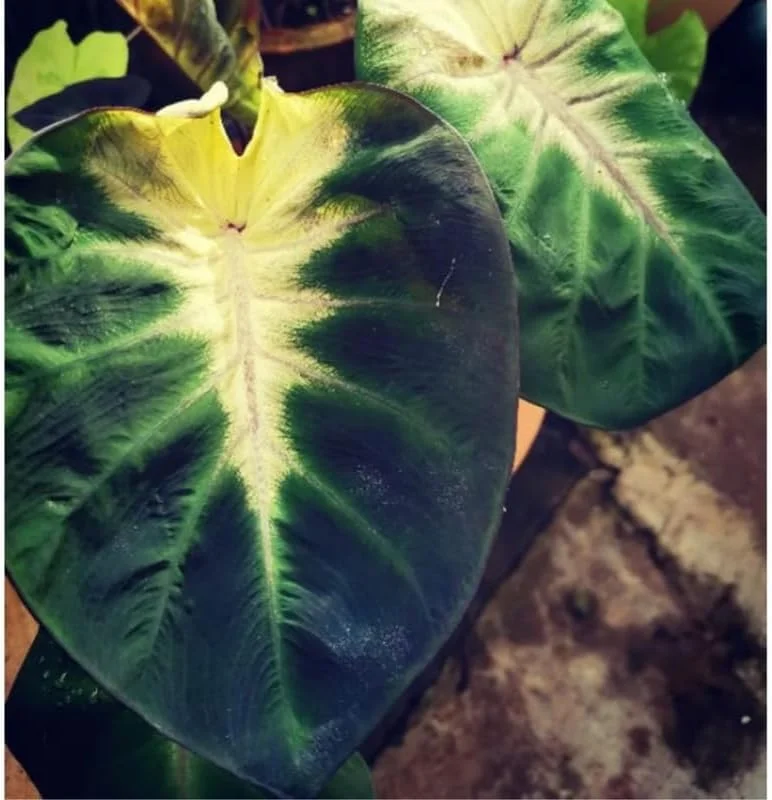
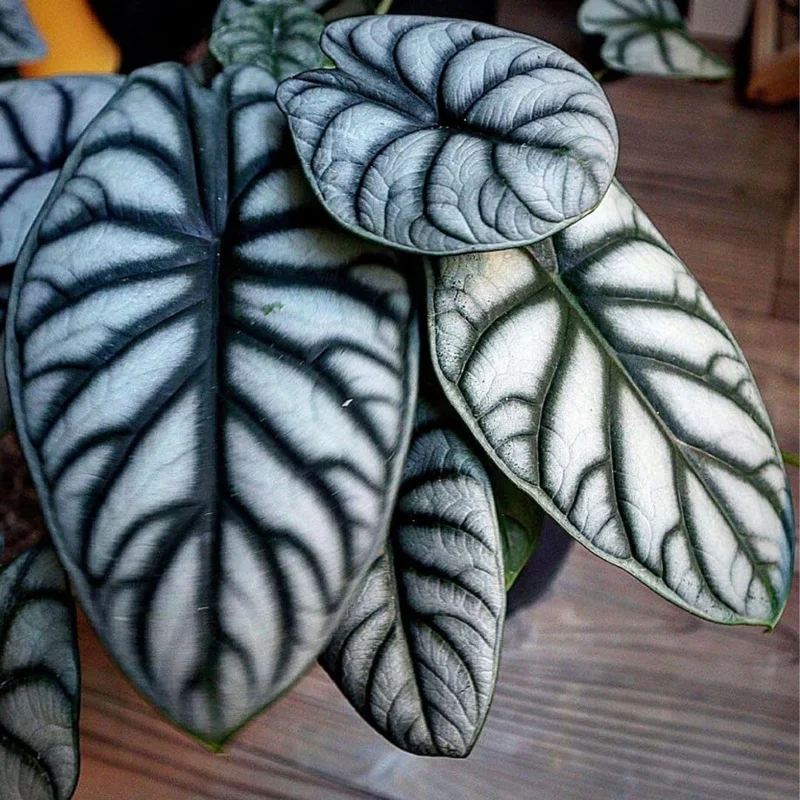
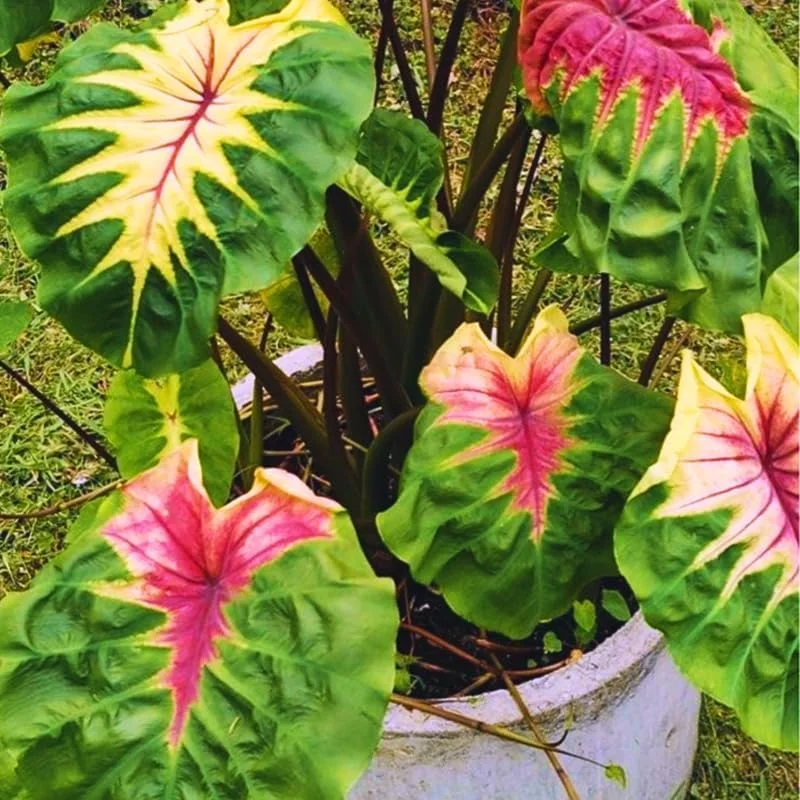
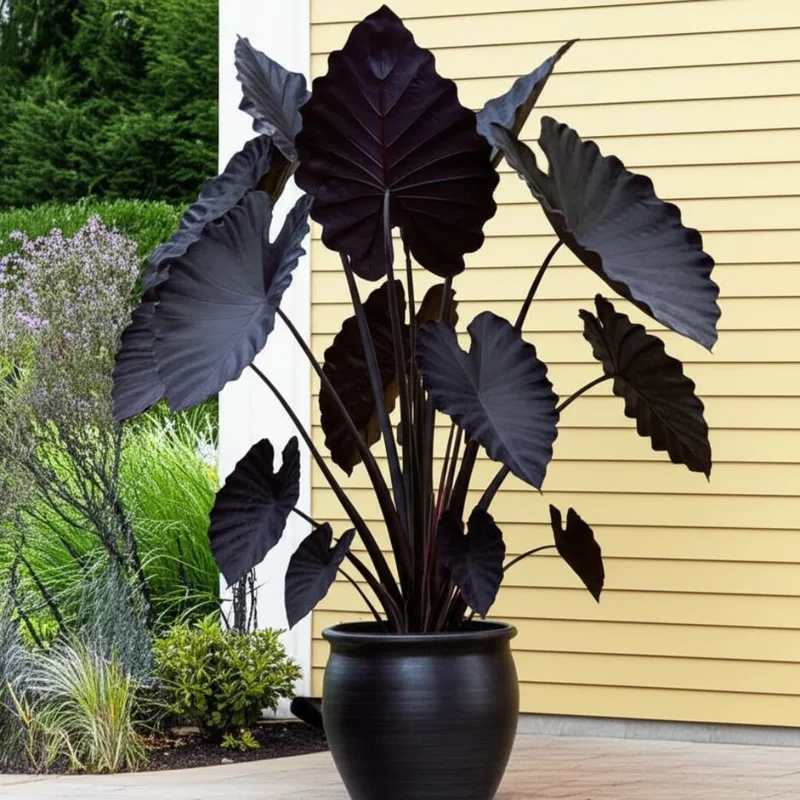
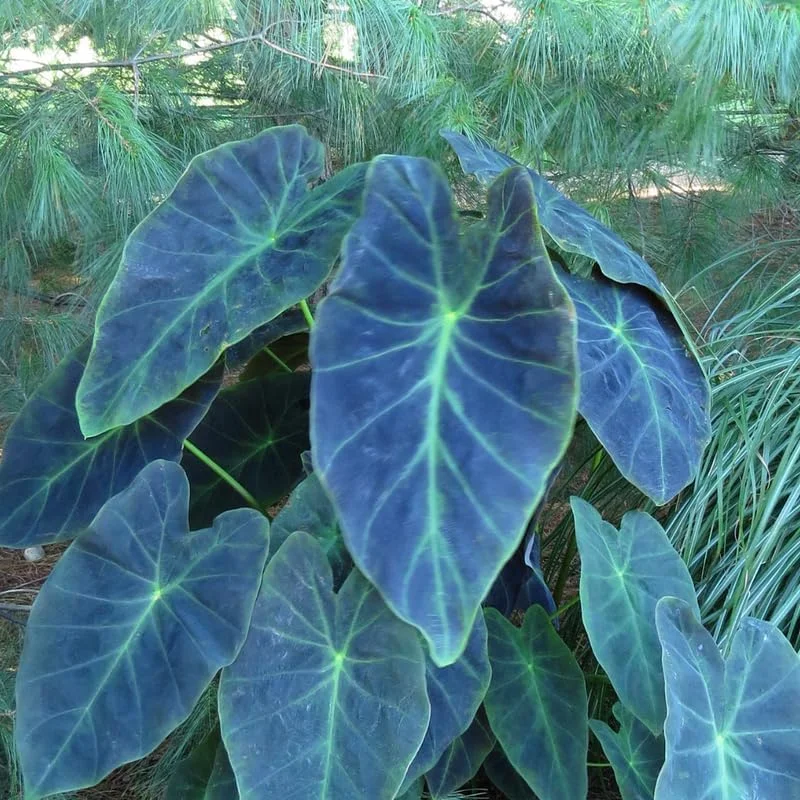
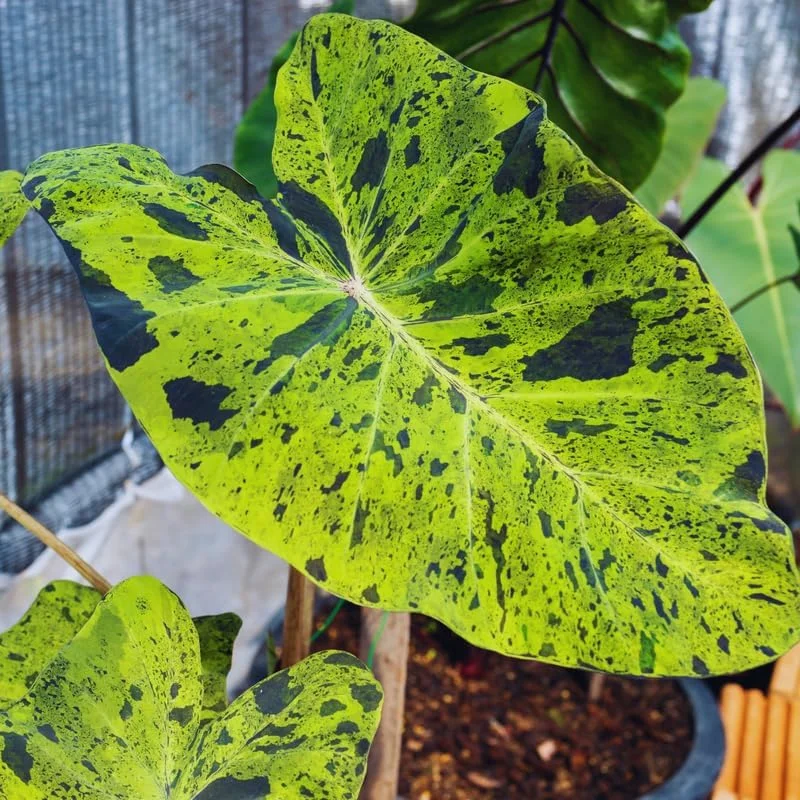
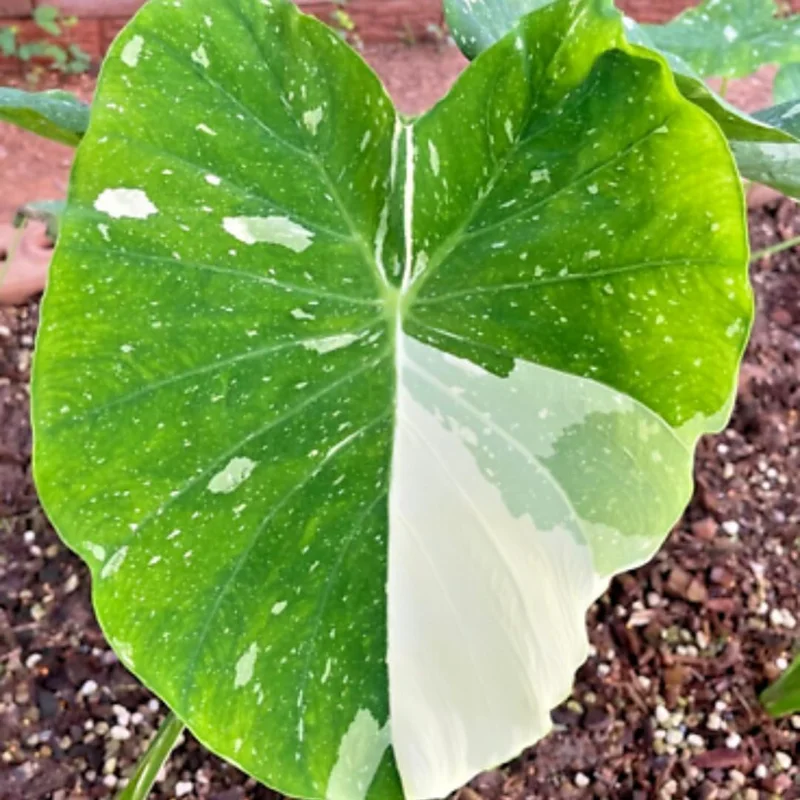
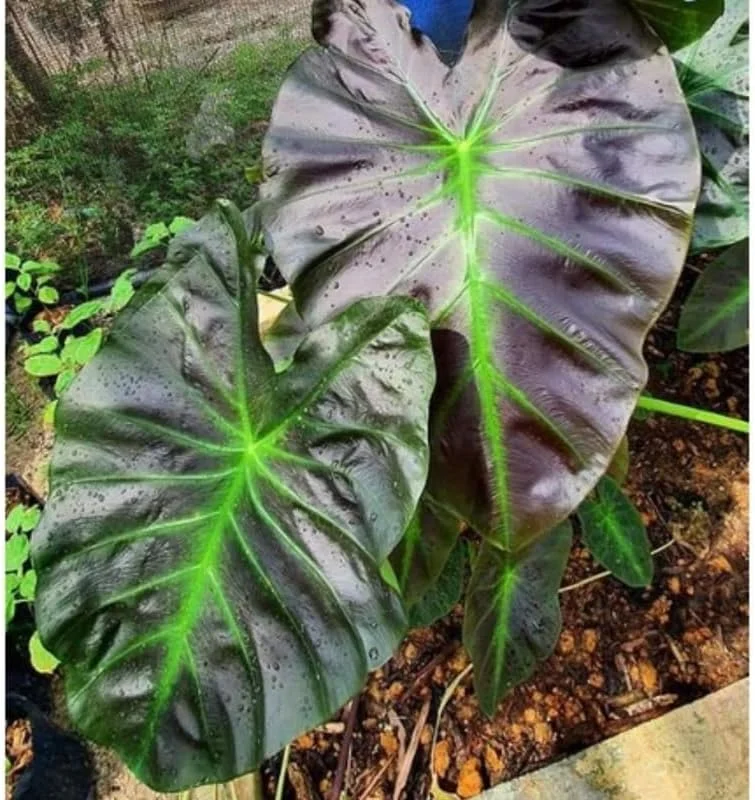
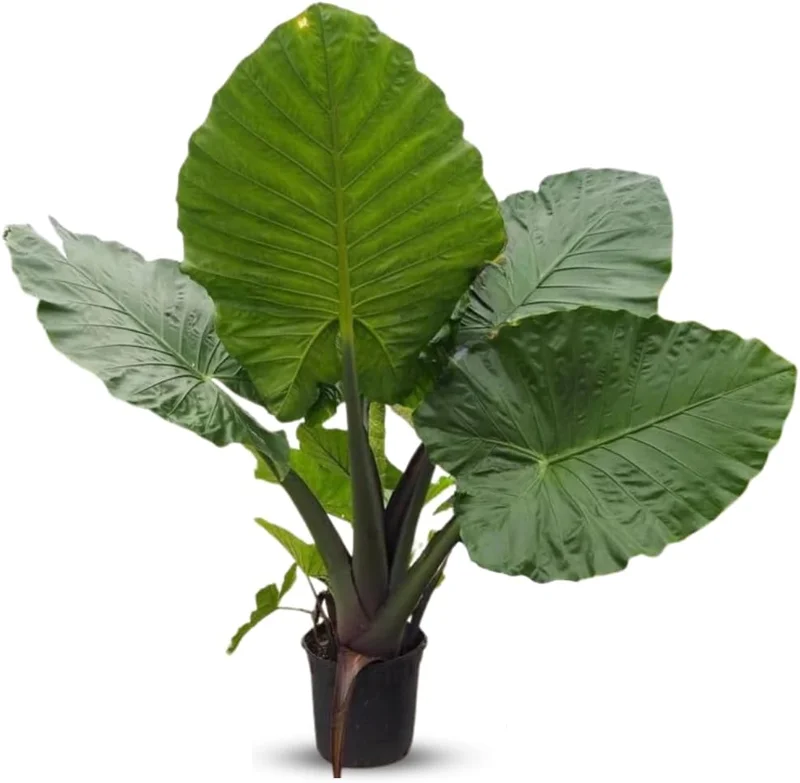
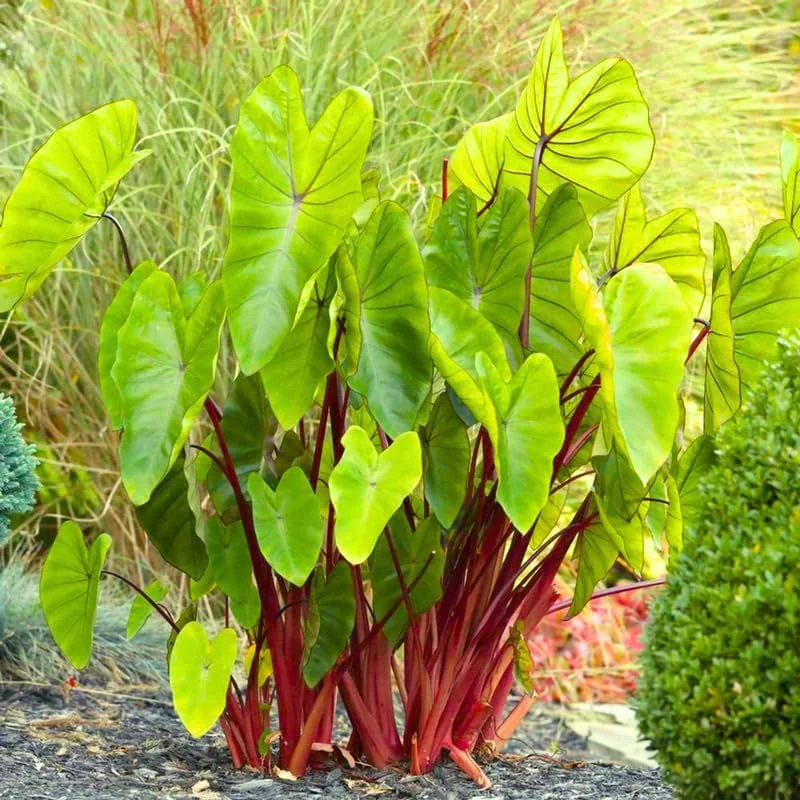
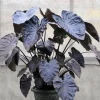
Variegated Colocasia Elephant Ears Live Plant, Alocasia, 5-7 Inch Tall
Price range: $28.78 through $50.38
Bring a touch of the tropics home with this elegant variegated colocasia elephant ears live plant. Standing 5-7 inches tall, this stunning alocasia houseplant features unique foliage perfect for indoor decor or outdoor seasonal display. Easy to care for and visually striking.
Shipping and Return policies:
We stand behind our plants with our Alive & Thrive Guarantee. If you experience any issues within the first 30 days, please email us, and our team will be happy to help. When needed, we’ll send you a one-time replacement free of charge to make sure your garden keeps growing strong.

Reasonable Price
We offer reasonable price

Support 24/7
Contact us 24 hrs a day
100% Money Back
You’ve 30 days to Return
Payment Secure
100% secure payment
Overview
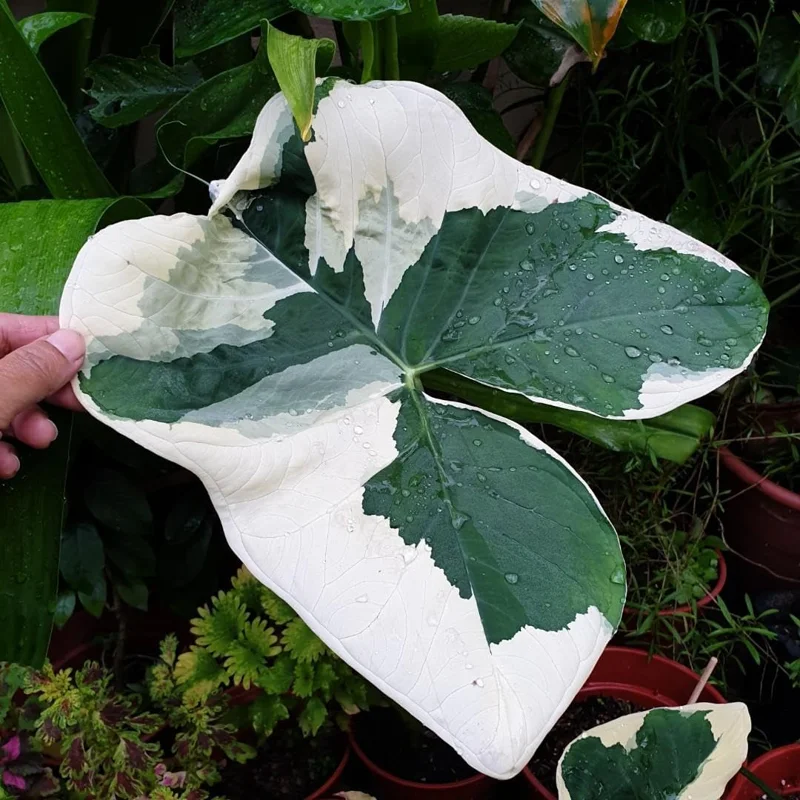
Introduce a touch of exotic beauty to your home or garden with the magnificent variegated colocasia elephant ears live plant. Also known by its common names like Alocasia, Elephant Ear Plant, or Esculenta Taro, this striking plant is renowned for its large, heart-shaped leaves that can feature beautiful white or cream variegation against a deep green backdrop. This particular offering is a healthy, vibrant specimen, measuring 5-7 inches tall, ready to thrive in your care. Whether you’re an experienced plant enthusiast or a budding gardener, the variegated colocasia elephant ears offers an impressive visual statement and a rewarding growing experience.
This tropical gem is perfect for adding a lush, dramatic flair to any space. Its bold foliage creates an instant focal point, making it an excellent choice for patios, garden beds in warmer climates, or as a captivating alocasia houseplant indoors. The unique variegation on each leaf ensures that no two plants are exactly alike, providing a dynamic and ever-evolving display. Embrace the allure of the tropics with this exceptional esculenta taro plant, a true marvel of nature that promises to enhance your living environment.
Key Benefits
The variegated colocasia elephant ears plant offers numerous advantages, making it a highly desirable addition to any plant collection. Its aesthetic appeal is undeniable, but beyond its beauty, it provides several practical benefits for both indoor and outdoor settings.
- Dramatic Foliage: The most striking feature of this plant is its large, heart-shaped leaves with eye-catching variegation. The contrast of creamy white against deep green creates a luxurious, tropical look that instantly elevates any decor. This visually stunning plant becomes a natural centerpiece.
- Versatile Placement: While often grown as an alocasia houseplant, the variegated colocasia elephant ears can also thrive outdoors in appropriate climates or as a seasonal annual in cooler regions. Its adaptability makes it suitable for various garden designs, from container gardening to mixed borders.
- Air Purifying Qualities: Like many large-leafed plants, the elephant ear plant contributes to a healthier indoor environment by improving air quality. It helps to filter airborne toxins, creating a fresher and more pleasant atmosphere in your home.
- Low to Moderate Maintenance: Despite its exotic appearance, this plant is relatively straightforward to care for. With consistent watering and adequate light, it will flourish, making it suitable for gardeners of varying experience levels. Regular feeding during the growing season will encourage robust growth.
- Fast Growing: Under optimal conditions, the esculenta taro plant can grow quite quickly, allowing you to enjoy a substantial, mature plant in a relatively short period. This rapid growth provides a satisfying gardening experience and quick visual impact.
- Unique Specimen: The distinct variegation on each leaf makes every variegated colocasia elephant ears plant a unique living artwork. It’s a conversation starter and a testament to the diversity and beauty of the plant kingdom, standing out from more common foliage plants.
- Tropical Ambiance: Instantly transform any space into a tropical oasis. The lush, broad leaves evoke images of rainforests and exotic locales, bringing a sense of calm and natural beauty to your surroundings. It’s an excellent choice for creating a serene and vibrant atmosphere.
Plant Care & Growing Tips
Proper care is essential for your variegated colocasia elephant ears to thrive and showcase its stunning foliage. While generally robust, understanding its specific needs will ensure a healthy and vibrant plant. This plant prefers warmth and humidity, mimicking its native tropical environment.
Sunlight Requirements: This plant flourishes in full sun outdoors in suitable zones, but in hotter climates, it benefits from some afternoon shade to prevent leaf scorch. When grown as an alocasia houseplant, provide bright, indirect light. A spot near an east-facing window or a few feet from a south or west-facing window is ideal. Avoid direct, harsh sunlight, especially during the peak hours, which can burn the delicate variegated leaves. Insufficient light may lead to less vibrant variegation and leggy growth.
Watering Schedule & Soil Moisture: Colocasia elephant ears are thirsty plants and prefer consistently moist soil. Water thoroughly when the top inch of soil feels dry to the touch. Do not allow the soil to dry out completely, as this can stress the plant. However, also avoid overwatering, which can lead to root rot. Good drainage is crucial. During cooler months or when the plant is dormant, reduce watering frequency. For the best colocasia plant care, ensure consistent humidity, especially indoors. You can achieve this by misting regularly, placing the pot on a pebble tray with water, or using a humidifier.
Soil Type & Drainage: A rich, well-draining potting mix is ideal for container-grown esculenta taro plant. A mixture of peat moss, perlite, and good quality potting soil works well to retain moisture while allowing excess water to drain. If planting outdoors, amend heavy clay soils with organic matter to improve drainage and fertility. The soil pH should ideally be slightly acidic to neutral. Ensuring proper drainage is paramount to prevent waterlogged roots, which can be detrimental to the plant’s health.
Temperature Range & USDA Hardiness Zone: This tropical plant thrives in warm temperatures, ideally between 65°F and 80°F (18°C-27°C). It is hardy in USDA Zones 8-11, where it can be grown as a perennial. In colder climates, it is best grown as an annual or overwintered indoors as a dormant tuber or a houseplant. Protect it from temperatures below 50°F (10°C), as frost will damage the foliage. Bring indoor elephant ear plant indoor specimens inside before the first frost.
Fertilization: During the active growing season (spring through summer), feed your variegated colocasia elephant ears every 2-4 weeks with a balanced liquid fertilizer. Reduce or stop fertilization during the fall and winter months when the plant’s growth slows down or it enters dormancy. Follow the product instructions for dilution rates to avoid over-fertilizing, which can harm the plant.
Common Problems & Solutions: Watch out for common pests like spider mites, aphids, and mealybugs, especially on indoor plants. Treat infestations with insecticidal soap or neem oil. Yellowing leaves can indicate overwatering or nutrient deficiency, while browning leaf edges often point to low humidity or underwatering. Adjust your watering and humidity levels accordingly. Ensure good air circulation to prevent fungal issues.
Size & Details
This offering is for one healthy variegated colocasia elephant ears live plant, typically measuring 5-7 inches tall from the base of the soil to the top of its highest leaf. The plant is shipped rooted in soil, providing a robust start for its new environment. While the exact mature size can vary based on growing conditions, these plants are known for their impressive growth. When grown outdoors in optimal conditions, a mature colocasia plant care specimen can reach heights of 3-5 feet with a similar spread, displaying truly grand foliage. As an elephant ear plant indoor, it will generally remain more compact, typically reaching 2-3 feet tall.
The plant is actively growing and will continue to develop its characteristic large, variegated leaves. Each leaf emerges with a unique pattern, ensuring a dynamic and eye-catching display. With proper care, you can expect this plant to establish quickly and begin producing new, stunning foliage throughout the growing season. It ships in a nursery pot, ready for you to transplant into a decorative container or directly into your garden if conditions allow.
Frequently Asked Questions
- Q: How big does this plant get? A: This variegated colocasia elephant ears live plant is currently 5-7 inches tall. When mature, it can reach 3-5 feet tall outdoors in ideal conditions, or 2-3 feet tall when grown as an alocasia houseplant indoors. Its size is largely dependent on its growing environment and care.
- Q: Is this an indoor or outdoor plant? A: The variegated colocasia elephant ears is versatile. It can be grown outdoors as a perennial in USDA Zones 8-11 or as an annual in colder regions. It also makes an excellent elephant ear plant indoor, provided it receives bright, indirect light and consistent humidity.
- Q: How much sunlight does it need? A: This plant prefers full sun to partial shade outdoors. Indoors, it thrives in bright, indirect light. Avoid direct, harsh afternoon sun, which can scorch its leaves, especially the variegated areas.
- Q: Is this plant easy to care for? A: Yes, the colocasia plant care is considered moderate. It requires consistent watering to keep the soil moist and appreciates high humidity. With adequate light and feeding during the growing season, it is quite rewarding and relatively easy to maintain.
- Q: What condition will it arrive in? A: Your esculenta taro plant will arrive as a healthy, live plant, rooted in soil within a nursery pot. We carefully package our plants to ensure they arrive in the best possible condition, ready for you to enjoy.
- Q: Can I keep the variegated colocasia elephant ears in a pot permanently? A: Absolutely! This plant thrives in containers, making it suitable for patios, balconies, or as an indoor specimen. Just ensure the pot has good drainage and is large enough to accommodate its root system as it grows.
- Q: What’s the minimum temperature this plant can tolerate? A: The variegated colocasia elephant ears is a tropical plant and is sensitive to cold. It should be protected from temperatures below 50°F (10°C). In zones colder than USDA Zone 8, it must be brought indoors or the tubers overwintered.
- Q: Does this plant have any specific soil requirements? A: Yes, it prefers a rich, well-draining soil that retains moisture. A good quality potting mix amended with organic matter like peat moss is ideal. Ensure excellent drainage to prevent root rot, which is common if the soil remains waterlogged.
- Q: How often should I fertilize my variegated colocasia? A: During the active growing season (spring and summer), feed your plant every 2-4 weeks with a balanced liquid fertilizer. Reduce or stop fertilizing during the cooler, dormant months.
- Q: Is the elephant ear plant indoor pet-safe? A: No, like many plants in the Araceae family, variegated colocasia elephant ears contains calcium oxalate crystals, which can be irritating if ingested. It’s best to keep this plant out of reach of pets and small children.
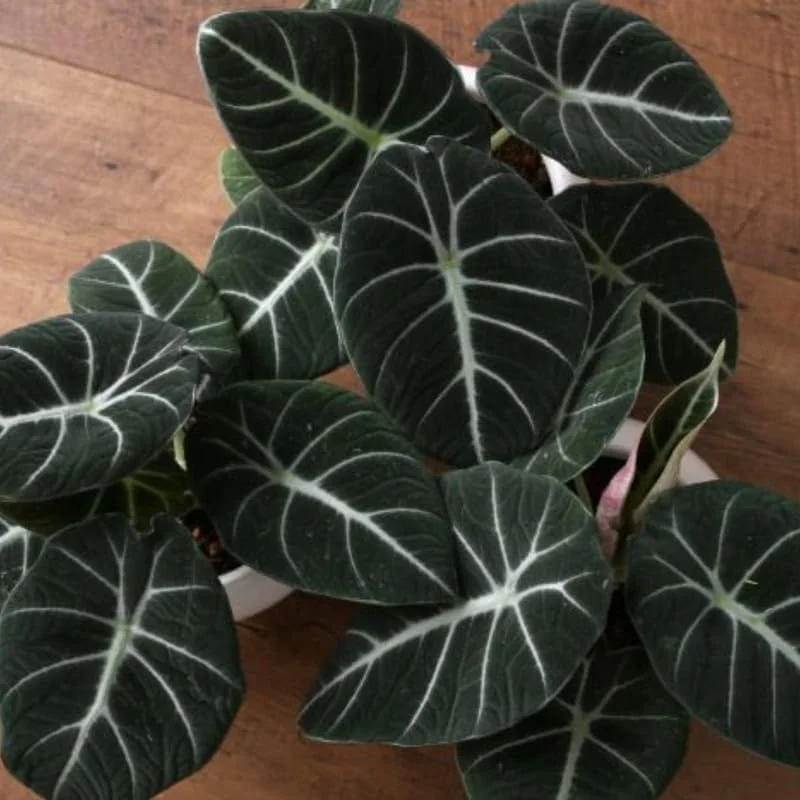
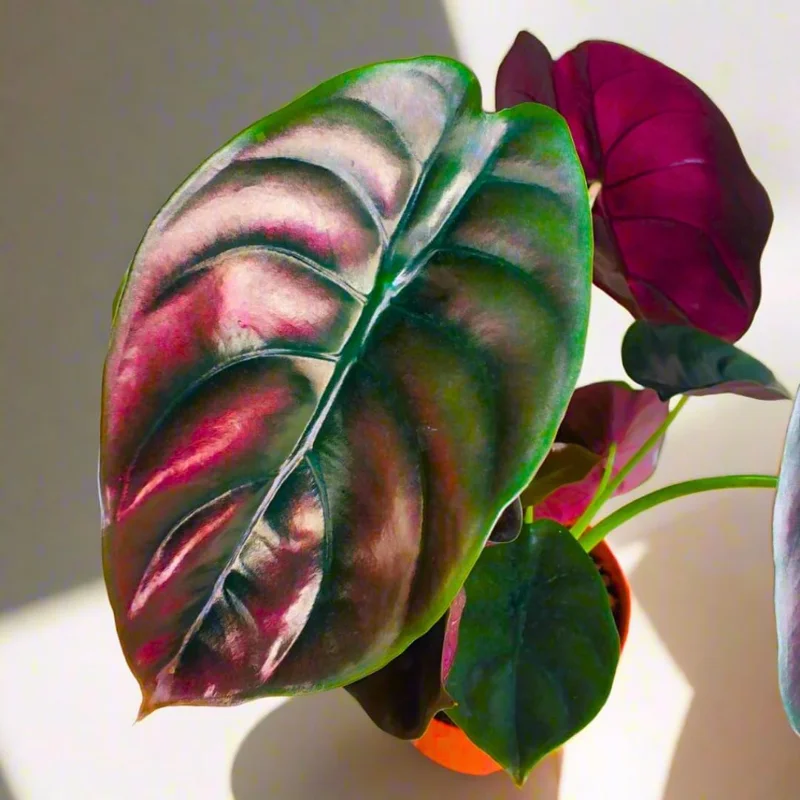
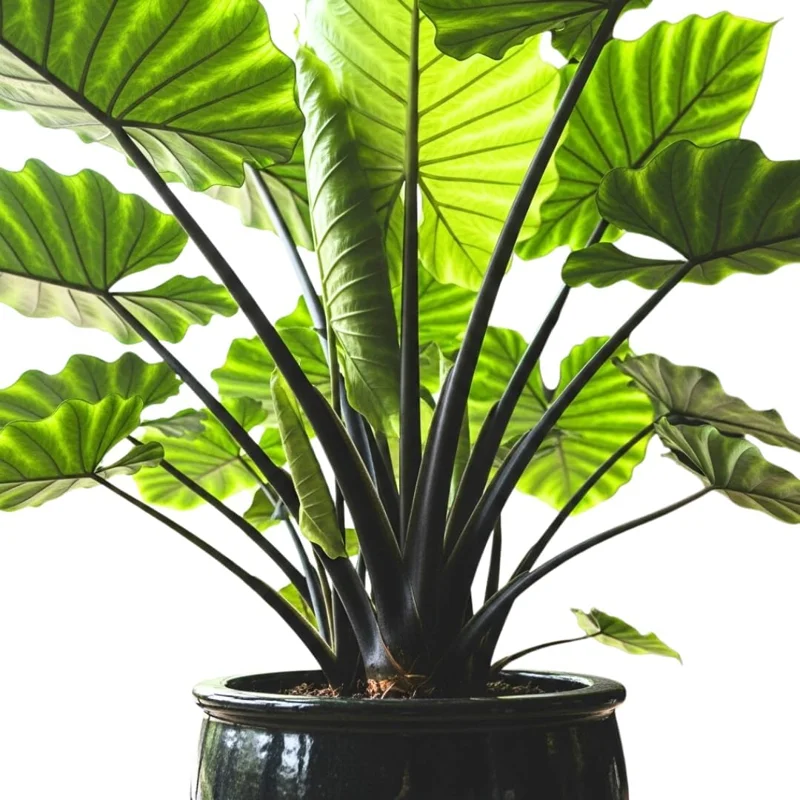
| Color | Alocasia Red Cuprea, Alocasia Silver Dragon, Bicolor, Black, Black Leaf And Stem, Black Velvet, Dark Leaf, Dark Leaf, Gren Stem, Green Black Leaf, Green Black Leaf And Stem, Green Leaf, Red Stem, Green Pink Leaf, Green Yellow Leaf, Jacks Giant, Variegated |
|---|
Be the first to review “Variegated Colocasia Elephant Ears Live Plant, Alocasia, 5-7 Inch Tall”
You must be logged in to post a review.
People also Viewed
Sold 50 products
Original price was: $17.58.$11.86Current price is: $11.86.
Sold 50 products
Price range: $32.99 through $35.99
Sold 50 products
$69.99
Sold 50 products
$18.99
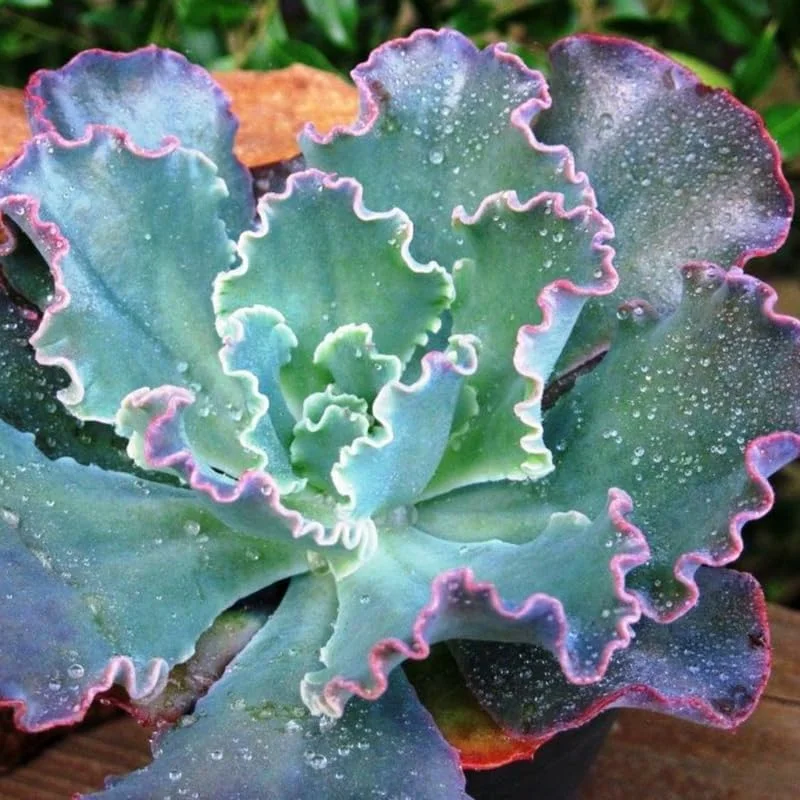
Sold 50 products
Price range: $14.98 through $23.89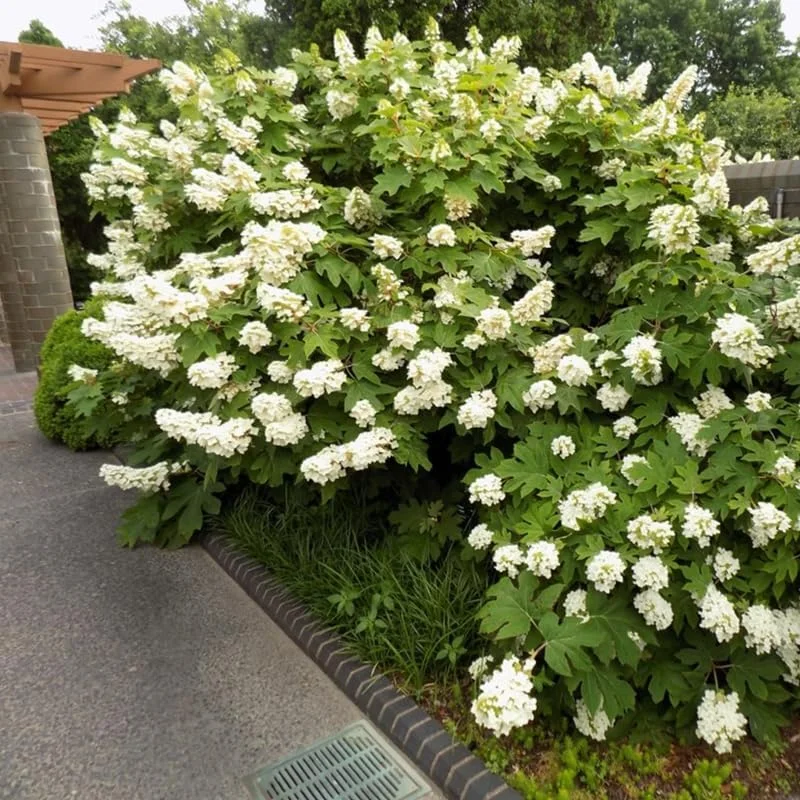
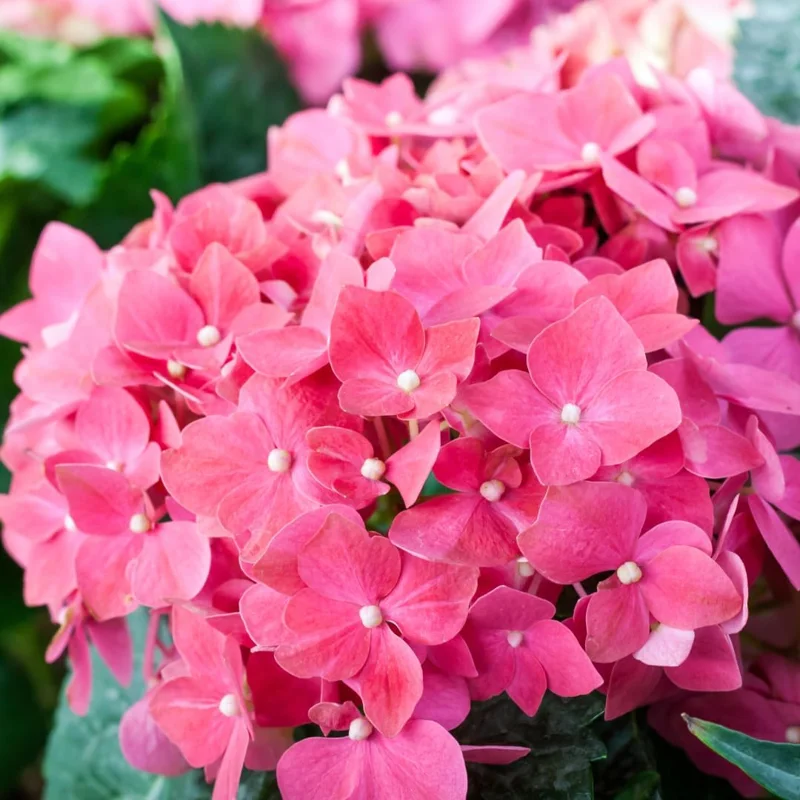
Sold 50 products
$32.99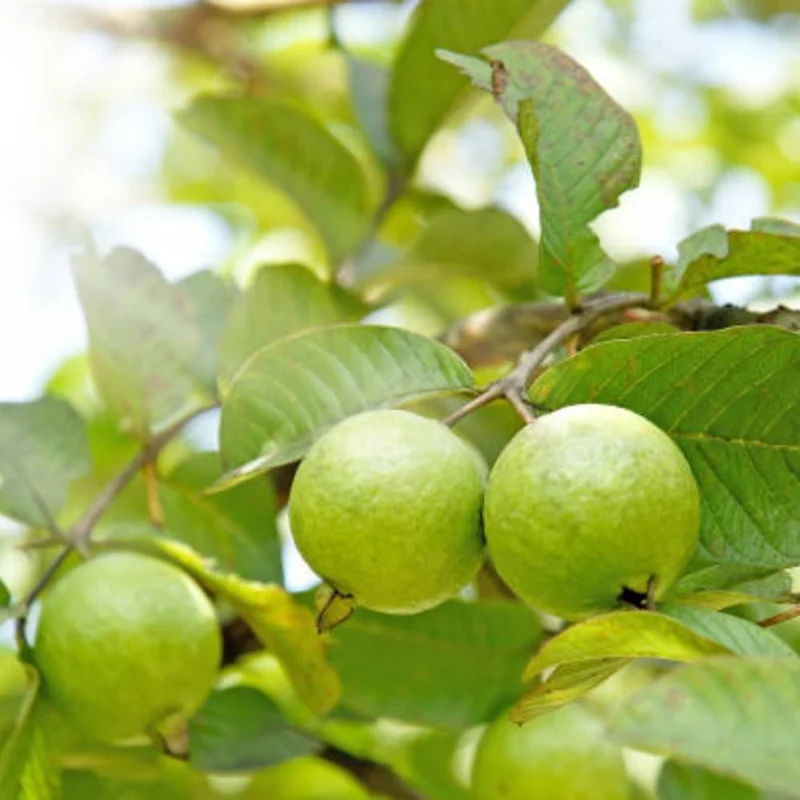
Sold 50 products
$24.99
Sold 50 products
Price range: $43.99 through $44.99RELATED posts
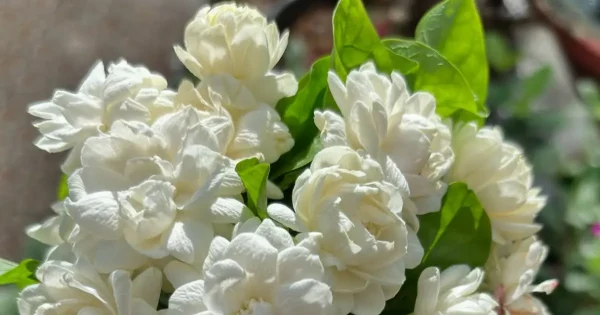
Top 7 Best Smelling Jasmine Varieties for a Heavenly Garden
Have you ever walked past a house and caught a scent so sweet you just [...]
Mar
Master the Heat: 8 Expert Tips for Growing Jalapeños Like a Pro
Are you staring at your garden space, wondering why your pepper plants look more like [...]
Mar
Top 5 Must-Have Hoya Varieties for Beginners
Hoyas are easily one of my top recommendations if you’re hunting for a low-maintenance houseplant [...]
Mar
7 Moringa Plant Care Mistakes to Avoid for Healthy Growth
Have you ever looked at your Moringa tree and wondered why its once vibrant green [...]
Feb
How to Grow Potato Onions From True Seeds: A Step-by-Step Guide
Have you ever wondered how to grow potato onions from true seeds or why some [...]
Feb
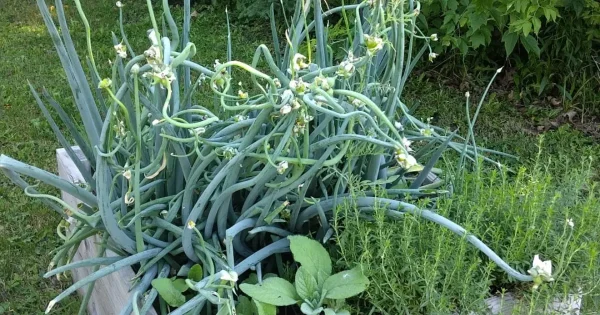
Growing Walking Onions in Containers: The Ultimate Guide
Have you ever looked at your small balcony or cramped patio and wished you could [...]
Feb

9 Best Flower Seeds to Start in February for Early Blooms
If you’re a passionate gardener, you know that itchy feeling in your fingers when February [...]
Jan
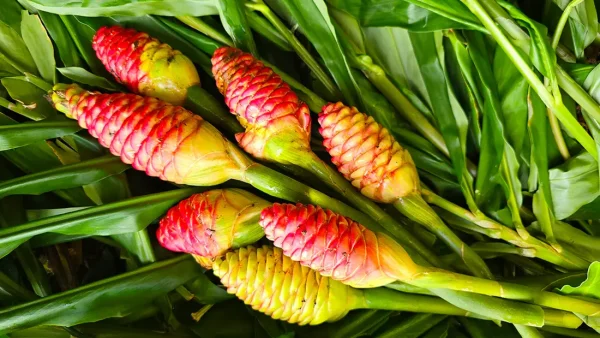
Growing Shampoo Ginger in Pots: Easy Guide to Potting Ginger Lilies
Are you looking to add a touch of exotic beauty to your home while growing [...]
Jan
Reviews
There are no reviews yet.