
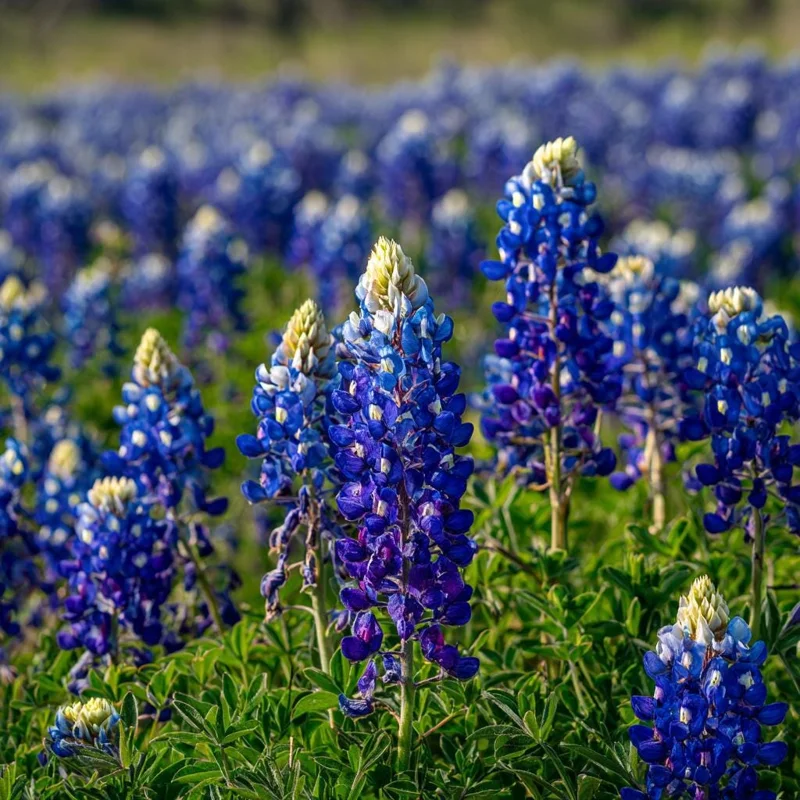
Texas Bluebonnet Seeds – Lupinus texensis – 50 Seeds – Iconic Blue Blooms, Native Wildflower
Original price was: $33.99.$13.99Current price is: $13.99.
Plant Texas Bluebonnet seeds (Lupinus texensis) to cultivate the iconic blue wildflowers of Texas. These native wildflower seeds are perfect for attracting pollinators and creating stunning, drought-tolerant landscapes. Each packet contains 50 seeds, ideal for gardens, meadows, or naturalized areas.
Shipping and Return policies:
We stand behind our plants with our Alive & Thrive Guarantee. If you experience any issues within the first 30 days, please email us, and our team will be happy to help. When needed, we’ll send you a one-time replacement free of charge to make sure your garden keeps growing strong.

Reasonable Price
We offer reasonable price

Support 24/7
Contact us 24 hrs a day
100% Money Back
You’ve 30 days to Return
Payment Secure
100% secure payment
Overview
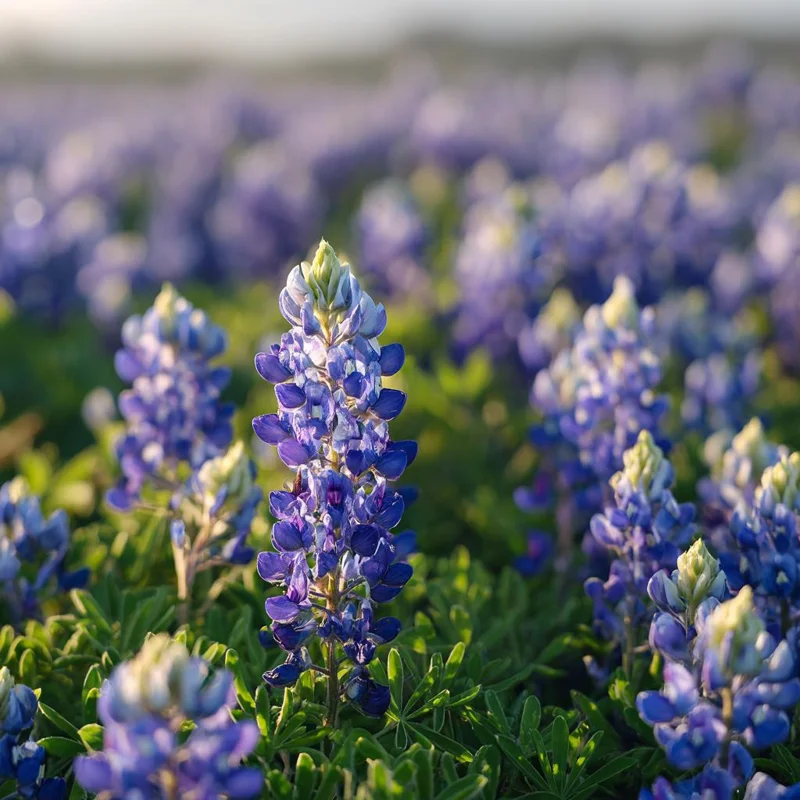
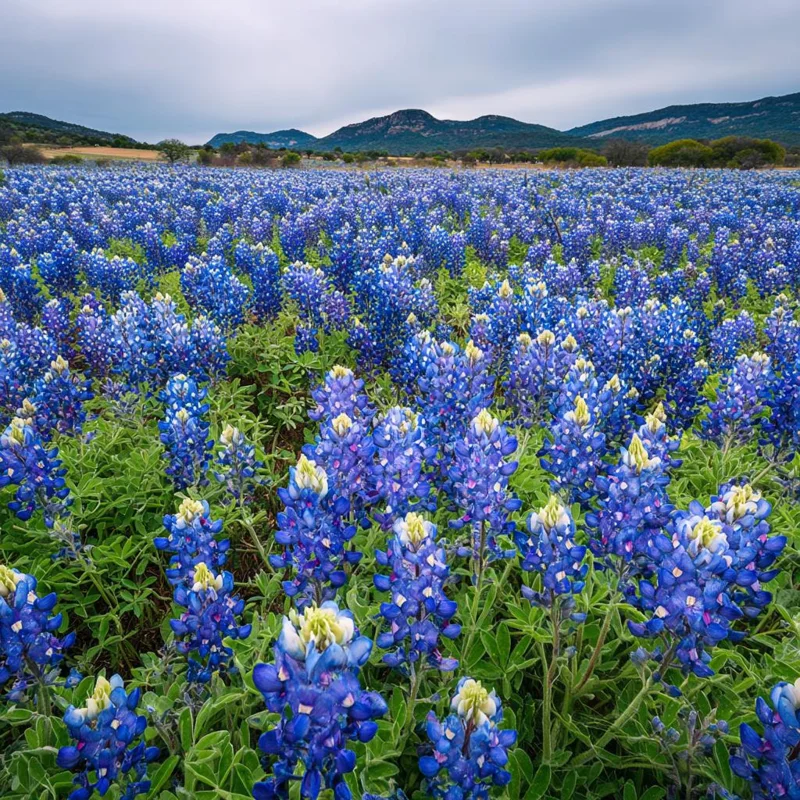
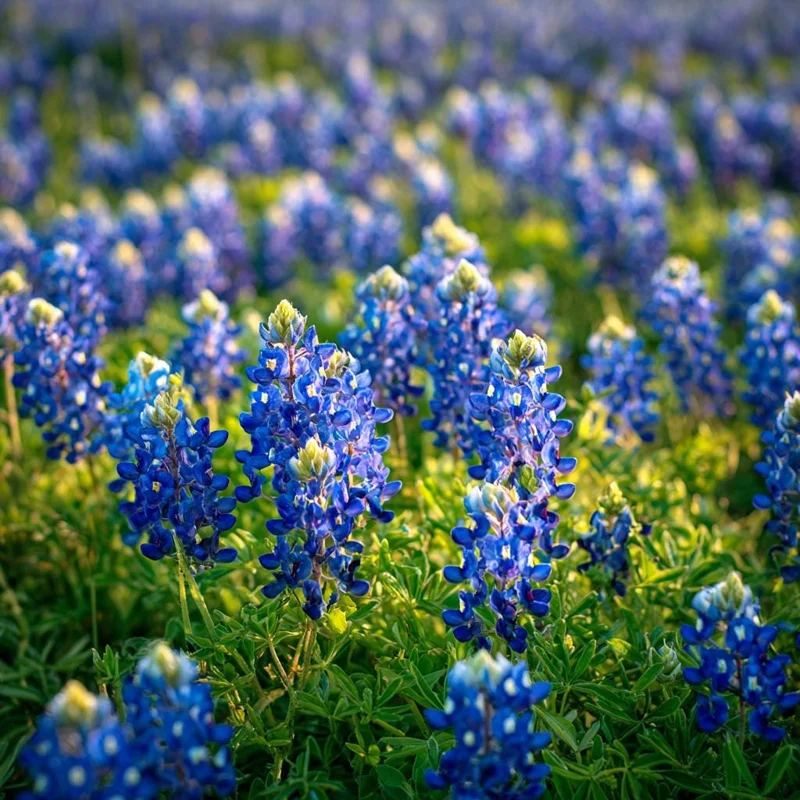
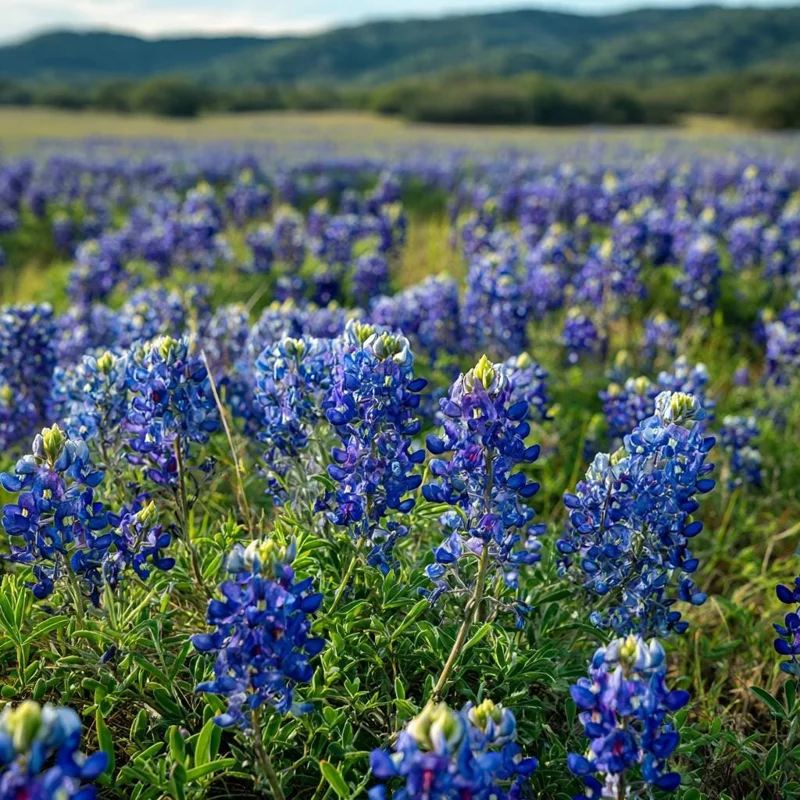
Cultivate the legendary beauty of the American Southwest with these premium Texas Bluebonnet seeds (Lupinus texensis). Revered as the state flower of Texas, the Bluebonnet is cherished for its striking spires of vibrant blue flowers, each tipped with a distinctive splash of white. This offering provides 50 high-quality seeds, allowing you to easily establish a breathtaking display of these iconic native wildflowers in your garden or landscape. Perfect for gardeners seeking to add a touch of natural elegance and ecological value, these seeds promise a rewarding growing experience, transforming sunny spaces into fields of dazzling blue. The Bluebonnet is an annual native that brings a sense of wild charm and natural splendor to any setting.
Lupinus texensis seeds are a fantastic choice for those looking to create a low-maintenance yet visually impactful garden. Known for their resilience and adaptability, these wildflowers thrive in various conditions, making them suitable for many regions. Beyond their aesthetic appeal, Texas Bluebonnets play a crucial role in supporting local ecosystems, particularly by attracting essential pollinators. Planting these seeds is an invitation to witness nature’s artistry and contribute to biodiversity right in your backyard.
Key Benefits
Planting Texas Bluebonnet seeds offers a multitude of advantages for both the gardener and the environment. These benefits extend from their visual appeal to their ecological contributions and ease of care, making them a superb addition to any outdoor space.
- Iconic Beauty: Transform your garden with the classic, vibrant blue blooms and charming white tips of the Texas Bluebonnet, creating a truly picturesque landscape. These flowers are instantly recognizable and evoke the spirit of the Texas countryside.
- Pollinator Magnet: Attract beneficial insects like bees and butterflies to your garden with these pollinator-friendly wildflowers, supporting local ecosystems and enhancing garden health. Planting native wildflower seeds helps sustain these vital creatures.
- Drought-Tolerant: Once established, these hardy plants require minimal watering, making them an excellent choice for xeriscaping or gardens in arid climates. They are a resilient option for sustainable gardening practices.
- Low Maintenance: Enjoy a stunning display with little effort. Texas Bluebonnets are easy to grow and thrive with minimal intervention, ideal for busy gardeners or those new to gardening.
- Naturalizes Easily: Encourage natural reseeding for continuous displays year after year, allowing the wildflowers to spread and create larger, more impactful drifts over time without additional planting.
- Versatile Landscaping: Perfect for meadows, borders, container displays, or naturalized areas, these seeds offer flexibility in garden design. The beauty of Lupinus texensis seeds can be showcased in many settings.
- Erosion Control: Their robust root systems can help stabilize soil, making them beneficial for sloped areas or erosion-prone landscapes, adding a practical aspect to their beauty.
Plant Care & Growing Tips
Growing Texas Bluebonnet seeds successfully requires understanding their specific needs, though they are generally quite forgiving. To ensure robust germination and vibrant blooms, prepare your planting site carefully and follow these guidelines. Bluebonnets prefer full sun exposure, meaning they should receive at least 6-8 hours of direct sunlight daily. Choose a location in your garden that is unshaded by trees or structures for optimal growth. The ideal soil for these wildflowers is moderately fertile and, most importantly, well-drained. They do not tolerate soggy conditions, which can lead to rot, especially for young seedlings. If your soil is heavy clay, consider amending it with organic matter like compost or sand to improve drainage.
For best results, sow Lupinus texensis seeds directly outdoors in the fall (September to November) or early spring (February to March) after the last frost. Fall planting allows the seeds to undergo natural stratification over winter, which aids germination. Before planting, scarify the seeds lightly by gently rubbing them with sandpaper or nicking the seed coat with a small knife, or soak them in warm water for 24 hours. This process helps break dormancy and improves germination rates for your bluebonnet planting instructions. Sow seeds approximately 1/4 inch deep and space them about 6-12 inches apart. Keep the soil lightly moist until germination occurs, which typically takes 14-21 days. Once established, Texas Bluebonnets are drought-tolerant and prefer drier conditions, so water sparingly. Avoid overwatering, as this is a common cause of failure. Deadhead spent blooms to encourage more flowers or allow them to go to seed for natural reseeding in subsequent years. They are hardy in USDA zones typically ranging from 2-10, thriving in temperate to warm climates and tolerating light frosts once mature.
Size & Details
This product includes a packet containing 50 individual Texas Bluebonnet seeds (Lupinus texensis), providing ample opportunity to establish a beautiful display. Each seed is carefully selected to ensure viability and germination potential. Once mature, Texas Bluebonnet plants typically reach a height of 12 to 24 inches (30-60 cm) and spread about 6 to 12 inches (15-30 cm) wide, forming a compact, bushy annual. The growth rate is moderate, with blooms typically appearing in early to mid-spring, usually from March to May, depending on your climate and planting time. These plants are annuals, completing their life cycle in one growing season, but they readily reseed to return year after year. The small seed size makes them easy to broadcast over larger areas for a natural meadow effect. They are shipped as dry, unstratified seeds, ready for scarification and planting according to the provided bluebonnet planting instructions.
Frequently Asked Questions
- Q: How big do Texas Bluebonnets get? A: Texas Bluebonnet plants typically grow to be about 12 to 24 inches tall and spread 6 to 12 inches wide, forming a lovely upright cluster of blooms. Their size makes them suitable for various garden applications, from mass plantings to individual accents.
- Q: Are these an indoor or outdoor plant? A: Texas Bluebonnets are primarily an outdoor plant, thriving in full sun and natural garden settings. While they can be started indoors, they are best grown outdoors where they can receive ample sunlight and proper air circulation.
- Q: How much sunlight do Texas Bluebonnets need? A: These wildflowers require full sun, meaning at least 6-8 hours of direct sunlight per day, to produce the most abundant and vibrant blooms. Insufficient light can lead to leggy growth and fewer flowers.
- Q: Is this plant easy to care for? A: Yes, Texas Bluebonnets are considered relatively easy to care for, especially once established. They are drought-tolerant and require minimal intervention, making them a great choice for both novice and experienced gardeners looking for native wildflower seeds.
- Q: What condition will the seeds arrive in? A: The Texas Bluebonnet seeds will arrive as dry, dormant seeds in a protective packet, ready for you to scarify and plant according to the provided instructions. They are not pre-germinated or stratified.
- Q: When is the best time to plant Texas Bluebonnet seeds? A: The best time to plant Lupinus texensis seeds is in the fall, typically from September to November. This allows them to naturally stratify over winter and emerge in the spring. Spring planting is also possible after the last frost.
- Q: Will Texas Bluebonnets grow outside of Texas? A: Yes, while iconic to Texas, these bluebonnets can grow in many regions with similar climates, particularly in USDA hardiness zones 2-10. They prefer areas with full sun and well-drained soil.
- Q: Do I need to scarify the seeds? A: Yes, scarification or soaking the Texas Bluebonnet seeds in warm water for 24 hours before planting is highly recommended. This process helps to break the hard seed coat and significantly improves germination rates.
- Q: Are these seeds pollinator friendly? A: Absolutely! Texas Bluebonnets are highly attractive to bees, butterflies, and other beneficial pollinators, making them an excellent addition to any pollinator garden.
- Q: How long until the seeds germinate? A: With proper scarification and moisture, Texas Bluebonnet seeds typically germinate within 14-21 days. Consistent light moisture and appropriate temperatures are key during this period.
Be the first to review “Texas Bluebonnet Seeds – Lupinus texensis – 50 Seeds – Iconic Blue Blooms, Native Wildflower”
You must be logged in to post a review.
People also Viewed
Sold 50 products
Original price was: $36.99.$16.99Current price is: $16.99.
Sold 50 products
Original price was: $31.99.$11.99Current price is: $11.99.
Sold 50 products
Original price was: $35.99.$15.99Current price is: $15.99.
Sold 50 products
Original price was: $31.99.$11.99Current price is: $11.99.
Sold 50 products
Original price was: $35.99.$15.99Current price is: $15.99.
Sold 50 products
Original price was: $31.99.$11.99Current price is: $11.99.
Sold 50 products
Original price was: $34.99.$14.99Current price is: $14.99.
Sold 50 products
Original price was: $31.99.$11.99Current price is: $11.99.RELATED posts
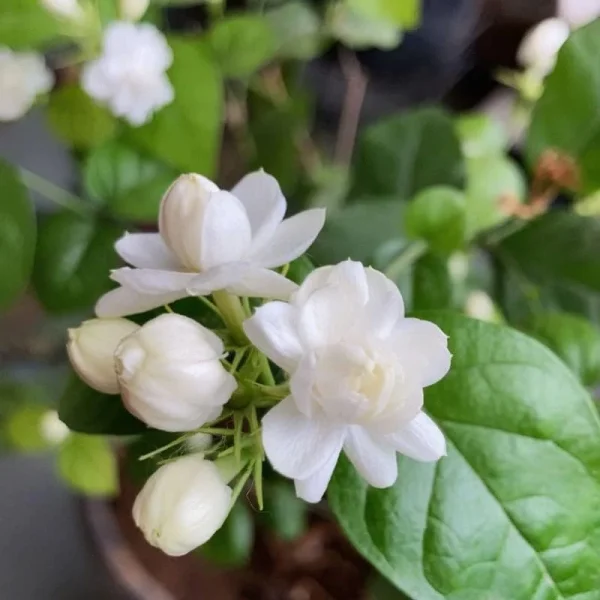
How to Grow Arabian Jasmine: A Complete Care Guide
If you’ve ever dreamed of a garden that smells like a tropical paradise, Jasminum sambac [...]
Apr
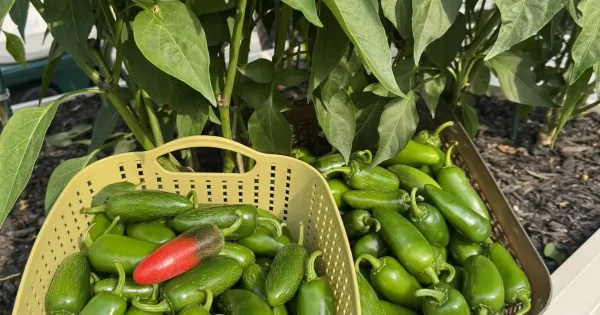
How to Grow Jalapeño Peppers From Seeds: A Step-by-Step Guide
Ready to spice things up in your garden? Jalapeños are the true life of the [...]
Apr
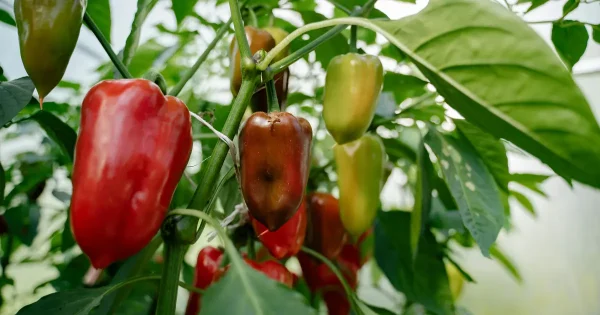
Top 12 Best Types of Peppers to Grow in Your Garden: Easy and High Yield
Growing peppers is, quite honestly, one of the biggest “wins” you can have in a [...]
Apr
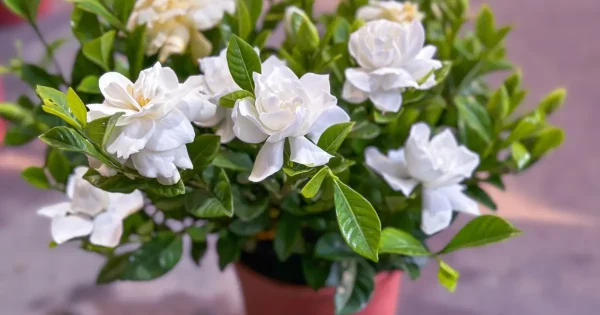
Frostproof Jasmine Care: 7 Tips for Successful Pot Growth
Most gardenias are known for being “divas.” They want perfect humidity, perfect soil, and they [...]
Mar
Top 7 Best Smelling Jasmine Varieties for a Heavenly Garden
Have you ever walked past a house and caught a scent so sweet you just [...]
Mar
Master the Heat: 8 Expert Tips for Growing Jalapeños Like a Pro
Are you staring at your garden space, wondering why your pepper plants look more like [...]
Mar
Top 5 Must-Have Hoya Varieties for Beginners
Hoyas are easily one of my top recommendations if you’re hunting for a low-maintenance houseplant [...]
Mar
7 Moringa Plant Care Mistakes to Avoid for Healthy Growth
Have you ever looked at your Moringa tree and wondered why its once vibrant green [...]
Feb



Reviews
There are no reviews yet.