
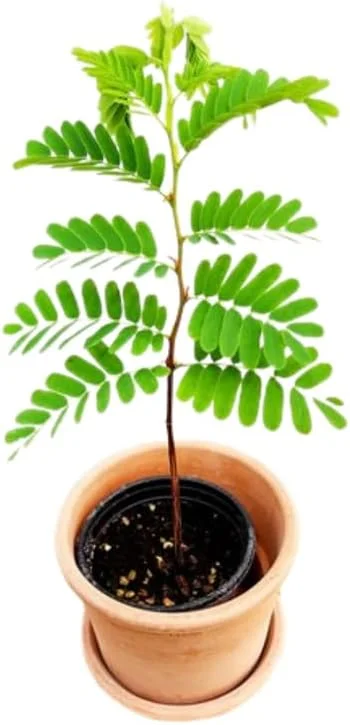
Tamarind Tree Live Plant, 6-8 Inch Tropical Fruit Perennial, Tamarindus indica
$32.99
Embark on an exotic gardening journey with this healthy tamarind tree live plant, typically 6-8 inches tall. Renowned for its unique tangy-sweet fruit, this tropical perennial is perfect for warm climates or as a container plant. Enjoy fresh harvests for years to come!
Shipping and Return policies:
We stand behind our plants with our Alive & Thrive Guarantee. If you experience any issues within the first 30 days, please email us, and our team will be happy to help. When needed, we’ll send you a one-time replacement free of charge to make sure your garden keeps growing strong.

Reasonable Price
We offer reasonable price

Support 24/7
Contact us 24 hrs a day
100% Money Back
You’ve 30 days to Return
Payment Secure
100% secure payment
Overview
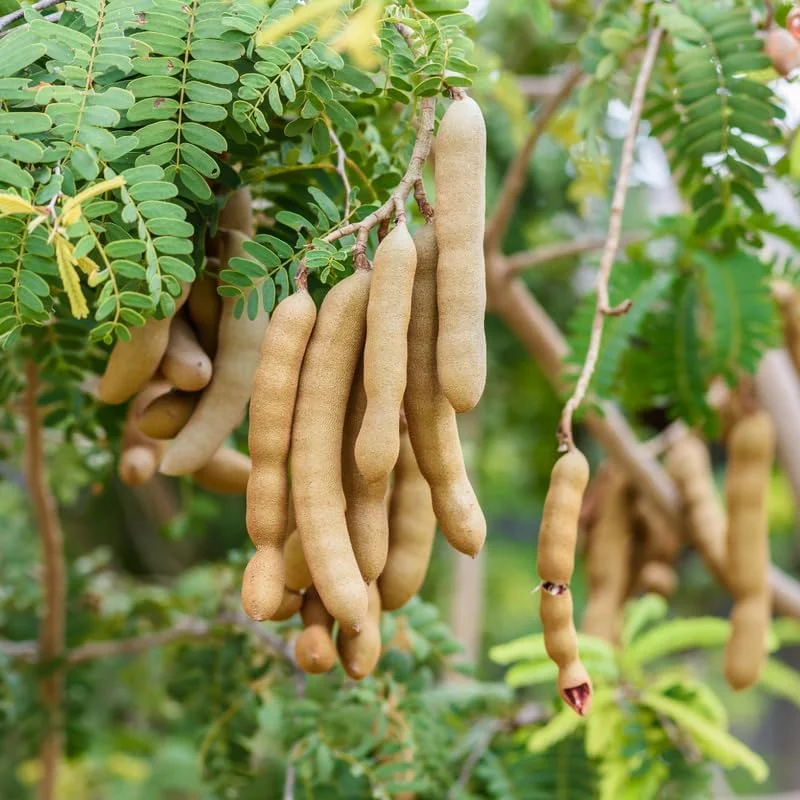
Embark on an exotic gardening journey with your very own tamarind tree live plant. This tropical perennial, botanically known as Tamarindus indica, is renowned for its delicious, pod-like fruits, cherished in cuisines worldwide. Our healthy young tamarind tree live plant, typically 6-8 inches tall, arrives ready to thrive in your garden or as a container plant on your patio. It’s a long-lived tree that, with proper care, will reward you with its unique, tangy-sweet fruit for many years. Perfect for enthusiasts looking to grow their own tropical edibles, this plant offers both ornamental beauty and culinary delight. The tamarind tree live plant is an excellent choice for those in warmer USDA zones or for anyone wishing to cultivate tropical fruits indoors or in a greenhouse. Its lush foliage and eventual fruit production make it a rewarding addition to any plant collection, making the dream of growing tamarind tree a reality for many gardeners.
Key Benefits
Adding a tamarind tree live plant to your collection offers a wealth of advantages, from its aesthetic appeal to its practical fruit production. This versatile perennial fruit plant is not just a food source but also a beautiful specimen. Discover the many reasons why this tropical plant is an excellent choice:
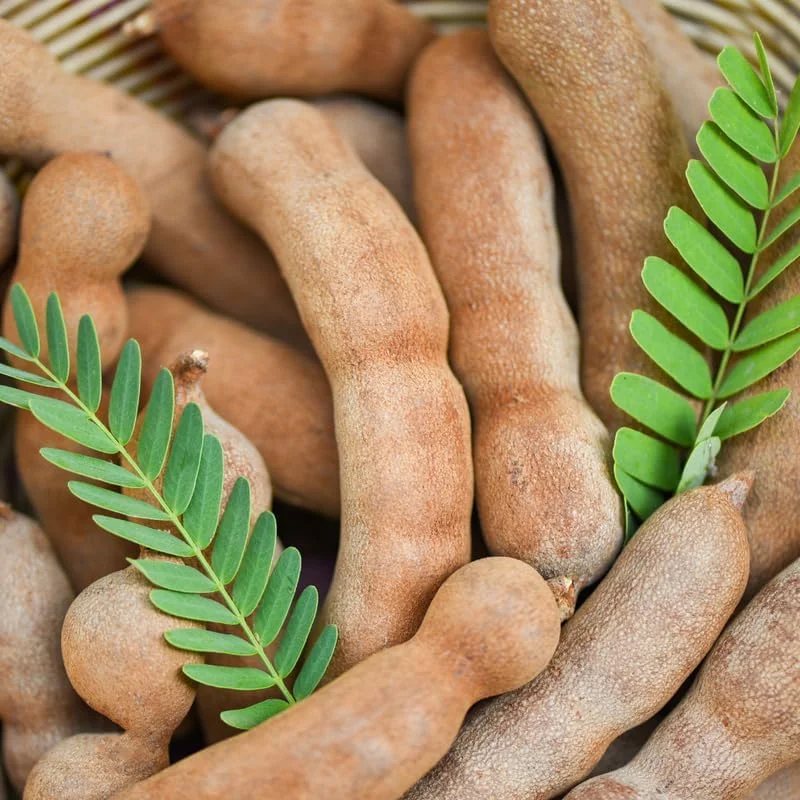
- Fresh, Delicious Fruit: Enjoy the unique tangy-sweet flavor of fresh tamarind pods directly from your own tamarind tree live plant. The fruit is incredibly versatile, used in countless culinary applications, from refreshing drinks and desserts to savory sauces and curries. Harvesting your own tamarind ensures the freshest and most flavorful experience.
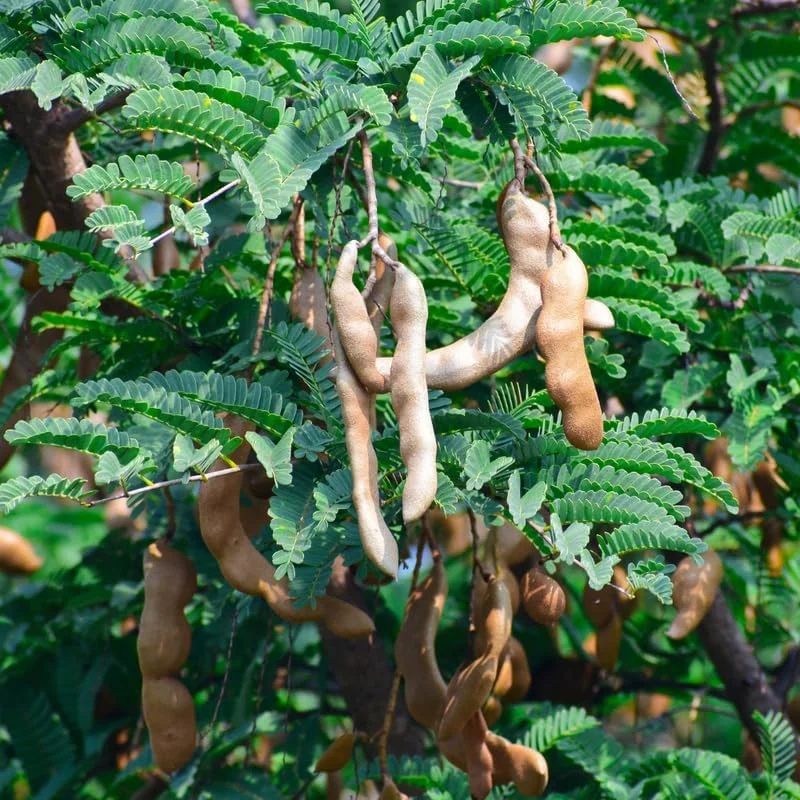
- Ornamental Appeal: The tamarind tree live plant boasts attractive, feathery foliage that provides a lush, tropical look to any setting. Its graceful form and vibrant green leaves make it a stunning focal point in a garden, on a patio, or even as a large indoor specimen, adding an exotic touch to your landscape design.
- Container Growing Potential: For those in cooler climates or with limited garden space, this perennial fruit plant adapts well to container growing. This allows you to bring the plant indoors during colder months, protecting it from frost and ensuring its continued health and fruit production. This makes growing tamarind tree accessible to a wider range of gardeners.
- Long-Lived & Productive: Tamarind trees are known for their longevity and can produce fruit for many decades once established. While it takes a few years to mature, the long-term yield of this tropical fruit tree makes it a valuable investment for any gardener.
- Thrives in Warm Climates: Ideal for USDA zones 10-11, this plant flourishes in warm, sunny environments, making it a perfect fit for tropical and subtropical gardens. It’s well-suited to conditions where many other fruit trees might struggle, providing a reliable source of fresh fruit.
- Relatively Low Maintenance: Once established, the tamarind tree live plant is quite hardy and requires moderate care. It’s drought-tolerant and can adapt to various soil conditions, making it a robust choice for busy gardeners.
- Educational & Rewarding: Growing tamarind tree from a young plant provides a rewarding experience, allowing you to observe its growth cycle and eventually enjoy the fruits of your labor. It’s an excellent educational project for families and a fulfilling hobby for plant enthusiasts.
Plant Care & Growing Tips
Caring for your tamarind tree live plant is straightforward, especially when provided with the right conditions. This tropical beauty thrives in environments that mimic its native habitat. Understanding its needs for sunlight, water, and soil will ensure a healthy, productive tree. For optimal growth, place your young tamarind tree live plant in a location where it receives full sun exposure, meaning at least 6-8 hours of direct sunlight per day. If growing indoors, choose your brightest window, preferably south-facing, or supplement with a grow light to ensure it gets adequate light for robust growth and eventual fruit production. Insufficient light can lead to leggy growth and reduced fruiting, impacting your perennial fruit plant‘s yield.
When it comes to watering, the tamarind tree live plant prefers consistently moist but not waterlogged soil. Allow the top inch or two of soil to dry out between waterings, then water thoroughly until it drains from the bottom of the pot. Reduce watering frequency during cooler months or if the plant is dormant. Good drainage is crucial to prevent root rot. The ideal soil type is well-drained soil, preferably a sandy loam. A good quality potting mix with added perlite or sand works well for container-grown plants. Fertilize your tamarind tree live plant with a balanced, slow-release fertilizer during the growing season (spring and summer) to support its development and fruit bearing. Begin with a lower dosage for young plants and increase as the tree matures. Tamarind trees are generally hardy in USDA zones 10-11, where they can be grown outdoors year-round. In colder climates, they must be brought indoors when temperatures drop below 40°F (4°C). Common problems include pests like aphids or mealybugs, which can be treated with insecticidal soap, and fungal issues, often prevented by ensuring good air circulation and proper watering practices. Regular pruning can help maintain shape and encourage stronger branching for your tropical fruit tree.
Size & Details
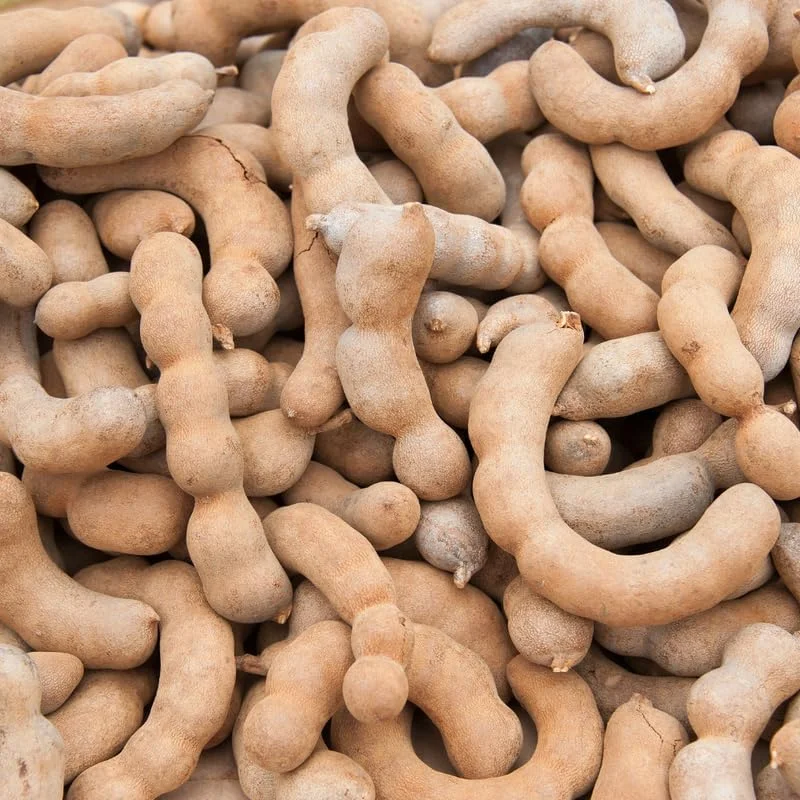
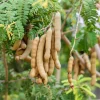
This offering is for a young tamarind tree live plant, typically standing 6 to 8 inches tall. It arrives in a nursery pot, ready for transplanting into a larger container or directly into your garden if your climate permits. The plant’s height is measured from the soil line. As a young specimen, it will require several years to reach fruiting maturity, usually beginning to produce its characteristic long brown fruits around 3-4 years of age. The growth rate of the tamarind tree live plant is moderate, and it can eventually grow into a large tree, especially when planted in the ground in suitable climates. For container growing, regular pruning will help manage its size and encourage a bushier form. When established, it can grow to a significant height and spread, so plan its placement accordingly. This perennial fruit plant is a long-term addition to your garden, promising years of beauty and delicious harvests. The botanical name for this species is Tamarindus indica.
Frequently Asked Questions
- Q: How big does this tamarind tree get? A: This particular offering is for a young tamarind tree live plant, 6-8 inches tall. When grown in the ground in suitable climates, a mature tamarind tree can reach heights of 60-80 feet. In containers, its size can be managed through pruning, typically staying much smaller, around 6-10 feet.
- Q: Is this an indoor or outdoor plant? A: The tamarind tree live plant is a tropical plant that thrives outdoors in USDA Zones 10-11. In colder climates, it can be grown outdoors during warm months and brought indoors as a container plant for winter protection, making growing tamarind tree possible in many regions.
- Q: How much sunlight does it need? A: Tamarind trees require full sun exposure, meaning at least 6-8 hours of direct sunlight per day, for optimal growth and fruit production. When growing indoors, place your tamarind tree live plant in the sunniest window available.
- Q: What condition will it arrive in? A: Your tamarind tree live plant will arrive in a nursery pot, carefully packaged to ensure its health during transit. It will be a healthy young plant, ready for you to continue its growth journey.
- Q: Can I use tamarind fruit in cooking? A: Absolutely! Tamarind fruit from your perennial fruit plant is widely used in various cuisines, particularly in Asian, Latin American, and African dishes. It’s excellent for making drinks, desserts, sauces, and curries, offering a unique tangy-sweet flavor.
- Q: How long until it produces fruit? A: A tamarind tree live plant typically begins producing fruit around 3-4 years after planting, given proper care and environmental conditions. Patience is key for this rewarding fruit tree.
- Q: What is the best soil for a tamarind tree? A: Tamarind trees prefer well-drained soil, ideally a sandy loam. For container planting, use a high-quality potting mix that drains well, possibly amended with perlite or sand to improve aeration for your tropical fruit tree.
- Q: Is this plant easy to care for? A: Once established, the tamarind tree live plant is relatively easy to care for. It’s quite drought-tolerant and adaptable, making it a good choice for gardeners looking to try growing tamarind tree.
- Q: Will it survive winter in my zone? A: If you are outside USDA zones 10-11, your tropical fruit tree will need winter protection. This means bringing it indoors when temperatures consistently drop below 45-50°F (7-10°C).
- Q: What are the benefits of growing your own tamarind? A: Growing your own tamarind tree live plant provides access to fresh, organic fruit, adds an exotic touch to your garden or home, and offers the satisfaction of cultivating a unique and productive tropical plant, tamarindus indica.
Be the first to review “Tamarind Tree Live Plant, 6-8 Inch Tropical Fruit Perennial, Tamarindus indica”
You must be logged in to post a review.
People also Viewed
Sold 50 products
Original price was: $28.58.$19.99Current price is: $19.99.
Sold 50 products
$32.39
Sold 50 products
$21.59
Sold 50 products
$35.99
Sold 50 products
Price range: $23.15 through $25.19
Sold 50 products
$38.39
Sold 50 products
Price range: $28.79 through $35.99
Sold 50 products
$26.39RELATED posts
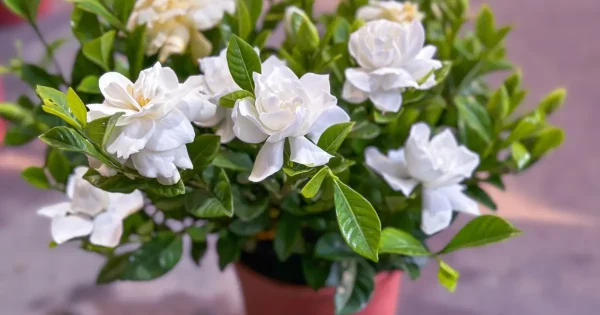
Frostproof Jasmine Care: 7 Tips for Successful Pot Growth
Most gardenias are known for being “divas.” They want perfect humidity, perfect soil, and they [...]
Mar
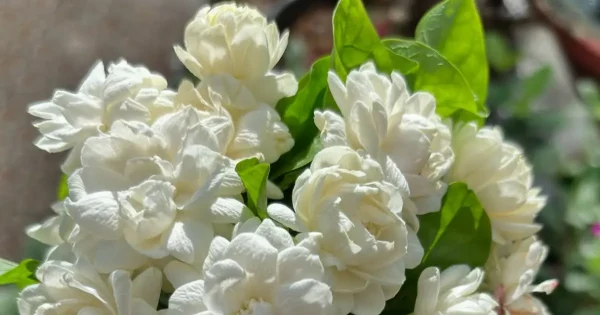
Top 7 Best Smelling Jasmine Varieties for a Heavenly Garden
Have you ever walked past a house and caught a scent so sweet you just [...]
Mar
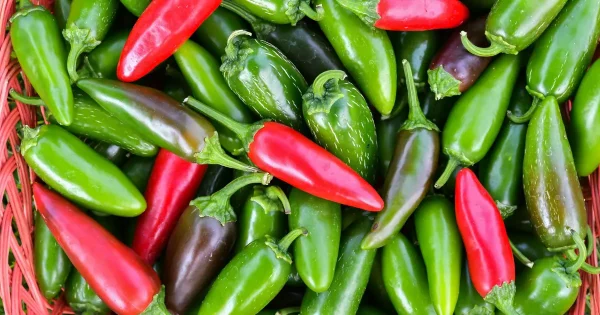
Master the Heat: 8 Expert Tips for Growing Jalapeños Like a Pro
Are you staring at your garden space, wondering why your pepper plants look more like [...]
Mar
Top 5 Must-Have Hoya Varieties for Beginners
Hoyas are easily one of my top recommendations if you’re hunting for a low-maintenance houseplant [...]
Mar
7 Moringa Plant Care Mistakes to Avoid for Healthy Growth
Have you ever looked at your Moringa tree and wondered why its once vibrant green [...]
Feb
How to Grow Potato Onions From True Seeds: A Step-by-Step Guide
Have you ever wondered how to grow potato onions from true seeds or why some [...]
Feb
Growing Walking Onions in Containers: The Ultimate Guide
Have you ever looked at your small balcony or cramped patio and wished you could [...]
Feb

9 Best Flower Seeds to Start in February for Early Blooms
If you’re a passionate gardener, you know that itchy feeling in your fingers when February [...]
Jan

Reviews
There are no reviews yet.