
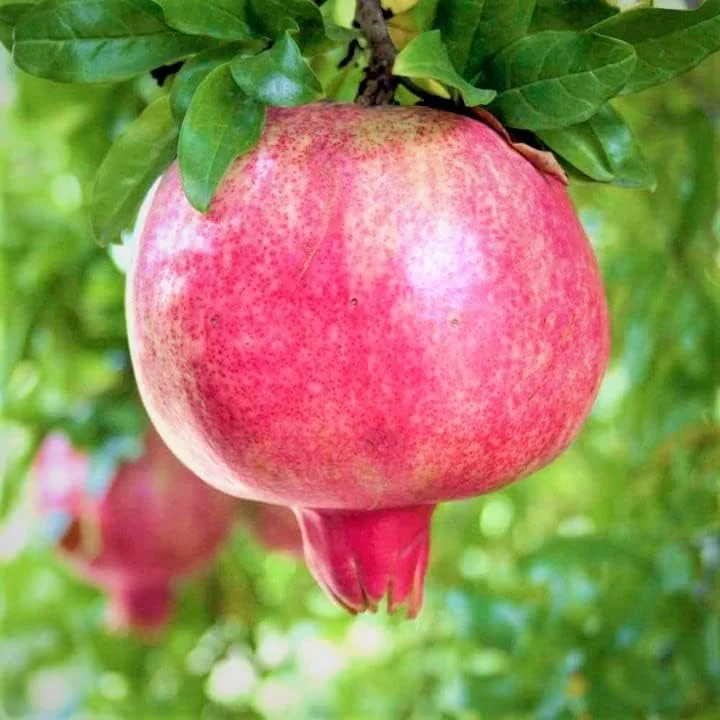
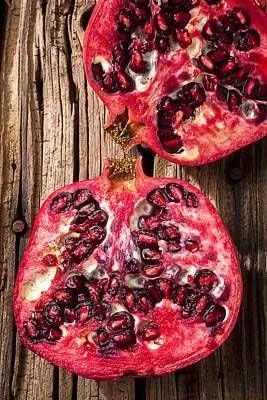
Sweet Pomegranate Tree Live Plant – 10-12″ Tall, Fruit Bearing, Zones 8-11
$35.03
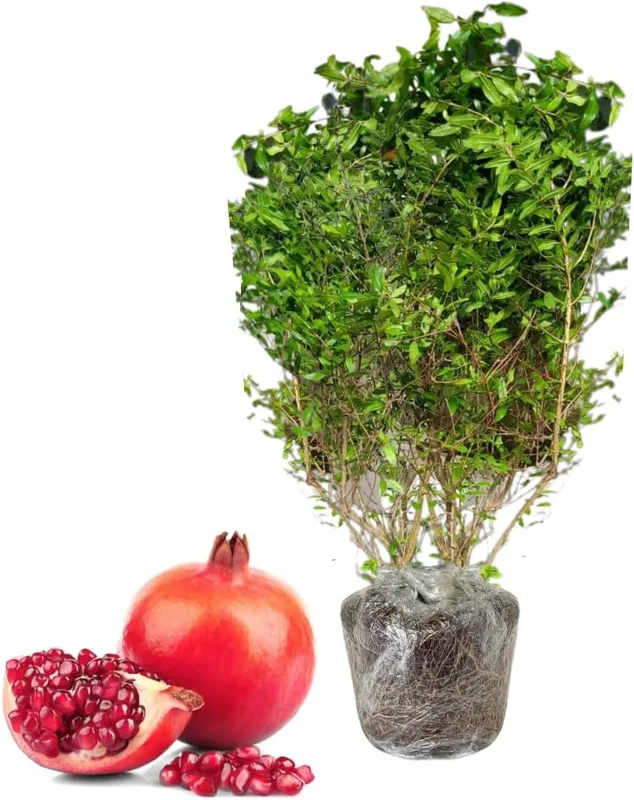
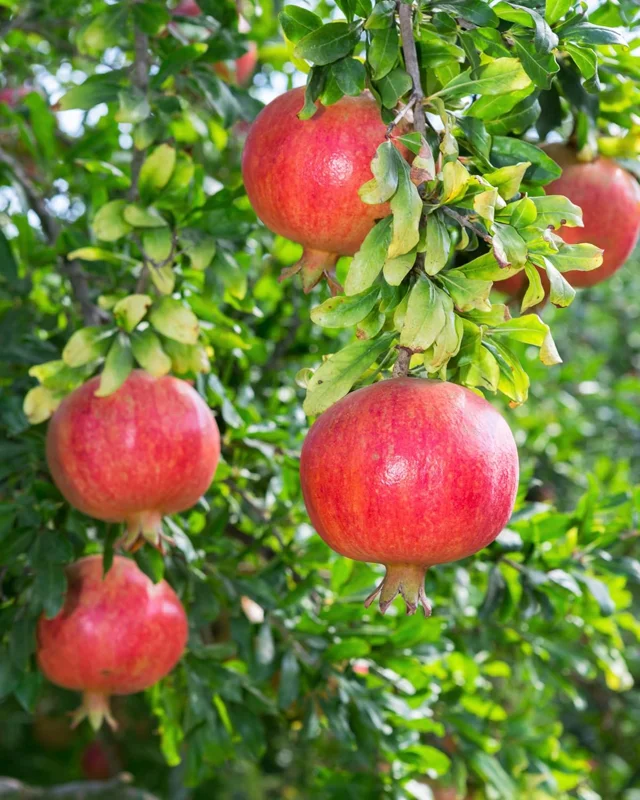
Bring the joy of fresh fruit to your home with this sweet pomegranate tree live plant. Standing 10-12 inches tall, this well-rooted plant is ready to thrive in USDA Zones 8-11. Perfect for garden planting or container growing, it produces large, delicious pomegranates and vibrant, long-lasting flowers. Enjoy a vibrant addition to your landscape and a bountiful harvest.
Shipping and Return policies:
We stand behind our plants with our Alive & Thrive Guarantee. If you experience any issues within the first 30 days, please email us, and our team will be happy to help. When needed, we’ll send you a one-time replacement free of charge to make sure your garden keeps growing strong.

Reasonable Price
We offer reasonable price

Support 24/7
Contact us 24 hrs a day
100% Money Back
You’ve 30 days to Return
Payment Secure
100% secure payment
Overview
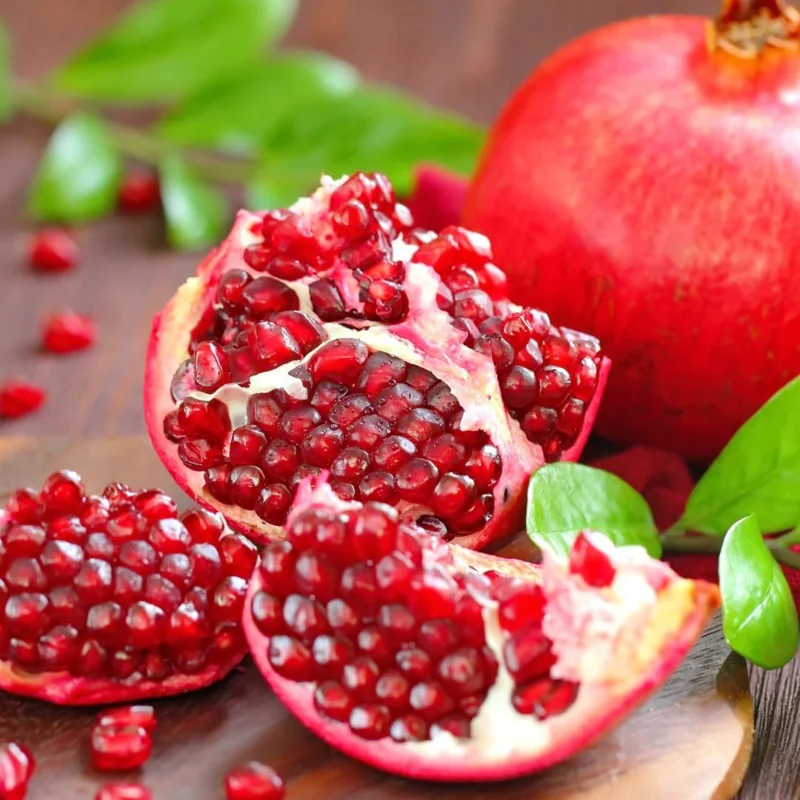
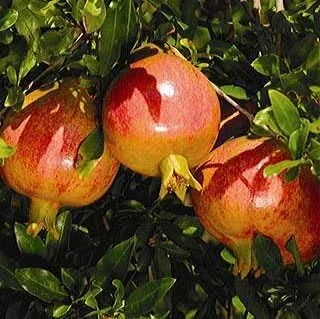
Cultivate your own delicious fruit with our premium sweet pomegranate tree live plant. This vibrant and healthy specimen arrives ready to plant, standing approximately 10-12 inches tall. Known for its beautiful flowers and abundant, juicy fruit, the pomegranate (Punica granatum) is a fantastic addition to any garden or patio. This particular variety is celebrated for its sweet, flavorful fruit, making it a highly sought-after choice for home growers. Whether you’re an experienced gardener or just starting out, this wonderful pomegranate tree offers a rewarding growing experience and a bountiful harvest of nutritious fruit.
Pomegranates are not only prized for their culinary uses but also for their ornamental value. The striking red-orange blossoms add a touch of exotic beauty to your landscape, often blooming for an extended season. This hardy plant is adaptable and relatively easy to care for, making it an excellent choice for a wide range of climates within its recommended hardiness zones. Enjoy the journey from a young plant to a fruit-laden tree, providing fresh, homegrown pomegranates for years to come.
Key Benefits
Our sweet pomegranate tree live plant offers numerous advantages, from its aesthetic appeal to the delicious fruit it produces. It’s a versatile plant that can enhance your outdoor space and provide a healthy, sustainable food source.
- Delicious Homegrown Fruit: Enjoy the satisfaction of harvesting your own large, sweet, and juicy pomegranates directly from your garden. Fresh pomegranates are packed with antioxidants and vitamins.
- Beautiful Ornamental Value: Beyond its fruit, the pomegranate tree boasts stunning, vibrant red-orange flowers that add a splash of color to your landscape for an extended period, enhancing curb appeal.
- Versatile Growing Options: This plant can be successfully grown directly in the ground in appropriate climates or cultivated in large pots and containers, making it suitable for patios, balconies, or even indoors in colder regions. This makes it easy to grow pomegranate in pot.
- Hardy and Low Maintenance: Pomegranate trees are known for their resilience. Once established, they are drought-tolerant and require minimal care, making them an excellent choice for busy gardeners.
- Adaptable to Various Zones: Thrives in a wide range of climates, specifically USDA Zones 8 to 11, ensuring success for many growers across the United States.
- Long-Lasting Blooms: The beautiful flowers of the wonderful pomegranate tree can last for a long season, providing continuous visual interest throughout much of the year.
- Health Benefits: Pomegranates are renowned for their health properties, including being rich in antioxidants, contributing to a healthy diet directly from your garden.
Plant Care & Growing Tips
Caring for your sweet pomegranate tree live plant is straightforward, especially when you understand its basic needs. Proper care will ensure a healthy, productive tree that yields abundant fruit. This guide will help you ensure your pomegranate plant care routine is optimal.
Sunlight Requirements: Pomegranates are sun-lovers. They require full sun exposure, meaning at least 6-8 hours of direct sunlight per day to thrive and produce the best fruit. If growing in a container, ensure it’s placed in the sunniest spot available. In extremely hot climates, some afternoon shade can be beneficial to prevent scorching, but generally, more sun is better.
Watering: While drought-tolerant once established, young pomegranate trees need regular watering to establish a strong root system. Water deeply 2-3 times a week during dry periods, especially in the first year. Reduce watering once the plant is mature, allowing the top few inches of soil to dry out between waterings. Avoid overwatering, which can lead to root rot. When you grow pomegranate in pot, ensure excellent drainage.
Soil Type and Drainage: Pomegranates are adaptable to various soil types but prefer well-draining soil. A slightly acidic to alkaline pH (6.0-7.0) is ideal. If your soil is heavy clay, amend it with organic matter like compost or sand to improve drainage. For container growing, use a high-quality potting mix designed for fruit trees or general all-purpose use with added perlite for drainage.
Temperature and Hardiness Zone: This fruit bearing tree is hardy in USDA Zones 8 to 11. It can tolerate temperatures down to about 10-15°F (-12 to -9°C) once mature. In colder zones, it can be grown as a container plant and brought indoors during winter or treated as an annual. Protect young plants from hard frosts. The plant prefers warm, dry summers for optimal fruit development.
Fertilization: Fertilize your pomegranate tree in early spring before new growth begins. Use a balanced, slow-release fertilizer or one formulated for fruit trees. Follow the product instructions for application rates. Avoid excessive nitrogen, which can promote leafy growth at the expense of fruit production. Organic options like compost or well-rotted manure can also be beneficial.
Size & Details
This sweet pomegranate tree live plant is currently 10-12 inches tall, measured from the base of the plant to the tip of its highest branch. It arrives well-rooted in a nursery pot, ready for transplanting into your garden or a larger container upon arrival. Pomegranate trees are moderate growers, typically reaching 12-20 feet in height and spread if left unpruned in the ground, though they can be kept smaller with regular pruning. When you grow pomegranate in pot, its size will be naturally restricted, making it manageable for patios or smaller spaces. Expect to see significant growth in its first few years, with fruit production often beginning within 2-3 years after planting. The plant is shipped in a dormant or semi-dormant state depending on the season to ensure safe transit and successful establishment in its new home. This fruit bearing tree will provide beauty and bounty for many seasons.
Frequently Asked Questions
- Q: How big does this sweet pomegranate tree live plant get? A: This plant is shipped at 10-12 inches tall. In the ground, it can grow up to 12-20 feet tall and wide, but it can be maintained at a smaller size with pruning, especially when you grow pomegranate in pot.
- Q: Is this an indoor or outdoor plant? A: This pomegranate tree is primarily an outdoor plant suitable for USDA Zones 8-11. In colder climates (below Zone 8), it can be grown outdoors in a container during warm months and brought indoors for winter protection.
- Q: How much sunlight does the wonderful pomegranate tree need? A: Pomegranate trees require full sun, meaning at least 6-8 hours of direct sunlight per day, for optimal growth and fruit production.
- Q: Is this plant easy to care for? A: Yes, pomegranate trees are generally considered hardy and low-maintenance once established. They are drought-tolerant and adaptable to various soil conditions, making pomegranate plant care relatively easy.
- Q: What condition will the plant arrive in? A: Your sweet pomegranate tree live plant will arrive well-rooted in a nursery pot, carefully packaged to ensure its health during transit. Depending on the season, it may be dormant or actively growing.
- Q: When is the best time to plant this fruit bearing tree? A: The best time to plant is in spring or early fall, allowing the plant to establish its root system before extreme summer heat or winter cold.
- Q: Will this pomegranate tree survive winter in my zone? A: This plant is hardy in USDA Zones 8 to 11. If you are in a colder zone, you will need to provide winter protection, such as bringing potted plants indoors, to ensure its survival.
- Q: How long until it starts producing fruit? A: Pomegranate trees typically begin producing fruit within 2-3 years after planting, with full production increasing over subsequent years.
- Q: What kind of soil is best for pomegranate plant care? A: Pomegranates prefer well-draining soil, adaptable to a range of soil types from slightly acidic to slightly alkaline. For potted plants, use a good quality potting mix with perlite for drainage.
- Q: Can I really grow pomegranate in pot? A: Absolutely! Pomegranates are excellent candidates for container growing, especially if you have limited garden space or live in a colder climate where you need to move the plant indoors for winter protection.
Be the first to review “Sweet Pomegranate Tree Live Plant – 10-12″ Tall, Fruit Bearing, Zones 8-11”
You must be logged in to post a review.
People also Viewed
Sold 50 products
Original price was: $28.58.$19.99Current price is: $19.99.
Sold 50 products
$32.39
Sold 50 products
$21.59
Sold 50 products
$35.99
Sold 50 products
Price range: $23.15 through $25.19
Sold 50 products
$38.39
Sold 50 products
Price range: $28.79 through $35.99
Sold 50 products
$26.39RELATED posts
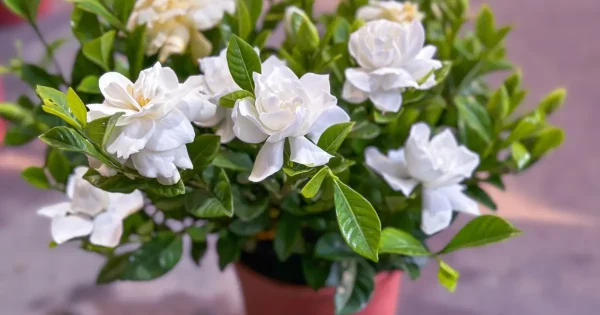
Frostproof Jasmine Care: 7 Tips for Successful Pot Growth
Most gardenias are known for being “divas.” They want perfect humidity, perfect soil, and they [...]
Mar
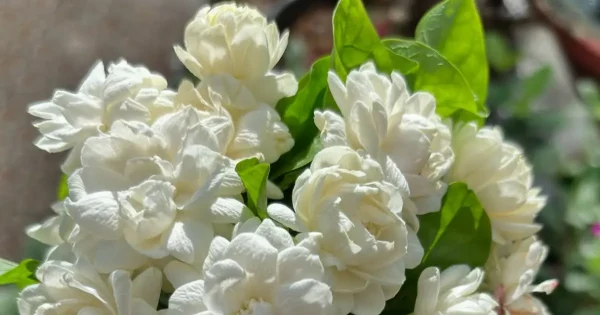
Top 7 Best Smelling Jasmine Varieties for a Heavenly Garden
Have you ever walked past a house and caught a scent so sweet you just [...]
Mar
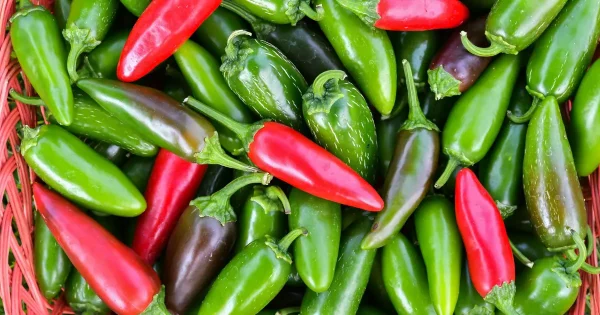
Master the Heat: 8 Expert Tips for Growing Jalapeños Like a Pro
Are you staring at your garden space, wondering why your pepper plants look more like [...]
Mar
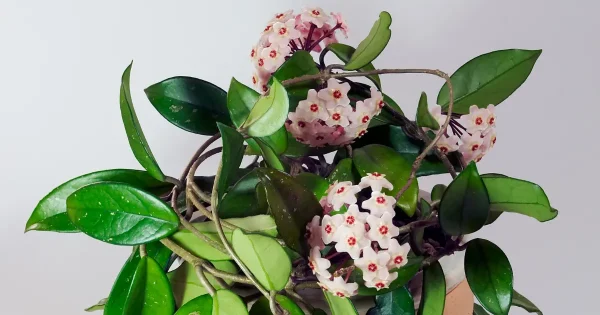
Top 5 Must-Have Hoya Varieties for Beginners
Hoyas are easily one of my top recommendations if you’re hunting for a low-maintenance houseplant [...]
Mar
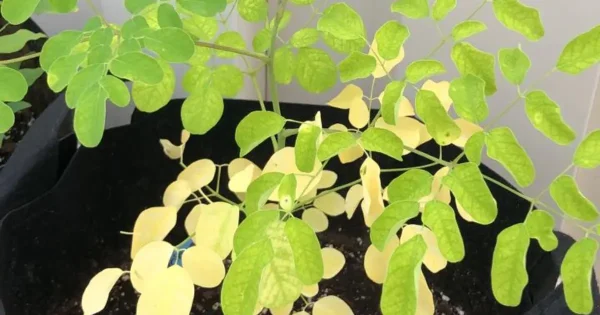
7 Moringa Plant Care Mistakes to Avoid for Healthy Growth
Have you ever looked at your Moringa tree and wondered why its once vibrant green [...]
Feb
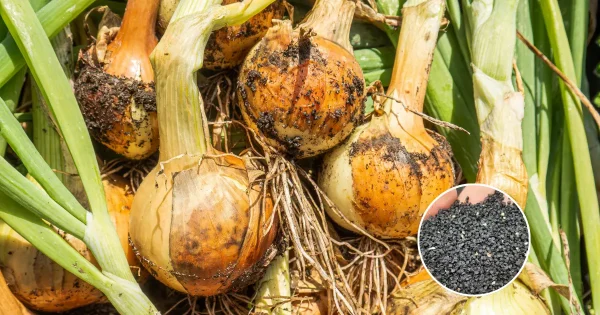
How to Grow Potato Onions From True Seeds: A Step-by-Step Guide
Have you ever wondered how to grow potato onions from true seeds or why some [...]
Feb
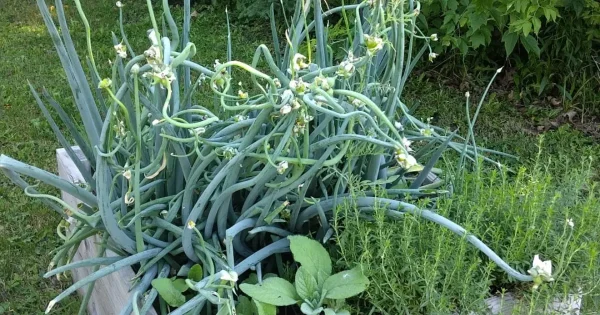
Growing Walking Onions in Containers: The Ultimate Guide
Have you ever looked at your small balcony or cramped patio and wished you could [...]
Feb

9 Best Flower Seeds to Start in February for Early Blooms
If you’re a passionate gardener, you know that itchy feeling in your fingers when February [...]
Jan


Reviews
There are no reviews yet.