
Spotted Bee Balm Seeds – Monarda punctata Wildflower, 50 Seeds, Pollinator Attractor
Original price was: $31.99.$11.99Current price is: $11.99.
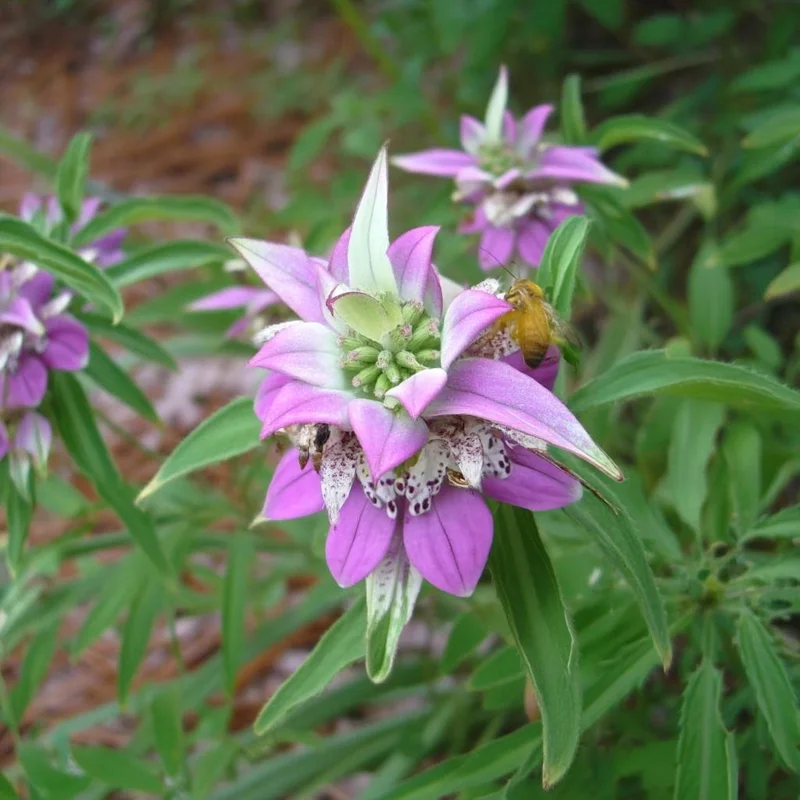
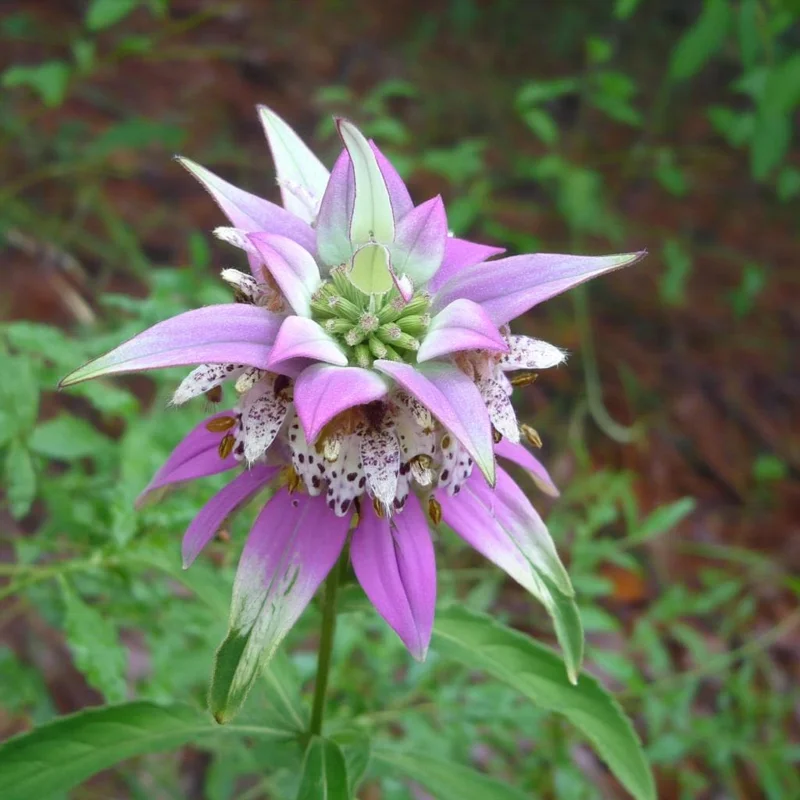
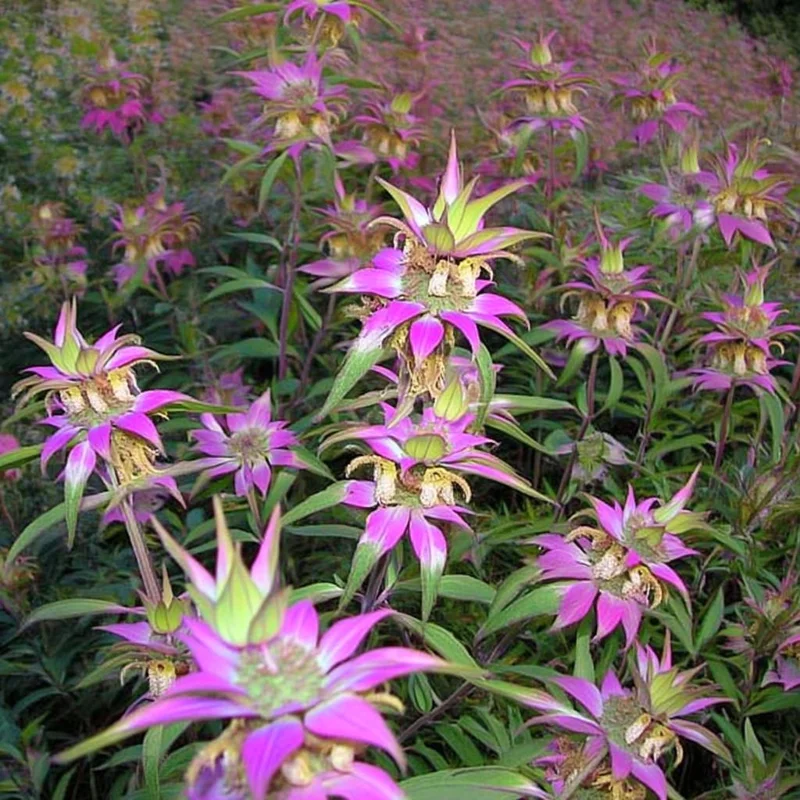
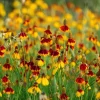
Cultivate stunning spotted bee balm seeds, also known as monarda punctata seeds. These native pollinator wildflower seeds produce tiered pink-to-purple blooms, attracting bees, butterflies, and hummingbirds. Ideal for native gardens, xeriscapes, and meadow plantings, offering unique beauty and ecological value.
Shipping and Return policies:
We stand behind our plants with our Alive & Thrive Guarantee. If you experience any issues within the first 30 days, please email us, and our team will be happy to help. When needed, we’ll send you a one-time replacement free of charge to make sure your garden keeps growing strong.

Reasonable Price
We offer reasonable price

Support 24/7
Contact us 24 hrs a day
100% Money Back
You’ve 30 days to Return
Payment Secure
100% secure payment
Overview
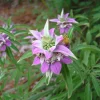
Discover the beauty and ecological value of spotted bee balm seeds (Monarda punctata), a striking native wildflower perfect for enhancing any garden. Also known as Dotted Mint or Horsemint, this plant is celebrated for its unique tiered pink-to-purple bracts and spotted tubular blooms. Growing spotted bee balm seeds allows you to cultivate a vibrant habitat that actively supports local ecosystems. These highly fragrant plants are rich in essential oils and are a magnet for bees, butterflies, and hummingbirds, making them an excellent choice for pollinator and wildlife gardens. Once established, this resilient perennial is heat- and drought-tolerant, thriving in a variety of conditions including prairies, meadows, and dry, sandy soils, adding both aesthetic appeal and significant ecological benefits to your landscape.
Our premium spotted bee balm seeds offer an opportunity to introduce a low-maintenance yet visually captivating perennial to your outdoor space. Whether you’re aiming to create a dedicated pollinator garden, a naturalized meadow, or a water-wise xeriscape, Monarda punctata is an outstanding selection. Its distinctive appearance and aromatic foliage make it a conversation starter, while its robust nature ensures it will flourish with minimal intervention. Start your journey to a more vibrant and ecologically friendly garden by planting these remarkable seeds, watching as your garden comes alive with beneficial insects.
Key Benefits
Planting spotted bee balm seeds offers a multitude of advantages for both your garden and the local environment. This versatile wildflower brings unique charm and functionality to any landscape design, making it a favorite among gardeners. Its ability to thrive in challenging conditions further enhances its appeal, providing long-lasting beauty and support for local wildlife.
- Exceptional Pollinator Attraction: The vibrant, spotted blooms of Monarda punctata are irresistible to a wide array of pollinators, including bees, butterflies, and hummingbirds. Planting these pollinator wildflower seeds helps support local biodiversity and contributes to a healthier ecosystem.
- Drought and Heat Tolerance: Once established, spotted bee balm is remarkably resilient against heat and drought. This makes it an excellent choice for water-wise gardening and for areas prone to dry spells, reducing the need for frequent irrigation.
- Native Plant Benefits: As a native plant seeds option, Monarda punctata is well-adapted to local climates and soils, requiring less intervention than non-native species. It supports native wildlife and helps maintain ecological balance.
- Unique Ornamental Value: With its distinctive tiered bracts and spotted flowers, spotted bee balm offers a unique architectural element to garden beds. The pink-to-purple hues add a lovely splash of color, enhancing visual interest throughout its blooming season.
- Aromatic Foliage: The leaves of Monarda punctata are highly fragrant, releasing a pleasant, minty aroma when brushed or crushed. This makes it a delightful addition to sensory gardens and provides a natural deterrent to some garden pests.
- Low Maintenance: This hardy perennial is relatively easy to care for, requiring minimal attention once established. It’s an ideal choice for gardeners seeking beautiful results without extensive upkeep, making it a truly drought tolerant monarda.
- Versatile Garden Use: Perfect for native gardens, xeriscapes, meadow plantings, and pollinator habitats. Its adaptability allows it to fit into various garden styles, providing beauty and ecological function.
Plant Care & Growing Tips
Growing spotted bee balm seeds is a rewarding experience, leading to a vibrant display of unique wildflowers. For optimal results, understanding its specific needs, especially regarding sun exposure and soil conditions, is crucial. This plant thrives in environments that mimic its natural habitat, making it a relatively low-maintenance addition once established.
For best results, sow spotted bee balm seeds directly outdoors in late fall or early spring. These seeds require light for germination, so lightly press them into the soil surface without covering. Maintain consistent moisture until germination occurs, which typically takes 14–21 days. If you prefer indoor sowing, start seeds 6–8 weeks before the last expected frost. Once seedlings are ready, transplant or thin them to 12–18 inches apart to ensure proper airflow and healthy growth. This spacing is vital for preventing fungal issues and allowing each plant to reach its full potential. The plant generally prefers full sun to partial shade, meaning it performs best with at least 6 hours of direct sunlight daily. While it tolerates some shade, too much will reduce flowering.
Regarding soil, spotted bee balm thrives in well-drained, sandy, or dry soil. It dislikes heavy, wet soils, which can lead to root rot. Water moderately until the plants are fully established; mature plants are highly drought-tolerant and will require minimal supplemental watering. Deadhead spent flowers to encourage a longer blooming period or allow them to go to seed for natural reseeding and to attract birds. This hardy perennial is generally resistant to pests and diseases, especially when given adequate air circulation. Fertilization is rarely necessary in rich soils, but a light application of a balanced, slow-release fertilizer in spring can benefit plants in poorer soils. Ensure your drought tolerant monarda receives adequate care for a stunning display.
Size & Details
This package contains 50 spotted bee balm seeds (Monarda punctata), offering a generous quantity to start your native wildflower garden. These pollinator wildflower seeds will grow into mature plants typically reaching a height of 1 to 3 feet (30-90 cm) and spreading 1 to 2 feet (30-60 cm) wide. The plant develops a clumping habit, forming attractive mounds of foliage topped with its distinctive tiered blooms. Expect germination within 14-21 days under ideal conditions, with flowering generally occurring in the second year after planting from seed, usually from mid-summer to early fall. The seeds are suitable for USDA hardiness zones 3-9, indicating their adaptability to a wide range of climates.
Each seed has the potential to grow into a robust perennial that provides both beauty and ecological benefits. The plant’s moderate growth rate allows for steady establishment, and once mature, it becomes a prominent feature in the landscape. These high-quality monarda punctata seeds are carefully selected to ensure viability and successful growth, helping you create a thriving habitat for local wildlife. The seeds are packaged to maintain freshness, ready for planting according to the provided instructions. Prepare for a vibrant garden full of activity with these exceptional seeds.
Frequently Asked Questions
- Q: How big does spotted bee balm get? A: Spotted bee balm typically grows to a height of 1 to 3 feet (30-90 cm) and can spread 1 to 2 feet (30-60 cm) wide, forming an attractive clump. Its size makes it suitable for various garden settings.
- Q: Is this an indoor or outdoor plant? A: Spotted bee balm (Monarda punctata) is primarily an outdoor plant, thriving in garden beds, meadows, and naturalized areas. It is not generally grown as an indoor houseplant.
- Q: How much sunlight does spotted bee balm need? A: This plant prefers full sun to partial shade. For the best flowering and plant health, aim for at least 6 hours of direct sunlight per day. It is a true drought tolerant monarda.
- Q: Is this plant easy to care for? A: Yes, once established, spotted bee balm is considered low-maintenance. It is heat and drought tolerant and generally resistant to pests and diseases, making it suitable for beginner gardeners.
- Q: What condition will the spotted bee balm seeds arrive in? A: Your spotted bee balm seeds will arrive as a packet of fresh, viable seeds, ready for planting. They are carefully packaged to ensure their quality and readiness for germination.
- Q: How long until spotted bee balm blooms from seed? A: When grown from spotted bee balm seeds, the plant typically blooms in its second year, from mid-summer to early fall. Some plants may produce a few flowers in their first year under ideal conditions.
- Q: Will spotted bee balm survive winter in my zone? A: Spotted bee balm is hardy in USDA zones 3-9, meaning it can survive winter in a wide range of climates. In colder zones, it will die back to the ground and re-emerge in spring.
- Q: Can I use monarda punctata seeds for a xeriscape garden? A: Absolutely! Monarda punctata seeds are an excellent choice for xeriscape gardens due to the plant’s high drought tolerance once established. It requires minimal water, aligning perfectly with water-wise landscaping principles.
- Q: What types of pollinators do these pollinator wildflower seeds attract? A: These pollinator wildflower seeds will grow into plants that attract a diverse range of pollinators, including various species of bees, butterflies, and hummingbirds, making your garden a lively hub of activity.
- Q: What kind of soil does spotted bee balm prefer? A: Spotted bee balm thrives in well-drained, sandy, or dry soil. It is crucial to avoid heavy, waterlogged soils to prevent root issues and ensure healthy growth of this native plant seeds variety.
Be the first to review “Spotted Bee Balm Seeds – Monarda punctata Wildflower, 50 Seeds, Pollinator Attractor”
You must be logged in to post a review.
People also Viewed
Sold 50 products
Original price was: $36.99.$16.99Current price is: $16.99.
Sold 50 products
Original price was: $31.99.$11.99Current price is: $11.99.
Sold 50 products
Original price was: $35.99.$15.99Current price is: $15.99.
Sold 50 products
Original price was: $31.99.$11.99Current price is: $11.99.
Sold 50 products
Original price was: $35.99.$15.99Current price is: $15.99.
Sold 50 products
Original price was: $31.99.$11.99Current price is: $11.99.
Sold 50 products
Original price was: $34.99.$14.99Current price is: $14.99.
Sold 50 products
Original price was: $31.99.$11.99Current price is: $11.99.RELATED posts
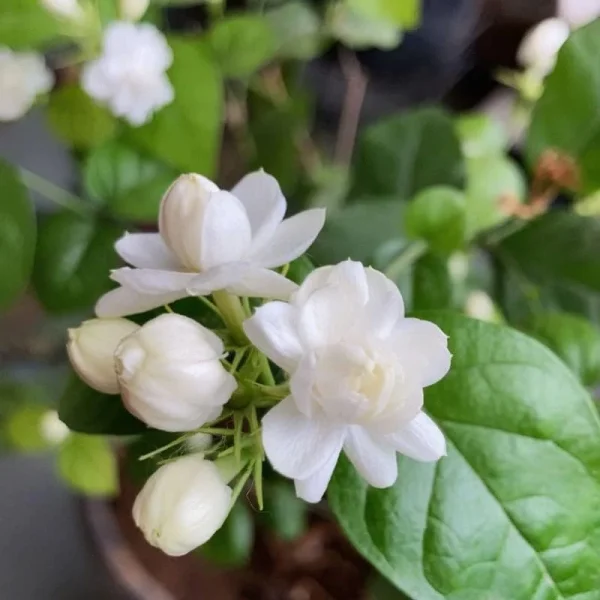
How to Grow Arabian Jasmine: A Complete Care Guide
If you’ve ever dreamed of a garden that smells like a tropical paradise, Jasminum sambac [...]
Apr
How to Grow Jalapeño Peppers From Seeds: A Step-by-Step Guide
Ready to spice things up in your garden? Jalapeños are the true life of the [...]
Apr
Top 12 Best Types of Peppers to Grow in Your Garden: Easy and High Yield
Growing peppers is, quite honestly, one of the biggest “wins” you can have in a [...]
Apr
Frostproof Jasmine Care: 7 Tips for Successful Pot Growth
Most gardenias are known for being “divas.” They want perfect humidity, perfect soil, and they [...]
Mar
Top 7 Best Smelling Jasmine Varieties for a Heavenly Garden
Have you ever walked past a house and caught a scent so sweet you just [...]
Mar
Master the Heat: 8 Expert Tips for Growing Jalapeños Like a Pro
Are you staring at your garden space, wondering why your pepper plants look more like [...]
Mar
Top 5 Must-Have Hoya Varieties for Beginners
Hoyas are easily one of my top recommendations if you’re hunting for a low-maintenance houseplant [...]
Mar
7 Moringa Plant Care Mistakes to Avoid for Healthy Growth
Have you ever looked at your Moringa tree and wondered why its once vibrant green [...]
Feb
Reviews
There are no reviews yet.