
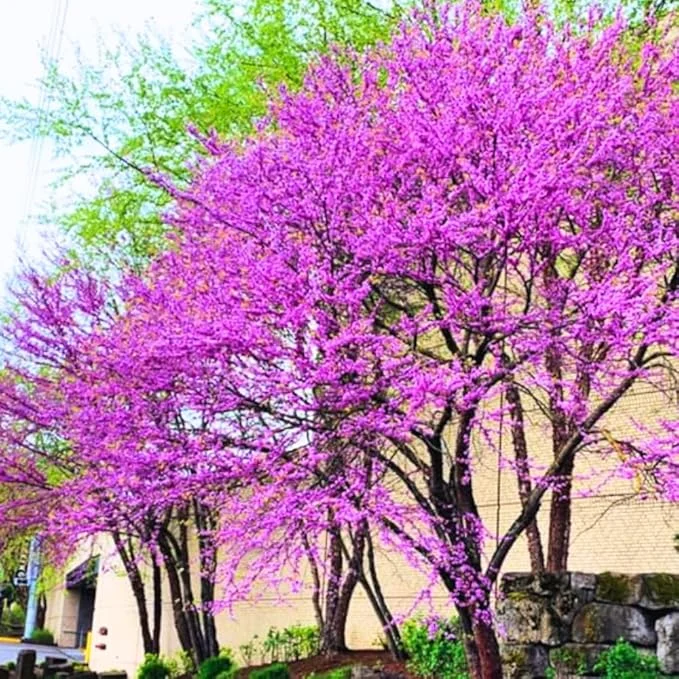
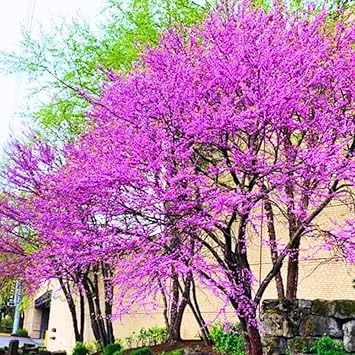
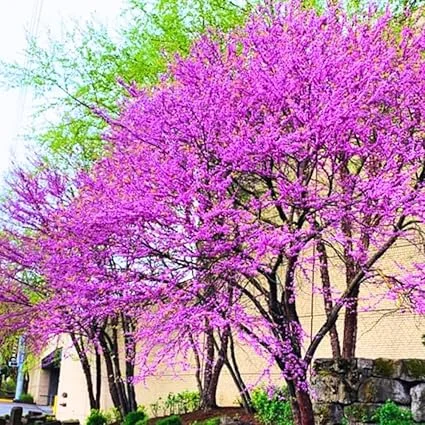
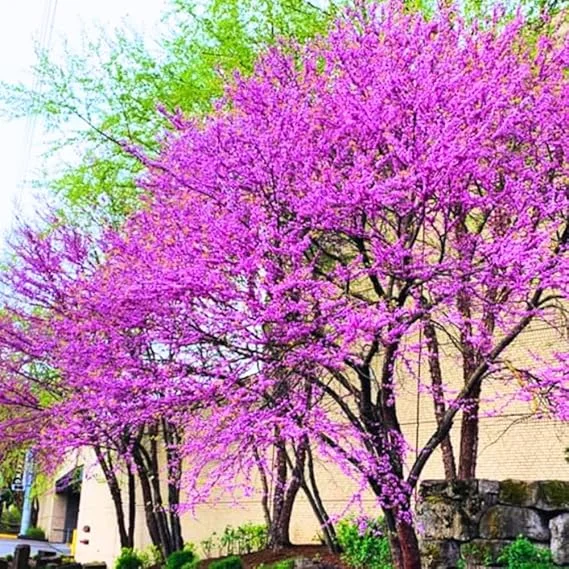
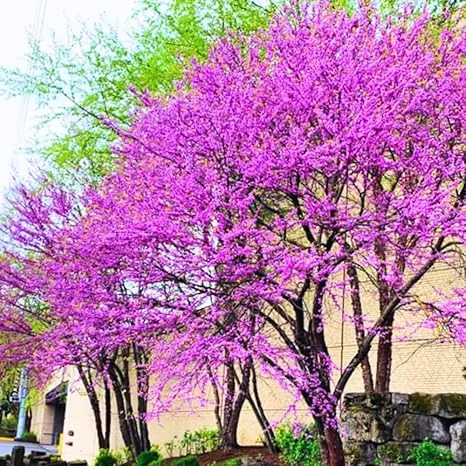
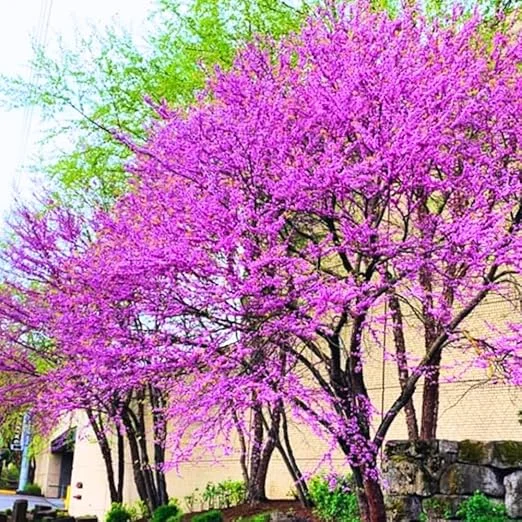
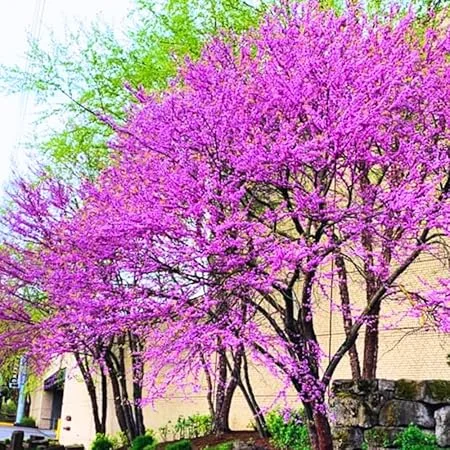
Set of 5 Redbud Trees Live Plants, 1-2 Ft Tall Dormant Bare Root, Outdoor Flowering
Original price was: $29.98.$16.99Current price is: $16.99.
Bring vibrant early-spring color to your garden with this set of redbud trees live plants. This bundle includes five 1-2 ft tall dormant bare root seedlings, perfect for easy establishment outdoors. Enjoy stunning pink-purple blossoms and a cold-hardy, adaptable tree.
Shipping and Return policies:
We stand behind our plants with our Alive & Thrive Guarantee. If you experience any issues within the first 30 days, please email us, and our team will be happy to help. When needed, we’ll send you a one-time replacement free of charge to make sure your garden keeps growing strong.

Reasonable Price
We offer reasonable price

Support 24/7
Contact us 24 hrs a day
100% Money Back
You’ve 30 days to Return
Payment Secure
100% secure payment
Overview
Transform your outdoor space into a haven of vibrant color with this exquisite set of redbud trees live plants. These young trees, provided as dormant bare root seedlings, are an excellent choice for gardeners looking to establish beautiful, hardy flowering trees with ease. Each set contains five individual redbud seedlings, each standing between 1 to 2 feet tall, making them ideal for planting and establishing in various landscape settings. The redbud is renowned for its breathtaking display of pink-purple blossoms that emerge in early spring, often before the leaves appear, offering a spectacular show that signals the arrival of warmer weather. These redbud bare root plants are specifically cultivated to thrive and bring joy to your garden for years to come.
The eastern redbud, scientifically known as Cercis canadensis, is a cherished deciduous tree native to eastern North America. It’s admired not only for its stunning floral display but also for its distinctive heart-shaped leaves and attractive bark. This particular offering focuses on providing robust, ready-to-plant specimens that will quickly integrate into your garden. Planting dormant bare root trees is an economical and effective way to grow trees, as they typically establish roots faster once planted in suitable conditions. Whether you’re a seasoned gardener or just starting, these flowering redbud trees offer a rewarding planting experience and a spectacular visual return.
Key Benefits
Investing in these redbud trees provides numerous advantages for your landscape and brings natural beauty right to your doorstep. These benefits extend beyond just aesthetics, offering ecological value and ease of care for a truly fulfilling gardening experience. These redbud trees live plants are an excellent choice for a variety of outdoor settings.
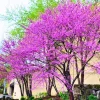
- Stunning Early Spring Blooms: Enjoy a magnificent display of vibrant pink-purple flowers that emerge in early spring, often before the tree leafs out. These striking blossoms create a focal point in any garden, providing a much-needed splash of color after winter.
- Cold Hardy & Adaptable: These eastern redbud trees are incredibly resilient, thriving in USDA Zones 4–9. They can tolerate a wide range of soil types and weather conditions, making them a reliable choice for diverse climates and garden environments.
- Easy to Plant & Establish: Supplied as dormant bare root seedlings, these trees are designed for straightforward planting. This method promotes quick establishment and vigorous growth once planted, ensuring your garden gets off to a strong start.
- Attractive Landscape Addition: With their unique heart-shaped leaves and graceful form, eastern redbud tree specimens add year-round interest to garden beds, yards, and landscape borders. They provide visual appeal even when not in bloom.
- Supports Local Wildlife: The flowers serve as an early nectar source for pollinators like bees, and the tree can provide shelter and food for birds, contributing to local biodiversity.
- Moderate Size for Various Spaces: As a small to medium-sized deciduous tree, the redbud is versatile enough for various garden sizes, from spacious yards to more compact urban landscapes.
- Low Maintenance Once Established: Once these hardy redbud tree plants are established, they require minimal care, making them a perfect choice for gardeners seeking beauty without excessive upkeep.
Plant Care & Growing Tips
Proper care is essential to ensure your redbud trees live plants establish well and flourish into beautiful flowering specimens. These dormant bare root trees require specific attention during and immediately after planting to encourage healthy growth and a strong root system. When your bare root redbud trees arrive, it’s best to plant them as soon as possible. If immediate planting isn’t feasible, keep the roots moist by wrapping them in damp newspaper or peat moss and store them in a cool, dark place, such as a garage or basement, for no more than a few days.
For optimal growth, choose a planting site that receives full sun to partial shade, meaning at least 6 hours of direct sunlight per day. While the eastern redbud tree can tolerate some shade, more sun generally leads to more prolific flowering. Dig a hole that is wider than the spread of the roots and deep enough so that the crown of the tree (where the roots meet the stem) is level with the ground. Gently spread the roots out in the hole. Backfill with well-draining soil, ensuring there are no air pockets around the roots. Water thoroughly after planting to settle the soil around the roots. Regular watering is crucial during the first growing season to help the tree establish, especially during dry spells. Aim for consistently moist, but not waterlogged, soil.
The redbud bare root trees thrive in a variety of soil types, but prefer moist, well-draining soil with a neutral to slightly alkaline pH. Avoid heavy, compacted clay soils that retain too much water, as this can lead to root rot. Fertilization is generally not necessary during the first year if the soil is adequately prepared. In subsequent years, a balanced, slow-release fertilizer can be applied in early spring before new growth begins. Pruning should be minimal, primarily for removing dead, damaged, or crossing branches. The natural shape of the flowering redbud is quite attractive, so extensive shaping is rarely needed. These trees are hardy in USDA Zones 4-9, making them resilient to a wide range of winter temperatures. Protect young trees from extreme cold or strong winds in their first few winters if you are at the colder end of their hardiness range.
Size & Details
This offering includes a set of five redbud trees live plants, each arriving as a dormant bare root seedling. These young trees typically measure between 1 to 2 feet tall upon delivery, providing a perfect starting size for easy planting and establishment. As bare root specimens, they are shipped without soil around their roots, minimizing shipping weight and stress, and allowing for a more direct interaction with the garden soil upon planting. The dormant state ensures they are ready to burst into growth once planted in favorable conditions.
Once established, the eastern redbud tree is known for its moderate growth rate, eventually reaching a height of 20-30 feet with a similar spread, forming a beautiful, rounded canopy. The trees will begin to produce their characteristic pink-purple blossoms in early spring, typically within a few years of planting, with the display becoming more abundant as the tree matures. Their adaptability to various soil types and cold hardiness (USDA Zones 4-9) makes them a versatile choice for many landscapes. Expect these hardy redbud tree plants to develop into stunning features in your yard, providing seasonal interest and ecological benefits.
Frequently Asked Questions
- Q: How big do these redbud trees get? A: These redbud trees live plants are shipped as 1-2 ft tall dormant bare root seedlings. Once mature, the eastern redbud can reach a height of 20-30 feet with a similar spread, forming a beautiful, rounded canopy.
- Q: Are these indoor or outdoor plants? A: These are outdoor plants, specifically suited for landscaping in gardens, yards, and borders. They are not intended for indoor cultivation.
- Q: How much sunlight does a redbud tree need? A: Redbud trees thrive in full sun to partial shade. This means they require at least 6 hours of direct sunlight per day for optimal growth and flowering.
- Q: Is this plant easy to care for? A: Yes, these redbud bare root trees are relatively easy to care for once established. They require consistent watering during the first growing season but become quite low-maintenance afterward.
- Q: What condition will the trees arrive in? A: Your trees will arrive as dormant bare root seedlings, measuring 1-2 feet tall. This means they will not have leaves or soil around their roots, which is normal for bare root stock.
- Q: When is the best time to plant these redbud trees? A: The best time to plant dormant bare root redbud trees is in late winter or early spring, before they break dormancy and begin to leaf out. This allows them to establish their root system before the stress of summer heat.
- Q: Will it survive winter in my zone? A: These hardy redbud tree plants are cold hardy and thrive in USDA Zones 4-9, tolerating a wide range of winter temperatures within these zones.
- Q: What kind of soil is best for redbud trees? A: Redbud trees prefer moist, well-draining soil. They can tolerate various soil types but avoid heavy, waterlogged clay.
- Q: How long until these redbud trees bloom? A: While they are young, these flowering redbud trees typically begin to produce their characteristic pink-purple blossoms within a few years of planting, with the display becoming more abundant as the tree matures.
- Q: Can these trees be planted in containers? A: While young trees can be temporarily grown in large containers, redbud trees are best suited for permanent planting in the ground where their root systems can fully develop and support their mature size.
Be the first to review “Set of 5 Redbud Trees Live Plants, 1-2 Ft Tall Dormant Bare Root, Outdoor Flowering”
You must be logged in to post a review.
People also Viewed
Sold 50 products
Original price was: $28.58.$19.99Current price is: $19.99.
Sold 50 products
$32.39
Sold 50 products
$21.59
Sold 50 products
$35.99
Sold 50 products
Price range: $23.15 through $25.19
Sold 50 products
$38.39
Sold 50 products
Price range: $28.79 through $35.99
Sold 50 products
$26.39RELATED posts
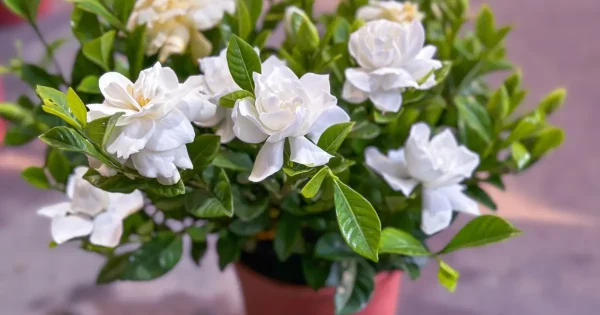
Frostproof Jasmine Care: 7 Tips for Successful Pot Growth
Most gardenias are known for being “divas.” They want perfect humidity, perfect soil, and they [...]
Mar
Top 7 Best Smelling Jasmine Varieties for a Heavenly Garden
Have you ever walked past a house and caught a scent so sweet you just [...]
Mar
Master the Heat: 8 Expert Tips for Growing Jalapeños Like a Pro
Are you staring at your garden space, wondering why your pepper plants look more like [...]
Mar
Top 5 Must-Have Hoya Varieties for Beginners
Hoyas are easily one of my top recommendations if you’re hunting for a low-maintenance houseplant [...]
Mar
7 Moringa Plant Care Mistakes to Avoid for Healthy Growth
Have you ever looked at your Moringa tree and wondered why its once vibrant green [...]
Feb
How to Grow Potato Onions From True Seeds: A Step-by-Step Guide
Have you ever wondered how to grow potato onions from true seeds or why some [...]
Feb
Growing Walking Onions in Containers: The Ultimate Guide
Have you ever looked at your small balcony or cramped patio and wished you could [...]
Feb
9 Best Flower Seeds to Start in February for Early Blooms
If you’re a passionate gardener, you know that itchy feeling in your fingers when February [...]
Jan
Reviews
There are no reviews yet.