
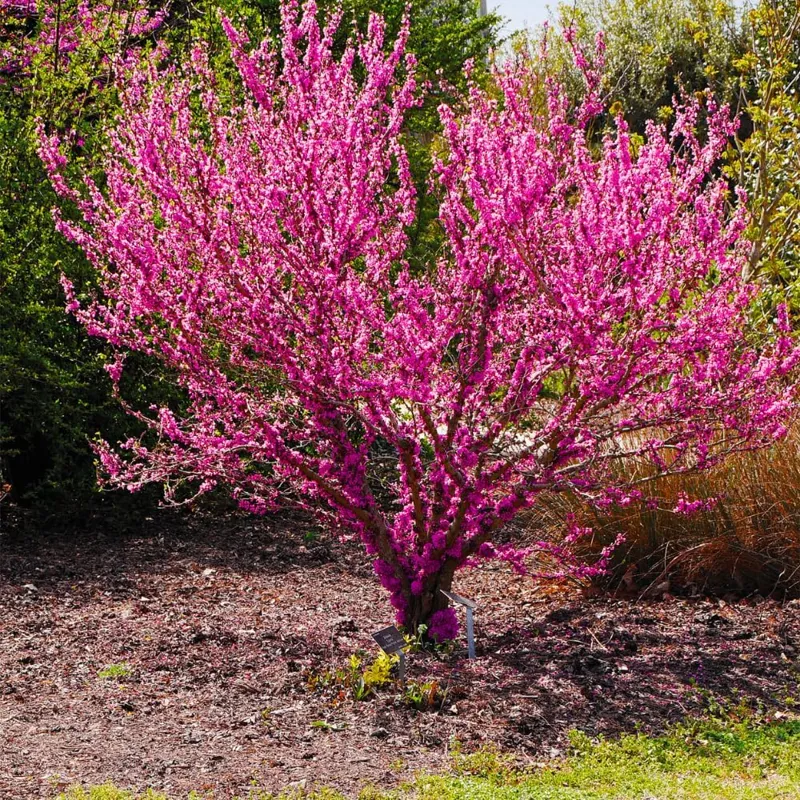
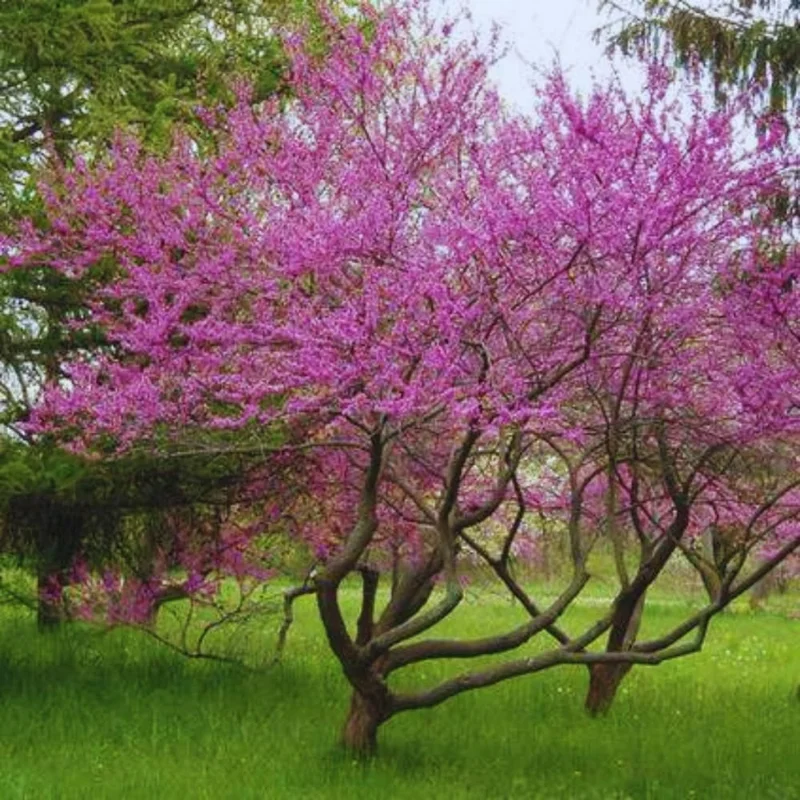
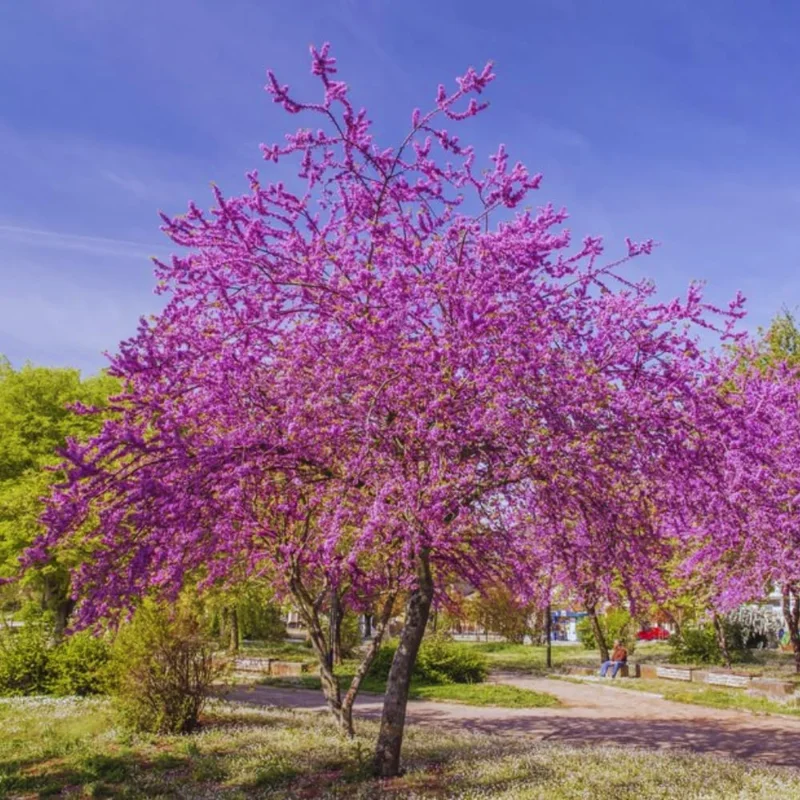
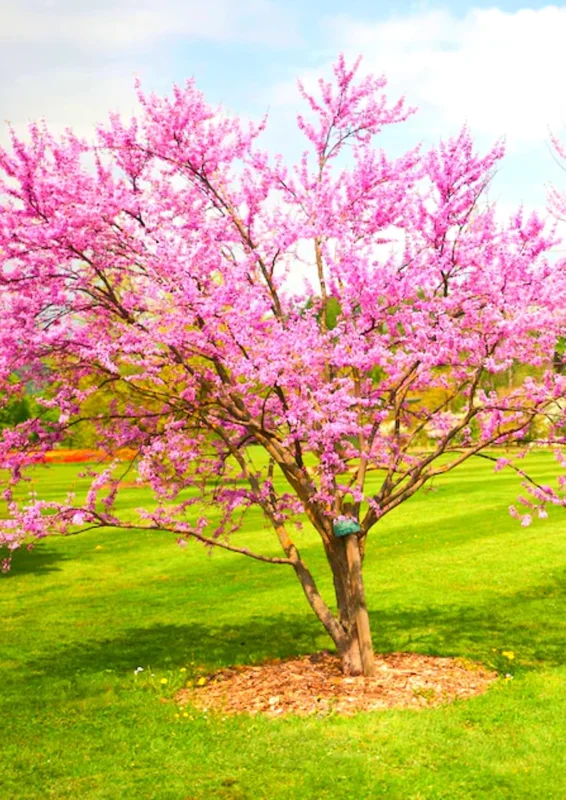
Set of 5 Eastern Redbud Trees Live Plants Bare Roots – 12-24 Inches Tall, Dormant American Red Bud Tree
Original price was: $39.98.$35.98Current price is: $35.98.
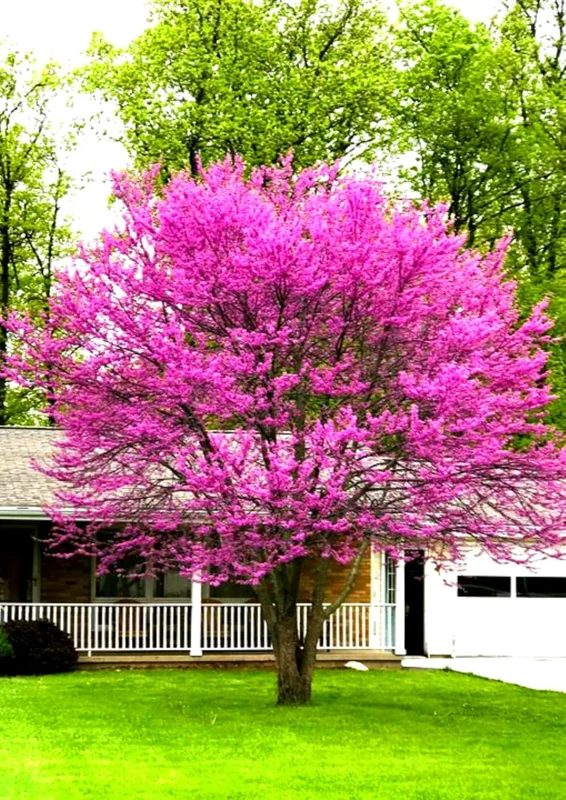
Bring vibrant color to your garden with this set of 5 eastern redbud live plants. These bare root trees, 12-24 inches tall, are perfect for creating stunning spring displays with their unique pink-purple flowers. Hardy and easy to grow, they are an excellent choice for any landscape.
Shipping and Return policies:
We stand behind our plants with our Alive & Thrive Guarantee. If you experience any issues within the first 30 days, please email us, and our team will be happy to help. When needed, we’ll send you a one-time replacement free of charge to make sure your garden keeps growing strong.

Reasonable Price
We offer reasonable price

Support 24/7
Contact us 24 hrs a day
100% Money Back
You’ve 30 days to Return
Payment Secure
100% secure payment
Overview
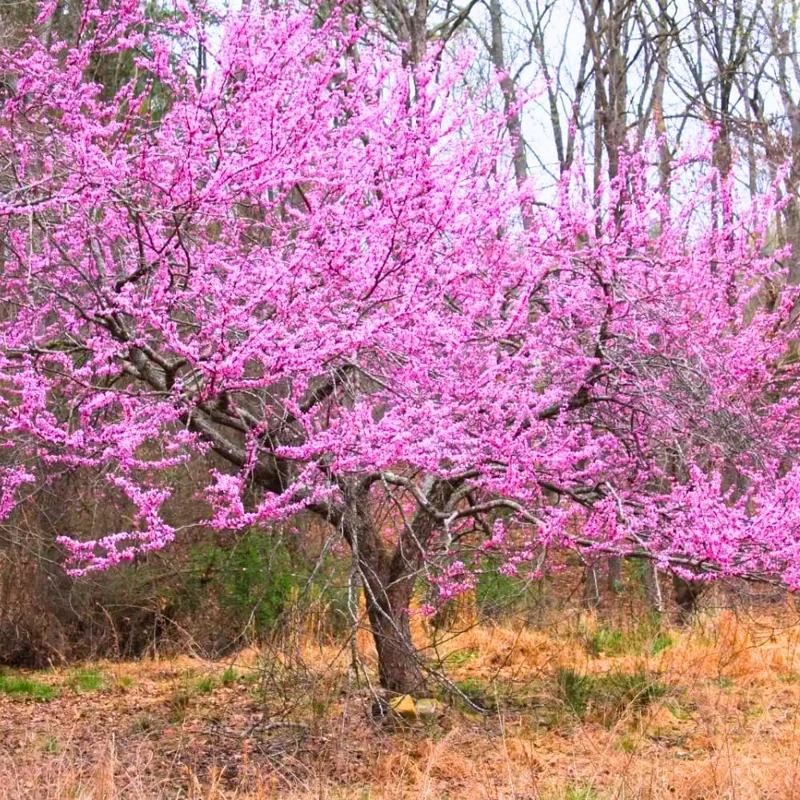
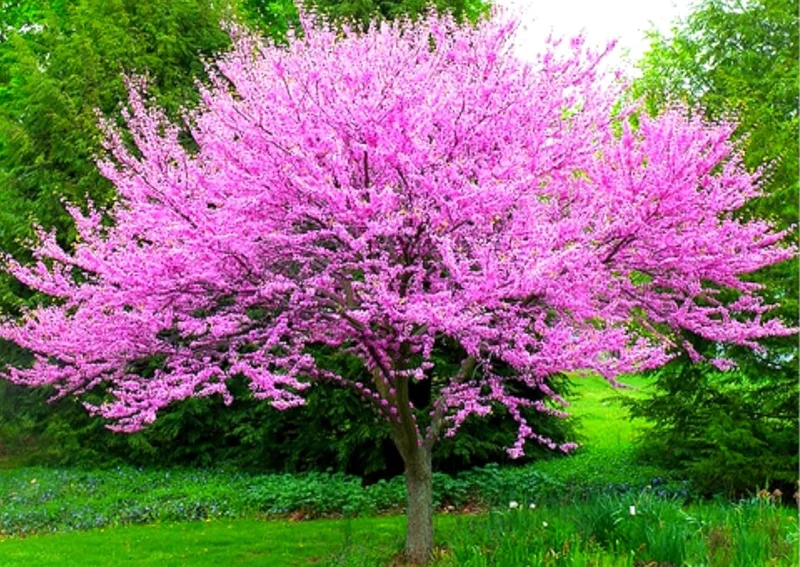
Introduce a touch of natural elegance to your outdoor space with this exquisite set of 5 eastern redbud live plants. Scientifically known as Cercis canadensis, the american redbud tree is celebrated for its breathtaking display of pink-purple flowers that emerge in early spring, often before the leaves unfurl. These bare root plants, typically 12-24 inches tall upon arrival, are in a dormant state, ready to be planted and establish themselves in your garden. The Eastern Redbud is a versatile and beloved deciduous tree or large shrub, making it a fantastic choice for a variety of landscape designs, from accent planting to naturalized areas. Its heart-shaped leaves add to its charm, providing visual interest throughout the growing season.
The eastern redbud live plants are known for their adaptability and moderate growth rate, reaching a medium height of 7 to 10 feet within 5 to 6 years, and eventually maturing to 20-30 feet tall with a similar spread. This makes them suitable for smaller gardens where a full-sized shade tree might be too large, as well as larger properties seeking ornamental beauty. Their early spring blooms provide a crucial nectar source for early pollinators, contributing positively to local ecosystems. Planting these cercis canadensis bare root specimens is a rewarding experience, offering years of beauty and a striking focal point in your yard.
Key Benefits
Investing in eastern redbud live plants offers numerous advantages for any gardening enthusiast or homeowner looking to enhance their outdoor environment. These trees are not only visually appealing but also contribute to the ecological balance of your garden.
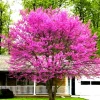
- Stunning Spring Blooms: Enjoy a spectacular show of vibrant pink-purple flowers that cover the branches in early spring, making the american redbud tree a true herald of the season. These unique pea-like blossoms are a delight to behold.
- Attractive Foliage: Following the floral display, the tree develops beautiful heart-shaped leaves that turn an attractive yellow in the fall, providing multi-season interest. This foliage adds texture and color to your landscape.
- Wildlife Attractor: The early spring flowers are an important food source for bees and other pollinators, supporting local biodiversity. Birds are also attracted to the tree for nesting and shelter.
- Adaptable & Hardy: The Eastern Redbud is remarkably adaptable to a range of soil types and environmental conditions, thriving in USDA Hardiness Zones 4 to 9. This resilience makes for a reliable addition to many landscapes.
- Moderate Growth Rate: These trees grow at a moderate pace, allowing you to enjoy their beauty without an excessively long wait, typically reaching a noticeable size within a few years.
- Versatile Landscape Use: Perfect as a specimen tree, in groupings, along borders, or as an understory tree, the eastern redbud live plants fit seamlessly into various garden designs.
- Low Maintenance: Once established, the redbud tree care requirements are relatively low, making it an excellent choice for both experienced and novice gardeners.
Plant Care & Growing Tips
Proper care is essential to ensure your eastern redbud live plants thrive and develop into magnificent specimens. These trees are generally hardy, but a good start will lead to stronger growth and more abundant blooms. The Eastern Redbud prefers a site with full sun to partial shade. For the most prolific flowering, aim for at least 6 hours of direct sunlight per day. While it can tolerate some shade, too much shade may reduce flowering and lead to a more open growth habit. When planting, ensure the site has well-draining soil. Redbuds are adaptable to various soil types, including clay, loam, and sand, but they do not tolerate consistently wet or waterlogged conditions.
Watering is crucial during the establishment period. For the first year after planting, keep the soil consistently moist but not soggy. A good rule of thumb is to water deeply once or twice a week, or more frequently during hot, dry spells. Once established, the american redbud tree is moderately drought-tolerant, but supplemental watering during prolonged dry periods will benefit its health and vigor. Fertilization is generally not necessary in rich garden soils. If your soil is poor, a balanced, slow-release fertilizer can be applied in early spring before new growth begins. Avoid over-fertilizing, as this can lead to excessive leafy growth at the expense of flowers.
The redbud tree care routine also includes minimal pruning, primarily to remove dead, damaged, or crossing branches. The best time to prune is in late winter or early spring before new growth starts. Avoid heavy pruning, as Redbuds are susceptible to cankers, especially after large cuts. The Eastern Redbud is hardy in USDA Zones 4 to 9, meaning it can withstand winter temperatures down to -30°F (-34°C). Protecting young trees from harsh winter winds and providing a layer of mulch around the base can help them establish successfully. Watch out for common issues like leaf spot or cankers, and address them promptly to maintain the health of your beautiful deciduous ornamental tree.
Size & Details
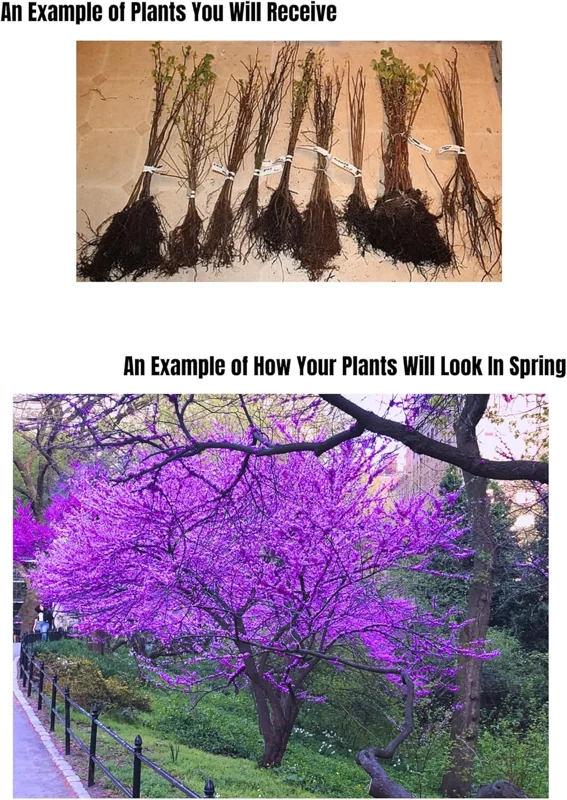
This offering includes a set of 5 eastern redbud live plants, provided as bare roots. Each plant measures approximately 12-24 inches in height at the time of shipment, representing a healthy, dormant specimen ready for planting. Bare root plants are an economical and effective way to establish new trees, as they typically have a robust root system and adapt quickly once planted. The Eastern Redbud is a medium-sized deciduous tree, ultimately reaching an expected height of 20-30 feet with a similar spread. Its growth rate is moderate, often adding 12-24 inches of height per year under ideal conditions.
The trees will be shipped dormant, which is the optimal time for planting to minimize transplant shock and encourage strong root development. You can expect to see the charming pink-purple blooms appear in early spring, typically within the first few years after planting, as the tree establishes itself. The full, mature height and spread will be achieved over 10-20 years, providing a long-lasting and beautiful addition to your garden. These cercis canadensis bare root specimens are an excellent foundation for creating a vibrant and ecologically friendly landscape.
Frequently Asked Questions
- Q: How big do these Eastern Redbud trees get? A: These eastern redbud live plants are shipped as 12-24 inch bare root specimens. When mature, an american redbud tree typically reaches a height of 20-30 feet with a similar spread, making it a medium-sized ornamental tree.
- Q: Is this an indoor or outdoor plant? A: The eastern redbud live plants are intended for outdoor planting. They are deciduous trees that require a period of dormancy in cold weather and thrive in garden settings, not indoors.
- Q: How much sunlight does the Eastern Redbud need? A: For optimal growth and flowering, these trees prefer full sun exposure, meaning at least 6 hours of direct sunlight daily. They can tolerate partial shade, but flowering may be less abundant.
- Q: Is this plant easy to care for? Is it good for beginners? A: Yes, the redbud tree care is relatively straightforward once established, making it a good choice for beginners. They are adaptable and require minimal pruning, primarily for shaping or removing dead wood.
- Q: What condition will the bare root plants arrive in? A: Your cercis canadensis bare root plants will arrive in a dormant state, which is normal and healthy for bare root trees. They will have no leaves and appear to be sticks, but their root systems are robust and ready for planting.
- Q: How long until it blooms? When is the best time to plant? A: Eastern Redbuds typically start blooming within 1-3 years after planting, once established. The best time to plant bare root trees is in early spring or late fall when the tree is dormant.
- Q: Will it survive winter in my zone? What’s the minimum temperature? A: The eastern redbud live plants are hardy in USDA Zones 4 to 9, meaning they can tolerate winter temperatures as low as -30°F (-34°C). They are well-suited for a wide range of climates across the United States.
- Q: What type of soil does the Eastern Redbud prefer? A: These trees are adaptable but prefer well-draining soil. They can grow in various soil types, including sandy, loamy, or clay soils, as long as they are not waterlogged.
- Q: How quickly do these trees grow? A: The Eastern Redbud has a moderate growth rate, typically adding 1 to 2 feet of height per year. You can expect them to reach a significant size within 5-10 years.
- Q: Are these trees deer resistant? A: While no plant is entirely deer-proof, Eastern Redbuds are generally considered to be moderately deer resistant. Young trees may require protection in areas with high deer populations.
Be the first to review “Set of 5 Eastern Redbud Trees Live Plants Bare Roots – 12-24 Inches Tall, Dormant American Red Bud Tree”
You must be logged in to post a review.
People also Viewed
Sold 50 products
Original price was: $17.58.$11.86Current price is: $11.86.
Sold 50 products
Price range: $32.99 through $35.99
Sold 50 products
$69.99
Sold 50 products
$18.99
Sold 50 products
Price range: $14.98 through $23.89
Sold 50 products
$32.99
Sold 50 products
$24.99
Sold 50 products
Price range: $43.99 through $44.99RELATED posts
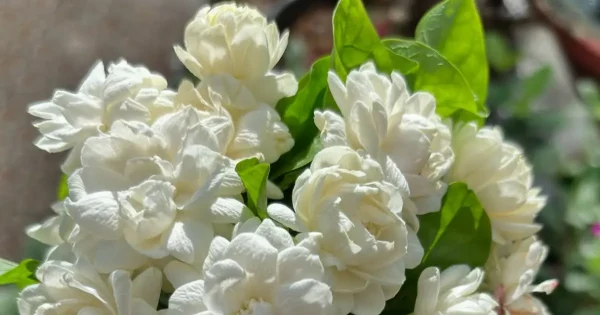
Top 7 Best Smelling Jasmine Varieties for a Heavenly Garden
Have you ever walked past a house and caught a scent so sweet you just [...]
Mar
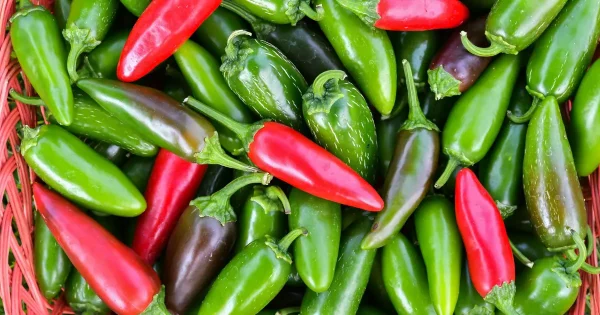
Master the Heat: 8 Expert Tips for Growing Jalapeños Like a Pro
Are you staring at your garden space, wondering why your pepper plants look more like [...]
Mar
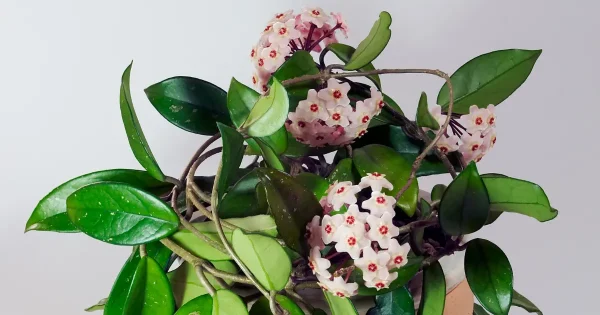
Top 5 Must-Have Hoya Varieties for Beginners
Hoyas are easily one of my top recommendations if you’re hunting for a low-maintenance houseplant [...]
Mar
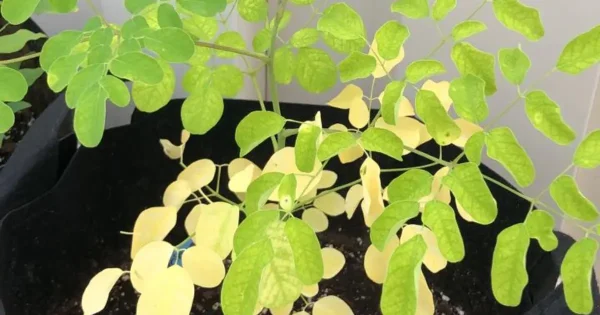
7 Moringa Plant Care Mistakes to Avoid for Healthy Growth
Have you ever looked at your Moringa tree and wondered why its once vibrant green [...]
Feb
How to Grow Potato Onions From True Seeds: A Step-by-Step Guide
Have you ever wondered how to grow potato onions from true seeds or why some [...]
Feb
Growing Walking Onions in Containers: The Ultimate Guide
Have you ever looked at your small balcony or cramped patio and wished you could [...]
Feb

9 Best Flower Seeds to Start in February for Early Blooms
If you’re a passionate gardener, you know that itchy feeling in your fingers when February [...]
Jan
Growing Shampoo Ginger in Pots: Easy Guide to Potting Ginger Lilies
Are you looking to add a touch of exotic beauty to your home while growing [...]
Jan
Reviews
There are no reviews yet.