

Scarlet Runner Bean Seeds – 15 Seeds – Vibrant Red Flowers & Edible Beans
Original price was: $32.99.$12.99Current price is: $12.99.
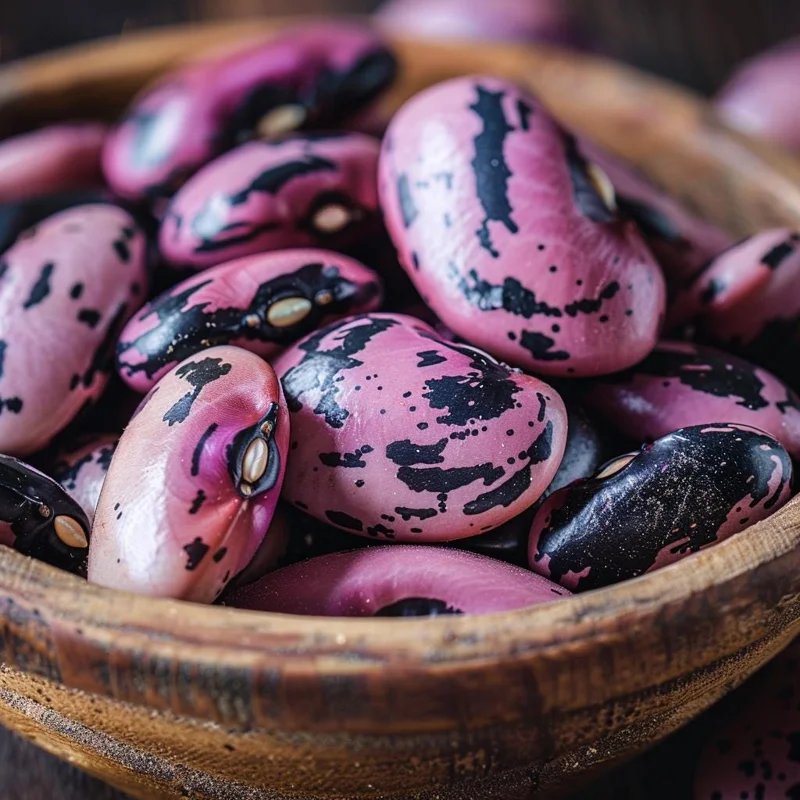
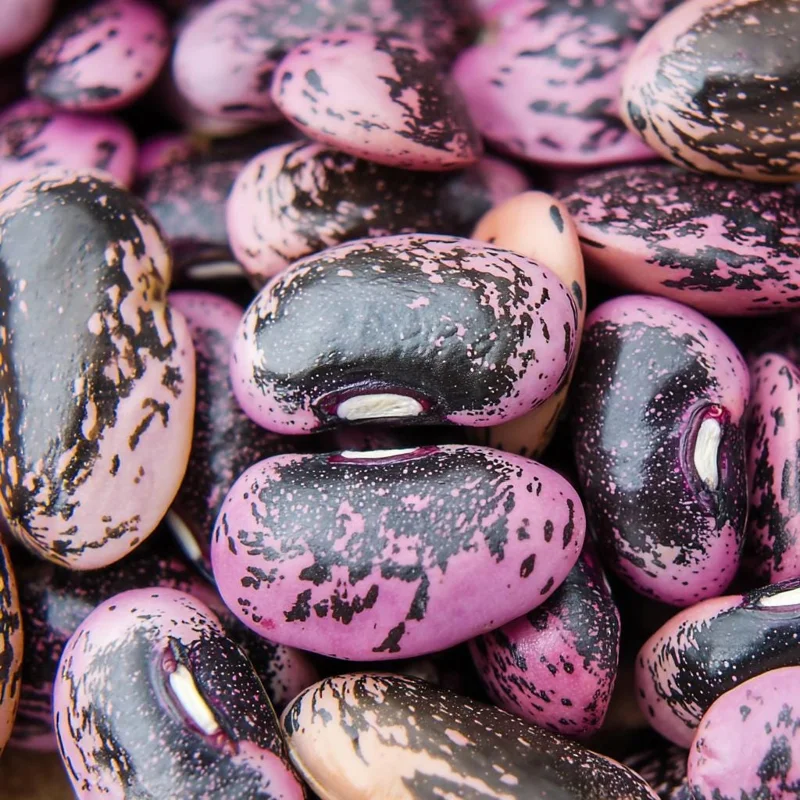
Cultivate your garden with scarlet runner bean seeds, a classic heirloom variety offering both striking beauty and delicious, edible beans. These vigorous climbing vines produce vibrant red flowers that attract pollinators and nutrient-rich beans for fresh or dried use. Ideal for vertical gardening, adding color and bounty to your outdoor space.
Shipping and Return policies:
We stand behind our plants with our Alive & Thrive Guarantee. If you experience any issues within the first 30 days, please email us, and our team will be happy to help. When needed, we’ll send you a one-time replacement free of charge to make sure your garden keeps growing strong.

Reasonable Price
We offer reasonable price

Support 24/7
Contact us 24 hrs a day
100% Money Back
You’ve 30 days to Return
Payment Secure
100% secure payment
Overview
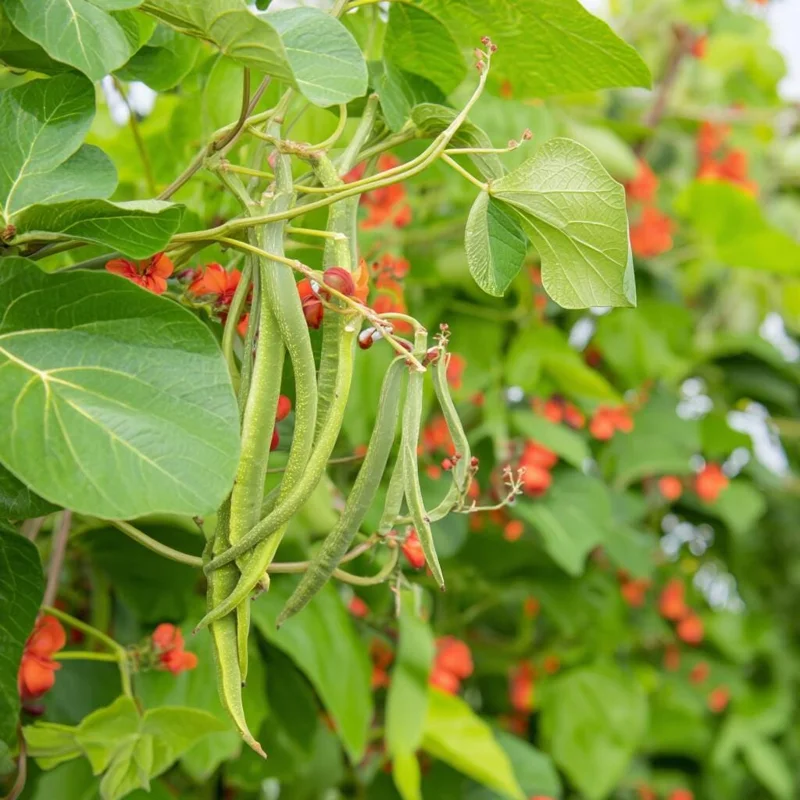
Introduce a touch of vibrant color and a bounty of delicious produce to your garden with scarlet runner bean seeds. These remarkable heirloom beans, scientifically known as Phaseolus coccineus, are celebrated for their dual appeal: stunning, bright red flowers and excellent, edible beans. A vigorous climbing vine, the scarlet runner bean seeds will quickly establish themselves, creating a lush green curtain adorned with brilliant blossoms. Perfect for trellises, fences, or other vertical supports, these plants not only provide visual interest but also yield a generous harvest. Whether you’re an experienced gardener or just starting, these versatile beans offer both ornamental charm and culinary delight, making them a fantastic addition to any garden space.
The scarlet runner bean seeds are an excellent choice for gardeners looking for plants that are both beautiful and productive. Their striking red flowers are a magnet for hummingbirds and other pollinators, adding life and movement to your garden. The beans themselves can be enjoyed fresh when young and tender, or allowed to mature and dry for use in a variety of hearty dishes. This adaptability ensures that you get the most out of every planting, providing fresh ingredients throughout the growing season and beyond.
Key Benefits
Planting scarlet runner bean seeds offers a multitude of advantages for both the aesthetic appeal and productivity of your garden. These robust vines provide significant benefits that make them a standout choice:
- Striking Ornamental Value: The vibrant, fiery red flowers are incredibly showy, adding a dramatic splash of color to your garden. They create a beautiful vertical display that can transform plain fences or trellises into living works of art.
- Abundant Edible Harvest: Enjoy a continuous supply of delicious beans throughout the growing season. The pods can be picked young for fresh, tender snap beans, or allowed to mature for dried shelling beans, offering culinary flexibility.
- Attracts Pollinators: The bright red blossoms are highly attractive to hummingbirds, bees, and other beneficial pollinators, contributing to the biodiversity and health of your garden ecosystem.
- Vigorous Climbing Growth: These strong vines can reach heights of up to 10 feet, making them perfect for maximizing space in smaller gardens or creating natural privacy screens. They quickly cover vertical structures with lush foliage.
- Versatile Culinary Use: The beans from scarlet runner bean seeds are renowned for their sweet, nutty flavor. They can be steamed, boiled, stir-fried, or added to soups and stews, providing a nutritious and delicious ingredient for many meals.
- Low Maintenance & Drought Tolerant: Once established, these plants are relatively easy to care for and exhibit good drought tolerance, making them an excellent choice for busy gardeners seeking rewarding yet undemanding crops.
- Heirloom Variety: As an heirloom variety, growing scarlet runner bean seeds allows you to preserve a piece of gardening history and enjoy the authentic flavors and characteristics that have been cherished for generations.
Plant Care & Growing Tips
Cultivating scarlet runner bean seeds is a rewarding experience, and with the right care, you can expect a bountiful harvest and beautiful blooms. Sow seeds directly outdoors after all danger of frost has passed in the spring. Choose a location that receives full sun exposure, meaning at least 6-8 hours of direct sunlight daily. These beans thrive in well-drained, fertile soil. Amend heavy clay soils with organic matter to improve drainage, or sandy soils to improve water retention and nutrient availability. Plant the scarlet runner bean seeds about 1–2 inches deep and space them 4–6 inches apart in rows or around the base of your chosen support structure. Germination typically occurs within 7–14 days, given consistent moisture and warmth.
Consistent moisture is key during the germination and early growth stages. While established plants show some drought tolerance, regular watering, especially during dry spells and flowering/fruiting, will ensure optimal production. Aim to keep the soil evenly moist but avoid waterlogging, which can lead to root rot. Provide a sturdy vertical support system such as a trellis, netting, or poles from the outset, as the vines will quickly begin to climb, reaching up to 10 feet in height. Fertilize with a balanced organic fertilizer at planting time, and then again once flowering begins, to support continuous blooming and bean production. Monitor for common bean pests like aphids or bean beetles, and address them with organic pest control methods if necessary. Harvesting beans regularly will encourage the plant to produce more.
Scarlet runner bean seeds prefer a slightly acidic to neutral soil pH (6.0-7.0). They are generally robust plants, but ensuring proper air circulation can help prevent fungal diseases. You can harvest the beans when they are young and tender for fresh eating, or allow them to mature on the vine until the pods dry and turn brittle, then shell them for dried beans. This dual-purpose harvesting extends the utility of the plant significantly. Growing Phaseolus coccineus seeds is a fantastic way to enjoy both the beauty of your garden and the fruits of your labor.
Size & Details
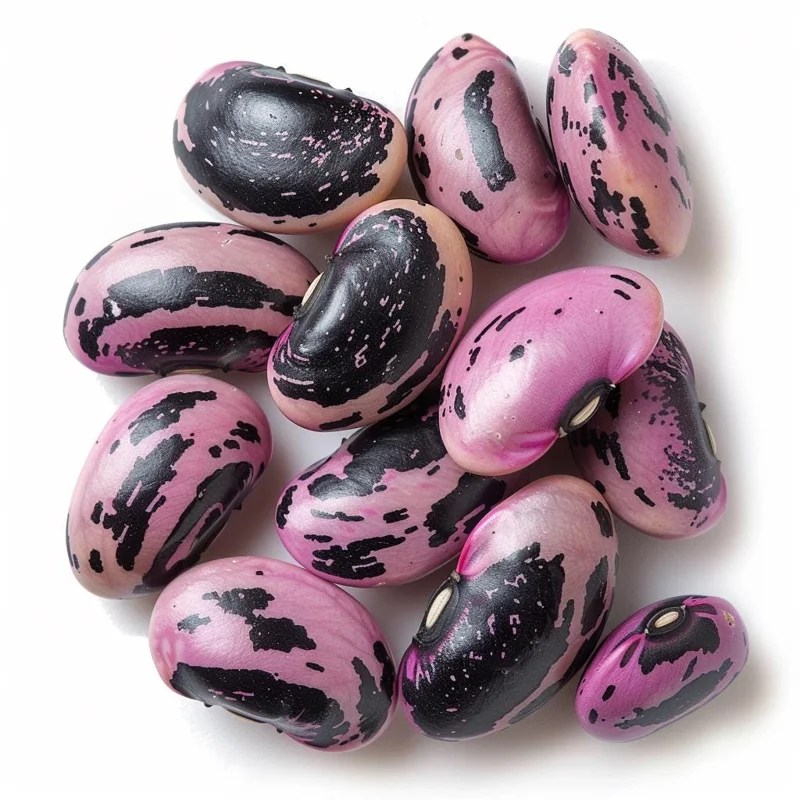
This offering includes 15 scarlet runner bean seeds, providing a generous quantity to start a vibrant and productive bean patch. These seeds will grow into vigorous climbing vines that can reach an impressive height of up to 10 feet (approximately 3 meters) when provided with adequate support. The plants produce striking red flowers throughout the growing season, typically from mid-summer until the first frost. The pods develop after flowering, yielding beans that can be harvested young for fresh consumption or allowed to mature for drying. Each seed packet contains high-quality seeds ready for direct sowing after the last spring frost. Expect a moderate growth rate, with vines quickly covering their support structures. The plants are annual in most climates but can sometimes self-seed in warmer regions.
Frequently Asked Questions
- Q: How big do scarlet runner bean plants get? A: Scarlet runner bean seeds grow into vigorous climbing vines that can reach impressive heights of 8 to 10 feet (2.4 to 3 meters) or more with proper support. They are excellent for vertical gardening.
- Q: Is this an indoor or outdoor plant? A: Scarlet runner beans are primarily grown as outdoor plants. They require full sun exposure and a sturdy support structure to climb, thriving in garden beds, raised beds, or large outdoor containers.
- Q: How much sunlight do scarlet runner bean plants need? A: These plants need at least 6 to 8 hours of direct sunlight per day to produce abundant flowers and beans. Choose a sunny spot in your garden for planting these edible bean seeds.
- Q: Are scarlet runner beans easy to care for? A: Yes, scarlet runner beans are generally considered easy to grow. They are vigorous, relatively low-maintenance, and tolerate a range of conditions once established, making them suitable for beginner gardeners.
- Q: What condition will the seeds arrive in? A: The scarlet runner bean seeds will arrive in a sealed packet, ensuring their freshness and viability for planting. They are dry and ready for sowing as per the instructions.
- Q: When is the best time to plant scarlet runner bean seeds? A: The best time to plant scarlet runner bean seeds is directly outdoors in the spring, after all danger of frost has passed and the soil has warmed up.
- Q: Can I eat the beans from scarlet runner bean plants? A: Absolutely! The beans are delicious and highly nutritious. They can be eaten fresh when young and tender, or shelled and dried for use in various culinary dishes.
- Q: Will scarlet runner beans attract pollinators to my garden? A: Yes, the vibrant red flowers of the scarlet runner bean are a significant draw for hummingbirds, bees, and other beneficial pollinators, enhancing your garden’s ecosystem.
- Q: What kind of soil do scarlet runner beans prefer? A: Scarlet runner beans prefer fertile, well-drained soil with a slightly acidic to neutral pH. Amending the soil with compost or other organic matter will promote healthy growth.
- Q: Do I need a trellis or support for scarlet runner beans? A: Yes, providing a sturdy trellis, fence, or poles is essential for scarlet runner beans. They are climbing vines and need support to grow vertically and maximize yield.
Be the first to review “Scarlet Runner Bean Seeds – 15 Seeds – Vibrant Red Flowers & Edible Beans”
You must be logged in to post a review.
People also Viewed


Sold 50 products
Original price was: $36.99.$16.99Current price is: $16.99.

Sold 50 products
Original price was: $31.99.$11.99Current price is: $11.99.
Sold 50 products
Original price was: $35.99.$15.99Current price is: $15.99.
Sold 50 products
Original price was: $31.99.$11.99Current price is: $11.99.
Sold 50 products
Original price was: $35.99.$15.99Current price is: $15.99.
Sold 50 products
Original price was: $31.99.$11.99Current price is: $11.99.
Sold 50 products
Original price was: $34.99.$14.99Current price is: $14.99.
Sold 50 products
Original price was: $31.99.$11.99Current price is: $11.99.RELATED posts
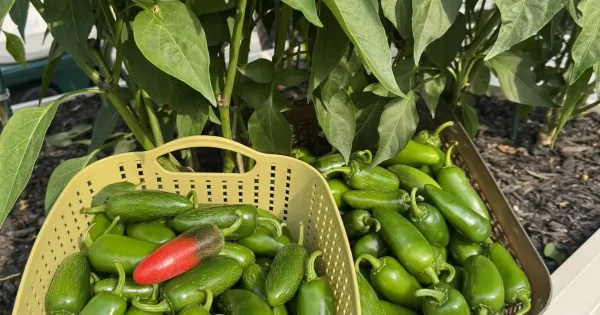
How to Grow Jalapeño Peppers From Seeds: A Step-by-Step Guide
Ready to spice things up in your garden? Jalapeños are the true life of the [...]
Apr
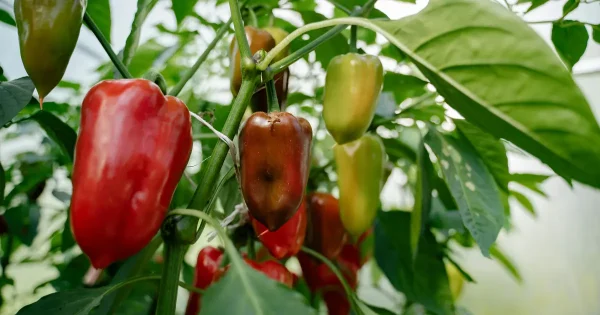
Top 12 Best Types of Peppers to Grow in Your Garden: Easy and High Yield
Growing peppers is, quite honestly, one of the biggest “wins” you can have in a [...]
Apr
Frostproof Jasmine Care: 7 Tips for Successful Pot Growth
Most gardenias are known for being “divas.” They want perfect humidity, perfect soil, and they [...]
Mar

Top 7 Best Smelling Jasmine Varieties for a Heavenly Garden
Have you ever walked past a house and caught a scent so sweet you just [...]
Mar
Master the Heat: 8 Expert Tips for Growing Jalapeños Like a Pro
Are you staring at your garden space, wondering why your pepper plants look more like [...]
Mar

Top 5 Must-Have Hoya Varieties for Beginners
Hoyas are easily one of my top recommendations if you’re hunting for a low-maintenance houseplant [...]
Mar
7 Moringa Plant Care Mistakes to Avoid for Healthy Growth
Have you ever looked at your Moringa tree and wondered why its once vibrant green [...]
Feb
How to Grow Potato Onions From True Seeds: A Step-by-Step Guide
Have you ever wondered how to grow potato onions from true seeds or why some [...]
Feb



Reviews
There are no reviews yet.