
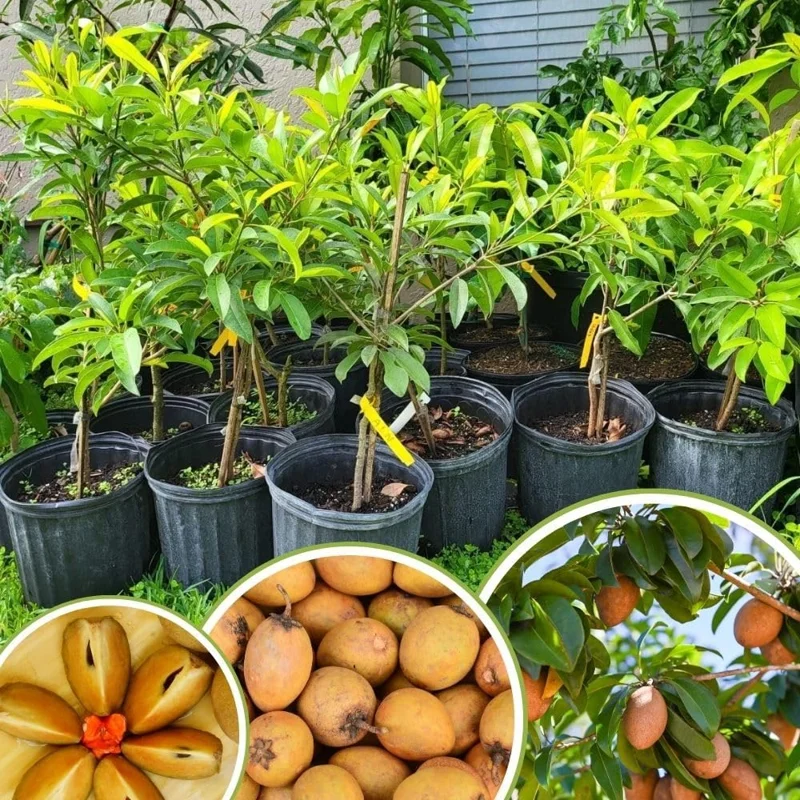
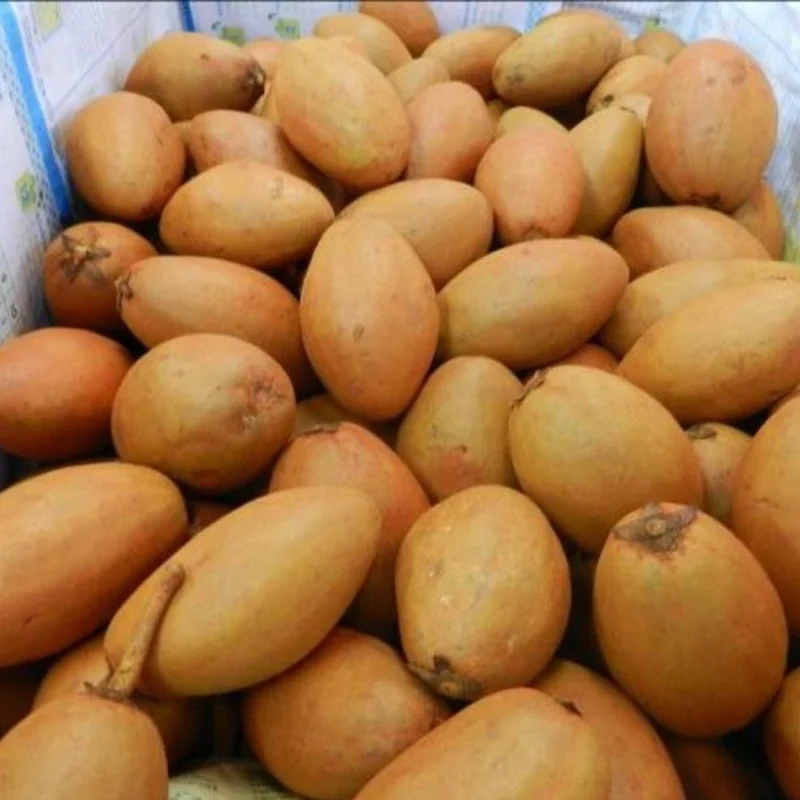
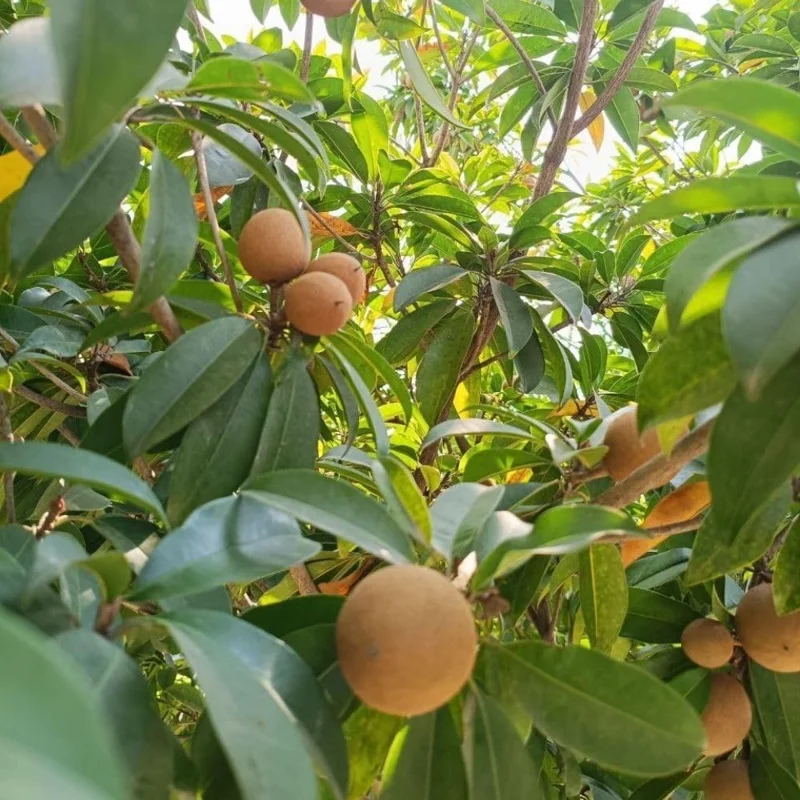
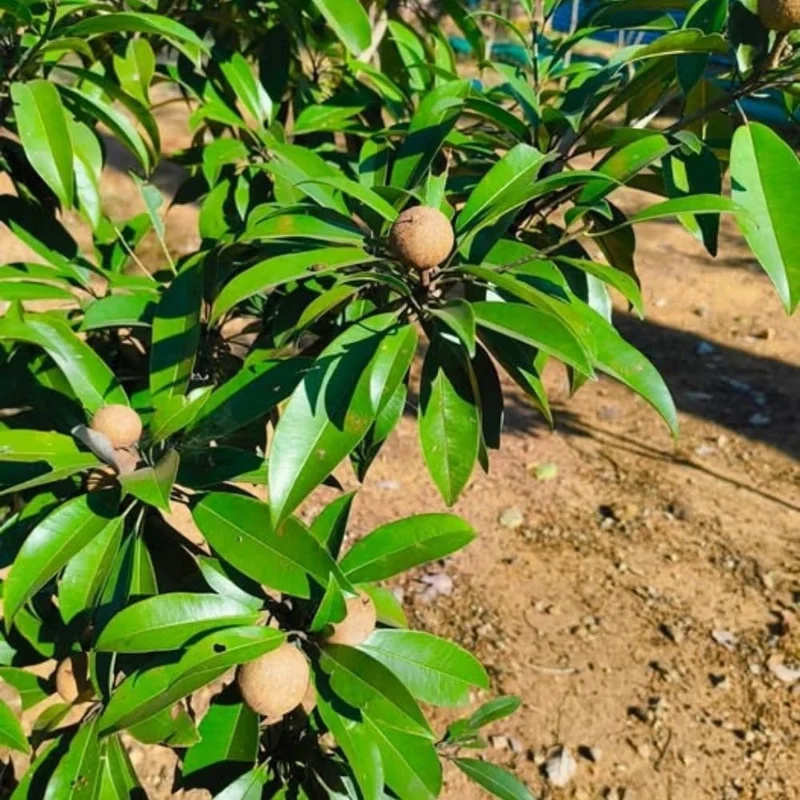
Sapodilla Tree Live Plant, 2-3 ft Tall – Sweet Tropical Sapote Fruit Tree, 1 Gallon Pot, Outdoor
Original price was: $135.98.$122.38Current price is: $122.38.
Cultivate your own exotic fruit with this sapodilla tree live plant. Standing 2-3 feet tall in a 1-gallon pot, this sweet sapote tree (Manilkara zapota) is ready for outdoor planting. Enjoy delicious tropical fruits from your garden.
Shipping and Return policies:
We stand behind our plants with our Alive & Thrive Guarantee. If you experience any issues within the first 30 days, please email us, and our team will be happy to help. When needed, we’ll send you a one-time replacement free of charge to make sure your garden keeps growing strong.

Reasonable Price
We offer reasonable price

Support 24/7
Contact us 24 hrs a day
100% Money Back
You’ve 30 days to Return
Payment Secure
100% secure payment
Overview
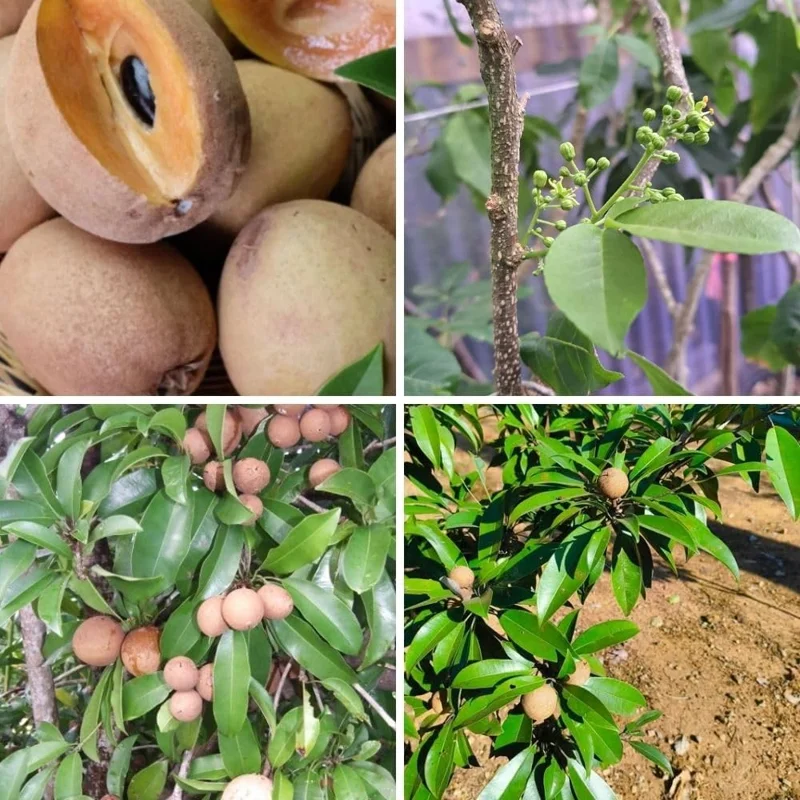
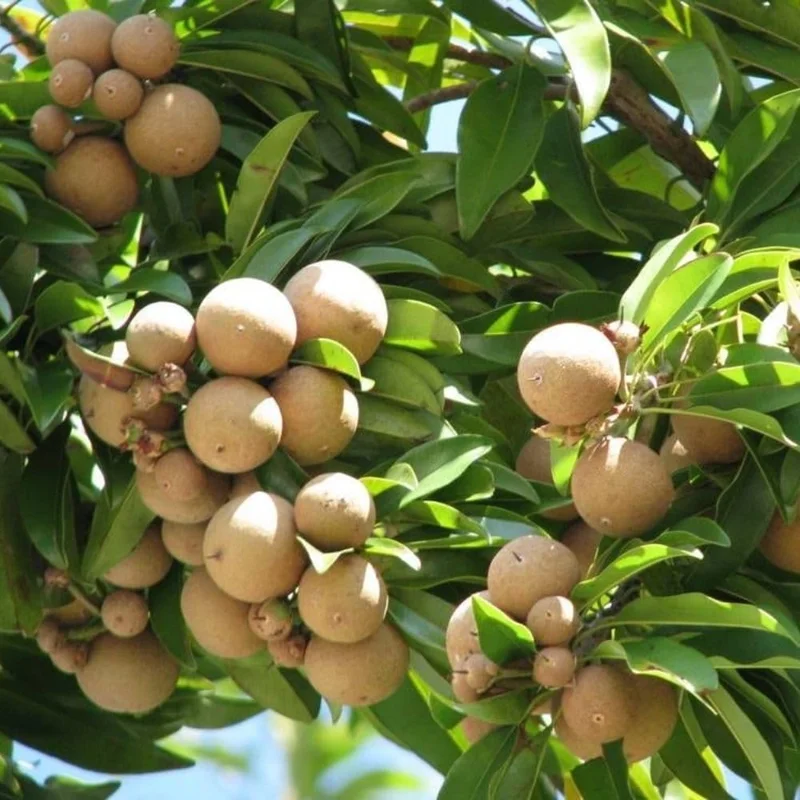
Bring the taste of the tropics to your home garden with this exquisite sapodilla tree live plant. Also known as sweet sapote tree or Manilkara zapota plant, this young tree is approximately 2 to 3 feet tall and comes established in a 1-gallon container, ready for planting. The sapodilla tree is cherished for its exceptionally sweet, caramel-flavored fruit, often compared to a pear or brown sugar. Originating from southern Mexico, Central America, and the Caribbean, this hardy yet beautiful tree offers both ornamental value and delicious, nutritious fruit. Perfect for those looking to expand their edible landscape, this tropical fruit tree outdoor specimen is a fantastic addition to warmer climates.
Our sapodilla tree live plant boasts a strong, healthy root system, ensuring a high success rate upon transplanting. It’s an excellent choice for gardeners in suitable climates who desire a unique and rewarding fruiting tree. With proper care, this tree will mature into a productive and attractive feature in your outdoor space, providing shade and an abundance of delectable fruit for years to come. The rich, brown, slightly grainy flesh of the sapodilla fruit is a true tropical delight, making this plant a must-have for fruit enthusiasts.
Key Benefits
Beyond its delicious fruit, the sapodilla tree live plant offers numerous advantages for your garden and palate. Cultivating this tree provides a sustainable source of fresh, organic fruit right at your fingertips.
- Delicious Tropical Fruit: Enjoy the unique, sweet, malty flavor of fresh sapodilla fruit, perfect for eating fresh, in desserts, or smoothies. It’s a taste sensation unlike any other.
- Ornamental Value: The Manilkara zapota plant features attractive glossy green leaves and a dense canopy, making it a beautiful addition to any landscape, providing shade and visual interest.
- Long-Lived and Productive: With proper care, a sweet sapote tree can live for many decades, providing a continuous harvest of fruit once established and mature.
- Relatively Low Maintenance: Once established, this tropical fruit tree outdoor plant is quite resilient and requires less intensive care compared to some other fruit trees, especially in its ideal growing zones.
- Health Benefits: Sapodilla fruit is rich in vitamins A and C, antioxidants, and dietary fiber, contributing to a healthy diet and overall well-being.
- Strong Root System: Our plants are grown with a robust root system, ensuring they are well-prepared for transplanting and quick establishment in your garden.
- Unique Garden Addition: Stand out from typical fruit trees with this exotic specimen, offering a conversation starter and a truly special harvest.
Plant Care & Growing Tips
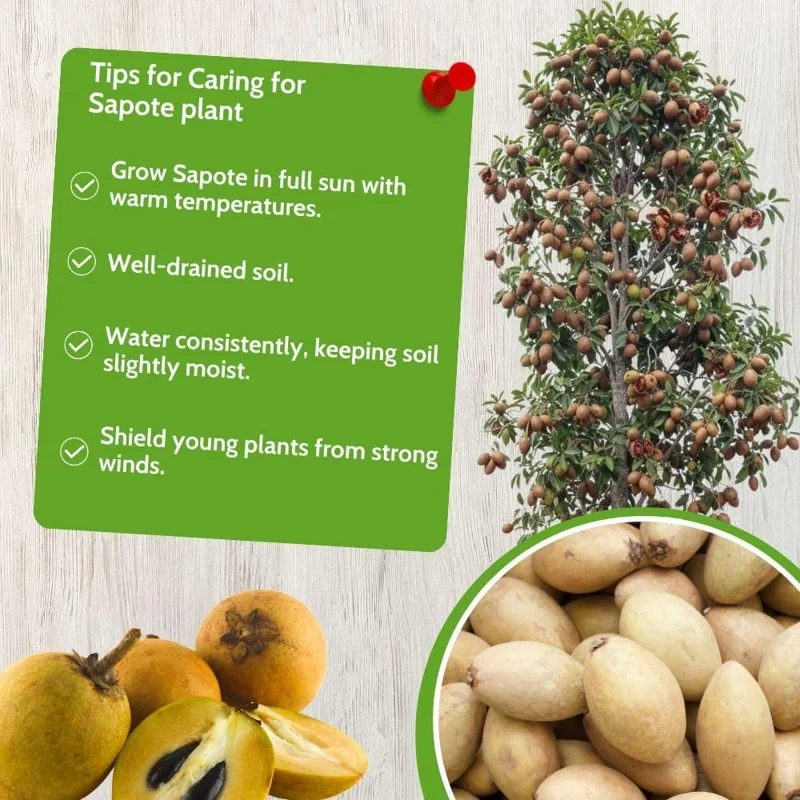
Ensuring the success of your sapodilla tree live plant involves understanding its specific needs, particularly regarding sunlight, soil, and watering. This tropical tree thrives in warm environments and requires plenty of sunshine to produce fruit. Plant your sapodilla in a location that receives full sun, meaning at least 6-8 hours of direct sunlight per day. Adequate light is crucial for photosynthesis and fruit development. In regions with intense summer heat, some afternoon shade can be beneficial, but generally, more sun is better. The sapodilla plant care routine is straightforward once its basic requirements are met.
Watering is a critical aspect of sapodilla plant care. While established trees are somewhat drought-tolerant, young plants require consistent moisture to develop a strong root system. Water regularly, especially during dry periods, ensuring the soil remains consistently moist but not waterlogged. Good drainage is paramount; sapodillas do not tolerate standing water, which can lead to root rot. Plant in well-draining soil, ideally a sandy loam rich in organic matter. For fertilization, use a balanced slow-release fertilizer or an organic fruit tree fertilizer during the growing season, typically from spring through summer. Follow package instructions for application rates.
The Manilkara zapota plant is suitable for USDA Hardiness Zones 10-11. In these zones, it can be grown outdoors year-round. If you are in a cooler zone, you may need to grow it in a large container that can be moved indoors during colder months, or provide significant winter protection. Protect young trees from frost, as they are more susceptible to cold damage. Pruning is generally minimal, focused on removing dead or diseased branches and shaping the tree for aesthetic or harvest convenience. Watch for common pests like scale insects or mealybugs, and treat with organic insecticidal soap if necessary.
Size & Details
This offering is for one healthy sapodilla tree live plant, which measures approximately 2 to 3 feet in height from the base of the pot to the tip of the foliage. It is delivered in a 1-gallon nursery pot, providing a well-established root ball for easy transplanting. The growth rate of a sweet sapote tree is moderate, typically adding a foot or more of height per year under optimal conditions. Expect the tree to begin fruiting within 3-5 years from planting, though this can vary based on growing conditions and specific cultivar.
The mature size of a tropical fruit tree outdoor sapodilla can range from 20 to 60 feet tall, depending on the variety and growing environment. However, they can be kept smaller with regular pruning, making them manageable for most home gardens. The plant will arrive carefully packaged to ensure its health and vitality during transit. Upon arrival, gently unpack and water thoroughly. Plant in its permanent outdoor location or a larger container as soon as possible for best results.
Frequently Asked Questions
- Q: How big does this plant get and what size pot does it come in? A: This sapodilla tree live plant is approximately 2-3 feet tall and comes in a 1-gallon nursery pot. Mature trees can reach 20-60 feet, but can be pruned to maintain a smaller size.
- Q: Is this an indoor or outdoor plant and how much sunlight does it need? A: This is primarily an tropical fruit tree outdoor plant, thriving in full sun (6-8 hours direct sunlight daily). It can be grown in containers and moved indoors in colder climates.
- Q: Is this plant easy to care for and is it good for beginners? A: Once established, sapodilla plant care is relatively low maintenance. It’s a good choice for beginners in suitable climates who can provide consistent watering and full sun.
- Q: What condition will it arrive in and is it shipped in soil? A: Your Manilkara zapota plant will arrive carefully packaged in its 1-gallon nursery pot with soil, ensuring its health during transit. Just unpack, water, and plant.
- Q: When is the best time to plant a sapodilla tree? A: The best time to plant your sweet sapote tree is in the spring or early summer, once the danger of frost has passed and temperatures are consistently warm.
- Q: How long until this tree starts producing fruit? A: Typically, a sapodilla tree live plant will begin to produce fruit within 3-5 years after planting, depending on growing conditions and care.
- Q: What USDA Hardiness Zones is this tree suitable for? A: This tropical fruit tree outdoor is best suited for USDA Hardiness Zones 10-11, where it can thrive outdoors year-round without frost protection.
- Q: What kind of soil does a sapodilla tree prefer? A: Sapodilla trees prefer well-draining soil, ideally a sandy loam rich in organic matter. Good drainage is crucial to prevent root issues.
Be the first to review “Sapodilla Tree Live Plant, 2-3 ft Tall – Sweet Tropical Sapote Fruit Tree, 1 Gallon Pot, Outdoor”
You must be logged in to post a review.
People also Viewed
Sold 50 products
Original price was: $17.58.$11.86Current price is: $11.86.
Sold 50 products
Price range: $32.99 through $35.99
Sold 50 products
$69.99
Sold 50 products
$18.99
Sold 50 products
Price range: $14.98 through $23.89
Sold 50 products
$32.99
Sold 50 products
$24.99
Sold 50 products
Price range: $43.99 through $44.99RELATED posts
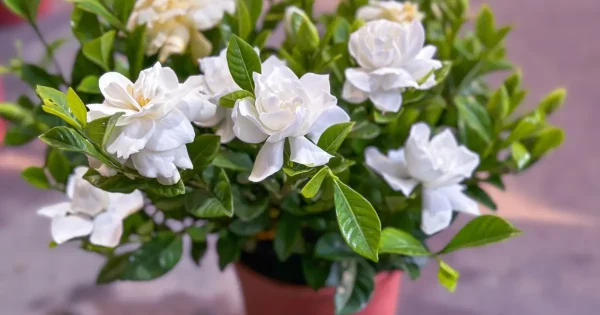
Frostproof Jasmine Care: 7 Tips for Successful Pot Growth
Most gardenias are known for being “divas.” They want perfect humidity, perfect soil, and they [...]
Mar
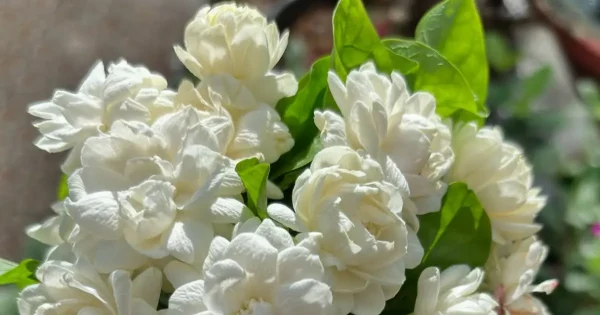
Top 7 Best Smelling Jasmine Varieties for a Heavenly Garden
Have you ever walked past a house and caught a scent so sweet you just [...]
Mar
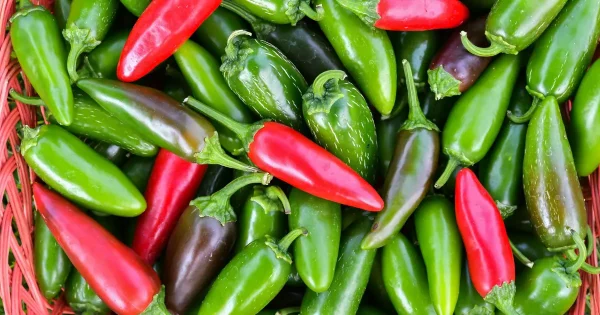
Master the Heat: 8 Expert Tips for Growing Jalapeños Like a Pro
Are you staring at your garden space, wondering why your pepper plants look more like [...]
Mar
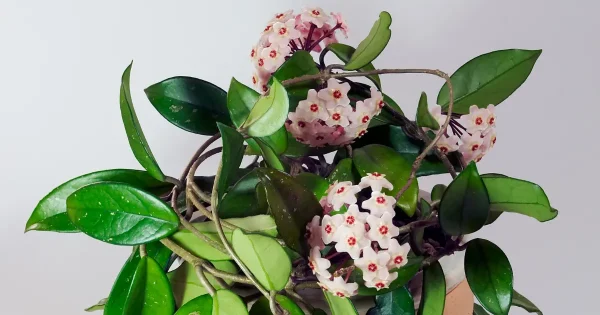
Top 5 Must-Have Hoya Varieties for Beginners
Hoyas are easily one of my top recommendations if you’re hunting for a low-maintenance houseplant [...]
Mar
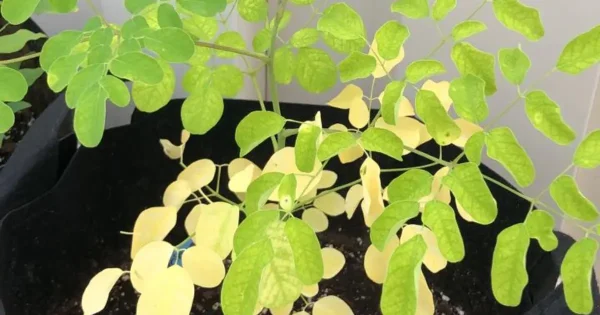
7 Moringa Plant Care Mistakes to Avoid for Healthy Growth
Have you ever looked at your Moringa tree and wondered why its once vibrant green [...]
Feb
How to Grow Potato Onions From True Seeds: A Step-by-Step Guide
Have you ever wondered how to grow potato onions from true seeds or why some [...]
Feb
Growing Walking Onions in Containers: The Ultimate Guide
Have you ever looked at your small balcony or cramped patio and wished you could [...]
Feb
9 Best Flower Seeds to Start in February for Early Blooms
If you’re a passionate gardener, you know that itchy feeling in your fingers when February [...]
Jan
Reviews
There are no reviews yet.