
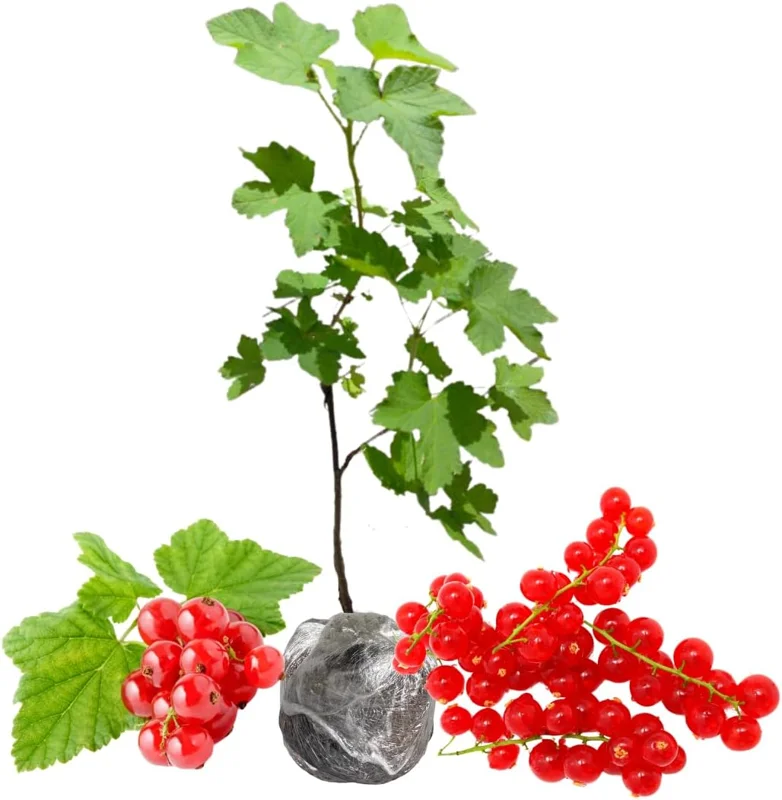
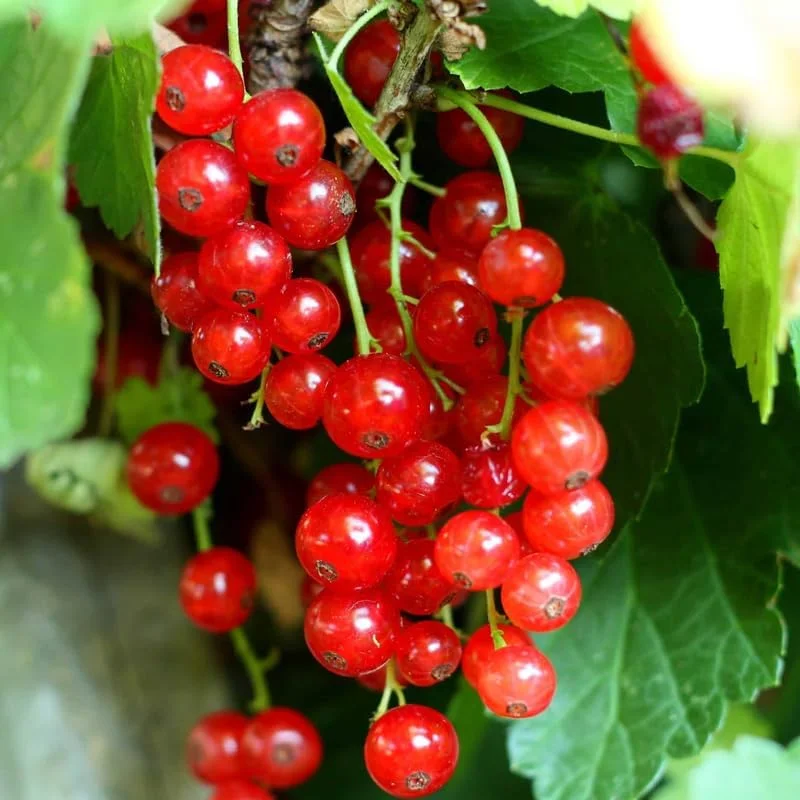
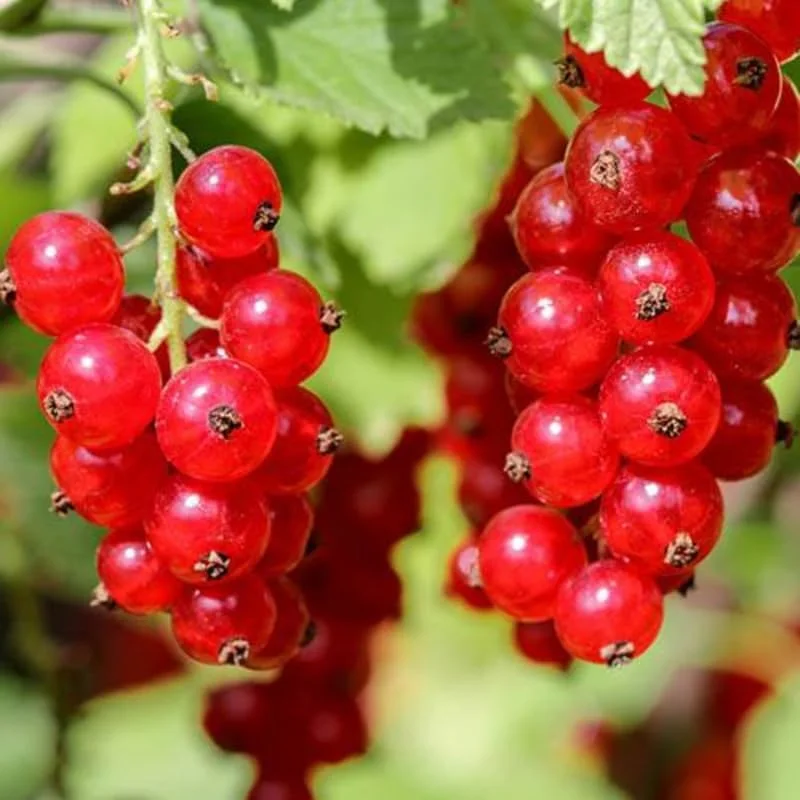
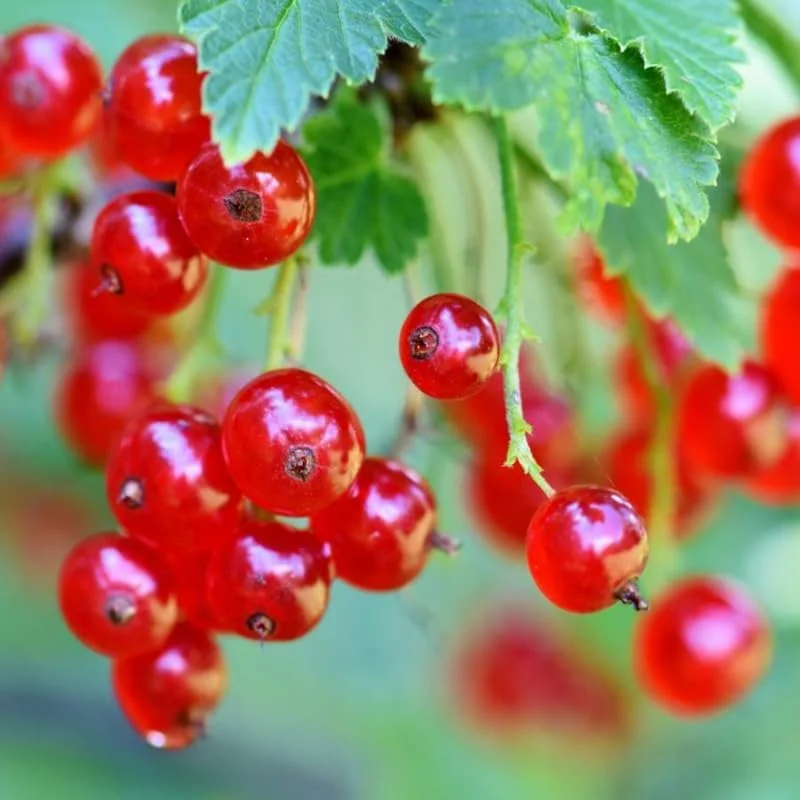
Red Currant Plant Live – 1 Year Bare Root Bush, 5-9 Inch Height, Outdoor
$29.99
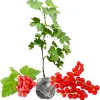
Bring the joy of homegrown fruit to your garden with this healthy red currant plant. This 1-year-old bare root specimen, measuring 5-9 inches tall, is ready for planting and promises tart, juicy berries perfect for culinary uses. An easy-to-grow red currant bush, ideal for both novice and experienced gardeners.
Shipping and Return policies:
We stand behind our plants with our Alive & Thrive Guarantee. If you experience any issues within the first 30 days, please email us, and our team will be happy to help. When needed, we’ll send you a one-time replacement free of charge to make sure your garden keeps growing strong.

Reasonable Price
We offer reasonable price

Support 24/7
Contact us 24 hrs a day
100% Money Back
You’ve 30 days to Return
Payment Secure
100% secure payment
Overview
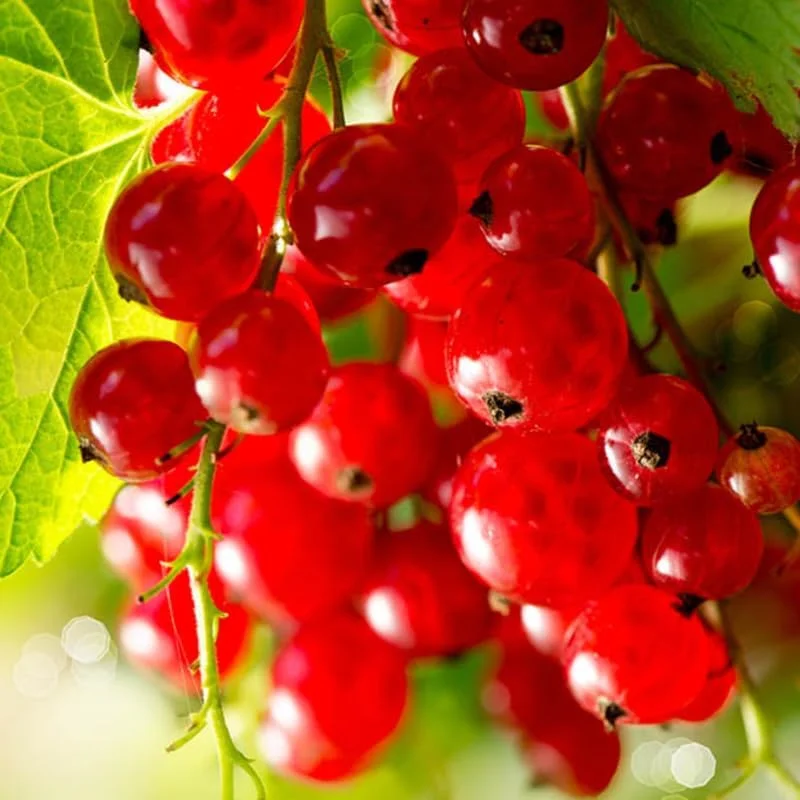
Introduce the delightful taste of homegrown berries to your garden with this exceptional red currant plant. This offering provides a vigorous, 1-year-old bare root specimen, typically measuring 5-9 inches in height, perfectly prepared for immediate planting upon arrival. Celebrated for its distinct tart and juicy berries, the red currant plant (Ribes rubrum) is a favored selection among gardeners and culinary enthusiasts alike. These elegant deciduous shrubs produce charming clusters of bright red fruit in late spring to early summer, making them ideal for fresh consumption, baking, crafting jams, jellies, and sauces. Cultivating your own red currant bush not only ensures a bountiful harvest but also adds an attractive feature to your landscape, with its lobed green leaves creating a lush backdrop throughout the growing season. This hardy fruit bush stands out as an excellent choice for anyone looking to enrich their outdoor space with both productive and ornamental elements.
Key Benefits
Adding a red currant plant to your garden offers numerous advantages, from its aesthetic appeal to its delicious yield. Enjoy a continuous supply of fresh, healthy berries directly from your backyard, enhancing your culinary adventures and garden’s beauty.
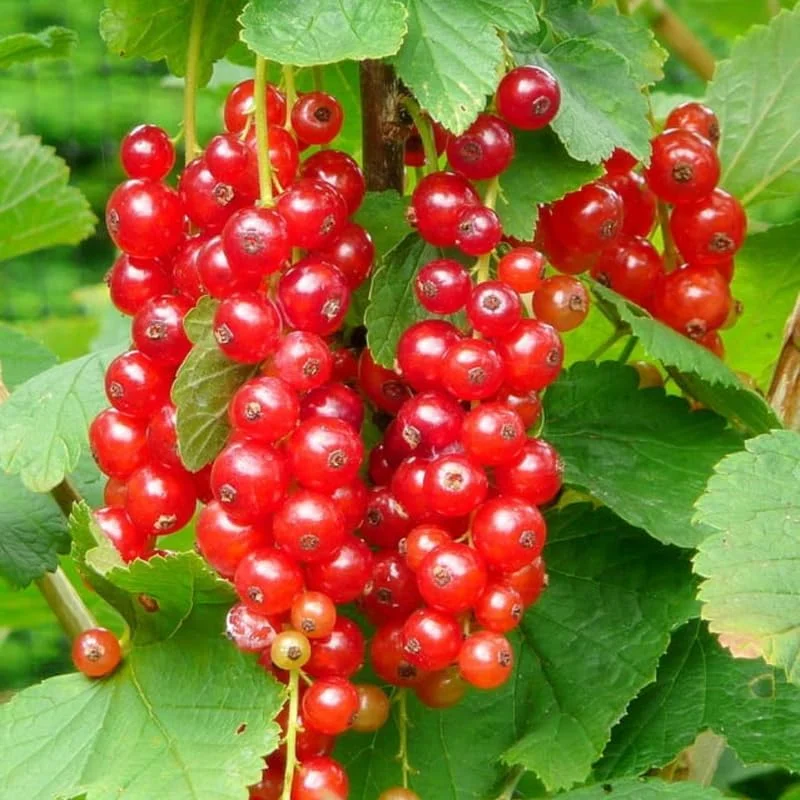
- Abundant Harvest: Each red currant bush is capable of producing a generous crop of vibrant red berries, ensuring you have plenty for various culinary uses, from fresh snacks to homemade preserves. Enjoy the satisfaction of harvesting your own fruit.
- Rich in Nutrients: Red currants are packed with essential vitamins, particularly Vitamin C and K, along with valuable antioxidants and dietary fiber. Incorporating them into your diet is a healthy and delicious way to boost your nutritional intake.
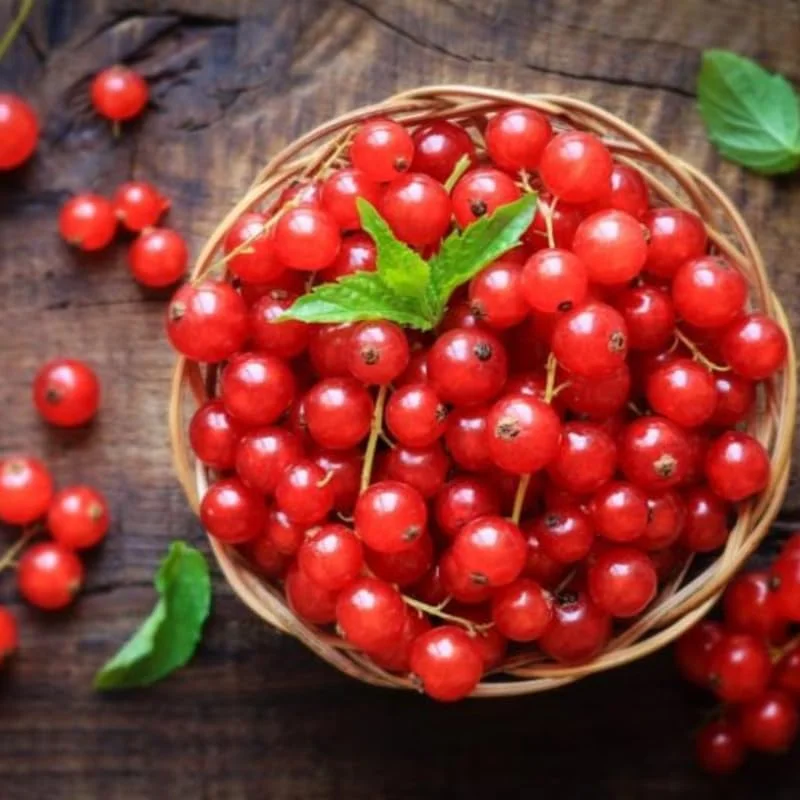
- Versatile Culinary Uses: The uniquely tart flavor of red currant plant berries makes them incredibly versatile in the kitchen. Use them to create delightful pies, tarts, sauces, jellies, jams, or simply enjoy them fresh off the bush for a refreshing treat.
- Attractive Landscape Addition: Beyond its delicious fruit, the red currant plant offers significant ornamental value. Its lush green foliage and dangling clusters of bright red berries enhance the beauty of any garden or mixed border, providing visual interest throughout the season.
- Hardy and Resilient: These plants are well-known for their hardiness and ability to tolerate a wide range of climates and soil conditions once established. This makes them a reliable and low-maintenance choice for many gardeners hoping to grow red currants successfully.
- Suitable for Small Spaces: With a typical mature height of 3 to 5 feet, a red currant bush is an excellent fit for smaller gardens, container planting, or as an integral part of a mixed perennial bed, offering flexibility in garden design.
- Natural Pest Resistance: Red currants generally exhibit good resistance to common garden pests and diseases, simplifying their maintenance and care requirements, allowing you more time to enjoy your harvest.
Plant Care & Growing Tips
Caring for your red currant plant is straightforward, ensuring a bountiful harvest and healthy growth with proper attention. These resilient fruit bushes thrive with adequate sunlight, well-draining soil, and consistent moisture. To ensure your red currant bush flourishes, select a planting site that receives full sun to partial shade. Full sun, meaning at least 6 hours of direct sunlight daily, is ideal for maximizing fruit production, while partial shade can be tolerated, particularly in hotter climates, though it may result in a slightly smaller yield. When planting your bare root currant berry fruit tree, dig a hole wide enough to accommodate the roots without bending them, and deep enough so that the crown of the plant is at the soil line. Proper planting is key to helping you grow red currants successfully.
Red currants prefer well-draining soil that is rich in organic matter. A sandy loam is often ideal, but they can adapt to various soil types as long as drainage is good. Avoid heavy, waterlogged soils, as this can lead to root rot. Maintain moderate watering, especially during dry spells and when the fruit is developing. The soil should remain consistently moist but not soggy. Mulching around the base of the plant with compost or wood chips can help retain soil moisture, suppress weeds, and provide a slow release of nutrients to your red currant plant. For optimal growth, ensure the soil pH is between 6.0 and 7.0.
The red currant plant is exceptionally hardy, suitable for USDA hardiness zones 3 to 8, making it a robust choice for many regions across the US. It requires a period of winter chill to produce fruit effectively. Fertilize your red currant bush in early spring with a balanced slow-release fertilizer or a compost top dressing to support healthy growth and fruit development. Pruning is best done in late winter or early spring while the plant is dormant. Remove any dead, damaged, or crossing branches, and thin out older unproductive stems to encourage new growth and better air circulation. This helps to maintain plant vigor and improve fruit quality, making red currant care easy.
Size & Details
This offering is for one healthy red currant plant, provided as a 1-year-old bare root specimen. Each bare root plant measures approximately 5-9 inches in height at the time of shipping, offering a robust start for your garden. When mature, a red currant bush typically reaches a height of 3 to 5 feet and a similar spread, making it a manageable size for most garden spaces, including small backyards or as part of a hedge. The plant is shipped bare root, meaning it will arrive without soil or a pot, allowing for easier transplanting and establishment, and promoting strong root development.
Expect your currant berry fruit tree to begin producing fruit within 1-2 years after planting, with full production typically achieved by the third year. The berries usually ripen in late spring to early summer, depending on your local climate and conditions. This bare root form encourages strong root development once planted, leading to a vigorous and healthy red currant plant that will provide many years of delicious harvests, making all your red currant care efforts worthwhile.
Frequently Asked Questions
- Q: How big does this plant get? A: This red currant plant is a bare root specimen that is 5-9 inches tall upon arrival. When mature, it typically grows to a height of 3 to 5 feet with a similar spread, making it suitable for various garden sizes and ideal for those looking to grow red currants.
- Q: Is this an indoor or outdoor plant? A: The red currant plant is an outdoor fruit bush. It requires periods of cold dormancy and full sun exposure to thrive and produce fruit effectively, making it unsuitable as an indoor houseplant.
- Q: How much sunlight does it need? A: This red currant bush prefers full sun, meaning at least 6 hours of direct sunlight per day, for optimal fruit production. It can tolerate partial shade, but fruit yield may be lower.
- Q: Is this plant easy to care for? A: Yes, the red currant plant is generally considered easy to care for once established. It is hardy and relatively low-maintenance, making it a good choice for both experienced and novice gardeners, simplifying red currant care.
- Q: What condition will it arrive in? A: Your red currant plant will arrive as a bare root specimen, meaning it is shipped without soil or a pot. The roots will be carefully packaged to ensure they remain moist and healthy during transit, ready for planting.
- Q: Can I use red currants in cooking? A: Absolutely! Red currants are highly prized for their tart flavor and are excellent for making jams, jellies, pies, tarts, sauces, and even fresh salads. They are a delicious addition to many culinary creations.
- Q: When is the best time to plant this bare root currant? A: The ideal time to plant bare root red currants is in early spring, after the last frost, or in late fall after the leaves have dropped. This allows the roots to establish before extreme temperatures.
- Q: Will it survive winter in my zone? A: This currant berry fruit tree is hardy in USDA zones 3 to 8. If your zone falls within this range, it should successfully overwinter and produce fruit for many years with proper red currant care.
- Q: What type of soil does a red currant plant prefer? A: Red currants thrive in well-draining soil that is rich in organic matter. A sandy loam is often ideal, but any soil with good drainage and a pH between 6.0 and 7.0 will work.
- Q: How long until it produces fruit? A: You can typically expect your red currant plant to start producing fruit within 1-2 years after planting, with a more substantial harvest in its third year and beyond.
Be the first to review “Red Currant Plant Live – 1 Year Bare Root Bush, 5-9 Inch Height, Outdoor”
You must be logged in to post a review.
People also Viewed
Sold 50 products
Price range: $32.99 through $35.99
Sold 50 products
$69.99
Sold 50 products
$18.99
Sold 50 products
Price range: $14.98 through $23.89
Sold 50 products
$32.99
Sold 50 products
$24.99
Sold 50 products
Price range: $43.99 through $44.99
Sold 50 products
Price range: $41.99 through $43.99RELATED posts
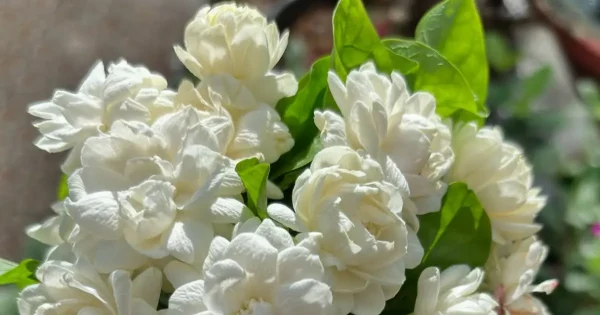
Top 7 Best Smelling Jasmine Varieties for a Heavenly Garden
Have you ever walked past a house and caught a scent so sweet you just [...]
Mar
Master the Heat: 8 Expert Tips for Growing Jalapeños Like a Pro
Are you staring at your garden space, wondering why your pepper plants look more like [...]
Mar
Top 5 Must-Have Hoya Varieties for Beginners
Hoyas are easily one of my top recommendations if you’re hunting for a low-maintenance houseplant [...]
Mar
7 Moringa Plant Care Mistakes to Avoid for Healthy Growth
Have you ever looked at your Moringa tree and wondered why its once vibrant green [...]
Feb
How to Grow Potato Onions From True Seeds: A Step-by-Step Guide
Have you ever wondered how to grow potato onions from true seeds or why some [...]
Feb
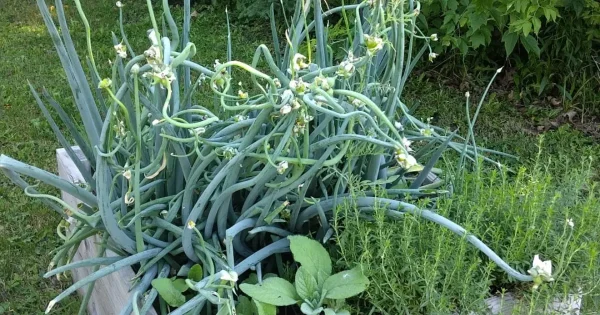
Growing Walking Onions in Containers: The Ultimate Guide
Have you ever looked at your small balcony or cramped patio and wished you could [...]
Feb
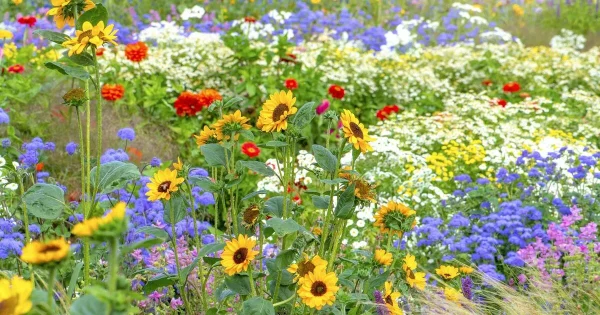
9 Best Flower Seeds to Start in February for Early Blooms
If you’re a passionate gardener, you know that itchy feeling in your fingers when February [...]
Jan
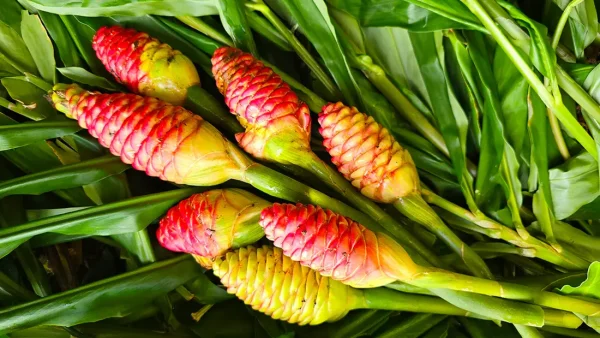
Growing Shampoo Ginger in Pots: Easy Guide to Potting Ginger Lilies
Are you looking to add a touch of exotic beauty to your home while growing [...]
Jan
Reviews
There are no reviews yet.