
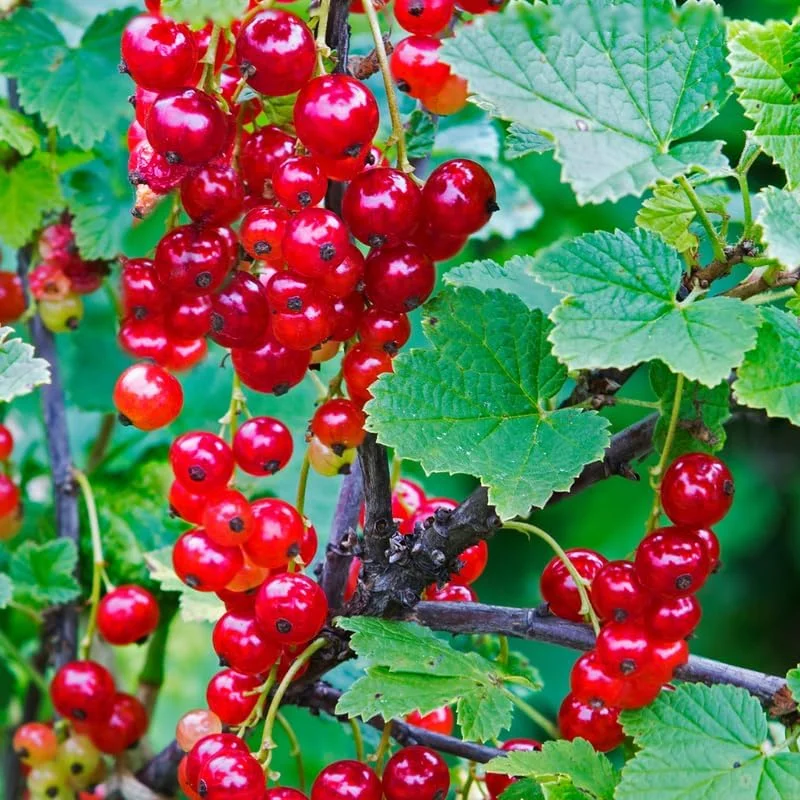
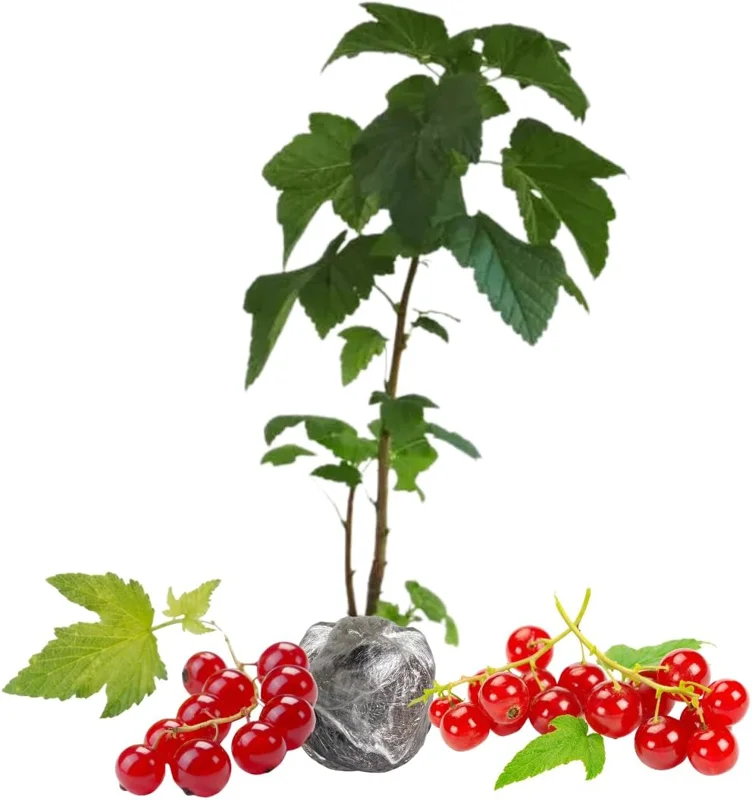
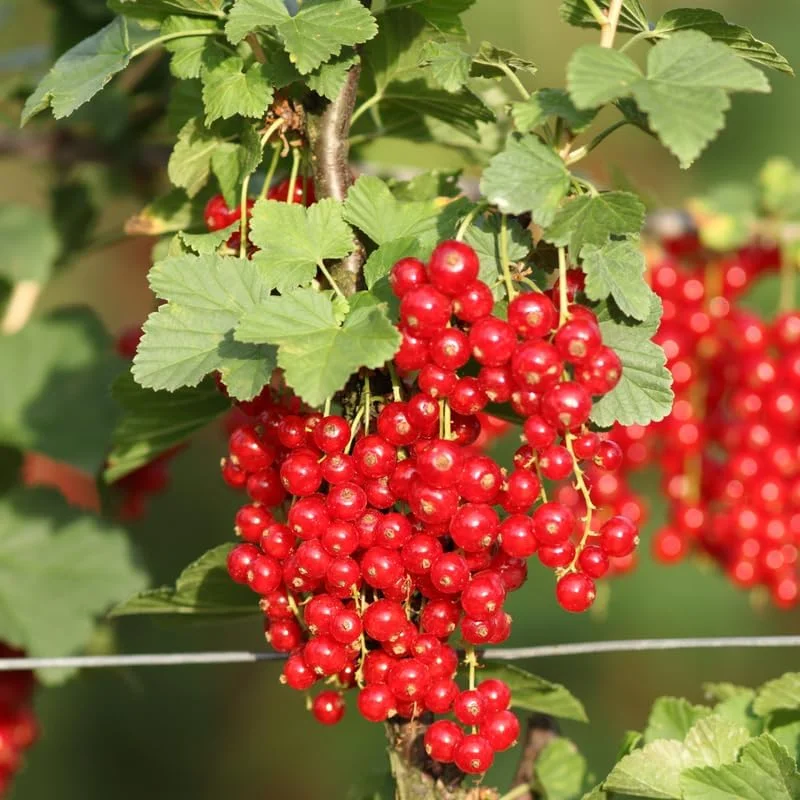
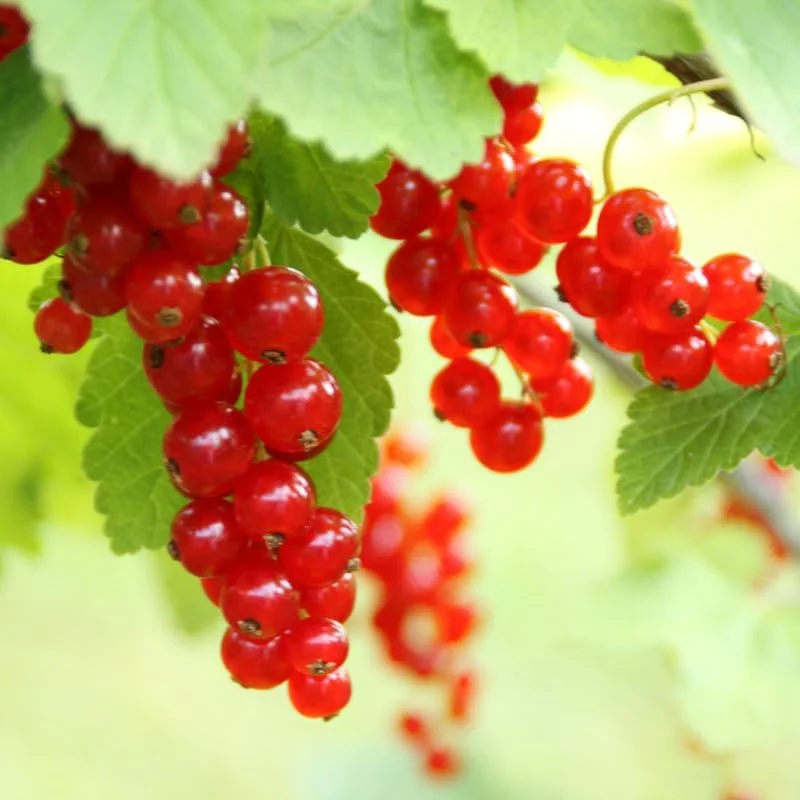
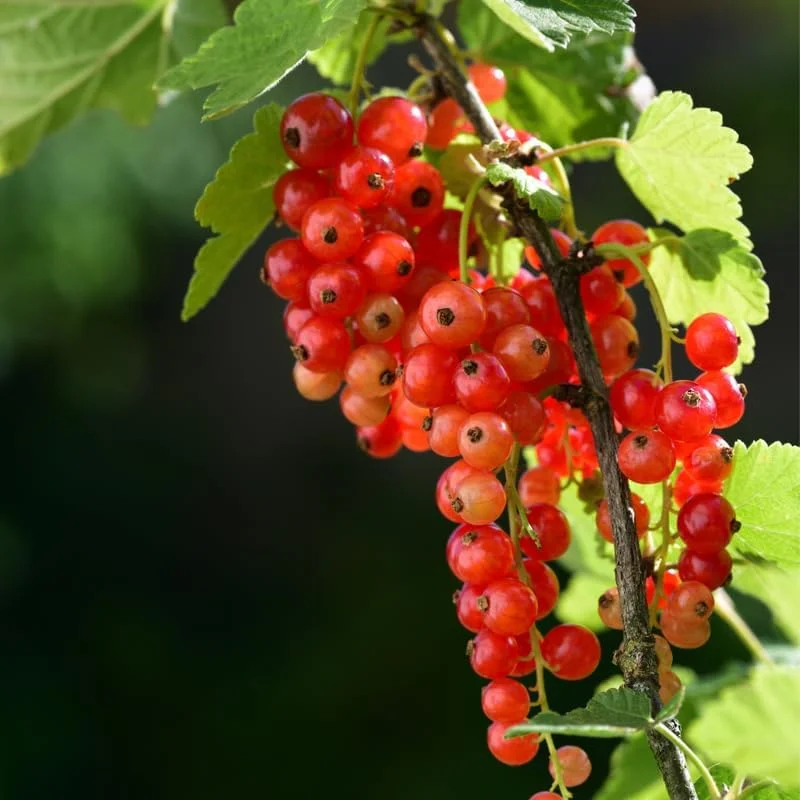
Red Currant Live Plant Bush – 5-9 Inch Tall Fruit Tree – Well Rooted – Outdoor
$29.99
Bring the joy of homegrown fruit to your garden with this vibrant red currant live plant. This healthy, well-rooted bush, typically 5-9 inches tall, is ready to thrive outdoors, producing delicious tart berries perfect for fresh eating, jams, or pies. Easy to grow and low-maintenance.
Shipping and Return policies:
We stand behind our plants with our Alive & Thrive Guarantee. If you experience any issues within the first 30 days, please email us, and our team will be happy to help. When needed, we’ll send you a one-time replacement free of charge to make sure your garden keeps growing strong.

Reasonable Price
We offer reasonable price

Support 24/7
Contact us 24 hrs a day
100% Money Back
You’ve 30 days to Return
Payment Secure
100% secure payment
Overview
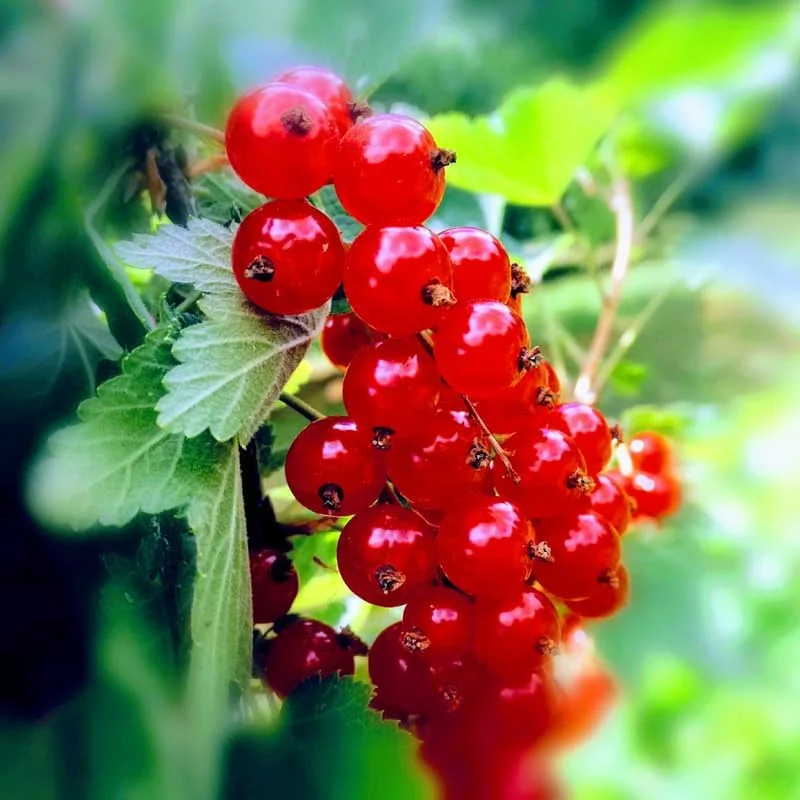
Bring the joy of homegrown fruit to your garden with this vibrant red currant live plant. Known for their beautiful clusters of bright red berries and tart, refreshing flavor, red currants are a delightful addition to any landscape. This offering provides a healthy, well-rooted red currant bush, typically measuring 5-9 inches tall, ready to thrive in your outdoor space. Red currants (Ribes rubrum) are deciduous shrubs that not only produce delicious fruit perfect for jams, jellies, pies, or eating fresh, but also offer attractive foliage. They are relatively low-maintenance plants, making them a fantastic choice for both experienced gardeners and those new to growing fruit. Our red currant live plant is carefully nurtured to ensure it arrives in optimal condition, prepared to establish quickly in your garden. These robust plants are an excellent investment for sustainable living and culinary adventures, providing a bountiful harvest year after year. Imagine plucking fresh, juicy red currants directly from your own backyard!
Key Benefits
Adding a red currant bush to your garden offers a multitude of advantages, combining aesthetic appeal with practical, edible rewards. This red currant live plant is more than just a pretty bush; it’s a source of fresh fruit and a charming garden feature.
- Delicious Edible Berries: Enjoy a consistent harvest of tart and sweet red currants, perfect for fresh eating, baking, preserves, and juices. Growing your own ensures the freshest taste and avoids store-bought prices, making the red currant live plant a rewarding addition.
- Attractive Garden Addition: Beyond their fruit, red currant bushes feature lush green foliage and delicate flower clusters, making them an ornamental asset in any garden or mixed border. They add visual interest throughout the seasons.
- High in Nutrients: Red currants are packed with Vitamin C, antioxidants, and dietary fiber, contributing to a healthy diet directly from your garden. Enjoy nutritious fruit straight from your backyard.
- Hardy and Adaptable: These plants are known for their resilience, thriving in USDA Hardiness Zones 3 to 8, and can tolerate a range of soil conditions, making them suitable for many climates. Their adaptability reduces planting concerns.
- Easy to Grow: A relatively low-maintenance fruit bush, the red currant live plant requires minimal care once established, making it an excellent choice for beginner gardeners looking to grow fruit. You’ll find growing red currants to be a straightforward process.
- Versatile Use: Ideal for small gardens, hedges, or as an underplanting beneath taller fruit trees, the compact size of a red currant bush makes it a versatile choice for various garden designs. This allows for flexible placement in your landscape.
- Long Lifespan: With proper red currant bush care, a red currant bush can produce fruit for many years, offering a sustainable and rewarding gardening experience. It’s an investment that pays dividends for decades.
Plant Care & Growing Tips
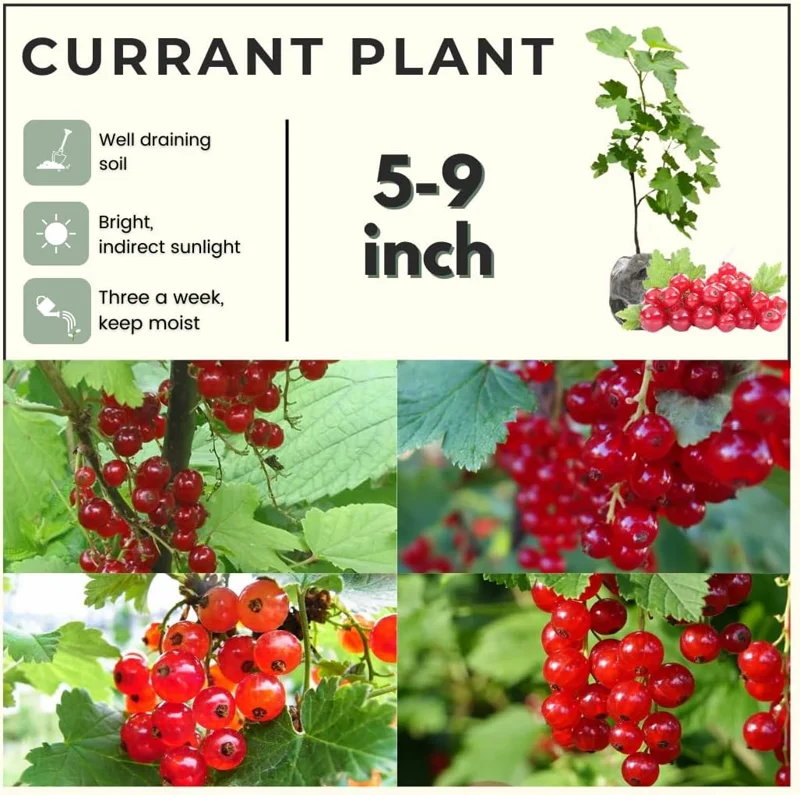
Caring for your red currant live plant is straightforward, ensuring a healthy bush and abundant harvests. These plants prefer a location with full sun to partial shade, meaning at least 6 hours of direct sunlight daily for optimal fruit production. While they can tolerate some shade, more sun generally leads to more berries. Ensure the planting site has good air circulation to prevent fungal diseases. When planting, dig a hole twice as wide as the root ball and just as deep, ensuring the crown of the plant is level with the soil surface.
Growing red currants thrives in well-draining soil with a pH between 6.0 and 7.0. Sandy loam is often ideal, but they can adapt to various soil types as long as drainage is adequate. Avoid heavy clay soils that retain too much moisture. Moderate watering is essential, especially during dry spells and when the plant is fruiting. Keep the soil consistently moist but never waterlogged. Regular mulching around the base of the plant helps retain soil moisture, suppress weeds, and regulate soil temperature. Fertilize in early spring with a balanced slow-release fertilizer or compost to support vigorous growth and fruit development.
Pruning is important for maintaining the health and productivity of your currant berry tree. After the first year, remove any weak or crossing branches. For established plants, prune in late winter while dormant, removing older, less productive wood to encourage new growth that will bear fruit. Red currants typically fruit on wood that is 2-3 years old. Watch out for common pests like aphids and currant borers, treating them with organic pesticides or horticultural oil as needed. With proper red currant bush care, your plant will flourish for years.
Size & Details
This offering is for one healthy red currant live plant, typically supplied as a well-rooted bush ranging from 5 to 9 inches tall. The plant is shipped ready for planting, ensuring a strong start in your garden. Red currant bushes are known for their moderate growth rate, reaching a mature height of 3 to 5 feet with a similar spread, making them suitable for various garden sizes, including smaller plots or container gardening. They are typically shipped in a nursery pot with soil to protect the roots during transit.
Expect your red currant bush to begin producing fruit within 1-2 years of planting, with increasing yields as it matures. The berries typically ripen in mid to late summer, depending on your local climate. This robust red currant plant for sale is a fantastic investment for long-term enjoyment and fresh, organic produce in your backyard.
Frequently Asked Questions
- Q: How big does this red currant plant get? A: This red currant live plant typically grows to a mature height and spread of 3 to 5 feet, making it a compact and manageable bush for most gardens. Its moderate size makes it versatile for different landscape designs.
- Q: Is this an indoor or outdoor plant? A: Red currant bushes are outdoor plants, thriving in garden settings where they can receive adequate sunlight and experience seasonal changes necessary for fruit production. They are not suited for long-term indoor cultivation.
- Q: How much sunlight does a red currant bush need? A: For optimal growth and fruit yield, a red currant bush requires full sun to partial shade, ideally at least 6 hours of direct sunlight per day. Proper light is crucial for successful growing red currants.
- Q: Is this plant easy to care for? A: Yes, red currant plants are considered relatively easy to care for, requiring well-draining soil, moderate watering, and annual pruning to maintain productivity. Following basic red currant bush care guidelines ensures success.
- Q: What condition will the plant arrive in? A: Your red currant live plant will arrive well-rooted in a nursery pot, carefully packaged to ensure its health and vitality during transit. It will be ready for immediate planting upon arrival.
- Q: Can I use red currants in cooking? A: Absolutely! Red currants are incredibly versatile for culinary uses, perfect for making jams, jellies, pies, sauces, or enjoyed fresh in desserts and salads. The flavor of fruit from your own currant berry tree is unmatched.
- Q: When is the best time to plant a red currant bush? A: The best time to plant a red currant live plant is in early spring or fall when the weather is cool and mild, allowing the roots to establish before extreme temperatures. This gives the plant the best start.
- Q: Will this red currant plant survive winter in my zone? A: Red currant bushes are very hardy and suitable for USDA Hardiness Zones 3 to 8, meaning they are resilient and can withstand cold winter temperatures in these regions. They are a robust choice for many climates.
- Q: What type of soil does a currant berry tree prefer? A: A currant berry tree thrives in well-draining, fertile soil with a slightly acidic to neutral pH (6.0-7.0). Amending with compost can improve soil structure and fertility, providing optimal conditions.
- Q: What is the best way to encourage more berries on my red currant plant? A: To encourage more berries, ensure your growing red currants receive adequate sunlight, consistent moisture, and annual pruning to remove old wood and stimulate new fruiting branches. This consistent care will maximize your harvest.
Be the first to review “Red Currant Live Plant Bush – 5-9 Inch Tall Fruit Tree – Well Rooted – Outdoor”
You must be logged in to post a review.
People also Viewed
Sold 50 products
Price range: $32.99 through $35.99
Sold 50 products
$69.99
Sold 50 products
$18.99
Sold 50 products
Price range: $14.98 through $23.89
Sold 50 products
$32.99
Sold 50 products
$24.99
Sold 50 products
Price range: $43.99 through $44.99
Sold 50 products
Price range: $41.99 through $43.99RELATED posts
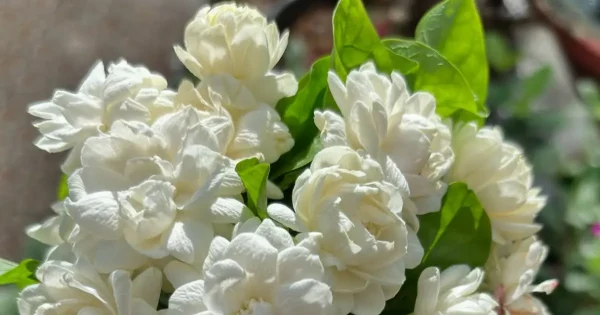
Top 7 Best Smelling Jasmine Varieties for a Heavenly Garden
Have you ever walked past a house and caught a scent so sweet you just [...]
Mar
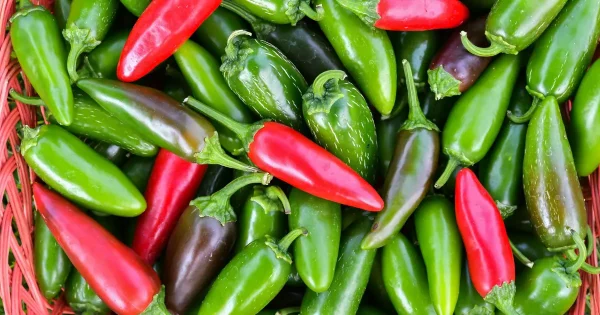
Master the Heat: 8 Expert Tips for Growing Jalapeños Like a Pro
Are you staring at your garden space, wondering why your pepper plants look more like [...]
Mar
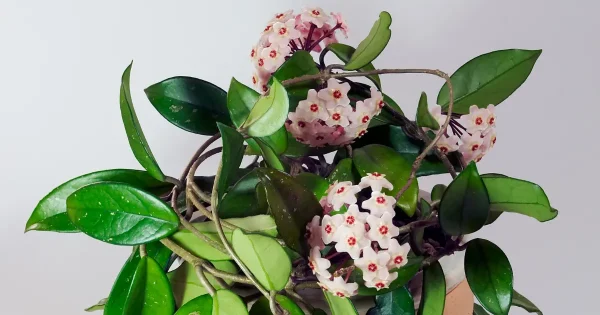
Top 5 Must-Have Hoya Varieties for Beginners
Hoyas are easily one of my top recommendations if you’re hunting for a low-maintenance houseplant [...]
Mar
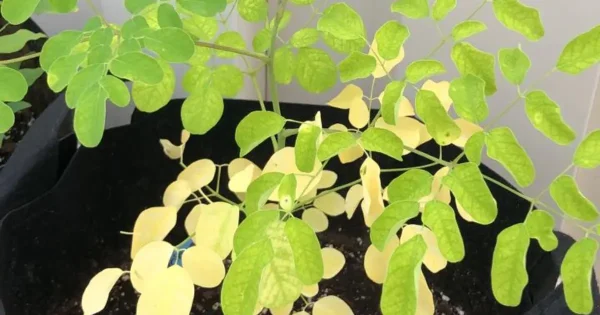
7 Moringa Plant Care Mistakes to Avoid for Healthy Growth
Have you ever looked at your Moringa tree and wondered why its once vibrant green [...]
Feb
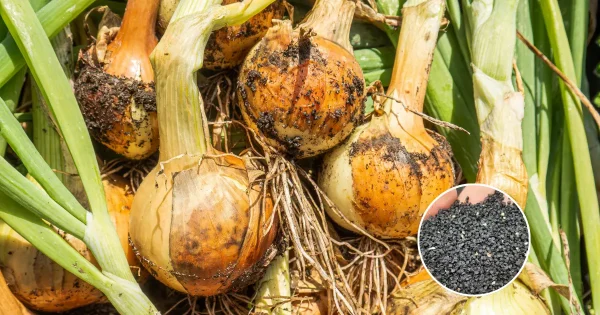
How to Grow Potato Onions From True Seeds: A Step-by-Step Guide
Have you ever wondered how to grow potato onions from true seeds or why some [...]
Feb
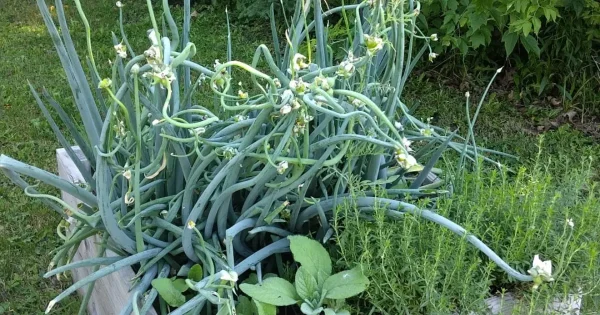
Growing Walking Onions in Containers: The Ultimate Guide
Have you ever looked at your small balcony or cramped patio and wished you could [...]
Feb
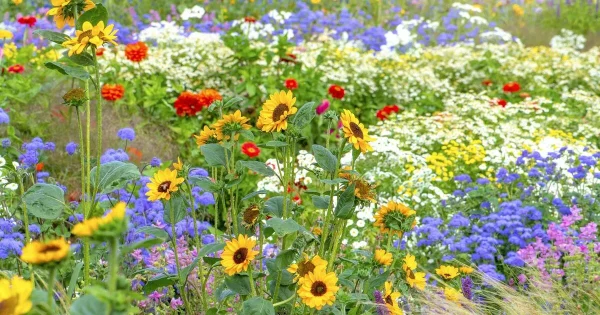
9 Best Flower Seeds to Start in February for Early Blooms
If you’re a passionate gardener, you know that itchy feeling in your fingers when February [...]
Jan
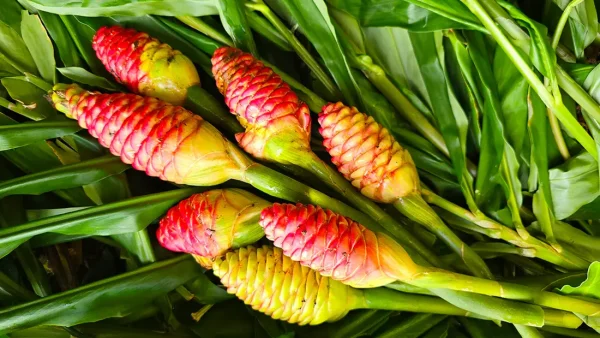
Growing Shampoo Ginger in Pots: Easy Guide to Potting Ginger Lilies
Are you looking to add a touch of exotic beauty to your home while growing [...]
Jan
Reviews
There are no reviews yet.