
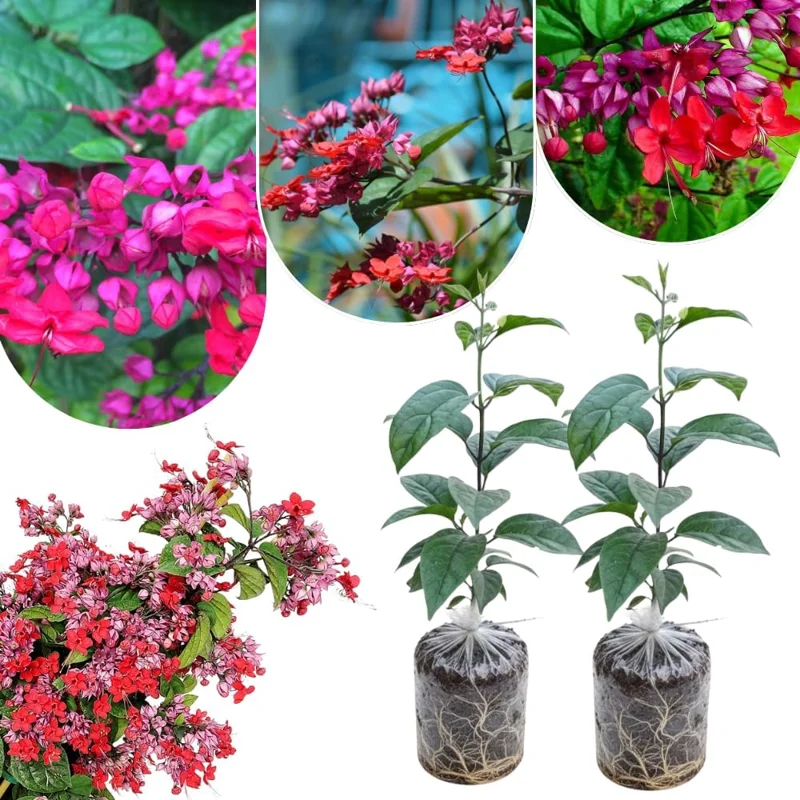
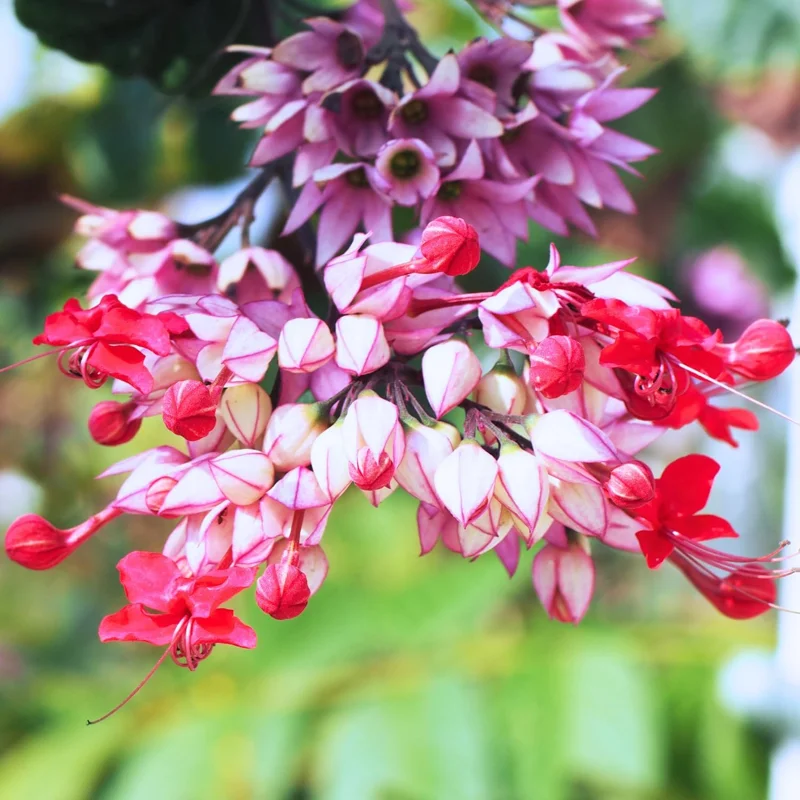
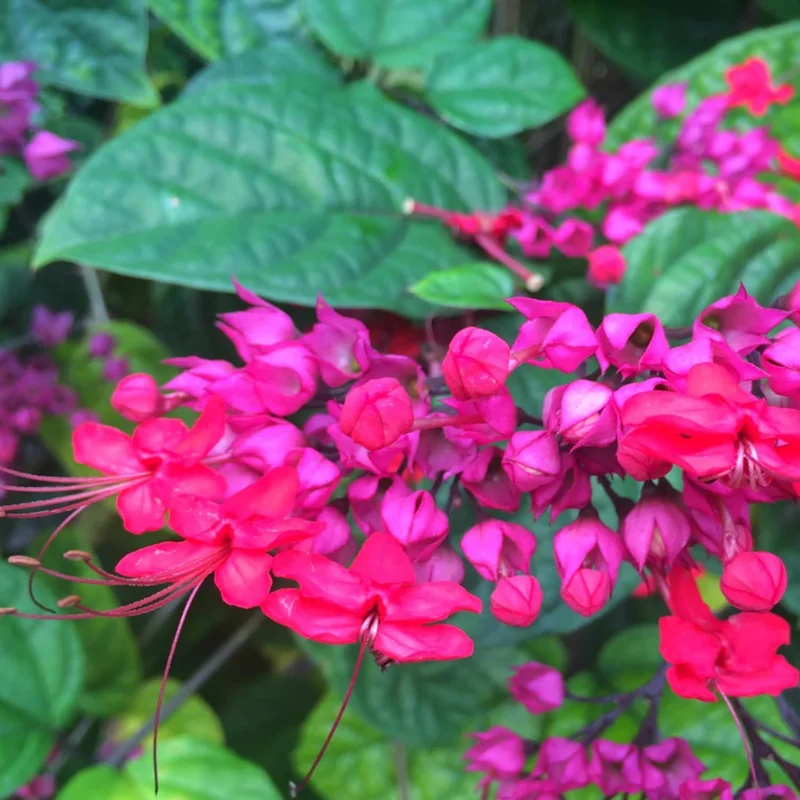
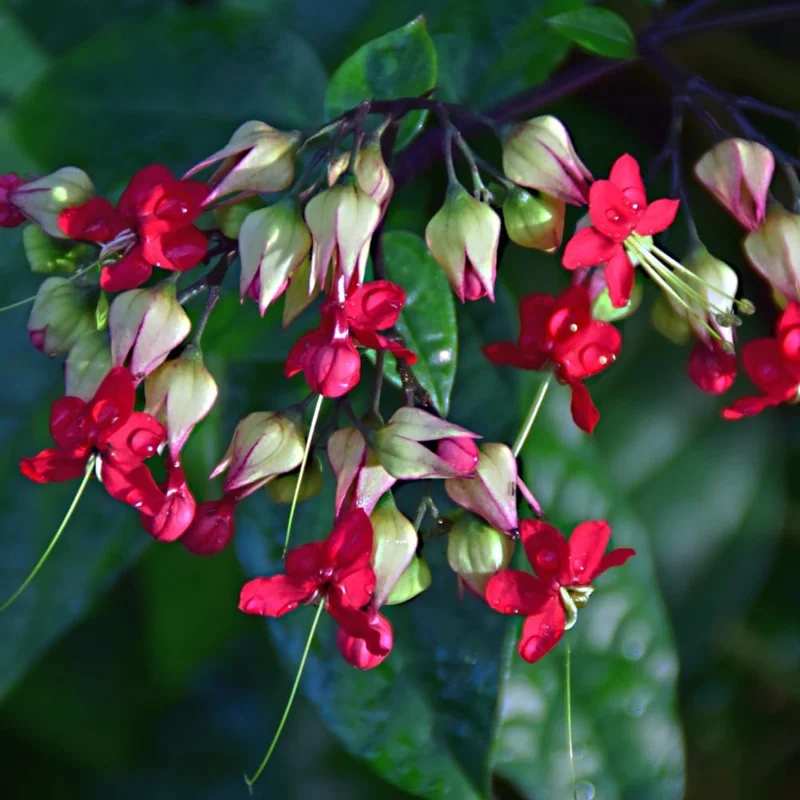
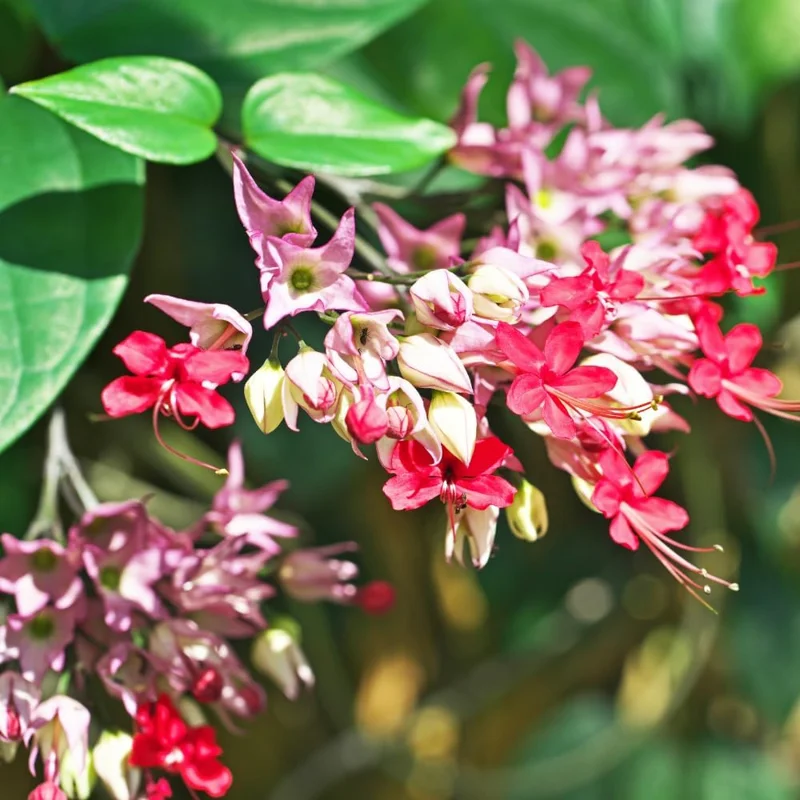
Red Bleeding Heart Live Plants – 2 Pack, 4-6 Inch Tall Perennial Shade Flower
$24.99
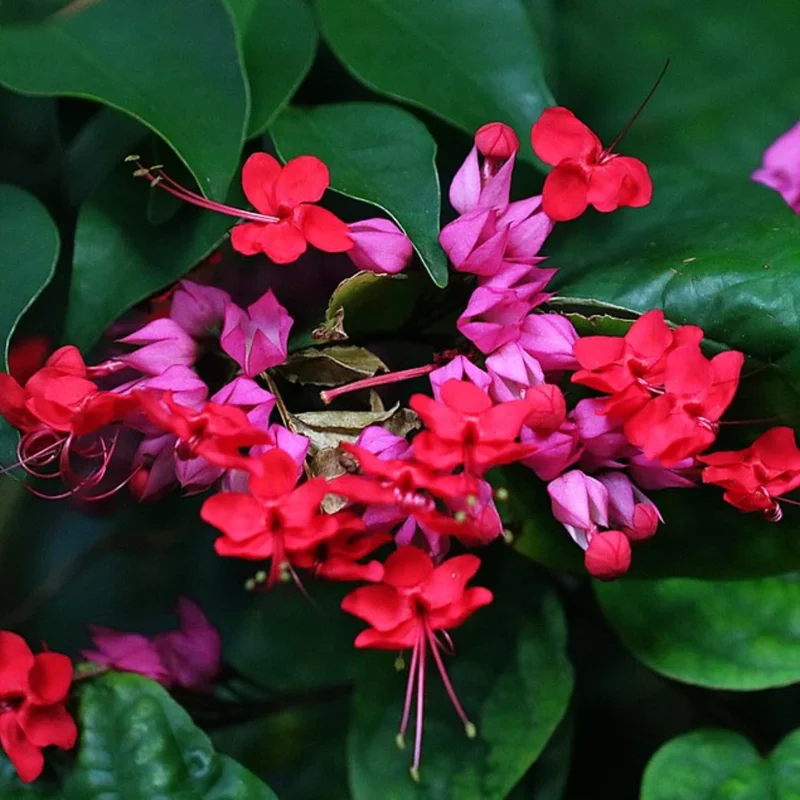
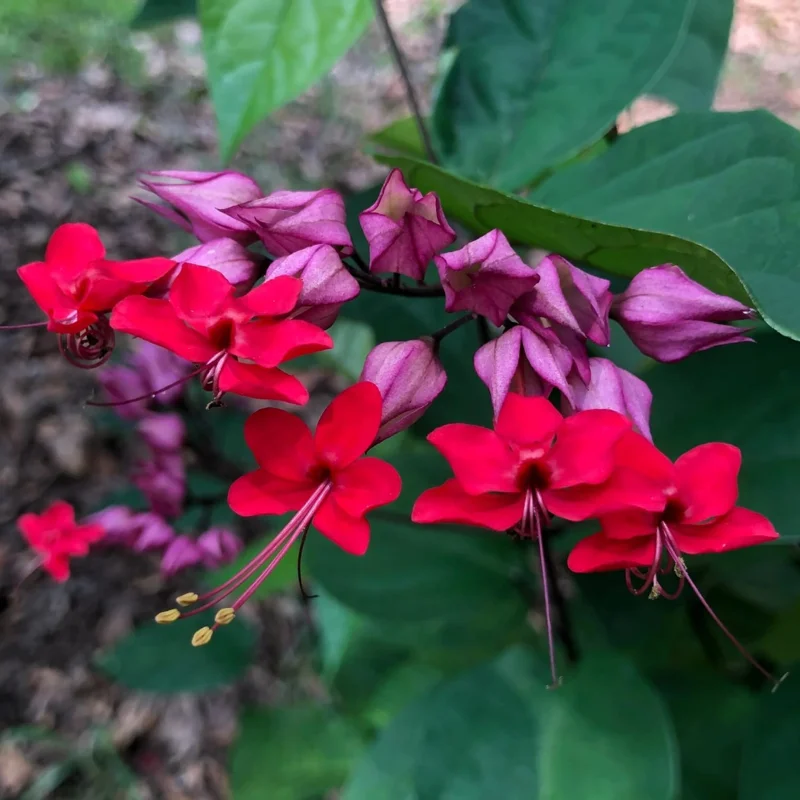
Add a touch of elegance to your shaded garden with these beautiful red bleeding heart live plants. This set includes two well-rooted, 4-6 inch tall perennial plants, known for their unique heart-shaped red flowers. Perfect for garden beds or containers, they are low-maintenance and thrive in partial shade.
Shipping and Return policies:
We stand behind our plants with our Alive & Thrive Guarantee. If you experience any issues within the first 30 days, please email us, and our team will be happy to help. When needed, we’ll send you a one-time replacement free of charge to make sure your garden keeps growing strong.

Reasonable Price
We offer reasonable price

Support 24/7
Contact us 24 hrs a day
100% Money Back
You’ve 30 days to Return
Payment Secure
100% secure payment
Overview
Transform your garden into a whimsical haven with our stunning red bleeding heart live plants. This offering includes two healthy, well-rooted plants, each approximately 4-6 inches tall, ready to be planted and admired. Known botanically as Dicentra spectabilis, these captivating perennials are celebrated for their distinctive, heart-shaped red flowers that dangle gracefully from arching stems. Ideal for adding a splash of vibrant color and unique texture to shaded areas, the red bleeding heart live plants are a timeless choice for gardeners seeking both beauty and ease of care. Their elegant blooms appear in spring, making them a cherished harbinger of the warmer months and a focal point in any landscape or container arrangement.
These resilient plants are a wonderful addition to woodland gardens, shaded borders, or decorative pots on a patio. Their lush, fern-like foliage provides interest even when not in bloom, creating a serene and inviting atmosphere. As a hardy perennial, you can expect these magnificent flowers to return year after year, growing more robust and beautiful with each passing season. Whether you’re a seasoned gardener or just starting, the red bleeding heart live plants offer an enchanting display with minimal effort.
Key Benefits
Our red bleeding heart live plants bring a multitude of benefits to your garden, combining aesthetic appeal with robust growth and simple maintenance:
- Elegant Heart-Shaped Flowers: Each plant produces graceful, vivid red, heart-shaped blooms that are truly unique and instantly recognizable. These distinctive flowers add unparalleled beauty and charm, becoming a conversation piece in any garden setting. The intricate design of the blooms makes them a favorite for close-up admiration.
- Thrives in Shade: Perfect for those challenging shaded areas where many other flowering plants struggle. These perennial shade flower plants flourish in partial to full shade, brightening up dimly lit corners of your garden or patio. They are an excellent solution for enhancing the beauty of north-facing beds or areas under large trees.
- Hardy Perennial Plant: Enjoy the beauty of these plants year after year. As a hardy perennial, they are suitable for USDA hardiness zones 3–9, meaning they will reliably return each spring, often growing larger and more floriferous with age. This makes them a sustainable and long-term investment for your landscape.
- Low Maintenance: These red bleeding heart live plants are incredibly easy to care for, making them suitable for gardeners of all skill levels. Once established, they require minimal attention, thriving with consistent moisture and well-draining soil. Their resilience reduces the need for constant fussing.
- Versatile Garden Use: Ideal for a variety of landscaping applications, including garden beds, borders, and decorative containers. Their compact to medium size makes them adaptable to different spaces, from cottage gardens to more formal designs. They create stunning visual interest wherever they are placed.
- Attractive Foliage: Beyond their beautiful blooms, these plants feature attractive, fern-like green foliage that adds texture and depth to your garden even before the flowers appear and after they fade. The delicate leaves complement the flowers beautifully, contributing to the plant’s overall appeal.
Plant Care & Growing Tips
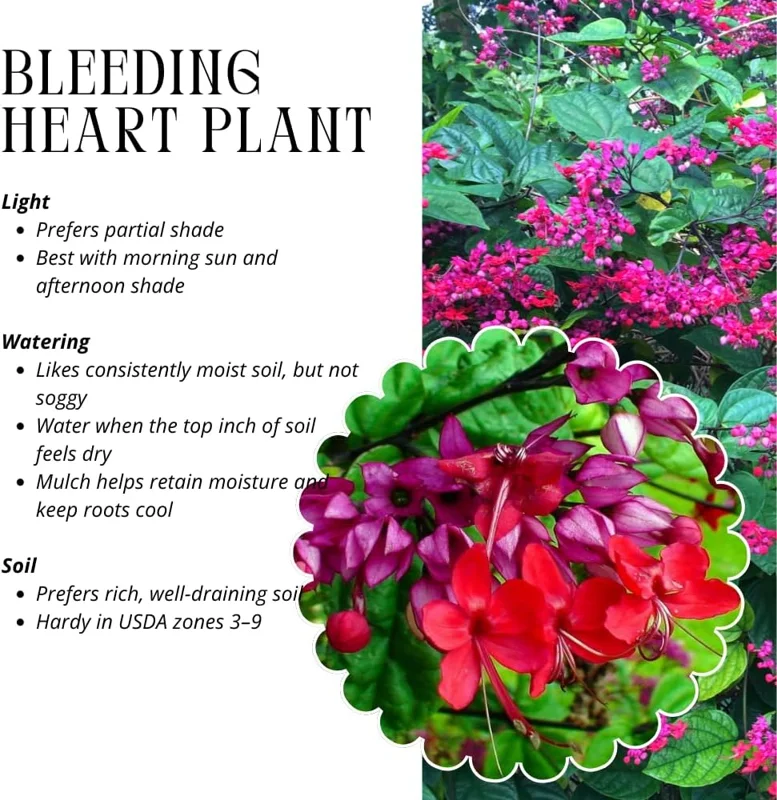
Caring for your red bleeding heart live plants is straightforward, ensuring years of beautiful blooms with proper attention. These plants prefer a location that receives partial to full shade; too much direct sun can scorch their delicate foliage, especially in warmer climates. An ideal spot would receive morning sun and afternoon shade, or dappled light throughout the day. Ensure the soil remains consistently moist but not waterlogged. Good drainage is crucial to prevent root rot, so consider amending heavy clay soils with organic matter like compost before planting. Aim for a well-draining, rich, and slightly acidic to neutral soil (pH 6.5-7.0).
When it comes to watering, regular moisture is key, particularly during dry spells and the plant’s active growing season in spring. Reduce watering once the foliage begins to yellow and die back in summer, as this is a natural dormancy period for the plant. Fertilize in early spring with a balanced, slow-release granular fertilizer or a liquid feed diluted to half strength. Avoid over-fertilizing, which can lead to lush foliage but fewer flowers. These plants are hardy in USDA zones 3–9, tolerating a wide range of temperatures. Protect them from late spring frosts if new growth has already emerged. Deadheading spent flowers can encourage a tidier appearance but isn’t strictly necessary for reblooming. Watch out for common pests like aphids and slugs; address them with organic pest control methods if they become an issue. Understanding bleeding heart plant care ensures a thriving display.
Size & Details
This offering includes a set of two healthy red bleeding heart live plants, each measuring approximately 4-6 inches tall from the top of the soil to the tip of the leaves. These are well-rooted plants, ready for immediate planting upon arrival. They are shipped in their nursery pots, ensuring minimal transplant shock. Mature height for these dicentra spectabilis plant specimens typically ranges from 24–36 inches (2-3 feet) with a mature spread of 18–24 inches (1.5-2 feet), creating a substantial and impactful presence in your garden. The growth rate is moderate, with plants reaching their mature size within 2-3 years, and flowering beginning in their first or second year after planting.
These plants are sold as live, actively growing specimens, not bare roots or seeds, providing you with a head start on establishing them in your landscape. They are known for their early spring blooms, typically appearing from April to May, and offer a delightful display when many other plants are just beginning to emerge. The plants will enter a dormant phase in mid-summer, especially in warmer climates, with foliage yellowing and dying back. This is a natural process, and they will re-emerge vigorously the following spring, bringing back their captivating heart-shaped flowers to your shade garden plants.
Frequently Asked Questions
- Q: How big does this plant get? A: These red bleeding heart live plants typically grow to a mature height of 24–36 inches (2-3 feet) and spread 18–24 inches (1.5-2 feet) wide. They form a lovely, bushy clump over time, becoming more substantial each year.
- Q: Is this an indoor or outdoor plant? A: These are primarily outdoor perennial plants, best suited for garden beds, borders, or outdoor containers. While they can be temporarily brought indoors to force early blooms, they require specific conditions not easily replicated indoors long-term. They are excellent shade garden plants.
- Q: How much sunlight does it need? A: Red bleeding heart live plants thrive in partial to full shade. They prefer locations with morning sun and afternoon shade, or dappled light throughout the day. Direct, intense afternoon sun can scorch their leaves and shorten their bloom time.
- Q: Is this plant easy to care for? A: Yes, these are considered low-maintenance plants. Once established, they primarily need consistently moist, well-draining soil and protection from harsh afternoon sun. They are a great choice for beginners looking for beautiful perennial shade flower options.
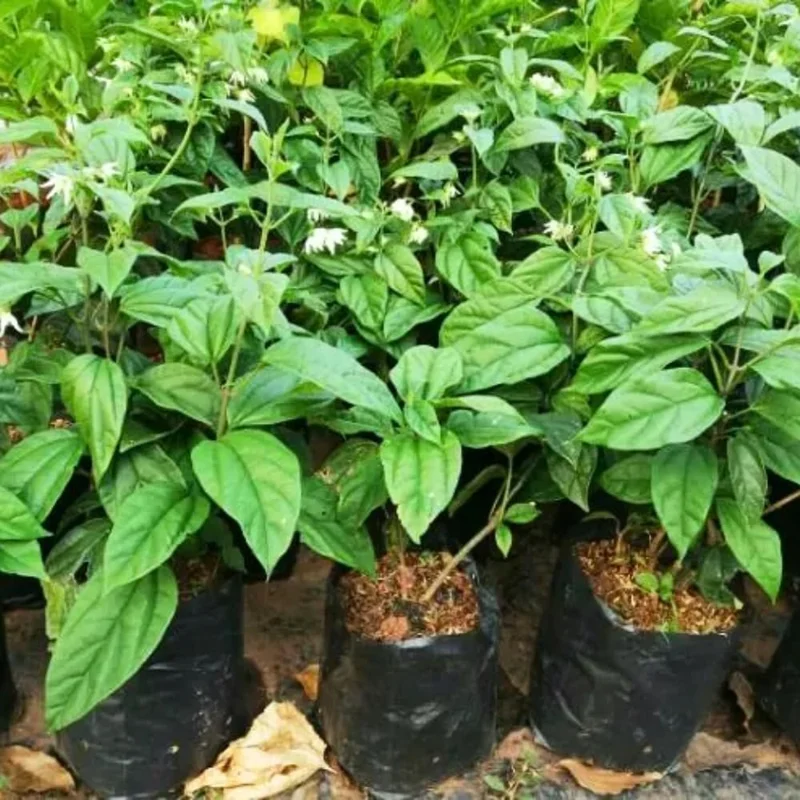
- Q: What condition will it arrive in? A: Your red bleeding heart live plants will arrive as two healthy, well-rooted plants, approximately 4-6 inches tall, in their nursery pots. They are carefully packaged to ensure they reach you in excellent condition, ready for planting.
- Q: How long until it blooms? A: These plants typically begin flowering in their first or second year after planting. Given proper care and suitable conditions, you can expect their characteristic red heart-shaped blooms to appear in early to mid-spring.
- Q: Will it survive winter in my zone? A: Yes, these are hardy perennial plants suitable for USDA hardiness zones 3 through 9. They will naturally go dormant in winter and re-emerge vigorously in the spring, making them a reliable choice for cold climates.
- Q: What type of soil do these plants prefer? A: Red bleeding heart live plants prefer rich, well-draining soil that is consistently moist. Amending your soil with organic matter like compost will help maintain moisture and provide essential nutrients for healthy growth.
- Q: Is the dicentra spectabilis plant deer resistant? A: While no plant is entirely deer-proof, Bleeding Hearts are generally considered to be deer-resistant. Deer tend to browse other plants before turning to these, making them a good option for gardens in areas with deer.
- Q: When is the best time to plant these? A: The best time to plant these red bleeding heart live plants is in early spring or fall. This allows them to establish their root system before the extreme heat of summer or the deep cold of winter, promoting robust growth and flowering.
Be the first to review “Red Bleeding Heart Live Plants – 2 Pack, 4-6 Inch Tall Perennial Shade Flower”
You must be logged in to post a review.
People also Viewed
Sold 50 products
Original price was: $28.58.$19.99Current price is: $19.99.
Sold 50 products
$32.39
Sold 50 products
$21.59
Sold 50 products
$35.99
Sold 50 products
Price range: $23.15 through $25.19
Sold 50 products
$38.39
Sold 50 products
Price range: $28.79 through $35.99
Sold 50 products
$26.39RELATED posts
How to Grow Jalapeño Peppers From Seeds: A Step-by-Step Guide
Ready to spice things up in your garden? Jalapeños are the true life of the [...]
Apr
Top 12 Best Types of Peppers to Grow in Your Garden: Easy and High Yield
Growing peppers is, quite honestly, one of the biggest “wins” you can have in a [...]
Apr
Frostproof Jasmine Care: 7 Tips for Successful Pot Growth
Most gardenias are known for being “divas.” They want perfect humidity, perfect soil, and they [...]
Mar
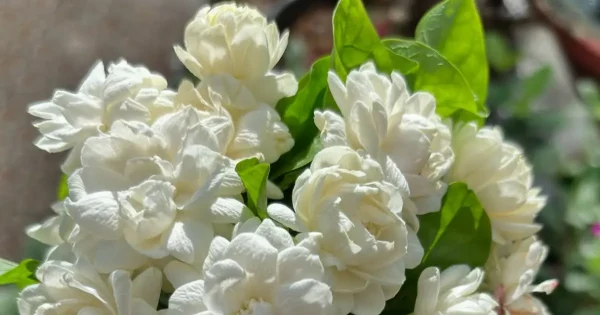
Top 7 Best Smelling Jasmine Varieties for a Heavenly Garden
Have you ever walked past a house and caught a scent so sweet you just [...]
Mar
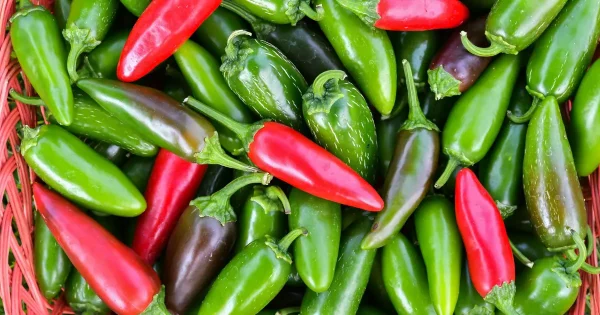
Master the Heat: 8 Expert Tips for Growing Jalapeños Like a Pro
Are you staring at your garden space, wondering why your pepper plants look more like [...]
Mar
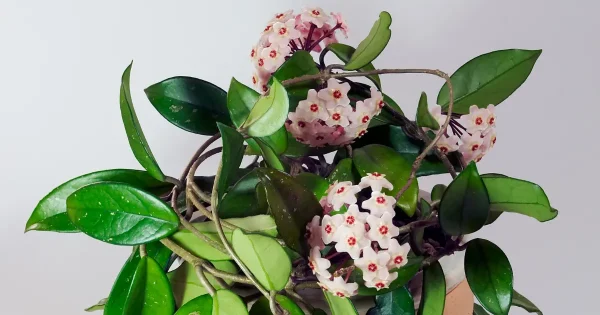
Top 5 Must-Have Hoya Varieties for Beginners
Hoyas are easily one of my top recommendations if you’re hunting for a low-maintenance houseplant [...]
Mar
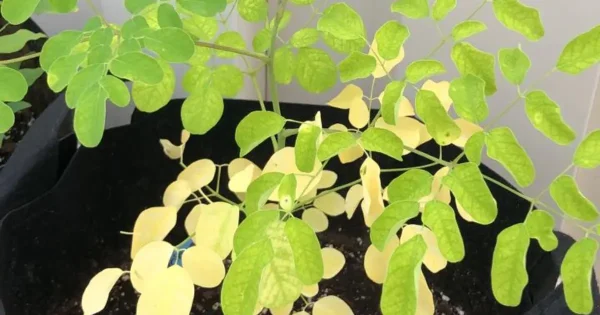
7 Moringa Plant Care Mistakes to Avoid for Healthy Growth
Have you ever looked at your Moringa tree and wondered why its once vibrant green [...]
Feb
How to Grow Potato Onions From True Seeds: A Step-by-Step Guide
Have you ever wondered how to grow potato onions from true seeds or why some [...]
Feb
Reviews
There are no reviews yet.