
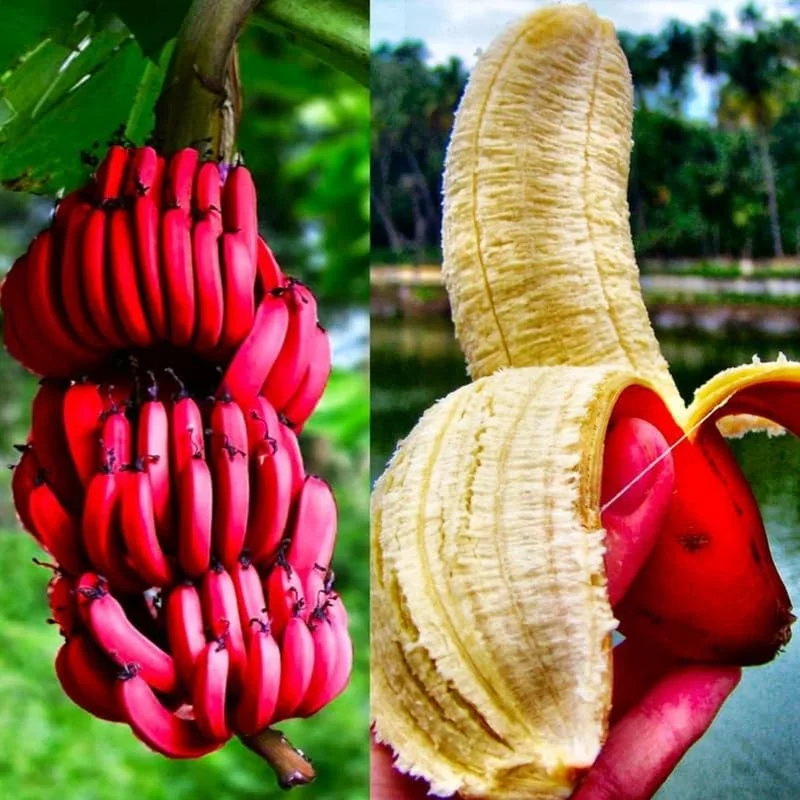
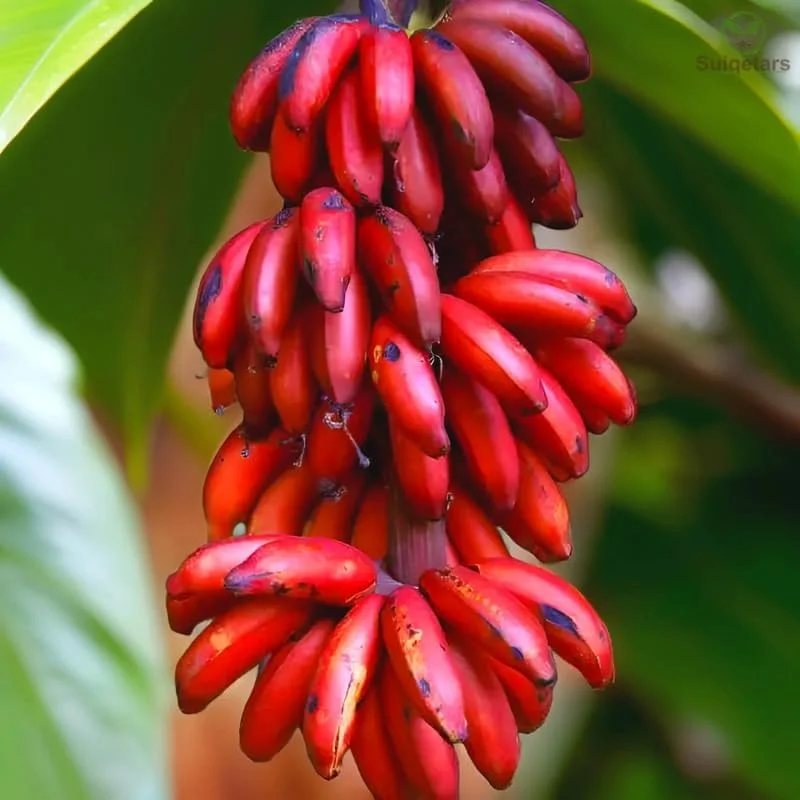
Red Banana Live Plant – Musa, Cold Hardy, 4-7″ Tall for Indoor/Outdoor
$29.99
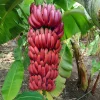
Introduce tropical beauty to your home with a red banana live plant. This compact, cold-hardy Musa variety is ideal for indoor or outdoor planting, reaching 4-7 inches tall. Enjoy its miniature banana-shaped leaves and easy-care nature, perfect for beginners and small spaces.
Shipping and Return policies:
We stand behind our plants with our Alive & Thrive Guarantee. If you experience any issues within the first 30 days, please email us, and our team will be happy to help. When needed, we’ll send you a one-time replacement free of charge to make sure your garden keeps growing strong.

Reasonable Price
We offer reasonable price

Support 24/7
Contact us 24 hrs a day
100% Money Back
You’ve 30 days to Return
Payment Secure
100% secure payment
Overview
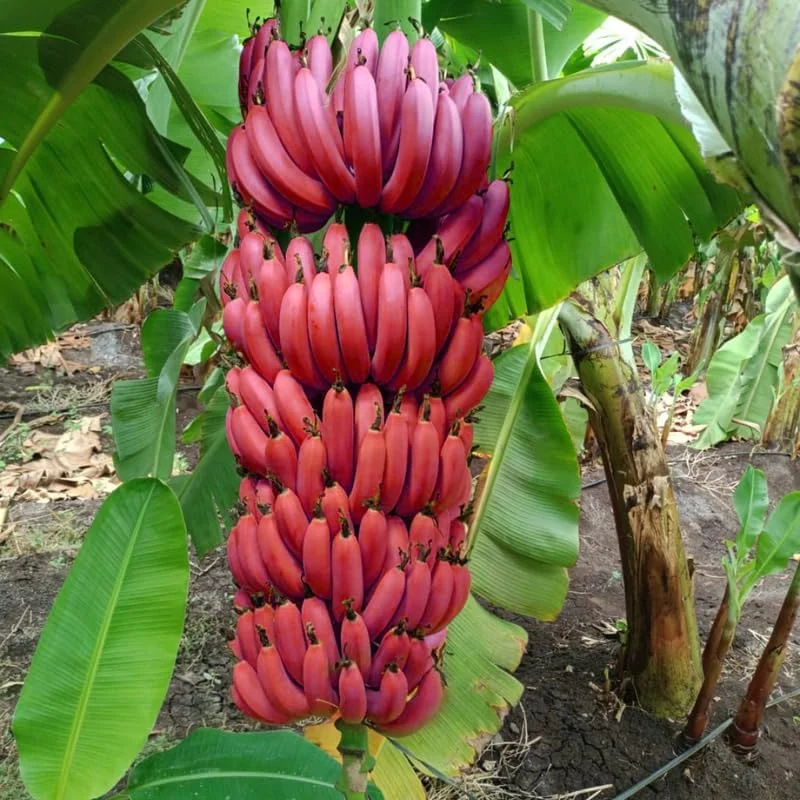
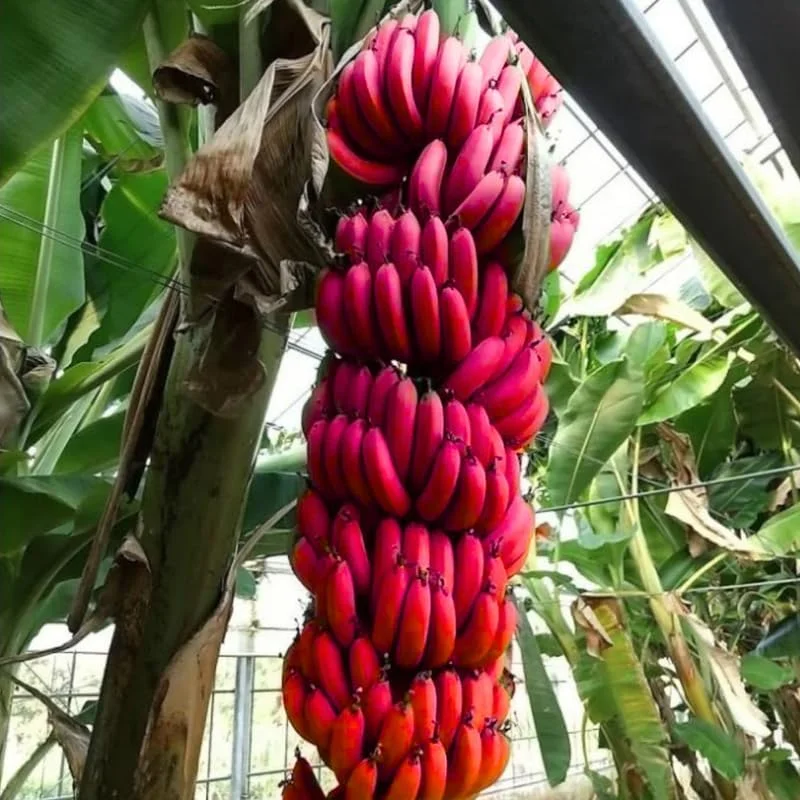
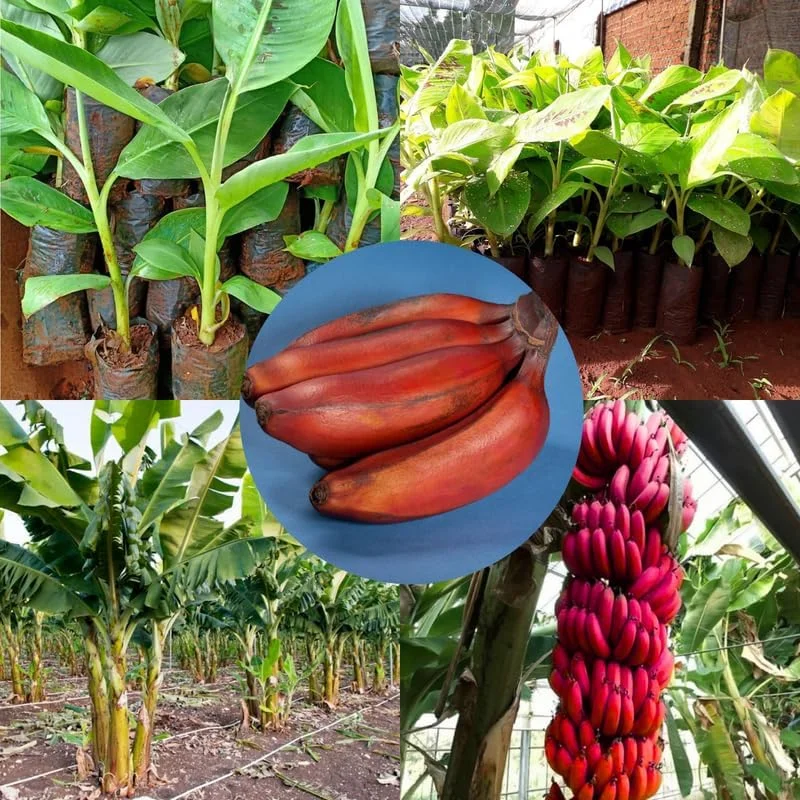
Bring the exotic beauty of the tropics into your home or garden with our exquisite red banana live plant. This vibrant Musa variety, often referred to as a dwarf banana plant, offers a unique aesthetic with its distinctive reddish stems and miniature banana-shaped leaves. Unlike its larger cousins, this particular red banana live plant is celebrated for its compact size and cold-hardy nature, making it a versatile choice for a wide range of climates and growing environments. Whether you’re an experienced horticulturist or a budding gardener, this stunning plant promises to add a touch of lush, tropical charm and an eye-catching focal point to any space. It’s a fantastic way to enjoy the allure of banana plants without needing extensive space.
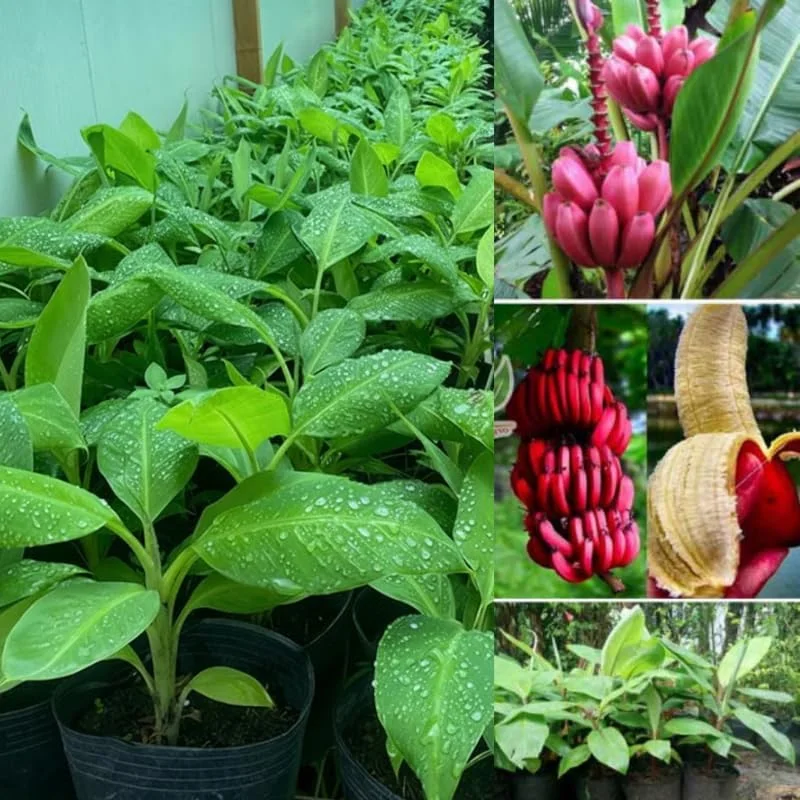
Our red banana live plant arrives ready for planting, typically measuring 4-7 inches tall, ensuring a healthy start for your new botanical addition. It’s an excellent choice for those looking to cultivate a unique houseplant or to add an intriguing element to their outdoor landscape. The robust nature of this Musa plant means it’s relatively low-maintenance, thriving with minimal care once established. Prepare to be delighted by the visual appeal and the ease of growing this captivating tropical specimen.
Key Benefits
Cultivating a red banana live plant offers a multitude of benefits, from enhancing your home’s aesthetic to providing a rewarding gardening experience. This plant is not just beautiful; it’s also surprisingly adaptable and easy to care for, making it a favorite among plant enthusiasts.
- Tropical Aesthetic: The most immediate benefit is the stunning tropical charm it brings. Its unique reddish hues and banana-shaped leaves instantly transform any space into a mini-paradise, creating a relaxing and inviting atmosphere.
- Compact & Versatile Size: Growing to a manageable 4-7 inches tall, this dwarf banana plant is perfect for small spaces such as windowsills, desks, or container gardening. Its small stature means you can enjoy the beauty of a banana plant even in apartments or homes without large gardens.
- Cold Hardy Nature: Unlike many tropical plants, this Musa variety boasts a significant degree of cold hardiness. This resilience makes it suitable for outdoor planting in a wider range of USDA zones, and also provides a buffer against unexpected temperature drops for indoor plants.
- Easy to Grow & Low Maintenance: Ideal for beginner gardeners, this musa plant care is straightforward. It thrives with minimal attention, making it a stress-free addition to your plant collection. Its robust nature means less fuss and more enjoyment.
- Indoor Air Quality: Like many houseplants, the red banana live plant contributes to improved indoor air quality by naturally filtering toxins and releasing oxygen, promoting a healthier living environment.
- Unique Conversation Starter: Its distinctive appearance and the novelty of growing a banana plant are sure to draw attention and spark conversations among guests, adding a unique element to your home decor.
- Potential for Fruit Yields: While primarily grown for its ornamental value, with proper care and conditions, this cold hardy banana tree can produce small, edible fruits, offering a delightful bonus for dedicated gardeners.
Plant Care & Growing Tips
Ensuring the health and vitality of your red banana live plant involves understanding its basic needs for light, water, soil, and temperature. With proper musa plant care, your plant will flourish and bring tropical beauty to your space for years to come.
Sunlight Requirements: This red banana live plant thrives in bright, indirect light. If grown indoors, a south or west-facing window with filtered light is ideal. Direct, harsh afternoon sun can scorch the leaves, so a sheer curtain can be beneficial. Outdoors, choose a location that receives ample morning sun and some afternoon shade, especially in hotter climates. Aim for at least 6 hours of bright light daily for optimal growth.
Watering Schedule and Soil Moisture: Consistency is key when watering your cold hardy banana tree. Keep the soil consistently moist but never waterlogged. Allow the top inch of soil to dry out slightly between waterings. Overwatering can lead to root rot, so ensure good drainage. Reduce watering frequency in cooler months when the plant’s growth slows. For indoor plants, consider using a moisture meter to guide your watering schedule.
Soil Type and Drainage: A well-draining, rich potting mix is crucial for this indoor banana plant. A blend formulated for tropical plants or a general-purpose potting mix amended with perlite or sand for improved drainage works well. The soil should be able to retain some moisture while allowing excess water to escape freely. Ensure your pot has drainage holes to prevent standing water.
Temperature Range and USDA Hardiness Zone: The red banana live plant is surprisingly cold hardy, capable of tolerating temperatures down to about 20°F (-6°C) for short periods, making it suitable for USDA zones 9-11 outdoors. For optimal growth, maintain temperatures between 65-85°F (18-29°C). If growing outdoors in a colder zone, it can be brought indoors for winter or heavily mulched to protect the rhizome. Avoid sudden temperature fluctuations.
Fertilization: During the active growing season (spring and summer), feed your dwarf banana plant with a balanced liquid fertilizer every 2-4 weeks. Reduce or stop fertilization in fall and winter when growth naturally slows. Follow the manufacturer’s instructions for dilution rates to prevent over-fertilization, which can harm the plant.
Common Problems and Solutions: Watch out for common pests like spider mites, mealybugs, and aphids, especially on indoor plants. Treat with insecticidal soap or neem oil. Yellowing leaves can indicate overwatering or nutrient deficiency, while brown, crispy edges suggest underwatering or low humidity. Adjust your care routine accordingly to address these issues promptly.
Size & Details
This red banana live plant is delivered as a young, actively growing specimen, ready to establish itself in your chosen environment. Typically, the plant will measure between 4-7 inches in height upon arrival, providing a robust foundation for future growth. While compact, this specific Musa variety can eventually reach a mature height of approximately 4-6 feet when grown in ideal conditions, especially outdoors, though it remains smaller as an indoor banana plant. Its growth rate is considered moderate, allowing you to enjoy its development without it quickly outgrowing its space. It is shipped as a bare-root plant or in a small nursery pot without a decorative pot, allowing you the flexibility to choose the perfect container or planting location upon arrival. Expect this cold hardy banana tree to begin showing significant new growth within a few weeks of planting, and with consistent musa plant care, it will mature beautifully.
Frequently Asked Questions
- Q: How big does this red banana live plant get? A: This particular dwarf banana plant typically reaches a mature height of 4-6 feet when grown in optimal conditions, though it remains more compact indoors. It is shipped at 4-7 inches tall, allowing you to watch its growth journey.
- Q: Is this an indoor or outdoor plant? A: This versatile red banana live plant is suitable for both indoor and outdoor cultivation. Its cold-hardy nature allows it to thrive outdoors in USDA Zones 9-11, and it makes an excellent tropical houseplant in colder regions.
- Q: How much sunlight does it need? A: The cold hardy banana tree prefers bright, indirect light. Indoors, place it near a bright window, avoiding harsh direct afternoon sun. Outdoors, choose a spot with morning sun and some afternoon shade.
- Q: Is this plant easy to care for? A: Yes, this musa plant care is considered low-maintenance and is ideal for beginner gardeners. It requires consistent watering and bright light but is generally forgiving if its basic needs are met.
- Q: What condition will it arrive in? A: Your red banana live plant will arrive healthy and ready for planting, typically as a bare-root plant or in a small nursery container. We ensure careful packaging to protect it during transit.
- Q: Can this plant produce fruit? A: While primarily grown for its ornamental foliage, with proper care and maturity, this Musa variety can produce small, edible red bananas. Fruit production is more common in established outdoor plants.
- Q: What kind of soil is best for this indoor banana plant? A: A rich, well-draining potting mix is best. You can use a tropical plant mix or amend a general-purpose potting soil with perlite or sand to enhance drainage. Good drainage is crucial for healthy root development.
- Q: How often should I water my dwarf banana plant? A: Keep the soil consistently moist but not waterlogged. Allow the top inch of soil to dry out between waterings. Watering frequency will depend on temperature, humidity, and light exposure.
- Q: Will this cold hardy banana tree survive winter in my zone? A: If you are in USDA Zone 9-11, it can likely survive outdoors with protection. In colder zones, it’s best to bring the plant indoors before the first frost or provide heavy winter mulching if grown in the ground.
- Q: Is this plant pet-safe? A: While many banana plants are generally considered non-toxic to pets, it’s always best to prevent pets from consuming plant material. Consult a veterinarian if you have concerns.
Be the first to review “Red Banana Live Plant – Musa, Cold Hardy, 4-7″ Tall for Indoor/Outdoor”
You must be logged in to post a review.
People also Viewed
Sold 50 products
Original price was: $17.58.$11.86Current price is: $11.86.
Sold 50 products
Price range: $32.99 through $35.99
Sold 50 products
$69.99
Sold 50 products
$18.99
Sold 50 products
Price range: $14.98 through $23.89
Sold 50 products
$32.99
Sold 50 products
$24.99
Sold 50 products
Price range: $43.99 through $44.99RELATED posts
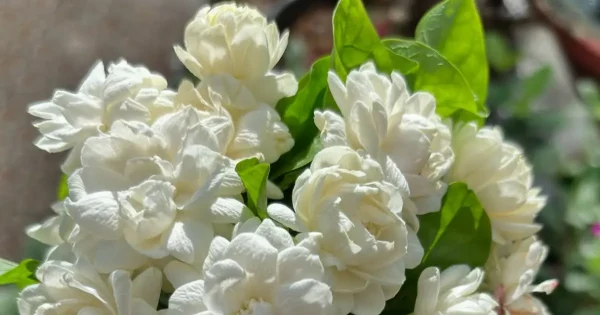
Top 7 Best Smelling Jasmine Varieties for a Heavenly Garden
Have you ever walked past a house and caught a scent so sweet you just [...]
Mar
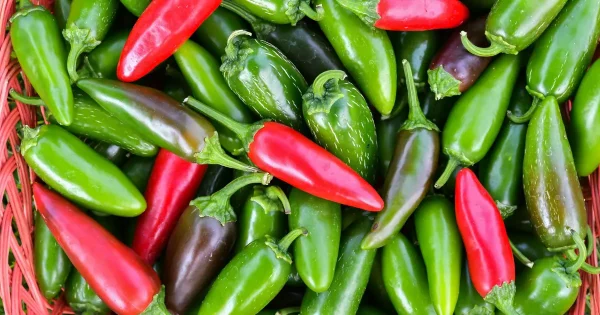
Master the Heat: 8 Expert Tips for Growing Jalapeños Like a Pro
Are you staring at your garden space, wondering why your pepper plants look more like [...]
Mar
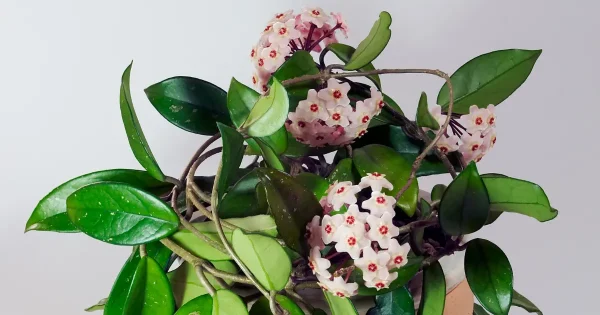
Top 5 Must-Have Hoya Varieties for Beginners
Hoyas are easily one of my top recommendations if you’re hunting for a low-maintenance houseplant [...]
Mar
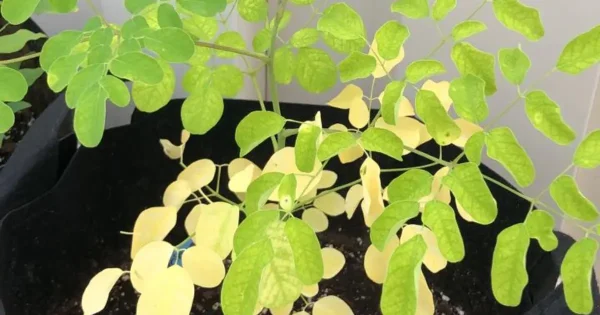
7 Moringa Plant Care Mistakes to Avoid for Healthy Growth
Have you ever looked at your Moringa tree and wondered why its once vibrant green [...]
Feb
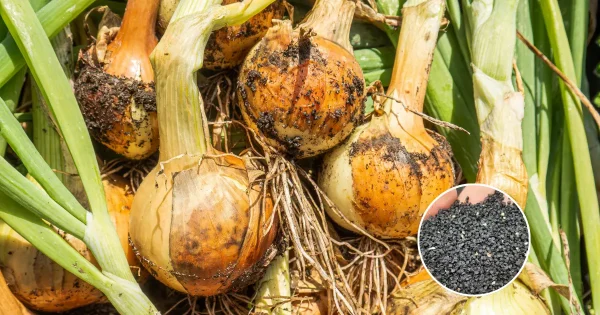
How to Grow Potato Onions From True Seeds: A Step-by-Step Guide
Have you ever wondered how to grow potato onions from true seeds or why some [...]
Feb
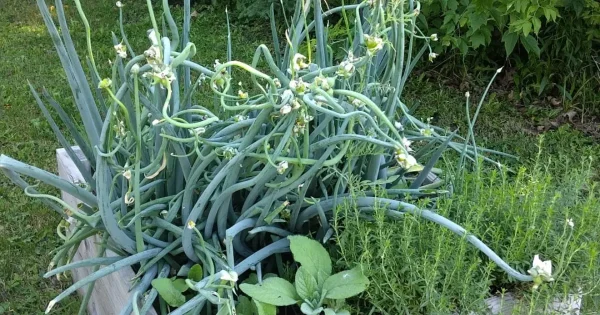
Growing Walking Onions in Containers: The Ultimate Guide
Have you ever looked at your small balcony or cramped patio and wished you could [...]
Feb
9 Best Flower Seeds to Start in February for Early Blooms
If you’re a passionate gardener, you know that itchy feeling in your fingers when February [...]
Jan
Growing Shampoo Ginger in Pots: Easy Guide to Potting Ginger Lilies
Are you looking to add a touch of exotic beauty to your home while growing [...]
Jan
Reviews
There are no reviews yet.