
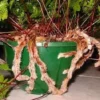
Rabbit’s Foot Fern Davallia Plant – 2.5 inch Pot – Fairy Garden Fern
$17.98
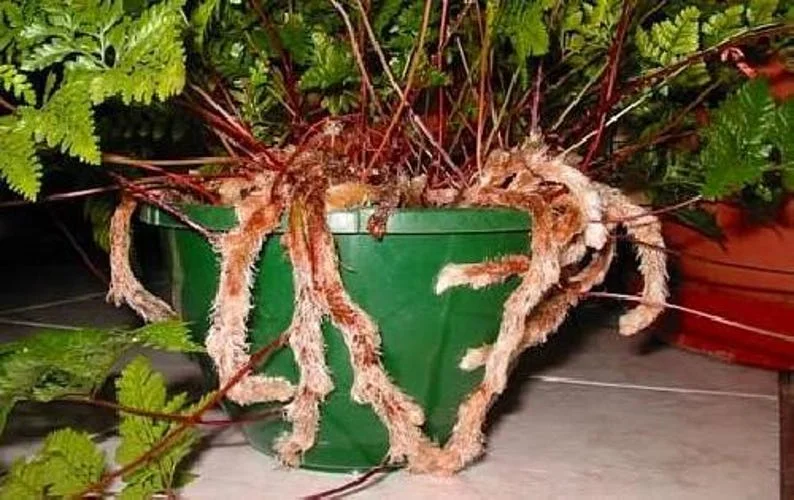
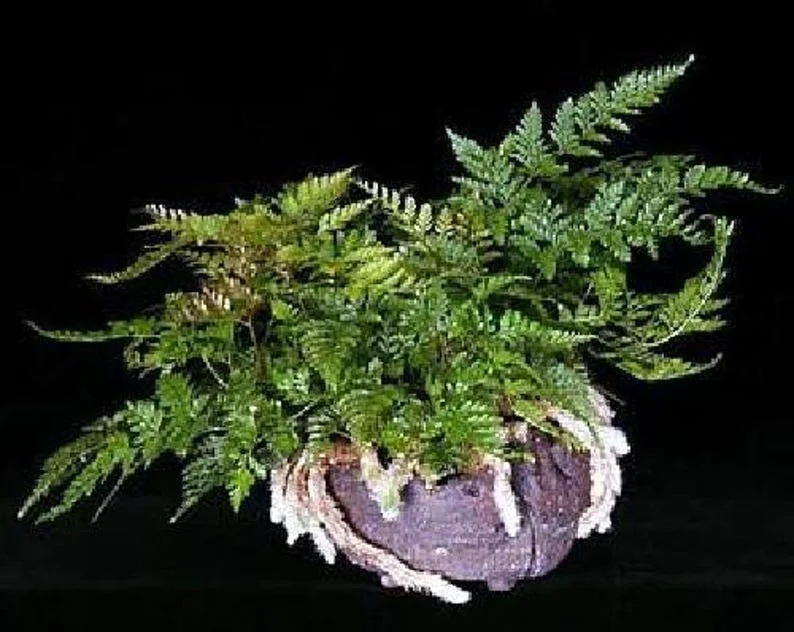
Add a whimsical touch to your home with a Rabbit’s Foot Fern! Its unique fuzzy rhizomes resemble rabbit’s feet. Perfect for
- Fairy Gardens
- Hanging Baskets
- Indoor Decor
Shipping and Return policies:
We stand behind our plants with our Alive & Thrive Guarantee. If you experience any issues within the first 30 days, please email us, and our team will be happy to help. When needed, we’ll send you a one-time replacement free of charge to make sure your garden keeps growing strong.

Reasonable Price
We offer reasonable price

Support 24/7
Contact us 24 hrs a day
100% Money Back
You’ve 30 days to Return
Payment Secure
100% secure payment
Bring Whimsy Home with a Rabbit’s Foot Fern
The Rabbit’s Foot Fern, scientifically known as Davallia, is a charming and unique houseplant that brings a touch of whimsy to any indoor space. Its most distinctive feature is the fuzzy, creeping rhizomes that resemble rabbit’s feet, hence the name. These rhizomes grow over the sides of the pot, adding visual interest and texture. This delightful fern is perfect for fairy gardens, hanging baskets, or simply adding a touch of greenery to your home.
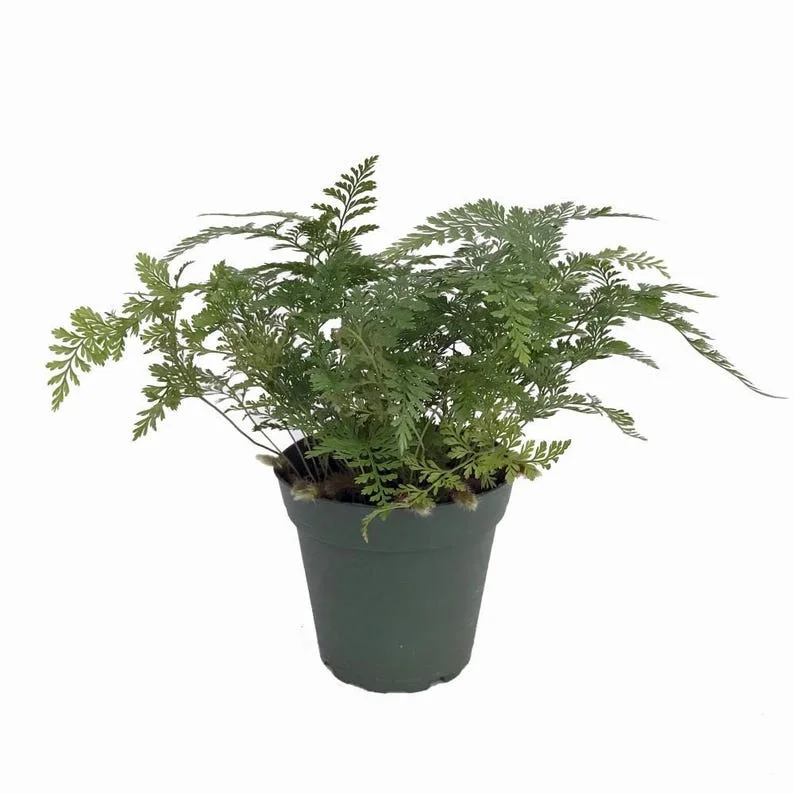
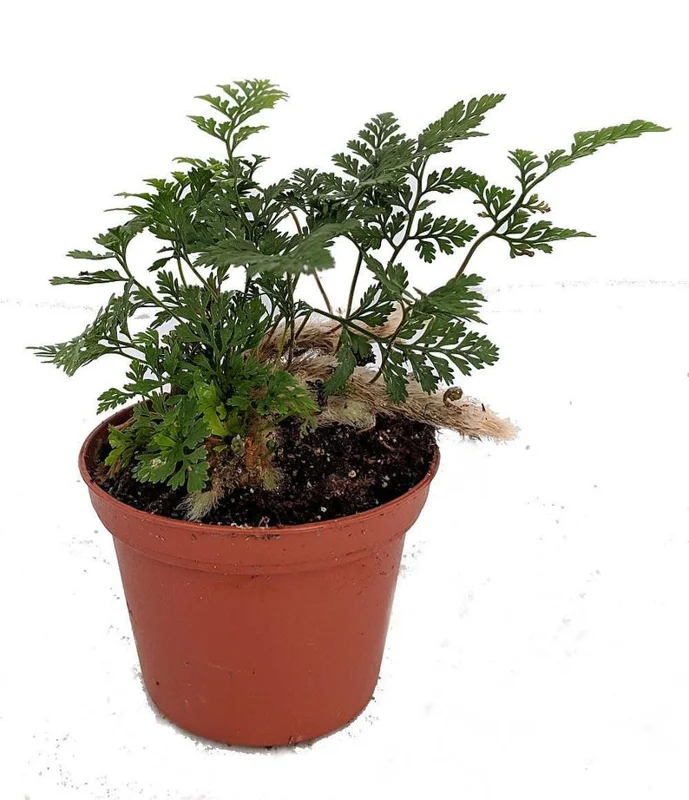
This particular Rabbit’s Foot Fern comes in a convenient 2.5″ pot, making it ideal for smaller spaces or grouping with other plants. It’s relatively easy to care for and thrives in bright, indirect light and well-draining soil. The Davallia fern is a wonderful choice for both beginner and experienced plant enthusiasts. The unique texture and growth habit make this a conversation starter for any indoor space.
Key Benefits:
- Unique Appearance: The fuzzy rhizomes provide a distinctive and eye-catching look.
- Easy Care: Relatively low-maintenance, making it suitable for beginners.
- Versatile Use: Perfect for fairy gardens, hanging baskets, and indoor displays.
- Air Purifying: Helps to improve indoor air quality.
- Conversation Starter: Its unusual appearance makes it a great talking point.
Care Tips: Keep the soil consistently moist but not waterlogged. Avoid direct sunlight, which can scorch the fronds. Mist regularly to maintain humidity, especially in dry environments. Fertilize lightly during the growing season (spring and summer).
Frequently Asked Questions:
- How big will my Rabbit’s Foot Fern get? The fronds can grow up to 12-18 inches long, and the rhizomes can spread beyond the pot, depending on its size.
- What kind of light does it need? Bright, indirect light is ideal. Avoid direct sunlight, which can damage the leaves.
- How often should I water it? Water when the top inch of soil feels dry. Ensure the pot has good drainage to prevent root rot.
- Is it safe for pets? The Rabbit’s Foot Fern is generally considered non-toxic to cats and dogs, but it’s always best to keep plants out of reach of pets.
- Why are the rhizomes turning brown? Browning rhizomes can indicate overwatering or underwatering. Adjust your watering accordingly and ensure good drainage.
Be the first to review “Rabbit’s Foot Fern Davallia Plant – 2.5 inch Pot – Fairy Garden Fern”
You must be logged in to post a review.
People also Viewed
Sold 50 products
Original price was: $28.58.$19.99Current price is: $19.99.
Sold 50 products
$32.39
Sold 50 products
$21.59
Sold 50 products
$35.99
Sold 50 products
Price range: $23.15 through $25.19
Sold 50 products
$38.39
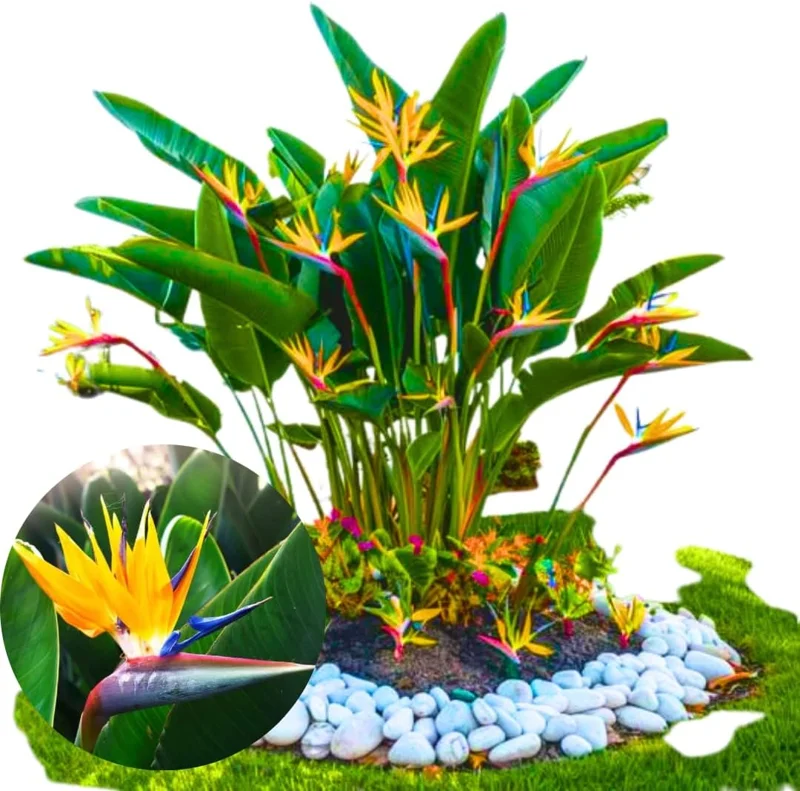
Sold 50 products
Price range: $28.79 through $35.99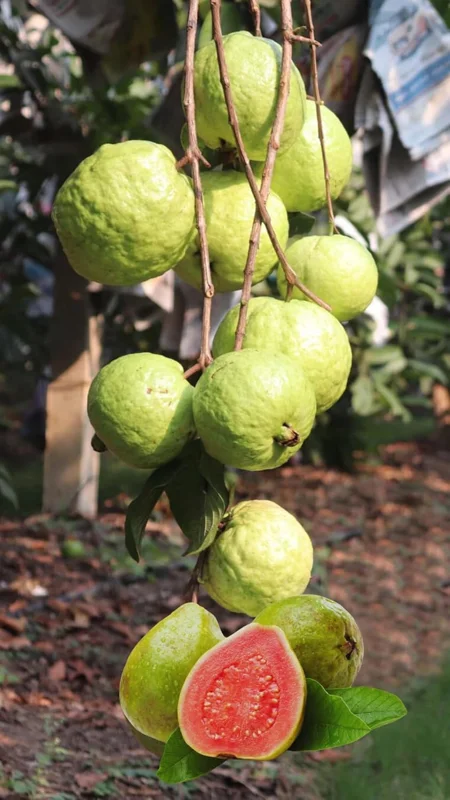
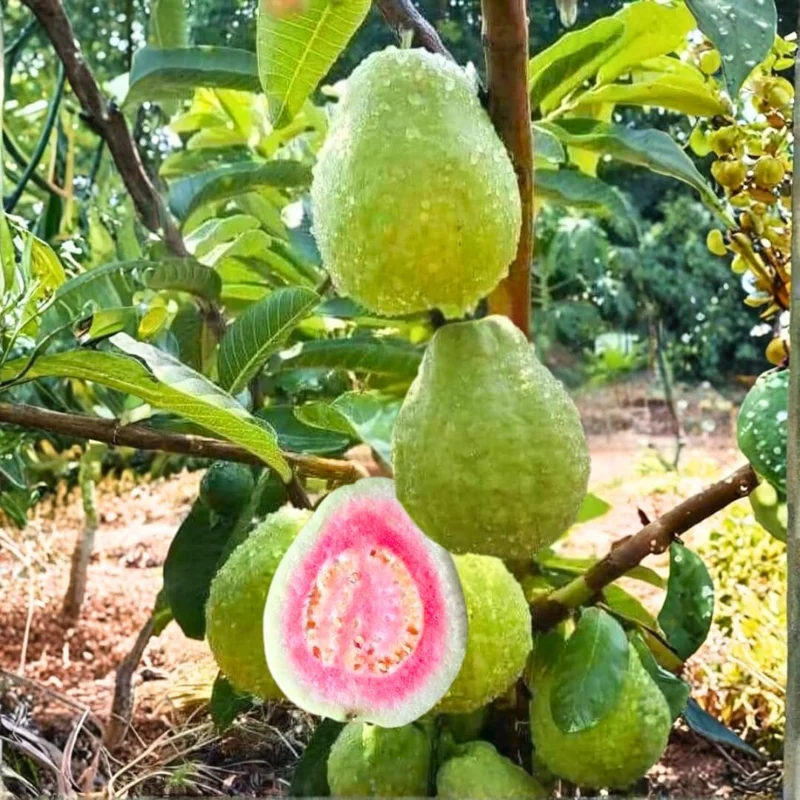
Sold 50 products
$26.39RELATED posts
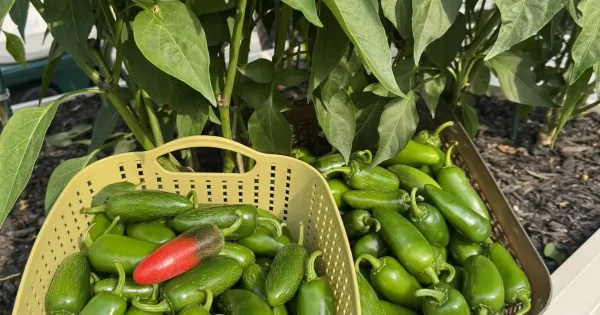
How to Grow Jalapeño Peppers From Seeds: A Step-by-Step Guide
Ready to spice things up in your garden? Jalapeños are the true life of the [...]
Apr
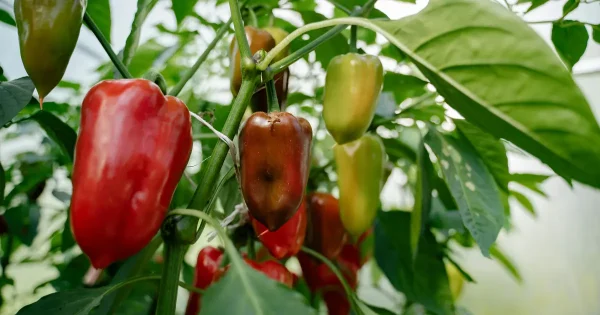
Top 12 Best Types of Peppers to Grow in Your Garden: Easy and High Yield
Growing peppers is, quite honestly, one of the biggest “wins” you can have in a [...]
Apr
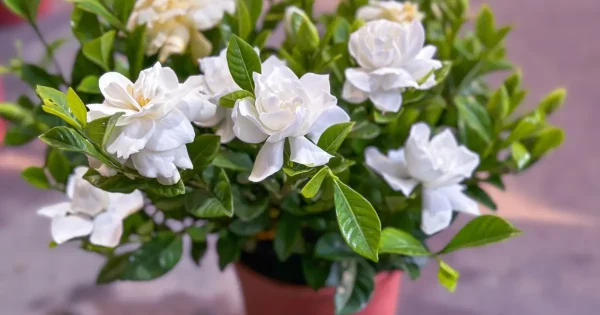
Frostproof Jasmine Care: 7 Tips for Successful Pot Growth
Most gardenias are known for being “divas.” They want perfect humidity, perfect soil, and they [...]
Mar
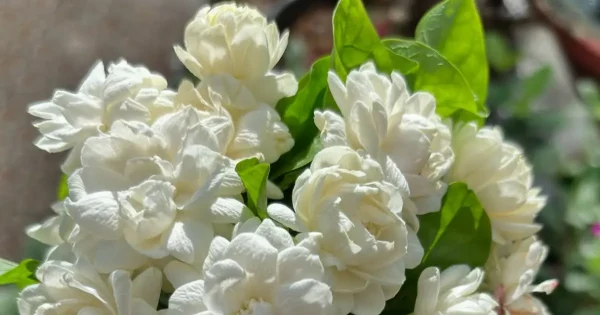
Top 7 Best Smelling Jasmine Varieties for a Heavenly Garden
Have you ever walked past a house and caught a scent so sweet you just [...]
Mar
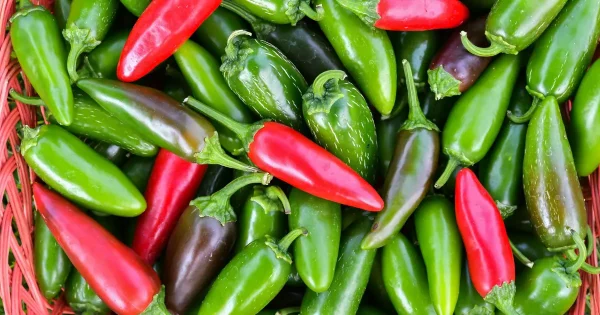
Master the Heat: 8 Expert Tips for Growing Jalapeños Like a Pro
Are you staring at your garden space, wondering why your pepper plants look more like [...]
Mar
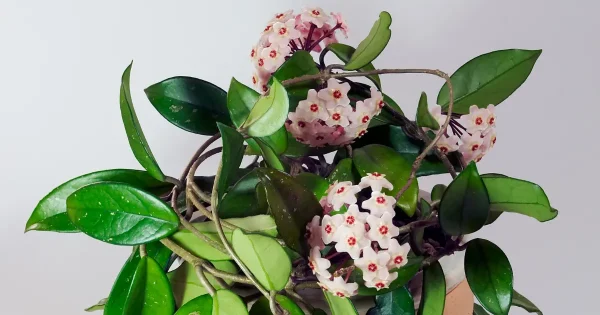
Top 5 Must-Have Hoya Varieties for Beginners
Hoyas are easily one of my top recommendations if you’re hunting for a low-maintenance houseplant [...]
Mar
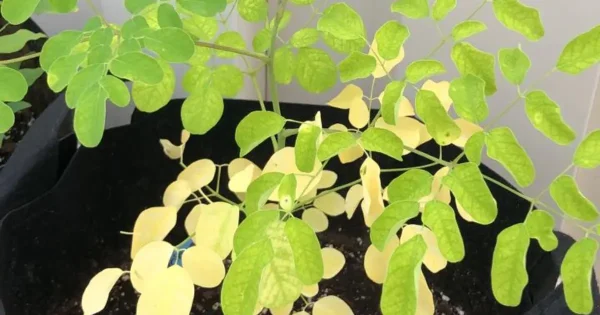
7 Moringa Plant Care Mistakes to Avoid for Healthy Growth
Have you ever looked at your Moringa tree and wondered why its once vibrant green [...]
Feb
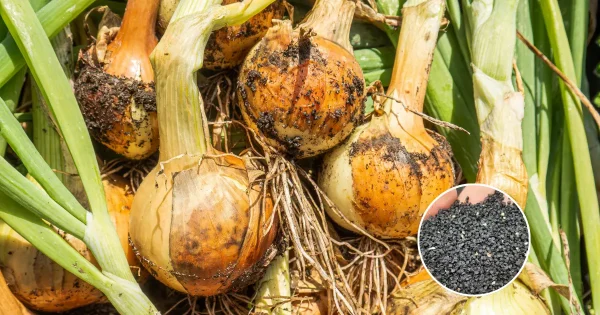
How to Grow Potato Onions From True Seeds: A Step-by-Step Guide
Have you ever wondered how to grow potato onions from true seeds or why some [...]
Feb

Reviews
There are no reviews yet.