
Purple Rose of Sharon Live Plant – 6-13 Inch Tall Althea Hibiscus Syriacus Shrub in Pot, USDA Zone 5
Original price was: $57.98.$52.18Current price is: $52.18.
Enhance your garden with a beautiful purple Rose of Sharon live plant. This 6-13 inch tall Althea Hibiscus syriacus shrub provides stunning summer blooms and works wonderfully as a hedge or specimen plant. Known for its hardiness and vibrant color, it’s an excellent choice for adding curb appeal.
Shipping and Return policies:
We stand behind our plants with our Alive & Thrive Guarantee. If you experience any issues within the first 30 days, please email us, and our team will be happy to help. When needed, we’ll send you a one-time replacement free of charge to make sure your garden keeps growing strong.

Reasonable Price
We offer reasonable price

Support 24/7
Contact us 24 hrs a day
100% Money Back
You’ve 30 days to Return
Payment Secure
100% secure payment
Overview
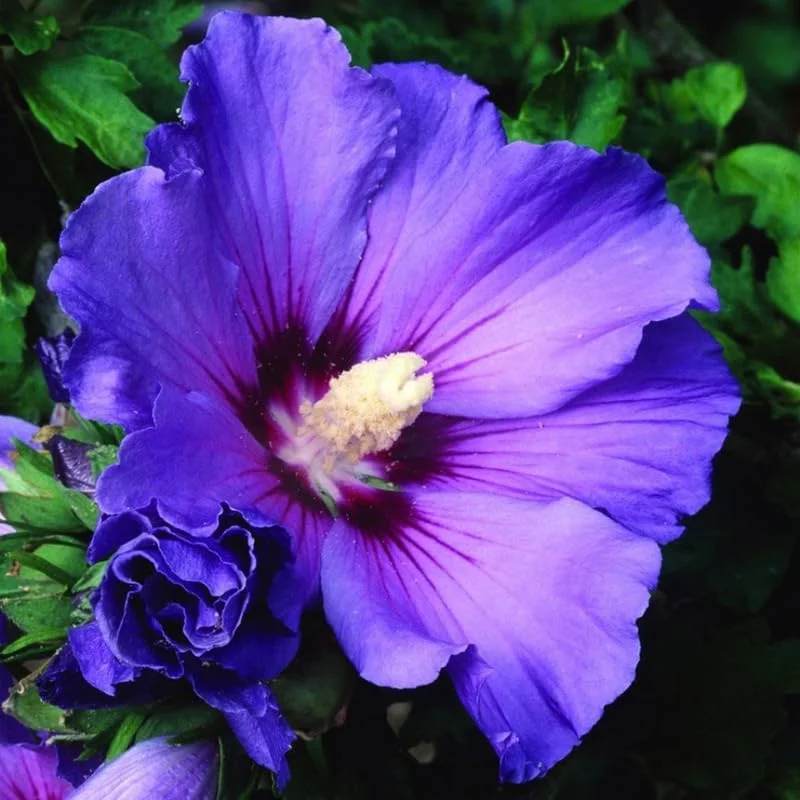
Introduce a touch of vibrant color and elegance to your landscape with this beautiful purple Rose of Sharon live plant. Also known by its botanical name, Althea Hibiscus syriacus, this deciduous shrub is celebrated for its striking, trumpet-shaped flowers that bloom profusely from summer into fall, bringing a long season of visual interest to any garden. This particular specimen arrives as a live plant, standing between 6 and 13 inches tall, ready to be transplanted into your garden or a larger container. Its robust nature and captivating purple blossoms make it a popular choice for gardeners seeking both beauty and resilience.
The purple Rose of Sharon live plant is a versatile addition, capable of transforming outdoor spaces with its lush foliage and dramatic flowers. Whether you’re looking to create a vibrant border, a privacy hedge, or a focal point in a mixed perennial bed, this plant offers exceptional appeal. Its ability to thrive in various conditions, coupled with its stunning aesthetic, ensures it will be a cherished part of your garden for years to come. The rich purple hue of its petals provides a splendid contrast against its green leaves, attracting pollinators and admirers alike.
Key Benefits
The purple Rose of Sharon live plant offers numerous advantages for any landscape, making it a highly desirable choice for both novice and experienced gardeners. Its beauty and hardiness contribute significantly to a thriving garden environment.
-
Extended Bloom Season: Enjoy a prolonged display of stunning purple flowers from summer through fall, providing continuous color when many other plants have finished blooming. This extended bloom period ensures your garden remains lively and attractive for months.
-
Versatile Landscaping Use: This Rose of Sharon shrub is incredibly adaptable, perfect for creating beautiful hedges, privacy screens, borders, or as a stand-alone specimen plant. Its upright growth habit makes it suitable for various garden designs.
-
Attracts Pollinators: The vibrant flowers are a magnet for bees, butterflies, and hummingbirds, contributing to a healthy and biodiverse garden ecosystem. Observing these beneficial insects and birds adds an extra layer of enjoyment to your outdoor space.
-
Low Maintenance & Hardy: Once established, the Althea Hibiscus syriacus is remarkably resilient and requires minimal care. It tolerates a range of soil conditions and is quite drought-tolerant, making it an excellent choice for busy gardeners.
-
Exceptional Hardiness: Thrives in USDA Hardiness Zone 5 and above, demonstrating excellent cold tolerance and an ability to bounce back year after year. This makes it a reliable perennial in many climates.
-
Beautiful Purple Flowers: The distinctive purple blooms add a sophisticated and lush aesthetic to any garden setting. The rich color creates a focal point and complements other plantings beautifully.
Plant Care & Growing Tips
Caring for your purple Rose of Sharon live plant is relatively straightforward, ensuring years of beautiful blooms with proper attention. This hardy shrub thrives when its basic needs for sunlight, water, and soil are met. For optimal growth and flowering, select a location that receives full sun to part shade. Full sun (at least 6 hours of direct sunlight per day) will encourage the most prolific blooming. While it can tolerate some shade, too much will reduce flower production. Ensure good air circulation around the plant to prevent fungal issues.
When it comes to watering, the Althea Hibiscus syriacus prefers medium moisture and well-drained soils. Water regularly during dry spells, especially during its first growing season, to help it establish a strong root system. Once established, it becomes more drought-tolerant, but consistent moisture will lead to better overall health and more abundant flowers. Avoid waterlogging, as this can lead to root rot. A layer of mulch around the base of the plant can help retain soil moisture and regulate soil temperature.
The ideal soil for your Rose of Sharon shrub is a loam soil that is well-draining. It can adapt to a variety of soil types, including sandy or clay soils, as long as drainage is adequate. Amend heavy clay soils with organic matter to improve drainage and aeration. Fertilize in early spring with a balanced slow-release fertilizer designed for flowering shrubs to support vigorous growth and blooming. Pruning can be done in late winter or early spring to shape the plant, remove dead or damaged branches, and encourage new growth and more flowers. This hardy hibiscus is generally resistant to pests and diseases, but keep an eye out for common garden issues and address them promptly.
Size & Details
This purple Rose of Sharon live plant is shipped as a young, actively growing specimen, typically standing between 6 and 13 inches tall from the base of the pot to the top of the foliage. It arrives in a nursery pot, ensuring its root system is intact and ready for successful transplanting. The plant is well-rooted and has been carefully nurtured to ensure its health and vitality upon arrival. While specific dimensions are approximately 10 x 12 x 14 inches for shipping, the plant itself falls within the 6-13 inch height range specified.
As a deciduous shrub, the Althea Hibiscus syriacus will grow to a mature height of 8-12 feet and a spread of 6-10 feet, depending on growing conditions and pruning habits. It has a moderate growth rate, establishing itself well within a few seasons. Expect beautiful blooms to appear from summer to fall, bringing consistent color to your garden. This plant is ideal for planting in spring or early summer to allow it sufficient time to establish before colder weather. It’s a single unit, ready for immediate planting upon arrival.
Frequently Asked Questions
-
Q: How tall will my purple Rose of Sharon live plant get at maturity? A: Your purple Rose of Sharon live plant can grow to a mature height of 8-12 feet and a spread of 6-10 feet. Its final size can be influenced by growing conditions, climate, and pruning.
-
Q: What are the sunlight requirements for this Rose of Sharon shrub? A: This Rose of Sharon shrub thrives best in full sun, meaning at least 6 hours of direct sunlight per day. It can tolerate partial shade, but flowering may be less abundant.
-
Q: Is this plant easy to care for, especially for beginners? A: Yes, the Althea Hibiscus syriacus is considered a relatively easy-to-care-for plant. Once established, it is quite hardy and tolerant of various conditions, making it a good choice for gardeners of all experience levels.
-
Q: What condition will the Rose of Sharon live plant arrive in? A: Your Rose of Sharon live plant will arrive as a healthy, actively growing specimen, approximately 6-13 inches tall, in a nursery pot with its root system intact and soil to ensure minimal transplant shock.
-
Q: Can I use this plant to create a hedge? A: Absolutely! The purple Rose of Sharon live plant is an excellent choice for creating a vibrant flowering hedge. Plant multiple shrubs in a row with appropriate spacing to form a beautiful and effective screen.
-
Q: When is the best time to plant this hardy hibiscus? A: The best time to plant your hardy hibiscus is in the spring or early summer after the last threat of frost has passed. This allows the plant ample time to establish its root system before the heat of summer or the cold of winter.
-
Q: What USDA Hardiness Zone is this Rose of Sharon suitable for? A: This purple Rose of Sharon live plant is suitable for USDA Hardiness Zone 5 and above, indicating its excellent cold tolerance and ability to thrive in many different climates across the United States.
-
Q: What type of soil does the Althea Hibiscus syriacus prefer? A: The Althea Hibiscus syriacus prefers medium moisture, well-draining loam soil. While adaptable, good drainage is crucial to prevent root issues.
-
Q: How often should I water my new Rose of Sharon? A: During its first growing season, water your new Rose of Sharon shrub regularly to keep the soil consistently moist but not waterlogged. Once established, it will be more tolerant of dry periods, but consistent watering during prolonged droughts is beneficial.
-
Q: Will this plant attract pollinators to my garden? A: Yes, the vibrant flowers of the purple Rose of Sharon live plant are very attractive to various pollinators, including bees, butterflies, and hummingbirds, enriching your garden’s ecosystem.
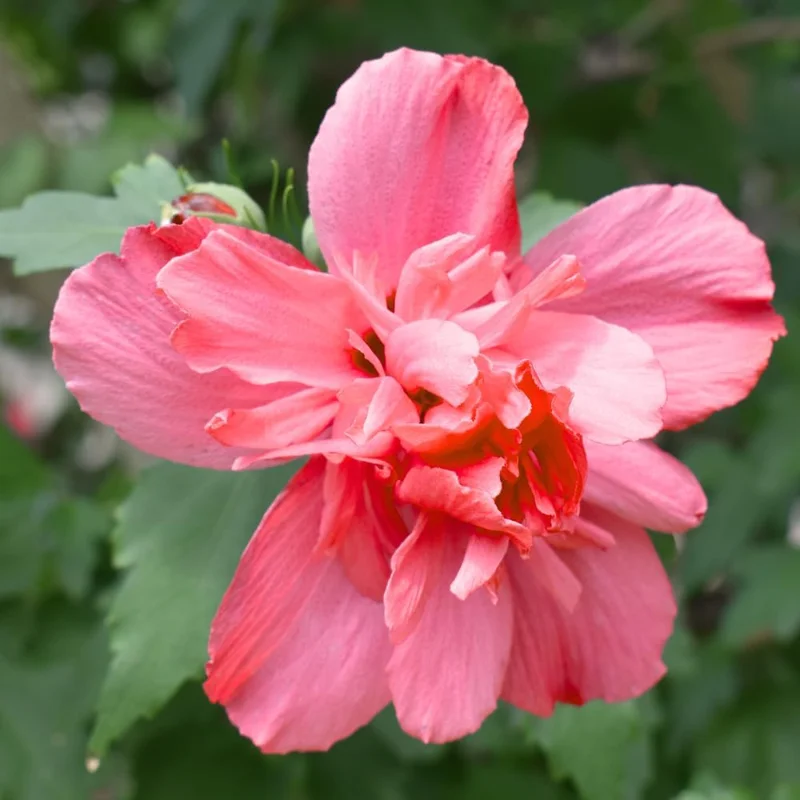
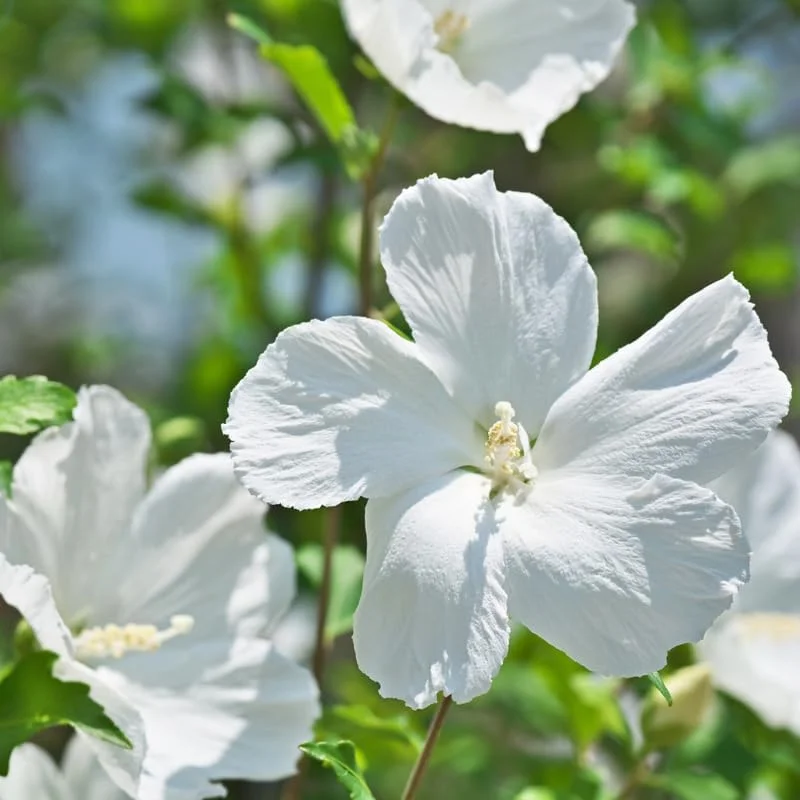
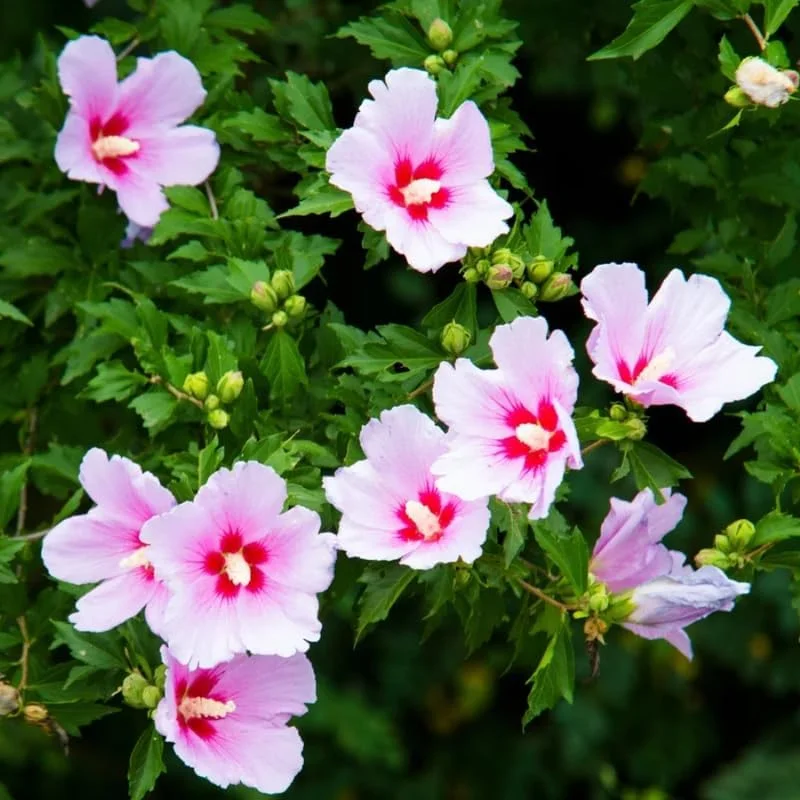
| Color | Pink Rose Of Sharon, Purple Rose Of Sharon, Red Rose Of Sharon, White Rose Of Sharon |
|---|
Be the first to review “Purple Rose of Sharon Live Plant – 6-13 Inch Tall Althea Hibiscus Syriacus Shrub in Pot, USDA Zone 5”
You must be logged in to post a review.
People also Viewed
Sold 50 products
Original price was: $17.58.$11.86Current price is: $11.86.
Sold 50 products
Price range: $32.99 through $35.99
Sold 50 products
$69.99
Sold 50 products
$18.99
Sold 50 products
Price range: $14.98 through $23.89
Sold 50 products
$32.99
Sold 50 products
$24.99
Sold 50 products
Price range: $43.99 through $44.99RELATED posts
Frostproof Jasmine Care: 7 Tips for Successful Pot Growth
Most gardenias are known for being “divas.” They want perfect humidity, perfect soil, and they [...]
Mar
Top 7 Best Smelling Jasmine Varieties for a Heavenly Garden
Have you ever walked past a house and caught a scent so sweet you just [...]
Mar
Master the Heat: 8 Expert Tips for Growing Jalapeños Like a Pro
Are you staring at your garden space, wondering why your pepper plants look more like [...]
Mar
Top 5 Must-Have Hoya Varieties for Beginners
Hoyas are easily one of my top recommendations if you’re hunting for a low-maintenance houseplant [...]
Mar
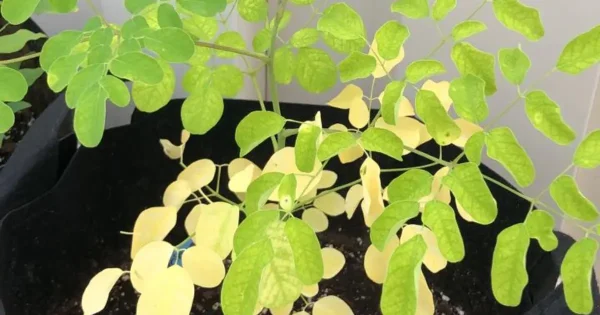
7 Moringa Plant Care Mistakes to Avoid for Healthy Growth
Have you ever looked at your Moringa tree and wondered why its once vibrant green [...]
Feb
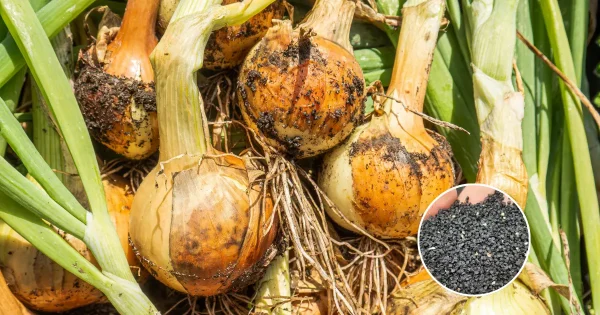
How to Grow Potato Onions From True Seeds: A Step-by-Step Guide
Have you ever wondered how to grow potato onions from true seeds or why some [...]
Feb
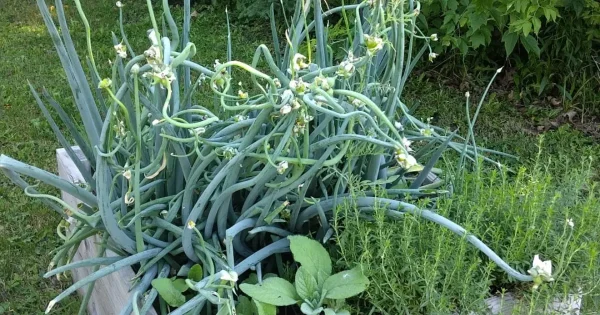
Growing Walking Onions in Containers: The Ultimate Guide
Have you ever looked at your small balcony or cramped patio and wished you could [...]
Feb

9 Best Flower Seeds to Start in February for Early Blooms
If you’re a passionate gardener, you know that itchy feeling in your fingers when February [...]
Jan
Reviews
There are no reviews yet.