
Purple Prickly Pear Cactus Live Plant – 6-8 Inches Tall – Hardy Succulent for Indoor/Outdoor
$19.98
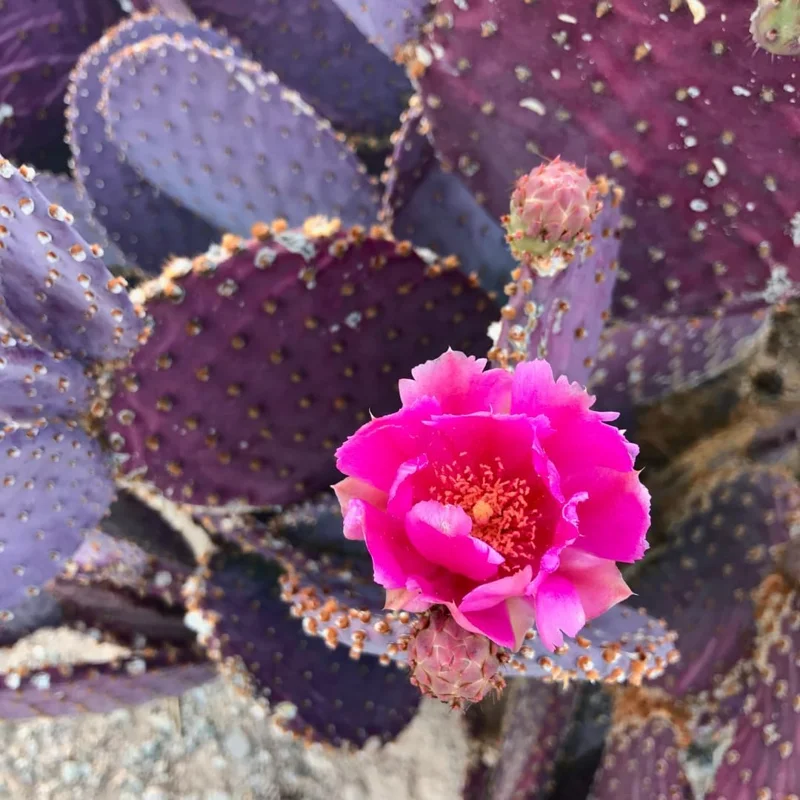
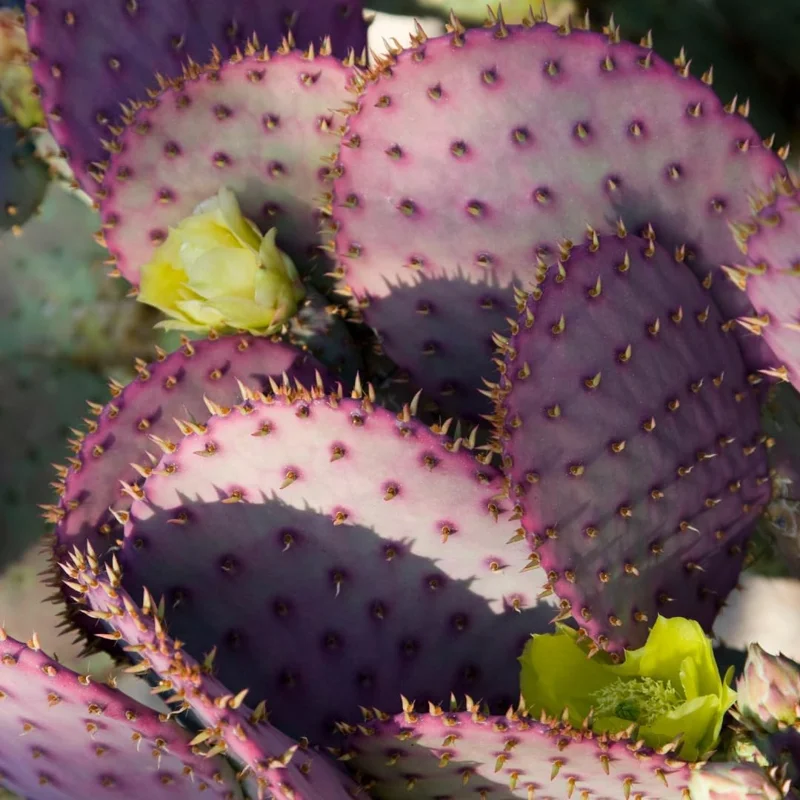
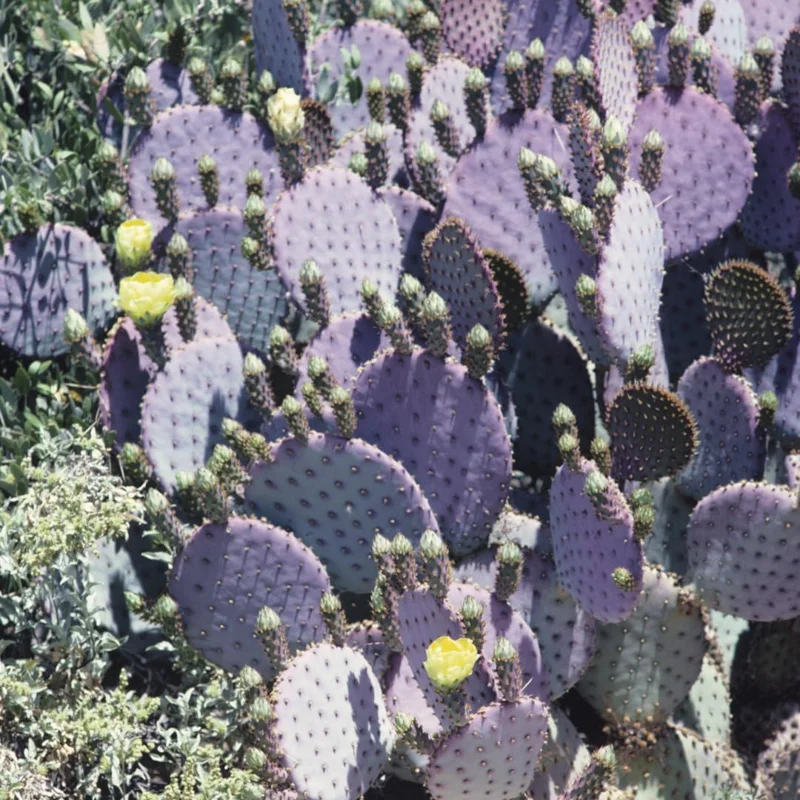
Introduce a vibrant touch of the desert with this purple prickly pear cactus, a 6-8 inch tall live succulent. Known for its distinctive purple pads that intensify with sun, this prickly pear succulent is drought-tolerant and requires minimal care, perfect for both indoor and outdoor settings.
Shipping and Return policies:
We stand behind our plants with our Alive & Thrive Guarantee. If you experience any issues within the first 30 days, please email us, and our team will be happy to help. When needed, we’ll send you a one-time replacement free of charge to make sure your garden keeps growing strong.

Reasonable Price
We offer reasonable price

Support 24/7
Contact us 24 hrs a day
100% Money Back
You’ve 30 days to Return
Payment Secure
100% secure payment
Overview
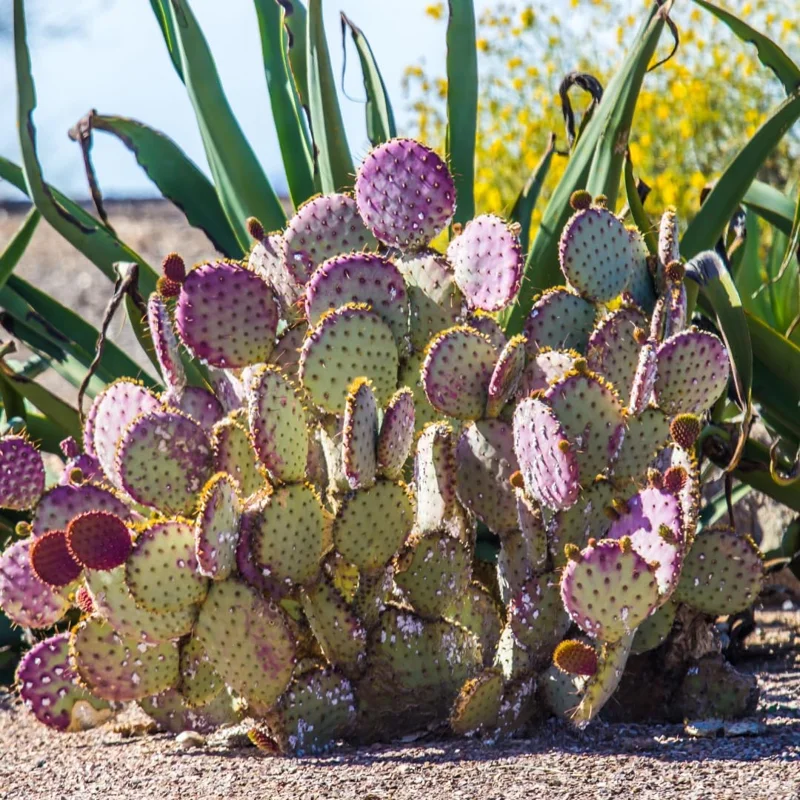
Introduce a touch of the desert’s magic into your living space or garden with the captivating purple prickly pear cactus. This remarkable live plant, typically 6-8 inches tall, is a hardy cactus plant known for its distinctive purple pads that intensify in color with more sun exposure. Perfect for both novice and experienced plant enthusiasts, this prickly pear succulent (Opuntia santa rita) offers unique visual interest and requires minimal upkeep. Its striking appearance makes it an excellent focal point in rock gardens, desert landscapes, or as a unique potted specimen indoors. Embrace the beauty of nature with this resilient and visually stunning plant.
The purple prickly pear cactus is native to the southwestern United States and northern Mexico, thriving in arid and semi-arid conditions. Its ability to store water in its thick pads makes it incredibly drought-tolerant, an ideal choice for water-wise gardening. Beyond its aesthetic appeal, this hardy cactus plant is also known for its edible pads (nopales) and fruits (tunas), though care should be taken with its glochids (fine spines). Whether you’re looking to create a desert-themed garden or add an exotic touch to your indoor plant collection, this plant is an exceptional choice.
Key Benefits
The purple prickly pear cactus offers a multitude of benefits, making it a highly desirable addition to any plant collection. Its unique characteristics contribute to both aesthetic appeal and ease of care.
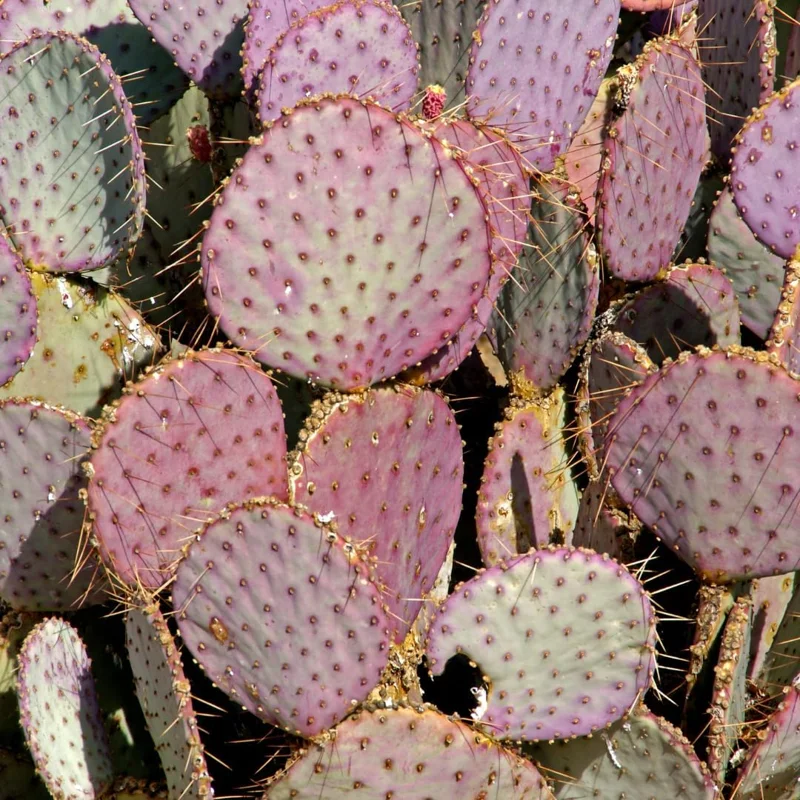
- Vibrant Color Transformation: The pads of this purple prickly pear cactus display stunning purple hues, especially when exposed to strong sunlight, providing a dynamic and eye-catching display that changes with the seasons. This makes it a visually dynamic addition to any space.
- Exceptional Drought Tolerance: Once established, this prickly pear succulent requires very little water, making it an excellent choice for xeriscaping or for gardeners seeking low-maintenance plants in arid climates. Its resilience contributes to its popularity.
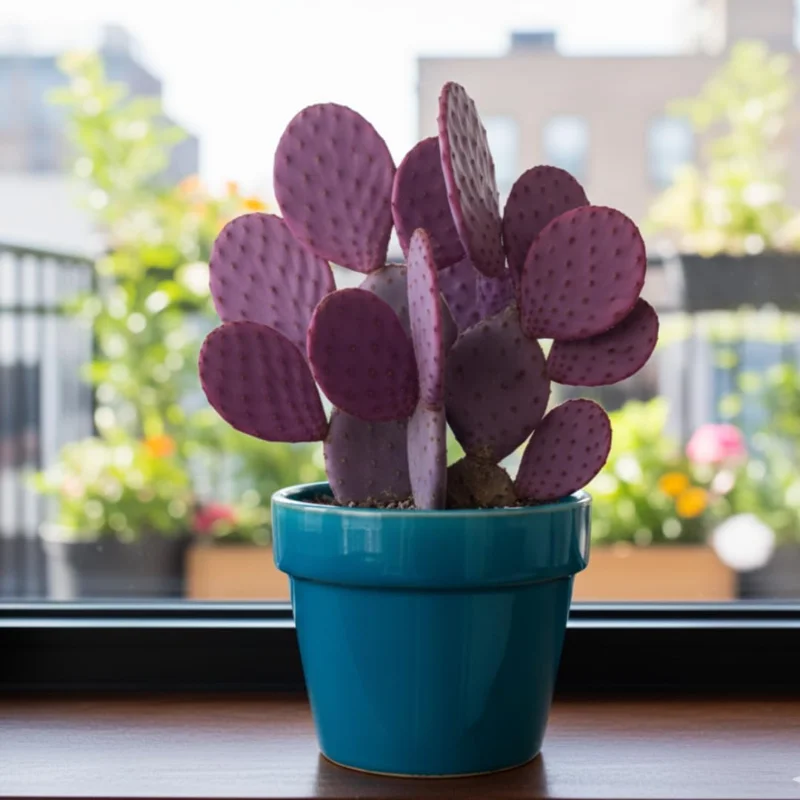
- Versatile Growing Options: Suitable for both indoor and outdoor environments (in appropriate zones), it offers flexibility in placement. Enjoy its beauty as an indoor outdoor cactus specimen or as part of a larger garden design, adapting to various living situations.
- Low Maintenance: This hardy cactus plant thrives on neglect, requiring minimal watering, pruning, and fertilization, perfect for busy individuals or those new to gardening. It’s an ideal choice for a fuss-free plant.
- Architectural Interest: Its unique paddle-shaped pads and upright growth habit create a striking architectural element in any landscape or container arrangement, adding texture and form. It serves as a natural sculpture.
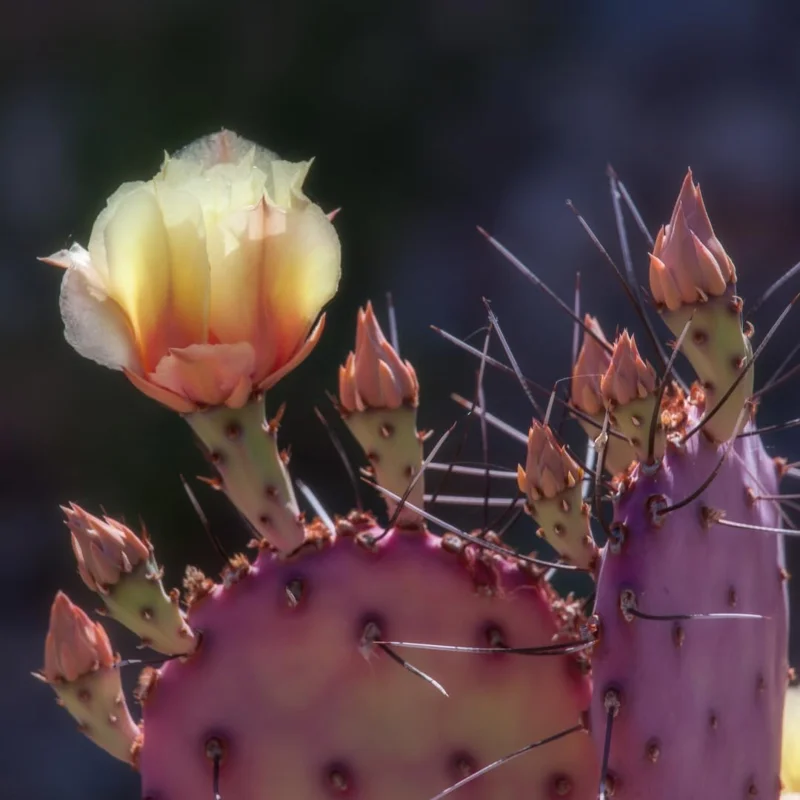
- Potential Edible Harvest: The pads (nopales) and fruits (tunas) are edible, offering a unique culinary experience for those adventurous enough to prepare them carefully. Always exercise caution due to its glochids.
- Pest and Disease Resistant: Cacti are generally robust and resistant to most common pests and diseases, ensuring a healthy and long-lived plant with proper care. This makes the purple prickly pear cactus a durable choice.
Plant Care & Growing Tips
Caring for your purple prickly pear cactus is straightforward, reflecting its natural resilience in harsh environments. This hardy cactus plant thrives on specific conditions that mimic its native habitat. For optimal growth and vibrant coloration, provide full sun exposure. If grown indoors, place it in the brightest window available, ideally south-facing, or supplement with grow lights. Outdoors, ensure it receives at least 6-8 hours of direct sunlight daily; this is crucial for developing its characteristic purple hues. Insufficient light can lead to greener pads and leggy growth, diminishing its aesthetic appeal.
Watering is perhaps the most critical aspect of care for any prickly pear succulent. These plants are extremely susceptible to root rot if overwatered. Allow the soil to dry out completely between waterings, both indoors and outdoors. In warmer months, you might water every 2-4 weeks, reducing frequency significantly in cooler months to once a month or even less. The soil type is equally important; it must be well-draining. A cactus or succulent potting mix is ideal, or you can create your own by mixing potting soil with perlite, pumice, or coarse sand. The USDA hardiness zone for outdoor growth is 8-11, meaning it can tolerate temperatures down to about 10-20°F (-12 to -6°C) once established. In colder zones, it’s best grown as an indoor outdoor cactus, brought inside before the first frost.
Fertilization is rarely needed for a purple prickly pear cactus. If you choose to fertilize, use a low-nitrogen, high-phosphorus fertilizer diluted to half strength, once in spring and once in mid-summer. Repotting should only be done when the plant outgrows its container, typically every 2-3 years, using a pot only slightly larger than the previous one to prevent excess moisture retention. Be cautious when handling due to its spines. Common problems include scale insects or mealybugs, which can be treated with insecticidal soap or rubbing alcohol. Ensure good air circulation to prevent fungal issues. This opuntia santa rita is a robust grower if given the right conditions.
Size & Details
This offering is for one purple prickly pear cactus live plant, typically measuring between 6 to 8 inches in height upon arrival. These plants are shipped as established specimens, ready to be planted in your desired location or container. In optimal outdoor conditions, particularly in USDA Zones 8-11, the prickly pear succulent can grow to an impressive size of approximately 3-4 feet tall and wide. Its growth rate is moderate, allowing you to enjoy its development over time. When grown in containers, its size can be managed through pot size and occasional pruning. Each plant comes ready for transplanting into well-draining soil, thriving in full sun exposure to bring out its best purple coloration. This hardy cactus plant is a long-lived addition to any collection, offering years of enjoyment.
Frequently Asked Questions
- Q: How big does this purple prickly pear cactus get? A: When grown outdoors in ideal conditions (USDA Zones 8-11), the purple prickly pear cactus can reach heights and widths of 3-4 feet. Its size can be more constrained in containers, allowing for versatile placement and growth management.
- Q: Is this an indoor or outdoor cactus plant? A: This is an excellent indoor outdoor cactus. It thrives outdoors in USDA Hardiness Zones 8-11 and can be grown indoors in a bright, sunny location or with supplemental grow lights, offering flexibility for different climates and preferences.
- Q: How much sunlight does the prickly pear succulent need? A: The prickly pear succulent requires full sun exposure, ideally 6-8 hours of direct sunlight daily, to develop its vibrant purple coloration and ensure healthy growth. Adequate light is key to its distinctive color.
- Q: Is this plant easy to care for? A: Yes, the purple prickly pear cactus is considered a low-maintenance and hardy cactus plant. Its drought tolerance and minimal care requirements make it suitable for beginners and busy gardeners alike, making it a rewarding plant to own.
- Q: What condition will the purple prickly pear cactus arrive in? A: Your purple prickly pear cactus will arrive as a healthy, established live plant, typically 6-8 inches tall, carefully packaged to ensure its safe journey to your home. It will be ready for immediate planting.
- Q: How often should I water my opuntia santa rita? A: Water your opuntia santa rita sparingly. Allow the soil to dry out completely between waterings. Overwatering is the biggest risk for this plant, leading to root rot, so err on the side of less water.
- Q: Can I grow this cactus in a container? A: Absolutely! The purple prickly pear cactus is an excellent choice for container gardening, especially if you live outside its recommended hardiness zones, allowing you to bring it indoors during colder months to protect it from frost.
- Q: What type of soil is best for this hardy cactus plant? A: This hardy cactus plant requires very well-draining soil. A specialized cactus or succulent potting mix is ideal, or you can amend regular potting soil with perlite or coarse sand for improved drainage, preventing waterlogging.
- Q: What’s the minimum temperature this cactus can tolerate? A: Once established, the prickly pear succulent can tolerate temperatures down to approximately 10-20°F (-12 to -6°C) in USDA Zones 8-11. In colder climates, it must be protected from frost or brought indoors.
- Q: How long does it take for the purple color to appear? A: The vibrant purple coloration of the purple prickly pear cactus intensifies with increased sun exposure and cooler temperatures, often becoming most pronounced during the drier, sunnier periods and cooler winter months. The color development is a natural process influenced by environmental factors.
Be the first to review “Purple Prickly Pear Cactus Live Plant – 6-8 Inches Tall – Hardy Succulent for Indoor/Outdoor”
You must be logged in to post a review.
People also Viewed
Sold 50 products
Original price was: $17.58.$11.86Current price is: $11.86.
Sold 50 products
Price range: $32.99 through $35.99
Sold 50 products
$69.99
Sold 50 products
$18.99
Sold 50 products
Price range: $14.98 through $23.89
Sold 50 products
$32.99
Sold 50 products
$24.99
Sold 50 products
Price range: $43.99 through $44.99RELATED posts
Frostproof Jasmine Care: 7 Tips for Successful Pot Growth
Most gardenias are known for being “divas.” They want perfect humidity, perfect soil, and they [...]
Mar
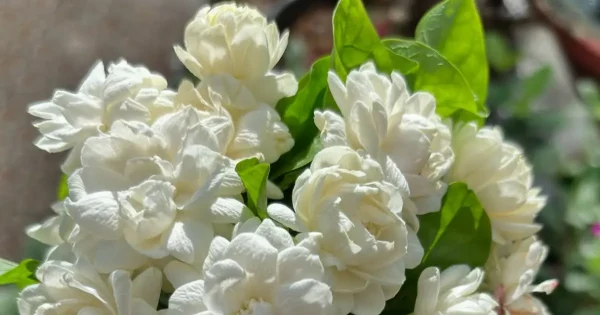
Top 7 Best Smelling Jasmine Varieties for a Heavenly Garden
Have you ever walked past a house and caught a scent so sweet you just [...]
Mar
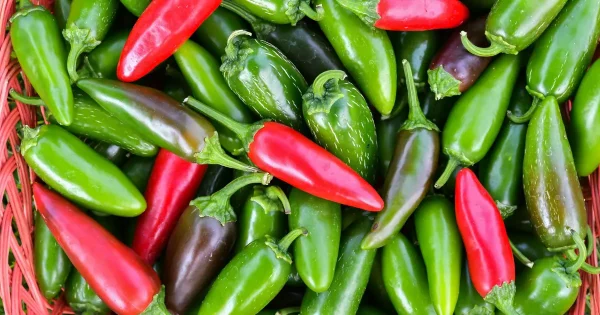
Master the Heat: 8 Expert Tips for Growing Jalapeños Like a Pro
Are you staring at your garden space, wondering why your pepper plants look more like [...]
Mar
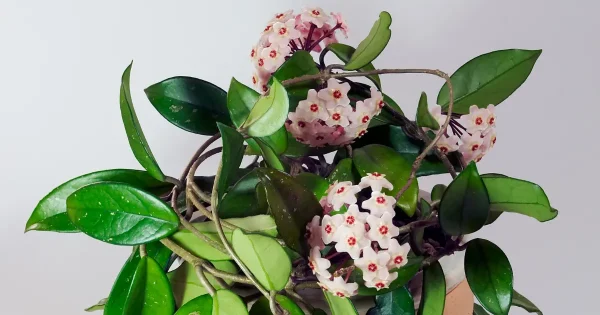
Top 5 Must-Have Hoya Varieties for Beginners
Hoyas are easily one of my top recommendations if you’re hunting for a low-maintenance houseplant [...]
Mar
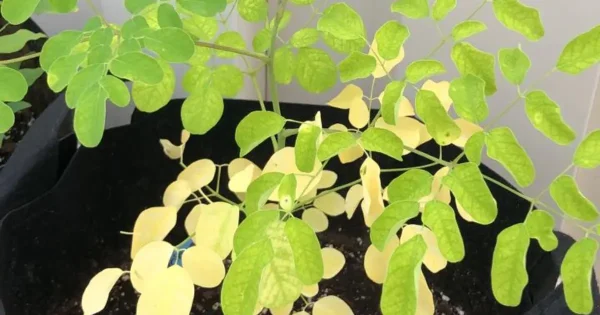
7 Moringa Plant Care Mistakes to Avoid for Healthy Growth
Have you ever looked at your Moringa tree and wondered why its once vibrant green [...]
Feb
How to Grow Potato Onions From True Seeds: A Step-by-Step Guide
Have you ever wondered how to grow potato onions from true seeds or why some [...]
Feb
Growing Walking Onions in Containers: The Ultimate Guide
Have you ever looked at your small balcony or cramped patio and wished you could [...]
Feb

9 Best Flower Seeds to Start in February for Early Blooms
If you’re a passionate gardener, you know that itchy feeling in your fingers when February [...]
Jan

Reviews
There are no reviews yet.