
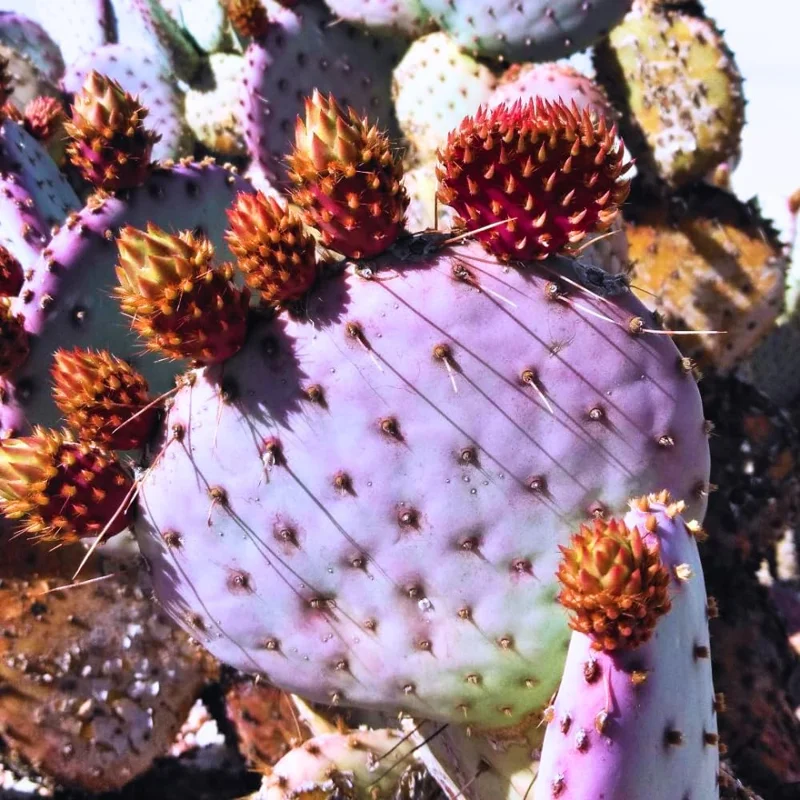
Purple Prickly Pear Cactus Live Plant – 3 Inch Pot – Opuntia santa-rita
$21.99
Introduce a vibrant touch to your landscape with this purple prickly pear cactus plant. Shipped as a healthy live cactus plant in a 3-inch pot, this drought tolerant cactus is perfect for adding unique architectural interest and striking purple hues to your outdoor succulent garden or container arrangement.
Shipping and Return policies:
We stand behind our plants with our Alive & Thrive Guarantee. If you experience any issues within the first 30 days, please email us, and our team will be happy to help. When needed, we’ll send you a one-time replacement free of charge to make sure your garden keeps growing strong.

Reasonable Price
We offer reasonable price

Support 24/7
Contact us 24 hrs a day
100% Money Back
You’ve 30 days to Return
Payment Secure
100% secure payment
Overview
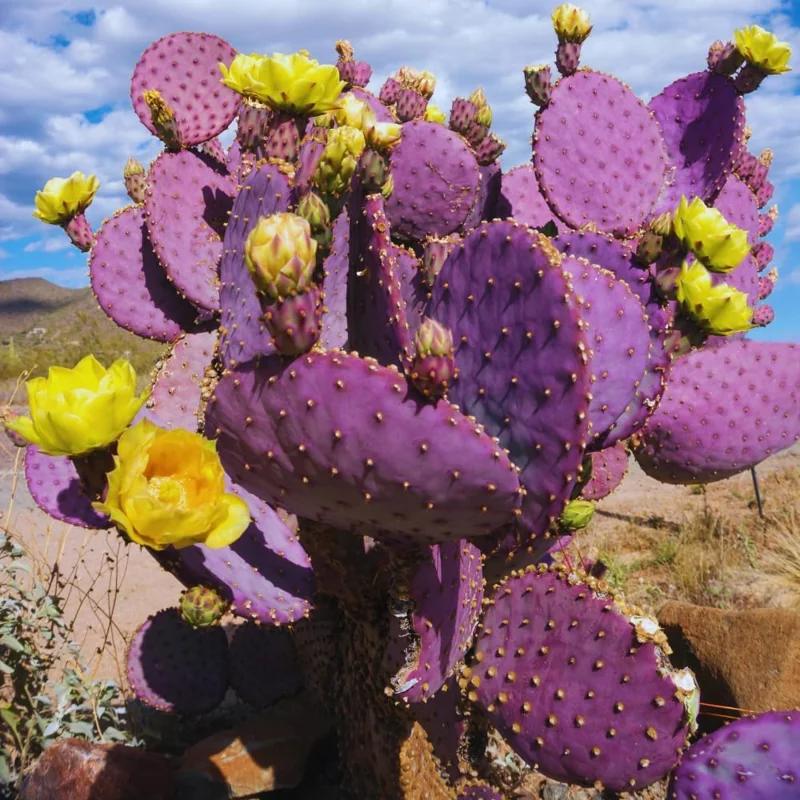
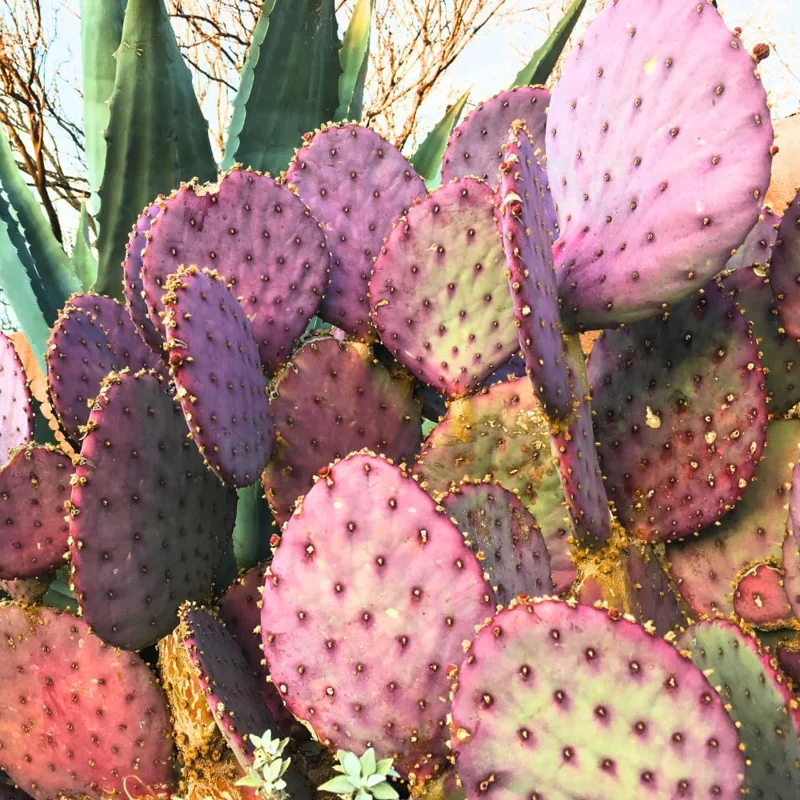
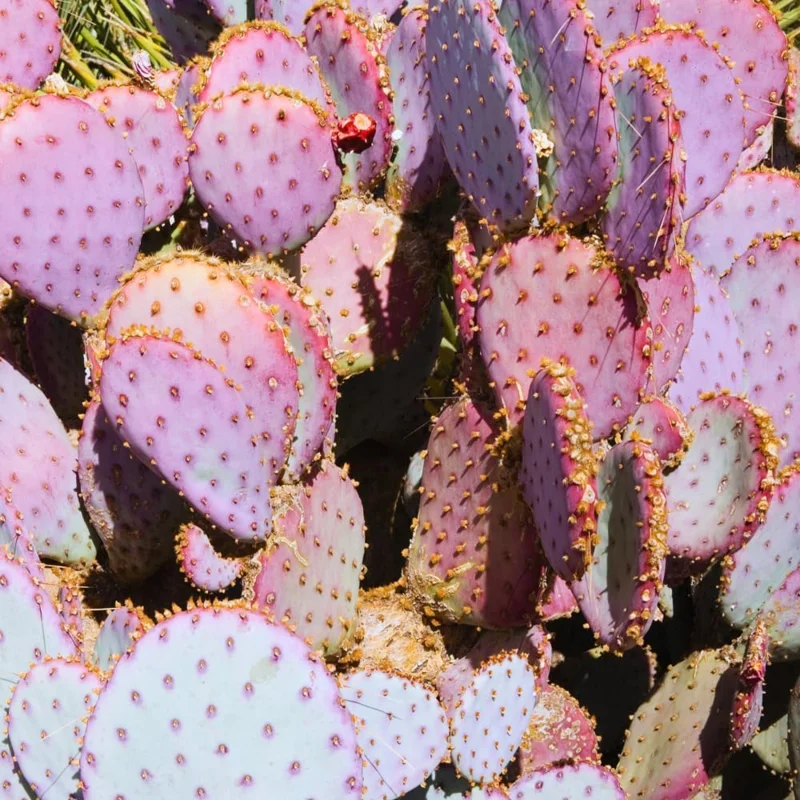
Transform your landscape or container garden with the stunning purple prickly pear cactus plant. This unique succulent, scientifically known as Opuntia santa-rita or Opuntia violacea, is renowned for its pads that display a captivating purple hue, especially when exposed to direct sunlight or cooler temperatures. Arriving as a vibrant live cactus plant in a 3-inch pot, it’s ready to be transplanted and enjoyed. Its distinctive appearance and robust nature make it a favorite among succulent enthusiasts and those looking to add an exotic, low-water feature to their garden. The purple prickly pear cactus plant is not just a visual delight but also a resilient addition, perfect for arid landscapes or as a focal point in a succulent collection. Discover the ease of growing prickly pear with this hardy specimen.
The beauty of this purple prickly pear cactus plant lies in its dynamic coloration, which intensifies with environmental factors, providing continuous visual interest. Whether you’re a seasoned gardener or new to succulents, this plant offers an effortless way to enhance your outdoor or indoor space with minimal fuss. Its ability to thrive in challenging conditions makes it an excellent choice for sustainable gardening practices and arid garden designs. This particular variety, Opuntia santa-rita, is celebrated for its vivid purple tones, making it a standout addition to any collection.
Key Benefits
The purple prickly pear cactus plant offers numerous advantages for both novice and experienced gardeners, making it an exceptional choice for various settings. Its unique characteristics provide both aesthetic appeal and practical benefits:
- Striking Visual Appeal: The pads of this purple prickly pear cactus plant exhibit a vibrant purple coloration, which intensifies with sun exposure and cooler temperatures, providing year-round visual interest. This dynamic color makes it a focal point in any garden.
- Exceptional Drought Tolerance: As a true drought tolerant cactus, it requires minimal watering once established, making it ideal for xeriscaping or water-wise gardens and reducing maintenance efforts. It’s an excellent choice for sustainable landscaping.
- Low Maintenance: This hardy succulent thrives on neglect, requiring little attention beyond proper initial planting and occasional watering during prolonged dry spells. It’s perfect for busy individuals or those new to gardening.
- Adaptable to Various Climates: With a broad USDA hardiness zone range of 3-11 (though more commonly thriving in zones 6-11), it can be grown outdoors in many regions or as a container plant in colder climates. This adaptability makes growing prickly pear accessible to many.
- Architectural Interest: Its unique paddle-like segments create a sculptural form that adds a modern and exotic touch to garden beds, rock gardens, or patio containers. It provides a strong visual statement.
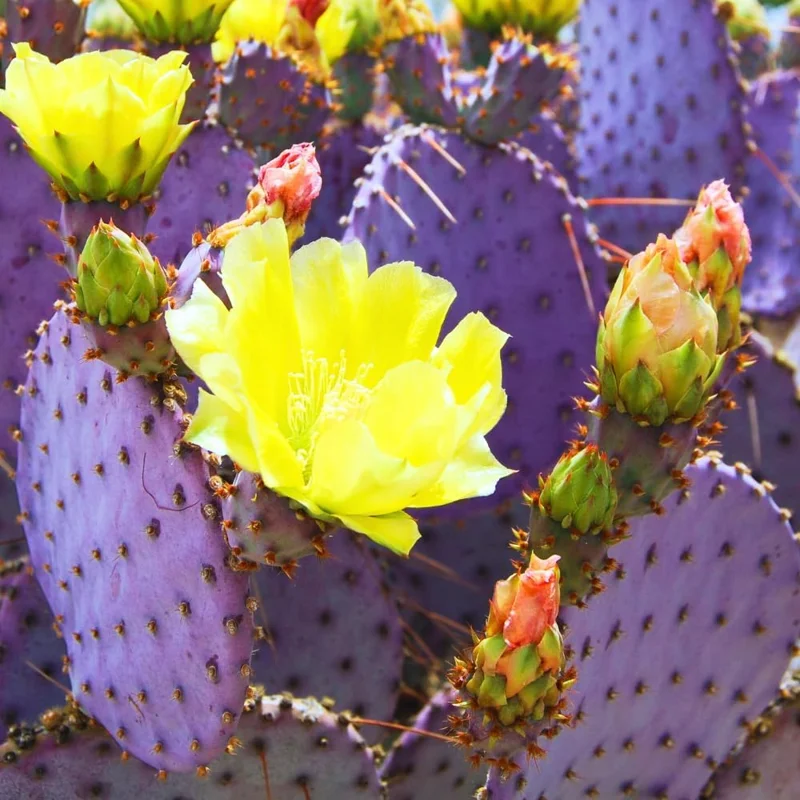
- Extended Bloom Time: While primarily grown for its foliage, it produces beautiful yellow flowers, often followed by edible red fruits, adding another layer of seasonal interest and supporting local wildlife.
- Natural Wildlife Habitat: The fruits and pads can provide food for local wildlife, contributing to biodiversity in your outdoor space. This makes it an excellent choice for creating an inviting purple succulent outdoor garden.
Plant Care & Growing Tips
Caring for your purple prickly pear cactus plant is straightforward, making it an excellent choice for various gardening levels. This resilient succulent prefers conditions that mimic its natural desert habitat. For optimal growth and the most intense purple coloration, ensure your cactus receives at least 6-8 hours of direct sunlight daily. In extremely hot climates, some afternoon shade can prevent scorching, but generally, full sun is best. If growing indoors, place it near a south-facing window or use a grow light to provide adequate illumination. Understanding Opuntia santa-rita care is key to its vibrant health.
Watering is minimal for this drought tolerant cactus. Allow the soil to dry out completely between waterings. During the active growing season (spring and summer), water thoroughly until water drains from the bottom of the pot, then wait until the soil is bone dry before watering again. Reduce watering significantly in fall and winter, providing just enough to prevent the pads from shriveling. Overwatering is the most common cause of cactus demise, so err on the side of underwatering. The ideal soil for an Opuntia santa-rita is a sandy, well-draining mix, typically a cactus or succulent potting blend. Good drainage is crucial to prevent root rot. This plant is hardy in USDA zones 3-11, but for the best outdoor performance and vibrant purple hues, zones 6-11 are more suitable. If you live in a colder zone, consider growing it in a container that can be brought indoors during winter. Fertilize sparingly, once or twice during the growing season, with a balanced, low-nitrogen fertilizer diluted to half strength. This ensures your live cactus plant remains healthy and vibrant. For success with growing prickly pear, a well-draining environment is paramount.
Size & Details
This offering includes one healthy purple prickly pear cactus plant, shipped as a live specimen in a 3-inch nursery pot. The plant’s dimensions will vary slightly upon arrival but are typically well-rooted and ready for transplanting into a larger container or directly into your garden. Expected mature height can range from 3 to 5 feet, with a similar spread, forming an impressive clump over time. The growth rate is moderate, allowing you to enjoy its development without it quickly outgrowing its space. This purple succulent outdoor plant is delivered with care, ensuring it arrives in excellent condition, ready to establish itself in its new home. Its robust nature means it will quickly adapt and begin to display its striking purple coloration. The pads are typically flat and oval-shaped, developing their characteristic deep purple tones with sufficient sunlight exposure.
Frequently Asked Questions
- Q: How big does this plant get? A: The purple prickly pear cactus plant can typically grow to a height of 3 to 5 feet and spread similarly, forming a sizable clump over several years. Its mature size depends on growing conditions and environment, and proper Opuntia santa-rita care.
- Q: What size pot does it come in? A: This live cactus plant is shipped in a 3-inch nursery pot, providing a healthy root system ready for transplanting into a larger container or directly into the ground.
- Q: Is this an indoor or outdoor plant? A: While it can be grown indoors in a very sunny location, the purple prickly pear cactus plant is ideally suited as an outdoor succulent. It thrives in full sun and is resilient to various outdoor conditions, especially in appropriate USDA zones. It’s primarily a purple succulent outdoor plant.
- Q: How much sunlight does it need? A: For the most vibrant purple coloration and healthy growth, this cactus requires at least 6-8 hours of direct sunlight per day. Full sun exposure is key to developing its characteristic hues.
- Q: Is this plant easy to care for? A: Yes, this drought tolerant cactus is considered very easy to care for, making it an excellent choice for beginners and busy gardeners. Its minimal watering needs and resilience contribute to its low-maintenance nature, making growing prickly pear simple.
- Q: What condition will it arrive in? A: Your purple prickly pear cactus plant will arrive as a healthy, well-rooted specimen in its 3-inch nursery pot, carefully packaged to ensure its safe journey and immediate readiness for planting.
- Q: Is it shipped in soil? A: Yes, the live cactus plant is shipped in its original nursery pot with soil, ensuring it remains hydrated and stable during transit.
- Q: When is the best time to plant? A: The best time to plant your Opuntia santa-rita is in spring or early summer, allowing it ample time to establish its root system before the colder months.
- Q: Will it survive winter in my zone? A: This cactus is hardy in USDA zones 3-11, but performs best outdoors in zones 6-11. In colder zones, it can be grown in containers and brought indoors before the first hard frost.
- Q: What’s the minimum temperature it can tolerate? A: While generally hardy, prolonged exposure to temperatures below 20-25°F (-6 to -4°C) can be damaging, especially if the plant is not well-established or kept dry. Consistent Opuntia santa-rita care during cold snaps is advised.
Be the first to review “Purple Prickly Pear Cactus Live Plant – 3 Inch Pot – Opuntia santa-rita”
You must be logged in to post a review.
People also Viewed
Sold 50 products
Original price was: $17.58.$11.86Current price is: $11.86.
Sold 50 products
Price range: $32.99 through $35.99
Sold 50 products
$69.99
Sold 50 products
$18.99
Sold 50 products
Price range: $14.98 through $23.89
Sold 50 products
$32.99
Sold 50 products
$24.99
Sold 50 products
Price range: $43.99 through $44.99RELATED posts
Frostproof Jasmine Care: 7 Tips for Successful Pot Growth
Most gardenias are known for being “divas.” They want perfect humidity, perfect soil, and they [...]
Mar
Top 7 Best Smelling Jasmine Varieties for a Heavenly Garden
Have you ever walked past a house and caught a scent so sweet you just [...]
Mar
Master the Heat: 8 Expert Tips for Growing Jalapeños Like a Pro
Are you staring at your garden space, wondering why your pepper plants look more like [...]
Mar
Top 5 Must-Have Hoya Varieties for Beginners
Hoyas are easily one of my top recommendations if you’re hunting for a low-maintenance houseplant [...]
Mar
7 Moringa Plant Care Mistakes to Avoid for Healthy Growth
Have you ever looked at your Moringa tree and wondered why its once vibrant green [...]
Feb
How to Grow Potato Onions From True Seeds: A Step-by-Step Guide
Have you ever wondered how to grow potato onions from true seeds or why some [...]
Feb
Growing Walking Onions in Containers: The Ultimate Guide
Have you ever looked at your small balcony or cramped patio and wished you could [...]
Feb

9 Best Flower Seeds to Start in February for Early Blooms
If you’re a passionate gardener, you know that itchy feeling in your fingers when February [...]
Jan



Reviews
There are no reviews yet.