
Purple Passion Flower Live Plant – Passiflora Vine, 5-7 Inch Tall Starter Plant
Price range: $23.15 through $25.19
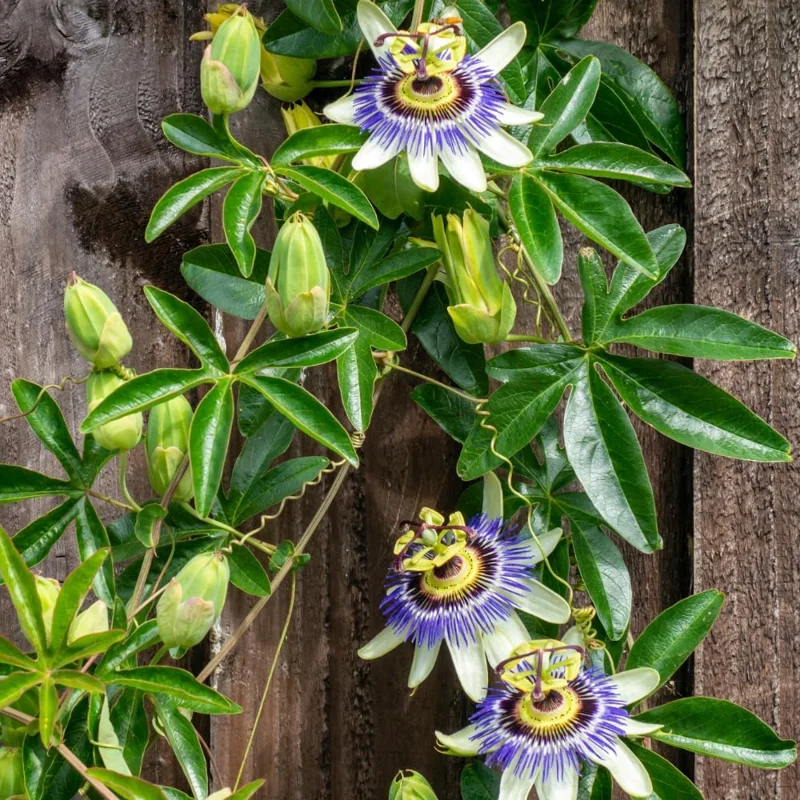
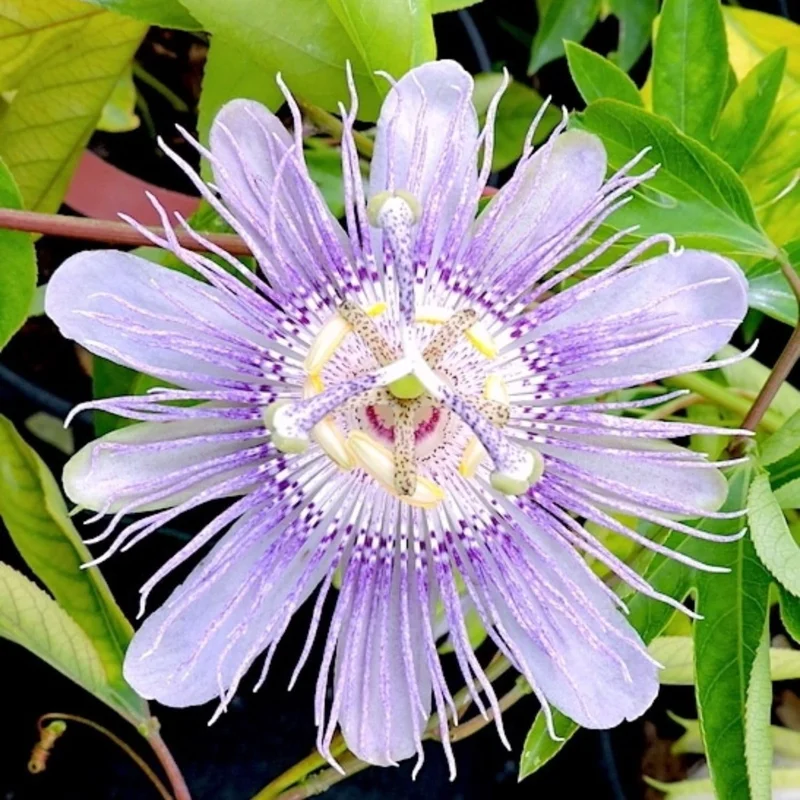
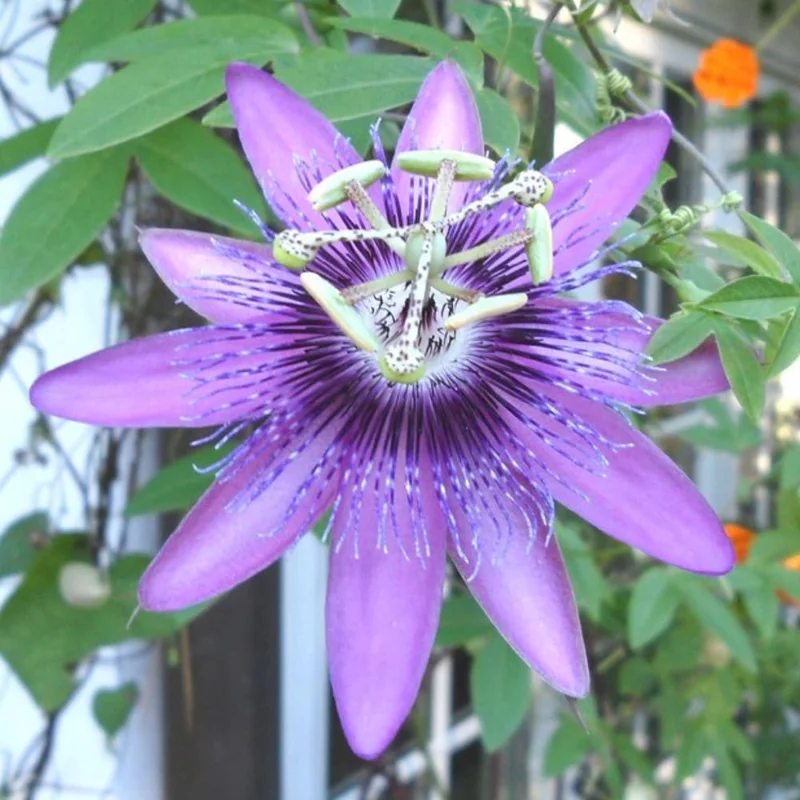
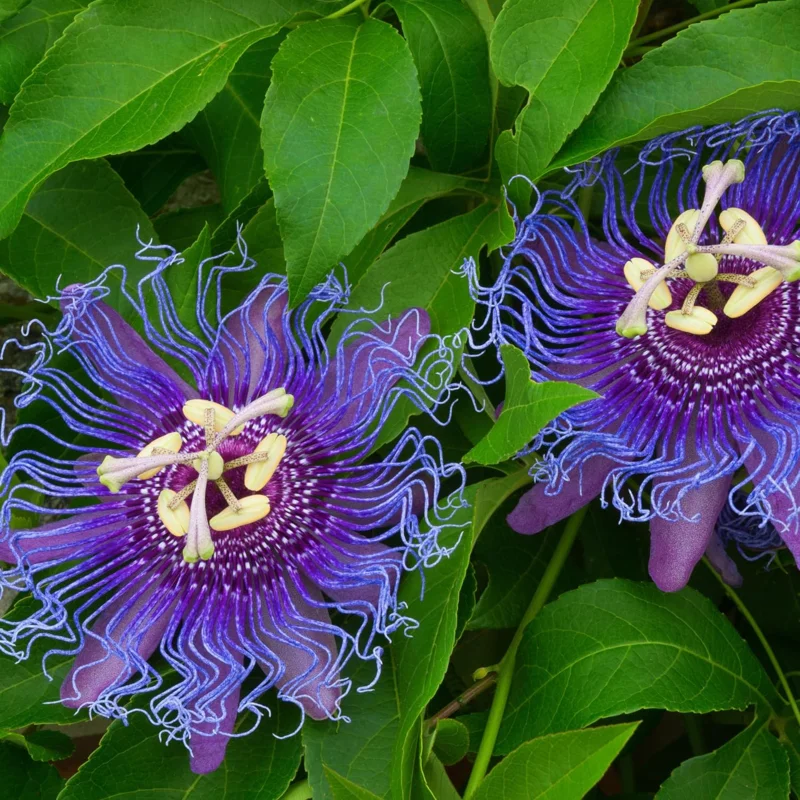
Bring exotic beauty to your garden with this purple passion flower plant. This fragrant live vine, featuring stunning violet-purple-blue blooms, is a fast-growing addition, reaching 5 to 7 inches tall. Ideal for outdoor use, it promises a vibrant display and unique charm.
Shipping and Return policies:
We stand behind our plants with our Alive & Thrive Guarantee. If you experience any issues within the first 30 days, please email us, and our team will be happy to help. When needed, we’ll send you a one-time replacement free of charge to make sure your garden keeps growing strong.

Reasonable Price
We offer reasonable price

Support 24/7
Contact us 24 hrs a day
100% Money Back
You’ve 30 days to Return
Payment Secure
100% secure payment
Overview
Introduce a touch of exotic elegance to your garden with the captivating purple passion flower plant. This live vine, scientifically known as Passiflora, is celebrated for its intricate and vibrant violet-purple-blue flowers. Originating from tropical and subtropical regions, the passion flower is not just a visual delight but also boasts a delightful fragrance that can transform any outdoor space into a sensory paradise. This starter plant, typically arriving at 5 to 7 inches tall, is ready to establish itself and begin its journey towards maturity, potentially reaching an impressive 20 feet in height. Known for its vigorous growth and unique bloom structure, the passion flower is a conversation starter and a favorite among gardeners looking for something out of the ordinary. Its common names often include Violet Passion Flower or Blue Passion Flower, reflecting the stunning hues of its blossoms.
Key Benefits
The purple passion flower plant offers a multitude of benefits, making it an exceptional choice for various garden settings:
-
Stunning Ornamental Value: The complex and vibrant violet-purple-blue flowers are truly a sight to behold, adding an exotic and artistic touch to trellises, fences, and arbors. Its unique form makes it a focal point in any landscape design.
-
Fragrant Blooms: Beyond their visual appeal, the flowers emit a lovely, subtle fragrance that can enhance the ambiance of your outdoor living areas, especially during warm evenings.
-
Fast-Growing Vine: This plant is a rapid grower, quickly covering structures and providing lush green foliage and beautiful blooms in a relatively short period, making it excellent for quick screening or decorative coverage.
-
Attracts Pollinators: The intricate flowers are a magnet for bees, butterflies, and other beneficial pollinators, contributing to a healthy garden ecosystem and supporting local wildlife.
-
Unique Flower Structure: The distinctive arrangement of petals, sepals, and filaments gives the passion flower an almost otherworldly appearance, offering endless fascination for gardeners and visitors alike. Understanding passiflora vine care helps ensure these unique blooms thrive.
-
Potential for Edible Fruit: Depending on the specific variety, some passion flowers produce edible fruit (passionfruit), adding a bonus harvest to its ornamental qualities.
-
Versatile Landscaping: Whether you’re looking to create a tropical feel, add vertical interest, or simply enjoy beautiful flowers, this purple passion flower plant adapts well to various garden styles.
Plant Care & Growing Tips
To ensure your purple passion flower plant thrives and produces abundant blooms, proper care is essential. This vigorous vine prefers a location with full sun to partial shade. In hotter climates, some afternoon shade can protect the foliage from scorching, while in cooler regions, full sun encourages the best flowering. Aim for at least 6 hours of direct sunlight daily for optimal growth. When it comes to watering, consistent moisture is key, especially during its active growing season. The soil should be kept evenly moist but never waterlogged. Allow the top inch or two of soil to dry out slightly between waterings. Reduced watering is needed during dormant periods.
For soil, the purple passion flower plant prefers well-draining, fertile soil with a slightly acidic to neutral pH. A mix of garden soil amended with compost or well-rotted manure will provide the necessary nutrients and improve drainage. Good drainage is crucial to prevent root rot. This plant is generally hardy in USDA zones 7-10, though some varieties can tolerate colder temperatures with proper winter protection. In colder zones, it can be grown as an annual or brought indoors during winter. Fertilize regularly during the growing season (spring through summer) with a balanced liquid fertilizer, or one slightly higher in phosphorus to encourage blooming. Pruning is important to manage its vigorous growth, promote bushiness, and encourage more flowers. Prune in late winter or early spring to remove dead or weak growth and to shape the vine. Learning about growing passion flower successfully involves understanding these specific environmental needs.
Size & Details
This offering is for a purple passion flower plant starter, typically standing between 5 to 7 inches tall upon arrival. It is a live plant, shipped without a pot, meaning it will arrive as a healthy, rooted specimen ready for immediate planting in your garden or a larger container. The plant is a vigorous vine that, with proper care and support, can reach an impressive mature height of up to 20 feet. It features a climbing habit, making it ideal for trellises, arbors, fences, or other structures. The plant is heirloom, indicating a heritage variety. Expect continuous blooming throughout the warmer months once established, providing a long season of vibrant violet passion flower displays. The growth rate is considered fast, allowing you to enjoy its beauty quickly.
Frequently Asked Questions
-
Q: How big does this purple passion flower plant get? A: With proper support and care, this vigorous vine can reach an impressive height of up to 20 feet. Its spread will depend on the structure it’s climbing on and how it’s pruned.
-
Q: What size pot does it come in? A: This is a starter plant and is shipped without a pot. It will arrive as a healthy, rooted specimen ready for you to plant directly into your garden or a larger container.
-
Q: Is this an indoor or outdoor plant? A: The purple passion flower plant is primarily an outdoor plant, thriving in garden settings where it can climb. In colder climates (below USDA Zone 7), it can be grown in containers and brought indoors during winter.
-
Q: How much sunlight does it need? A: For optimal growth and flowering, this plant requires full sun to partial shade. Aim for at least 6 hours of direct sunlight per day, especially in cooler climates. In very hot regions, some afternoon shade is beneficial.
-
Q: Is this plant easy to care for? A: Yes, once established, the purple passion flower plant is relatively easy to care for. Its main requirements are adequate sunlight, consistent watering, well-draining soil, and a structure to climb. Understanding basic passiflora vine care will ensure success.
-
Q: What condition will it arrive in? A: Your starter plant will arrive as a live, healthy, rooted specimen. It will be carefully packaged to ensure its safe transit and readiness for planting.
-
Q: When is the best time to plant this passion flower? A: The best time to plant is in spring after the last frost, allowing the plant ample time to establish itself before the heat of summer or the chill of winter. You can continue planting into early summer.
-
Q: Will it survive winter in my zone? A: The hardiness of this fragrant passion flower depends on your USDA Hardiness Zone. Generally, it is hardy in zones 7-10. In colder zones, it may need winter protection or can be grown as an annual or overwintered indoors.
-
Q: Does this variety produce edible fruit? A: While many Passiflora varieties produce edible fruit, this particular ornamental violet passion flower is primarily grown for its stunning blooms and fragrance. Please consult specific varietal information for fruit production details.
-
Q: How can I encourage more blooms? A: To encourage abundant blooms, ensure your purple passion flower plant receives enough sunlight, consistent moisture, and is fertilized regularly with a phosphorus-rich fertilizer during the blooming season. Proper pruning also stimulates new growth and flowers.
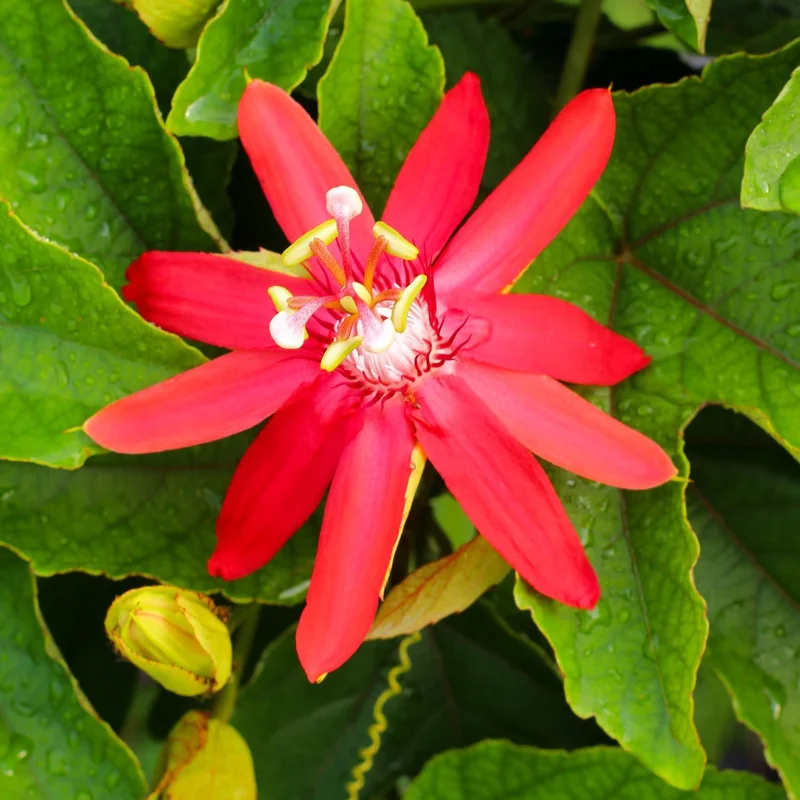
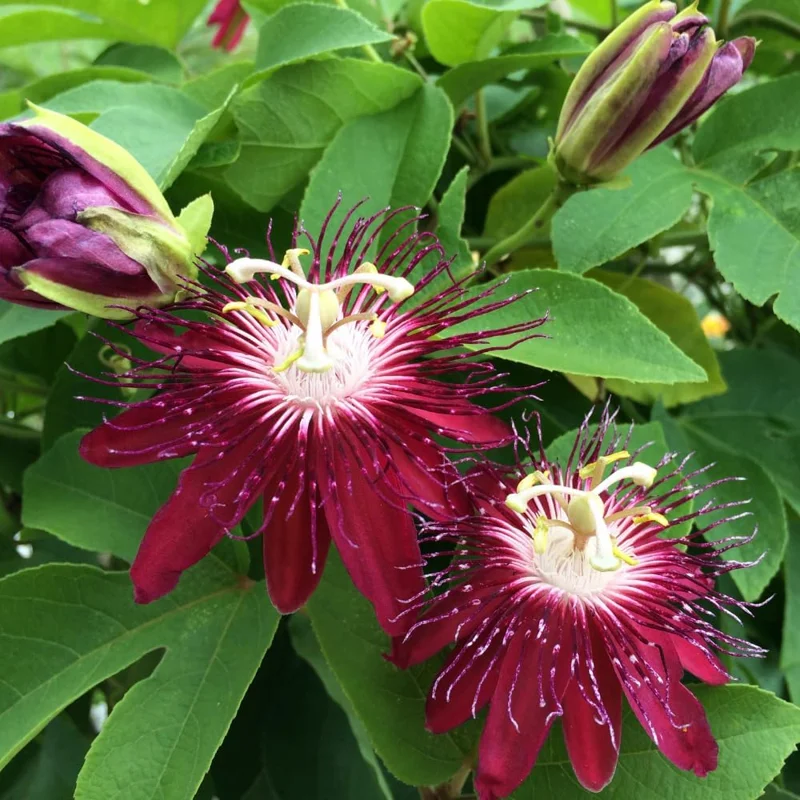
| Color | Blue Flowers, Burgundy Flowers, Lavender Flowers, Light Purple Flowers, Purple Flowers, Red Flowers |
|---|
Be the first to review “Purple Passion Flower Live Plant – Passiflora Vine, 5-7 Inch Tall Starter Plant”
You must be logged in to post a review.
People also Viewed
Sold 50 products
Original price was: $28.58.$19.99Current price is: $19.99.
Sold 50 products
$32.39
Sold 50 products
$21.59
Sold 50 products
$35.99
Sold 50 products
Price range: $23.15 through $25.19
Sold 50 products
$38.39
Sold 50 products
Price range: $28.79 through $35.99
Sold 50 products
$26.39RELATED posts
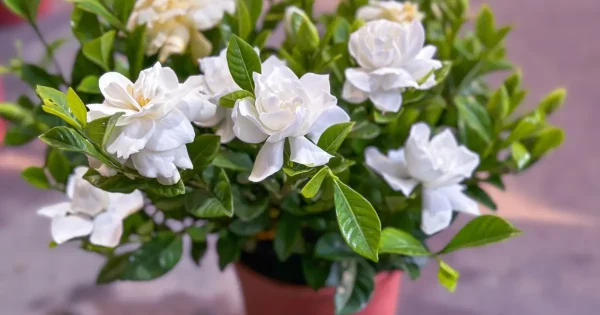
Frostproof Jasmine Care: 7 Tips for Successful Pot Growth
Most gardenias are known for being “divas.” They want perfect humidity, perfect soil, and they [...]
Mar
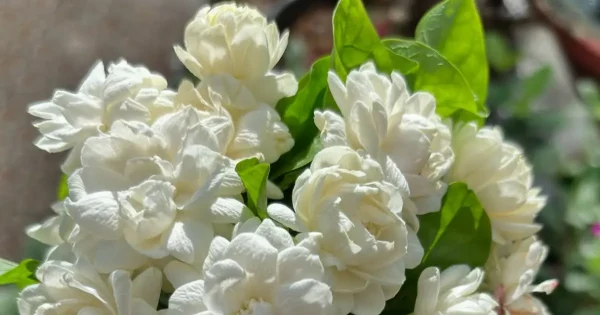
Top 7 Best Smelling Jasmine Varieties for a Heavenly Garden
Have you ever walked past a house and caught a scent so sweet you just [...]
Mar
Master the Heat: 8 Expert Tips for Growing Jalapeños Like a Pro
Are you staring at your garden space, wondering why your pepper plants look more like [...]
Mar
Top 5 Must-Have Hoya Varieties for Beginners
Hoyas are easily one of my top recommendations if you’re hunting for a low-maintenance houseplant [...]
Mar
7 Moringa Plant Care Mistakes to Avoid for Healthy Growth
Have you ever looked at your Moringa tree and wondered why its once vibrant green [...]
Feb
How to Grow Potato Onions From True Seeds: A Step-by-Step Guide
Have you ever wondered how to grow potato onions from true seeds or why some [...]
Feb
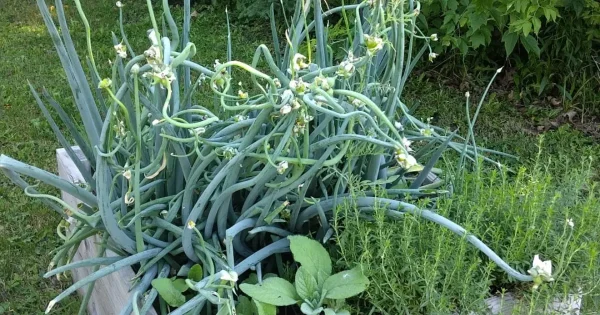
Growing Walking Onions in Containers: The Ultimate Guide
Have you ever looked at your small balcony or cramped patio and wished you could [...]
Feb

9 Best Flower Seeds to Start in February for Early Blooms
If you’re a passionate gardener, you know that itchy feeling in your fingers when February [...]
Jan
Reviews
There are no reviews yet.