
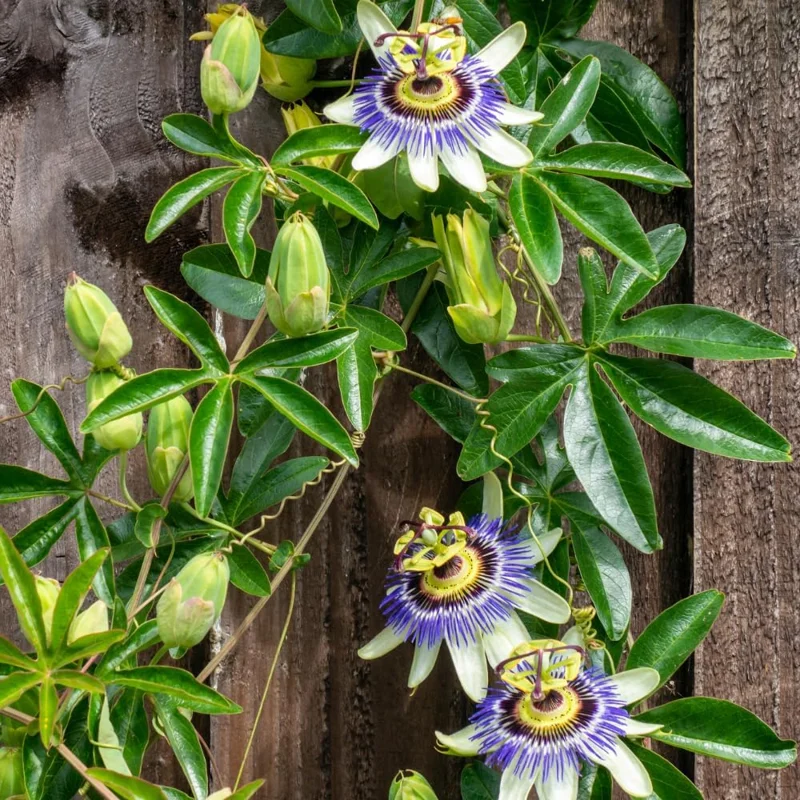
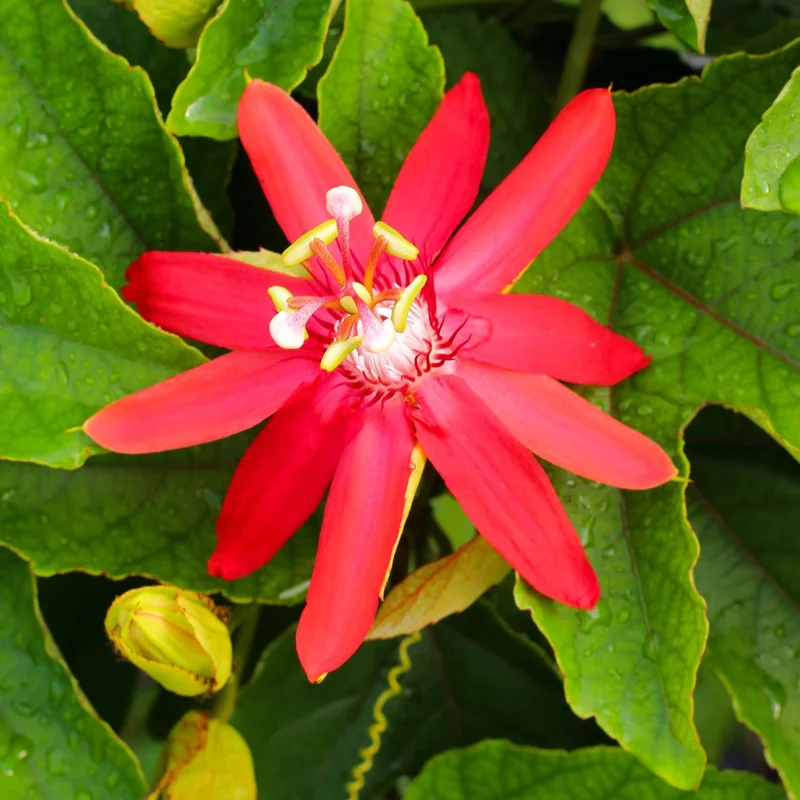
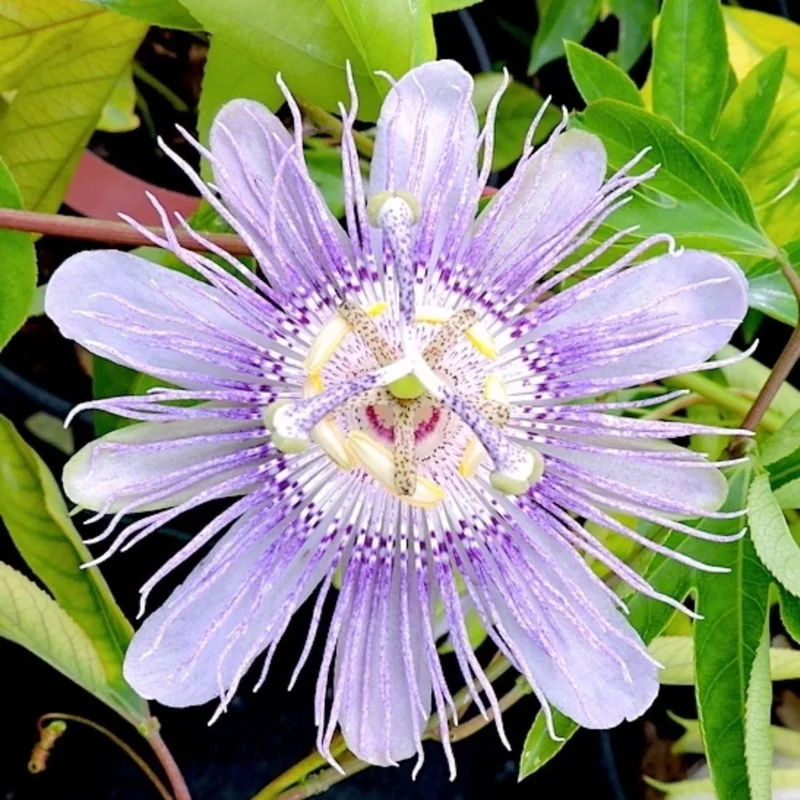
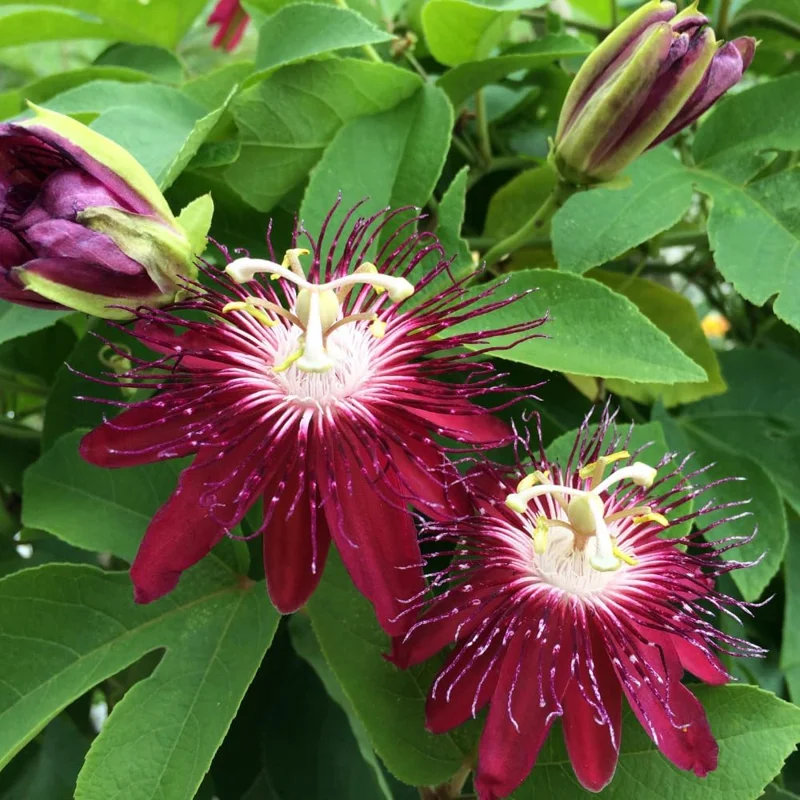
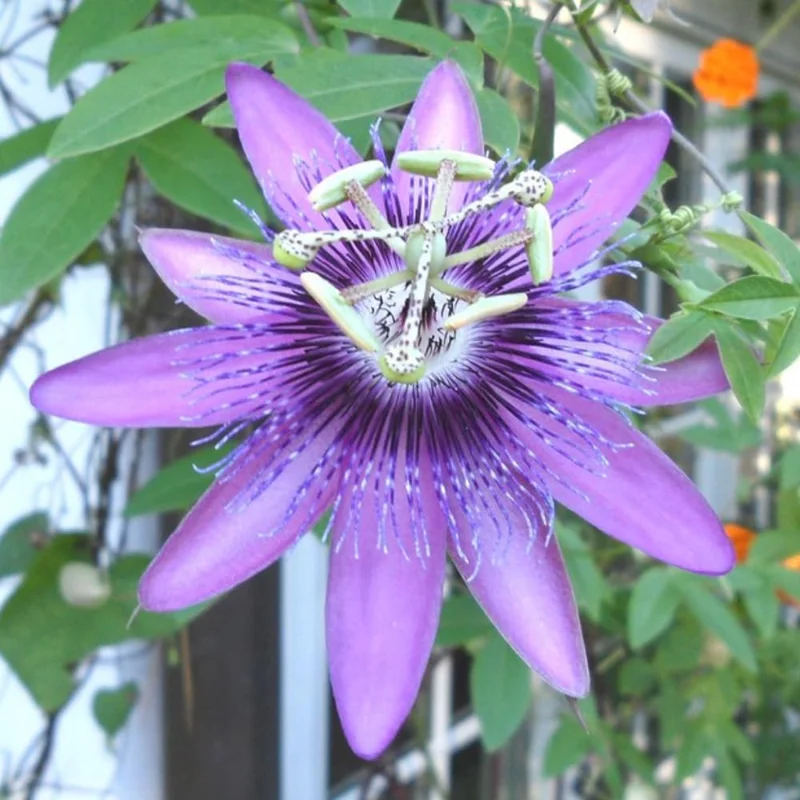
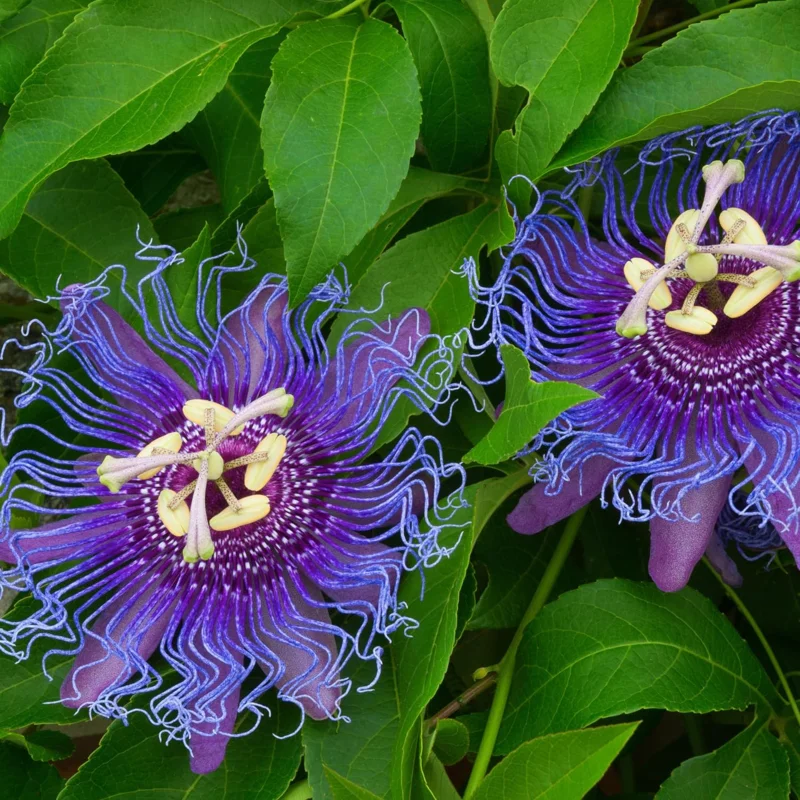
Purple Passion Flower Live Plant – Passiflora Vine 5-7 Inch Tall – Fragrant Outdoor Climber
Price range: $23.15 through $25.19
Cultivate a vibrant purple passion flower plant in your garden. This passiflora vine live plant, measuring 5 to 7 inches tall, is an outdoor climbing plant known for its beautiful violet-purple blooms and fragrant passion flower scent. An heirloom passion flower variety perfect for adding exotic beauty.
Shipping and Return policies:
We stand behind our plants with our Alive & Thrive Guarantee. If you experience any issues within the first 30 days, please email us, and our team will be happy to help. When needed, we’ll send you a one-time replacement free of charge to make sure your garden keeps growing strong.

Reasonable Price
We offer reasonable price

Support 24/7
Contact us 24 hrs a day
100% Money Back
You’ve 30 days to Return
Payment Secure
100% secure payment
Overview
Transform your garden into a tropical paradise with the exquisite purple passion flower plant. This captivating passiflora vine live plant is renowned for its intricate, violet-purple blooms that exude a delightful fragrance, making it a spectacular addition to any outdoor space. Originating from the Passiflora genus, these vigorous climbers are not just beautiful but also fascinating, with unique flower structures that are a marvel to behold. Our starter plants arrive at 5 to 7 inches tall, ready to establish quickly and bring exotic charm to your landscape. Known for their rapid growth and abundant flowering, these heirloom varieties promise a stunning display from late spring through fall.
The purple passion flower plant, scientifically known as Passiflora incarnata, is a fast-growing, perennial vine that thrives in warm climates. Its common names include Maypop, Apricot Vine, and Wild Passion Vine, highlighting its natural beauty and the edible fruit it often produces. This particular offering is a live starter plant, carefully cultivated to ensure a strong beginning in your garden. Expect to see its characteristic tendrils reaching out, eager to climb trellises, fences, or arbors, creating a lush, flowering screen that attracts pollinators like butterflies and bees, enhancing your garden’s biodiversity.
Key Benefits
Adding a purple passion flower plant to your garden offers numerous advantages, from aesthetic appeal to ecological contributions. This versatile vine is a true garden gem:
- Stunning Ornamental Value: The complex and vibrant violet-purple flowers are incredibly striking, offering an exotic touch that stands out in any garden setting. Each bloom is a work of art, drawing the eye and sparking conversation.
- Delightful Fragrance: Enjoy the sweet, subtle aroma that emanates from the blooms of this fragrant passion flower, especially on warm evenings. It creates a sensory experience that elevates your outdoor living space.
- Attracts Pollinators: This passiflora vine live plant is a magnet for butterflies, bees, and hummingbirds, supporting local ecosystems and promoting healthy garden pollination. It’s a joy to watch the wildlife it brings.
- Fast-Growing Climber: Ideal for covering unsightly fences, walls, or providing shade over pergolas. Its vigorous growth habit means you’ll quickly achieve a lush, green canvas adorned with beautiful flowers. It’s an excellent outdoor climbing plant.
- Low Maintenance & Resilient: Once established, the purple passion flower plant is notably hardy and requires minimal ongoing care, making it suitable for both experienced gardeners and beginners.
- Heirloom Variety: Cultivate a piece of gardening history with this heirloom passion flower, known for its genetic stability and reliable performance, ensuring you get the classic beauty and characteristics of this beloved plant.
- Potential Edible Fruit: Depending on pollination and variety, many Passiflora species, including some purple passion flowers, can produce small, edible fruits, offering an additional pleasant surprise.
Plant Care & Growing Tips
Ensuring your purple passion flower plant thrives requires understanding its basic needs for sunlight, water, and soil. These plants are generally robust, but providing optimal conditions will lead to the most spectacular blooms and vigorous growth. For best results, plant your passiflora vine live plant in a location where it can receive ample sunlight, ideally at least 6 hours of direct sun per day. While it can tolerate some partial shade, especially in hotter climates, full sun encourages the most prolific flowering. Position it near a trellis, arbor, or fence from the start, as it will quickly begin to climb and establish its extensive root system.
Watering is crucial, particularly during the plant’s establishment phase and throughout dry spells. Keep the soil consistently moist but never waterlogged. Good drainage is key to preventing root rot. A deep watering 2-3 times a week during warm, dry weather is often sufficient. For soil, a well-draining, fertile loam is preferred. Amend heavy clay soils with compost or other organic matter to improve drainage and nutrient content. This outdoor climbing plant is generally hardy in USDA Zones 6-10, though some varieties may extend to Zone 5 with winter protection. In colder zones, the plant may die back to the ground in winter but often re-emerges from the roots in spring. Fertilize your purple passion flower plant monthly during the growing season with a balanced liquid fertilizer to support its rapid growth and abundant flowering. Pruning can be done in late winter or early spring to control size, remove dead or weak growth, and encourage bushier growth and more blooms. Watch out for common pests like aphids or spider mites, which can usually be managed with organic insecticidal soap.
Size & Details
This offering is for one purple passion flower plant, provided as a starter plant without a pot, allowing for immediate planting into your garden or a larger container. Each live plant measures approximately 5 to 7 inches tall from the base of the stem to the tip of the foliage, offering a healthy and robust start for your garden. While the ultimate height of this passiflora vine live plant can reach up to 20 feet or more with adequate support, its rapid growth ensures it will quickly establish and begin its impressive climb. The plant is an heirloom passion flower variety, ensuring classic characteristics and vibrant blooms.
Once planted, expect a moderate to fast growth rate, with the vine rapidly extending its tendrils and foliage. Blooms typically appear from late spring through fall, varying slightly based on climate and growing conditions. The plant is shipped without a pot to minimize shipping stress and allow you to plant it directly or pot it into your preferred container upon arrival. With proper care, this fragrant passion flower will become a magnificent focal point, providing years of visual and aromatic pleasure.
Frequently Asked Questions
- Q: How big does this purple passion flower plant get? A: This vigorous vine can grow quite tall, typically reaching 10 to 20 feet or more in a single growing season if given proper support like a trellis or arbor. Its spread can also be significant, covering a large area.
- Q: Is this an indoor or outdoor climbing plant? A: This variety of purple passion flower plant is best suited for outdoor cultivation. While it can be grown in containers and brought indoors in colder climates, it thrives outdoors in full sun.
- Q: How much sunlight does the passiflora vine live plant need? A: For optimal flowering and growth, your passion flower vine requires at least 6 hours of direct sunlight per day. It can tolerate some partial shade, especially in very hot climates.
- Q: Is this plant easy to care for? A: Yes, once established, the purple passion flower plant is relatively low-maintenance. It requires consistent watering, especially when young, and a good support structure for climbing. It’s a great choice for gardeners of all skill levels.
- Q: What condition will it arrive in? A: Your heirloom passion flower starter plant will arrive as a healthy, live plant, approximately 5 to 7 inches tall, carefully packaged without a pot to ensure its safe journey and readiness for planting.
- Q: How long until it blooms? A: With proper care and favorable growing conditions, your purple passion flower plant may begin to produce its first blooms within its first growing season, typically from late spring through fall.
- Q: Will this fragrant passion flower survive winter in my zone? A: This plant is generally hardy in USDA Zones 6-10. In colder zones (like Zone 6), it may die back to the ground but often regrows from its roots in spring. In warmer zones, it remains evergreen or semi-evergreen.
- Q: What type of soil is best for this vine? A: A well-draining, fertile soil is ideal. It prefers loamy soils but can adapt to various soil types as long as drainage is good. Amending with compost can greatly benefit growth.
- Q: Does it produce fruit? A: Many varieties of Passiflora, including the purple passion flower plant, can produce small, edible fruits, often called Maypops. Fruit production depends on successful pollination.
- Q: How often should I water my new plant? A: During establishment, water regularly to keep the soil consistently moist. Once established, water deeply when the top few inches of soil feel dry, especially during hot, dry periods.
| Color | Blue Flowers, Burgundy Flowers, Lavender Flowers, Light Purple Flowers, Purple Flowers, Red Flowers |
|---|
Be the first to review “Purple Passion Flower Live Plant – Passiflora Vine 5-7 Inch Tall – Fragrant Outdoor Climber”
You must be logged in to post a review.
People also Viewed
Sold 50 products
Original price was: $28.58.$19.99Current price is: $19.99.
Sold 50 products
$32.39
Sold 50 products
$21.59
Sold 50 products
$35.99
Sold 50 products
Price range: $23.15 through $25.19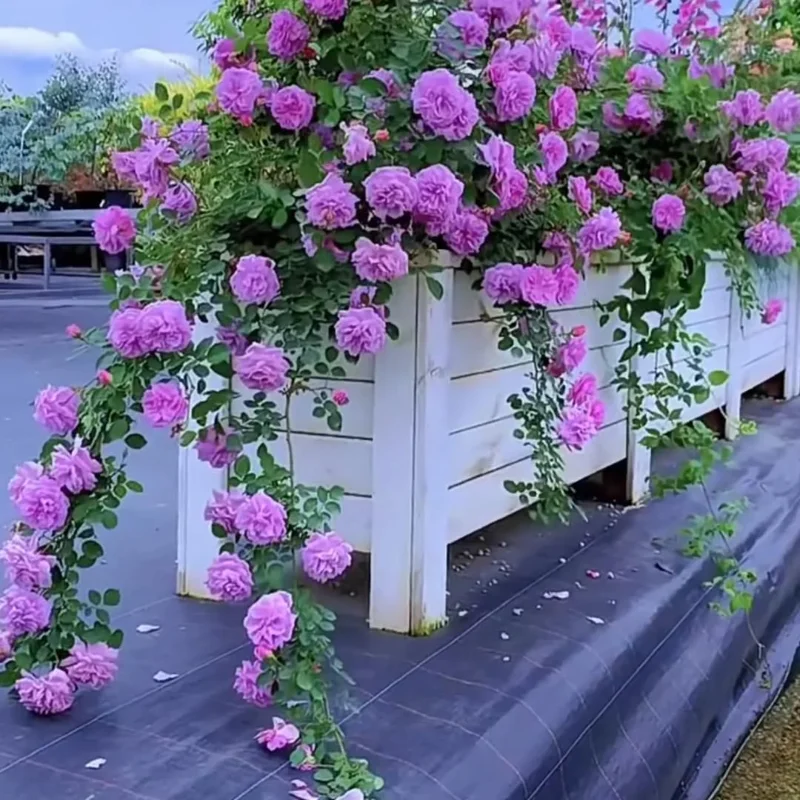
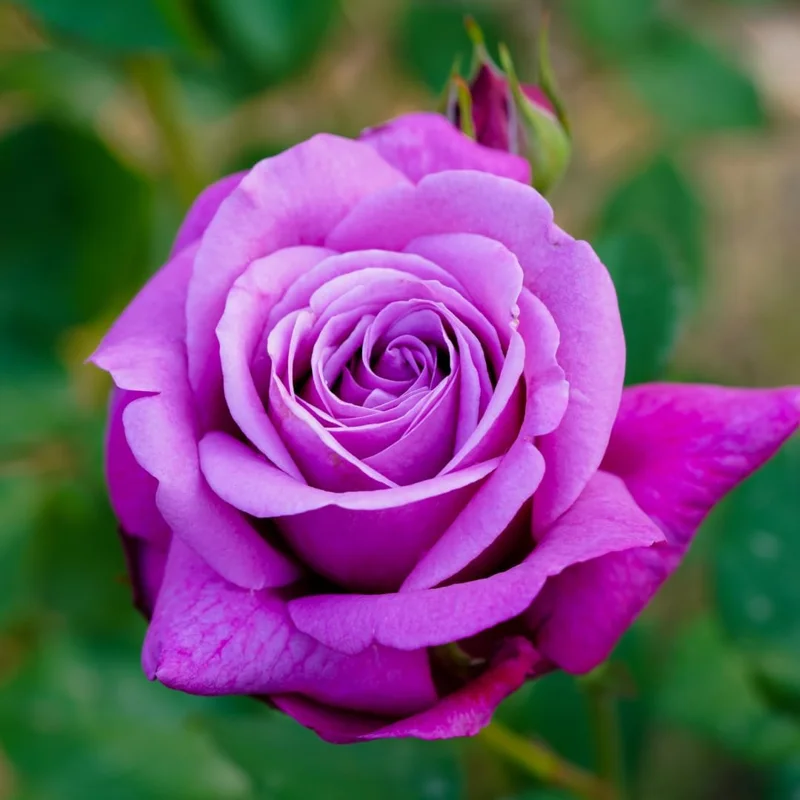
Sold 50 products
$38.39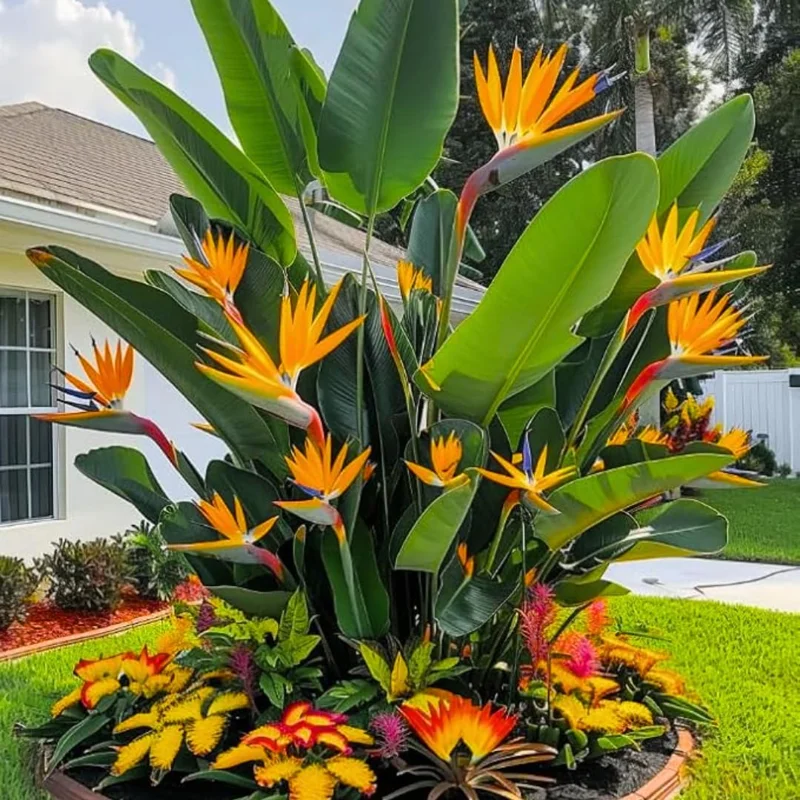
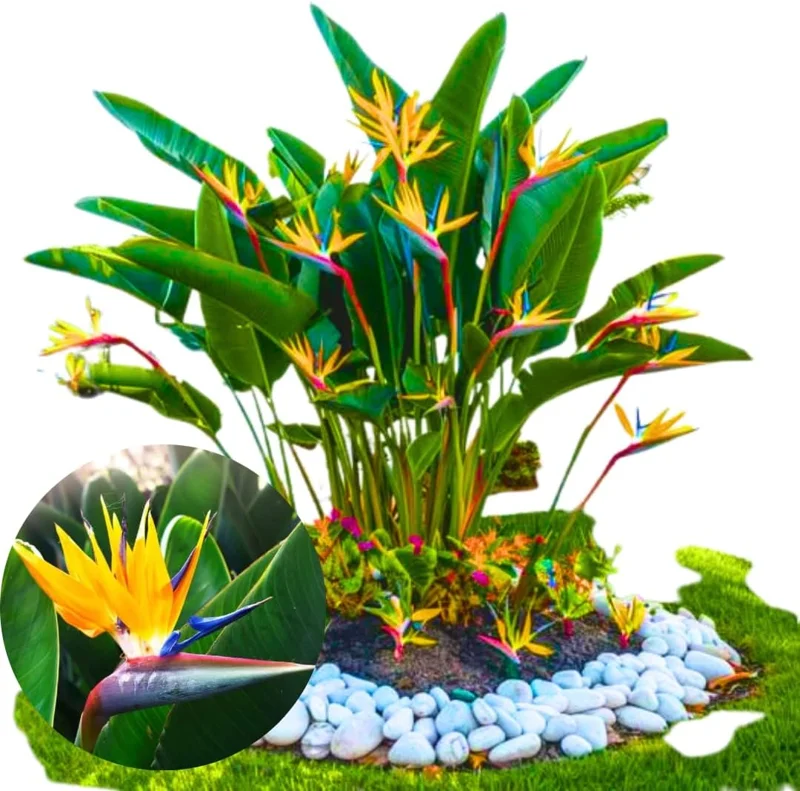
Sold 50 products
Price range: $28.79 through $35.99
Sold 50 products
$26.39RELATED posts
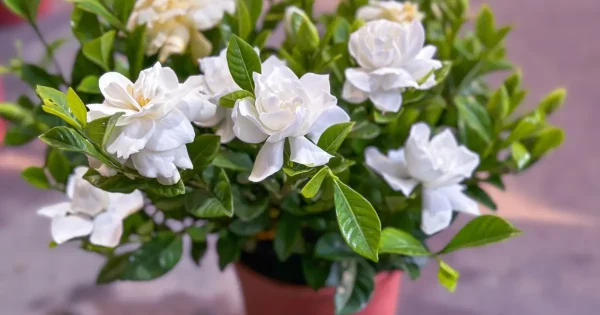
Frostproof Jasmine Care: 7 Tips for Successful Pot Growth
Most gardenias are known for being “divas.” They want perfect humidity, perfect soil, and they [...]
Mar
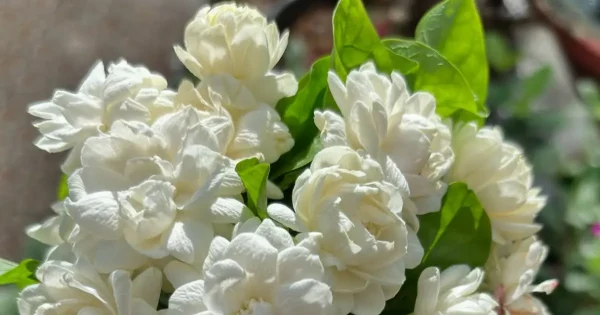
Top 7 Best Smelling Jasmine Varieties for a Heavenly Garden
Have you ever walked past a house and caught a scent so sweet you just [...]
Mar
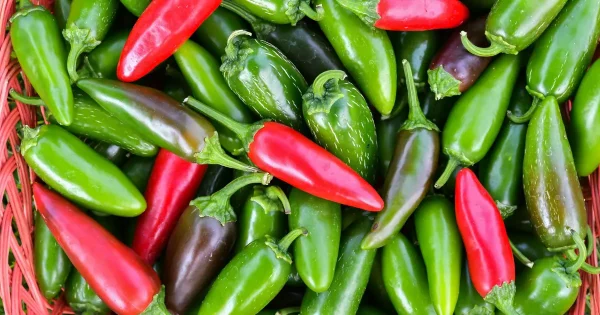
Master the Heat: 8 Expert Tips for Growing Jalapeños Like a Pro
Are you staring at your garden space, wondering why your pepper plants look more like [...]
Mar
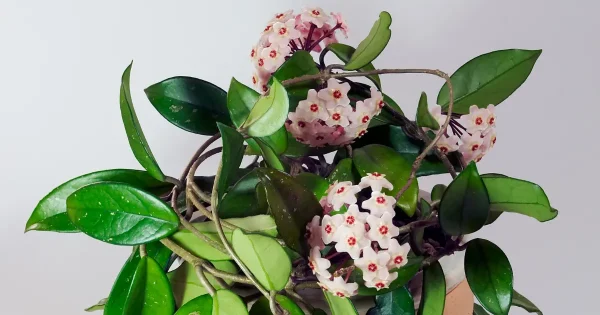
Top 5 Must-Have Hoya Varieties for Beginners
Hoyas are easily one of my top recommendations if you’re hunting for a low-maintenance houseplant [...]
Mar
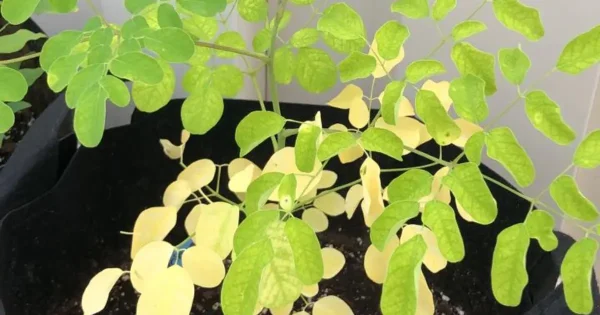
7 Moringa Plant Care Mistakes to Avoid for Healthy Growth
Have you ever looked at your Moringa tree and wondered why its once vibrant green [...]
Feb
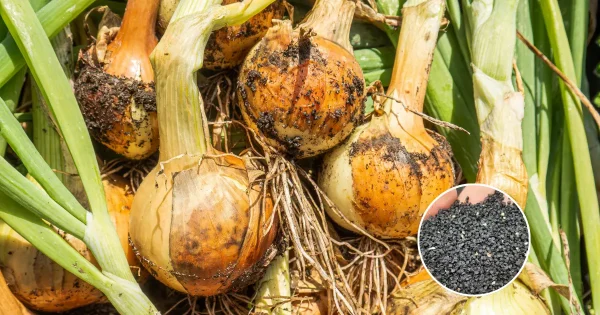
How to Grow Potato Onions From True Seeds: A Step-by-Step Guide
Have you ever wondered how to grow potato onions from true seeds or why some [...]
Feb
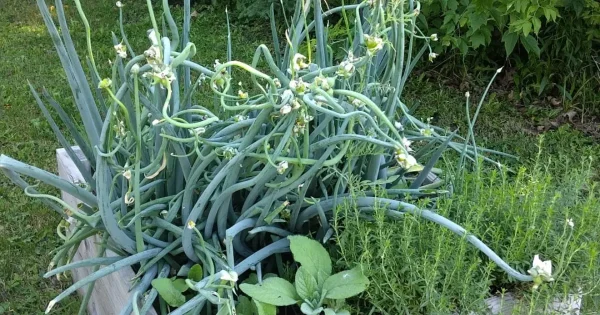
Growing Walking Onions in Containers: The Ultimate Guide
Have you ever looked at your small balcony or cramped patio and wished you could [...]
Feb

9 Best Flower Seeds to Start in February for Early Blooms
If you’re a passionate gardener, you know that itchy feeling in your fingers when February [...]
Jan
Reviews
There are no reviews yet.