
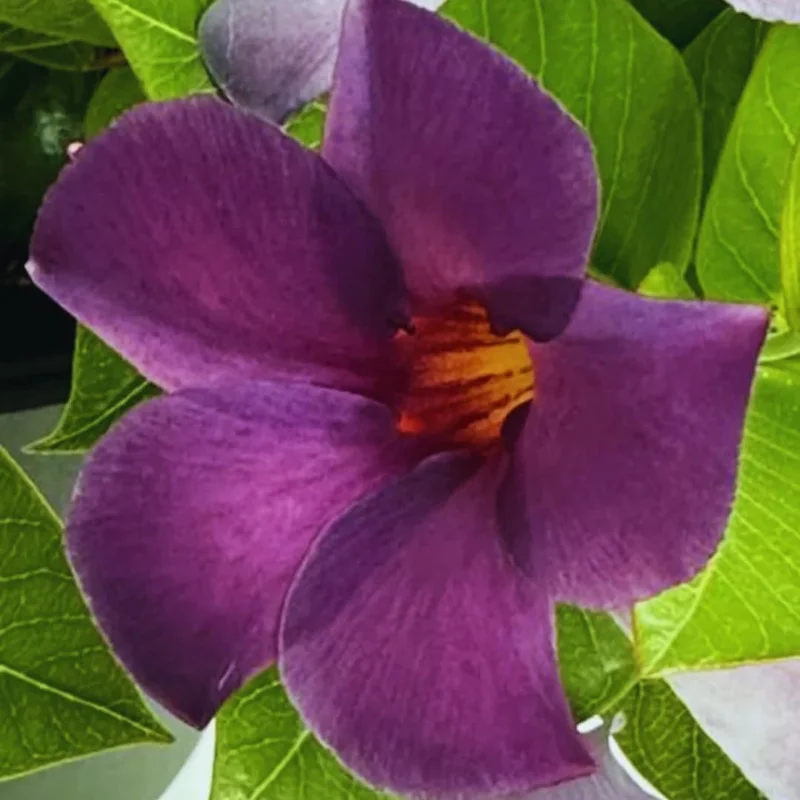
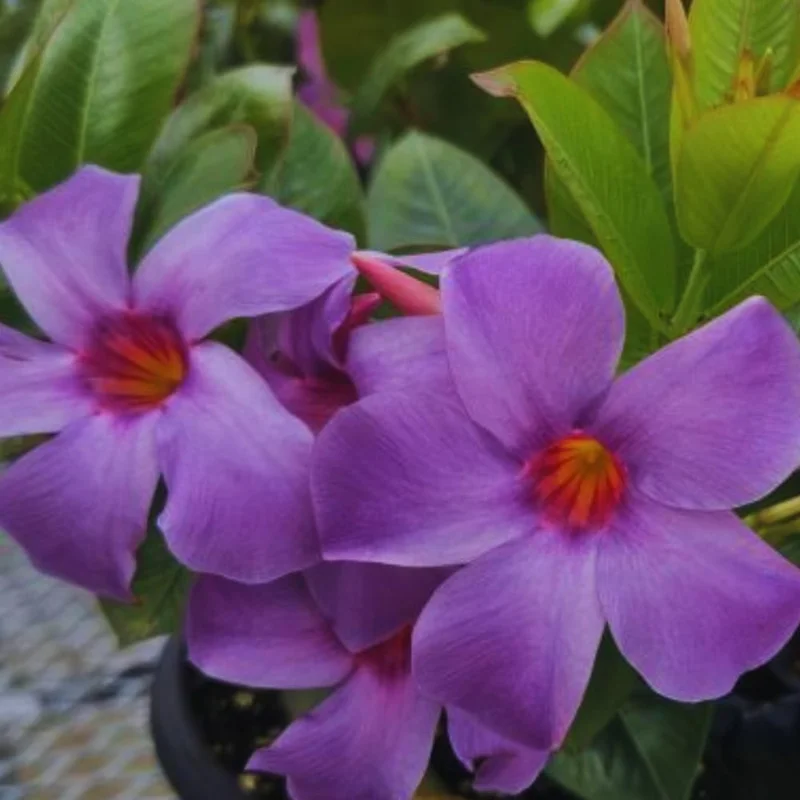
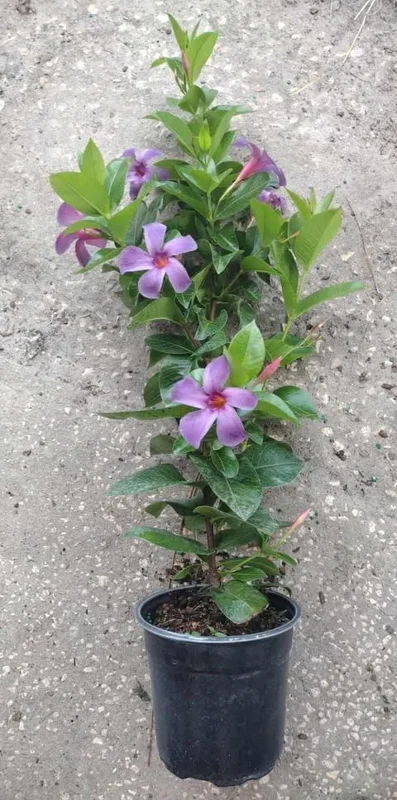
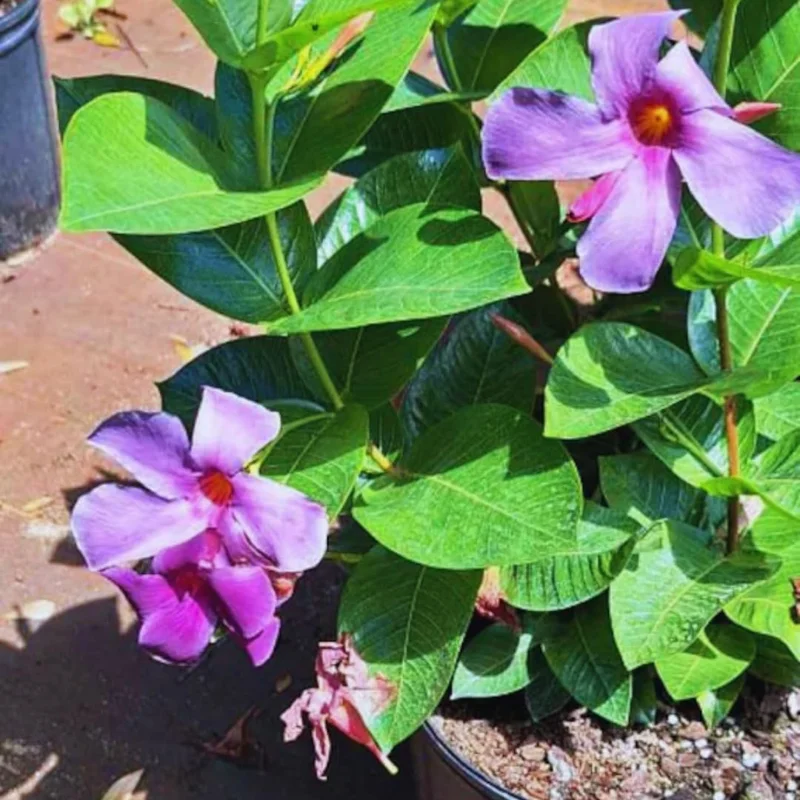
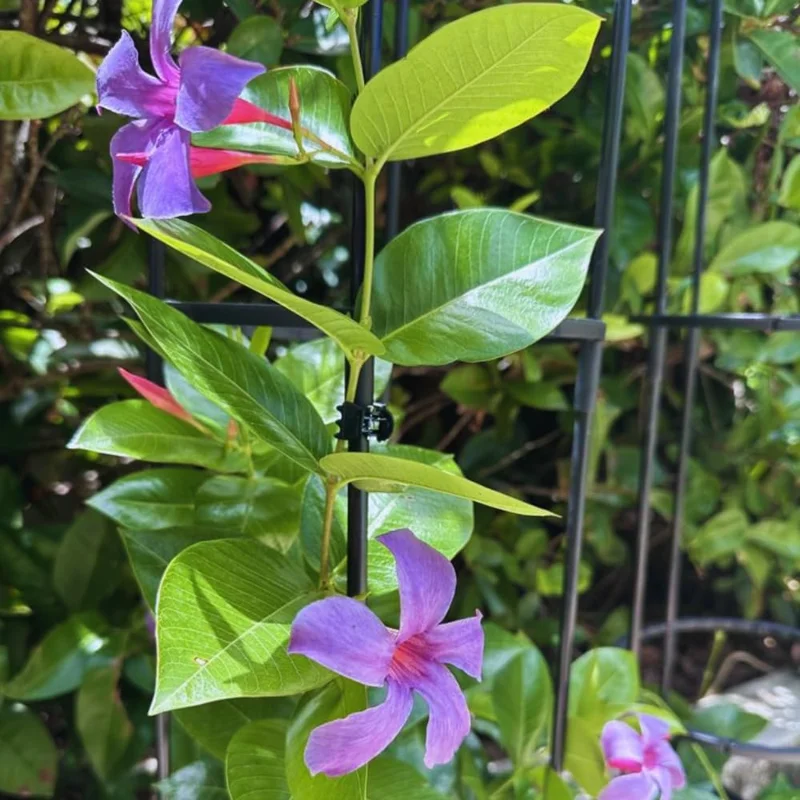
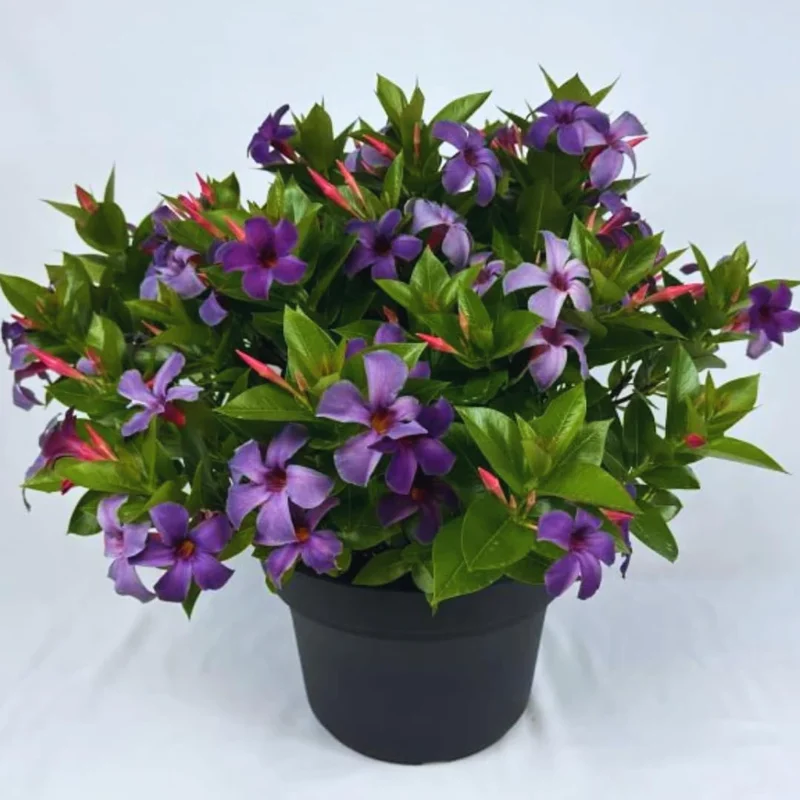
Purple Mandevilla Live Plant – 10-12 Inches Tall – Outdoor Flowering Vine
Original price was: $55.96.$50.36Current price is: $50.36.
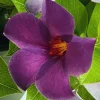
Add a splash of vibrant color to your outdoor spaces with this stunning purple mandevilla live plant. Standing 10 to 12 inches tall, this beautiful flowering vine is perfect for trellises, arbors, or containers, bringing tropical elegance to your patio or garden.
Shipping and Return policies:
We stand behind our plants with our Alive & Thrive Guarantee. If you experience any issues within the first 30 days, please email us, and our team will be happy to help. When needed, we’ll send you a one-time replacement free of charge to make sure your garden keeps growing strong.

Reasonable Price
We offer reasonable price

Support 24/7
Contact us 24 hrs a day
100% Money Back
You’ve 30 days to Return
Payment Secure
100% secure payment
Overview
Transform your garden into a tropical paradise with our exquisite purple mandevilla live plant. This vigorous and beautiful flowering vine is renowned for its stunning trumpet-shaped blooms that appear in abundance from spring through fall, providing continuous color and charm. Mandevilla plants are a favorite among gardeners for their ability to climb and sprawl, making them ideal for covering trellises, fences, or cascading from hanging baskets and containers. This particular Mandevilla specimen arrives as a healthy, established plant, typically 10 to 12 inches tall, ready to thrive in your outdoor environment. Its vibrant purple flowers create a striking visual impact, attracting hummingbirds and butterflies while adding an exotic touch to any landscape.
The Mandevilla (often incorrectly called Dipladenia, which is a closely related but distinct genus) is a genus of tropical and subtropical flowering vines belonging to the dogbane family, Apocynaceae. Known for their showy, funnel-shaped flowers and glossy green foliage, these plants are native to the Southwestern United States, Mexico, Central America, the West Indies, and South America. Our purple mandevilla live plant is carefully cultivated to ensure robust growth and prolific blooming, offering you an instant garden upgrade with minimal effort. Whether you’re an experienced gardener or just starting, this plant promises to deliver breathtaking beauty and a touch of the tropics to your home.
Key Benefits
Our purple mandevilla live plant offers numerous advantages for any outdoor space, combining aesthetic appeal with ease of care. Its striking appearance and vigorous growth make it a highly desirable addition to gardens and patios alike.
- Stunning Visual Appeal: The vibrant purple, trumpet-shaped flowers provide a continuous burst of color from spring until the first frost, making it a focal point in any garden or on any patio. The glossy green leaves beautifully complement the rich floral hues.
- Versatile Growing Habits: This Mandevilla is a natural climber, perfect for training up trellises, arbors, or fences. It also looks spectacular cascading from hanging baskets or as a vibrant groundcover, offering flexibility in garden design. Understanding the mandevilla vine height and growth habit allows for strategic placement.
- Attracts Pollinators: The large, colorful blooms are a magnet for hummingbirds and butterflies, bringing lively activity and natural beauty to your outdoor living areas.
- Low Maintenance & Drought Tolerant: Once established, Mandevillas are relatively easy to care for, requiring consistent watering but tolerating short periods of drought. This makes them an excellent choice for gardeners seeking high impact with less fuss.
- Long Blooming Season: Enjoy a prolonged display of flowers throughout the warmer months. The plant consistently produces new blooms, ensuring your garden remains colorful and inviting for an extended period.
- Tropical Elegance: Instantly infuse your outdoor space with a sophisticated, tropical ambiance. The exotic look of the mandevilla flower plants creates a resort-like feel right in your backyard.
- Adaptable to Containers: Thrives wonderfully in pots and containers, allowing you to easily move it indoors during colder months or rearrange your patio decor. This makes growing mandevilla outdoors accessible even for those with limited garden space.
Plant Care & Growing Tips
Caring for your purple mandevilla live plant is straightforward, and with the right conditions, it will reward you with an abundance of spectacular blooms. Mandevillas thrive in warm climates and prefer specific environmental factors to reach their full potential. Understanding these needs is key to successful mandevilla care guide implementation.
Sunlight Requirements: Mandevillas absolutely love the sun. For optimal flowering, provide at least 6-8 hours of direct sunlight per day. In extremely hot climates, some afternoon shade can be beneficial to prevent leaf scorch, but generally, full sun is preferred. If planted in a location with insufficient light, the plant may produce fewer flowers or grow leggy. Ensure your chosen spot allows for ample light exposure throughout the day for vigorous growth and prolific blooming.
Watering Schedule and Soil Moisture: While Mandevillas are somewhat drought-tolerant once established, they prefer consistently moist soil. Water thoroughly when the top inch or two of soil feels dry to the touch. Avoid overwatering, as this can lead to root rot. Good drainage is crucial. During peak growing and blooming seasons, they may require more frequent watering, especially if planted in containers, which tend to dry out faster. Reduce watering frequency in cooler months or if the plant is brought indoors for winter.
Soil Type and Drainage: Mandevillas thrive in rich, well-draining soil. A high-quality potting mix amended with organic matter is ideal for container growing. For in-ground planting, ensure the soil drains well and is not compacted. A slightly acidic to neutral pH (6.0-7.0) is generally preferred. Good drainage is paramount to prevent waterlogged roots, which can be detrimental to the plant’s health. Incorporating compost or other organic materials can improve soil structure and fertility, supporting robust growth of your purple mandevilla live plant.
Temperature Range and USDA Hardiness Zone: Mandevillas are tropical plants and are sensitive to cold. They thrive in temperatures between 60°F (15°C) and 80°F (27°C). They are typically hardy in USDA Zones 9-11, where they can be grown as perennials. In colder zones, they are often grown as annuals or brought indoors to overwinter. Protect them from frost, as temperatures below 40°F (4°C) can cause damage or even kill the plant. When growing mandevilla outdoors in non-hardy zones, plan to move them inside before the first frost.
Fertilization Schedule: To encourage continuous blooming, fertilize your Mandevilla every 2-4 weeks during the growing season (spring to early fall) with a balanced liquid fertilizer or one formulated for flowering plants. Look for a fertilizer with a higher phosphorus content to promote flower production. Reduce or cease fertilization during the plant’s dormant period in winter. Always follow the product instructions for application rates to avoid over-fertilization.
Pruning and Pest Control: Prune your Mandevilla in early spring to encourage bushier growth and more blooms, and to maintain its desired shape and manage the mandevilla vine height. You can also pinch back growing tips to promote branching. Mandevillas are generally resistant to most pests, but occasionally, you might encounter aphids, spider mites, or mealybugs. Inspect your plant regularly and treat any infestations with insecticidal soap or neem oil as needed. Good air circulation also helps prevent fungal issues.
Size & Details
This offering is for one healthy purple mandevilla live plant, which typically arrives standing 10 to 12 inches tall from the base of the plant to the top of its foliage. These vigorous vines are known for their rapid growth once established, with the potential to reach heights of 6 to 10 feet or more when provided with adequate support like a trellis or arbor. The plant is shipped in a nursery pot, ensuring its root system is well-protected and ready for transplanting into your desired container or garden bed. Expect a robust root ball and healthy, glossy green foliage, often with developing flower buds or existing blooms upon arrival.
The Mandevilla is a relatively fast grower, especially during warm weather, and will quickly establish itself to begin producing its characteristic vibrant purple flowers. While initial growth focuses on root development, you can anticipate significant vine extension and flowering within the first growing season. This plant is perfect for creating a dramatic vertical display or adding cascading color to your patio. Its compact size upon arrival makes it easy to handle and plant, promising a stunning mature display.
Frequently Asked Questions
- Q: How big will my purple mandevilla live plant get? A: Your Mandevilla will arrive 10 to 12 inches tall. With proper care and support, the vine can grow to a mature height of 6 to 10 feet, creating a beautiful display. The ultimate mandevilla vine height depends on growing conditions and support.
- Q: Is this an indoor or outdoor plant? A: This Mandevilla is primarily an outdoor plant, thriving in full sun. In USDA Zones 9-11, it can be grown as a perennial. In colder climates, it is best treated as an annual or brought indoors to overwinter. This makes growing mandevilla outdoors most common.
- Q: How much sunlight does a Mandevilla need? A: Mandevillas require at least 6-8 hours of direct full sun daily for optimal blooming. While they can tolerate some partial shade, too little sun will result in fewer flowers.
- Q: Is this plant easy to care for? A: Yes, Mandevillas are relatively easy to care for, especially once established. They require consistent watering, plenty of sun, and occasional feeding. Following a simple mandevilla care guide will ensure success.
- Q: What condition will the plant arrive in? A: Your purple mandevilla live plant will arrive safely packaged in a nursery pot, with a well-developed root system and healthy foliage, ready for transplanting. We ensure plants are in excellent condition for travel.
- Q: When is the best time to plant a Mandevilla? A: The best time to plant Mandevillas outdoors is in the spring after all danger of frost has passed, once nighttime temperatures consistently stay above 50°F (10°C).
- Q: Will this Mandevilla attract pollinators? A: Absolutely! The vibrant, trumpet-shaped flowers of the mandevilla flower plants are very attractive to hummingbirds and butterflies, bringing lively activity to your garden.
- Q: What kind of soil is best for Mandevillas? A: Mandevillas prefer rich, well-draining soil. A good quality potting mix with added organic matter works well for containers, and well-amended garden soil for in-ground planting.
- Q: How often should I fertilize my Mandevilla? A: During the active growing and blooming season (spring to early fall), fertilize every 2-4 weeks with a balanced liquid fertilizer or one high in phosphorus to encourage more blooms.
- Q: Can I grow this plant in a container? A: Yes, Mandevillas thrive in containers, making them perfect for patios, balconies, or small gardens. Ensure the container has drainage holes and is appropriately sized for the plant’s potential growth.
Be the first to review “Purple Mandevilla Live Plant – 10-12 Inches Tall – Outdoor Flowering Vine”
You must be logged in to post a review.
People also Viewed
Sold 50 products
Original price was: $36.99.$16.99Current price is: $16.99.
Sold 50 products
Original price was: $31.99.$11.99Current price is: $11.99.
Sold 50 products
Original price was: $35.99.$15.99Current price is: $15.99.
Sold 50 products
Original price was: $31.99.$11.99Current price is: $11.99.
Sold 50 products
Original price was: $35.99.$15.99Current price is: $15.99.
Sold 50 products
Original price was: $31.99.$11.99Current price is: $11.99.
Sold 50 products
Original price was: $34.99.$14.99Current price is: $14.99.
Sold 50 products
Original price was: $31.99.$11.99Current price is: $11.99.RELATED posts
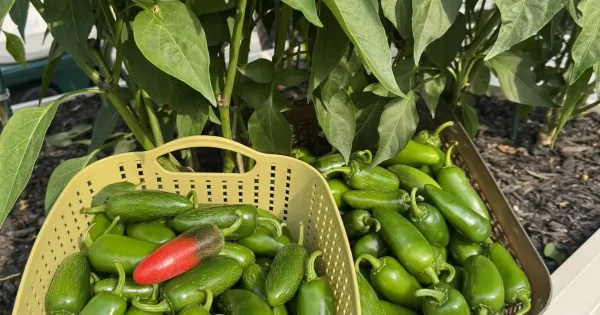
How to Grow Jalapeño Peppers From Seeds: A Step-by-Step Guide
Ready to spice things up in your garden? Jalapeños are the true life of the [...]
Apr
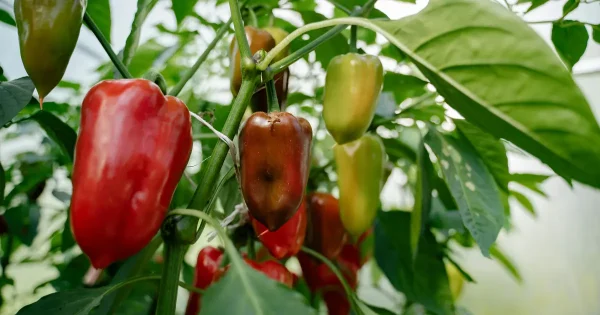
Top 12 Best Types of Peppers to Grow in Your Garden: Easy and High Yield
Growing peppers is, quite honestly, one of the biggest “wins” you can have in a [...]
Apr
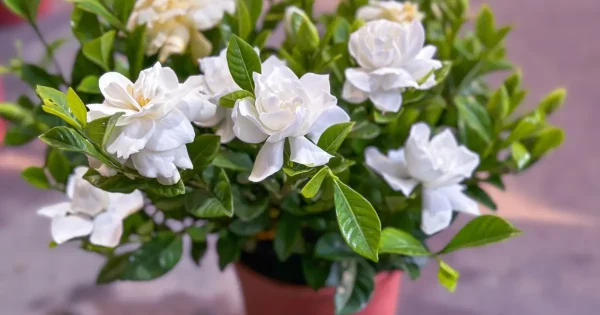
Frostproof Jasmine Care: 7 Tips for Successful Pot Growth
Most gardenias are known for being “divas.” They want perfect humidity, perfect soil, and they [...]
Mar
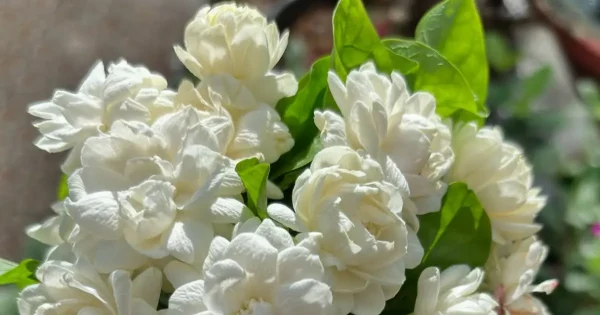
Top 7 Best Smelling Jasmine Varieties for a Heavenly Garden
Have you ever walked past a house and caught a scent so sweet you just [...]
Mar
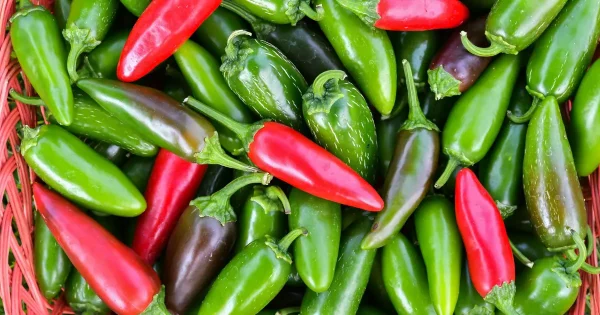
Master the Heat: 8 Expert Tips for Growing Jalapeños Like a Pro
Are you staring at your garden space, wondering why your pepper plants look more like [...]
Mar
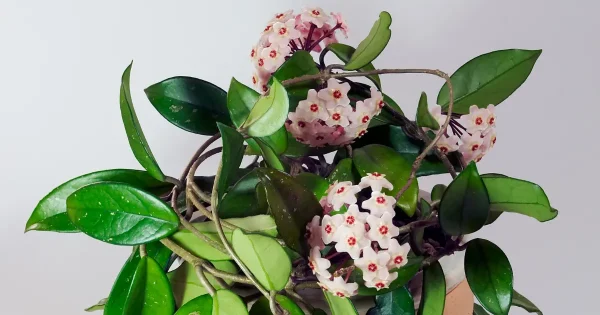
Top 5 Must-Have Hoya Varieties for Beginners
Hoyas are easily one of my top recommendations if you’re hunting for a low-maintenance houseplant [...]
Mar
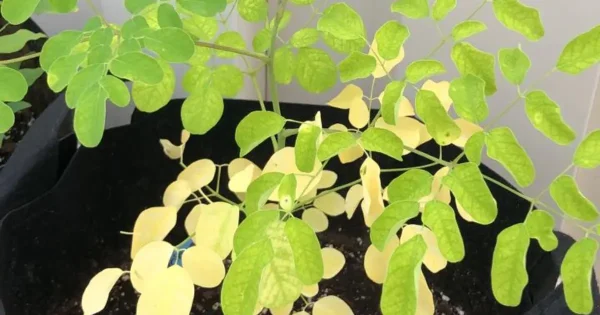
7 Moringa Plant Care Mistakes to Avoid for Healthy Growth
Have you ever looked at your Moringa tree and wondered why its once vibrant green [...]
Feb
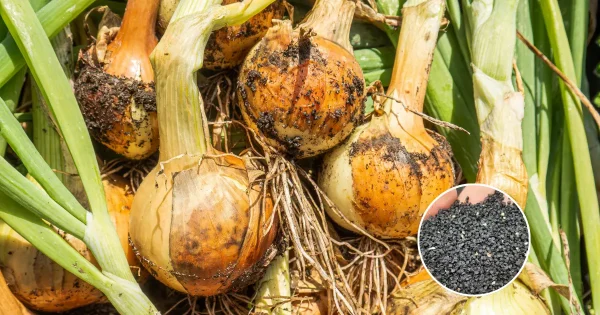
How to Grow Potato Onions From True Seeds: A Step-by-Step Guide
Have you ever wondered how to grow potato onions from true seeds or why some [...]
Feb
Reviews
There are no reviews yet.