
Purple Lantana Plants Live – 2 Pack, 2-5 Inch Tall Perennial Flowering Plant Outdoor
Price range: $35.71 through $41.11
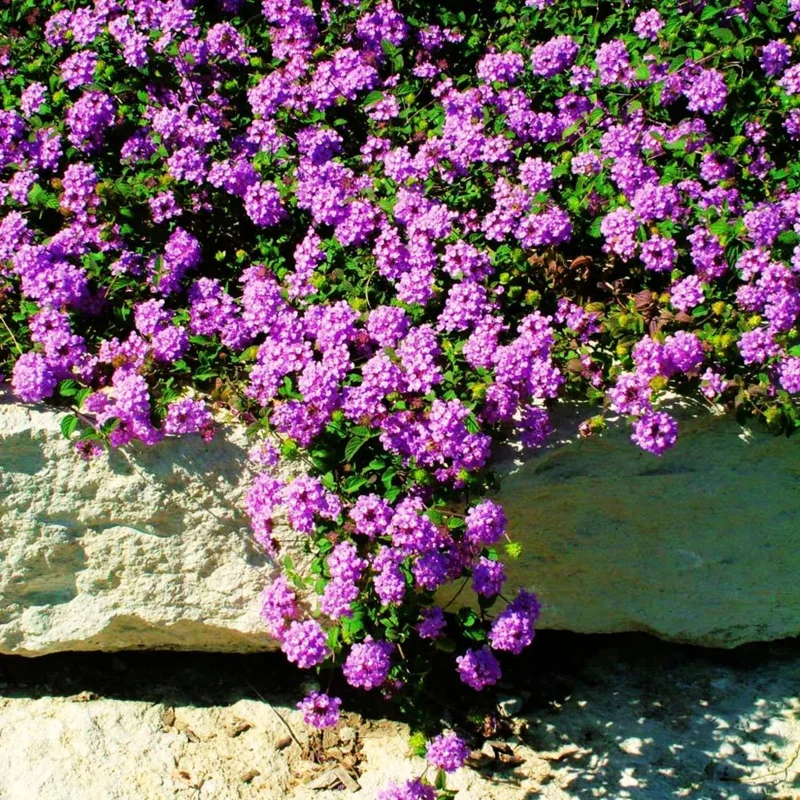
Brighten your outdoor spaces with this 2-pack of purple lantana plants. These live lantana plants are well-rooted, 2-5 inches tall, and perfect for adding continuous color from spring to fall. Known for their resilience, these perennial lantana thrive in sunny conditions.
Shipping and Return policies:
We stand behind our plants with our Alive & Thrive Guarantee. If you experience any issues within the first 30 days, please email us, and our team will be happy to help. When needed, we’ll send you a one-time replacement free of charge to make sure your garden keeps growing strong.

Reasonable Price
We offer reasonable price

Support 24/7
Contact us 24 hrs a day
100% Money Back
You’ve 30 days to Return
Payment Secure
100% secure payment
Overview
Transform your garden into a vibrant haven with these beautiful purple lantana plants. This offering includes two healthy, well-rooted live plants, each standing 2 to 5 inches tall, ready for immediate planting. Lantana camara, commonly known as lantana, is a beloved perennial flowering plant cherished for its continuous blooms and hardiness. These plants are ideal for adding a splash of rich purple color to borders, containers, or as ground cover, attracting pollinators like butterflies and hummingbirds to your outdoor sanctuary. Enjoy months of consistent blossoms with these easy-to-grow and visually stunning additions to your landscape.
Our live lantana plants are carefully selected to ensure they arrive in prime condition, prepared to flourish in your garden. They are known for their vigorous growth and ability to withstand various environmental conditions, making them a fantastic choice for both novice and experienced gardeners. The striking purple flowers create a captivating display, enhancing the aesthetic appeal of any outdoor setting, from patios to expansive garden beds.
Key Benefits
Investing in these purple lantana plants brings a multitude of advantages to your garden and outdoor living space. Their robust nature and stunning appearance make them a standout choice:
- Continuous Blooms: Enjoy a prolonged flowering season, typically from spring through fall, providing consistent color and beauty to your garden for many months.
- Attracts Pollinators: The vibrant flowers are a magnet for butterflies, bees, and hummingbirds, enriching your garden’s biodiversity and supporting local ecosystems.
- Drought-Tolerant: Once established, these perennial lantana plants are remarkably tolerant of dry conditions, making them an excellent choice for water-wise gardening.
- Low Maintenance: Lantana requires minimal care, thriving with basic watering and occasional feeding, allowing you more time to enjoy your garden rather than tending to it.
- Versatile Landscaping: Perfect for a variety of uses, including ground cover, borders, hanging baskets, and container gardening, offering flexibility in your design.
- Deer Resistant: Generally unappealing to deer, these plants are a great option if you live in an area where deer browse on garden plants.
- Hardy Perennial: As a perennial lantana, it returns year after year in suitable climates, providing lasting beauty and reducing the need for annual replanting.
Plant Care & Growing Tips
Caring for your purple lantana plants is straightforward, ensuring a spectacular display of color throughout the growing season. These hardy perennials thrive in conditions that mimic their native tropical and subtropical environments. The most crucial factor for abundant blooms is ample sunlight. Lantana requires at least 6 hours of direct sunlight per day, ideally full sun exposure. In hotter climates, a little afternoon shade can be beneficial to prevent scorching, but generally, the more sun, the better.
When it comes to watering, lantana prefers well-draining soil and is quite drought-tolerant once established. Water thoroughly when the top inch of soil feels dry to the touch, but avoid overwatering, which can lead to root rot. For optimal growth, sandy soil with good drainage is recommended, as indicated by the input data. These plants are relatively unfussy about soil type but will perform best in slightly acidic to neutral pH levels. Fertilize sparingly; a balanced, slow-release fertilizer in spring is usually sufficient. Pruning can be done in early spring to encourage bushier growth and more flowers, and deadheading spent blooms will also promote continuous flowering. These live lantana plants are suitable for USDA Hardiness Zones 7-11, meaning they can survive winter outdoors in these regions. In colder zones, they are often grown as annuals or brought indoors during winter.
Size & Details
This offering includes two individual purple lantana plants, each measuring approximately 2 to 5 inches in height upon arrival. These are live, well-rooted perennial plants, ready for transplanting into your garden or preferred containers. Lantana can grow to a mature size of 1 to 3 feet tall and spread 3 to 6 feet wide, depending on the variety and growing conditions. They typically exhibit a moderate growth rate, establishing themselves quickly after planting. The plants are shipped in a manner that protects their delicate roots and foliage, ensuring they arrive healthy and ready to thrive. Expect these plants to begin blooming from spring through summer, and often continuing into fall or even winter in frost-free zones. Their compact size upon arrival makes them easy to handle and plant.
Frequently Asked Questions
- Q: How big do these purple lantana plants get? A: These purple lantana plants typically grow to a mature height of 1 to 3 feet and can spread 3 to 6 feet wide, forming a dense, colorful bush. Their ultimate size depends on growing conditions and pruning.
- Q: What condition will the live lantana plants arrive in? A: Your live lantana plants will arrive well-rooted and healthy, carefully packaged to ensure their safe journey. They will be ready for immediate planting upon arrival.
- Q: Is this an indoor or outdoor plant? A: Lantana is primarily an outdoor plant. It thrives in full sun and warm temperatures. In USDA Zones 7-11, it is a perennial; in colder zones, it can be grown as an annual or brought indoors for winter.
- Q: How much sunlight do these perennial lantana need? A: For the best blooms and strongest growth, these perennial lantana require at least 6 hours of direct sunlight per day. Full sun is ideal for optimal performance.
- Q: Is this plant easy to care for? A: Yes, lantana is known for being a very low-maintenance plant. Once established, it is drought-tolerant and requires minimal attention beyond occasional watering and pruning.
- Q: When is the best time to plant purple lantana? A: The best time to plant purple lantana plants is in the spring or early summer after the last frost, allowing them ample time to establish before cooler weather. Fall planting is also possible in warmer regions.
- Q: Will it survive winter in my zone? A: Lantana is perennial in USDA Hardiness Zones 7-11. In these zones, it will typically die back to the ground in winter and re-emerge in spring. In colder zones, it will not survive outdoor winter temperatures unless protected or brought indoors.
- Q: What type of soil is best for lantana? A: Lantana prefers well-draining soil, such as sandy soil. It can tolerate a range of soil types but good drainage is crucial to prevent root issues.
- Q: Do these plants attract pollinators? A: Absolutely! The vibrant flowers of purple lantana plants are highly attractive to butterflies, bees, and hummingbirds, making them a great choice for a pollinator garden.
- Q: How often should I water my lantana? A: Water your lantana thoroughly when the top inch of soil feels dry. Once established, they are quite drought-tolerant and prefer to dry out slightly between waterings rather than being kept constantly wet.
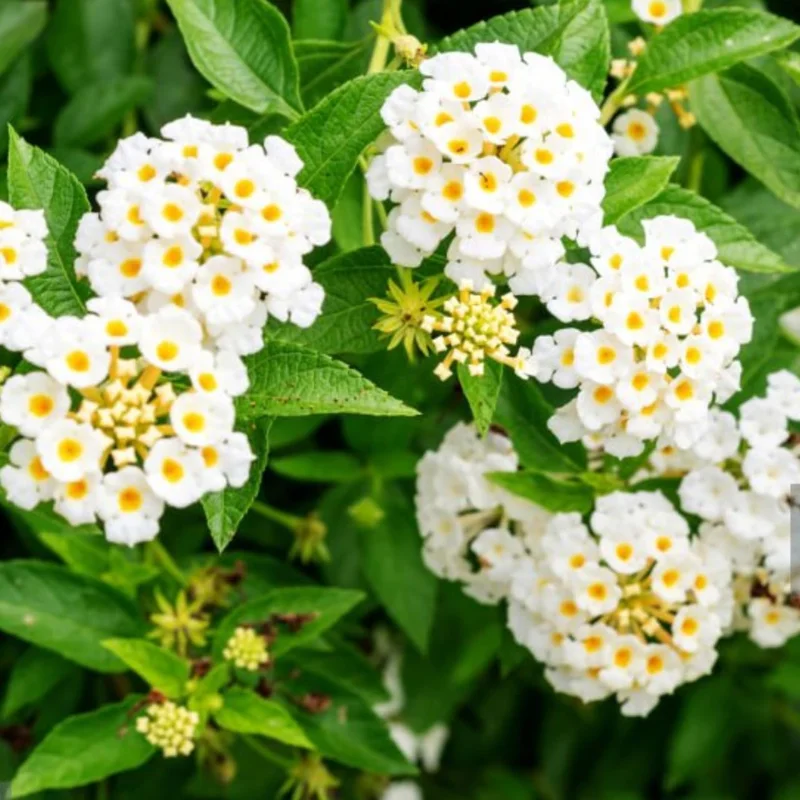
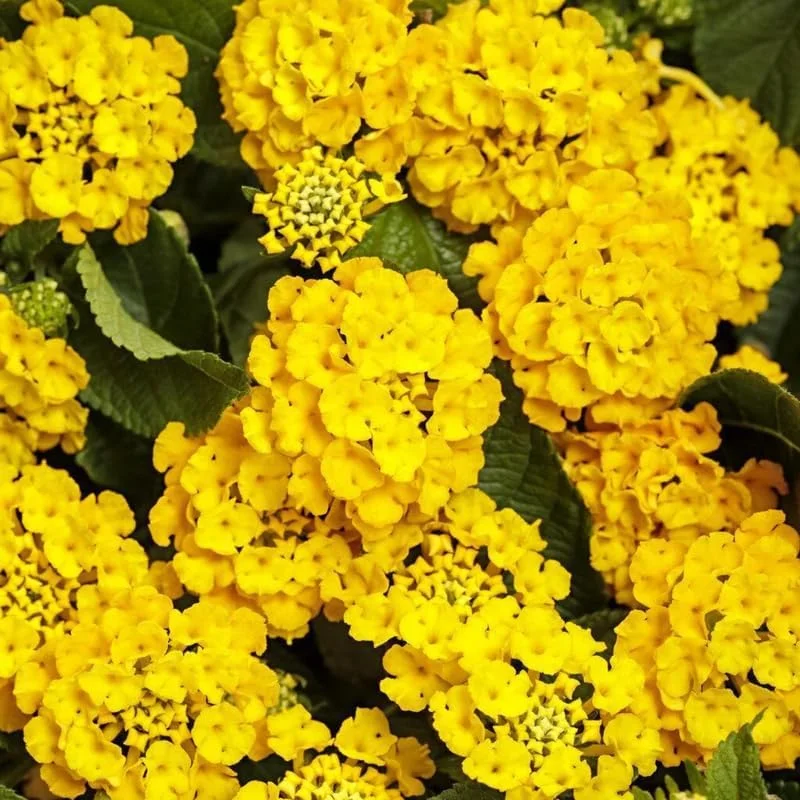
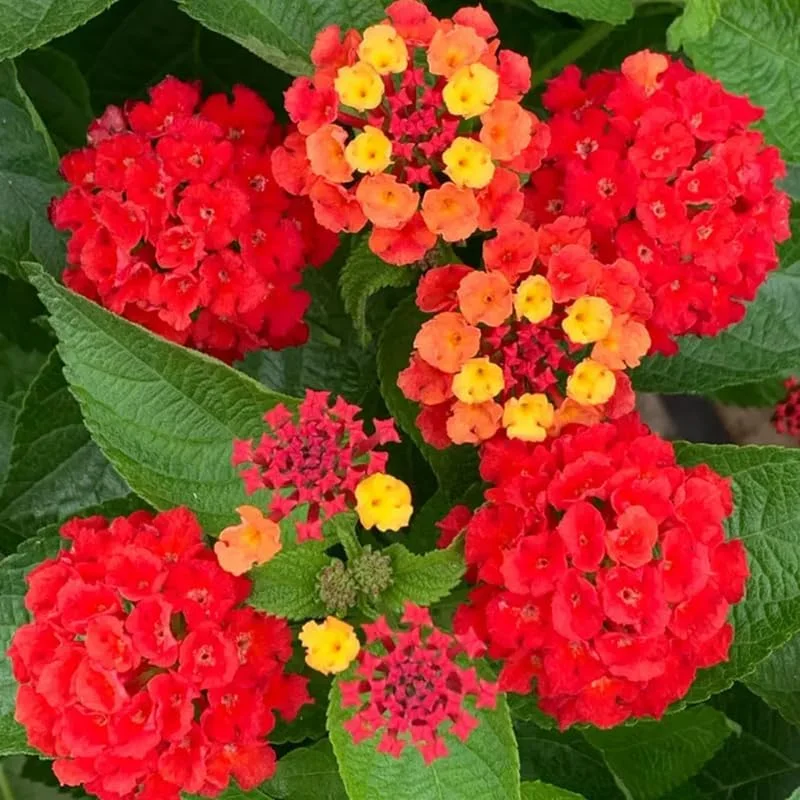
| Color | Set 2 Purple Lantana Plants, Set 2 Red Lantana Plants, Set 2 White Trailing Lantana Plants, 4 Inch Pot, Set 2 Yellow Lantana Plants |
|---|
Be the first to review “Purple Lantana Plants Live – 2 Pack, 2-5 Inch Tall Perennial Flowering Plant Outdoor”
You must be logged in to post a review.
People also Viewed
Sold 50 products
Original price was: $36.99.$16.99Current price is: $16.99.
Sold 50 products
Original price was: $31.99.$11.99Current price is: $11.99.
Sold 50 products
Original price was: $35.99.$15.99Current price is: $15.99.

Sold 50 products
Original price was: $31.99.$11.99Current price is: $11.99.
Sold 50 products
Original price was: $35.99.$15.99Current price is: $15.99.
Sold 50 products
Original price was: $31.99.$11.99Current price is: $11.99.
Sold 50 products
Original price was: $34.99.$14.99Current price is: $14.99.
Sold 50 products
Original price was: $31.99.$11.99Current price is: $11.99.RELATED posts
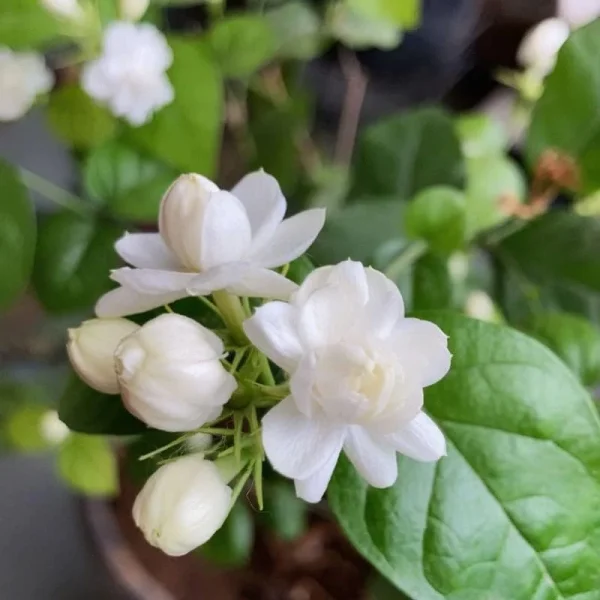
How to Grow Arabian Jasmine: A Complete Care Guide
If you’ve ever dreamed of a garden that smells like a tropical paradise, Jasminum sambac [...]
Apr
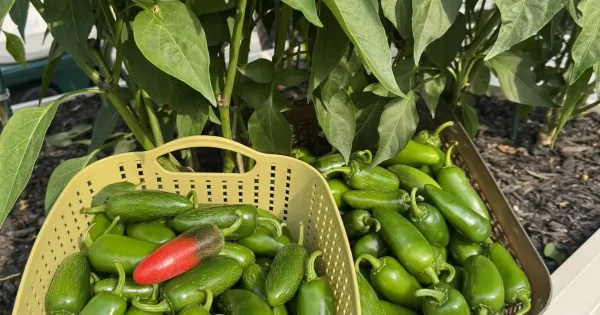
How to Grow Jalapeño Peppers From Seeds: A Step-by-Step Guide
Ready to spice things up in your garden? Jalapeños are the true life of the [...]
Apr
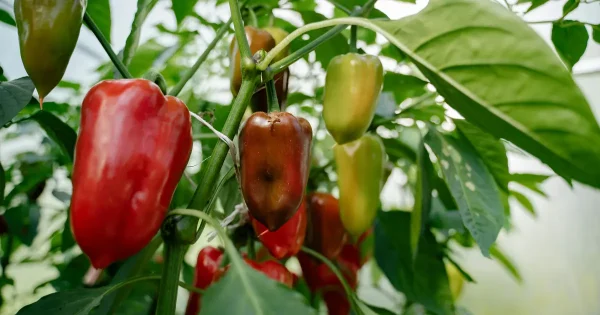
Top 12 Best Types of Peppers to Grow in Your Garden: Easy and High Yield
Growing peppers is, quite honestly, one of the biggest “wins” you can have in a [...]
Apr
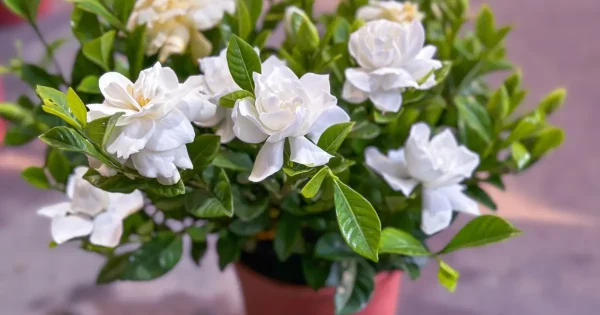
Frostproof Jasmine Care: 7 Tips for Successful Pot Growth
Most gardenias are known for being “divas.” They want perfect humidity, perfect soil, and they [...]
Mar
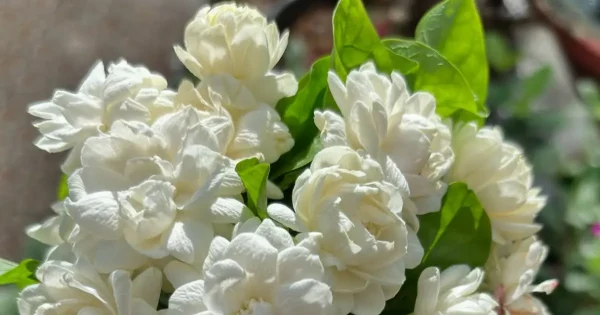
Top 7 Best Smelling Jasmine Varieties for a Heavenly Garden
Have you ever walked past a house and caught a scent so sweet you just [...]
Mar
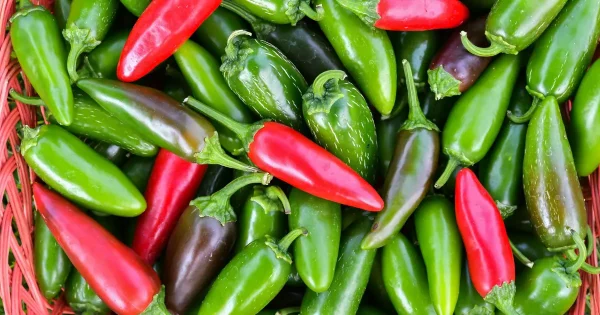
Master the Heat: 8 Expert Tips for Growing Jalapeños Like a Pro
Are you staring at your garden space, wondering why your pepper plants look more like [...]
Mar
Top 5 Must-Have Hoya Varieties for Beginners
Hoyas are easily one of my top recommendations if you’re hunting for a low-maintenance houseplant [...]
Mar
7 Moringa Plant Care Mistakes to Avoid for Healthy Growth
Have you ever looked at your Moringa tree and wondered why its once vibrant green [...]
Feb


Reviews
There are no reviews yet.