
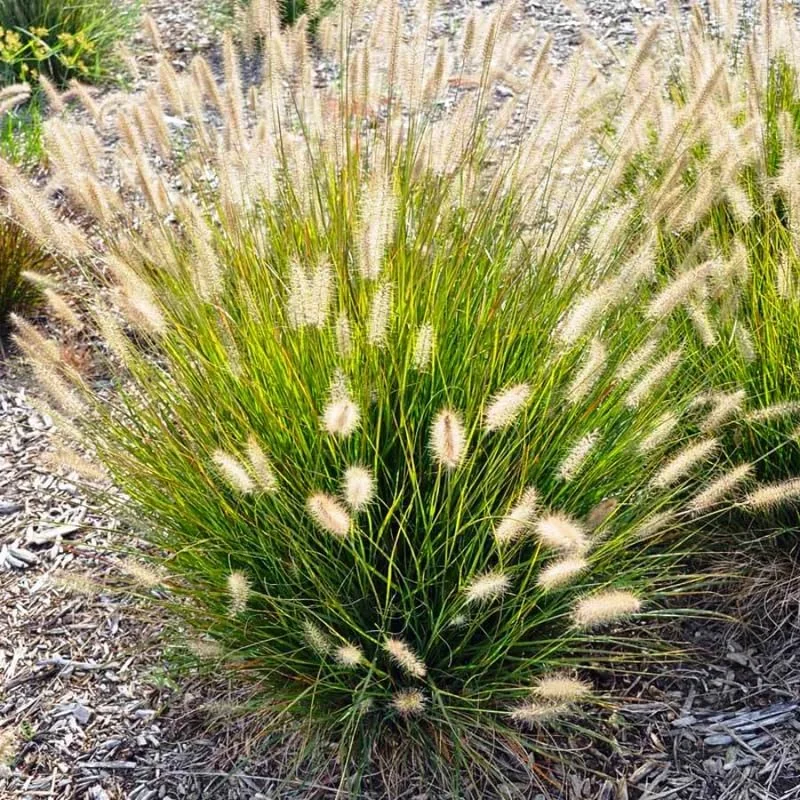
Purple Fountain Grass Live Plant – 2 Pack, Outdoor Ornamental Grass, 4-9 Inches
Price range: $28.74 through $43.14
Add dramatic color and texture to your outdoor space with this 2-pack of purple fountain grass live plant. Perfect for borders, containers, or mass plantings, this ornamental grass landscaping choice is known for its graceful, arching foliage and plumes.
Shipping and Return policies:
We stand behind our plants with our Alive & Thrive Guarantee. If you experience any issues within the first 30 days, please email us, and our team will be happy to help. When needed, we’ll send you a one-time replacement free of charge to make sure your garden keeps growing strong.

Reasonable Price
We offer reasonable price

Support 24/7
Contact us 24 hrs a day
100% Money Back
You’ve 30 days to Return
Payment Secure
100% secure payment
Overview
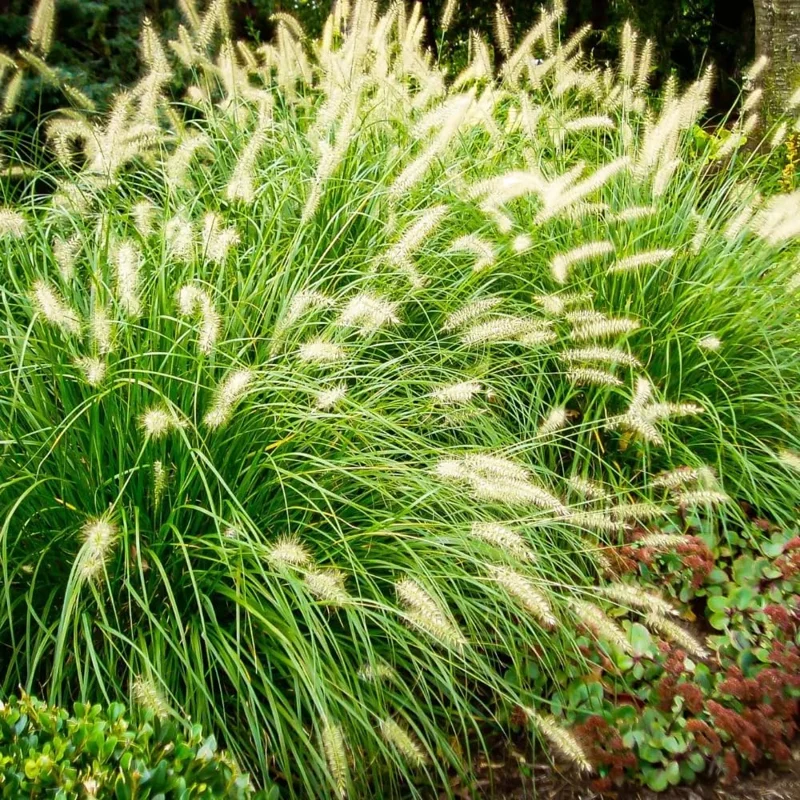
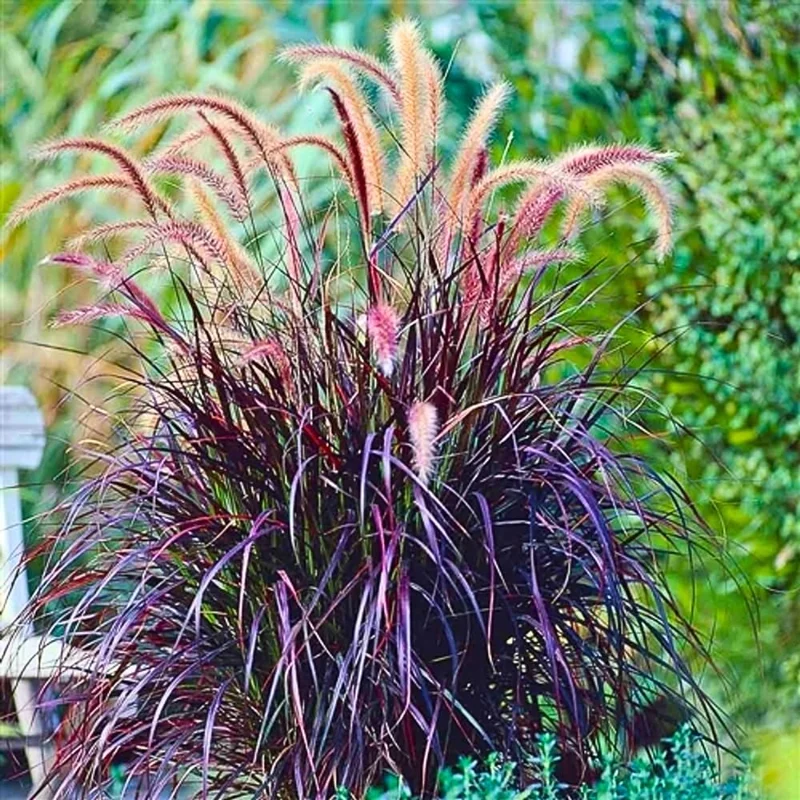
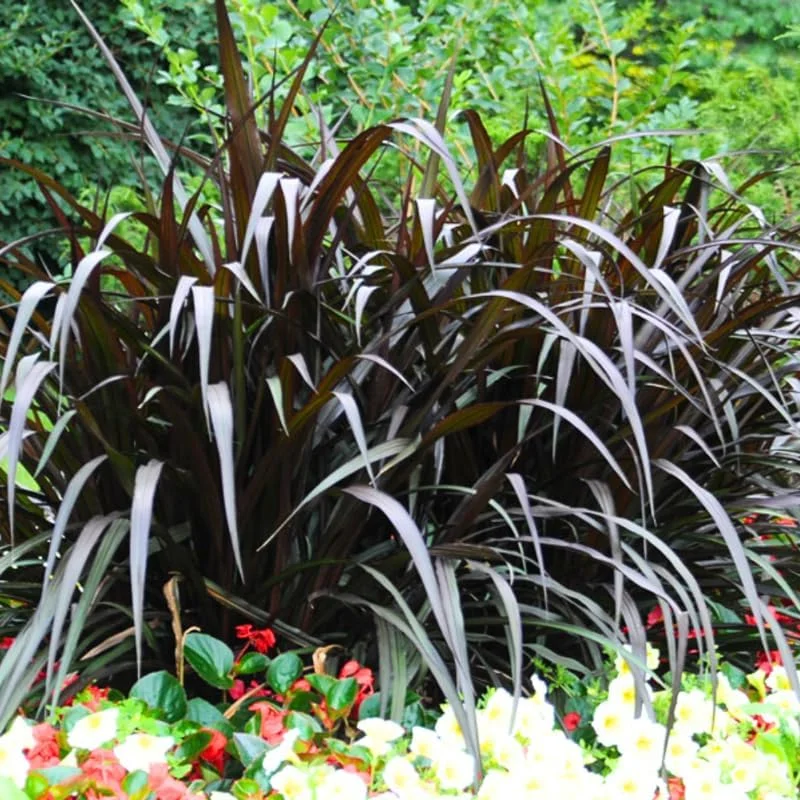
Transform your garden into a vibrant display with these stunning purple fountain grass live plant specimens. Known for their striking burgundy foliage and feathery, purple-pink plumes, these ornamental grasses bring dynamic movement and rich color to any landscape. Purple fountain grass, scientifically known as Pennisetum setaceum ‘Rubrum’, is a popular choice for gardeners seeking a low-maintenance yet high-impact plant. These grasses form elegant clumps, providing a soft, flowing texture that contrasts beautifully with more rigid plants. Ideal for adding visual interest throughout the growing season, they are particularly captivating when backlit by the sun, showcasing their brilliant hues. Whether you’re aiming for a modern, minimalist look or a lush, naturalistic design, the purple fountain grass offers versatility and enduring appeal. Its ability to thrive in various settings makes it a go-to for both novice and experienced gardeners.
This offering includes two healthy purple fountain grass live plant specimens, ready to be planted and enjoyed. They are perfect for creating focal points, lining pathways, or adding depth to perennial beds. With their rapid growth and captivating appearance, these grasses quickly establish themselves, offering a stunning visual return on your gardening efforts. Embrace the beauty and simplicity of purple fountain grass to elevate your outdoor living spaces.
Key Benefits
Investing in purple fountain grass live plant offers numerous advantages for your garden. These robust plants are not only beautiful but also incredibly resilient, providing long-lasting aesthetic appeal with minimal fuss.
- Stunning Visual Appeal: The deep burgundy foliage and arching, purple-pink plumes provide dramatic color and texture, creating an instant focal point in any garden design. Its graceful form adds movement and elegance to your landscape.
- Drought-Tolerant and Low Maintenance: Once established, this drought tolerant grass requires minimal watering and care, making it an excellent choice for busy gardeners or those in arid climates. It’s a plant that thrives on neglect.
- Versatile Landscaping: Perfect for a variety of uses, including borders, mass plantings, containers, and as an accent plant. Its compact growth habit ensures it fits well into diverse garden schemes, enhancing both small and large spaces.
- Excellent for Erosion Control: The strong root system of ornamental grass landscaping helps to stabilize soil, making it useful in areas prone to erosion, such as slopes or embankments.
- Attracts Wildlife: While not a primary pollinator plant, the seed heads can provide food for birds, adding another layer of natural beauty to your garden.
- Perennial Growth: As a perennial in appropriate USDA zones, these perennial grass clumps return year after year, providing reliable beauty without the need for annual replanting.
- Thrives in Full Sun: This grass loves the sun, performing best in locations with abundant sunlight, which intensifies its purple coloration and promotes vigorous growth.
Plant Care & Growing Tips
Caring for your purple fountain grass live plant is straightforward, making it an excellent choice for gardeners of all experience levels. These grasses are quite forgiving and, once established, require minimal intervention to thrive. The primary requirement for vigorous growth and vivid color is ample sunlight. Purple fountain grass performs best in full sun, meaning it needs at least 6-8 hours of direct sunlight per day. Plant it in a location where it will receive maximum sun exposure to ensure its distinctive purple foliage and plumes are at their most brilliant.
When it comes to watering, drought tolerant grass like purple fountain grass prefers moderate moisture, especially during its establishment period. Water regularly after planting until the roots are well-developed. Once established, it becomes quite drought-tolerant, requiring less frequent watering. Ensure the soil is well-draining to prevent root rot. While adaptable to various soil types, it thrives in fertile, well-drained soil. Amend heavy clay soils with organic matter to improve drainage, and sandy soils with compost to enhance moisture retention and nutrient availability. Fertilization is generally not heavily required; a light application of a balanced slow-release fertilizer in spring can encourage robust growth, but over-fertilization can lead to leggy plants.
Purple fountain grass is typically hardy in USDA zones 5-9. In colder zones, it is often grown as an annual. In perennial zones, cut back the foliage to about 6 inches in late winter or early spring before new growth emerges. This promotes a fresh flush of growth and maintains a tidy appearance. Watch out for common pests like aphids, though they are rarely a significant problem. Good air circulation and appropriate watering practices will help prevent fungal issues. By following these simple guidelines, your outdoor grass plants will flourish, providing beauty and texture to your landscape for years to come.
Size & Details
These purple fountain grass live plant specimens are shipped as healthy, actively growing plants, typically measuring between 4-9 inches in height from the base of the plant to the top of the foliage. They are ready for immediate planting upon arrival, providing an instant impact in your garden. Each plant is carefully packaged to ensure it arrives in optimal condition, ready to establish quickly in its new home. The mature size of purple fountain grass generally reaches 2-4 feet tall and 2-3 feet wide, forming attractive, mounded clumps that spread gracefully. Its moderate growth rate means you’ll see significant development within the first growing season, quickly filling in your desired planting areas.
These perennial grass clumps are an excellent choice for gardeners looking for a plant that offers both aesthetic appeal and robust performance. They are ideal for creating naturalistic borders, adding texture to mixed perennial beds, or providing a dynamic element in large containers. The plants are shipped in their nursery pots, ensuring the root ball remains intact and protected during transit. With proper care and planting, these ornamental grasses will quickly become a cherished part of your landscape, providing continuous beauty from spring through fall and even into winter with their persistent seed heads.
Frequently Asked Questions
- Q: How big does this purple fountain grass get? A: A mature purple fountain grass live plant typically grows to a height of 2-4 feet and spreads 2-3 feet wide, forming a beautiful, arching clump. Its size makes it versatile for various garden applications.
- Q: Is this an indoor or outdoor plant? A: This is an outdoor grass plant and thrives best when planted in the garden or in outdoor containers where it can receive ample sunlight and fresh air. It is not suitable for indoor cultivation.
- Q: How much sunlight does purple fountain grass need? A: For optimal growth and the most vibrant purple coloration, this grass requires full sun exposure, meaning at least 6-8 hours of direct sunlight daily. This helps intensify its rich hues.
- Q: Is this plant easy to care for? A: Yes, purple fountain grass is considered very easy to care for. It is a drought tolerant grass once established and requires minimal maintenance, making it suitable for both beginner and experienced gardeners.
- Q: What condition will it arrive in? A: Your purple fountain grass live plant will arrive as a healthy, actively growing specimen, measuring 4-9 inches tall, carefully packaged in its nursery pot to ensure its protection during transit.
- Q: When is the best time to plant purple fountain grass? A: The best time to plant purple fountain grass is in spring after the last frost, allowing it ample time to establish its root system before the heat of summer or the cold of winter.
- Q: Will it survive winter in my zone? A: Purple fountain grass is perennial in USDA Zones 5-9. In colder zones (below zone 5), it is typically grown as an annual and will likely not survive the winter outdoors.
- Q: Can I grow purple fountain grass in a container? A: Absolutely! These ornamental grass landscaping plants are excellent for containers, especially larger pots, where their graceful form can be showcased on patios, decks, or balconies.
- Q: How often should I water my purple fountain grass? A: While establishing, water regularly to keep the soil moist. Once established, it is quite drought-tolerant and can tolerate drier conditions, requiring less frequent watering.
- Q: Does this grass attract pests? A: Purple fountain grass is generally pest-resistant. Occasionally, aphids may appear, but they are rarely a serious problem and can be managed with simple methods if necessary.
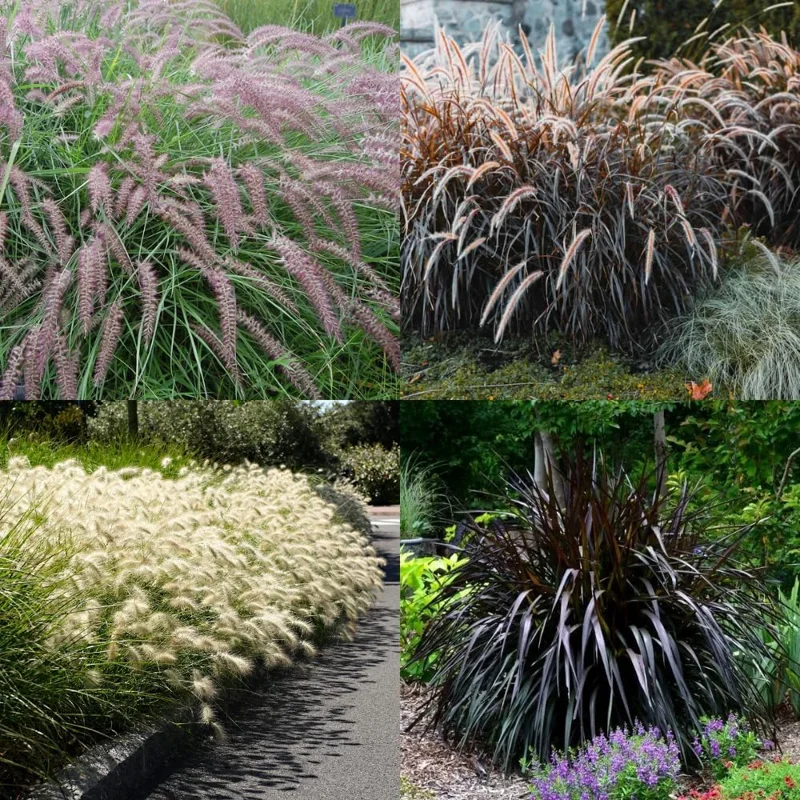
| Color | Black Foutain Grass, Dwarf White Fountain, Mixed Foutain Grass, Purple Foutain Grass, White Foutain Grass |
|---|
Be the first to review “Purple Fountain Grass Live Plant – 2 Pack, Outdoor Ornamental Grass, 4-9 Inches”
You must be logged in to post a review.
People also Viewed
Sold 50 products
Original price was: $28.58.$19.99Current price is: $19.99.
Sold 50 products
$32.39
Sold 50 products
$21.59
Sold 50 products
$35.99
Sold 50 products
Price range: $23.15 through $25.19
Sold 50 products
$38.39
Sold 50 products
Price range: $28.79 through $35.99
Sold 50 products
$26.39RELATED posts
Top 12 Best Types of Peppers to Grow in Your Garden: Easy and High Yield
Growing peppers is, quite honestly, one of the biggest “wins” you can have in a [...]
Apr
Frostproof Jasmine Care: 7 Tips for Successful Pot Growth
Most gardenias are known for being “divas.” They want perfect humidity, perfect soil, and they [...]
Mar
Top 7 Best Smelling Jasmine Varieties for a Heavenly Garden
Have you ever walked past a house and caught a scent so sweet you just [...]
Mar
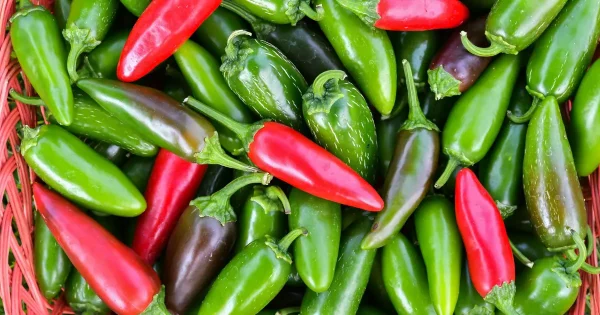
Master the Heat: 8 Expert Tips for Growing Jalapeños Like a Pro
Are you staring at your garden space, wondering why your pepper plants look more like [...]
Mar
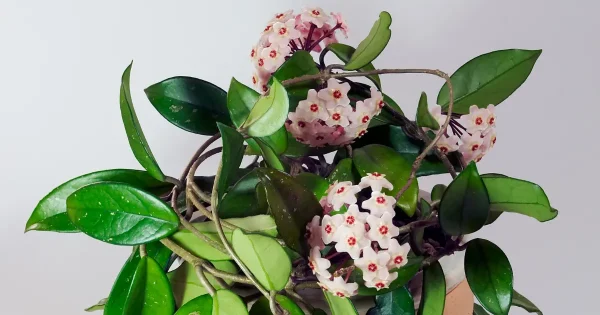
Top 5 Must-Have Hoya Varieties for Beginners
Hoyas are easily one of my top recommendations if you’re hunting for a low-maintenance houseplant [...]
Mar
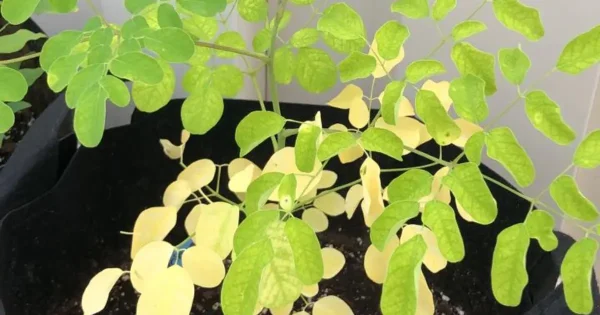
7 Moringa Plant Care Mistakes to Avoid for Healthy Growth
Have you ever looked at your Moringa tree and wondered why its once vibrant green [...]
Feb
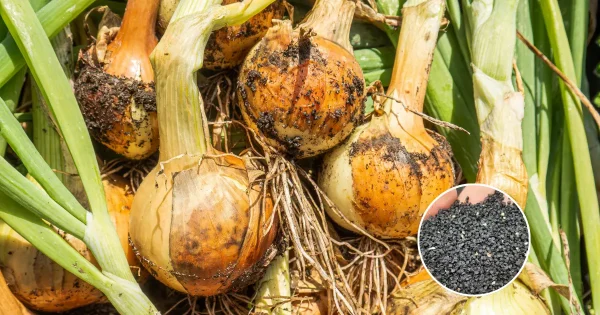
How to Grow Potato Onions From True Seeds: A Step-by-Step Guide
Have you ever wondered how to grow potato onions from true seeds or why some [...]
Feb
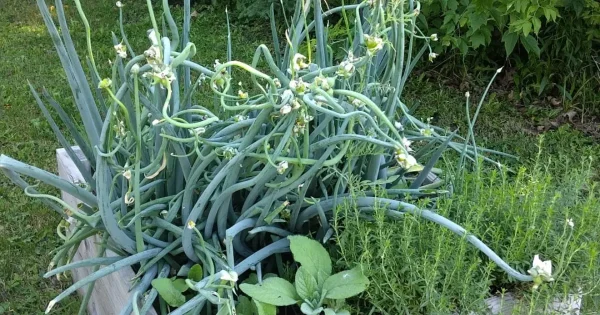
Growing Walking Onions in Containers: The Ultimate Guide
Have you ever looked at your small balcony or cramped patio and wished you could [...]
Feb
Reviews
There are no reviews yet.