
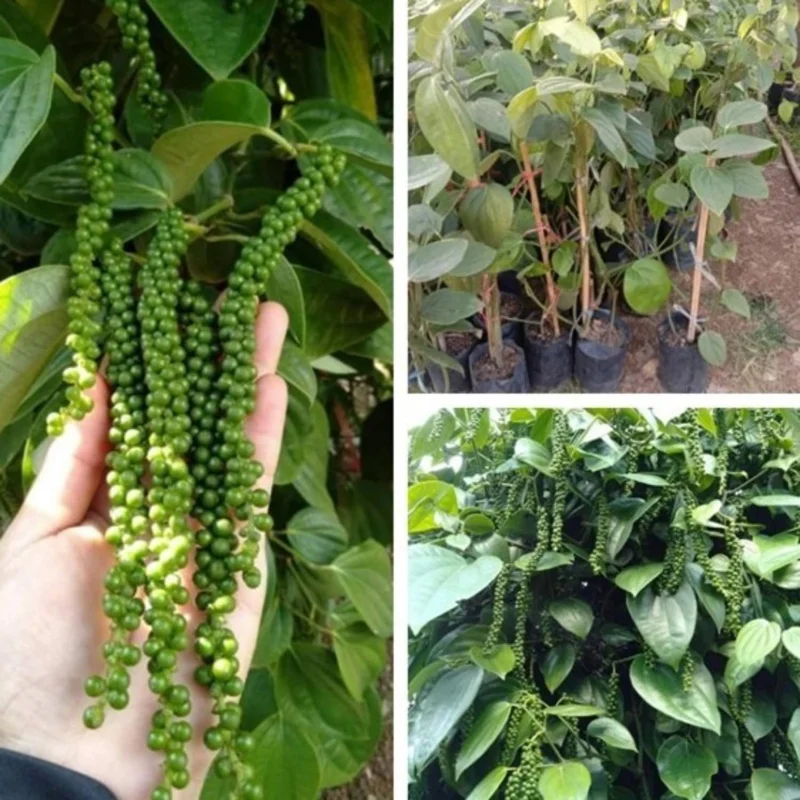
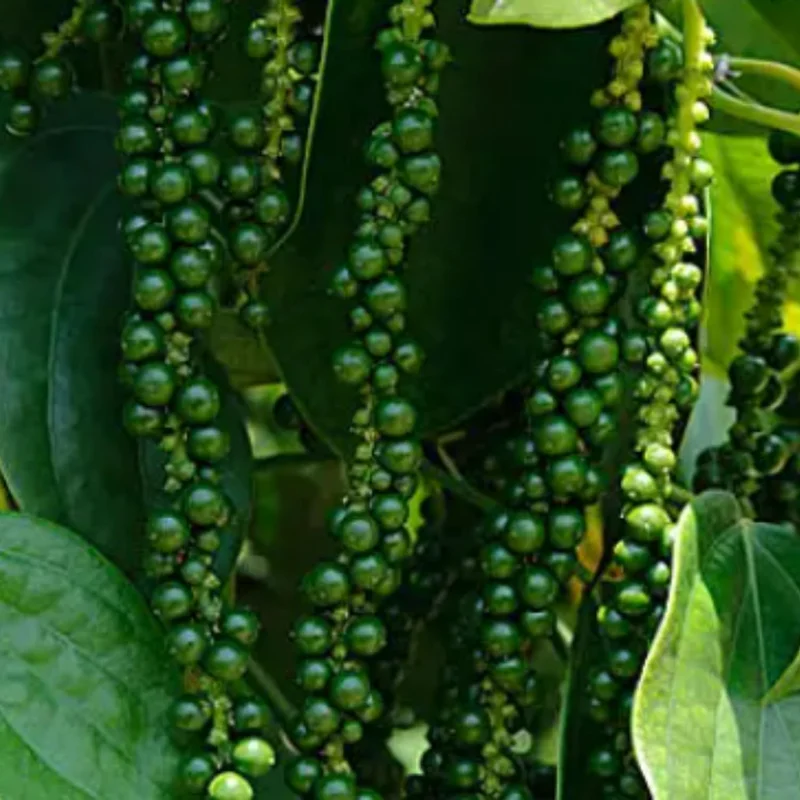
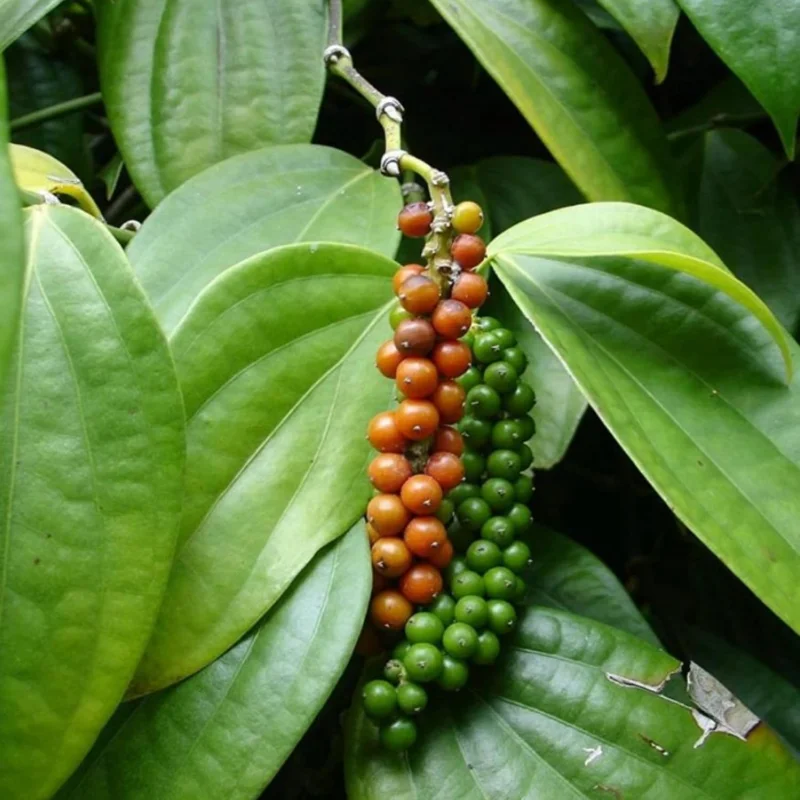
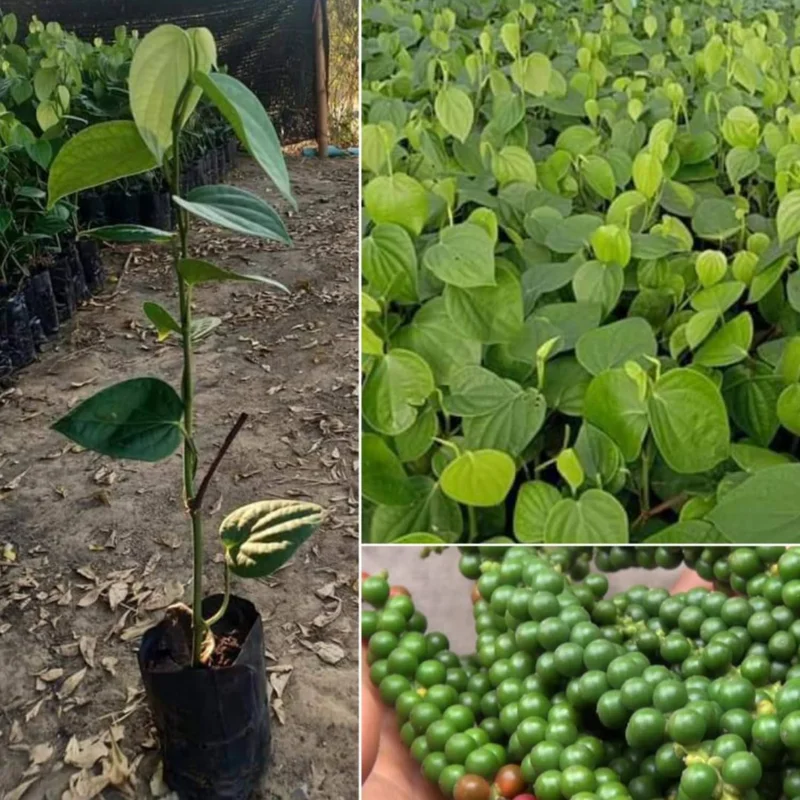
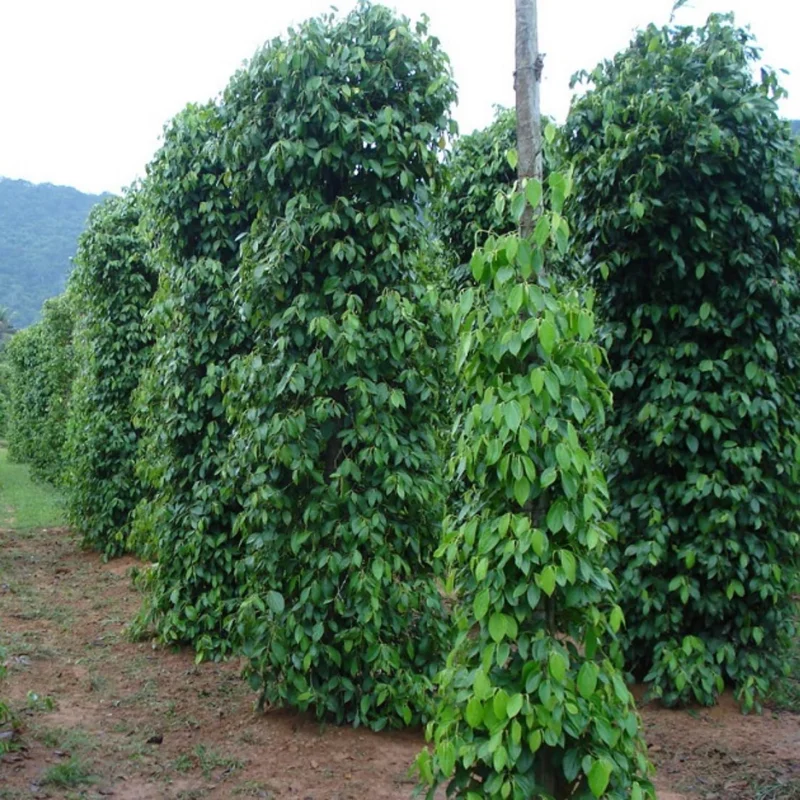
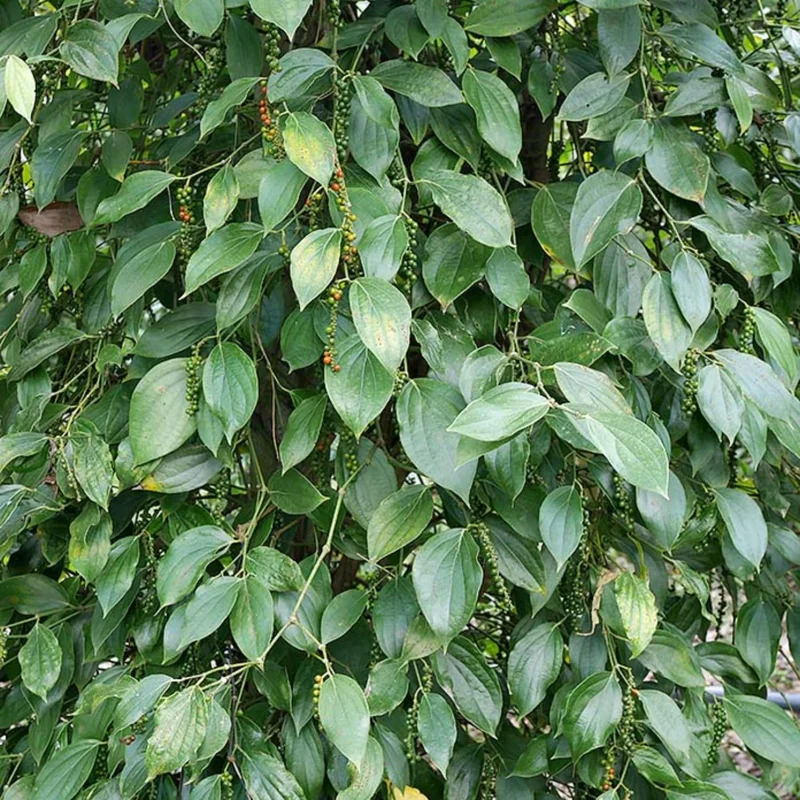
Piper Nigrum Tree Live Plant – Black Pepper Plant 4-8 Inches Long for Outdoor Gardening
$33.74
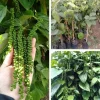
Cultivate your own spice with a piper nigrum live plant, also known as the black pepper plant. This vigorous vine is perfect for outdoor gardening in tropical and subtropical regions, growing 4-8 inches long. Enjoy fresh, aromatic peppercorns from your garden.
Shipping and Return policies:
We stand behind our plants with our Alive & Thrive Guarantee. If you experience any issues within the first 30 days, please email us, and our team will be happy to help. When needed, we’ll send you a one-time replacement free of charge to make sure your garden keeps growing strong.

Reasonable Price
We offer reasonable price

Support 24/7
Contact us 24 hrs a day
100% Money Back
You’ve 30 days to Return
Payment Secure
100% secure payment
Overview
Bring the exotic world of fresh spices into your garden with a piper nigrum live plant. This remarkable vine, commonly known as the black pepper plant, is the source of the world’s most popular spice: black peppercorns. Our live plants are typically 4 to 8 inches long, establishing quickly to provide a rewarding gardening experience. Originating from the tropical regions of India, the Piper nigrum is a perennial flowering vine that thrives in warm, humid environments. Growing your own pepper offers unparalleled freshness and flavor compared to store-bought varieties, making it a unique addition for any gardening enthusiast.
The piper nigrum live plant is not just a source of spice; it’s also an attractive climbing plant with lush green foliage. It can be grown on trellises, poles, or even allowed to climb up trees, adding a touch of tropical elegance to your outdoor space. With proper care, this vine will produce clusters of small, round fruits that, once dried, become the familiar black peppercorns. It’s an excellent choice for those interested in sustainable living and culinary gardening.
Key Benefits
Cultivating a black pepper plant offers numerous advantages, from fresh spices to an engaging gardening project. Here are some of the key benefits:
- Fresh, Aromatic Peppercorns: Enjoy the superior taste and aroma of freshly harvested and dried peppercorns, far surpassing the quality of pre-ground or aged store-bought options. Growing your own ensures you have a continuous supply of this essential spice.
- Unique Culinary Experience: Elevate your cooking with homegrown pepper. The nuanced flavors from your own piper nigrum live plant can transform everyday dishes into gourmet meals, providing a truly unique culinary experience.
- Attractive Tropical Foliage: Beyond its spice production, the black pepper plant is a beautiful vining plant with glossy green leaves, adding a vibrant, tropical aesthetic to your garden or patio. It’s both functional and ornamental.
- Educational Gardening Project: For both novice and experienced gardeners, cultivating a piper nigrum live plant offers an educational journey into the world of tropical agriculture and spice production. Learn about its growth cycle and care requirements firsthand.
- Sustainable Living: Reduce your reliance on commercially produced spices by growing your own. This contributes to a more sustainable lifestyle and allows you to control the quality and growing conditions of your food.
- Adaptable to Warm Climates: Ideal for outdoor gardening in warm, tropical, and subtropical regions, this plant thrives in environments that mimic its natural habitat, making it a perfect fit for many southern US states.
- Long-Term Yield: A well-cared-for piper nigrum live plant can produce peppercorns for many years, offering a continuous harvest once it reaches maturity. This makes it a valuable, long-term investment for your garden.
Plant Care & Growing Tips
To successfully cultivate your piper nigrum live plant, understanding its specific care requirements is crucial. This tropical vine thrives in conditions that mimic its native habitat. For optimal growth and pepper production, providing the right environment is key. If you’re looking to grow black pepper, pay close attention to these guidelines.
Sunlight Requirements: The black pepper plant prefers full sun to partial shade. In very hot climates, some afternoon shade can prevent leaf scorch. Aim for at least 6 hours of direct sunlight per day if possible. Young plants may benefit from dappled light until established. Ensure good air circulation around the plant.
Watering Schedule and Soil Moisture: Consistent moisture is vital for your piper nigrum live plant. The soil should be kept consistently moist but never waterlogged. Water deeply when the top inch of soil feels dry to the touch. During hot, dry periods, you may need to water daily. Reduce watering slightly in cooler months. Good drainage is essential to prevent root rot.
Soil Type and Drainage: A rich, well-draining soil mix is ideal. A blend of loamy soil, compost, and some sand or perlite will provide the necessary nutrients and drainage. The soil pH should be slightly acidic to neutral, typically between 5.5 and 7.0. Ensure the planting site or pot has excellent drainage to prevent standing water.
Temperature Range and USDA Hardiness Zone: As a tropical plant, Piper nigrum is sensitive to cold. It thrives in temperatures between 70-95°F (21-35°C). It is suitable for outdoor pepper vine cultivation in USDA Hardiness Zones 10-11. In cooler zones, it can be grown in containers and brought indoors during winter or treated as an annual. Protect it from temperatures below 50°F (10°C).
Fertilization Schedule: Feed your piper nigrum live plant with a balanced, slow-release fertilizer during its active growing season (spring and summer). Alternatively, use a liquid fertilizer every 2-4 weeks, diluting it to half strength. Organic options like compost tea or fish emulsion can also be beneficial. Reduce or stop fertilization during cooler, dormant periods.
Common Problems and Solutions: Watch out for common pests like aphids or mealybugs, which can be treated with insecticidal soap. Overwatering is a frequent issue, leading to root rot; ensure good drainage. Yellowing leaves can indicate nutrient deficiency or improper watering. Providing a strong support structure for the vine is important as it grows, especially for piper nigrum cultivation.
Size & Details
This offering is for a healthy piper nigrum live plant, typically ranging from 4 to 8 inches in length upon arrival. These young vines are well-rooted and ready for planting in your garden or a larger container. The black pepper plant is a vigorous climber, capable of reaching mature sizes of 10-12 feet or more when provided with adequate support and optimal growing conditions. Its growth rate is moderate to fast, allowing it to establish quickly and begin its journey towards producing fruit.
The plant will be shipped in a secure manner, typically in a small nursery pot with soil to ensure its vitality during transit. Expect the plant to continue growing and vining once acclimated to its new environment. While the initial size is compact, with proper care and training on a trellis or stake, this outdoor pepper vine will develop into a substantial, productive plant. Fruit production usually begins within 3-5 years from planting, offering a long-term yield of fresh peppercorns.
Frequently Asked Questions
- Q: How big will my piper nigrum live plant get? A: Your piper nigrum live plant will arrive between 4 and 8 inches long. With proper care and support, this vine can grow significantly, reaching heights of 10-12 feet or more at maturity, making it a substantial addition to your garden.
- Q: Is this an indoor or outdoor plant? A: The black pepper plant is primarily an outdoor plant, especially in tropical and subtropical climates (USDA Zones 10-11). In cooler regions, it can be grown in a container and brought indoors during cold weather, or treated as an annual.
- Q: How much sunlight does the black pepper plant need? A: Your piper nigrum live plant thrives in full sun to partial shade. It generally requires at least 6 hours of direct sunlight daily for optimal growth and fruit production, though some afternoon shade is beneficial in very hot climates.
- Q: Is this plant easy to care for? A: While the black pepper plant requires consistent warmth and moisture, it is relatively easy to care for if its basic needs are met. Providing a suitable climate, well-draining soil, and a support structure are the main considerations for successful piper nigrum cultivation.
- Q: What condition will the plant arrive in? A: Your plant will arrive as a well-rooted, healthy specimen, typically in a small nursery pot with soil, carefully packaged to ensure its safety during transit and ready for planting.
- Q: When can I expect my black pepper plant to produce peppercorns? A: A piper nigrum live plant typically begins to produce fruit within 3-5 years after planting, once it has established itself and matured into a robust vine.
- Q: What is the best way to support the outdoor pepper vine as it grows? A: As an outdoor pepper vine, it requires a strong support structure. A sturdy trellis, a tall stake, or even another tree can serve as an excellent host for the vine to climb, allowing its aerial roots to attach.
- Q: Can I grow black pepper in a container? A: Yes, you can grow a black pepper plant in a large container, especially if you live outside of its ideal hardiness zones. This allows you to move the plant indoors during colder months, protecting it from frost.
- Q: What type of soil is best for growing black pepper? A: The piper nigrum live plant prefers rich, well-draining soil that is slightly acidic to neutral. A good potting mix amended with compost and perlite works well for container growing.
- Q: Will this plant survive winter in my region? A: The black pepper plant care guide suggests it needs warm temperatures. It is hardy only in USDA Zones 10-11. If you are in a cooler zone, you must protect it from frost by bringing it indoors or providing significant winter protection.
Be the first to review “Piper Nigrum Tree Live Plant – Black Pepper Plant 4-8 Inches Long for Outdoor Gardening”
You must be logged in to post a review.
People also Viewed
Sold 50 products
Original price was: $17.58.$11.86Current price is: $11.86.
Sold 50 products
Price range: $32.99 through $35.99
Sold 50 products
$69.99
Sold 50 products
$18.99
Sold 50 products
Price range: $14.98 through $23.89
Sold 50 products
$32.99
Sold 50 products
$24.99
Sold 50 products
Price range: $43.99 through $44.99RELATED posts
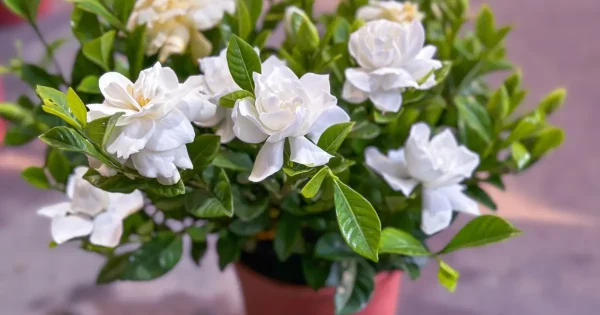
Frostproof Jasmine Care: 7 Tips for Successful Pot Growth
Most gardenias are known for being “divas.” They want perfect humidity, perfect soil, and they [...]
Mar
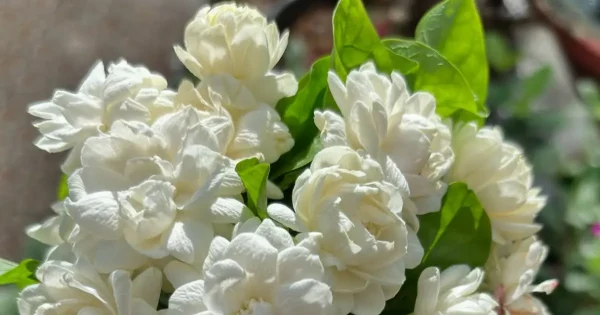
Top 7 Best Smelling Jasmine Varieties for a Heavenly Garden
Have you ever walked past a house and caught a scent so sweet you just [...]
Mar
Master the Heat: 8 Expert Tips for Growing Jalapeños Like a Pro
Are you staring at your garden space, wondering why your pepper plants look more like [...]
Mar
Top 5 Must-Have Hoya Varieties for Beginners
Hoyas are easily one of my top recommendations if you’re hunting for a low-maintenance houseplant [...]
Mar
7 Moringa Plant Care Mistakes to Avoid for Healthy Growth
Have you ever looked at your Moringa tree and wondered why its once vibrant green [...]
Feb
How to Grow Potato Onions From True Seeds: A Step-by-Step Guide
Have you ever wondered how to grow potato onions from true seeds or why some [...]
Feb
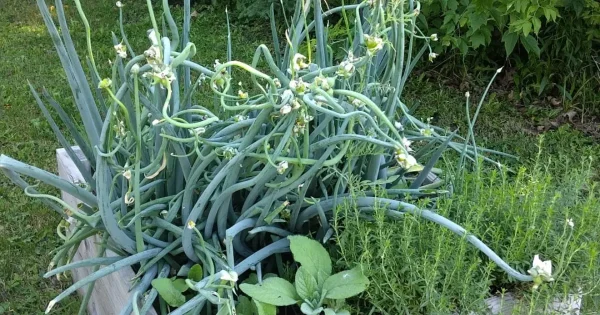
Growing Walking Onions in Containers: The Ultimate Guide
Have you ever looked at your small balcony or cramped patio and wished you could [...]
Feb
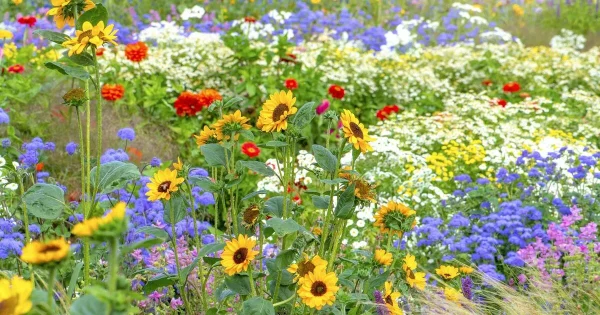
9 Best Flower Seeds to Start in February for Early Blooms
If you’re a passionate gardener, you know that itchy feeling in your fingers when February [...]
Jan
Reviews
There are no reviews yet.