
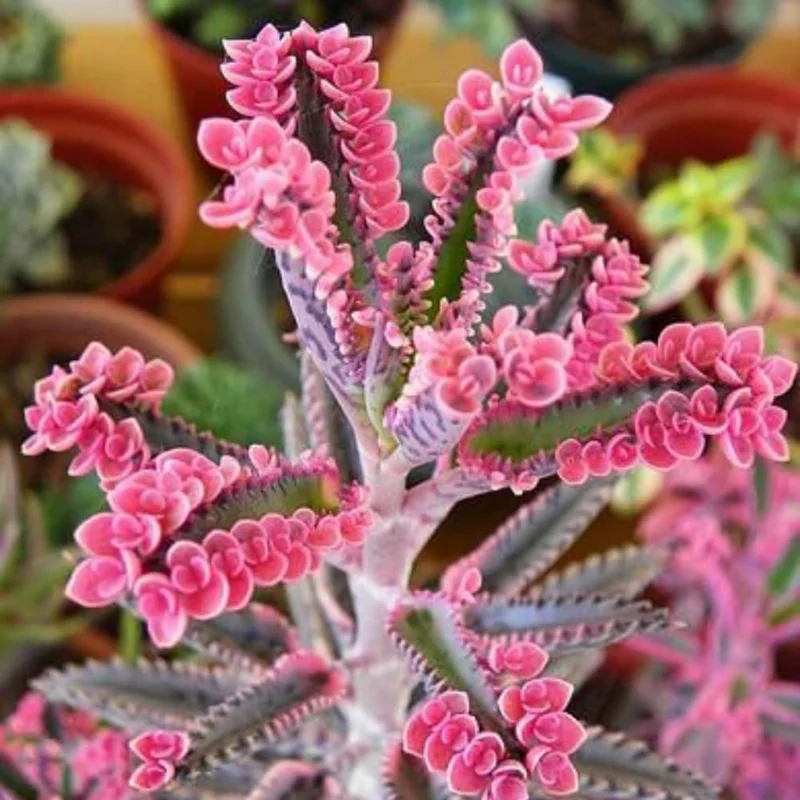
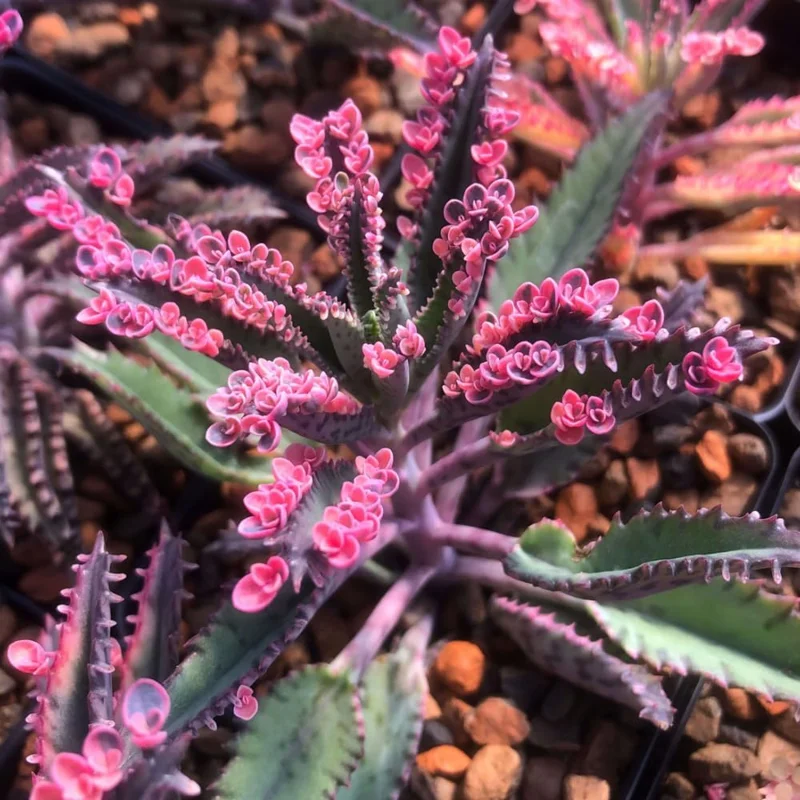
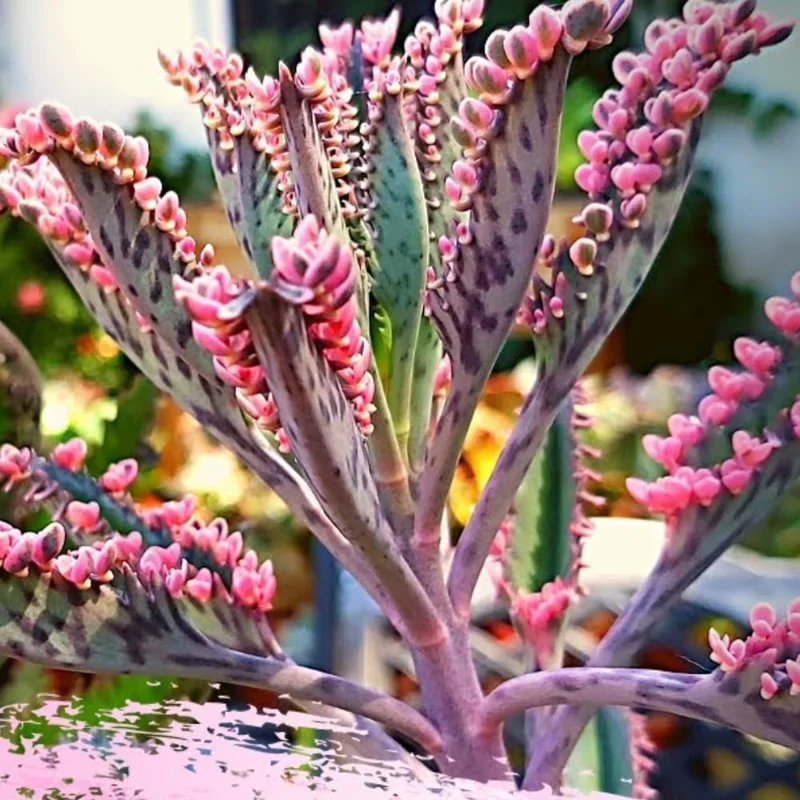
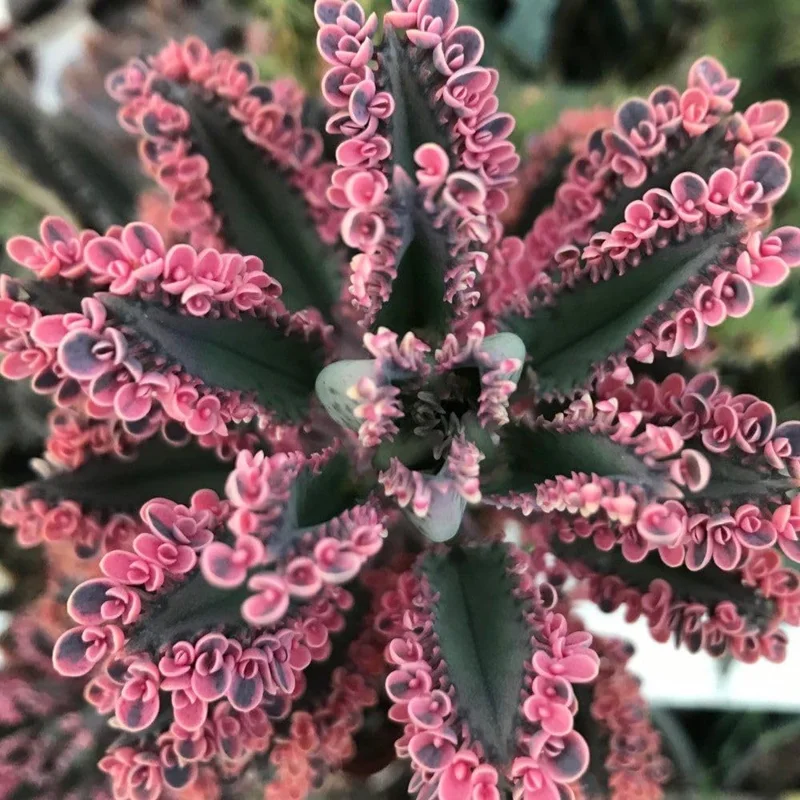
Pink Kalanchoe Live Plant – Mother of Thousands Succulent – 2 Inch Pot
$17.99
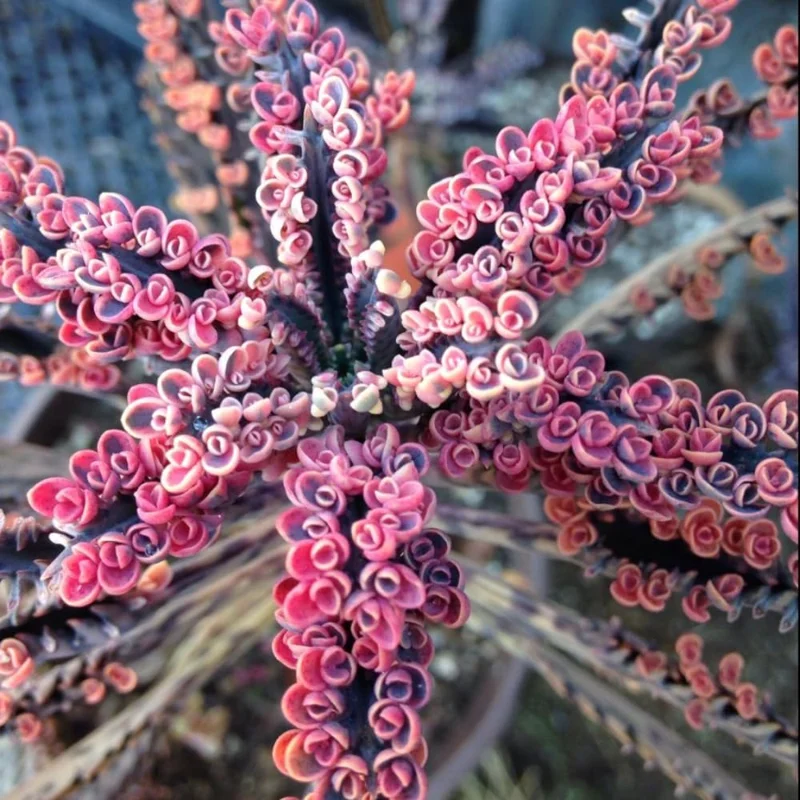
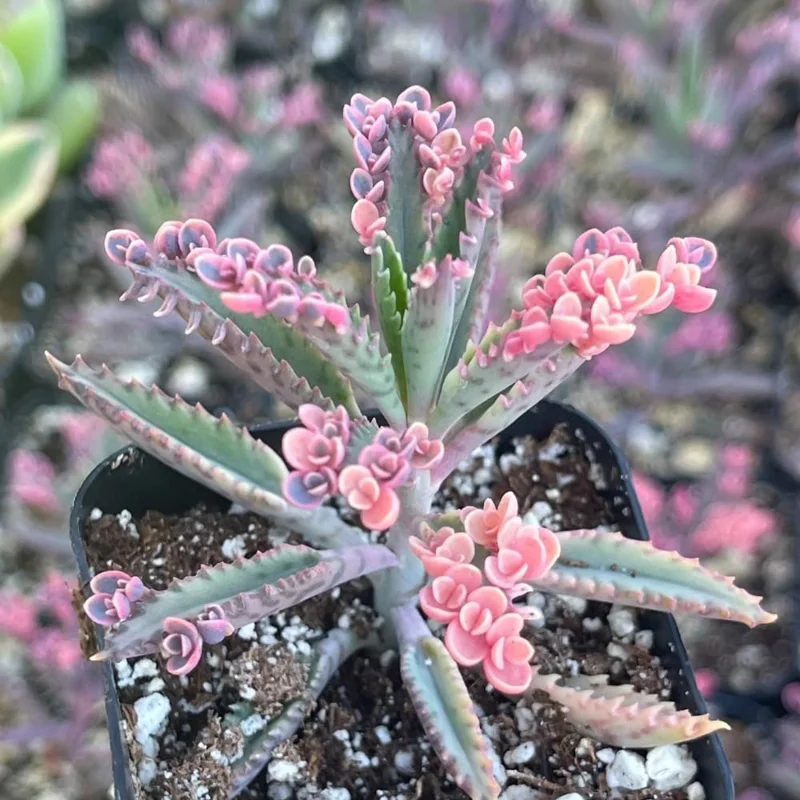
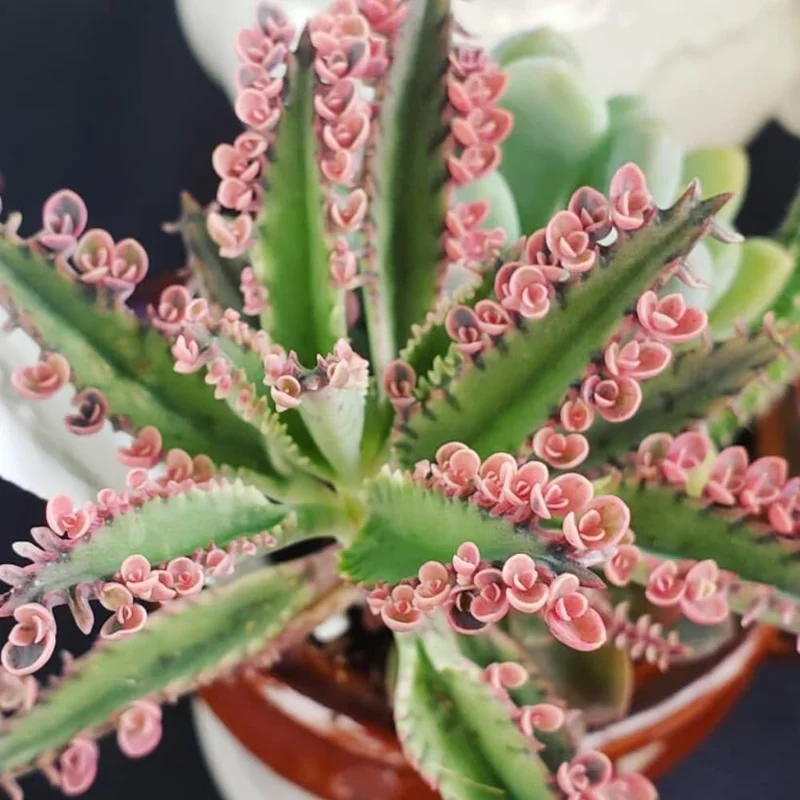
Introduce a splash of vibrant color with this pink kalanchoe live plant, celebrated for its distinctive pink-tinged foliage and prolific plantlets. Also known as mother of thousands succulent, this easy-care plant is perfect for beginners and adds a unique aesthetic to any indoor space.
- Shipped in a 2 inch pot.
- Low maintenance and drought tolerant.
- Naturally propagates new plants.
Shipping and Return policies:
We stand behind our plants with our Alive & Thrive Guarantee. If you experience any issues within the first 30 days, please email us, and our team will be happy to help. When needed, we’ll send you a one-time replacement free of charge to make sure your garden keeps growing strong.

Reasonable Price
We offer reasonable price

Support 24/7
Contact us 24 hrs a day
100% Money Back
You’ve 30 days to Return
Payment Secure
100% secure payment
Overview
Introduce a splash of vibrant color and fascinating form to your indoor garden with the stunning pink kalanchoe live plant. Also widely known as the mother of thousands succulent, this charming botanical specimen (Kalanchoe daigremontiana) is celebrated for its distinctive pink-tinged foliage and prolific production of tiny plantlets along its leaf margins. These plantlets give it the endearing “Mother of Thousands” moniker, as they readily drop and root, creating new plants with ease. A popular choice for both seasoned plant enthusiasts and beginners, the Kalanchoe is a resilient and low-maintenance succulent that adds a unique aesthetic to any collection. Its compact size and striking appearance make it an ideal desk plant, windowsill accent, or a thoughtful gift for plant lovers.
The Kalanchoe is native to Madagascar and thrives in conditions that mimic its arid homeland, making it an excellent candidate for bright, sunny indoor environments. While primarily grown for its attractive foliage and unique reproductive habit, it can also produce small, bell-shaped flowers under optimal conditions, further enhancing its appeal. This particular variety showcases beautiful pink hues, adding a soft, yet striking, visual element to its already intriguing structure. Embrace the joy of watching this plant propagate itself, offering an endless supply of new Kalanchoe plants to share or expand your own green oasis. This indoor succulent plant is a true conversation starter.
Key Benefits
The pink kalanchoe live plant offers a multitude of benefits, making it a highly desirable addition to any indoor plant collection. Its unique characteristics contribute to its popularity and ease of integration into various home environments, making it more than just a decorative piece. This mother of thousands succulent brings joy and visual interest to any setting.
- Easy Care & Low Maintenance: This succulent is remarkably forgiving, making it perfect for beginners or those with busy lifestyles. It tolerates infrequent watering and is generally pest-resistant, requiring minimal attention to thrive, ensuring your kalanchoe plant care routine is simple.
- Unique Prolific Propagation: The “Mother of Thousands” aspect is truly captivating. The plant naturally produces tiny plantlets along its leaf edges, which can be easily detached and rooted to grow new plants, offering a continuous supply of new Kalanchoe specimens.
- Vibrant Pink Foliage: The striking pink coloration of its leaves adds a beautiful pop of color to any room, providing a cheerful and lively accent. This natural pigmentation makes it a standout among other green houseplants.
- Drought Tolerant: As a succulent, the Kalanchoe stores water in its leaves, allowing it to withstand periods of drought. This reduces the frequency of watering, ideal for those who may forget to water regularly.
- Compact Size: Growing to a manageable size, this pink kalanchoe live plant is perfect for small spaces, windowsills, desks, or shelves. It provides significant visual impact without taking up too much room.
- Air Purifying Qualities: Like many houseplants, the Kalanchoe contributes to improved indoor air quality by absorbing toxins and releasing oxygen, fostering a healthier living environment.
- Educational & Engaging: Watching the plantlets grow and develop is a fascinating process, especially for children or anyone interested in plant biology, providing an engaging and educational experience.
Plant Care & Growing Tips
Caring for your pink kalanchoe live plant is straightforward, ensuring it thrives with minimal effort. Understanding its basic needs will help you cultivate a healthy and vibrant specimen. These plants prefer bright, indirect light for at least 4-6 hours a day. A south- or west-facing window is often ideal, but be cautious of intense, direct afternoon sun, which can scorch the leaves, especially if moved suddenly from a shadier spot. If grown outdoors in warm climates (USDA hardiness zones 10 and above), choose a location with morning sun and afternoon shade.
Watering is perhaps the most critical aspect of kalanchoe plant care. As a succulent, it is highly susceptible to root rot from overwatering. Allow the soil to dry out completely between waterings. When you do water, do so thoroughly until water drains from the bottom of the pot, then empty any excess water from the saucer. In winter, reduce watering significantly. The ideal soil type is a well-draining succulent or cactus mix, or a blend of regular potting soil with perlite or sand to enhance drainage. This ensures that the roots do not sit in soggy conditions. Proper watering is key to maintaining a healthy mother of thousands succulent.
The Kalanchoe prefers average room temperatures, typically between 65-80°F (18-27°C). Protect it from temperatures below 50°F (10°C), as it is not frost-hardy. Humidity is not a major concern; average indoor humidity is usually sufficient. Fertilize sparingly during the growing season (spring and summer) with a balanced, diluted liquid fertilizer formulated for succulents. Repotting is generally needed only every 2-3 years, or when the plant outgrows its current container. When repotting, choose a pot only slightly larger than the old one to prevent overwatering. For optimal growth and to encourage a bushier form, you can pinch back leggy stems. Providing proper kalanchoe plant care ensures a beautiful and long-lasting houseplant. The scientific name, kalanchoe daigremontiana, emphasizes its unique botanical identity.
Size & Details
Each pink kalanchoe live plant is carefully nurtured and shipped in a compact 2 inch pot, providing a healthy start for your new succulent. At the time of shipment, the plant typically stands approximately 3-5 inches tall, including the pot, with a spread of 2-4 inches. This size makes it perfect for immediate display on a desk, shelf, or as part of a succulent arrangement. The plant is expected to grow into a medium-sized succulent, reaching a mature height of 1-2 feet and a similar spread under optimal conditions, though growth rates can vary based on care and environment. Its unique growth habit of producing plantlets along its leaf margins means it can continually propagate itself, leading to a potentially ever-expanding collection of these charming plants.
The Kalanchoe is known for its relatively fast growth for a succulent, especially during the warmer months. While it may not produce flowers immediately, with proper light and care, you can anticipate seeing its delicate blooms, often in late winter to early spring, contributing to the overall beauty of this indoor succulent plant. The plant is shipped securely in its nursery pot, ensuring minimal stress during transit and a smooth transition to its new home. Its robust nature makes it an excellent choice for both novice and experienced gardeners looking for an engaging and visually appealing addition.
Frequently Asked Questions
- Q: How big does this plant get? A: This pink kalanchoe live plant is shipped in a 2 inch pot and typically grows to a mature height of 1-2 feet tall and a similar spread. Its compact nature makes it ideal for indoor spaces.
- Q: Is this an indoor or outdoor plant? A: While it can thrive outdoors in warm climates (USDA zones 10 and above), it is primarily grown as a beautiful and easy-care indoor succulent plant in most regions, making it versatile for various environments.
- Q: How much sunlight does it need? A: The Kalanchoe prefers bright, indirect light for at least 4-6 hours daily. Avoid harsh, direct afternoon sun, which can cause leaf scorch. A bright window is usually perfect for optimal kalanchoe plant care.
- Q: Is this plant easy to care for? A: Yes, the pink kalanchoe live plant is considered very easy to care for, making it an excellent choice for beginners. Its drought tolerance and low maintenance requirements simplify its care routine.
- Q: What condition will it arrive in? A: Your Kalanchoe will arrive securely packaged in its nursery pot, with care taken to minimize stress during transit, ensuring it reaches you in healthy, ready-to-grow condition.
- Q: Is it safe for pets? A: Kalanchoe plants are generally considered toxic to pets if ingested. It is best to keep them out of reach of curious animals to ensure their safety.
- Q: How often should I water my Kalanchoe? A: Water sparingly. Allow the soil to dry out completely between waterings. Overwatering is the most common cause of problems for this mother of thousands succulent. Reduce watering further in winter.
- Q: When is the best time for kalanchoe bloom time? A: While primarily grown for its foliage, Kalanchoe can bloom in late winter to early spring under optimal conditions, producing small, bell-shaped flowers.
- Q: What kind of soil is best for Kalanchoe? A: A well-draining succulent or cactus potting mix is ideal. You can also create your own by mixing regular potting soil with perlite or coarse sand to improve drainage.
- Q: Can I propagate this plant easily? A: Absolutely! This plant is called “Mother of Thousands” for a reason. The tiny plantlets that grow along the leaf margins can be easily detached and rooted in soil to create new plants. This is a fascinating aspect of the kalanchoe daigremontiana.
Be the first to review “Pink Kalanchoe Live Plant – Mother of Thousands Succulent – 2 Inch Pot”
You must be logged in to post a review.
People also Viewed
Sold 50 products
Original price was: $17.58.$11.86Current price is: $11.86.
Sold 50 products
Price range: $32.99 through $35.99
Sold 50 products
$69.99
Sold 50 products
$18.99
Sold 50 products
Price range: $14.98 through $23.89
Sold 50 products
$32.99
Sold 50 products
$24.99
Sold 50 products
Price range: $43.99 through $44.99RELATED posts
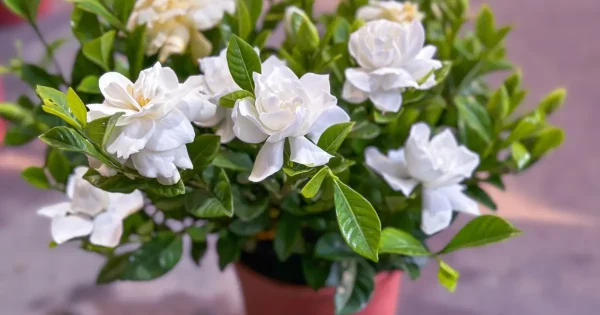
Frostproof Jasmine Care: 7 Tips for Successful Pot Growth
Most gardenias are known for being “divas.” They want perfect humidity, perfect soil, and they [...]
Mar
Top 7 Best Smelling Jasmine Varieties for a Heavenly Garden
Have you ever walked past a house and caught a scent so sweet you just [...]
Mar
Master the Heat: 8 Expert Tips for Growing Jalapeños Like a Pro
Are you staring at your garden space, wondering why your pepper plants look more like [...]
Mar
Top 5 Must-Have Hoya Varieties for Beginners
Hoyas are easily one of my top recommendations if you’re hunting for a low-maintenance houseplant [...]
Mar
7 Moringa Plant Care Mistakes to Avoid for Healthy Growth
Have you ever looked at your Moringa tree and wondered why its once vibrant green [...]
Feb
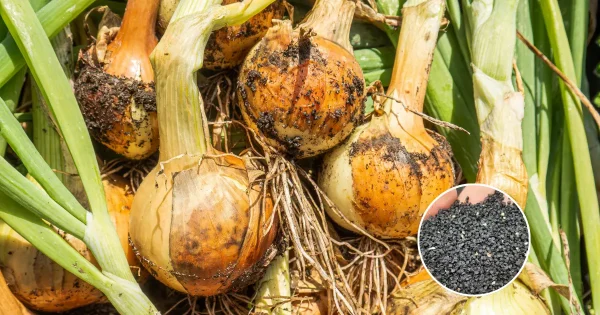
How to Grow Potato Onions From True Seeds: A Step-by-Step Guide
Have you ever wondered how to grow potato onions from true seeds or why some [...]
Feb
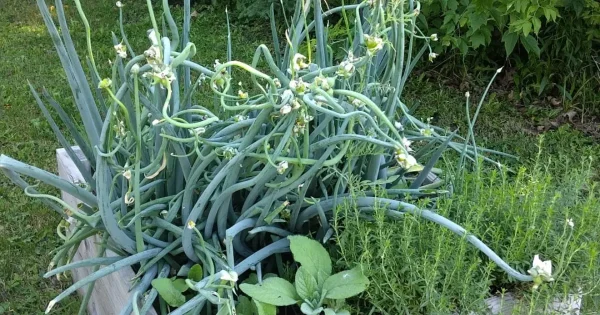
Growing Walking Onions in Containers: The Ultimate Guide
Have you ever looked at your small balcony or cramped patio and wished you could [...]
Feb

9 Best Flower Seeds to Start in February for Early Blooms
If you’re a passionate gardener, you know that itchy feeling in your fingers when February [...]
Jan

Reviews
There are no reviews yet.