
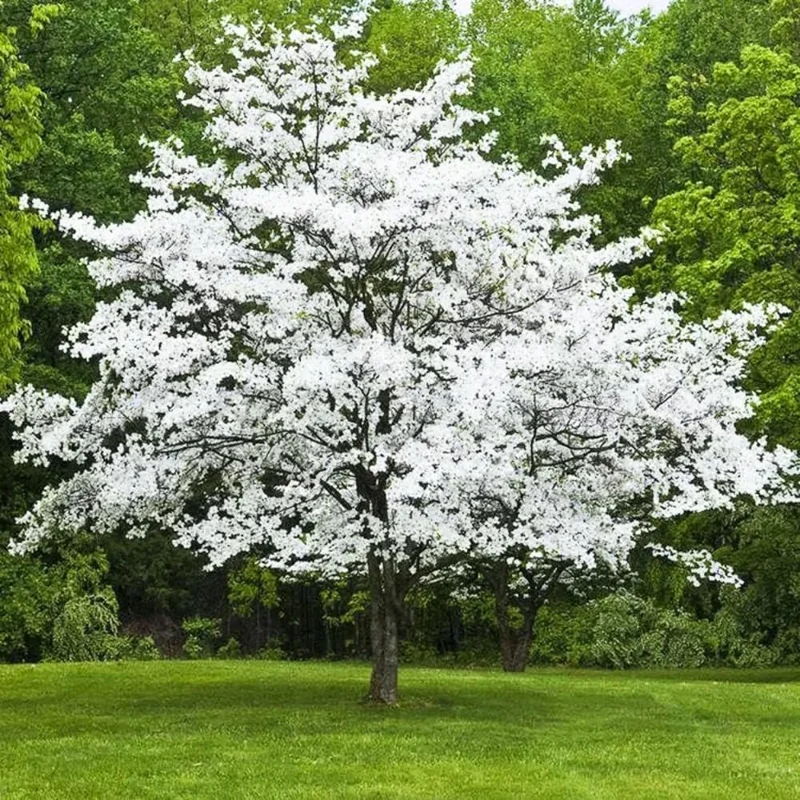
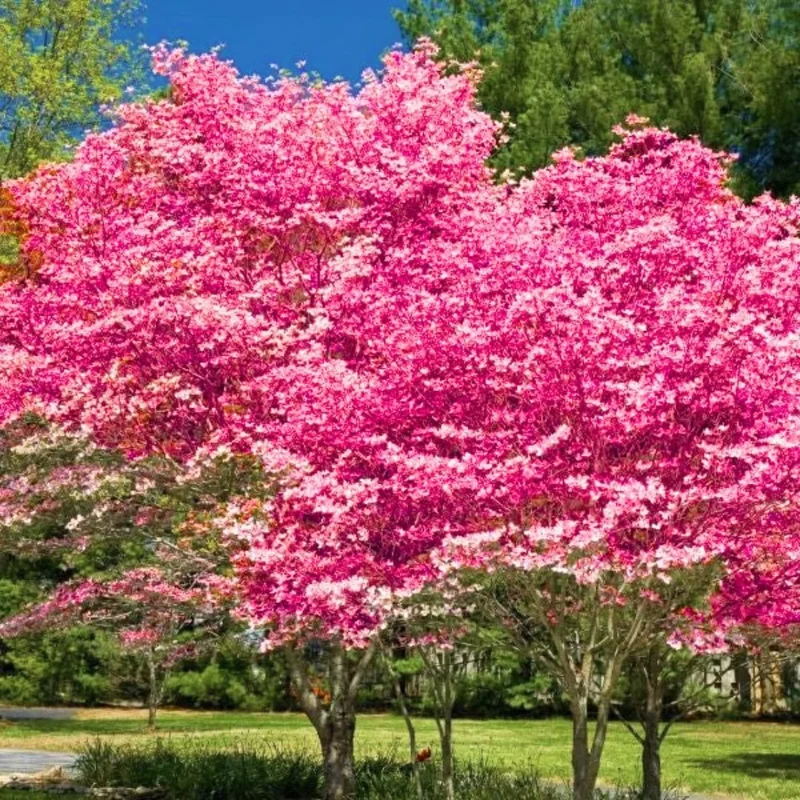
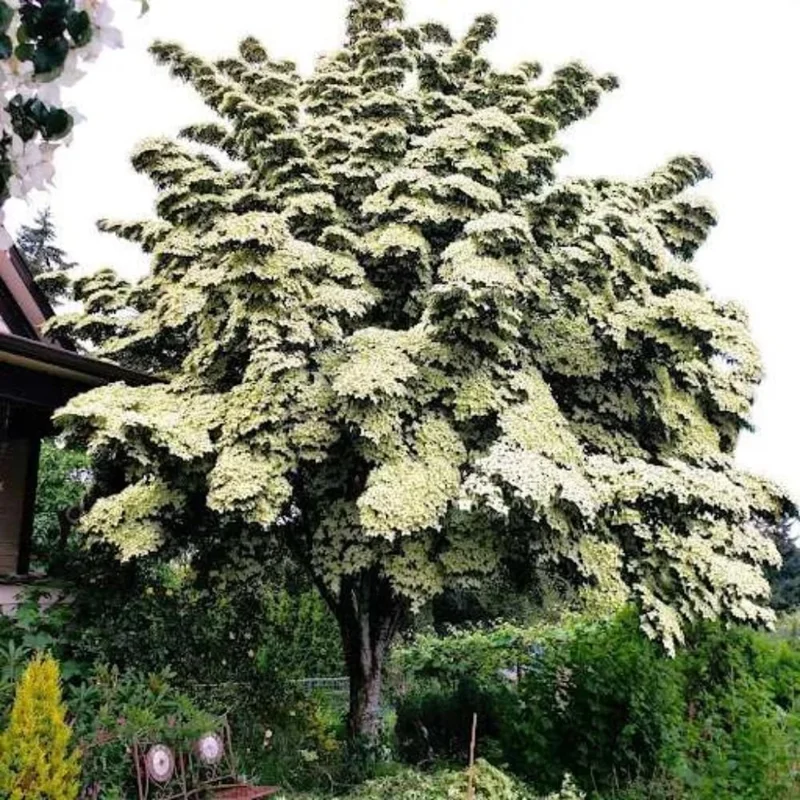
Pink Dogwood Tree Live Plant – Flowering Ornamental Tree in Quart Pot
Price range: $34.99 through $37.49
Bring timeless beauty to your garden with this pink dogwood tree live plant. Arriving well-rooted in a quart pot, this hardy ornamental tree provides stunning spring blossoms and vibrant fall foliage, perfect for adding year-round interest to any landscape.
Shipping and Return policies:
We stand behind our plants with our Alive & Thrive Guarantee. If you experience any issues within the first 30 days, please email us, and our team will be happy to help. When needed, we’ll send you a one-time replacement free of charge to make sure your garden keeps growing strong.

Reasonable Price
We offer reasonable price

Support 24/7
Contact us 24 hrs a day
100% Money Back
You’ve 30 days to Return
Payment Secure
100% secure payment
Overview
Transform your outdoor space with a stunning pink dogwood tree live plant. This exquisite ornamental tree is celebrated for its breathtaking beauty and seasonal charm, making it a beloved choice for gardens across the United States. Known scientifically as Cornus florida ‘Rubra’, the pink dogwood tree live plant arrives as a well-rooted specimen, ready to thrive in its new home. Though currently in a dormant condition, it promises a spectacular display of large, vibrant pink blossoms in early spring, signaling the arrival of warmer weather. Beyond its spring splendor, this tree offers continuous appeal with lush green leaves throughout the summer, which then transition into a brilliant, fiery red in the fall, providing a dramatic splash of color before winter. Ideal as a specimen tree to highlight a particular area or integrated into a larger flower bed, this hardy dogwood is a versatile and rewarding addition to any landscape.
The flowering dogwood tree is not just a plant; it’s an investment in your home’s curb appeal and natural beauty. Its moderate growth rate and manageable size make it suitable for various garden designs, from formal to naturalized settings. Whether you’re an experienced gardener or just starting, the charm and resilience of this ornamental dogwood will surely captivate you. Its ability to adapt to different light conditions and its relatively low maintenance requirements make it an accessible option for many homeowners looking to add significant aesthetic value to their property.
Key Benefits
The pink dogwood tree live plant offers a multitude of benefits that make it a highly desirable addition to any garden:
- Spectacular Spring Blooms: Enjoy an unrivaled display of large, showy pink flowers each spring. These prominent blossoms are a true highlight, attracting pollinators and delighting observers with their delicate beauty and vibrant color, creating a focal point in your garden.
- Vibrant Fall Foliage: As summer transitions to autumn, the green leaves of the flowering dogwood tree transform into a brilliant, fiery red. This stunning seasonal change provides significant visual interest and extends the tree’s ornamental value well beyond its blooming period, adding rich color to the fall landscape.
- Year-Round Interest: From its distinctive winter silhouette to its spring flowers, summer foliage, and spectacular fall color, this ornamental dogwood provides beauty in every season. Even in dormancy, its elegant branching structure adds architectural interest to the garden.
- Versatile Landscaping: Perfect as a standalone specimen tree, showcasing its individual beauty, or integrated into mixed borders and flower beds. Its adaptable size and form make it suitable for various garden designs, enhancing both small and large spaces.
- Attracts Wildlife: The flowers attract beneficial pollinators like bees, while the berries that follow provide a food source for birds, contributing to a healthy and vibrant ecosystem in your backyard.
- Low Maintenance: Once established, the pink dogwood tree live plant is relatively easy to care for, requiring minimal attention. Its hardy nature makes it a resilient choice for gardeners seeking beauty without excessive upkeep.
- Hardy and Adaptable: Thriving across a wide range of USDA Hardiness Zones, this tree is known for its robustness and ability to adapt to various environmental conditions, ensuring successful growth for many gardeners.
Plant Care & Growing Tips
Caring for your pink dogwood tree live plant is straightforward, ensuring years of beautiful blooms and foliage. This hardy ornamental tree thrives in full sun to partial shade. Ideally, it prefers locations that receive at least 4-6 hours of direct sunlight daily, particularly morning sun, with some afternoon shade in hotter climates to protect it from intense heat. Good air circulation is also beneficial to prevent fungal issues. When planting, choose a site with well-draining soil. Dogwoods do not tolerate consistently wet or waterlogged conditions, which can lead to root rot. A slightly acidic to neutral soil pH (6.0-7.0) is preferred. Incorporate organic matter like compost into the planting hole to improve soil structure and fertility.
Watering is crucial, especially during the first few growing seasons while the flowering dogwood tree establishes its root system. Water deeply and regularly, ensuring the soil remains consistently moist but not soggy. Reduce watering frequency once the tree is established, but continue to water during dry spells. Mulching around the base of the tree with 2-4 inches of organic mulch (like wood chips or pine bark) helps conserve soil moisture, regulate soil temperature, and suppress weeds. Keep the mulch a few inches away from the trunk to prevent pest and disease problems.
Fertilize your dogwood in early spring before new growth appears, using a balanced, slow-release fertilizer formulated for trees and shrubs. Avoid over-fertilizing, as this can lead to excessive leafy growth at the expense of flowers. Pruning should be done in late winter or early spring while the tree is dormant, focusing on removing dead, damaged, or crossing branches. Minimal pruning is typically required to maintain the tree’s natural shape. The dogwood tree care routine is relatively simple, making it a rewarding choice for both novice and experienced gardeners looking to buy dogwood tree specimens. Remember that this ornamental dogwood is currently in dormant condition upon arrival, which is normal for healthy plant development during certain times of the year.
Size & Details
This pink dogwood tree live plant is shipped well-rooted in a quart pot, ensuring a strong start for your garden. While specific dimensions can vary based on the growth stage and nursery stock, plants in quart pots typically range from 8 to 18 inches in height, providing a robust young specimen ready for planting. The plant is currently in a dormant condition, which is a natural and healthy state for many deciduous trees, especially when shipped outside of their active growing season. This dormancy allows the plant to conserve energy and reduces transplant shock, preparing it for vigorous growth once planted in your garden.
The mature size of an ornamental dogwood can reach 15-25 feet tall and wide, forming a beautiful, rounded canopy. Its growth rate is moderate, allowing you to enjoy its development over the years. This flowering dogwood tree is ideal for USDA Hardiness Zones 5-9, making it suitable for a wide range of climates across the US. Expect the first significant bloom display within 1-3 years of planting, with the tree increasing in splendor each subsequent year. Planting this well-established young tree provides a head start compared to growing from seed, allowing you to enjoy its beauty sooner.
Frequently Asked Questions
- Q: How big does this pink dogwood tree live plant get? A: A mature pink dogwood tree typically reaches a height and spread of 15-25 feet. Its growth rate is moderate, allowing it to grow into a beautiful ornamental specimen over several years in your landscape.
- Q: What size pot does it come in? A: This flowering dogwood tree is shipped well-rooted in a quart-sized pot. This size provides a strong root system for successful transplantation into your garden or a larger container.
- Q: Is this an indoor or outdoor plant? A: The pink dogwood tree live plant is an outdoor ornamental tree. It requires specific outdoor growing conditions, including seasonal changes, to thrive and produce its characteristic blooms and fall foliage.
- Q: How much sunlight does it need? A: This ornamental dogwood thrives in full sun to partial shade. It prefers at least 4-6 hours of direct sunlight daily, with some protection from intense afternoon sun in hot climates to prevent leaf scorch.
- Q: Is this plant easy to care for? A: Yes, once established, the pink dogwood tree live plant is considered low maintenance. It requires consistent watering during establishment and benefits from annual fertilization and minimal pruning to maintain its shape and health.
- Q: What condition will it arrive in? A: Your flowering dogwood tree will arrive in a healthy, well-rooted condition, typically dormant during cooler months. This dormant state is normal and helps the plant acclimate to its new environment more easily after planting.
- Q: When is the best time to plant a pink dogwood tree live plant? A: The best time to plant dogwood trees is in early spring or early fall. This allows the tree to establish its root system before the stress of extreme summer heat or winter cold.
- Q: Will it survive winter in my zone? A: This ornamental dogwood is hardy in USDA Zones 5-9. If your hardiness zone falls within this range, your tree should successfully survive winter conditions, entering dormancy and re-emerging in spring.
- Q: What are the best uses for this ornamental dogwood? A: This beautiful tree is ideal as a specimen plant, a focal point in a garden, or integrated into larger flower beds and landscape designs. Its multi-season interest makes it a versatile choice.
- Q: What kind of soil does it prefer? A: The pink dogwood tree live plant prefers well-draining, slightly acidic to neutral soil. Amending heavy clay soils with organic matter can improve drainage and provide essential nutrients for optimal growth.
| Style | Kousa Dogwood, Pink Dogwood, White Dogwood |
|---|
Be the first to review “Pink Dogwood Tree Live Plant – Flowering Ornamental Tree in Quart Pot”
You must be logged in to post a review.
People also Viewed
Sold 50 products
Original price was: $17.58.$11.86Current price is: $11.86.
Sold 50 products
Price range: $32.99 through $35.99
Sold 50 products
$69.99
Sold 50 products
$18.99
Sold 50 products
Price range: $14.98 through $23.89
Sold 50 products
$32.99
Sold 50 products
$24.99
Sold 50 products
Price range: $43.99 through $44.99RELATED posts
Frostproof Jasmine Care: 7 Tips for Successful Pot Growth
Most gardenias are known for being “divas.” They want perfect humidity, perfect soil, and they [...]
Mar
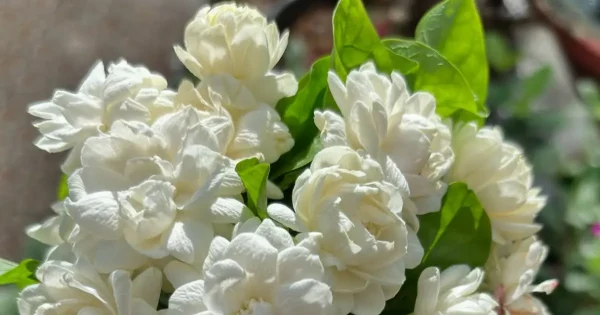
Top 7 Best Smelling Jasmine Varieties for a Heavenly Garden
Have you ever walked past a house and caught a scent so sweet you just [...]
Mar

Master the Heat: 8 Expert Tips for Growing Jalapeños Like a Pro
Are you staring at your garden space, wondering why your pepper plants look more like [...]
Mar
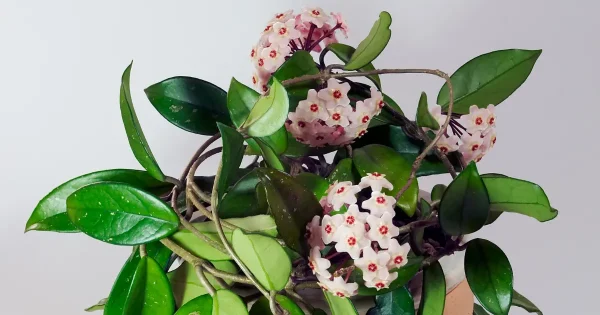
Top 5 Must-Have Hoya Varieties for Beginners
Hoyas are easily one of my top recommendations if you’re hunting for a low-maintenance houseplant [...]
Mar
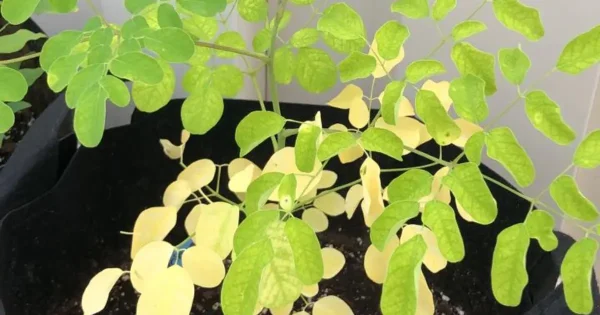
7 Moringa Plant Care Mistakes to Avoid for Healthy Growth
Have you ever looked at your Moringa tree and wondered why its once vibrant green [...]
Feb
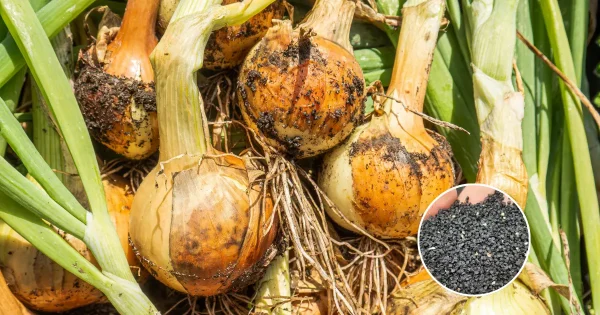
How to Grow Potato Onions From True Seeds: A Step-by-Step Guide
Have you ever wondered how to grow potato onions from true seeds or why some [...]
Feb
Growing Walking Onions in Containers: The Ultimate Guide
Have you ever looked at your small balcony or cramped patio and wished you could [...]
Feb

9 Best Flower Seeds to Start in February for Early Blooms
If you’re a passionate gardener, you know that itchy feeling in your fingers when February [...]
Jan
Reviews
There are no reviews yet.