
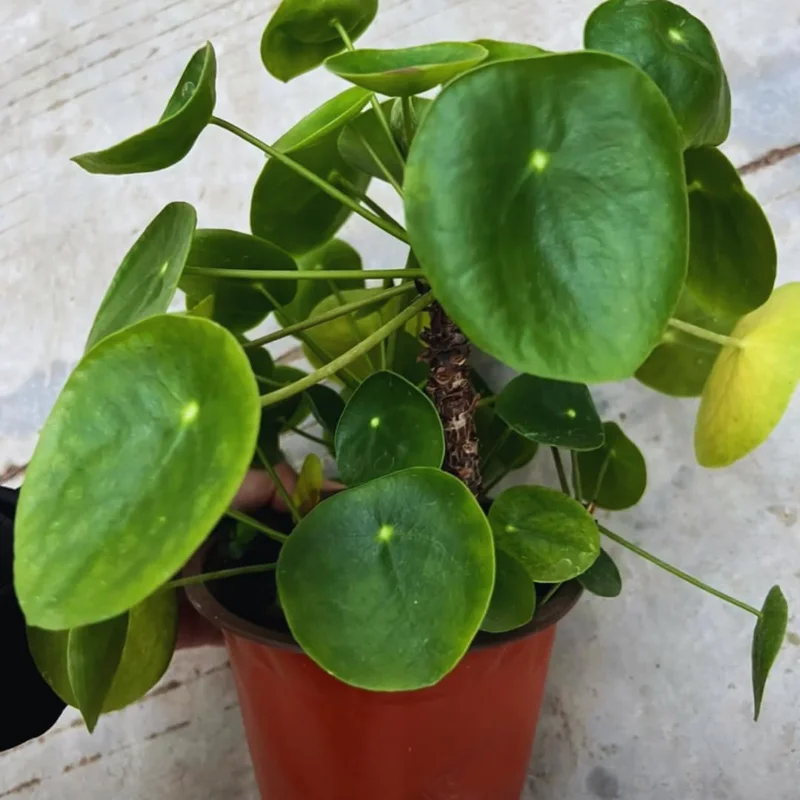
Pilea Peperomioides Live Plant – Chinese Money Plant, 5-7 Inch Height, Indoor/Outdoor
$19.98
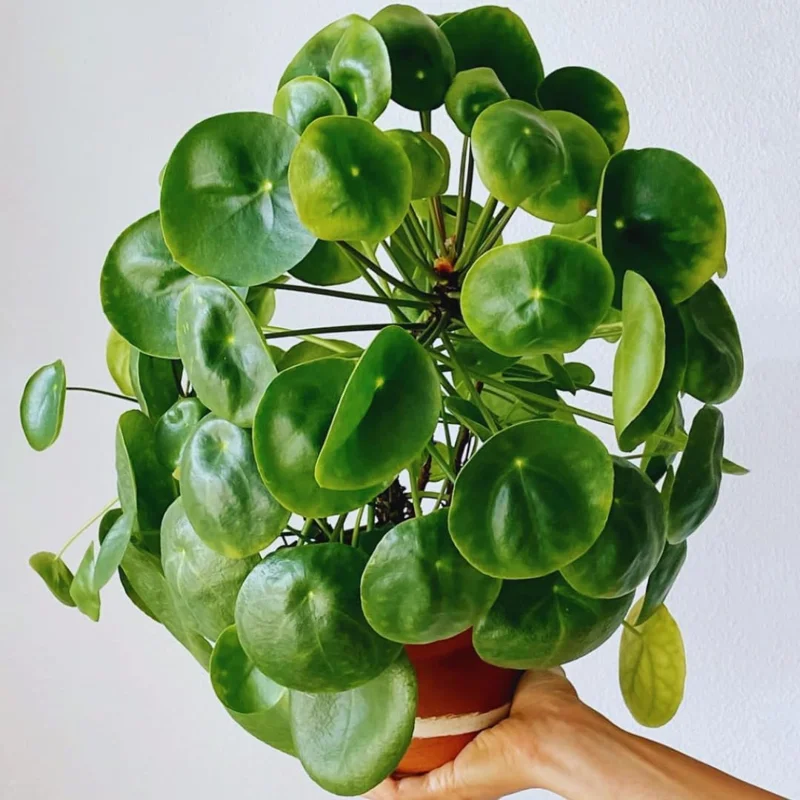
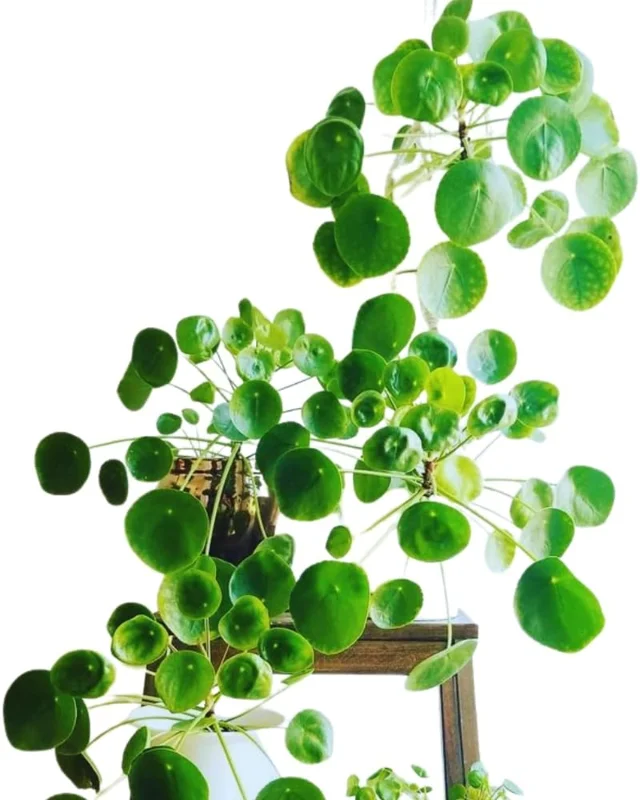
Welcome a charming Pilea Peperomioides live plant, also known as the Chinese Money Plant, into your home. Standing 5-7 inches tall, this easy houseplant with distinctive coin-shaped leaves brings a modern touch and is perfect for indoor display or outdoor use in suitable climates. It’s also simple to propagate Pilea pups.
Shipping and Return policies:
We stand behind our plants with our Alive & Thrive Guarantee. If you experience any issues within the first 30 days, please email us, and our team will be happy to help. When needed, we’ll send you a one-time replacement free of charge to make sure your garden keeps growing strong.

Reasonable Price
We offer reasonable price

Support 24/7
Contact us 24 hrs a day
100% Money Back
You’ve 30 days to Return
Payment Secure
100% secure payment
Overview
Welcome the charming Pilea Peperomioides live plant into your home or office. Often referred to as the Chinese Money Plant, Pancake Plant, or UFO Plant, this delightful specimen is celebrated for its distinctive, coin-shaped leaves that grow on slender stems. Originating from the Yunnan and Sichuan provinces of China, this plant has gained immense popularity worldwide due to its unique appearance and relatively simple care requirements. Each Pilea Peperomioides live plant we offer stands approximately 5 to 7 inches in height, making it a perfect starter size for new plant parents or a lovely addition to an existing collection. Its vibrant green foliage and attractive growth habit make it a focal point in any indoor setting, and it can also thrive outdoors in appropriate climates. This particular variety is a robust and healthy specimen, ready to bring a touch of natural beauty and perhaps even good fortune, as its ‘Money Plant’ moniker suggests, to its new environment. The Pilea plant here is a living, growing organism, carefully nurtured to ensure it reaches you in prime condition.
Key Benefits
The Pilea Peperomioides live plant offers a multitude of benefits beyond its aesthetic appeal, making it a highly desirable choice for plant enthusiasts. This indoor Pilea plant is not just beautiful but also brings positive energy to your space.
- Unique Decorative Appeal: Its distinctive round, coin-like leaves create a modern and minimalist look, fitting seamlessly into various interior design styles from bohemian to contemporary. The architectural shape of the plant adds visual interest without being overly demanding.
- Air Purification: Like many houseplants, the Pilea Peperomioides live plant contributes to a healthier indoor environment by naturally filtering airborne toxins and releasing oxygen, improving overall air quality.
- Easy to Propagate: This plant is famous for producing ‘pups’ or offsets at its base, which can be easily removed and propagated to create new plants, perfect for sharing with friends or expanding your own collection. Learning how to propagate Pilea is a rewarding experience.
- Low Maintenance: Often considered an easy houseplant, the Pilea is forgiving and doesn’t require constant attention, making it suitable for busy individuals or those new to plant care. Its resilience is one of its most attractive features, simplifying Chinese Money Plant care.
- Symbol of Good Fortune: Known as the Chinese Money Plant, it is widely believed to bring good luck, prosperity, and wealth to its owner, making it a thoughtful gift or a meaningful addition to your own home.
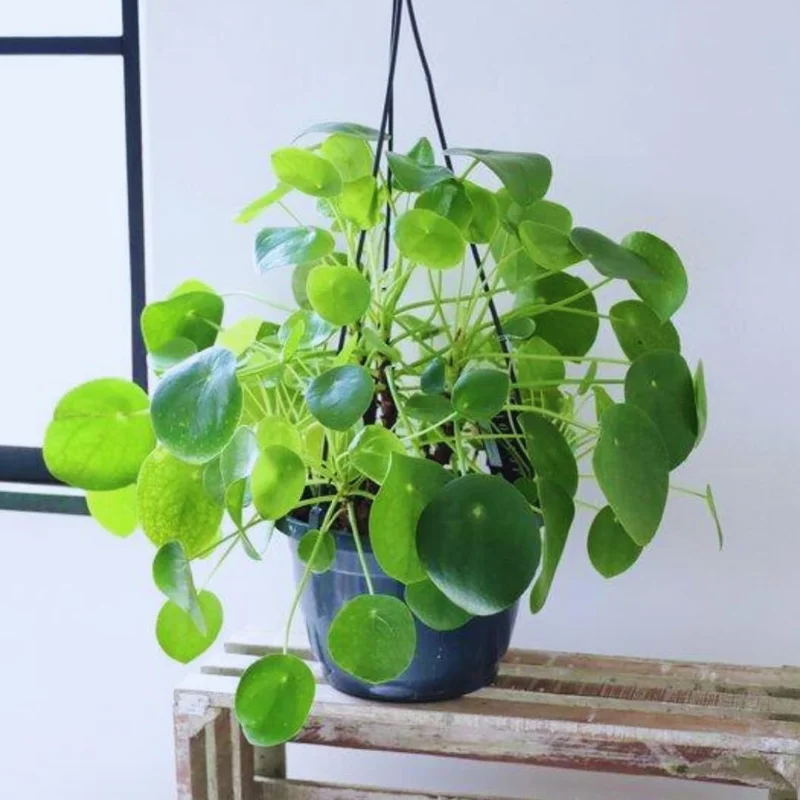
- Versatile Placement: Its moderate size and upright growth habit allow it to be placed on shelves, desks, windowsills, or even in hanging planters, adapting to various spaces.
- Pet-Friendly: While it’s always best to keep plants out of reach, Pilea Peperomioides is generally considered non-toxic to pets, offering peace of mind for pet owners.
Plant Care & Growing Tips
Caring for your Pilea Peperomioides live plant is straightforward, making it an excellent choice for both novice and experienced plant parents. To ensure your Pilea thrives, it’s crucial to provide the right conditions. This plant prefers bright, indirect light; direct sunlight can scorch its leaves, while too little light can lead to leggy growth and smaller leaves. An east or north-facing window is often ideal, or a spot a few feet away from a south or west-facing window. Rotate your plant regularly to ensure even growth and prevent it from leaning towards the light source. When it comes to watering, the key is consistency without overwatering. Allow the top 1-2 inches of soil to dry out completely between waterings. Typically, this means watering once a week or every ten days, but always check the soil moisture before watering again. Overwatering can lead to root rot, a common issue for many houseplants. A well-draining potting mix is essential for this plant; a standard houseplant mix with added perlite or bark will provide the necessary drainage. The ideal temperature range for your Pilea is between 65-75°F (18-24°C), and it appreciates average to slightly higher humidity levels. Avoid placing it near cold drafts or heat vents. Fertilize sparingly during the growing season (spring and summer) with a balanced liquid fertilizer diluted to half strength, once a month. During fall and winter, reduce or cease fertilization. Keep an eye out for common pests like spider mites or mealybugs, and treat promptly with insecticidal soap if detected. Understanding Chinese Money Plant care ensures a healthy and flourishing plant. This makes it an ideal easy houseplant for any setting.
Size & Details
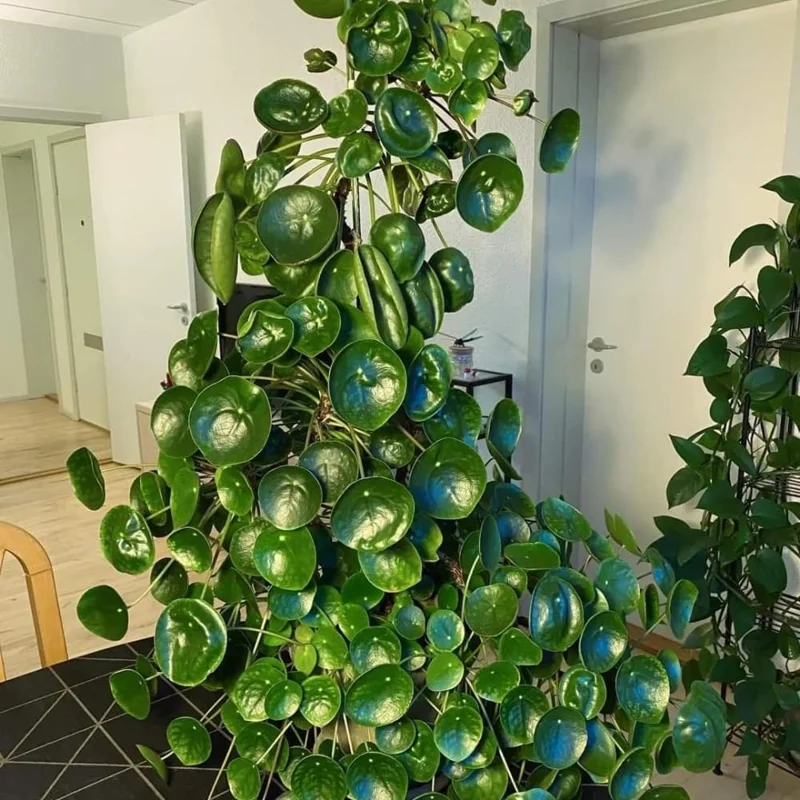
This offering is for one thriving Pilea Peperomioides live plant, carefully cultivated to reach a healthy size of approximately 5 to 7 inches in height, measured from the base of the soil to the tip of the tallest leaf. The plant is shipped in a nursery pot, typically 4 inches in diameter, providing a stable environment for its journey to your home. While its growth rate can vary based on conditions, Pilea Peperomioides is known to be a relatively fast grower, often reaching 10-12 inches tall and wide within a year or two under optimal care. The plant will arrive with established roots and vibrant, green foliage, ready to be placed in its new home. It produces distinctive round leaves, usually 2-4 inches in diameter, creating a lush, bushy appearance as it matures. You can expect this indoor Pilea plant to start producing ‘pups’ or offshoots from its base once it’s well-established, offering opportunities to propagate Pilea. This is a young, vigorous specimen, poised for continued growth and development.
Frequently Asked Questions
- Q: How big does this Pilea Peperomioides live plant get? A: This particular plant is 5 to 7 inches tall upon arrival. With proper care, it can grow to an average height of 10-12 inches, and sometimes even up to 18 inches, forming a lovely, bushy specimen over time.
- Q: Is this an indoor or outdoor plant? A: The Pilea Peperomioides live plant is primarily known as an indoor houseplant due to its preference for stable temperatures and indirect light. However, it can be grown outdoors in shaded, protected areas in USDA zones 9 and above, or brought indoors during colder months.
- Q: How much sunlight does my indoor Pilea plant need? A: Your Pilea thrives in bright, indirect light. Avoid direct sunlight, which can scorch its leaves. A north or east-facing window is ideal, or a spot a few feet back from a south or west-facing window.
- Q: Is this plant easy to care for? Is it good for beginners? A: Yes, the Pilea Peperomioides live plant is considered an easy houseplant and is excellent for beginners. It’s relatively forgiving and communicates its needs well, for example, by drooping leaves when thirsty. Following basic Chinese Money Plant care guidelines will ensure success.
- Q: What condition will the plant arrive in? A: Your Pilea will arrive as a healthy, live plant, carefully packed in its nursery pot with soil to ensure its safety during transit. We take utmost care to protect the foliage and root system.
- Q: How often should I water my Pilea? A: Water your Pilea when the top 1-2 inches of soil feel dry to the touch. This usually translates to once a week or every ten days, but always check the soil moisture first to prevent overwatering.
- Q: Is the Pilea Peperomioides live plant pet-safe? A: Pilea Peperomioides is generally considered non-toxic to cats and dogs by the ASPCA. However, it’s always a good practice to keep plants out of reach of curious pets to prevent any potential stomach upset from ingestion.
- Q: Can I propagate this plant? A: Absolutely! One of the most enjoyable aspects of owning a Pilea is its ease of propagation. It produces ‘pups’ from its base or stems, which can be gently removed with a clean knife and rooted in water or soil to create new plants. This is a great way to propagate Pilea and expand your collection.
- Q: What kind of soil is best for this Pilea plant? A: A well-draining potting mix is crucial. A standard houseplant soil amended with perlite or coarse sand for improved drainage works well. This helps prevent root rot and ensures the plant’s health.
- Q: How often should I fertilize my Pilea? A: Fertilize your indoor Pilea plant once a month during the spring and summer growing seasons using a balanced liquid fertilizer diluted to half strength. Reduce or stop fertilizing during the fall and winter months.
Be the first to review “Pilea Peperomioides Live Plant – Chinese Money Plant, 5-7 Inch Height, Indoor/Outdoor”
You must be logged in to post a review.
People also Viewed
Sold 50 products
Original price was: $28.58.$19.99Current price is: $19.99.
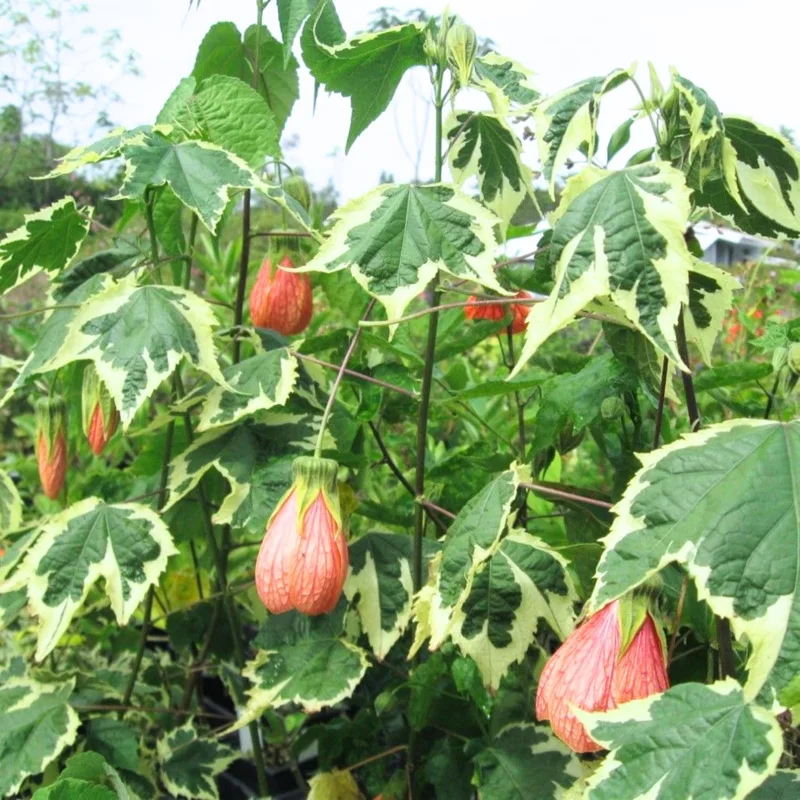
Sold 50 products
$32.39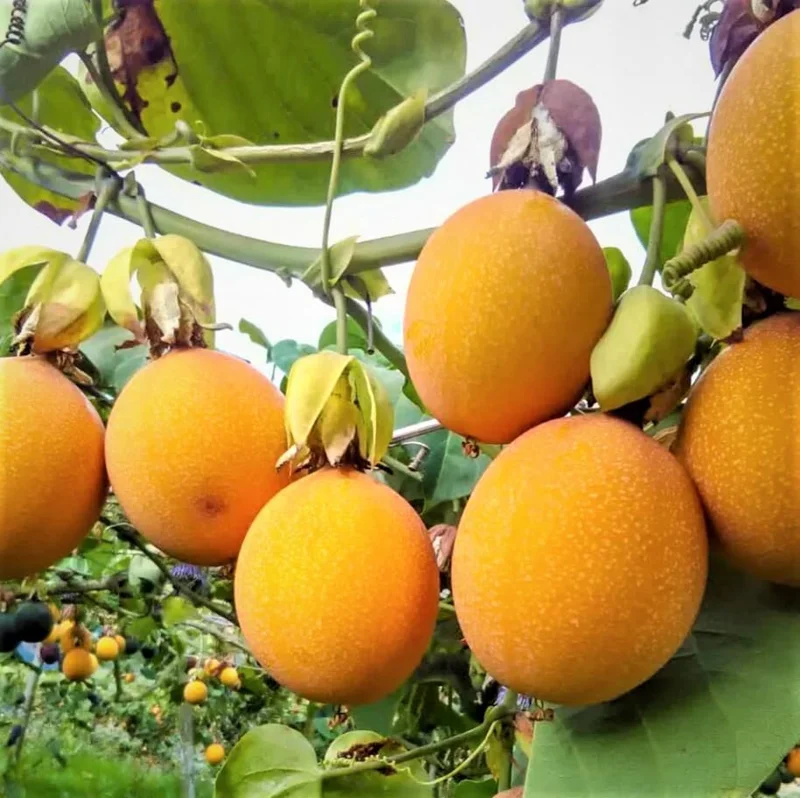
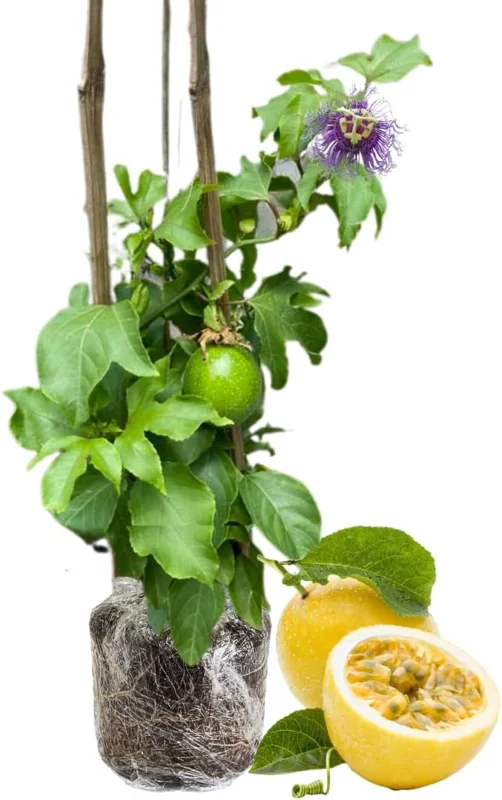
Sold 50 products
$21.59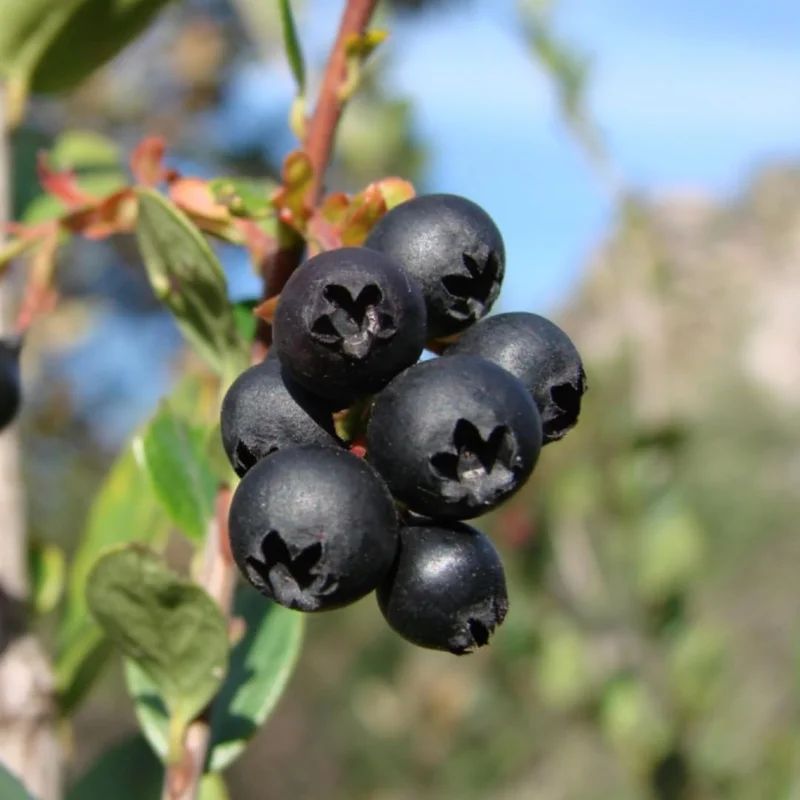
Sold 50 products
$35.99
Sold 50 products
Price range: $23.15 through $25.19
Sold 50 products
$38.39
Sold 50 products
Price range: $28.79 through $35.99
Sold 50 products
$26.39RELATED posts
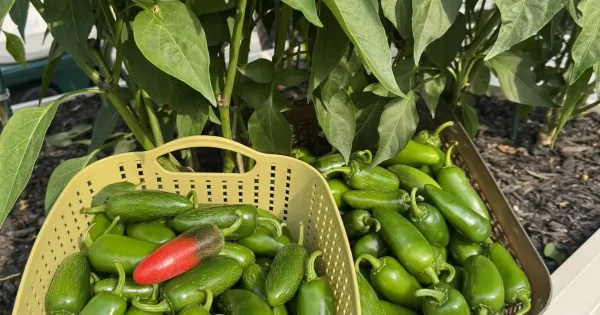
How to Grow Jalapeño Peppers From Seeds: A Step-by-Step Guide
Ready to spice things up in your garden? Jalapeños are the true life of the [...]
Apr
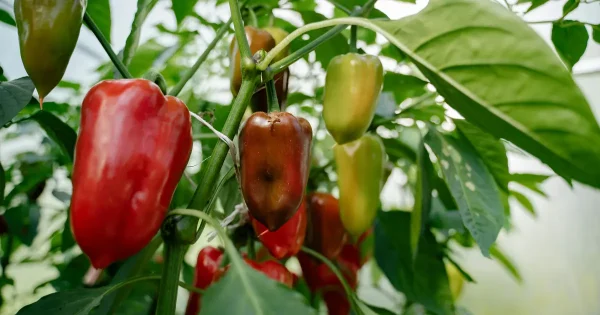
Top 12 Best Types of Peppers to Grow in Your Garden: Easy and High Yield
Growing peppers is, quite honestly, one of the biggest “wins” you can have in a [...]
Apr
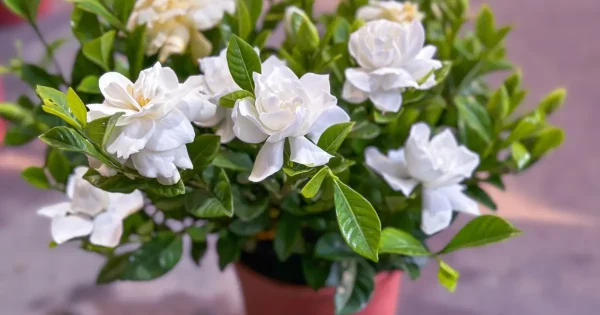
Frostproof Jasmine Care: 7 Tips for Successful Pot Growth
Most gardenias are known for being “divas.” They want perfect humidity, perfect soil, and they [...]
Mar
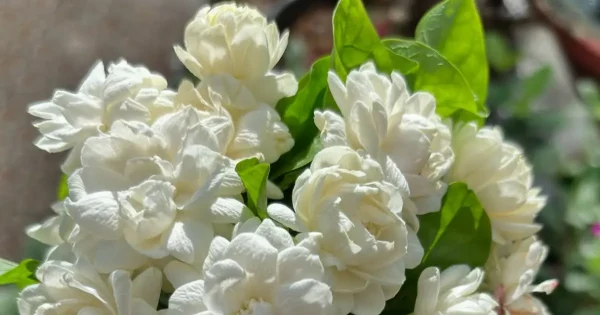
Top 7 Best Smelling Jasmine Varieties for a Heavenly Garden
Have you ever walked past a house and caught a scent so sweet you just [...]
Mar
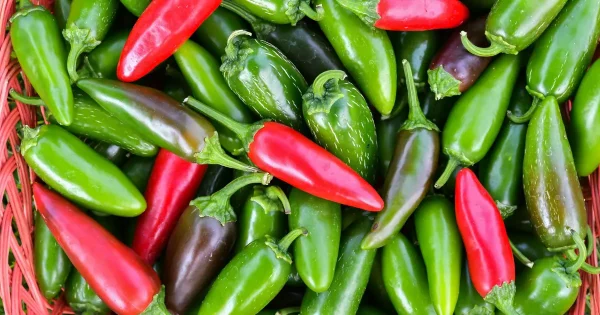
Master the Heat: 8 Expert Tips for Growing Jalapeños Like a Pro
Are you staring at your garden space, wondering why your pepper plants look more like [...]
Mar
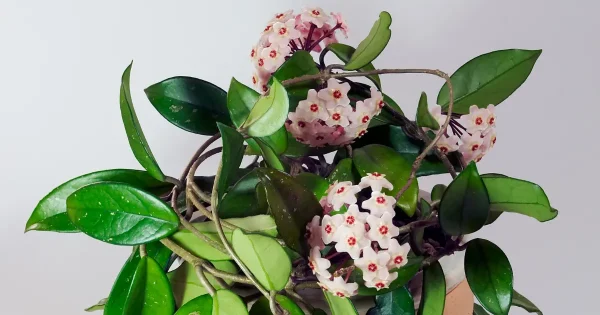
Top 5 Must-Have Hoya Varieties for Beginners
Hoyas are easily one of my top recommendations if you’re hunting for a low-maintenance houseplant [...]
Mar
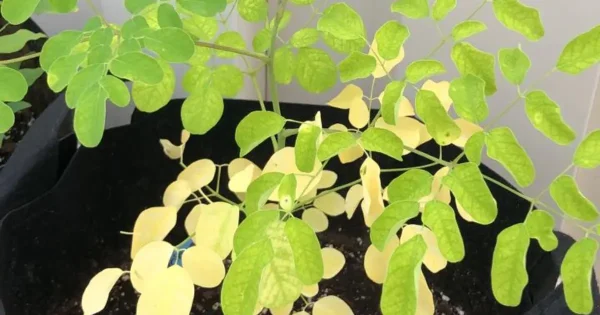
7 Moringa Plant Care Mistakes to Avoid for Healthy Growth
Have you ever looked at your Moringa tree and wondered why its once vibrant green [...]
Feb
How to Grow Potato Onions From True Seeds: A Step-by-Step Guide
Have you ever wondered how to grow potato onions from true seeds or why some [...]
Feb
Reviews
There are no reviews yet.