
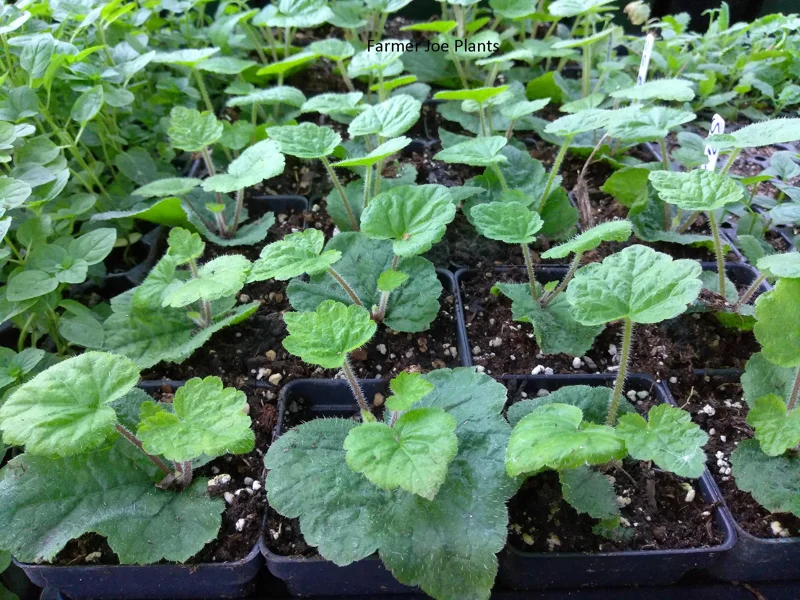
Piggyback Plant Live Plant – Tolmiea Menziesii – 4 inch Growing Pot Size – Indoor Houseplant
Original price was: $25.99.$12.99Current price is: $12.99.
Bring home a captivating piggyback plant live plant, Tolmiea menziesii, known for its unique plantlets forming on mature leaves. This charming indoor piggyback plant is an excellent choice for adding natural elegance and an engaging botanical conversation piece to your home. It’s a relatively easy-care houseplant that thrives with proper attention.
Shipping and Return policies:
We stand behind our plants with our Alive & Thrive Guarantee. If you experience any issues within the first 30 days, please email us, and our team will be happy to help. When needed, we’ll send you a one-time replacement free of charge to make sure your garden keeps growing strong.

Reasonable Price
We offer reasonable price

Support 24/7
Contact us 24 hrs a day
100% Money Back
You’ve 30 days to Return
Payment Secure
100% secure payment
Overview
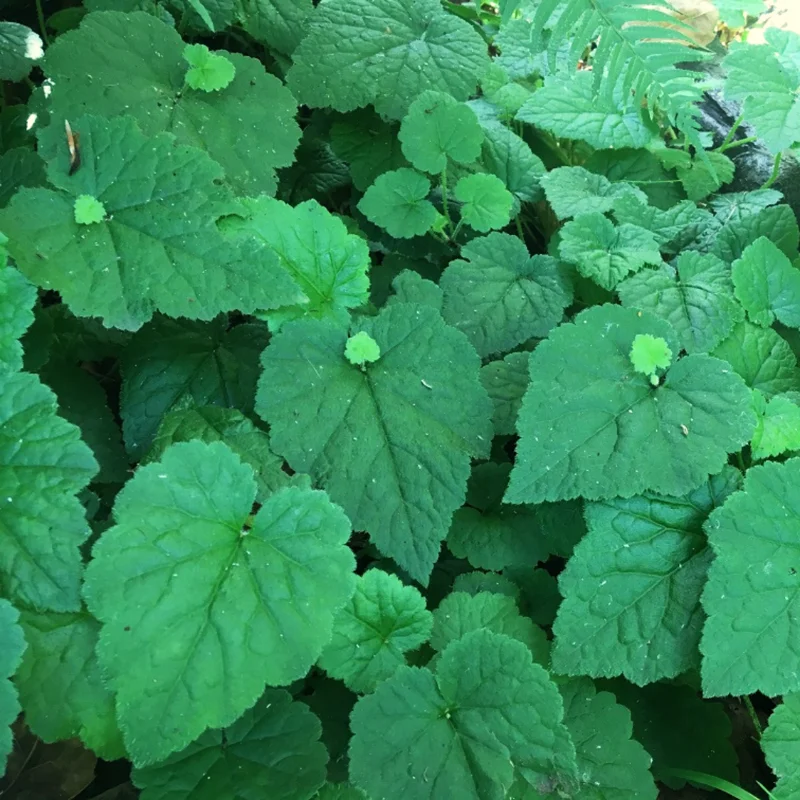
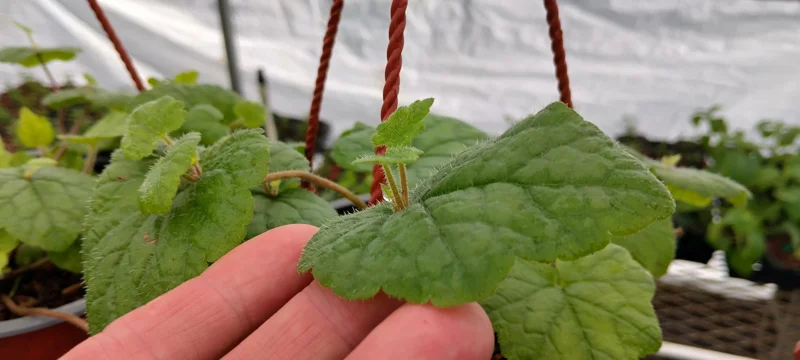
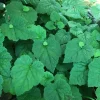
Introduce a touch of botanical wonder to your indoor space with the captivating piggyback plant live plant, Tolmiea menziesii. This fascinating perennial is celebrated for its distinctive method of propagation, where new plantlets emerge directly from the base of mature leaves, giving it the whimsical ‘piggyback’ name. Originating from the cool, moist forests of western North America, this plant is a delightful addition to any houseplant collection. Its lush, hairy, light-green leaves form a dense mound, making it an attractive foliage plant. The piggyback plant live plant is not just beautiful; it’s also a conversation starter, showcasing nature’s intriguing reproductive strategies right in your living room.
The Tolmiea menziesii is also commonly known as the Mother of Thousands (though this name is shared with other species), Youth-on-age, or Thousand Mothers, all referring to its characteristic plantlet production. It’s a relatively compact plant, making it suitable for various indoor settings, from windowsills to hanging baskets. The ease with which it produces new plants makes it a rewarding choice for both novice and experienced gardeners interested in propagation. Understanding tolmiea menziesii care is key to enjoying this plant for years to come.
Key Benefits
The piggyback plant live plant offers numerous benefits, making it a popular choice among houseplant enthusiasts. Its unique appearance and growth habit provide both aesthetic appeal and an educational experience. With proper tolmiea menziesii care, this plant can thrive and bring joy to your home.
- Unique Propagation: Witness the fascinating process of new plantlets forming directly on the leaves, making it easy and fun for piggyback plant propagation. This natural cloning ability is a highlight of owning this plant.
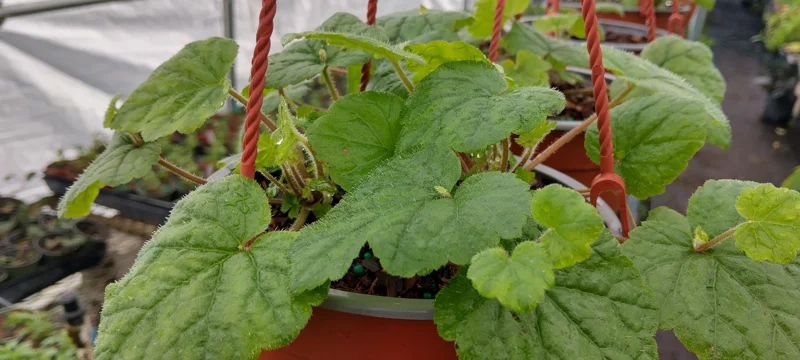
- Attractive Foliage: The bright green, slightly hairy leaves create a vibrant, textured display, adding a fresh and lively element to any indoor decor. Its mounding habit is visually appealing.
- Easy to Grow: Generally considered a low-maintenance houseplant, the piggyback plant live plant is forgiving for beginners, provided its basic needs for light and moisture are met.
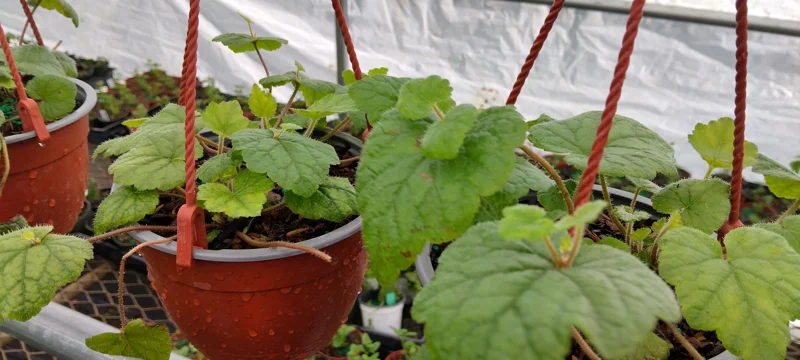
- Versatile Display: Perfect for tabletops, shelves, or hanging baskets, its compact size and trailing nature (as it matures) allow for flexible placement within your home.
- Air Purification: Like many houseplants, the Piggyback Plant contributes to improved indoor air quality by absorbing common household toxins, promoting a healthier living environment.
- Engaging Educational Tool: Its unique reproductive method provides an excellent opportunity to learn about plant biology and share this knowledge with others.
- Pet-Friendly: The indoor piggyback plant is generally considered non-toxic to cats and dogs, making it a safer choice for pet owners compared to many other houseplants.
Plant Care & Growing Tips
To ensure your piggyback plant live plant thrives, understanding its specific care requirements is essential. This plant prefers conditions that mimic its native forest habitat. Providing the right environment will lead to a healthy and vigorous plant, demonstrating excellent piggyback plant propagation.
Sunlight Requirements
The Piggyback Plant prefers bright, indirect light. Direct sunlight, especially harsh afternoon sun, can scorch its delicate leaves, leading to browning or fading. An east-facing window is often ideal, providing gentle morning sun, or a north-facing window for consistent indirect light. If placed in a brighter spot, ensure it’s shielded by a sheer curtain or set back from the window. Insufficient light can lead to leggy growth and fewer plantlets. This is crucial for successful how to grow piggyback plant indoors.
Watering & Humidity
Keep the soil consistently moist but never waterlogged. Allow the top inch of soil to dry out slightly between waterings, then water thoroughly until water drains from the bottom of the pot. Avoid letting the plant sit in standing water, as this can lead to root rot. High humidity is appreciated, so consider misting the leaves regularly, placing the pot on a pebble tray with water, or using a humidifier, especially in dry indoor environments. This helps maintain the lush appearance of your indoor piggyback plant.
Soil Type & Fertilization
A well-draining, peat-based potting mix is ideal for the Piggyback Plant. A mix formulated for houseplants or African violets works well. Ensure the pot has drainage holes to prevent water accumulation. During the growing season (spring and summer), feed your plant with a balanced liquid fertilizer diluted to half strength every 2-4 weeks. Reduce fertilization in fall and winter when growth slows. Proper nutrition is vital for vigorous growth and healthy plantlet development, supporting how to grow piggyback plant to its full potential.
Temperature & Pruning
The piggyback plant live plant thrives in average room temperatures, ideally between 60-75°F (15-24°C). Avoid extreme temperature fluctuations and cold drafts. It can tolerate cooler temperatures down to 50°F (10°C) but will not do well in freezing conditions. Pruning is generally not required for health but can be done to maintain shape or remove old, yellowing leaves. You can also snip off plantlets to propagate new plants. Regular inspection for pests and diseases is also part of good tolmiea menziesii care. The plant is generally pest-resistant but can occasionally suffer from aphids or spider mites.
Size & Details
This offering is for a vibrant piggyback plant live plant, provided in a 4-inch growing pot size. At the time of shipment, the plant will have a well-established root system and healthy foliage, ready to be transplanted into a larger container if desired. While the exact height and spread can vary based on growth stage, these plants typically reach a mature size of 12-18 inches tall and wide when grown indoors. The plant is removed from its pot for shipping; the rootball is carefully wrapped in plastic and secured to ensure minimal movement and damage during transit. Expect your plant to arrive with its unique plantlets developing. This size is ideal for immediate display or for nurturing into a larger specimen, demonstrating easy piggyback plant propagation.
Frequently Asked Questions
- Q: How big does this piggyback plant live plant get? A: When mature, an indoor piggyback plant typically grows to about 12 to 18 inches in both height and spread. Its size can be influenced by pot size and care, allowing it to remain compact or grow larger.
- Q: Is this an indoor or outdoor plant? A: While naturally found outdoors in specific climates, the Piggyback Plant is most commonly grown as an indoor houseplant due to its preference for consistent temperatures and humidity. It can be moved outdoors in shaded areas during warm summer months in suitable USDA zones.
- Q: How much sunlight does my piggyback plant live plant need? A: The Piggyback Plant thrives in bright, indirect light. Avoid direct, harsh sunlight which can scorch its leaves. An east or north-facing window is often ideal, or a well-lit spot away from direct sun.
- Q: Is this plant easy to care for, especially for beginners? A: Yes, the Piggyback Plant is considered relatively easy to care for and is a good choice for beginners. Its main requirements are consistent moisture, bright indirect light, and moderate humidity, which are often straightforward to provide.
- Q: What condition will the plant arrive in? A: Your plant will arrive with the rootball carefully wrapped in plastic and secured to protect it during transit. It may appear a little stressed from travel, but with proper watering and light upon arrival, it should quickly recover and thrive.
- Q: How do I perform piggyback plant propagation? A: Propagation is very easy! Simply remove a plantlet that has developed at the base of a mature leaf, ensuring it has some roots. Plant it directly into moist potting mix, and it will quickly establish itself as a new plant.
- Q: What type of soil is best for tolmiea menziesii care? A: A well-draining, peat-based potting mix is recommended. You can use a standard houseplant mix or one specifically formulated for African violets, ensuring good aeration and moisture retention without becoming waterlogged.
- Q: Is the Piggyback Plant pet-friendly? A: Yes, the indoor piggyback plant is generally considered non-toxic to common household pets like cats and dogs, making it a safe addition to homes with furry friends.
- Q: How often should I water my Piggyback Plant? A: Water when the top inch of soil feels dry to the touch. Ensure the soil remains consistently moist but not soggy. Reduce watering frequency during the cooler, darker winter months.
- Q: Can I use a heat pack for shipping in cold weather? A: While heat packs can offer some protection, they do not guarantee against freezing in extreme cold. It’s important to consider your local weather conditions and the plant’s tolerance when ordering live plants during colder seasons.
Be the first to review “Piggyback Plant Live Plant – Tolmiea Menziesii – 4 inch Growing Pot Size – Indoor Houseplant”
You must be logged in to post a review.
People also Viewed
Sold 50 products
Original price was: $17.58.$11.86Current price is: $11.86.
Sold 50 products
Price range: $32.99 through $35.99
Sold 50 products
$69.99
Sold 50 products
$18.99
Sold 50 products
Price range: $14.98 through $23.89
Sold 50 products
$32.99
Sold 50 products
$24.99
Sold 50 products
Price range: $43.99 through $44.99RELATED posts
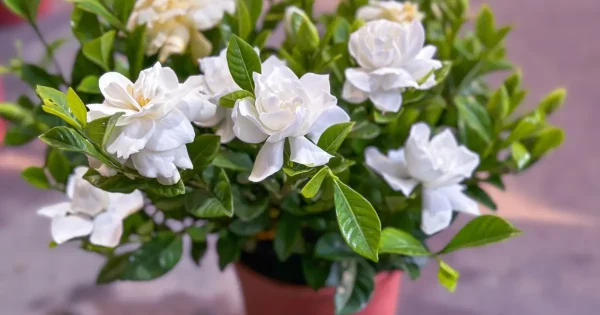
Frostproof Jasmine Care: 7 Tips for Successful Pot Growth
Most gardenias are known for being “divas.” They want perfect humidity, perfect soil, and they [...]
Mar
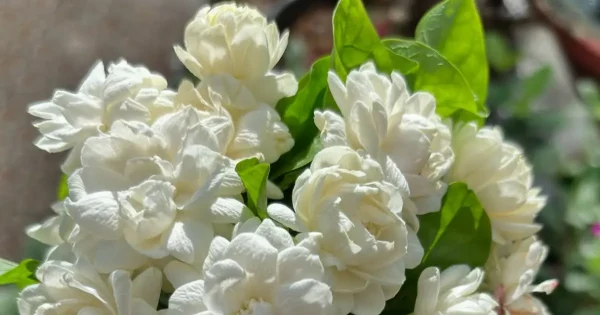
Top 7 Best Smelling Jasmine Varieties for a Heavenly Garden
Have you ever walked past a house and caught a scent so sweet you just [...]
Mar
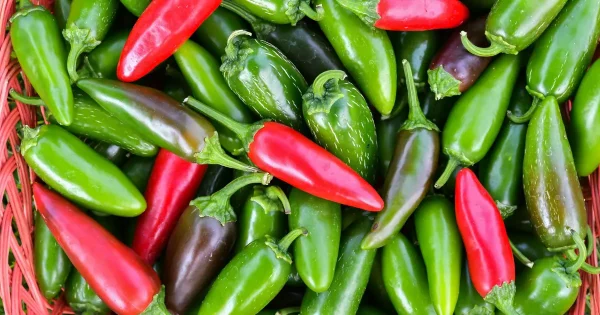
Master the Heat: 8 Expert Tips for Growing Jalapeños Like a Pro
Are you staring at your garden space, wondering why your pepper plants look more like [...]
Mar
Top 5 Must-Have Hoya Varieties for Beginners
Hoyas are easily one of my top recommendations if you’re hunting for a low-maintenance houseplant [...]
Mar
7 Moringa Plant Care Mistakes to Avoid for Healthy Growth
Have you ever looked at your Moringa tree and wondered why its once vibrant green [...]
Feb
How to Grow Potato Onions From True Seeds: A Step-by-Step Guide
Have you ever wondered how to grow potato onions from true seeds or why some [...]
Feb
Growing Walking Onions in Containers: The Ultimate Guide
Have you ever looked at your small balcony or cramped patio and wished you could [...]
Feb

9 Best Flower Seeds to Start in February for Early Blooms
If you’re a passionate gardener, you know that itchy feeling in your fingers when February [...]
Jan
Reviews
There are no reviews yet.