
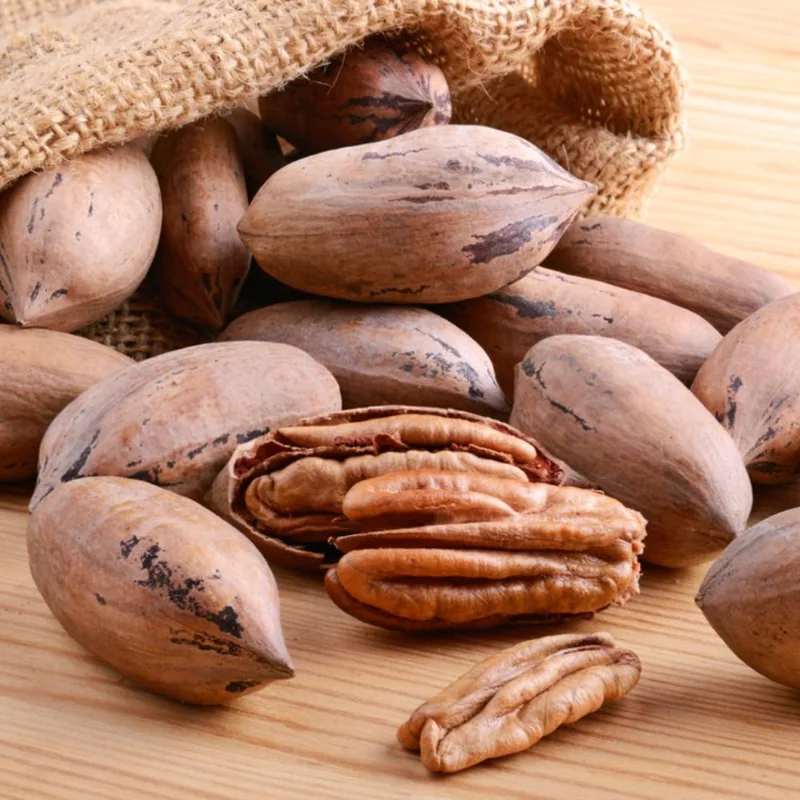
Pecan Tree Live Plant – 2-3 Feet Tall – Cold Hardy Nut Tree for Outdoor
$39.99
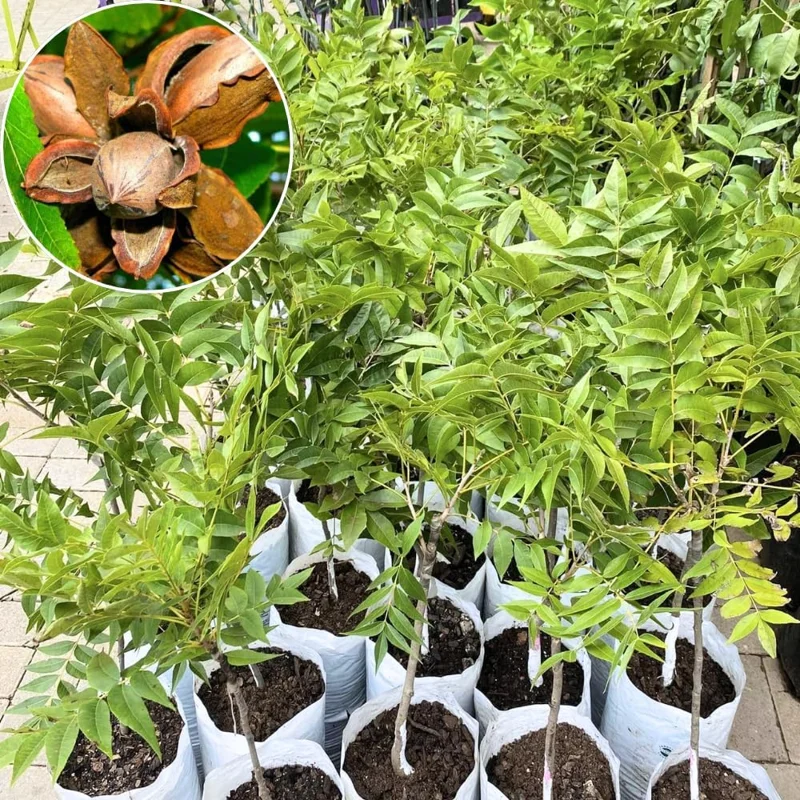
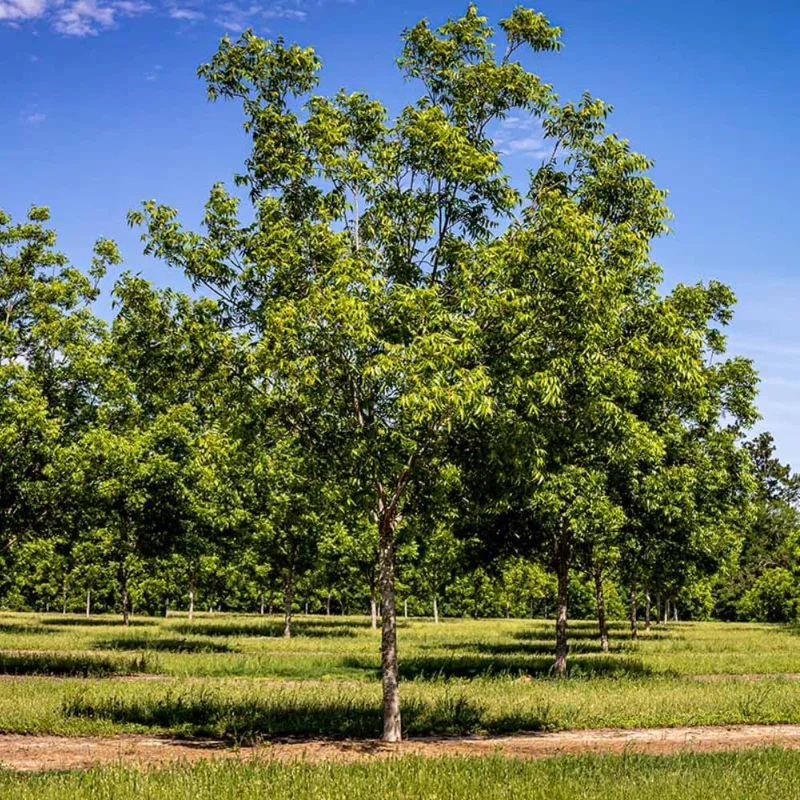
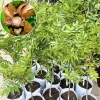
Cultivate your own delicious nuts with this live pecan tree, standing 2-3 feet tall. This cold hardy pecan tree is perfect for planting in your garden, yard, or orchard, offering rapid growth and ample shade. Enjoy bountiful harvests of pecans for years to come.
Shipping and Return policies:
We stand behind our plants with our Alive & Thrive Guarantee. If you experience any issues within the first 30 days, please email us, and our team will be happy to help. When needed, we’ll send you a one-time replacement free of charge to make sure your garden keeps growing strong.

Reasonable Price
We offer reasonable price

Support 24/7
Contact us 24 hrs a day
100% Money Back
You’ve 30 days to Return
Payment Secure
100% secure payment
Overview
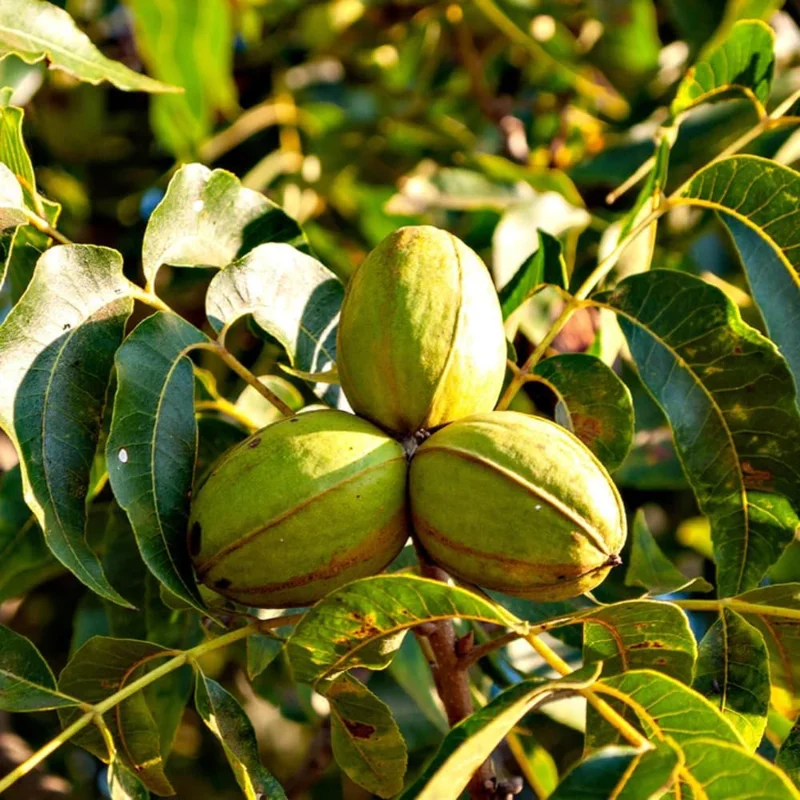
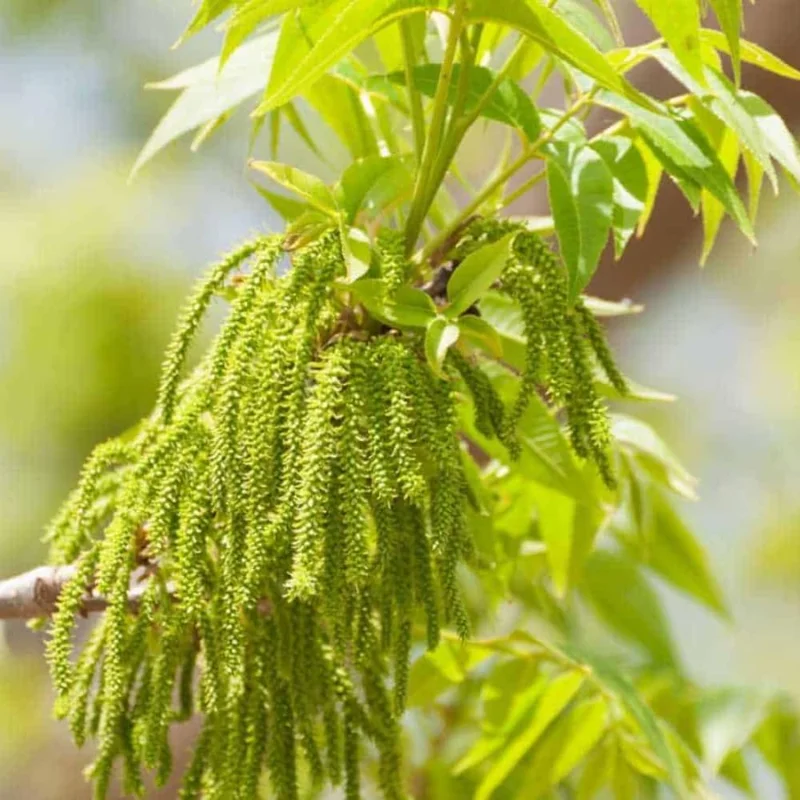
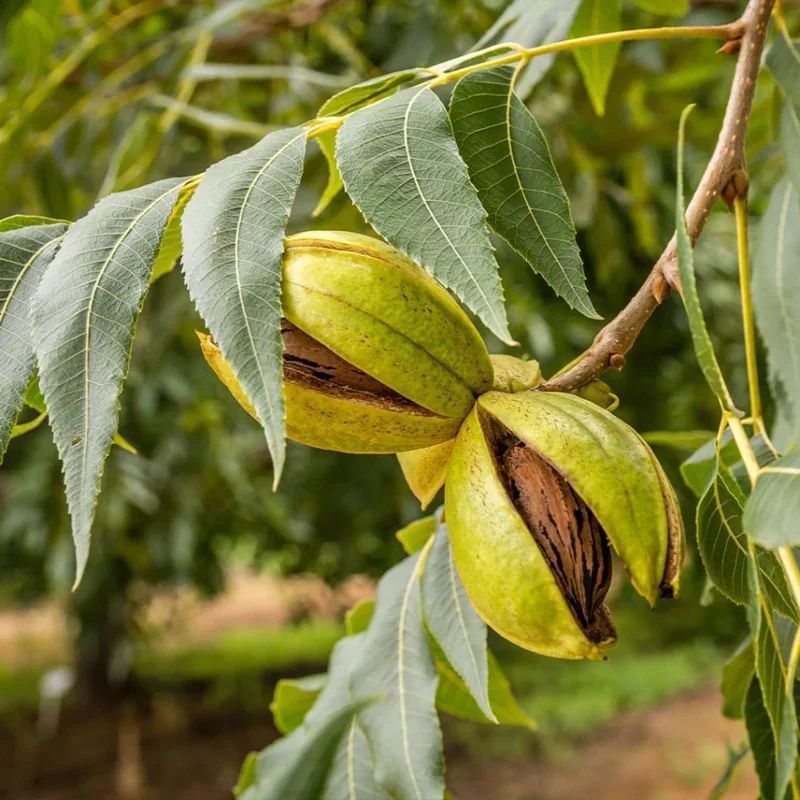
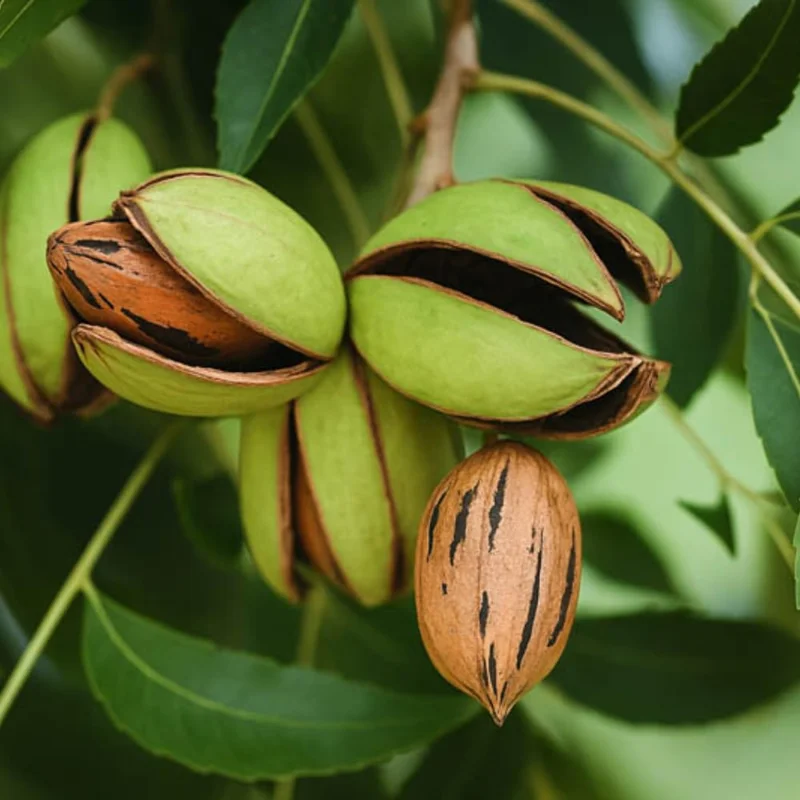
Bring the joy of home-grown nuts to your landscape with this magnificent live pecan tree. Standing at a robust 2-3 feet tall, this well-rooted specimen is ready to establish itself in your garden, yard, or orchard. Pecan trees (Carya illinoinensis) are celebrated for their delicious nuts, which are a staple in many culinary traditions, and for their impressive stature as shade trees. This particular variety is selected for its cold hardiness, making it a reliable choice for a wide range of climates. Investing in a live pecan tree means not only enjoying fresh, organic pecans but also enhancing your property with a beautiful, long-lived shade provider. Its relatively fast growth habit ensures you won’t have to wait long to see significant development and eventually, your first harvests of premium nuts.
The live pecan tree is a fantastic addition for anyone looking to cultivate edible landscaping or simply add a majestic shade tree. It’s a low-maintenance option once established, contributing significantly to your outdoor environment. This tree is more than just a plant; it’s an investment in sustainable living and future enjoyment, providing both aesthetic beauty and practical yields.
Key Benefits
Adding a pecan tree to your property offers a multitude of advantages, from delicious harvests to environmental contributions. Here are some of the key benefits you can expect from your live pecan tree:
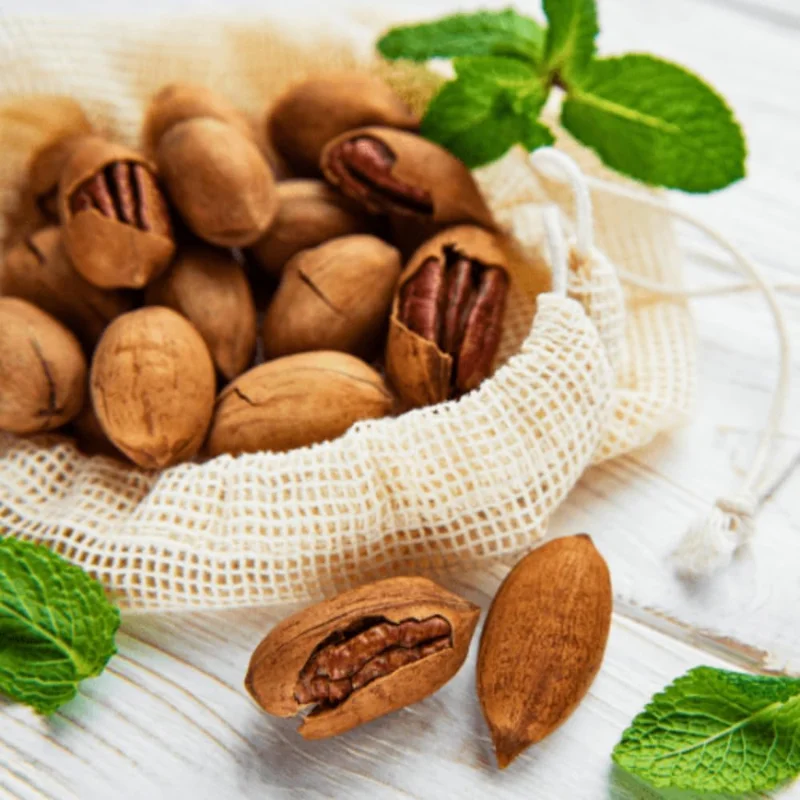
- Abundant Nut Production: Enjoy annual harvests of fresh, flavorful pecans right from your own backyard. These nuts are perfect for baking, snacking, or sharing with family and friends, providing a sustainable food source.
- Exceptional Shade Provider: Known for their broad canopy and rapid growth, these trees quickly develop into impressive shade trees. They offer a cool retreat during hot summer months, reducing energy costs and enhancing outdoor comfort.
- Cold Hardy & Resilient: This cold hardy pecan tree is specifically suited for tough climates, thriving in USDA Hardiness Zones 6-9. This resilience ensures it can withstand varied weather conditions, making it a reliable choice for many regions.
- Fast Growing: Experience noticeable growth year after year. The vigorous nature of this fast growing pecan tree means it will establish quickly and begin contributing to your landscape’s beauty and productivity sooner than many other fruit or nut trees.
- Long-Term Investment: Pecan trees are long-lived, often producing nuts for many decades. Planting one is an investment that provides benefits for generations, offering both an annual crop and increasing property value.
- Wildlife Attraction: The nuts provide a natural food source for local wildlife, such as squirrels and birds, creating a vibrant and balanced ecosystem in your yard.
- Versatile Landscaping Element: Whether for a large garden, a dedicated orchard, or as a stately specimen tree in a spacious yard, the pecan tree serves multiple landscaping purposes, enhancing biodiversity and aesthetic appeal.
Plant Care & Growing Tips
Caring for your live pecan tree is relatively straightforward, ensuring it grows into a healthy, productive specimen. Pecan trees thrive in full sun, meaning they need at least 6-8 hours of direct sunlight daily to produce the best nut yields and vigorous growth. Choose a location that receives ample sunlight throughout the day. When it comes to soil, these trees prefer deep, well-drained soil that is rich in organic matter. A slightly acidic to neutral pH (6.0-7.0) is ideal. Avoid heavy clay soils that retain too much water, as this can lead to root rot. If your soil is poor, amend it with compost or other organic materials before planting to improve drainage and fertility.
Proper watering is crucial, especially during the first few years after planting. Keep the soil consistently moist but not waterlogged. Deep watering encourages the development of a strong root system, which is essential for drought resistance in mature trees. Once established, pecan trees are quite resilient but will benefit from supplemental watering during prolonged dry spells. Fertilize your pecan nut tree annually in early spring with a balanced fertilizer formulated for fruit and nut trees. Follow the product instructions carefully to avoid over-fertilization. Pruning should focus on removing dead, damaged, or crossing branches to maintain good air circulation and tree structure. You’ll find that with proper care, your fast growing pecan tree will flourish, providing beautiful shade and delicious nuts.
Size & Details
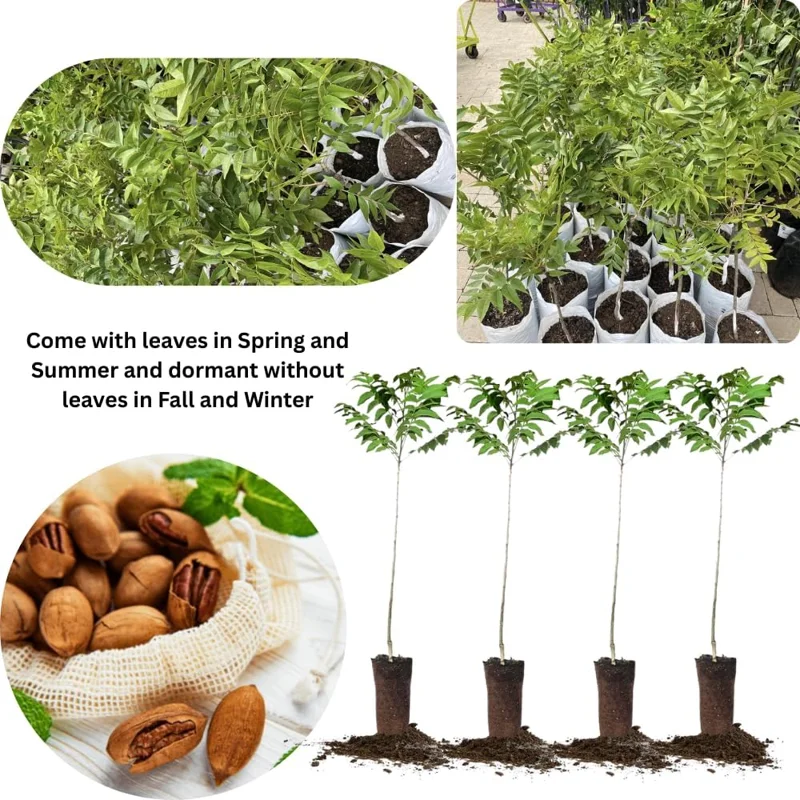
This live pecan tree arrives as a well-rooted specimen, typically standing between 24-36 inches (2-3 feet) tall, ready for immediate planting. It is shipped in a dormant or semi-dormant state to ensure safe transit and successful establishment. Pecan trees are known for their impressive mature size, eventually reaching heights of 50-70 feet tall with a similar spread, making them ideal for large yards, parks, or commercial orchards. They are vigorous growers, quickly putting on significant height and canopy development each year under optimal conditions. The tree is suitable for USDA Hardiness Zones 6-9, indicating its strong tolerance to cold temperatures. Expect the tree to begin producing nuts within 5-10 years, with yields increasing as the tree matures. This pecan tree for orchard or home garden use is a long-term investment that will provide decades of beauty and bounty.
Frequently Asked Questions
- Q: How big does this pecan tree get? A: This live pecan tree is 2-3 feet tall when shipped and can grow to a mature height of 50-70 feet with a similar spread, making it a very large shade tree.
- Q: Is this an indoor or outdoor plant? A: This is an outdoor plant, designed to be planted in the ground in your garden, yard, or orchard. It requires ample space to grow to its mature size.
- Q: How much sunlight does a pecan tree need? A: Pecan trees require full sun, meaning at least 6-8 hours of direct sunlight per day, to thrive and produce a good crop of nuts.
- Q: Is this tree easy to care for? A: Once established, a cold hardy pecan tree is relatively low maintenance. The initial years require consistent watering and proper site selection for best results.
- Q: What condition will the pecan tree arrive in? A: The tree will arrive well-rooted and healthy, typically in a dormant or semi-dormant state, carefully packaged to ensure its safe arrival.
- Q: When is the best time to plant a pecan tree? A: The best time to plant a pecan nut tree is in late winter or early spring, after the danger of hard frost has passed and before new growth begins.
- Q: What USDA Hardiness Zones is this pecan tree suitable for? A: This pecan tree is suitable for USDA Hardiness Zones 6-9, indicating its ability to withstand cold temperatures within this range.
- Q: How long until this fast growing pecan tree produces nuts? A: While a fast growing pecan tree, it typically takes 5-10 years for a young pecan tree to start bearing nuts, with increasing yields as it matures.
- Q: What kind of soil does this pecan tree prefer? A: Pecan trees prefer deep, well-drained loamy soil with a slightly acidic to neutral pH. Good drainage is crucial to prevent root issues.
- Q: Can I plant just one pecan tree? A: While some pecan varieties are self-pollinating, cross-pollination generally leads to better yields. For optimal nut production, it is often recommended to plant two different pecan varieties.
Be the first to review “Pecan Tree Live Plant – 2-3 Feet Tall – Cold Hardy Nut Tree for Outdoor”
You must be logged in to post a review.
People also Viewed
Sold 50 products
Original price was: $17.58.$11.86Current price is: $11.86.
Sold 50 products
Price range: $32.99 through $35.99
Sold 50 products
$69.99
Sold 50 products
$18.99
Sold 50 products
Price range: $14.98 through $23.89
Sold 50 products
$32.99
Sold 50 products
$24.99
Sold 50 products
Price range: $43.99 through $44.99RELATED posts
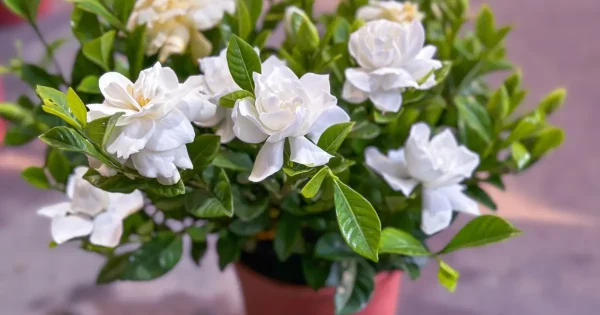
Frostproof Jasmine Care: 7 Tips for Successful Pot Growth
Most gardenias are known for being “divas.” They want perfect humidity, perfect soil, and they [...]
Mar
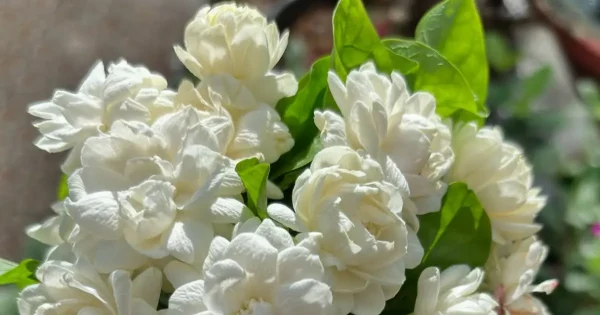
Top 7 Best Smelling Jasmine Varieties for a Heavenly Garden
Have you ever walked past a house and caught a scent so sweet you just [...]
Mar
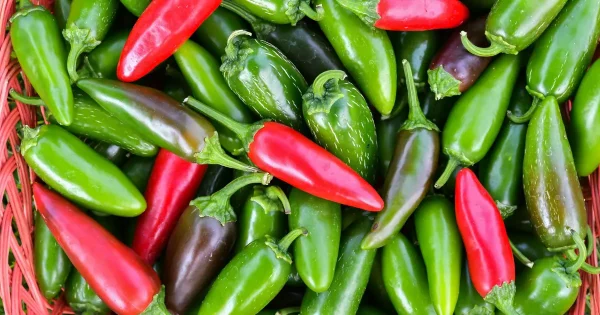
Master the Heat: 8 Expert Tips for Growing Jalapeños Like a Pro
Are you staring at your garden space, wondering why your pepper plants look more like [...]
Mar
Top 5 Must-Have Hoya Varieties for Beginners
Hoyas are easily one of my top recommendations if you’re hunting for a low-maintenance houseplant [...]
Mar
7 Moringa Plant Care Mistakes to Avoid for Healthy Growth
Have you ever looked at your Moringa tree and wondered why its once vibrant green [...]
Feb
How to Grow Potato Onions From True Seeds: A Step-by-Step Guide
Have you ever wondered how to grow potato onions from true seeds or why some [...]
Feb
Growing Walking Onions in Containers: The Ultimate Guide
Have you ever looked at your small balcony or cramped patio and wished you could [...]
Feb

9 Best Flower Seeds to Start in February for Early Blooms
If you’re a passionate gardener, you know that itchy feeling in your fingers when February [...]
Jan


Reviews
There are no reviews yet.