

Pecan Tree Bare Root Plants | 2 Pack | 1-2 Feet Tall | Cold Hardy | Full Sun
$22.48
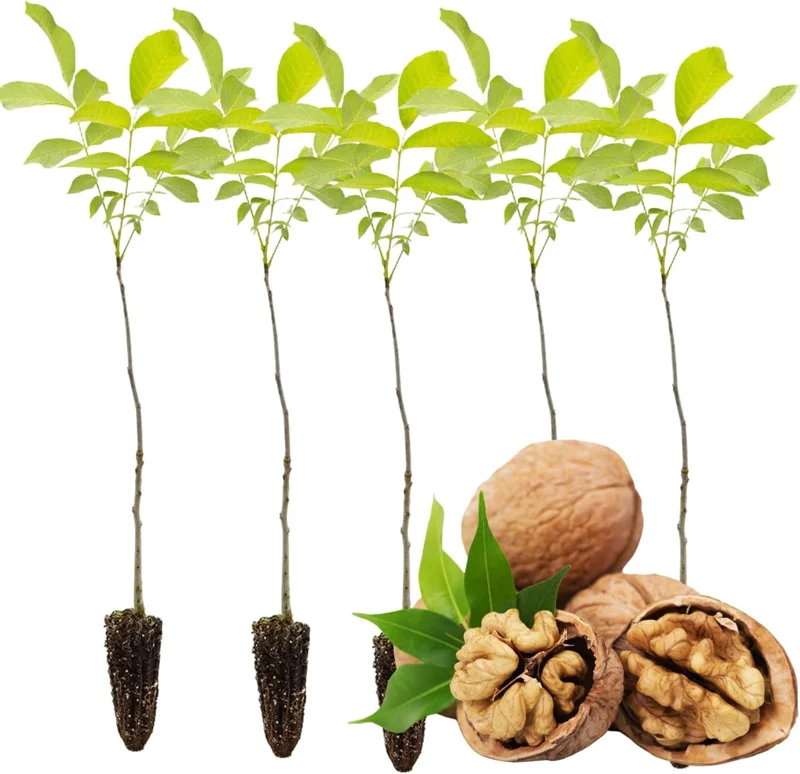
Cultivate your own pecan harvest with this 2-pack of pecan trees for sale. These dormant pecan tree bare roots are 1 to 2 feet tall, cold hardy, and ready for planting in USDA Zones 6-9. Perfect for establishing a new orchard or adding shade and nuts to your landscape.
Shipping and Return policies:
We stand behind our plants with our Alive & Thrive Guarantee. If you experience any issues within the first 30 days, please email us, and our team will be happy to help. When needed, we’ll send you a one-time replacement free of charge to make sure your garden keeps growing strong.

Reasonable Price
We offer reasonable price

Support 24/7
Contact us 24 hrs a day
100% Money Back
You’ve 30 days to Return
Payment Secure
100% secure payment
Overview
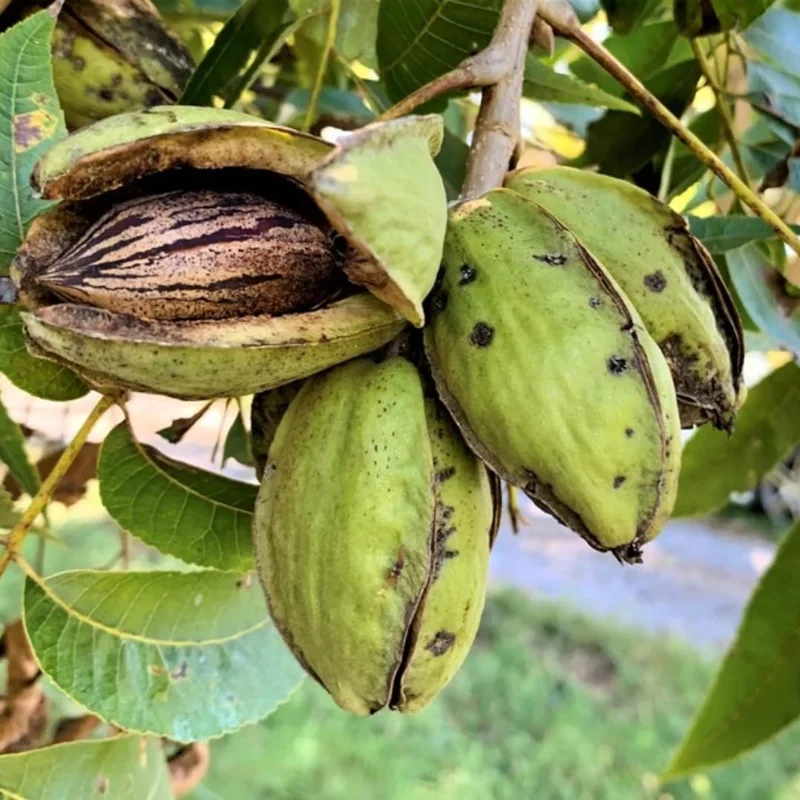
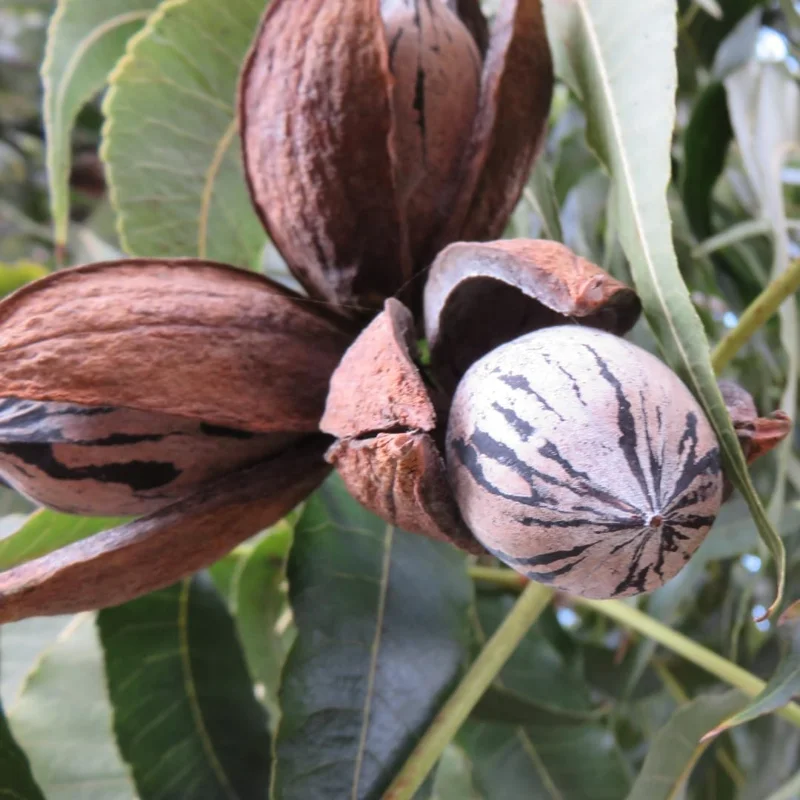
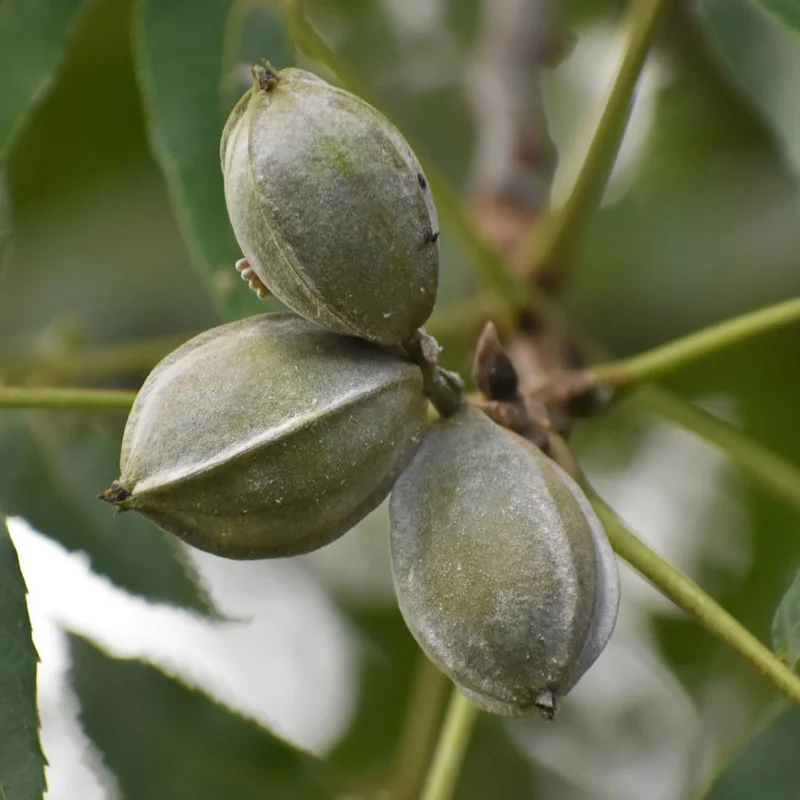
Embark on a rewarding journey of growing your own delicious nuts with our premium pecan trees for sale. This offering includes two high-quality, dormant pecan tree bare roots, each standing approximately 1 to 2 feet tall. These young, vigorous seedlings are 1-2 years old, making them an excellent choice for establishing a new pecan grove or enhancing an existing landscape. Pecan trees (Carya illinoinensis) are known for their impressive size, stately beauty, and, most importantly, their highly prized edible nuts. Planting these bare roots provides a cost-effective and efficient way to introduce these magnificent shade and nut-bearing trees to your property, promising years of natural beauty and bountiful harvests.
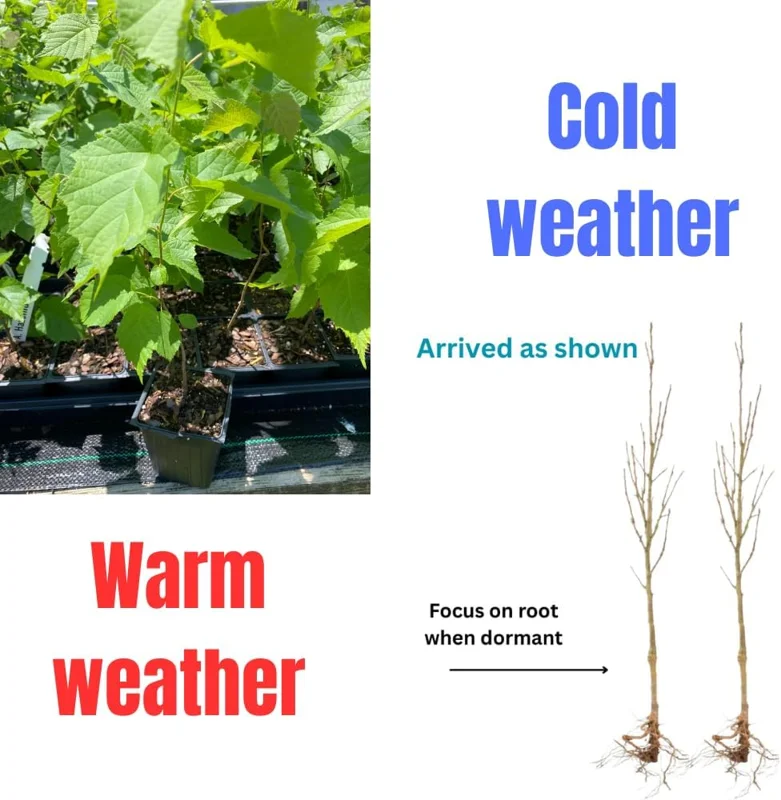
Our bare root pecan trees are specifically selected for their resilience and growth potential. Shipped in their dormant state, they are perfectly poised for successful transplanting and vigorous growth once established in your garden. With proper care and the right conditions, these seedlings will mature into strong, productive trees, offering both aesthetic appeal and a sustainable source of fresh pecans for baking, snacking, and sharing.
Key Benefits
Investing in these pecan tree bare roots brings a multitude of benefits to your home and garden. From environmental advantages to delicious yields, these trees are a valuable addition:
-
Sustainable Nut Production: Enjoy a continuous supply of fresh, homegrown pecans, a healthy and versatile nut perfect for culinary uses or direct consumption. Growing your own nuts reduces reliance on store-bought options.
-
Long-Term Investment: Pecan trees are long-lived, often producing nuts for many decades, making them a generational asset for your property. These pecan trees for sale represent a commitment to future harvests.
-
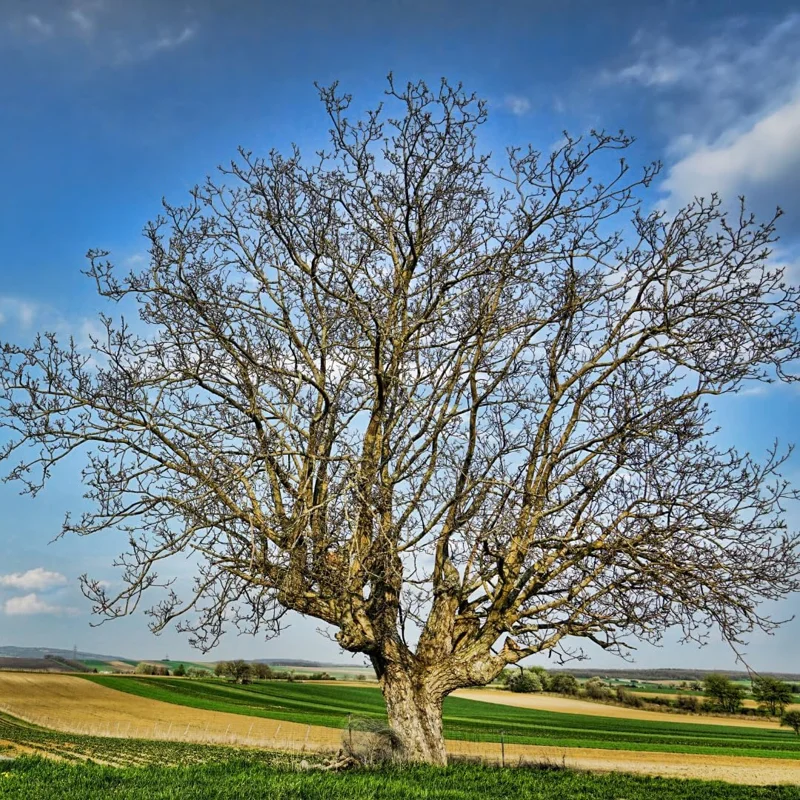
Shade and Landscape Enhancement: As they mature, pecan trees develop a broad, spreading canopy, providing excellent shade during hot summer months and adding significant aesthetic value to your landscape with their impressive stature.
-
Wildlife Attraction: The nuts produced by these trees can also serve as a food source for local wildlife, contributing to the biodiversity of your garden ecosystem.
-
Cold Hardy Resilience: These dormant pecan tree seedlings are cold hardy, making them suitable for a wide range of climates (USDA Zones 6-9) and ensuring better survival rates through colder winters.
-
Air Quality Improvement: Like all trees, pecan trees contribute to cleaner air by absorbing carbon dioxide and releasing oxygen, improving the overall environmental health of your surroundings.
-
Educational Opportunity: Growing a pecan tree from a young seedling offers a fantastic educational experience for families, teaching about horticulture, patience, and the rewards of nature.
Plant Care & Growing Tips
Successful establishment of your bare root pecan trees requires attention to a few key care details. Upon arrival, keep the roots moist until planting. Dig a hole wide enough to accommodate the roots without bending them, and deep enough so the root collar is at or slightly above ground level. Fan out the roots as you backfill the soil, gently tamping to remove air pockets. Water thoroughly immediately after planting to settle the soil around the roots.
Sunlight Requirements: These pecan trees are full sun lovers. They require a minimum of 6-8 hours of direct sunlight per day to thrive and produce a good pecan crop. Choose a planting location that receives unobstructed sunlight throughout the growing season. Adequate sun exposure is critical for the development of strong branches and abundant nuts. Without sufficient light, growth will be stunted and nut production significantly reduced.
Watering and Soil: While young, ensure consistent moisture, especially during dry spells. Water deeply once or twice a week, allowing the top few inches of soil to dry out slightly between waterings. Mature pecan trees are somewhat drought-tolerant but will benefit from supplemental watering during prolonged dry periods, particularly when nuts are forming. Pecan trees prefer deep, well-draining, slightly acidic to neutral soil (pH 6.0-7.0). Avoid heavy clay soils that retain too much water, as this can lead to root rot. Amending compact soils with organic matter can improve drainage and aeration. Regular mulching around the base of the tree helps retain soil moisture, suppress weeds, and regulate soil temperature.
Temperature and Hardiness: These pecan nut seedlings are cold hardy and suitable for USDA Zones 6 to 9. They require a certain number of chilling hours during dormancy to produce nuts effectively. Protect young trees from severe winter winds. In colder zones, consider additional winter protection for the first few years. Fertilize annually in early spring with a balanced fertilizer formulated for nut trees or a general-purpose slow-release granular fertilizer, following package directions. Pruning should focus on developing a strong central leader and removing any crossing or diseased branches, typically done in late winter while the tree is dormant. Learning how to grow pecan tree successfully involves consistent watering, proper sun exposure, and good soil management.
Size & Details
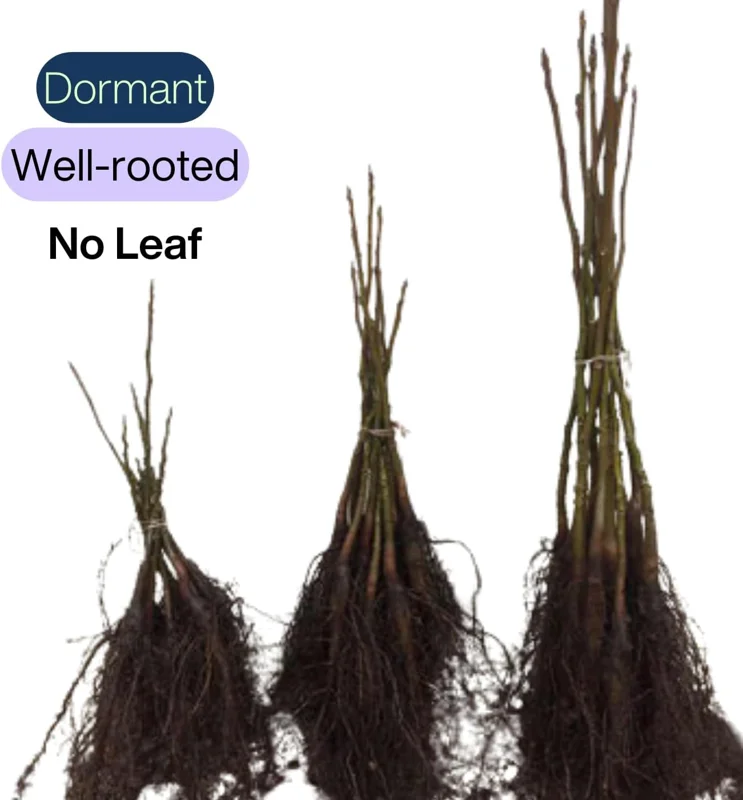
This offering includes two individual dormant pecan tree bare roots, each measuring approximately 1 to 2 feet in height upon arrival. These young trees are 1-2 years old, providing a robust start for your future pecan orchard. Bare root plants are shipped without soil, making them lighter and easier to transplant. Once planted, these seedlings will establish their root systems and begin to grow vigorously, with an average growth rate of 1-3 feet per year under ideal conditions. While they won’t produce nuts immediately, established pecan trees can begin bearing fruit within 5-10 years, with full production typically achieved after 10-15 years. The mature size of a pecan tree can be quite substantial, reaching heights of 70-100 feet with a spread of 40-75 feet, so ensure ample space for growth. These pecan nut seedlings are delivered ready to plant, offering a direct path to cultivating your own pecan harvest.
Frequently Asked Questions
-
Q: How big will these pecan trees get? A: These pecan trees for sale are 1-2 feet tall when shipped as bare roots. Mature pecan trees can reach impressive heights of 70-100 feet and spreads of 40-75 feet, so plan for significant space as they grow.
-
Q: When is the best time to plant these dormant pecan tree bare roots? A: The best time to plant dormant pecan tree bare roots is in late winter or early spring, before they break dormancy. This allows them to establish their root system before the warm growing season.
-
Q: How much sunlight do these pecan trees need? A: Pecan trees require full sun, meaning at least 6-8 hours of direct sunlight per day, to ensure healthy growth and optimal nut production.
-
Q: What kind of soil is best for growing pecan trees? A: Pecan trees thrive in deep, well-draining, slightly acidic to neutral soil. Amending heavy clay soils with organic matter can improve drainage and aeration, which is crucial for grow pecan tree success.
-
Q: Are these pecan trees cold hardy? A: Yes, these pecan trees are cold hardy and suitable for planting in USDA Zones 6 to 9, able to withstand winter temperatures within this range.
-
Q: How long until these pecan nut seedlings start producing nuts? A: Pecan nut seedlings typically begin to produce nuts within 5-10 years after planting, with full production usually achieved after 10-15 years, depending on growing conditions and care.
-
Q: What condition will the bare roots arrive in? A: Your bare root pecan trees will arrive dormant, carefully packaged to keep their roots moist and protected during transit, ready for immediate planting.
-
Q: Do I need to plant more than one tree for pollination? A: While many pecan varieties are self-pollinating to some extent, planting at least two different varieties that are compatible can significantly increase nut yield and quality for your pecan trees for sale.
-
Q: How often should I water my young pecan tree? A: Young pecan trees should be watered deeply once or twice a week, ensuring the soil remains consistently moist but not waterlogged, especially during dry periods.
Be the first to review “Pecan Tree Bare Root Plants | 2 Pack | 1-2 Feet Tall | Cold Hardy | Full Sun”
You must be logged in to post a review.
People also Viewed
Sold 50 products
Original price was: $17.58.$11.86Current price is: $11.86.
Sold 50 products
Price range: $32.99 through $35.99

Sold 50 products
$69.99
Sold 50 products
$18.99
Sold 50 products
Price range: $14.98 through $23.89
Sold 50 products
$32.99
Sold 50 products
$24.99
Sold 50 products
Price range: $43.99 through $44.99RELATED posts
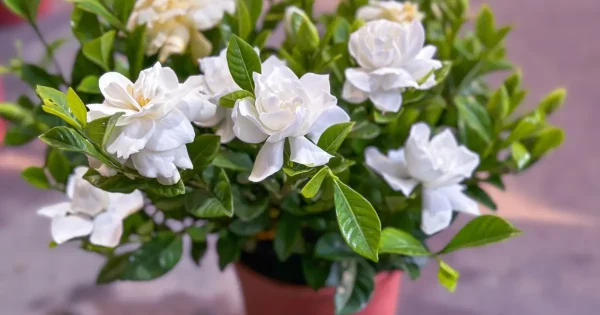
Frostproof Jasmine Care: 7 Tips for Successful Pot Growth
Most gardenias are known for being “divas.” They want perfect humidity, perfect soil, and they [...]
Mar
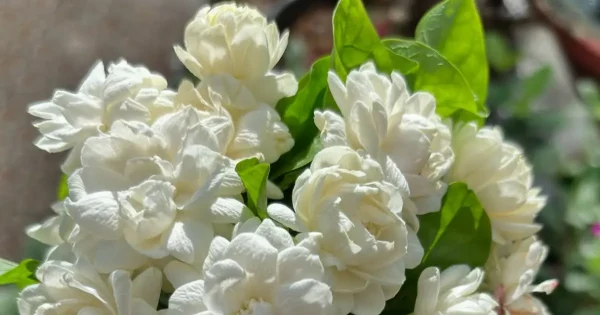
Top 7 Best Smelling Jasmine Varieties for a Heavenly Garden
Have you ever walked past a house and caught a scent so sweet you just [...]
Mar
Master the Heat: 8 Expert Tips for Growing Jalapeños Like a Pro
Are you staring at your garden space, wondering why your pepper plants look more like [...]
Mar
Top 5 Must-Have Hoya Varieties for Beginners
Hoyas are easily one of my top recommendations if you’re hunting for a low-maintenance houseplant [...]
Mar
7 Moringa Plant Care Mistakes to Avoid for Healthy Growth
Have you ever looked at your Moringa tree and wondered why its once vibrant green [...]
Feb
How to Grow Potato Onions From True Seeds: A Step-by-Step Guide
Have you ever wondered how to grow potato onions from true seeds or why some [...]
Feb
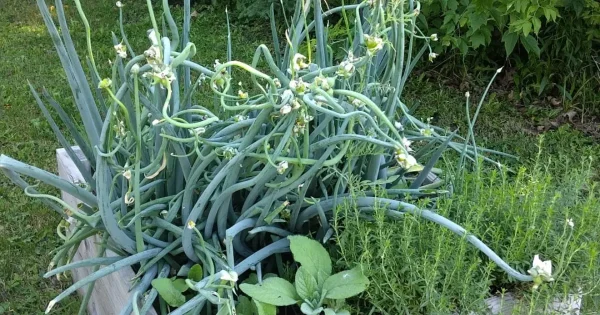
Growing Walking Onions in Containers: The Ultimate Guide
Have you ever looked at your small balcony or cramped patio and wished you could [...]
Feb

9 Best Flower Seeds to Start in February for Early Blooms
If you’re a passionate gardener, you know that itchy feeling in your fingers when February [...]
Jan



Reviews
There are no reviews yet.