
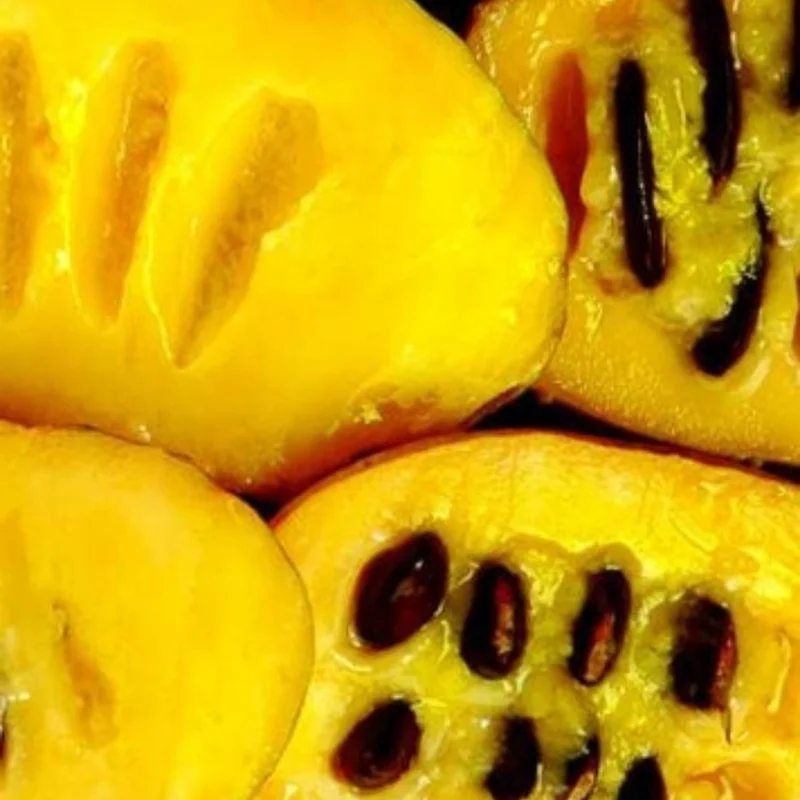
Pawpaw Tree Live Plant – Quart Potted, Outdoors Garden, 6-12 inches tall
Original price was: $53.18.$47.86Current price is: $47.86.
Cultivate your own unique fruit with this pawpaw tree live plant. Shipped in a quart pot, this young tree is ready for your outdoor garden. Enjoy the exotic taste of pawpaw fruit tree right from your backyard, perfect for temperate climates and growing to 15-25 feet tall.
Shipping and Return policies:
We stand behind our plants with our Alive & Thrive Guarantee. If you experience any issues within the first 30 days, please email us, and our team will be happy to help. When needed, we’ll send you a one-time replacement free of charge to make sure your garden keeps growing strong.

Reasonable Price
We offer reasonable price

Support 24/7
Contact us 24 hrs a day
100% Money Back
You’ve 30 days to Return
Payment Secure
100% secure payment
Overview
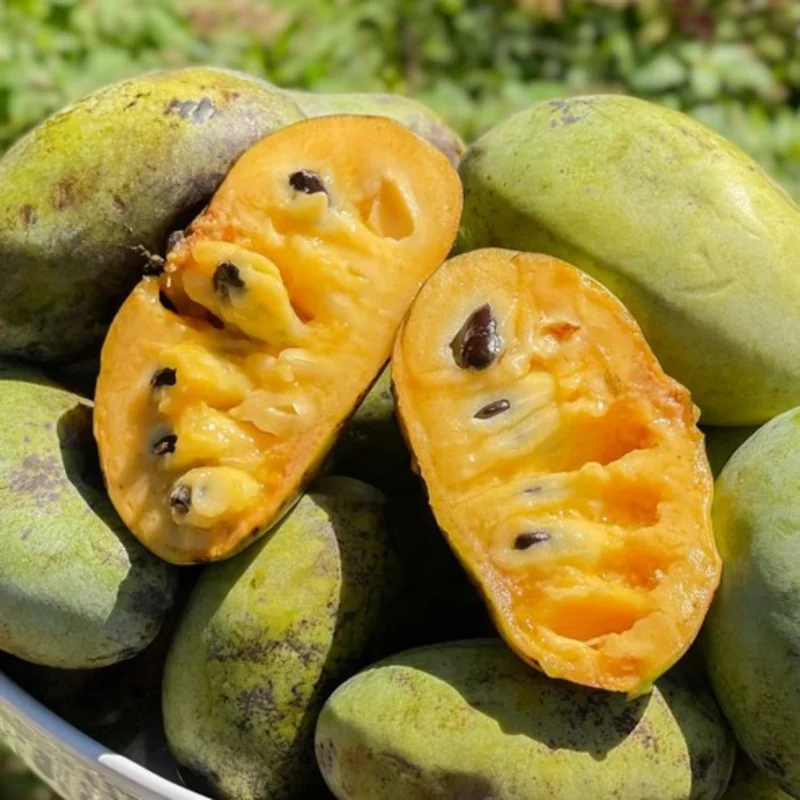
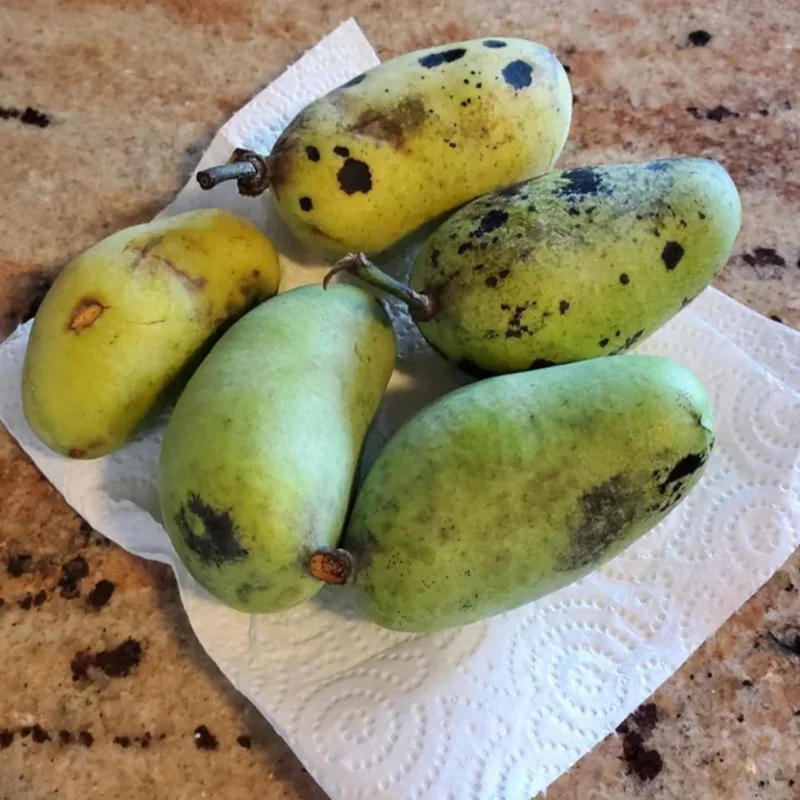
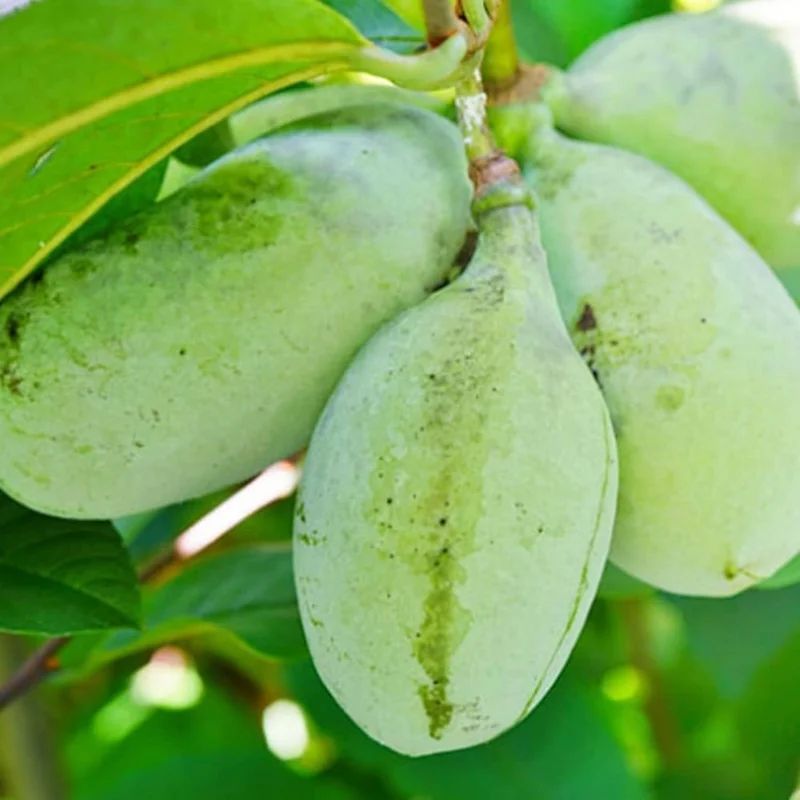
Bring the taste of native American tropics to your backyard with the pawpaw tree live plant. This unique and fascinating tree (Asimina triloba) is known for its delicious, creamy, custard-like fruit, often described as a blend of mango, banana, and pineapple. Unlike many exotic fruits, the pawpaw fruit tree is remarkably hardy and well-suited for temperate climates, making it an excellent choice for gardeners in USDA Zones 5-9. Our quart-potted plant arrives ready for transplanting into your garden, offering you the opportunity to grow this distinctive native fruit. The Asimina triloba plant is not only a source of delectable fruit but also an attractive addition to any landscape, providing lush green foliage and a unique growth habit.
The pawpaw is North America’s largest native fruit, a true hidden gem that is gaining popularity among home gardeners and food enthusiasts. Growing your own pawpaw tree live plant allows you to experience the freshest, most flavorful fruit, which is rarely found in grocery stores due to its short shelf life. This tropical plant, despite its appearance, is perfectly adapted to cold winters and warm summers, thriving where many other fruit trees might struggle. Invest in a pawpaw tree live plant today and embark on a rewarding journey of cultivating this incredible native fruit.
Key Benefits
Cultivating a pawpaw tree live plant offers a multitude of benefits, from its unique fruit to its ecological contributions. This remarkable tree is a fantastic addition to any garden or orchard.
- Delicious, Unique Fruit: Enjoy the rich, tropical flavor of pawpaw fruit, a creamy, sweet delicacy that tastes like a blend of banana, mango, and pineapple. Fresh pawpaws are a rare treat that you can grow yourself.
- Hardy & Adaptable: The Asimina triloba plant is incredibly resilient, thriving in a wide range of temperate climates (USDA Zones 5-9). It tolerates both cold winters and warm summers, making it suitable for many regions.
- Native American Fruit: Support local ecosystems by planting a native species. Pawpaws are North America’s largest native fruit, providing food for wildlife and adding biodiversity to your landscape.
- Low Maintenance: Once established, the pawpaw tree live plant requires relatively little care compared to many other fruit trees. It’s naturally resistant to many pests and diseases.
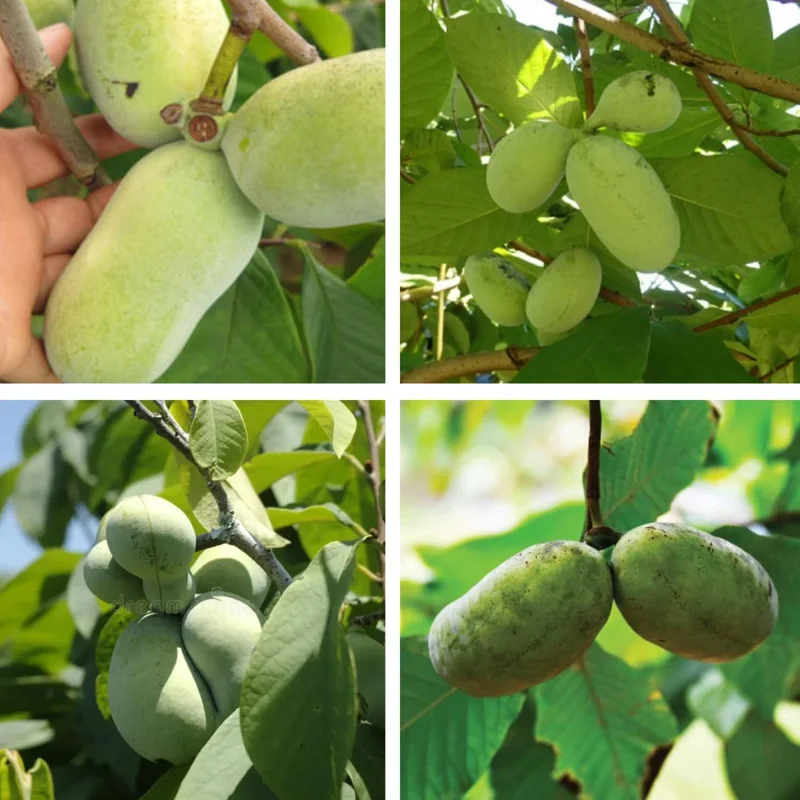
- Attractive Landscape Addition: With its large, lush green leaves and pyramidal shape, the pawpaw tree provides excellent shade and ornamental value in your garden, even before it starts producing fruit.
- Ecological Value: Pawpaw trees serve as a host plant for the beautiful zebra swallowtail butterfly, contributing to local pollinator populations and adding dynamic life to your garden.
- Sustainable Choice: Growing outdoor fruit trees like the pawpaw reduces your carbon footprint and provides a sustainable source of healthy, organic fruit.
Plant Care & Growing Tips
Caring for your pawpaw tree live plant is relatively straightforward, especially once it’s established. Pawpaws prefer full sun exposure for optimal fruit production, though young trees (especially those under 2-3 years old) benefit from some partial shade to protect their tender leaves from scorching. Choose a location that receives at least 6-8 hours of direct sunlight daily for mature trees. When planting, ensure the soil is well-draining, moist, and slightly acidic (pH 5.5-7.0). While adaptable, pawpaws thrive in rich, loamy soil. Dig a hole twice as wide as the root ball and just as deep, gently spreading the roots before backfilling with soil amended with compost.
Watering is crucial, especially during the first few years after planting. Keep the soil consistently moist but not waterlogged. Deep watering once or twice a week during dry periods is better than frequent shallow watering. Once established, the pawpaw fruit tree is quite drought-tolerant. Fertilize in early spring with a balanced, slow-release fertilizer, or use organic options like compost. Avoid high-nitrogen fertilizers, which can promote leafy growth at the expense of fruit production. Pruning is generally minimal, focusing on removing dead, damaged, or crossing branches to maintain good air circulation and shape. The temperate fruit trees are generally pest and disease resistant, making them a relatively low-fuss addition to your garden.
Pawpaws are ideal for outdoor fruit trees in USDA Zones 5-9. They are deciduous, meaning they will lose their leaves in the fall and enter dormancy during winter. This natural cycle is essential for their health and fruit production. Protect young trees from deer browsing if necessary. While pawpaws are self-incompatible (meaning they need cross-pollination from a different pawpaw cultivar to produce fruit), sometimes growing two or more plants from seed (which ours are) will provide enough genetic diversity for pollination. If you wish to ensure fruit, planting at least two genetically different pawpaw trees within 20-30 feet of each other is recommended to facilitate cross-pollination by flies and beetles, their primary pollinators. Understanding these basic care principles will help your Asimina triloba plant flourish and produce abundant, delicious fruit.
Size & Details
This pawpaw tree live plant is shipped in a quart-sized pot, providing a healthy start for your garden. The young plant will typically measure between 6 to 12 inches in height upon arrival, ready for transplanting into its permanent outdoor location. Pawpaw trees are known for their moderate growth rate, eventually reaching a mature height of 15 to 25 feet with a spread of 15 to 20 feet, forming a lovely pyramidal to rounded canopy. These temperate fruit trees are long-lived and will provide many years of enjoyment and fruit production once established. They begin producing fruit typically within 3-5 years after planting, with yields increasing as the tree matures. The tree’s size makes it suitable for various garden settings, from suburban backyards to larger orchards, making it a versatile choice among outdoor fruit trees.
Frequently Asked Questions
- Q: How big does this plant get? A: This pawpaw tree live plant arrives 6 to 12 inches tall in a quart pot. Mature pawpaw trees can reach a height of 15 to 25 feet and a spread of 15 to 20 feet, providing both fruit and shade.
- Q: Is this an indoor or outdoor plant? A: The pawpaw tree live plant is an outdoor tree, ideal for gardens and landscapes. It thrives in temperate climates and requires a dormant period in winter.
- Q: How much sunlight does it need? A: For best fruit production, mature pawpaw trees require full sun exposure (at least 6-8 hours of direct sunlight daily). Young plants may benefit from partial shade during their first year or two.
- Q: Is this plant easy to care for? A: Yes, once established, the pawpaw fruit tree is relatively low-maintenance. It’s hardy and generally resistant to many common pests and diseases, making it a good choice for various gardening skill levels.
- Q: What condition will it arrive in? A: Your pawpaw tree live plant will arrive as a healthy, actively growing young tree, carefully packaged in its quart pot to ensure safe transit and readiness for planting.
- Q: When is the best time to plant? A: The best time to plant your Asimina triloba plant is in the spring after the last frost, or in early fall before the ground freezes, allowing it to establish its root system.
- Q: Will it survive winter in my zone? A: Yes, the pawpaw tree is very cold-hardy and thrives in USDA Zones 5-9, tolerating cold winters and hot summers. It is one of the most reliable temperate fruit trees for these regions.
- Q: Does it need another pawpaw tree to produce fruit? A: While some varieties are self-fertile, most pawpaws benefit greatly from cross-pollination with a genetically different pawpaw tree to ensure good fruit set. Planting two or more is recommended for consistent yields.
- Q: What does pawpaw fruit taste like? A: The fruit of the pawpaw tree live plant has a unique, creamy, custard-like texture and a flavor often described as a blend of banana, mango, and pineapple, with a hint of vanilla.
- Q: Is this plant suitable for beginners? A: Yes, because of its hardiness and relatively low maintenance requirements, the pawpaw tree live plant is a great choice for beginner gardeners looking to grow unique outdoor fruit trees.
Be the first to review “Pawpaw Tree Live Plant – Quart Potted, Outdoors Garden, 6-12 inches tall”
You must be logged in to post a review.
People also Viewed
Sold 50 products
Original price was: $17.58.$11.86Current price is: $11.86.
Sold 50 products
Price range: $32.99 through $35.99
Sold 50 products
$69.99
Sold 50 products
$18.99
Sold 50 products
Price range: $14.98 through $23.89
Sold 50 products
$32.99
Sold 50 products
$24.99
Sold 50 products
Price range: $43.99 through $44.99RELATED posts
Top 7 Best Smelling Jasmine Varieties for a Heavenly Garden
Have you ever walked past a house and caught a scent so sweet you just [...]
Mar
Master the Heat: 8 Expert Tips for Growing Jalapeños Like a Pro
Are you staring at your garden space, wondering why your pepper plants look more like [...]
Mar
Top 5 Must-Have Hoya Varieties for Beginners
Hoyas are easily one of my top recommendations if you’re hunting for a low-maintenance houseplant [...]
Mar
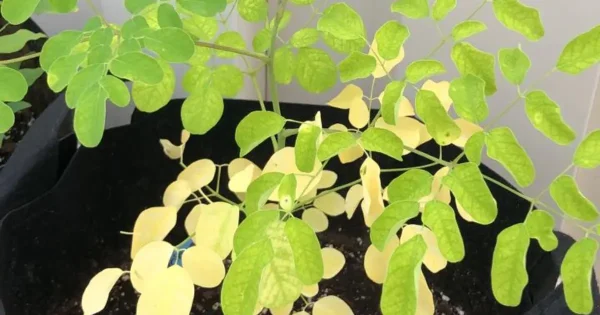
7 Moringa Plant Care Mistakes to Avoid for Healthy Growth
Have you ever looked at your Moringa tree and wondered why its once vibrant green [...]
Feb
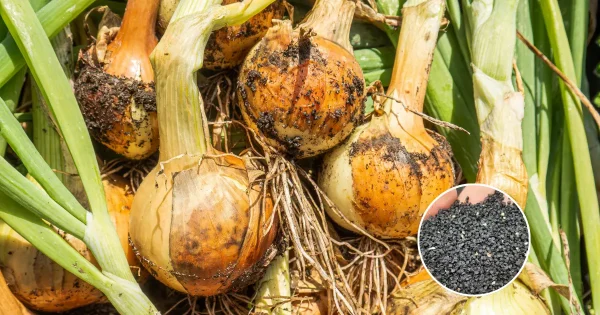
How to Grow Potato Onions From True Seeds: A Step-by-Step Guide
Have you ever wondered how to grow potato onions from true seeds or why some [...]
Feb
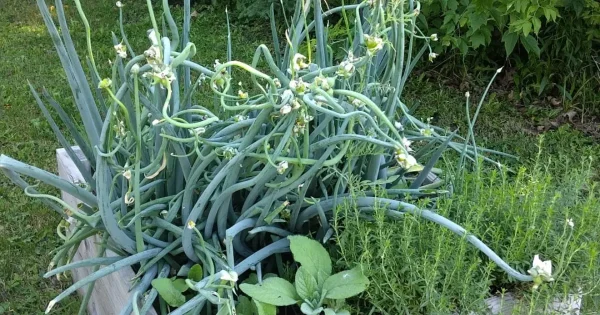
Growing Walking Onions in Containers: The Ultimate Guide
Have you ever looked at your small balcony or cramped patio and wished you could [...]
Feb

9 Best Flower Seeds to Start in February for Early Blooms
If you’re a passionate gardener, you know that itchy feeling in your fingers when February [...]
Jan
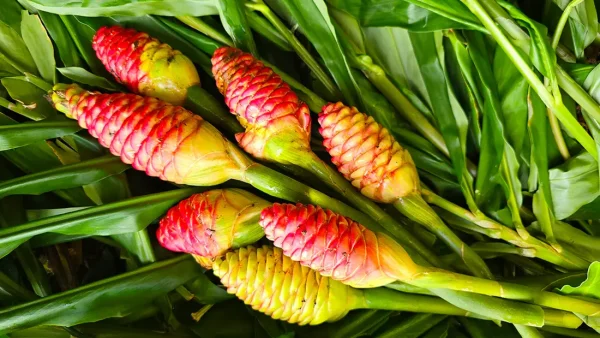
Growing Shampoo Ginger in Pots: Easy Guide to Potting Ginger Lilies
Are you looking to add a touch of exotic beauty to your home while growing [...]
Jan



Reviews
There are no reviews yet.