
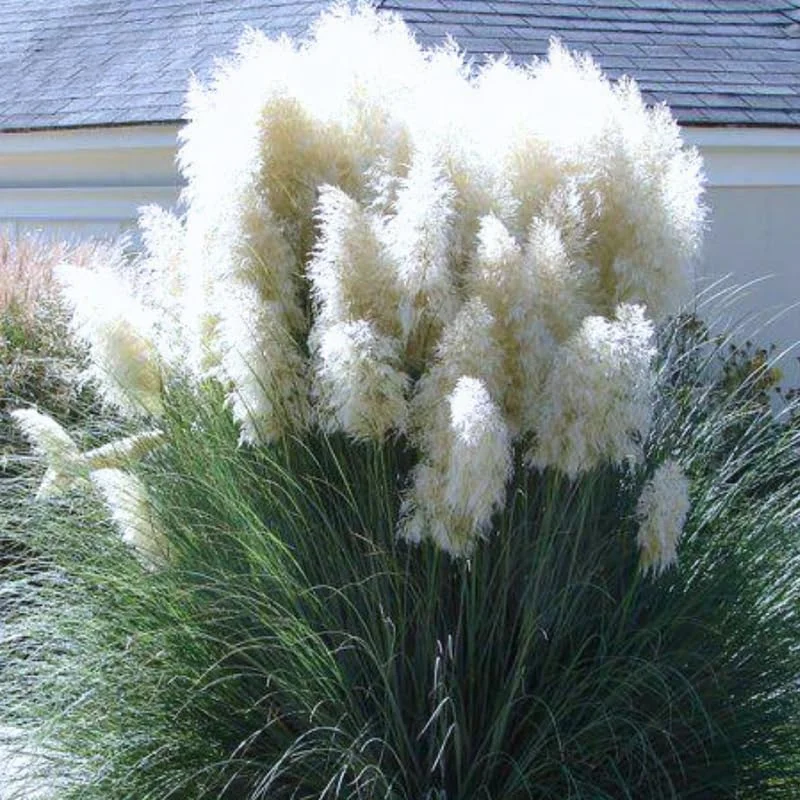
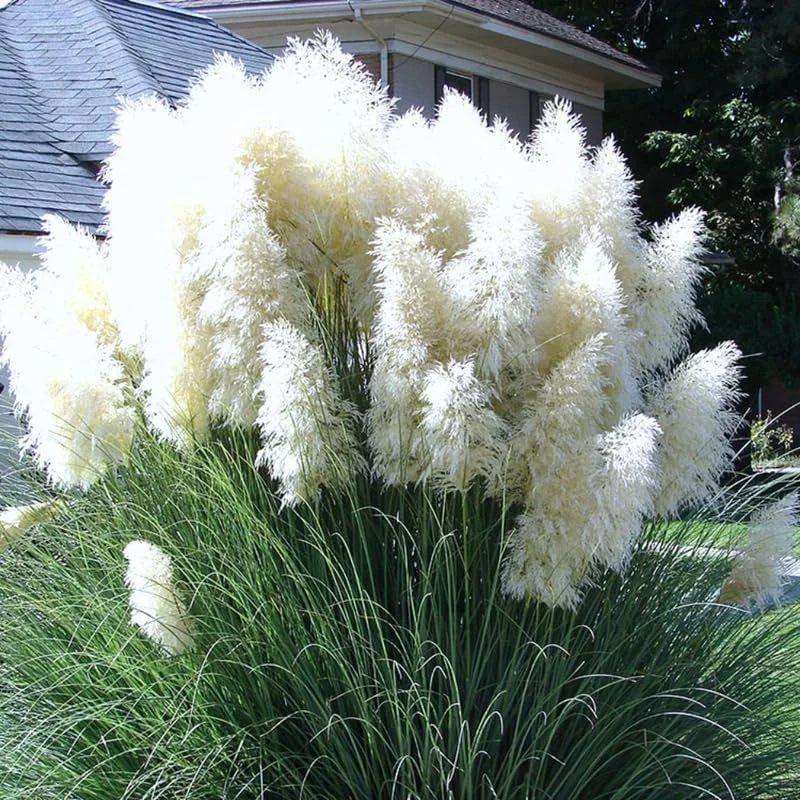
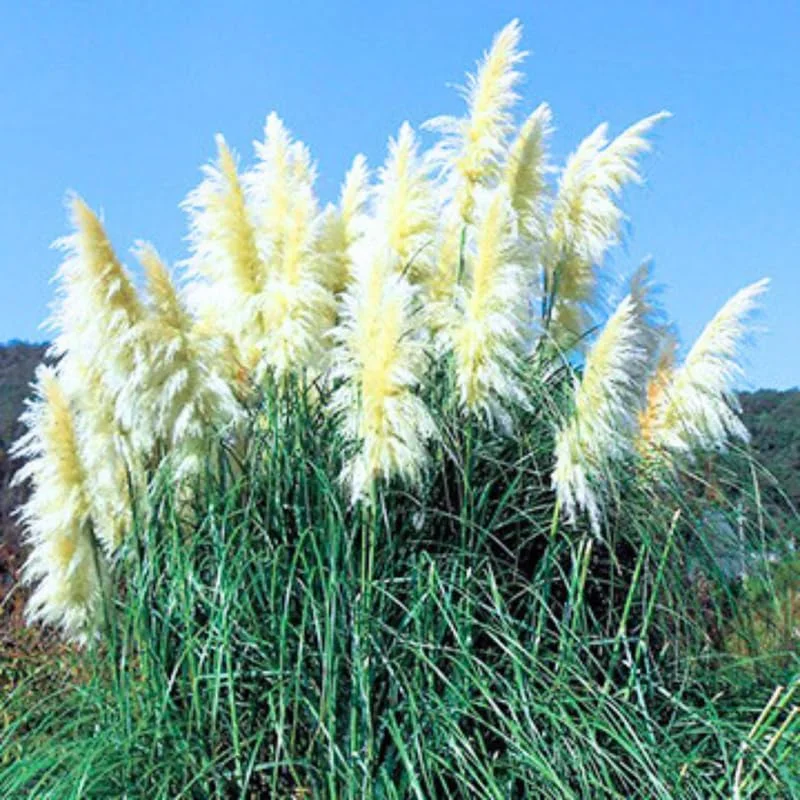
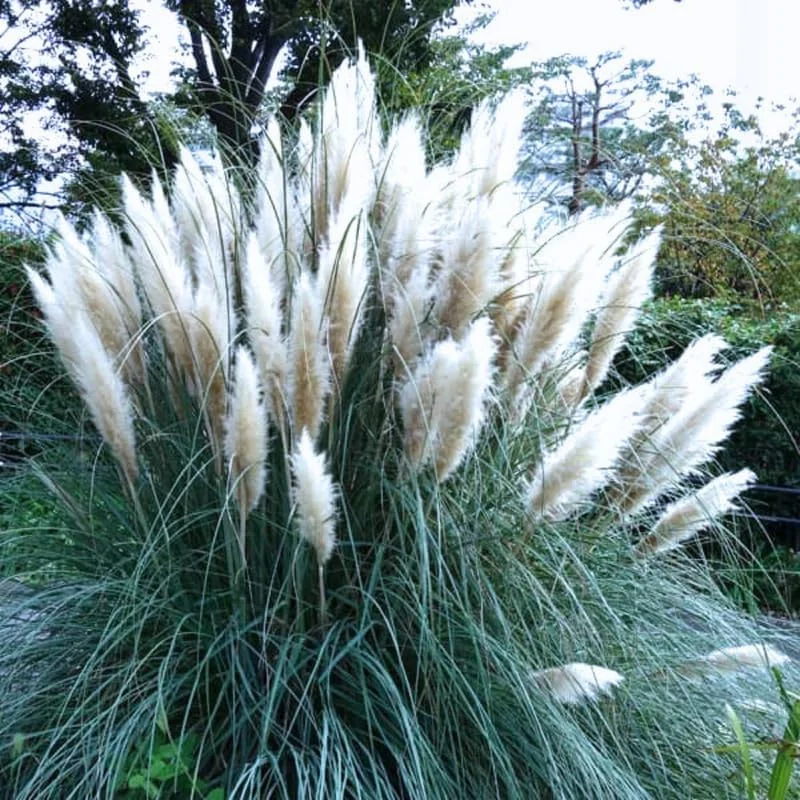
Pampas Grass Live Plants, 2-Pack, 4-8 Inches, White Ornamental Grass
$32.39
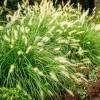
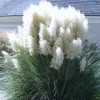
Transform your garden with a pampas grass live plant 2-pack. These 4-8 inch tall, white pampas grass are ideal for creating stunning ornamental displays or privacy screens. Enjoy drought tolerant grass that is easy to maintain and perfect for various outdoor landscapes.
Shipping and Return policies:
We stand behind our plants with our Alive & Thrive Guarantee. If you experience any issues within the first 30 days, please email us, and our team will be happy to help. When needed, we’ll send you a one-time replacement free of charge to make sure your garden keeps growing strong.

Reasonable Price
We offer reasonable price

Support 24/7
Contact us 24 hrs a day
100% Money Back
You’ve 30 days to Return
Payment Secure
100% secure payment
Overview
Introduce a touch of elegance and natural beauty to your outdoor space with this 2-pack of pampas grass live plant. Known for its striking plumes and architectural form, Pampas Grass (Cortaderia selloana) is a popular choice for gardeners seeking a dramatic yet low-maintenance landscaping solution. These live perennial grasses arrive at a healthy 4-8 inches, ready to establish themselves and grow into magnificent specimens. The beautiful white pampas grass plumes will add texture and movement to your garden, creating an impressive focal point or a soft, natural screen. Perfect for accentuating garden beds, borders, or large containers, this ornamental grass offers year-round visual interest and is incredibly resilient.
Pampas grass live plant varieties are cherished for their rapid growth and ability to thrive in various conditions, making them an excellent investment for both novice and experienced gardeners. Its graceful, arching foliage and feathery plumes provide a sophisticated aesthetic that complements a wide range of garden styles, from modern minimalist to rustic cottage. This particular offering provides two robust plants, ensuring you can create a balanced and impactful display right from the start. Prepare to enjoy the dynamic beauty and effortless charm these grasses bring to your outdoor living areas.
Key Benefits
Choosing a pampas grass live plant for your garden brings a multitude of advantages, enhancing both the aesthetic and ecological value of your outdoor space. These ornamental grasses are celebrated for their hardiness and visual appeal.
- Stunning Ornamental Appeal: The large, feathery white plumes of this white pampas grass create a dramatic visual impact, adding texture, height, and movement to any landscape design. They are particularly striking when backlit by the sun.
- Low Maintenance & Drought Tolerant: Once established, these grasses require minimal care. They are notably drought tolerant grass, making them an excellent choice for xeriscaping or areas with water restrictions.
- Effective Privacy Screens & Hedges: With a mature height of 6-10 feet, pampas grass can quickly form dense, natural privacy screens or windbreaks, offering seclusion and protection.
- Adaptable to Various Soil Conditions: While preferring well-draining soil, pampas grass is quite tolerant of different soil types, including sandy or clay soils, as long as drainage is adequate.
- Tough and Hardy Perennial: This perennial grass is known for its resilience, thriving in USDA zones 7-11 and enduring various environmental challenges, ensuring long-term beauty in your garden.
- Erosion Control: Its extensive root system helps stabilize soil, making it useful for preventing erosion on slopes or in areas prone to runoff.
- Wildlife Habitat: The dense foliage provides shelter for small birds and other wildlife, contributing to local biodiversity.
Plant Care & Growing Tips
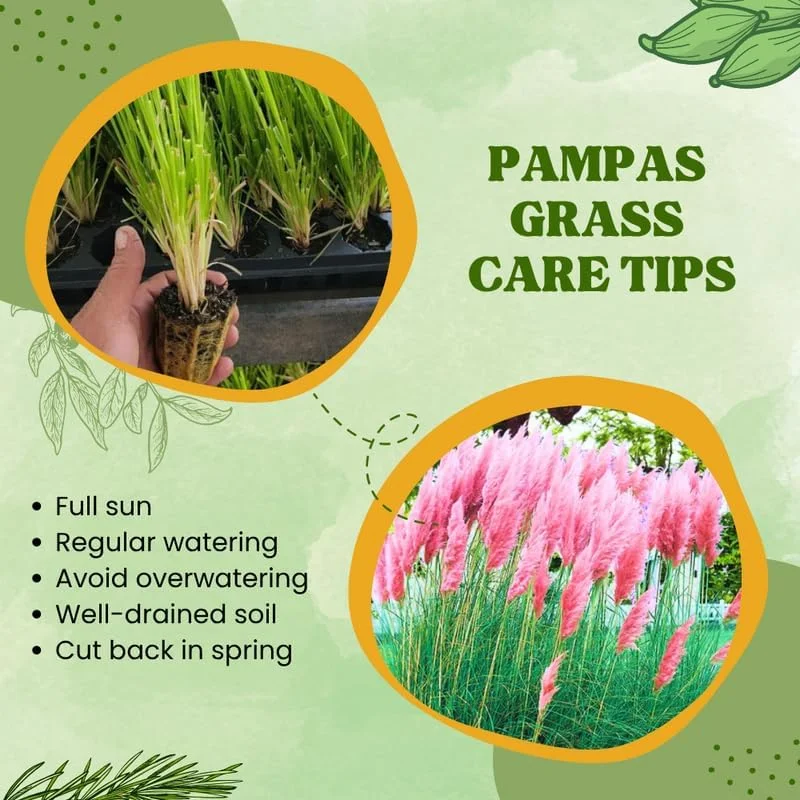
Caring for your pampas grass live plant is relatively straightforward, thanks to its robust and adaptable nature. To ensure optimal growth and the most impressive plumes, follow these guidelines. Pampas grass thrives in full sun, meaning it needs at least 6-8 hours of direct sunlight per day. Choose a location in your garden that receives abundant light throughout the day. While it is a drought tolerant grass once established, consistent moisture is beneficial during its initial growth phase. Water regularly after planting to help the root system develop. Once mature, it can tolerate dry periods, but occasional deep watering during extended droughts will keep it looking its best.
Well-draining soil is crucial for pampas grass. It can adapt to various soil types, including sandy or clay, but soggy conditions can lead to root rot. If you have heavy clay soil, consider amending it with organic matter like compost or sand to improve drainage. Fertilization is generally not necessary for established plants, but a balanced slow-release fertilizer in early spring can promote vigorous growth, especially in poor soils. These plants are hardy in USDA zones 7-11, tolerating a range of temperatures. In colder zones, some protection or pruning might be needed. Pruning is best done in late winter or early spring before new growth begins. Cut back the old foliage to about 12-18 inches from the ground. Use strong shears or even a power saw for larger clumps, and wear thick gloves to protect against the sharp leaf edges.
Be mindful that while beautiful, pampas grass can self-seed and become invasive in some regions. Check with your local agricultural extension office if you have concerns about its spread in your area. Regular maintenance and proper placement will ensure your ornamental grass remains a cherished feature of your landscape without becoming a problem. Enjoy the stately presence of your pampas grass live plant for many years to come.
Size & Details
This offering includes two healthy pampas grass live plant specimens, each measuring approximately 4-8 inches in height upon arrival. These young plants are carefully packaged to ensure they reach you in excellent condition, ready for immediate planting in your garden. With proper care, these ornamental grasses will quickly establish themselves and exhibit a robust growth rate. Expect these plants to reach their mature height of 6-10 feet within a few growing seasons, forming a substantial and impressive clump of foliage and plumes. The spread of a mature pampas grass can also be considerable, often reaching 3-6 feet wide, so plan your planting location accordingly to allow for adequate space.
The plants are shipped as live specimens, typically in small nursery pots or bare-root, protected to minimize stress during transit. They are perennial grasses, meaning they will return year after year, providing enduring beauty. The distinctive white pampas grass plumes usually emerge in late summer to fall and persist through winter, offering seasonal interest even when other plants have faded. This ensures your garden has a focal point during the colder months. This landscaping grass is an investment in long-term garden appeal.
Frequently Asked Questions
- Q: How big does this pampas grass live plant get? A: This pampas grass typically grows to a mature height of 6-10 feet tall with a spread of 3-6 feet. The plants you receive will be 4-8 inches, allowing you to watch them grow and develop into their full majestic size.
- Q: Is this an indoor or outdoor plant? A: Pampas grass is primarily an outdoor plant, best suited for garden landscaping. It requires full sun exposure and ample space to reach its full potential. It is not recommended for indoor cultivation.
- Q: How much sunlight does it need? A: For optimal growth and the best plume production, pampas grass requires full sun, meaning at least 6-8 hours of direct sunlight per day. Planting in a sunny location is key to a thriving ornamental grass.
- Q: Is this drought tolerant grass easy to care for? A: Yes, pampas grass is known for being low-maintenance and quite easy to care for, especially once established. It is very tolerant of dry conditions and requires minimal watering.
- Q: What condition will the plants arrive in? A: Your plants will arrive as healthy, live specimens, typically 4-8 inches tall, carefully packaged to ensure they are protected during shipping and ready for planting.
- Q: When is the best time to plant pampas grass? A: The best time to plant pampas grass is in the spring or early fall, allowing the roots to establish before extreme summer heat or winter cold. This helps the plant get a strong start.
- Q: Will it survive winter in my zone? A: This pampas grass is suitable for USDA hardiness zones 7-11. In these zones, it is a hardy perennial that will survive winter and regrow each year. In colder zones, it may require winter protection or be grown as an annual.
- Q: Can I use pampas grass for privacy? A: Absolutely! Due to its rapid growth and dense foliage, pampas grass is an excellent choice for creating natural privacy screens, hedges, or windbreaks in your garden.
- Q: What type of soil does landscaping grass prefer? A: Pampas grass prefers well-draining soil but is adaptable to various soil types, including sandy or clay, as long as there is good drainage. Avoid overly wet or waterlogged conditions.
- Q: How often should I fertilize my pampas grass? A: Established pampas grass generally does not require much fertilization. If desired, a light application of a balanced, slow-release fertilizer in early spring can encourage vigorous growth.
| Color | White Pampas |
|---|
Be the first to review “Pampas Grass Live Plants, 2-Pack, 4-8 Inches, White Ornamental Grass”
You must be logged in to post a review.
People also Viewed
Sold 50 products
Original price was: $28.58.$19.99Current price is: $19.99.
Sold 50 products
$32.39
Sold 50 products
$21.59
Sold 50 products
$35.99
Sold 50 products
Price range: $23.15 through $25.19
Sold 50 products
$38.39
Sold 50 products
Price range: $28.79 through $35.99
Sold 50 products
$26.39RELATED posts
Frostproof Jasmine Care: 7 Tips for Successful Pot Growth
Most gardenias are known for being “divas.” They want perfect humidity, perfect soil, and they [...]
Mar
Top 7 Best Smelling Jasmine Varieties for a Heavenly Garden
Have you ever walked past a house and caught a scent so sweet you just [...]
Mar
Master the Heat: 8 Expert Tips for Growing Jalapeños Like a Pro
Are you staring at your garden space, wondering why your pepper plants look more like [...]
Mar
Top 5 Must-Have Hoya Varieties for Beginners
Hoyas are easily one of my top recommendations if you’re hunting for a low-maintenance houseplant [...]
Mar
7 Moringa Plant Care Mistakes to Avoid for Healthy Growth
Have you ever looked at your Moringa tree and wondered why its once vibrant green [...]
Feb
How to Grow Potato Onions From True Seeds: A Step-by-Step Guide
Have you ever wondered how to grow potato onions from true seeds or why some [...]
Feb
Growing Walking Onions in Containers: The Ultimate Guide
Have you ever looked at your small balcony or cramped patio and wished you could [...]
Feb

9 Best Flower Seeds to Start in February for Early Blooms
If you’re a passionate gardener, you know that itchy feeling in your fingers when February [...]
Jan
Reviews
There are no reviews yet.