

Organic Green Stem Malabar Spinach Seeds – Edible, Ornamental Vine
Price range: $5.50 through $27.50
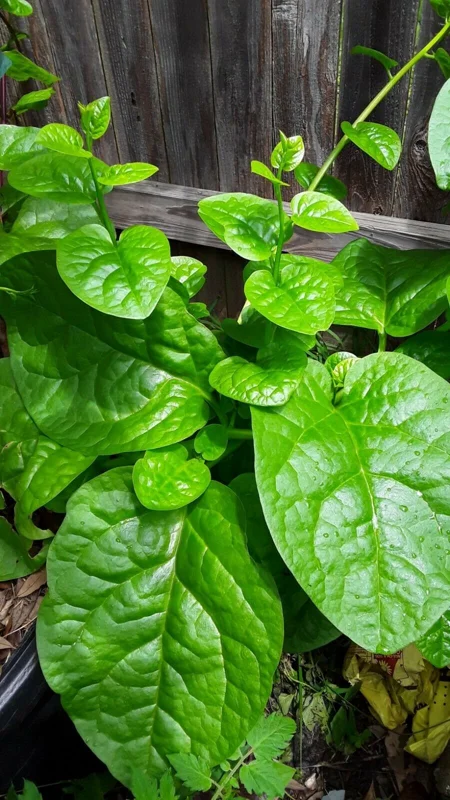
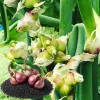
Cultivate your own vibrant organic malabar spinach with these premium seeds. This heat-loving, green-stemmed vine produces glossy, nutrient-rich leaves perfect for culinary uses and adds an ornamental touch to any garden or edible landscape. Ideal for stir-fries, hotpots, and container gardening.
Shipping and Return policies:
We stand behind our plants with our Alive & Thrive Guarantee. If you experience any issues within the first 30 days, please email us, and our team will be happy to help. When needed, we’ll send you a one-time replacement free of charge to make sure your garden keeps growing strong.

Reasonable Price
We offer reasonable price

Support 24/7
Contact us 24 hrs a day
100% Money Back
You’ve 30 days to Return
Payment Secure
100% secure payment
Overview
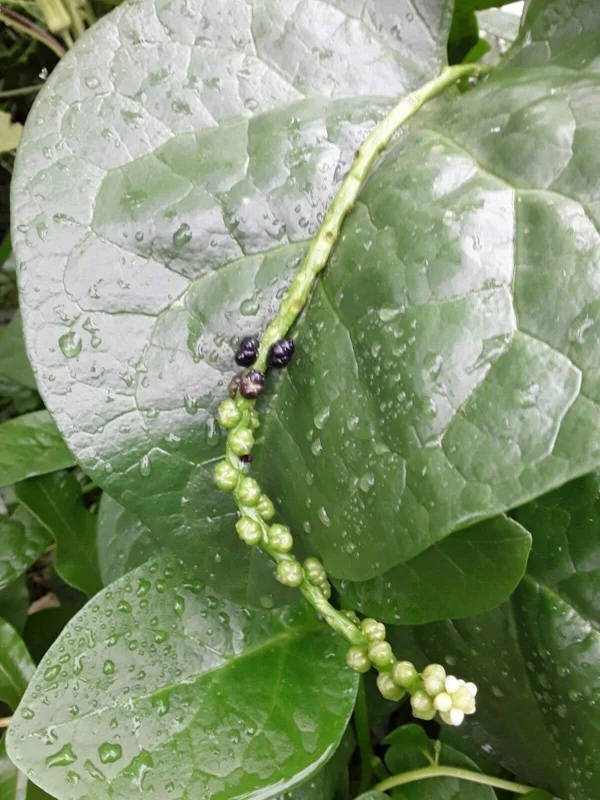
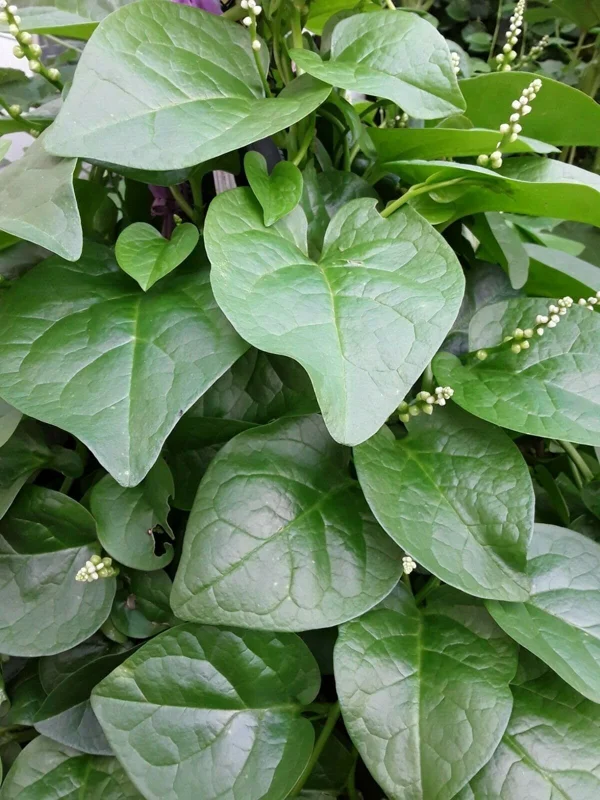
Discover the joy of growing your own malabar spinach seeds, a unique and versatile vining vegetable that thrives in warm climates. Known by many names across Asia, including Alugbati, Mong Toi, and Poi Sang, this isn’t true spinach but rather a heat-tolerant, leafy green that offers a similar taste and texture, especially when cooked. Our organic malabar spinach seeds are perfect for gardeners looking for an edible plant that is both nutritious and aesthetically pleasing. The glossy, waxy leaves and vigorous vines make it an excellent addition to an edible landscape, providing a lush green backdrop while producing delicious greens for your kitchen.
Unlike traditional spinach, malabar spinach loves the heat and humidity, making it an ideal choice for summer gardens where other leafy greens might bolt. It’s a stable food in many Southeast Asian countries, prized for its culinary versatility. Whether you’re an experienced gardener or just starting, these seeds offer a rewarding growing experience, culminating in a bountiful harvest of healthy, flavorful leaves.
Key Benefits
Growing malabar spinach seeds provides numerous advantages, from culinary delight to garden aesthetics. This remarkable plant is a powerhouse of nutrition and an excellent choice for sustainable gardening.
- Nutrient-Rich Greens: Enjoy a fresh supply of leaves packed with vitamins A and C, along with good sources of B-6, magnesium, calcium, and iron. Incorporate them into stir-fries, hotpots, or other dishes for a healthy boost.
- Heat & Humidity Tolerant: Thrives in hot, humid conditions where other greens struggle, making it perfect for summer gardens and tropical climates. This resilience makes it a low-stress plant to grow malabar spinach successfully.
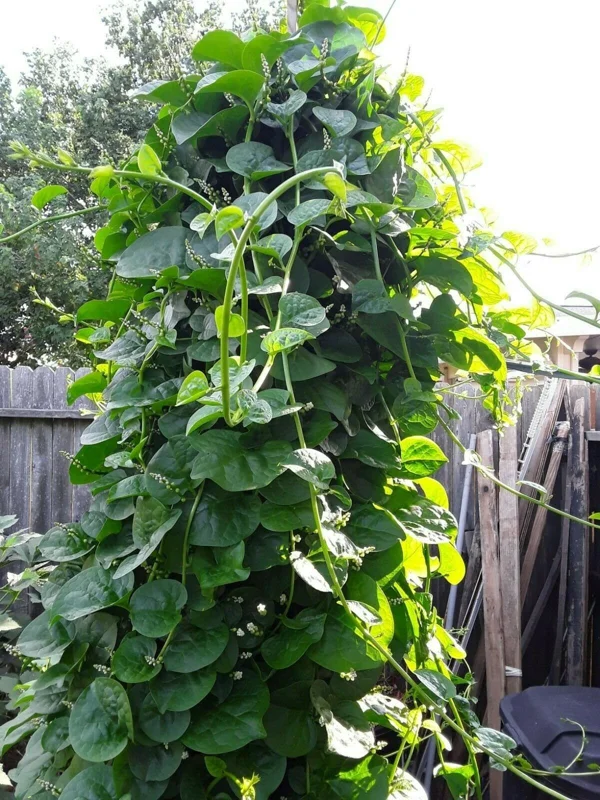
- Ornamental Appeal: The vibrant green, glossy leaves and vining habit make Malabar Spinach an attractive addition to your garden, trellises, or container arrangements, blending beauty with utility. It’s a fantastic choice for edible landscape plants.
- Versatile Culinary Use: The tender leaves and stems are delicious when stir-fried with garlic, added to soups, or used in hotpots. Its mild flavor makes it adaptable to various cuisines.
- Perennial in Warm Zones: In USDA Zones 9 and 10, these vines can survive mild winters, offering a perennial harvest and reducing the need for replanting each year.
- Container Gardening Friendly: Easily grown in large containers (3-gallon or larger), making it suitable for balconies, patios, and rooftop gardens.
- Promotes New Growth: Harvesting leaves and tender stems encourages the plant to produce new shoots, ensuring a continuous supply throughout the growing season.
Plant Care & Growing Tips
To successfully grow malabar spinach from seeds, understanding its specific needs is key. This plant flourishes with proper care, rewarding you with abundant harvests. Start your malabar spinach seeds indoors or in a cold frame/greenhouse about 5 weeks before the last expected frost. Seeds may take 1 to 3 weeks to germinate in ideal temperatures of 65°F-75°F. Once seedlings are at least 2 inches tall or have half a dozen leaves, they are ready for transplanting. Ensure outdoor overnight temperatures are consistently above 40°F before transplanting to prevent stunting growth.
Malabar spinach thrives in full sun and loves heat and humidity. Adequate moisture is crucial for vigorous growth, so ensure consistent watering, especially during dry spells. Well-draining, fertile soil is preferred. Trellis support is highly recommended for maximum aerial coverage and sun exposure, allowing the vines to climb and sprawl. Arbors, chain-link fences, or cattle panels also make suitable supports. Fertilize regularly with a balanced organic fertilizer to promote lush leafy growth. You can harvest leaves as needed or cut off tender stems to encourage new shoots. This also supports the plant’s health and productivity. For those in warmer climates, consider this as a fantastic option for malabar spinach plant care and a resilient addition to your garden.
Size & Details
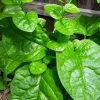
These malabar spinach seeds will grow into vigorous vining plants, typically reaching several feet in length, especially with proper support. The vines are known for their rapid growth, often growing an inch or two per day once established. Each seed packet contains a generous quantity of seeds to ensure a successful crop. While specific mature dimensions depend on growing conditions and support, expect a lush, sprawling plant. The leaves themselves are medium to large, glossy, and dark green. The product ships as a packet of seeds, ready for planting.
With ideal conditions, you can expect to begin harvesting leaves within 60-70 days of planting. For optimal growth, plant individual seedlings about 12 inches apart in well-worked soil. When grown in containers, a 3-gallon size or larger is preferred. For aspiring gardeners interested in edible landscape plants, the ornamental appeal of these vines makes them a dual-purpose choice.
Frequently Asked Questions
- Q: How big does this malabar spinach plant get? A: With proper support like a trellis or arbor, malabar spinach vines can easily reach 6-10 feet or more in length, creating a dense canopy of edible leaves. Its vigorous growth makes it a productive plant for your garden.
- Q: Is this an indoor or outdoor plant? A: While malabar spinach thrives outdoors in warm, sunny, and humid conditions, especially in USDA Zones 9-10, it can also be grown in large containers indoors if provided with ample light and warmth.
- Q: How much sunlight does malabar spinach need? A: This plant prefers full sun, meaning at least 6-8 hours of direct sunlight per day, to produce the most vigorous growth and plentiful leaves. It loves the heat!
- Q: Is this plant easy to care for? A: Yes, malabar spinach is relatively easy to care for, especially in warm climates. Its main requirements are full sun, consistent moisture, and something to climb on. It’s a great choice for gardeners looking to grow malabar spinach without too much fuss.
- Q: What condition will the seeds arrive in? A: Your order will arrive as a packet of fresh, viable malabar spinach seeds, ready for you to plant and cultivate.
- Q: Can I use malabar spinach in cooking? A: Absolutely! The glossy leaves and tender stems are excellent in stir-fries, curries, soups, and hotpots. They have a mild flavor and a slightly mucilaginous texture, similar to okra, when cooked.
- Q: When is the best time to plant malabar spinach seeds? A: The best time to sow malabar spinach seeds is indoors 5-6 weeks before your last frost date, or directly outdoors after all danger of frost has passed and soil temperatures are consistently warm.
- Q: What soil type is best for malabar spinach? A: Malabar spinach prefers well-draining, fertile soil that is rich in organic matter. Amending your soil with compost will help ensure healthy growth.
- Q: Will malabar spinach survive winter in my zone? A: In USDA Zones 9 and 10, malabar spinach can often survive mild winters and grow as a perennial. In colder zones, it is typically grown as an annual.
- Q: Is malabar spinach good for beginners? A: Yes, its robust nature and tolerance for heat make it a forgiving and rewarding plant for beginner gardeners, especially those looking for productive edible landscape plants.
| Count | 100+, 20+, 50+, 500+ |
|---|
Be the first to review “Organic Green Stem Malabar Spinach Seeds – Edible, Ornamental Vine”
You must be logged in to post a review.
People also Viewed
Sold 50 products
Original price was: $28.58.$19.99Current price is: $19.99.
Sold 50 products
$32.39
Sold 50 products
$21.59
Sold 50 products
$35.99
Sold 50 products
Price range: $23.15 through $25.19

Sold 50 products
$38.39

Sold 50 products
Price range: $28.79 through $35.99
Sold 50 products
$26.39RELATED posts
How to Grow Jalapeño Peppers From Seeds: A Step-by-Step Guide
Ready to spice things up in your garden? Jalapeños are the true life of the [...]
Apr
Top 12 Best Types of Peppers to Grow in Your Garden: Easy and High Yield
Growing peppers is, quite honestly, one of the biggest “wins” you can have in a [...]
Apr
Frostproof Jasmine Care: 7 Tips for Successful Pot Growth
Most gardenias are known for being “divas.” They want perfect humidity, perfect soil, and they [...]
Mar

Top 7 Best Smelling Jasmine Varieties for a Heavenly Garden
Have you ever walked past a house and caught a scent so sweet you just [...]
Mar
Master the Heat: 8 Expert Tips for Growing Jalapeños Like a Pro
Are you staring at your garden space, wondering why your pepper plants look more like [...]
Mar
Top 5 Must-Have Hoya Varieties for Beginners
Hoyas are easily one of my top recommendations if you’re hunting for a low-maintenance houseplant [...]
Mar
7 Moringa Plant Care Mistakes to Avoid for Healthy Growth
Have you ever looked at your Moringa tree and wondered why its once vibrant green [...]
Feb
How to Grow Potato Onions From True Seeds: A Step-by-Step Guide
Have you ever wondered how to grow potato onions from true seeds or why some [...]
Feb

Reviews
There are no reviews yet.