
Organic Catnip Seeds – Nepeta cataria – 300 Seeds – Fragrant Herb
Original price was: $31.99.$11.99Current price is: $11.99.
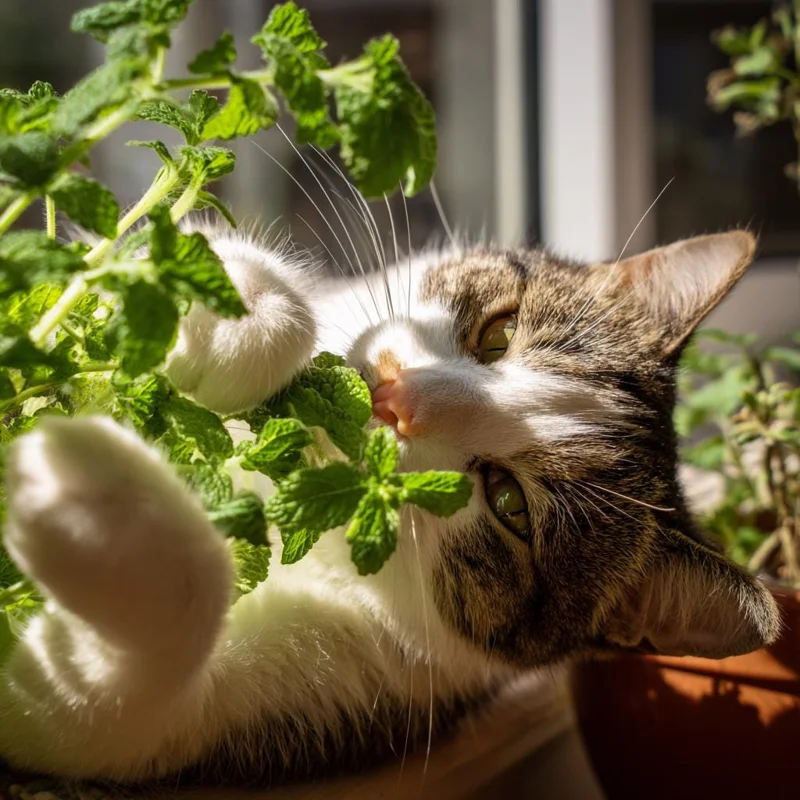
Cultivate your own aromatic herb garden with these organic catnip seeds (Nepeta cataria). Each packet contains approximately 300 seeds, perfect for attracting feline friends and beneficial pollinators. Easy to grow indoors or out, this fragrant perennial is a must-have for any herb enthusiast.
Shipping and Return policies:
We stand behind our plants with our Alive & Thrive Guarantee. If you experience any issues within the first 30 days, please email us, and our team will be happy to help. When needed, we’ll send you a one-time replacement free of charge to make sure your garden keeps growing strong.

Reasonable Price
We offer reasonable price

Support 24/7
Contact us 24 hrs a day
100% Money Back
You’ve 30 days to Return
Payment Secure
100% secure payment
Overview
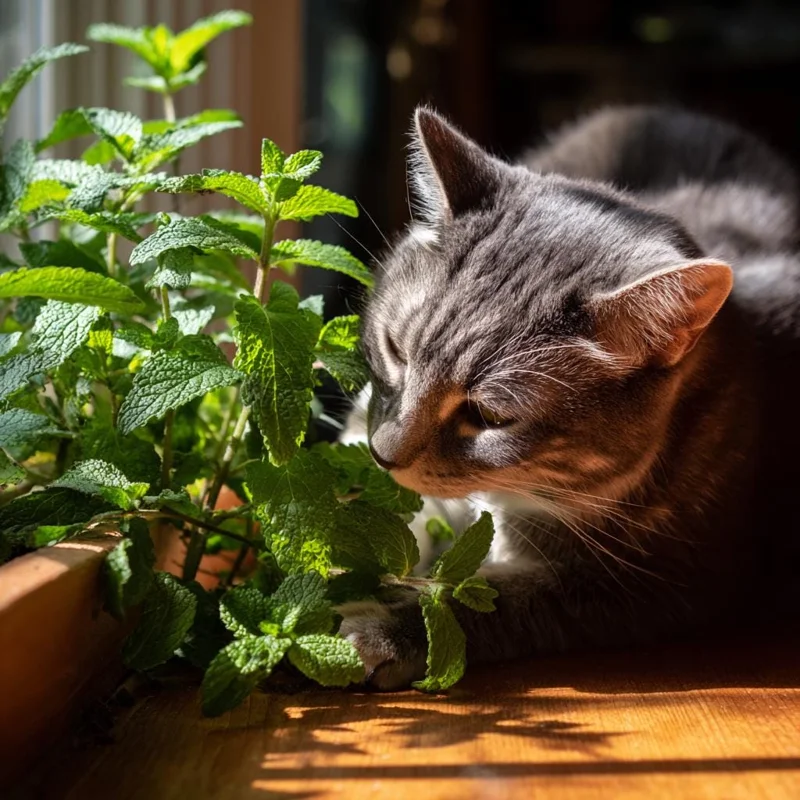
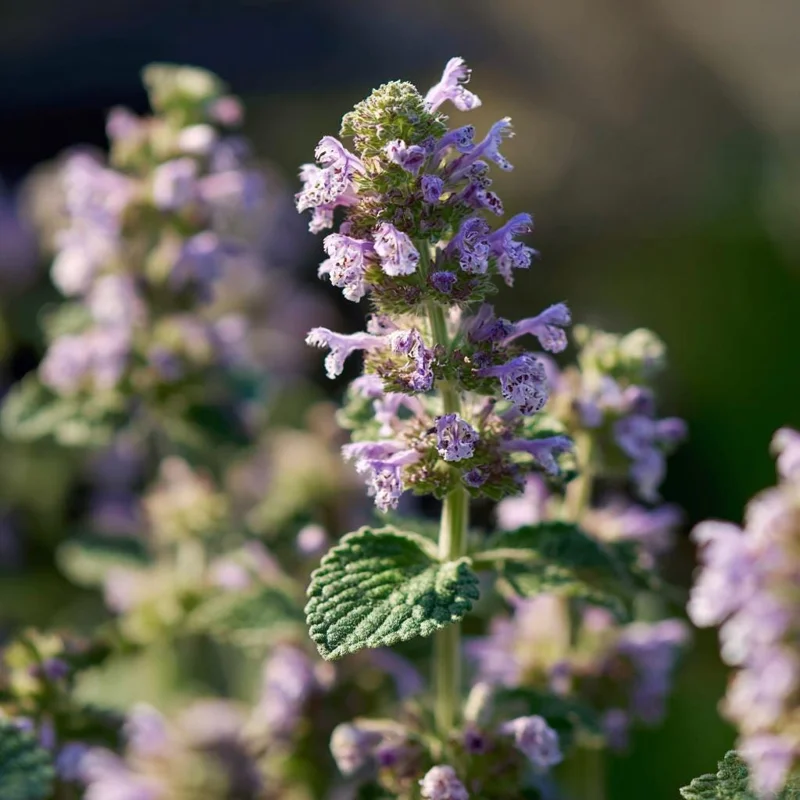
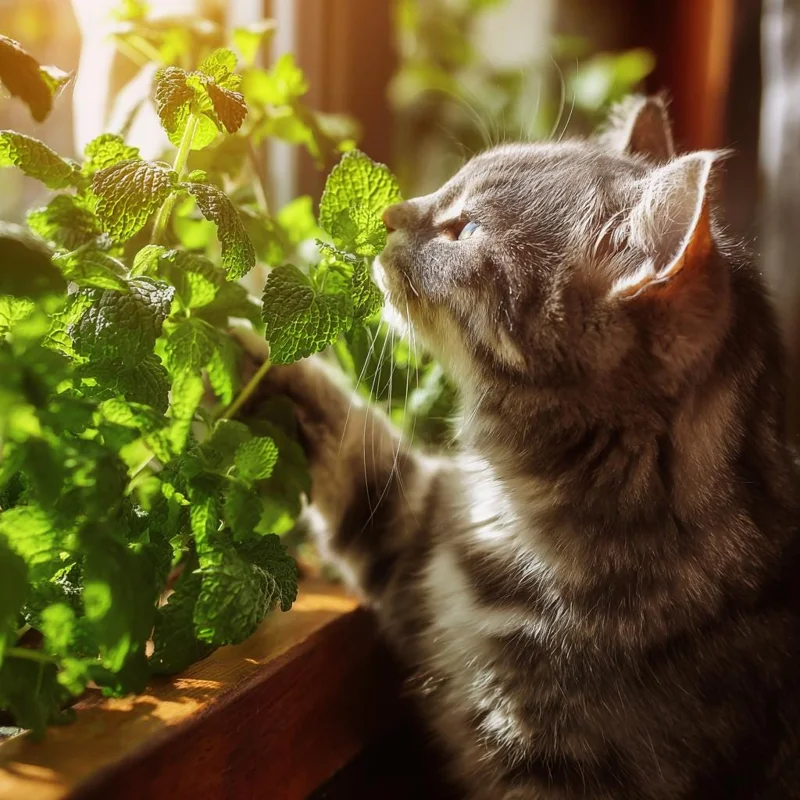
Discover the joy of growing your own organic catnip seeds, a delightful perennial herb known scientifically as Nepeta cataria. This high-quality seed packet provides approximately 300 seeds, offering an abundant supply for establishing a thriving catnip patch. Celebrated for its aromatic foliage, catnip is a favorite among feline companions, providing hours of playful stimulation. Beyond its charm for cats, this versatile herb also serves as a valuable addition to any garden, attracting beneficial pollinators like bees and butterflies, thereby enhancing biodiversity. Easy to cultivate and maintain, Nepeta cataria seeds are an excellent choice for both novice and experienced gardeners looking to add a fragrant, low-maintenance plant to their outdoor or indoor spaces.
Our organic catnip seeds are carefully sourced to ensure non-GMO quality, making them ideal for those seeking a natural and wholesome gardening experience. Whether you’re planning to create a dedicated cat garden, incorporate herbs into your landscape design, or simply enjoy the fresh scent of catnip, these seeds provide a reliable foundation. The robust nature of Nepeta cataria means it can adapt to various growing conditions, making it a resilient choice for diverse climates and garden styles. This herb is not only a treat for pets but also offers a pleasant aroma that can be enjoyed by humans, lending itself to culinary uses and herbal remedies.
Key Benefits
Growing organic catnip seeds offers a multitude of advantages for your garden and home. From attracting wildlife to providing a natural stimulant for your pets, this herb is truly versatile. The ease of cultivation makes it a rewarding project for gardeners of all skill levels, ensuring a bountiful harvest of fresh, fragrant leaves.
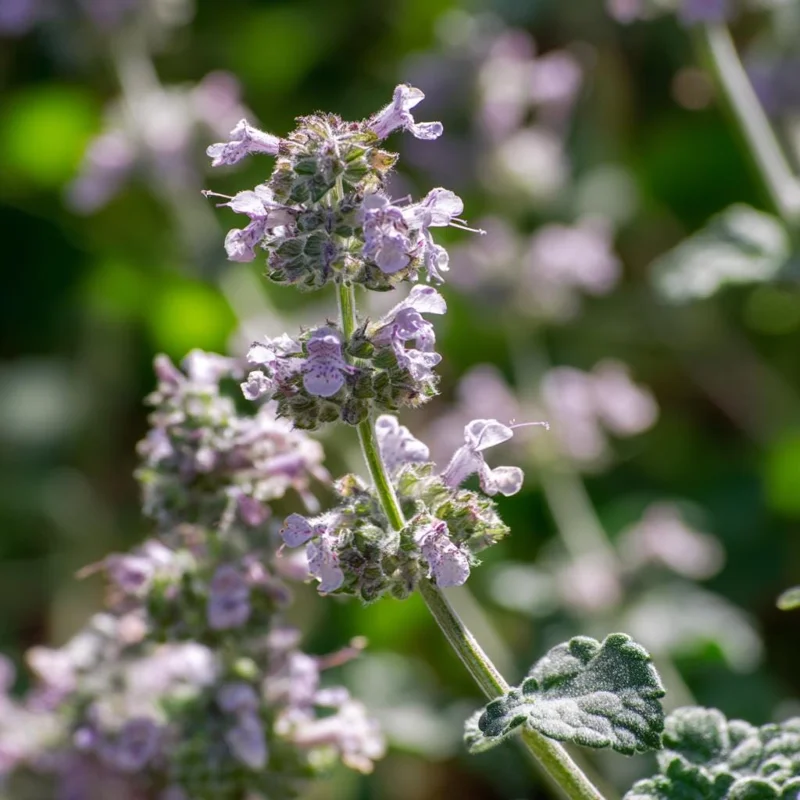
- Attracts Cats & Pollinators: The primary benefit of growing Nepeta cataria seeds is its powerful allure to cats, known for inducing playful behavior. Additionally, its delicate lavender blooms are a magnet for bees, butterflies, and other essential pollinators, supporting a healthy garden ecosystem.
- Easy to Grow Perennial: Catnip is remarkably low-maintenance and resilient, thriving in various conditions once established. As a perennial, it returns year after year, providing continuous enjoyment without the need for annual replanting.
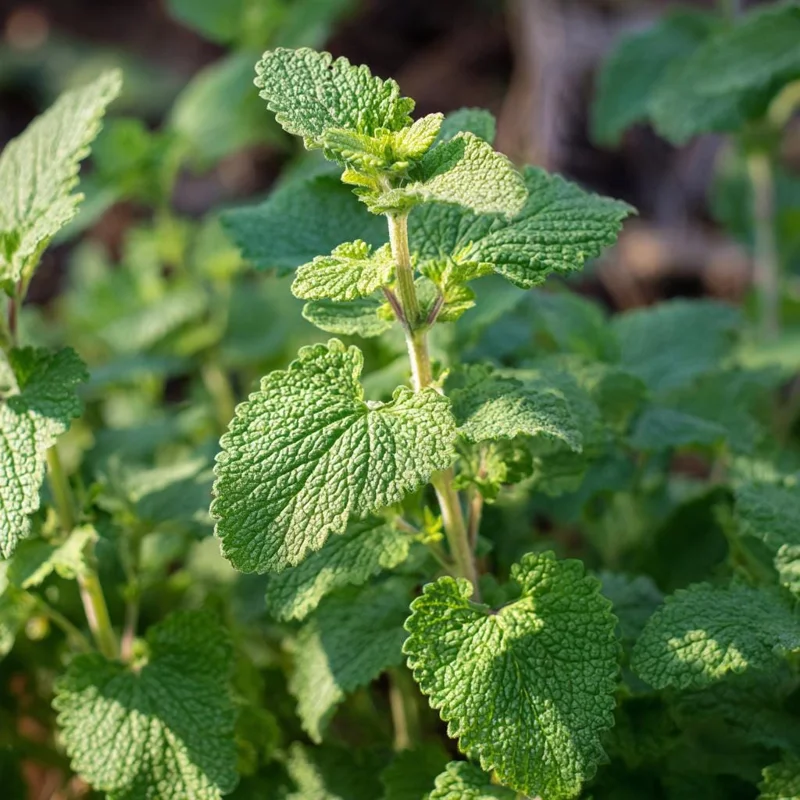
- Aromatic & Fragrant Herb: The leaves of the catnip plant release a refreshing, minty aroma when brushed or crushed. This pleasant fragrance adds a sensory dimension to your garden or home, making it a delightful herb to have around.
- Versatile Garden Addition: Catnip can be grown in diverse settings, from herb gardens and borders to containers and raised beds. Its bushy growth habit and attractive foliage make it a visually appealing plant that complements other garden elements.
- Non-GMO & Organic Quality: Our organic catnip seeds ensure you are growing a pure and natural product, free from genetic modification. This commitment to organic quality supports sustainable gardening practices and provides peace of mind.
- Potential for Herbal Uses: Beyond its appeal to cats, catnip has a long history of use in traditional herbal remedies and teas, often valued for its calming properties. Growing your own allows for fresh, home-grown ingredients.
Plant Care & Growing Tips
Successfully cultivating organic catnip seeds requires attention to a few key environmental factors. Catnip is a hardy plant, but optimal conditions will encourage vigorous growth and maximum fragrance. Begin by sowing seeds indoors 6-8 weeks before the last expected frost date in your area, or directly outdoors in spring once all danger of frost has passed. Press the tiny seeds lightly into the soil surface without covering them deeply, as they require light to germinate. Maintain consistent moisture in the soil until germination, which typically occurs within 10-21 days. Once seedlings emerge, thin them to prevent overcrowding, allowing stronger plants to develop.
For established plants, cat attracting plant thrives in full sun to partial shade, meaning it prefers at least 4-6 hours of direct sunlight daily for robust growth, though it can tolerate some afternoon shade in hotter climates. Well-draining soil is crucial to prevent root rot; a sandy loam or a standard potting mix amended with perlite or sand works well. Water moderately, allowing the top inch or two of soil to dry out between waterings. Avoid overwatering, as catnip does not tolerate soggy conditions. Pruning lightly throughout the growing season encourages bushier growth and can extend the flowering period, ensuring a continuous supply of fresh leaves and blooms. This plant is a hardy perennial, typically suitable for USDA zones 3-9, making it a resilient choice for many regions.
Fertilization is generally not heavily required for catnip, especially if grown in rich, organic soil. However, if growth appears sluggish, a balanced, all-purpose liquid fertilizer can be applied once or twice during the growing season. Keep an eye out for common pests, though catnip is generally pest-resistant. Ensuring good air circulation and appropriate watering practices will help prevent fungal issues. For those wondering how to grow catnip indoors, provide a bright, sunny window and a well-draining pot. Indoor catnip may require more frequent watering due to drier indoor air. Regular harvesting of leaves can also stimulate new growth and keep the plant productive.
Size & Details
This product provides approximately 300 organic catnip seeds, ensuring a generous supply for starting multiple plants or successive plantings. Each seed is small, reflecting the delicate nature of the plant it will become. When mature, Nepeta cataria typically grows into a bushy plant, reaching heights of 12-36 inches (30-90 cm) and spreading similarly, depending on growing conditions and variety. The seeds are suitable for direct sowing outdoors or starting indoors in trays or small pots before transplanting.
Under ideal conditions, catnip plants can grow quite vigorously, forming dense clumps of aromatic foliage. Expect your plants to produce delicate lavender to white flowers, which are particularly attractive to pollinators, throughout the summer months. These seeds are packaged to ensure viability and are ready for planting upon arrival. The mature plants are robust perennials, offering years of enjoyment with proper care. The quantity provided is ample for establishing a significant patch for your feline companions or for creating a vibrant, pollinator friendly herbs garden.
Frequently Asked Questions
- Q: How big does this catnip plant get? A: Mature organic catnip seeds plants typically grow to be 12-36 inches (30-90 cm) tall and spread about the same width, forming a bushy clump. Growth can vary based on light, soil, and climate conditions.
- Q: Is this an indoor or outdoor plant? A: Catnip can be grown both indoors and outdoors. It thrives outdoors in gardens and containers, and can also be successfully grown indoors near a sunny window, making it a versatile grow catnip indoors option.
- Q: How much sunlight does catnip need? A: Catnip prefers full sun to partial shade, ideally receiving at least 4-6 hours of direct sunlight per day. Too little light can result in leggy growth and reduced fragrance.
- Q: Is this plant easy to care for? A: Yes, catnip is considered a very easy-to-care-for plant, suitable for beginners. It’s drought-tolerant once established and generally pest-resistant, making Nepeta cataria seeds a low-maintenance choice.
- Q: What condition will the seeds arrive in? A: The product consists of approximately 300 organic catnip seeds, packaged dry in a protective packet to ensure viability and freshness upon arrival, ready for planting.
- Q: When is the best time to plant catnip seeds? A: For outdoor planting, sow organic catnip seeds in spring after the last frost. For an earlier start or indoor cultivation, begin seeds indoors 6-8 weeks before the last frost date.
- Q: Will catnip survive winter in my zone? A: Catnip is a hardy perennial and is generally suitable for USDA Zones 3-9. In colder zones, it will die back in winter and regrow in spring, while in warmer zones, it may remain evergreen.
- Q: Can I use catnip for human consumption? A: While primarily known for cats, catnip has a history of use in herbal teas and traditional remedies for humans, often valued for its calming properties. Always consult with a healthcare professional before using any herb for medicinal purposes.
- Q: Are these seeds GMO-free? A: Yes, these are Non-GMO organic catnip seeds, ensuring a natural and wholesome product for your garden.
- Q: How long does it take for catnip seeds to germinate? A: Germination for Nepeta cataria seeds typically occurs within 10-21 days, provided the soil is kept consistently moist and seeds receive adequate light.
Be the first to review “Organic Catnip Seeds – Nepeta cataria – 300 Seeds – Fragrant Herb”
You must be logged in to post a review.
People also Viewed
Sold 50 products
Original price was: $36.99.$16.99Current price is: $16.99.
Sold 50 products
Original price was: $31.99.$11.99Current price is: $11.99.
Sold 50 products
Original price was: $35.99.$15.99Current price is: $15.99.
Sold 50 products
Original price was: $31.99.$11.99Current price is: $11.99.
Sold 50 products
Original price was: $35.99.$15.99Current price is: $15.99.
Sold 50 products
Original price was: $31.99.$11.99Current price is: $11.99.
Sold 50 products
Original price was: $34.99.$14.99Current price is: $14.99.
Sold 50 products
Original price was: $31.99.$11.99Current price is: $11.99.RELATED posts
How to Grow Jalapeño Peppers From Seeds: A Step-by-Step Guide
Ready to spice things up in your garden? Jalapeños are the true life of the [...]
Apr
Top 12 Best Types of Peppers to Grow in Your Garden: Easy and High Yield
Growing peppers is, quite honestly, one of the biggest “wins” you can have in a [...]
Apr
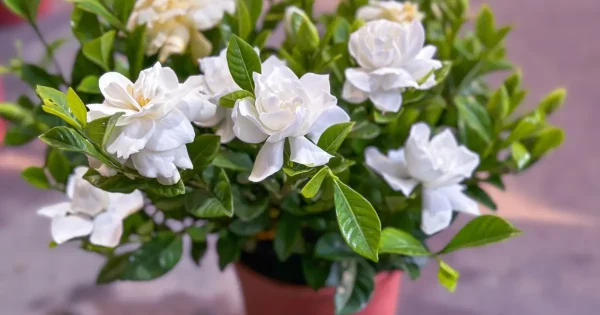
Frostproof Jasmine Care: 7 Tips for Successful Pot Growth
Most gardenias are known for being “divas.” They want perfect humidity, perfect soil, and they [...]
Mar
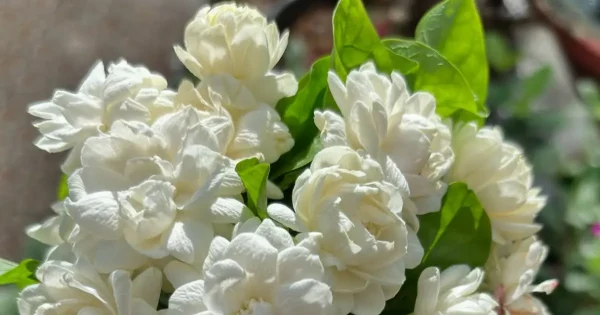
Top 7 Best Smelling Jasmine Varieties for a Heavenly Garden
Have you ever walked past a house and caught a scent so sweet you just [...]
Mar
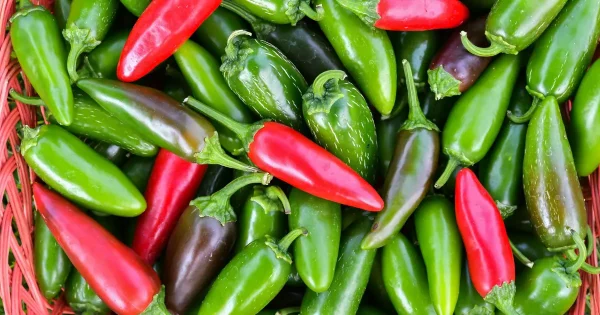
Master the Heat: 8 Expert Tips for Growing Jalapeños Like a Pro
Are you staring at your garden space, wondering why your pepper plants look more like [...]
Mar
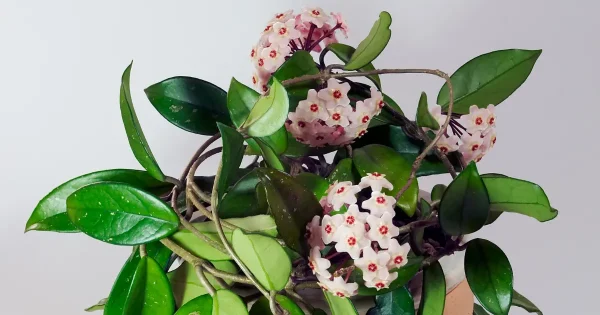
Top 5 Must-Have Hoya Varieties for Beginners
Hoyas are easily one of my top recommendations if you’re hunting for a low-maintenance houseplant [...]
Mar
7 Moringa Plant Care Mistakes to Avoid for Healthy Growth
Have you ever looked at your Moringa tree and wondered why its once vibrant green [...]
Feb
How to Grow Potato Onions From True Seeds: A Step-by-Step Guide
Have you ever wondered how to grow potato onions from true seeds or why some [...]
Feb


Reviews
There are no reviews yet.