
Organic Bouquet Dill Seeds – Anethum graveolens – 100 Seeds – Culinary Herb
Original price was: $31.99.$11.99Current price is: $11.99.
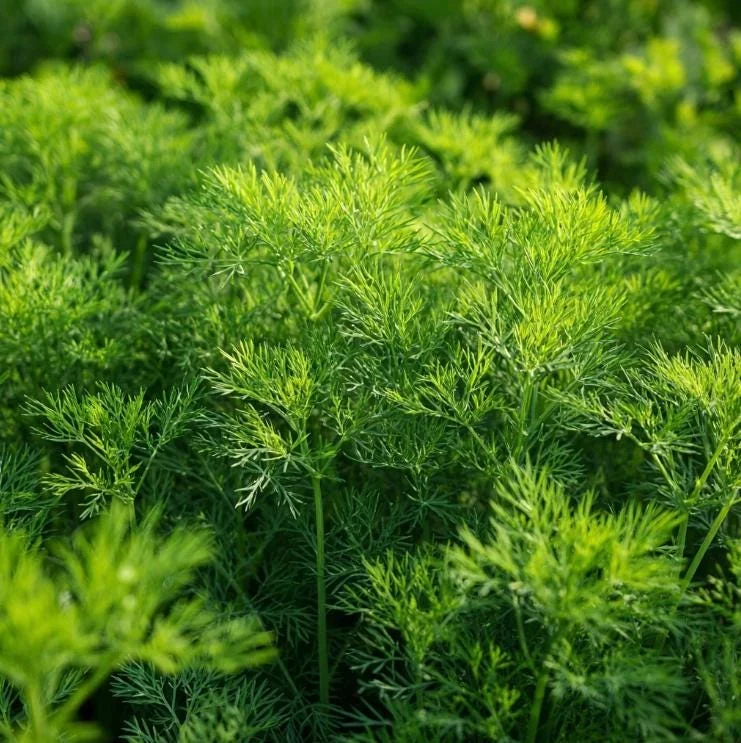
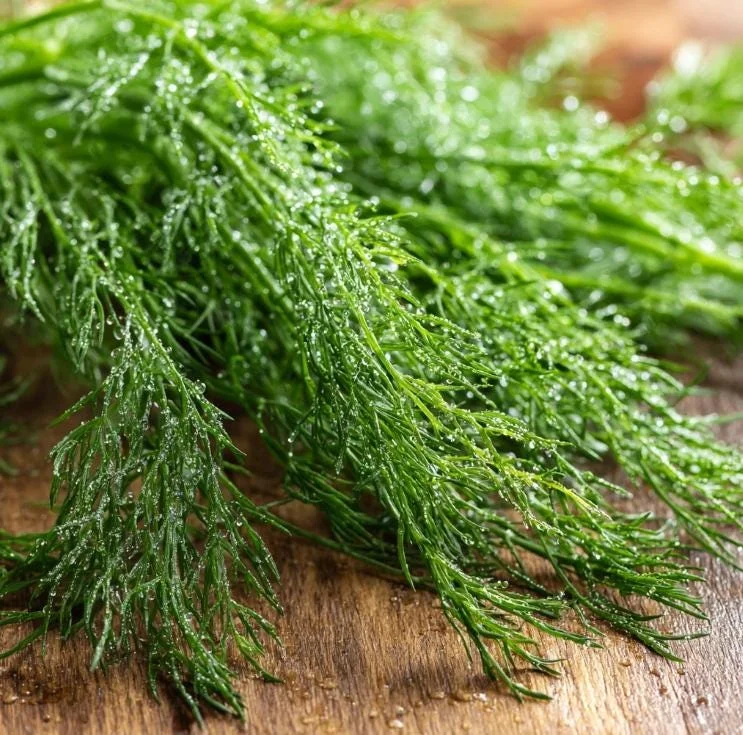
Cultivate your own aromatic garden with organic bouquet dill seeds. These anethum graveolens seeds are perfect for growing a fragrant culinary herb. Enjoy fresh leaves and seeds for cooking, or plant for ornamental value and to attract beneficial insects. An easy grow dill option for gardeners of all levels.
Shipping and Return policies:
We stand behind our plants with our Alive & Thrive Guarantee. If you experience any issues within the first 30 days, please email us, and our team will be happy to help. When needed, we’ll send you a one-time replacement free of charge to make sure your garden keeps growing strong.

Reasonable Price
We offer reasonable price

Support 24/7
Contact us 24 hrs a day
100% Money Back
You’ve 30 days to Return
Payment Secure
100% secure payment
Overview
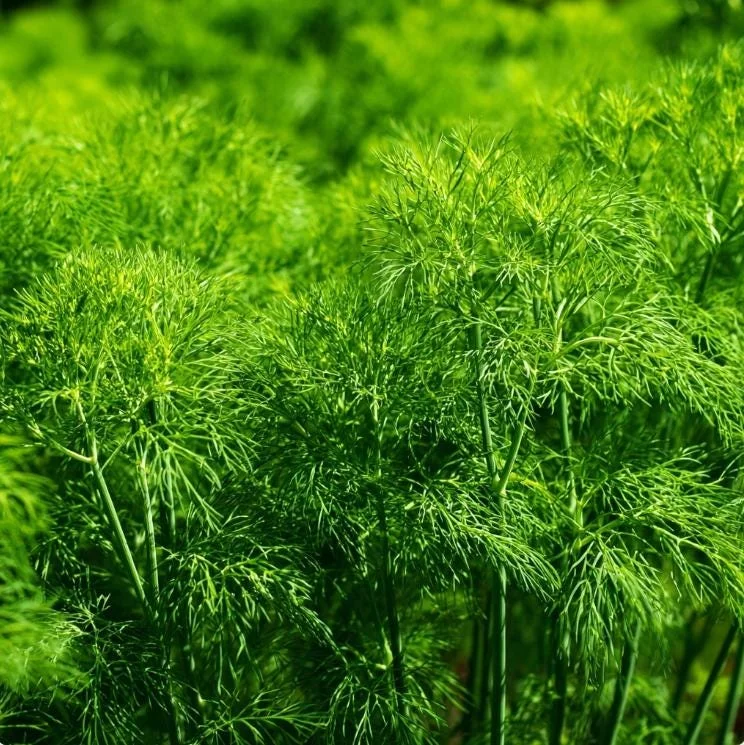
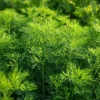
Discover the joy of growing your own fresh herbs with these premium organic bouquet dill seeds. Each packet contains 100 seeds of Anethum graveolens, a beloved annual herb renowned for its delicate, feathery foliage and distinctive aromatic flavor. Often referred to simply as bouquet dill, this plant is a staple for any home gardener looking to enhance their culinary creations. From enhancing salads and soups to pickling vegetables and flavoring seafood, the versatile taste of dill is indispensable. Beyond its kitchen applications, these anethum graveolens seeds will produce attractive yellow umbrella-like flower heads that not only add beauty to your garden but also serve as a magnet for beneficial pollinators like bees and butterflies, contributing to a healthier ecosystem. This easy grow dill variety is fast-maturing and thrives in various settings, making it an excellent choice for herb gardens, container planting, or even a sunny kitchen windowsill.
Growing organic bouquet dill seeds is a rewarding experience, providing both aesthetic appeal and a continuous supply of fresh herbs. The plant’s graceful form and vibrant green color make it a decorative addition to any garden space. Whether you’re a seasoned gardener or just starting, these high-quality seeds offer a straightforward path to cultivating a thriving dill patch. Learn to grow dill from seed with confidence, enjoying the process from germination to harvest.
Key Benefits
Cultivating organic bouquet dill seeds offers a multitude of advantages for both your kitchen and garden. These seeds provide an excellent opportunity to enjoy fresh, homegrown herbs with ease, enhancing your cooking and outdoor space.
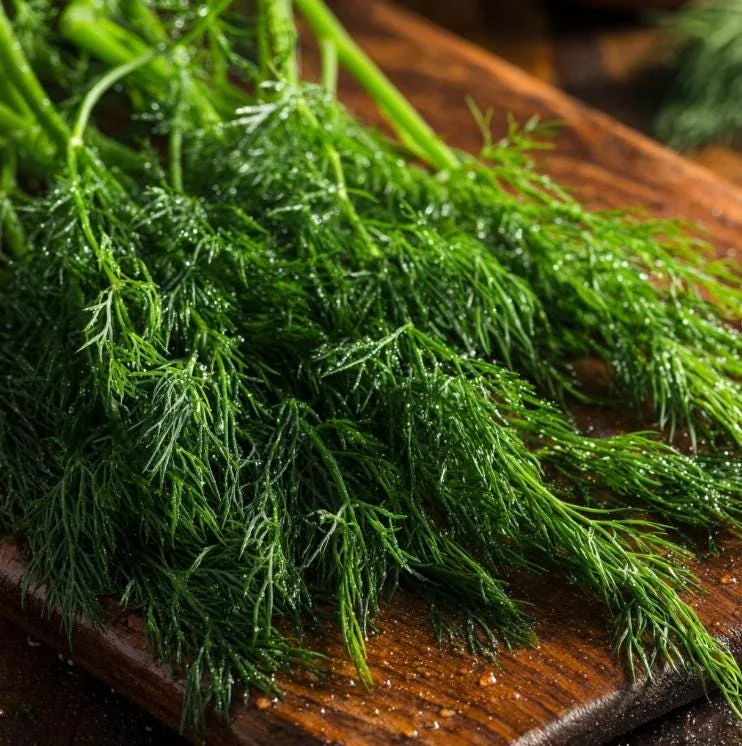
- Culinary Versatility: Harvest fresh dill leaves to elevate a wide range of dishes, including salads, soups, fish, and sauces. Its distinct fresh, slightly tangy flavor is a staple in many cuisines. You can also harvest the seeds for pickling and other culinary uses.
- Attracts Pollinators: The charming yellow flower heads produced by anethum graveolens seeds are highly attractive to beneficial insects like bees and butterflies, promoting biodiversity and aiding in the pollination of other plants in your garden.
- Easy to Grow: Known for being an easy grow dill variety, these seeds are suitable for gardeners of all skill levels. They germinate quickly and require minimal fuss, making them perfect for beginners or those with limited gardening time.
- Ornamental Appeal: With its delicate, feathery foliage and bright yellow flowers, bouquet dill adds a beautiful textural element and visual interest to herb gardens, raised beds, and container arrangements.
- Fast Maturing: Enjoy a rapid harvest after planting. Dill grows quickly, allowing you to enjoy fresh leaves sooner and ensuring a steady supply throughout the growing season.
- Container Friendly: Ideal for growing in pots and containers, making it perfect for small spaces, patios, balconies, or even kitchen windowsills where you can easily access fresh herbs.
Plant Care & Growing Tips
To successfully grow dill from seed and ensure a bountiful harvest, understanding its specific care requirements is crucial. Dill thrives in conditions that mimic its natural Mediterranean origins, favoring plenty of sunshine and well-drained soil. For optimal growth and flavor, choose a location in your garden that receives full sun, meaning at least 6-8 hours of direct sunlight daily. If planting in containers, ensure they are placed in a sunny spot.
When it comes to soil, dill prefers fertile, well-draining soil with a pH between 6.0 and 7.0. Amending heavy clay soils with organic matter like compost can significantly improve drainage and fertility. Sow organic bouquet dill seeds directly outdoors in spring after the last frost has passed, or start them indoors 4-6 weeks before your last expected frost date for an earlier harvest. Plant seeds about ¼ inch deep and space them 6-8 inches apart. Once seedlings emerge and grow a few inches tall, thin them to a final spacing of 12-18 inches apart to allow for adequate air circulation and root development. Consistent moisture is important for germination and early growth; keep the soil consistently moist but not waterlogged. Once established, dill is relatively drought-tolerant but will perform best with regular watering, especially during dry spells.
Dill does not typically require heavy fertilization. If your soil is particularly poor, a balanced, all-purpose organic fertilizer can be applied at half strength once or twice during the growing season. Avoid over-fertilizing with nitrogen, as this can lead to lush foliage but fewer flowers and seeds. Harvest dill leaves as needed, preferably before the plant begins to flower, as the flavor can become less intense once flowering starts. For continuous harvest of fresh leaves, consider succession planting every few weeks. If you want to collect seeds, allow some plants to flower and let the seed heads mature and dry on the plant before harvesting. This easy grow dill variety generally faces few pest or disease issues, especially when grown in proper conditions.
Size & Details
These organic bouquet dill seeds provide an excellent start for growing Anethum graveolens. Each packet contains approximately 100 seeds, offering ample opportunity to cultivate a thriving patch of this versatile herb. When mature, dill plants typically reach a height of 24 to 36 inches (60-90 cm) with a spread of about 12 to 18 inches (30-45 cm), creating an elegant, upright form in the garden. These plants are annuals, completing their life cycle within one growing season, but they often self-seed readily, ensuring future generations if allowed to flower and drop seeds. Dill has a rapid growth rate, with germination typically occurring within 7-14 days under ideal conditions. You can expect to begin harvesting fresh dill leaves approximately 40-50 days after planting, making it a quick reward for your gardening efforts. The seeds are packed to ensure viability and freshness, ready for planting upon arrival. Learning to grow dill from seed is a straightforward process that yields satisfying results.
Frequently Asked Questions
- Q: How big does organic bouquet dill get? A: Organic bouquet dill seeds typically grow into plants that reach heights of 24 to 36 inches (60-90 cm) and spread about 12 to 18 inches (30-45 cm) wide. The final size can vary slightly depending on growing conditions and care.
- Q: Is this an indoor or outdoor plant? A: While dill can be started indoors, it is primarily an outdoor plant that thrives in full sun. It can be grown in containers on patios or balconies, or directly in garden beds.
- Q: How much sunlight does Anethum graveolens need? A: Anethum graveolens seeds require full sun, meaning at least 6-8 hours of direct sunlight per day, to achieve optimal growth and flavor. Less sun can result in leggy plants and reduced vigor.
- Q: Is this plant easy to care for? A: Yes, dill is considered an easy grow dill herb, making it suitable for beginners. It requires well-draining soil, consistent moisture during germination, and plenty of sunlight.
- Q: What condition will the seeds arrive in? A: The organic bouquet dill seeds will arrive in a sealed packet, ensuring their freshness and viability. They are ready for immediate planting upon receipt.
- Q: Can I use organic bouquet dill in cooking? A: Absolutely! Bouquet dill is a fantastic culinary herb. Its fresh leaves and aromatic seeds are perfect for salads, soups, pickling, seafood, and various other dishes, adding a distinctive, tangy flavor.
- Q: When is the best time to plant dill seeds? A: The best time to grow dill from seed outdoors is in the spring after all danger of frost has passed. For an earlier start, you can sow seeds indoors 4-6 weeks before the last frost date.
- Q: What type of soil is best for growing dill? A: Dill prefers fertile, well-draining soil. Amending your garden soil with compost will help provide the nutrients and drainage that dill needs to thrive.
- Q: How long does it take for dill to germinate? A: Under ideal conditions with consistent moisture and warmth, anethum graveolens seeds typically germinate within 7-14 days after planting.
- Q: Will dill attract beneficial insects to my garden? A: Yes, the umbrella-like flower heads of dill are known to attract beneficial insects such as bees, butterflies, and predatory wasps, which can help with pollination and natural pest control in your garden.
Be the first to review “Organic Bouquet Dill Seeds – Anethum graveolens – 100 Seeds – Culinary Herb”
You must be logged in to post a review.
People also Viewed
Sold 50 products
Original price was: $36.99.$16.99Current price is: $16.99.
Sold 50 products
Original price was: $31.99.$11.99Current price is: $11.99.
Sold 50 products
Original price was: $35.99.$15.99Current price is: $15.99.
Sold 50 products
Original price was: $31.99.$11.99Current price is: $11.99.
Sold 50 products
Original price was: $35.99.$15.99Current price is: $15.99.
Sold 50 products
Original price was: $31.99.$11.99Current price is: $11.99.
Sold 50 products
Original price was: $34.99.$14.99Current price is: $14.99.
Sold 50 products
Original price was: $31.99.$11.99Current price is: $11.99.RELATED posts
How to Grow Jalapeño Peppers From Seeds: A Step-by-Step Guide
Ready to spice things up in your garden? Jalapeños are the true life of the [...]
Apr
Top 12 Best Types of Peppers to Grow in Your Garden: Easy and High Yield
Growing peppers is, quite honestly, one of the biggest “wins” you can have in a [...]
Apr
Frostproof Jasmine Care: 7 Tips for Successful Pot Growth
Most gardenias are known for being “divas.” They want perfect humidity, perfect soil, and they [...]
Mar
Top 7 Best Smelling Jasmine Varieties for a Heavenly Garden
Have you ever walked past a house and caught a scent so sweet you just [...]
Mar
Master the Heat: 8 Expert Tips for Growing Jalapeños Like a Pro
Are you staring at your garden space, wondering why your pepper plants look more like [...]
Mar
Top 5 Must-Have Hoya Varieties for Beginners
Hoyas are easily one of my top recommendations if you’re hunting for a low-maintenance houseplant [...]
Mar
7 Moringa Plant Care Mistakes to Avoid for Healthy Growth
Have you ever looked at your Moringa tree and wondered why its once vibrant green [...]
Feb
How to Grow Potato Onions From True Seeds: A Step-by-Step Guide
Have you ever wondered how to grow potato onions from true seeds or why some [...]
Feb
Reviews
There are no reviews yet.