
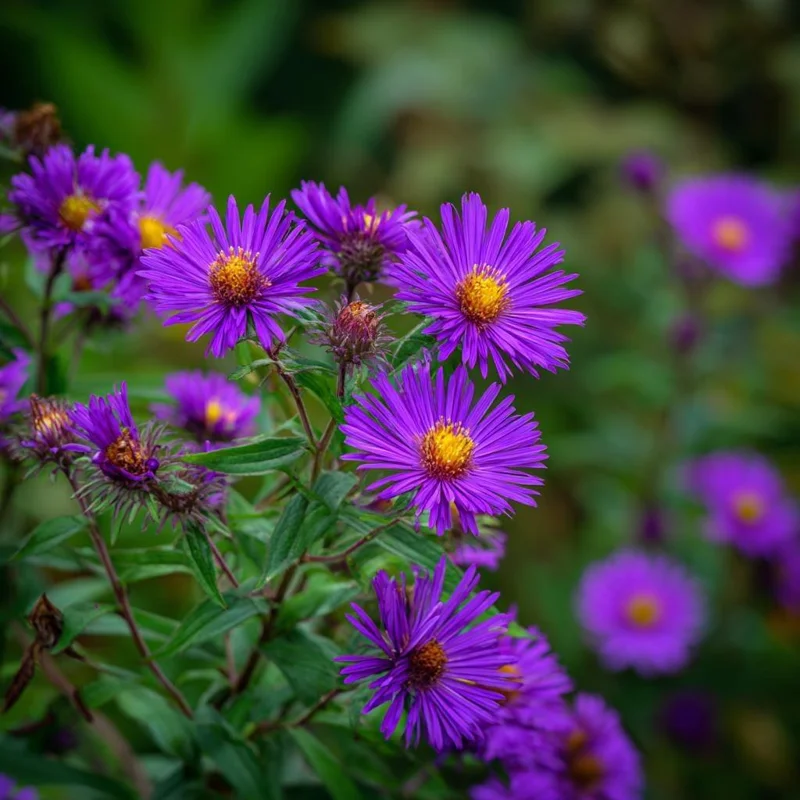
New England Aster Seeds – Vibrant Purple Blooms – 300 Seeds – Pollinator Friendly Perennial
Original price was: $31.99.$11.99Current price is: $11.99.
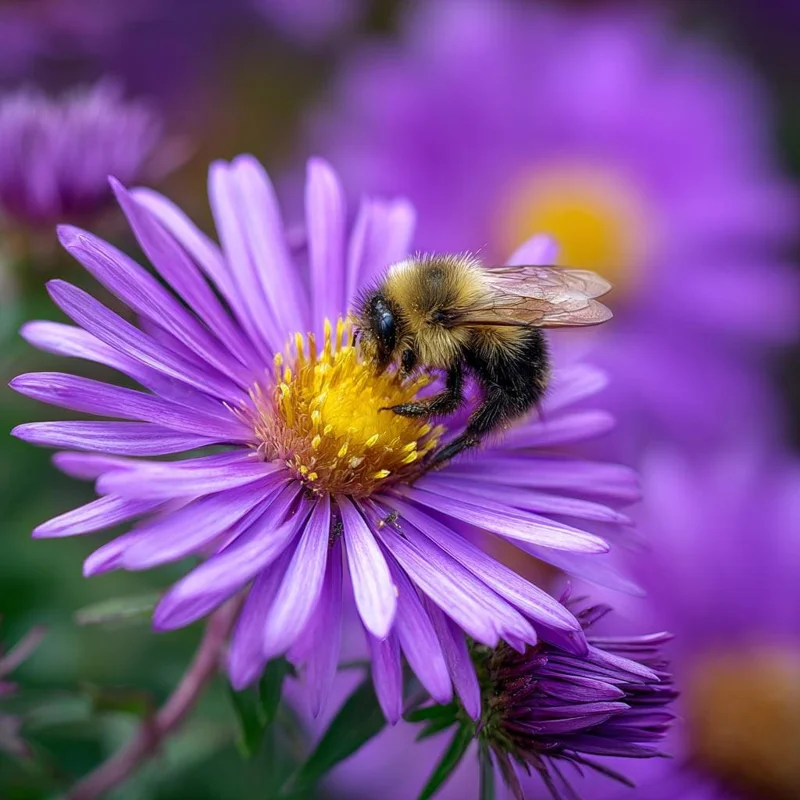
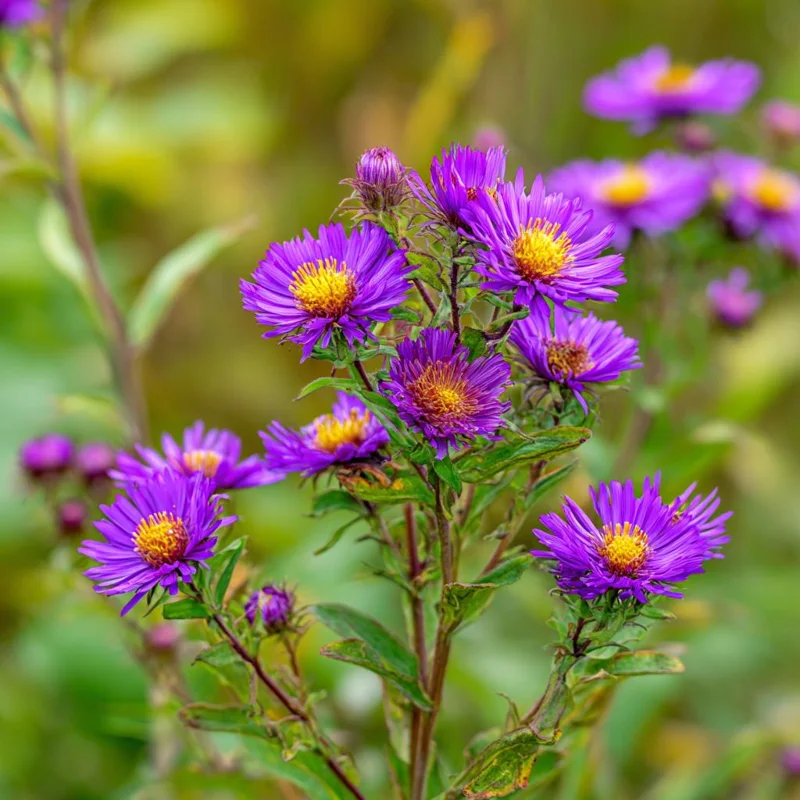
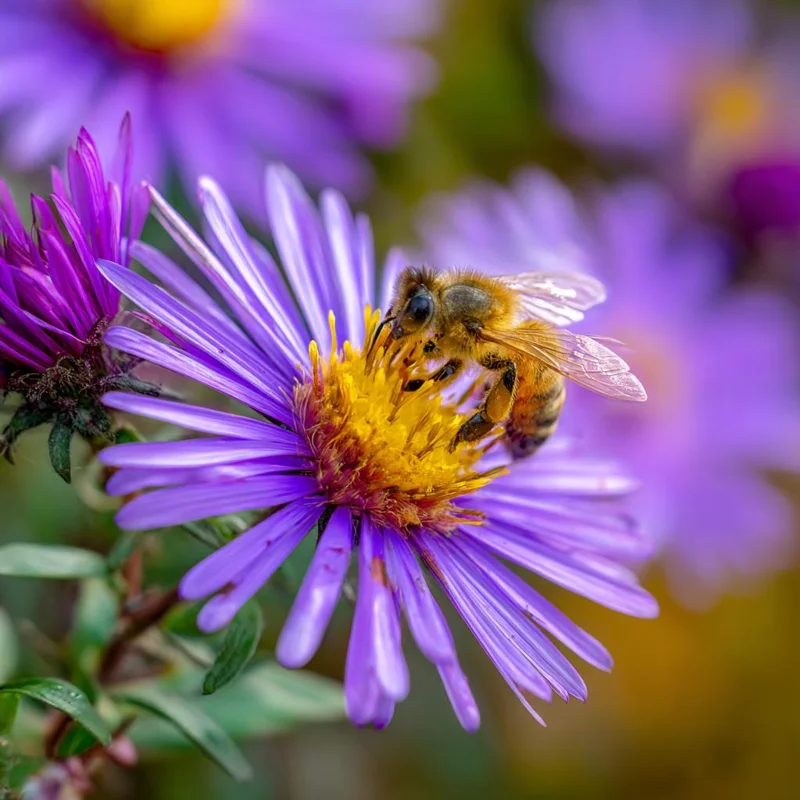
Cultivate beautiful, vibrant purple New England Aster seeds (Symphyotrichum novae-angliae) and create a stunning fall garden display. These easy-to-grow perennial wildflower seeds are perfect for attracting bees, butterflies, and other beneficial pollinators. Enjoy long-lasting blooms from late summer into fall, adding essential color and life to your landscape.
Shipping and Return policies:
We stand behind our plants with our Alive & Thrive Guarantee. If you experience any issues within the first 30 days, please email us, and our team will be happy to help. When needed, we’ll send you a one-time replacement free of charge to make sure your garden keeps growing strong.

Reasonable Price
We offer reasonable price

Support 24/7
Contact us 24 hrs a day
100% Money Back
You’ve 30 days to Return
Payment Secure
100% secure payment
Overview
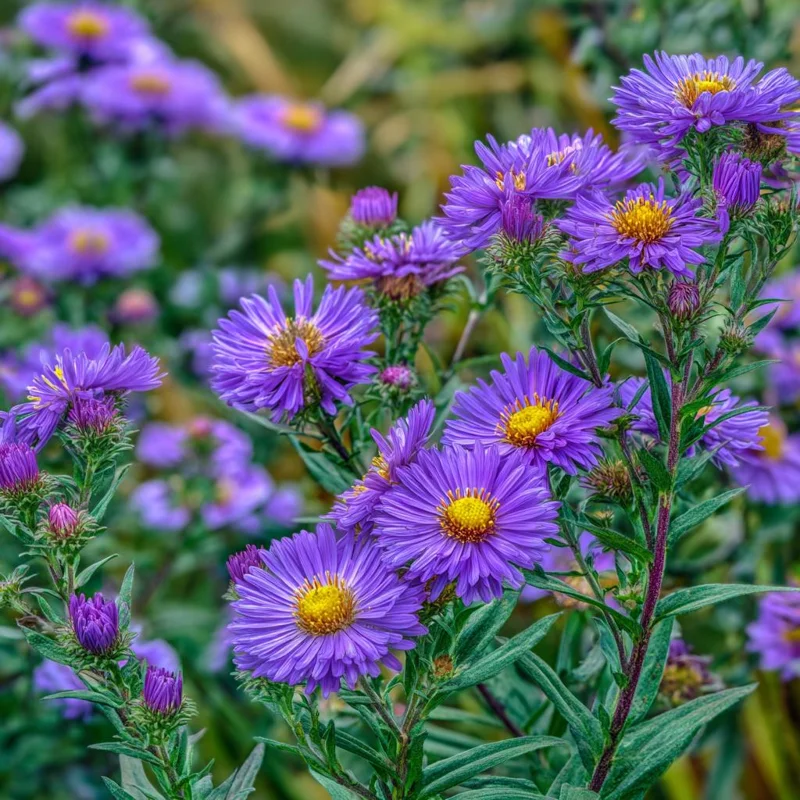
Introduce breathtaking late-season color and vital pollinator support to your garden with our premium New England Aster seeds. Scientifically known as Symphyotrichum novae-angliae, this beloved perennial wildflower is celebrated for its robust growth and profusion of vibrant purple, daisy-like flowers, each adorned with a bright yellow center. Blooming enthusiastically from late summer through fall, these asters provide a crucial nectar source for bees, butterflies, and other beneficial insects when many other flowers have faded. Our New England Aster seeds offer an economical and rewarding way to establish these magnificent plants in your garden beds, borders, meadows, or dedicated wildlife habitats. Perfect for gardeners seeking both beauty and ecological benefit, these seeds promise a display of rich color and lively activity.
The beauty of growing New England Aster seeds lies not only in their stunning visual appeal but also in their hardiness and adaptability. These native North American wildflowers are well-suited to a variety of climates and soil conditions, making them a reliable choice for gardeners across many regions. Their tall, sturdy stems provide excellent structural interest, reaching impressive heights and creating a dramatic backdrop or standalone feature. By choosing to grow New England Aster from seed, you embark on a fulfilling gardening journey that culminates in a spectacular autumnal show, transforming your outdoor space into a haven for both humans and wildlife.
Key Benefits
Planting New England Aster seeds offers a multitude of benefits for both your garden and the local ecosystem. These robust perennials are more than just beautiful; they are a cornerstone of a healthy, vibrant landscape:
- Exceptional Pollinator Attraction: The nectar-rich flowers are a magnet for bees, butterflies, and other beneficial insects, providing a vital food source during late summer and fall when other options are scarce. Growing these asters actively supports local pollinator populations.
- Vibrant Late-Season Color: Enjoy a spectacular display of dazzling purple blooms from late summer through fall, extending your garden’s visual interest long after many other plants have finished flowering. These flowers create a striking contrast with autumnal foliage.
- Low Maintenance & Hardy: Once established, New England Aster plants are remarkably resilient, tolerating various conditions and requiring minimal care. They are known for their disease resistance and ability to thrive with little intervention.
- Versatile Landscape Use: Ideal for naturalized areas, meadows, cottage gardens, perennial borders, and pollinator gardens. Their upright growth habit adds vertical interest and can serve as an excellent backdrop for shorter plants.
- Drought Tolerance: While they appreciate consistent moisture, mature plants can tolerate periods of drought, making them a practical choice for water-wise gardening.
- Easy to Grow from Seed: Our high-quality New England Aster seeds offer a straightforward and rewarding path to cultivating these beautiful wildflowers, allowing you to propagate a large number of plants affordably.
- Supports Biodiversity: By providing food and habitat, these asters contribute significantly to the biodiversity of your garden, attracting a wider range of wildlife.
Plant Care & Growing Tips
Successfully cultivating New England Aster seeds begins with proper sowing and continues with thoughtful care. These plants are relatively easy to grow, making them suitable for gardeners of all experience levels.
Sowing Instructions for New England Aster Seeds:
You can sow purple aster seeds indoors or directly outdoors. For indoor sowing, start seeds 6–8 weeks before the last expected frost date. Lightly press the seeds onto the surface of a well-drained seed-starting mix; do not cover them, as light is beneficial for germination. Maintain consistent moisture and a temperature of around 65-70°F (18-21°C). Germination typically occurs within 14–21 days. Once seedlings have 2-3 true leaves, carefully transplant them into individual pots. For direct outdoor sowing, wait until early spring after the danger of frost has passed. Choose a sunny location with well-drained soil and scatter the seeds thinly, lightly pressing them into the soil surface. Keep the area consistently moist until germination.
Ongoing Care for Established Asters:
New England Aster thrives in full sun to partial shade, ideally receiving at least 6 hours of direct sunlight per day. They prefer moderately fertile, well-drained soil. While adaptable to various soil types, avoid heavy, waterlogged conditions. Water regularly during dry periods, especially during their first growing season, to help establish a strong root system. Mature plants demonstrate good drought tolerance but will perform best with consistent moisture. Deadhead spent flowers to encourage a longer blooming period or allow some to go to seed for naturalized growth and to attract birds. These plants are generally low-maintenance, requiring little fertilization if grown in reasonably fertile soil. You can provide a balanced, slow-release fertilizer in early spring if your soil is poor. Cut back old foliage in late winter or early spring before new growth emerges. The plants are hardy in USDA Zones 4-8, making them a reliable choice for many North American gardens. Look for healthy, robust growth as a sign of proper care to ensure vibrant, fall blooming perennials.
Size & Details
Our offering includes a generous packet of New England Aster seeds, typically containing 300 seeds, providing ample opportunity to establish a beautiful patch of these stunning wildflowers. When mature, New England Aster plants typically reach a height of 3 to 6 feet and spread about 2 to 3 feet wide, forming substantial clumps that add significant presence to the garden. The seeds are packaged to ensure viability and are ready for sowing upon arrival. From seed, plants will generally establish in their first year, with significant blooming occurring from their second year onwards, providing a reliable source of purple aster seeds for future generations. These plants are known for their vigorous growth rate once established, quickly filling in garden spaces and creating a lush, flower-filled display. Expect a beautiful transformation as these seeds grow into magnificent, pollinator-attracting plants.
Frequently Asked Questions
- Q: How many seeds are included in a packet? A: Each packet typically contains 300 New England Aster seeds, providing a generous quantity for planting a significant area or for multiple seasons.
- Q: How tall do New England Aster plants get? A: These impressive plants can reach heights of 3 to 6 feet, adding considerable vertical interest to your garden. Their sturdy stems help them stand tall.
- Q: Are these seeds suitable for attracting pollinators? A: Absolutely! New England Aster is renowned for being incredibly pollinator-friendly, attracting a wide array of bees, butterflies, and other beneficial insects with its nectar-rich blooms, making them excellent pollinator friendly seeds.
- Q: When is the best time to plant New England Aster seeds? A: You can sow seeds indoors 6-8 weeks before the last frost or directly outdoors in early spring after the danger of frost has passed.
- Q: Do these plants require full sun? A: Yes, New England Aster thrives in full sun, meaning at least 6 hours of direct sunlight per day, but they can also tolerate partial shade.
- Q: Are New England Asters considered low maintenance? A: Once established, these perennials are very low maintenance. They are quite hardy and generally resistant to pests and diseases, making them ideal fall blooming perennials.
- Q: What kind of soil do New England Asters prefer? A: They prefer moderately fertile, well-drained soil. They are adaptable to various soil types but avoid heavy, waterlogged conditions.
- Q: How long does it take for the seeds to germinate? A: Germination typically occurs within 14–21 days under optimal conditions.
- Q: Will New England Aster survive winter in my region? A: These plants are hardy in USDA Zones 4-8, meaning they are well-suited to overwinter in a wide range of climates across the US.
- Q: Can I use these seeds for a meadow or naturalized garden? A: Yes, New England Aster seeds are an excellent choice for naturalized areas, meadows, and wildlife gardens due to their vigorous growth and ecological benefits.
Be the first to review “New England Aster Seeds – Vibrant Purple Blooms – 300 Seeds – Pollinator Friendly Perennial”
You must be logged in to post a review.
People also Viewed
Sold 50 products
Original price was: $36.99.$16.99Current price is: $16.99.
Sold 50 products
Original price was: $31.99.$11.99Current price is: $11.99.
Sold 50 products
Original price was: $35.99.$15.99Current price is: $15.99.
Sold 50 products
Original price was: $31.99.$11.99Current price is: $11.99.
Sold 50 products
Original price was: $35.99.$15.99Current price is: $15.99.
Sold 50 products
Original price was: $31.99.$11.99Current price is: $11.99.
Sold 50 products
Original price was: $34.99.$14.99Current price is: $14.99.
Sold 50 products
Original price was: $31.99.$11.99Current price is: $11.99.RELATED posts
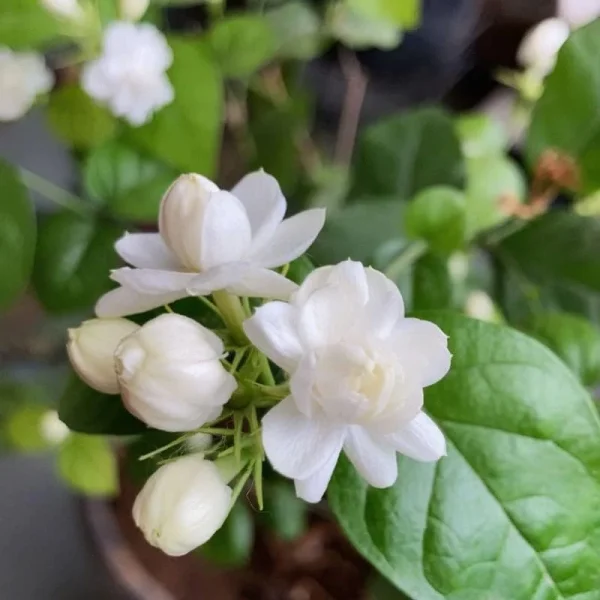
How to Grow Arabian Jasmine: A Complete Care Guide
If you’ve ever dreamed of a garden that smells like a tropical paradise, Jasminum sambac [...]
Apr
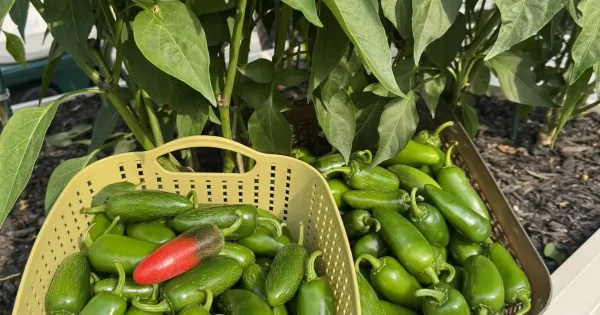
How to Grow Jalapeño Peppers From Seeds: A Step-by-Step Guide
Ready to spice things up in your garden? Jalapeños are the true life of the [...]
Apr
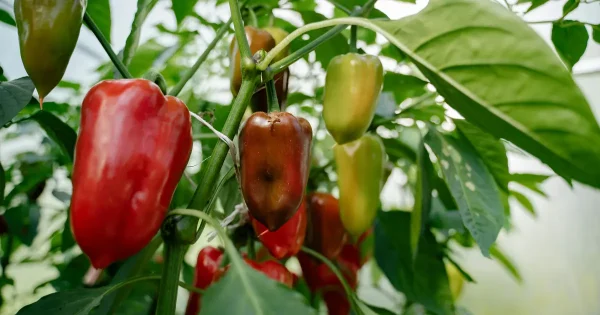
Top 12 Best Types of Peppers to Grow in Your Garden: Easy and High Yield
Growing peppers is, quite honestly, one of the biggest “wins” you can have in a [...]
Apr
Frostproof Jasmine Care: 7 Tips for Successful Pot Growth
Most gardenias are known for being “divas.” They want perfect humidity, perfect soil, and they [...]
Mar
Top 7 Best Smelling Jasmine Varieties for a Heavenly Garden
Have you ever walked past a house and caught a scent so sweet you just [...]
Mar
Master the Heat: 8 Expert Tips for Growing Jalapeños Like a Pro
Are you staring at your garden space, wondering why your pepper plants look more like [...]
Mar
Top 5 Must-Have Hoya Varieties for Beginners
Hoyas are easily one of my top recommendations if you’re hunting for a low-maintenance houseplant [...]
Mar
7 Moringa Plant Care Mistakes to Avoid for Healthy Growth
Have you ever looked at your Moringa tree and wondered why its once vibrant green [...]
Feb


Reviews
There are no reviews yet.