
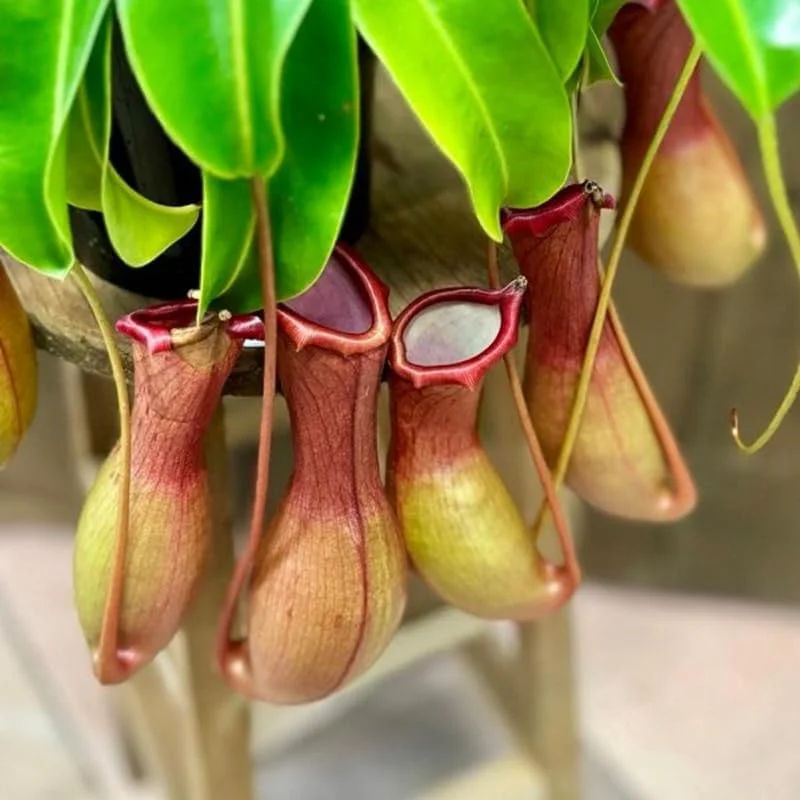
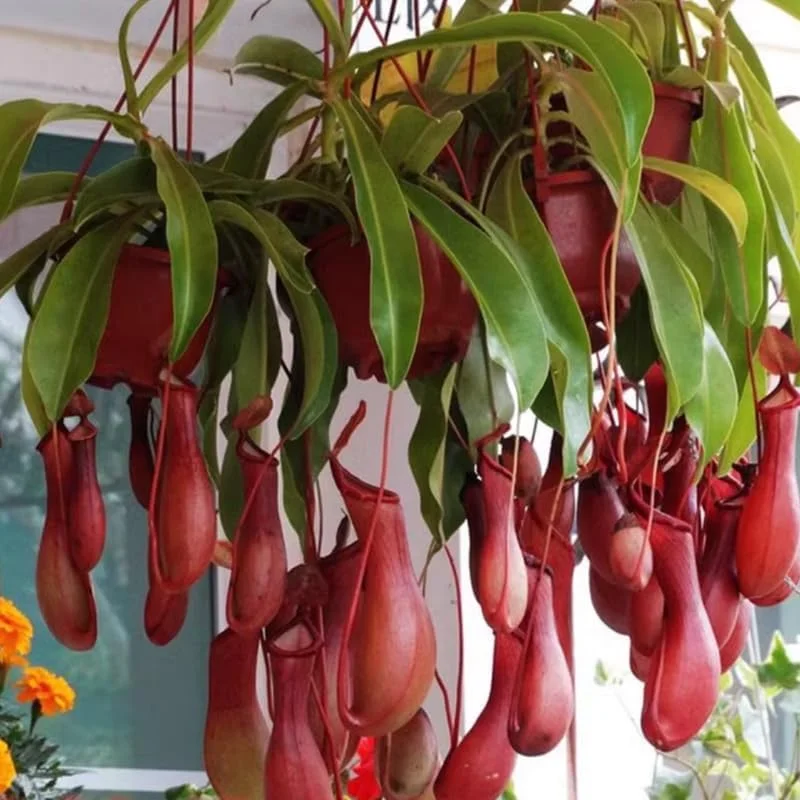
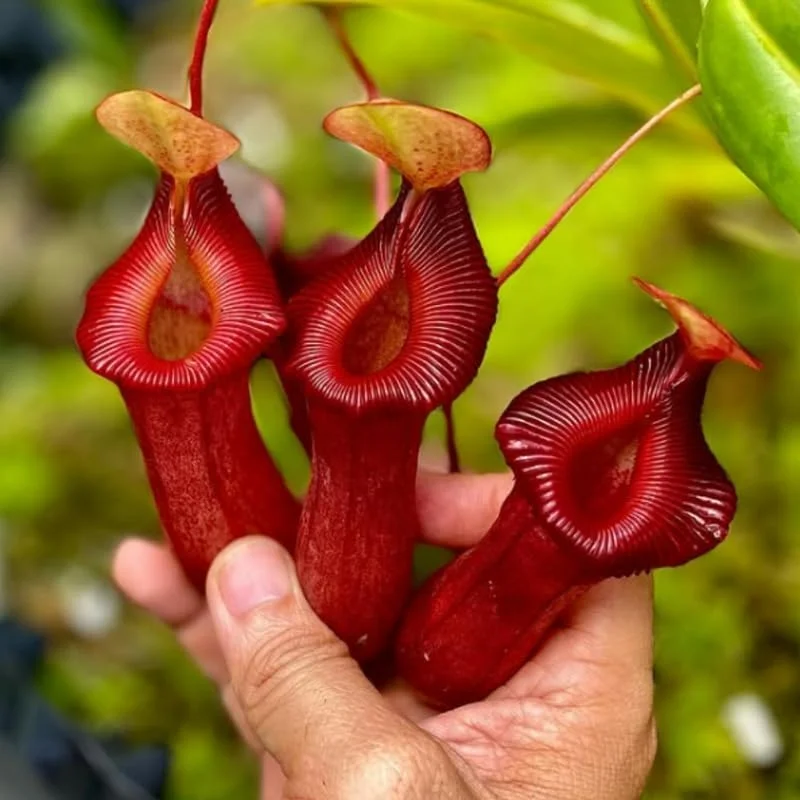
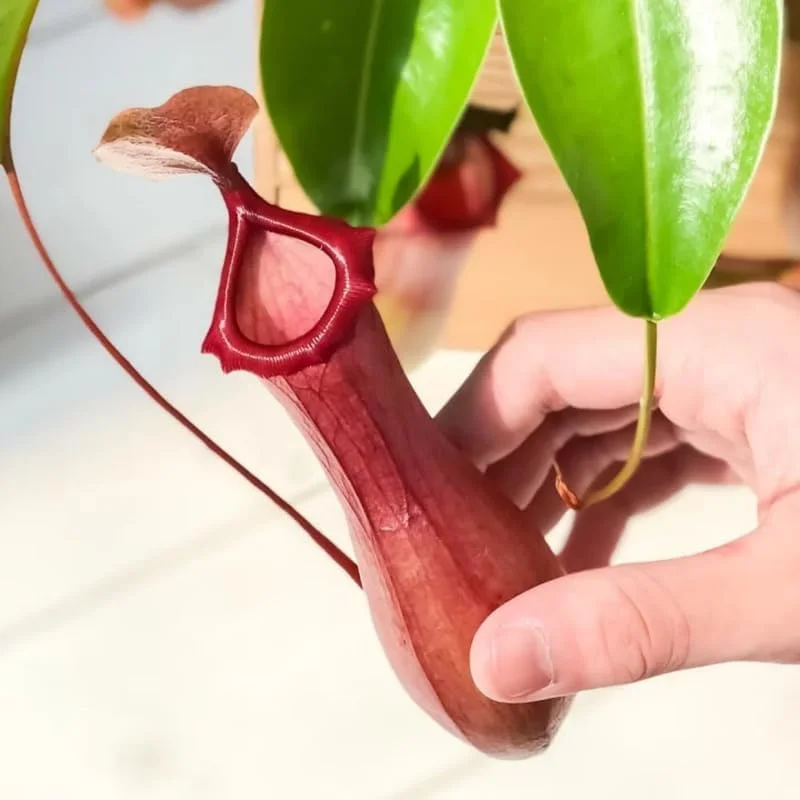
Nepenthes Pitcher Plant Live Carnivorous Plant – 8 Month Old Starter – Indoor Outdoor
$28.99
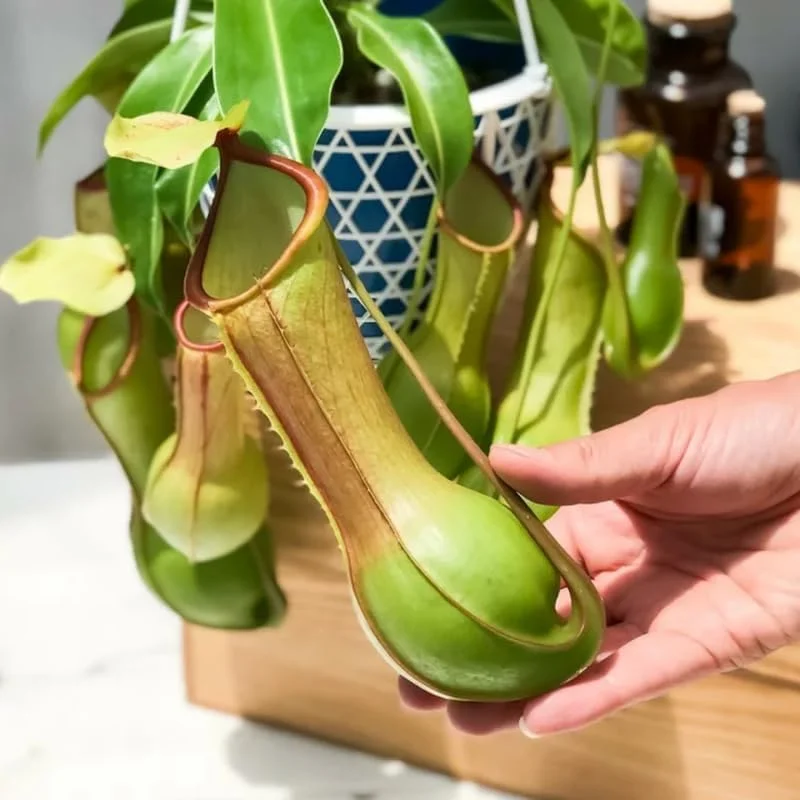
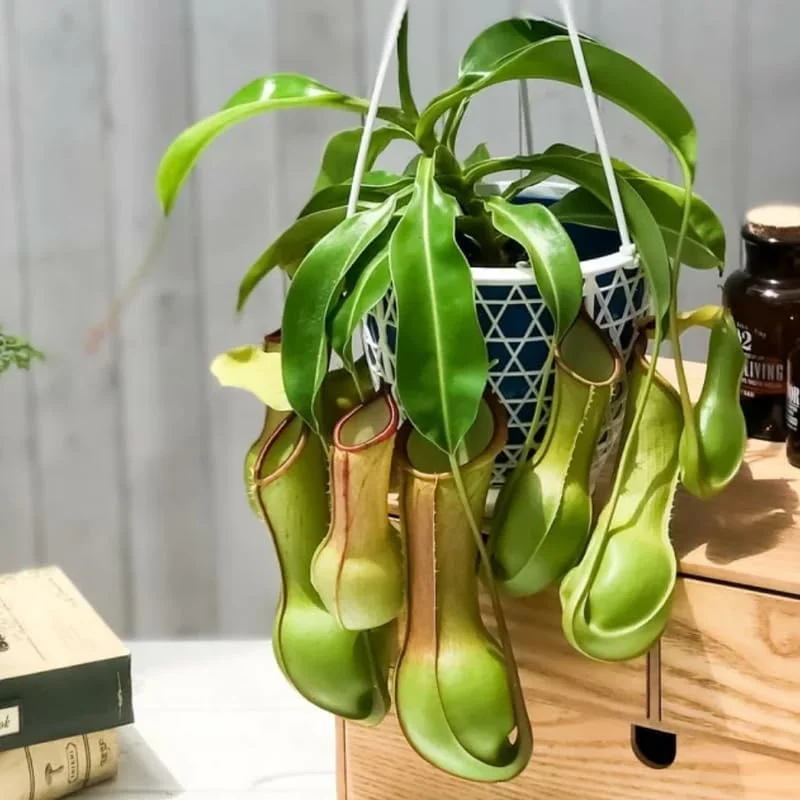
Introduce an exotic touch with this Nepenthes pitcher plant, an 8-month-old carnivorous live plant. Perfect for natural insect control in terrariums or humid outdoor gardens, this unique tropical pitcher plant adds striking visual appeal.
Shipping and Return policies:
We stand behind our plants with our Alive & Thrive Guarantee. If you experience any issues within the first 30 days, please email us, and our team will be happy to help. When needed, we’ll send you a one-time replacement free of charge to make sure your garden keeps growing strong.

Reasonable Price
We offer reasonable price

Support 24/7
Contact us 24 hrs a day
100% Money Back
You’ve 30 days to Return
Payment Secure
100% secure payment
Overview
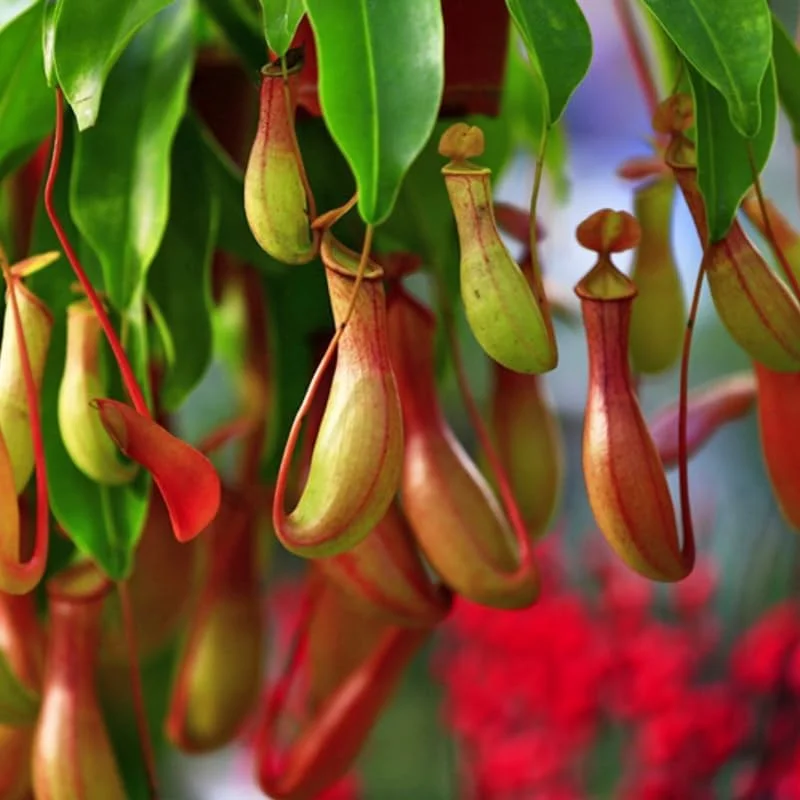
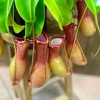
Introduce a fascinating and functional element to your plant collection with the Nepenthes pitcher plant. This unique carnivorous live plant, often known as a tropical pitcher plant, is renowned for its distinctive pitcher-shaped leaves that naturally trap insects. Our offering is an 8-month-old starter plant, making it an ideal choice for both novice growers and seasoned collectors looking to add an exotic touch to their indoor terrariums or outdoor humid gardens. Its striking appearance and intriguing carnivorous nature make it a captivating focal point in any setting, providing both beauty and effective natural pest control. The Nepenthes pitcher plant is a genus of carnivorous plants in the monotypic family Nepenthaceae, native to tropical regions, primarily Southeast Asia. It is admired for its vibrant, striking colors and elegant form. This particular variety is described as a large Nepenthes pitcher plant, promising a significant display as it matures. Enhance your space with this beautiful and functional botanical wonder.
Key Benefits
The Nepenthes pitcher plant offers a multitude of benefits beyond its captivating appearance, making it a truly unique addition to any home or garden.
- Natural Insect Control: The pitchers effectively attract and trap various insects, including flies and ants, serving as a natural pest control solution for your indoor or outdoor environment. This reduces reliance on chemical sprays and provides an organic method of insect management.
- Exotic Aesthetic Appeal: With its vibrant, striking colors and unique pitcher formations, this carnivorous live plant adds an unparalleled exotic and decorative element to any space. It’s a conversation starter and a visual delight that stands out in any collection.
- Low Maintenance: Despite its exotic nature, the Nepenthes pitcher plant is surprisingly easy to care for once its basic environmental needs are met, making it suitable for busy plant lovers. Consistent humidity and proper watering are key to its thriving.
- Educational Value: Perfect for enthusiasts of all ages, observing the carnivorous mechanism of the tropical pitcher plant provides an engaging and educational experience about nature’s wonders and the fascinating world of predatory plants.
- Versatile Placement: This indoor pitcher plant thrives in both terrariums, where humidity can be easily controlled, and in suitable outdoor backyard gardens in appropriate climates, offering flexibility in how you choose to display it.
- Air Purification: Like many live plants, Nepenthes contributes to improved indoor air quality by absorbing toxins and releasing oxygen, adding to the health benefits of having plants in your home.
- Collector’s Item: A must-have for collectors of rare and unusual plants, adding a unique specimen to any diverse plant collection. Its distinct characteristics make it highly sought after.
Plant Care & Growing Tips
Caring for your Nepenthes pitcher plant is straightforward once you understand its tropical requirements. These plants thrive in conditions that mimic their native rainforest habitat, making the right environment crucial for their health. For optimal growth, ensure consistent humidity, bright, indirect light, and appropriate watering.
Sunlight Requirements: Nepenthes pitcher plants prefer bright, indirect light. If grown indoors, a south or east-facing window with some morning sun is ideal. Avoid harsh, direct afternoon sun, which can scorch the leaves and pitchers. If outdoors, place it in a location with dappled shade or morning sun and protection from intense midday heat. Aim for at least 6 hours of bright light daily to encourage robust growth and pitcher development.
Watering & Soil Moisture: Always use distilled water, rainwater, or reverse osmosis water, as tap water can contain minerals that are harmful to Nepenthes. Keep the soil consistently moist but never waterlogged. Allow the top layer of soil to dry slightly between waterings. Ensure good drainage to prevent root rot. It’s also beneficial to maintain a small amount of clean water in the pitchers, as this aids in the plant’s digestion of trapped insects. Proper watering is a critical aspect of pitcher plant care.
Soil Type & Repotting: The best soil mix for a live pitcher plant is a well-draining, acidic, and nutrient-poor substrate. A common and effective mix includes sphagnum moss, perlite, and sometimes orchid bark or peat moss. Avoid standard potting soil, which is too rich and can harm the plant. Repotting should be done gently every 1-2 years, preferably in spring, to refresh the media and provide more space for growth, ensuring the plant continues to thrive.
Temperature & Humidity: Nepenthes thrive in warm temperatures, ideally between 70-85°F (21-29°C) during the day and no lower than 60°F (15°C) at night. High humidity is crucial for this tropical pitcher plant; aim for 60-80%. This can be achieved indoors with a humidifier, a pebble tray filled with water, or by growing the plant in a terrarium. Outdoor plants in suitable climates will naturally experience higher humidity, which is essential for pitcher development.
Fertilization: Fertilizing carnivorous plants like the Nepenthes pitcher plant should be done sparingly, if at all. Their primary nutrient source comes from the insects they catch. If the plant is not catching insects, you can occasionally apply a very diluted, orchid-specific fertilizer to the leaves or directly into the pitchers, but be extremely cautious not to over-fertilize, which can harm the plant. Over-fertilization is a common mistake in pitcher plant care.
Size & Details
This offering is for one Nepenthes pitcher plant, approximately 8 months old. At this starter stage, the plant is well-established and ready for easy planting in your chosen environment. While specific dimensions can vary, an 8-month-old plant typically has several developing pitchers and a healthy root system, making it robust for transplanting. As a ‘large’ style Nepenthes, it has the potential to grow significantly, producing impressive pitchers that can reach several inches in length, depending on the specific species and optimal growing conditions. The plant will arrive carefully packaged, often in its nursery pot, to ensure minimal stress during transit. Expect a moderate growth rate, with new pitchers forming regularly under ideal conditions. This particular variety is suitable for both indoor terrariums and outdoor backyard gardens in appropriate climates, offering flexibility for your planting needs. Its vibrant colors are a hallmark of this beautiful carnivorous live plant.
Frequently Asked Questions
- Q: How big does this plant get? A: This is a starter Nepenthes pitcher plant at 8 months old. While exact size depends on the specific species and growing conditions, it is described as a ‘large’ style Nepenthes and has the potential to grow quite substantial, with pitchers reaching several inches in length over time.
- Q: Is this an indoor or outdoor plant? A: The carnivorous live plant can thrive both indoors in a terrarium or humid environment, and outdoors in backyard gardens that can provide consistent warmth and high humidity. It’s versatile for different growing setups, making it a great indoor pitcher plant option as well.
- Q: How much sunlight does it need? A: This live pitcher plant prefers bright, indirect light. If indoors, place it near a window with morning sun or filtered light. Outdoors, a spot with dappled shade or morning sun is best, avoiding direct, harsh afternoon sun.
- Q: Is this plant easy to care for? A: Yes, once you understand its basic requirements for humidity, light, and water, the Nepenthes pitcher plant is considered relatively low maintenance. It’s a great choice for both beginners and experienced plant enthusiasts looking for unique pitcher plant care.
- Q: What condition will it arrive in? A: Your 8-month-old large pitcher plant will arrive as a healthy, live specimen, carefully packaged to ensure its safety during shipping. It will likely be in its nursery pot, ready for you to transplant.
- Q: What type of water should I use for this plant? A: Always use distilled water, rainwater, or reverse osmosis water for your Nepenthes pitcher plant. Tap water often contains minerals that can be harmful to these sensitive carnivorous plants over time.
- Q: Can this plant help with insect control? A: Absolutely! The pitchers on the Nepenthes pitcher plant are natural traps for various insects, including flies and ants. It’s an effective and natural way to manage small insect populations in your home or garden, providing a fascinating example of a tropical pitcher plant.
- Q: When is the best time to repot this plant? A: Repotting for your Nepenthes pitcher plant is best done every 1-2 years, ideally in the spring. This allows the plant to settle into its new media during its active growth period.
- Q: What is the ideal humidity level for this plant? A: High humidity is crucial for the Nepenthes pitcher plant, with an ideal range of 60-80%. This can be maintained indoors with humidifiers or terrariums, and naturally occurs in suitable outdoor climates.
- Q: Is this plant a good choice for a beginner? A: Yes, with a basic understanding of its needs, the Nepenthes pitcher plant is quite forgiving and can be a rewarding choice for beginners interested in carnivorous plants. Its unique features make pitcher plant care an enjoyable learning experience.
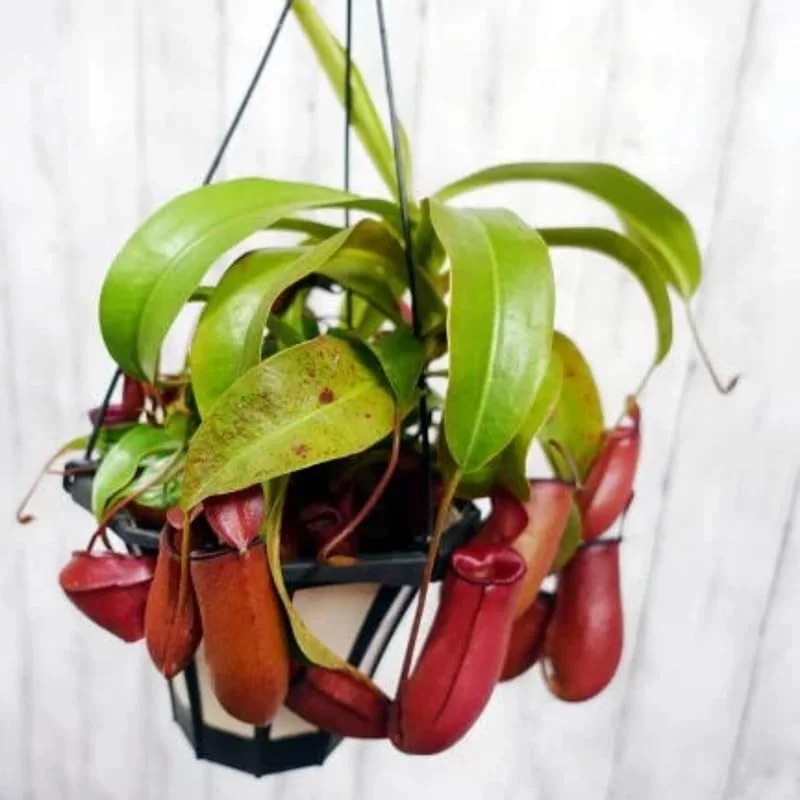
| Style | "Large" Nepenthes Pitcher Plant, Bat Nepenthes Pitcher Plant, Green Red Nepenthes Pitcher Plant, Hybrid Nepenthes Pitcher Plant, Large Giant Nepenthes Pitcher Plant, Purple Nepenthes Pitcher Plant, Sweet Nepenthes Pitcher Plant, Yellow Nepenthes Pitcher Plant |
|---|
Be the first to review “Nepenthes Pitcher Plant Live Carnivorous Plant – 8 Month Old Starter – Indoor Outdoor”
You must be logged in to post a review.
People also Viewed
Sold 50 products
Original price was: $28.58.$19.99Current price is: $19.99.
Sold 50 products
$32.39
Sold 50 products
$21.59
Sold 50 products
$35.99
Sold 50 products
Price range: $23.15 through $25.19
Sold 50 products
$38.39
Sold 50 products
Price range: $28.79 through $35.99
Sold 50 products
$26.39RELATED posts
How to Grow Jalapeño Peppers From Seeds: A Step-by-Step Guide
Ready to spice things up in your garden? Jalapeños are the true life of the [...]
Apr
Top 12 Best Types of Peppers to Grow in Your Garden: Easy and High Yield
Growing peppers is, quite honestly, one of the biggest “wins” you can have in a [...]
Apr
Frostproof Jasmine Care: 7 Tips for Successful Pot Growth
Most gardenias are known for being “divas.” They want perfect humidity, perfect soil, and they [...]
Mar
Top 7 Best Smelling Jasmine Varieties for a Heavenly Garden
Have you ever walked past a house and caught a scent so sweet you just [...]
Mar
Master the Heat: 8 Expert Tips for Growing Jalapeños Like a Pro
Are you staring at your garden space, wondering why your pepper plants look more like [...]
Mar
Top 5 Must-Have Hoya Varieties for Beginners
Hoyas are easily one of my top recommendations if you’re hunting for a low-maintenance houseplant [...]
Mar
7 Moringa Plant Care Mistakes to Avoid for Healthy Growth
Have you ever looked at your Moringa tree and wondered why its once vibrant green [...]
Feb
How to Grow Potato Onions From True Seeds: A Step-by-Step Guide
Have you ever wondered how to grow potato onions from true seeds or why some [...]
Feb
Reviews
There are no reviews yet.